Our verdict
A long-established address on Kölner Strasse in Schwelm, Restaurant Pinocchio sits within the broader Bergisches Land dining scene, where mid-sized German towns have quietly supported serious restaurant culture for decades. The kitchen draws on Italian naming traditions and a neighbourhood following that sustains it beyond the usual tourist circuit. For visitors exploring the Ennepe-Ruhr district, it merits attention alongside the region's more prominent dining destinations.

Pearl is the En Primeur Club membership app — saves, bookings, and concierge access live there. Same editors, same standards.
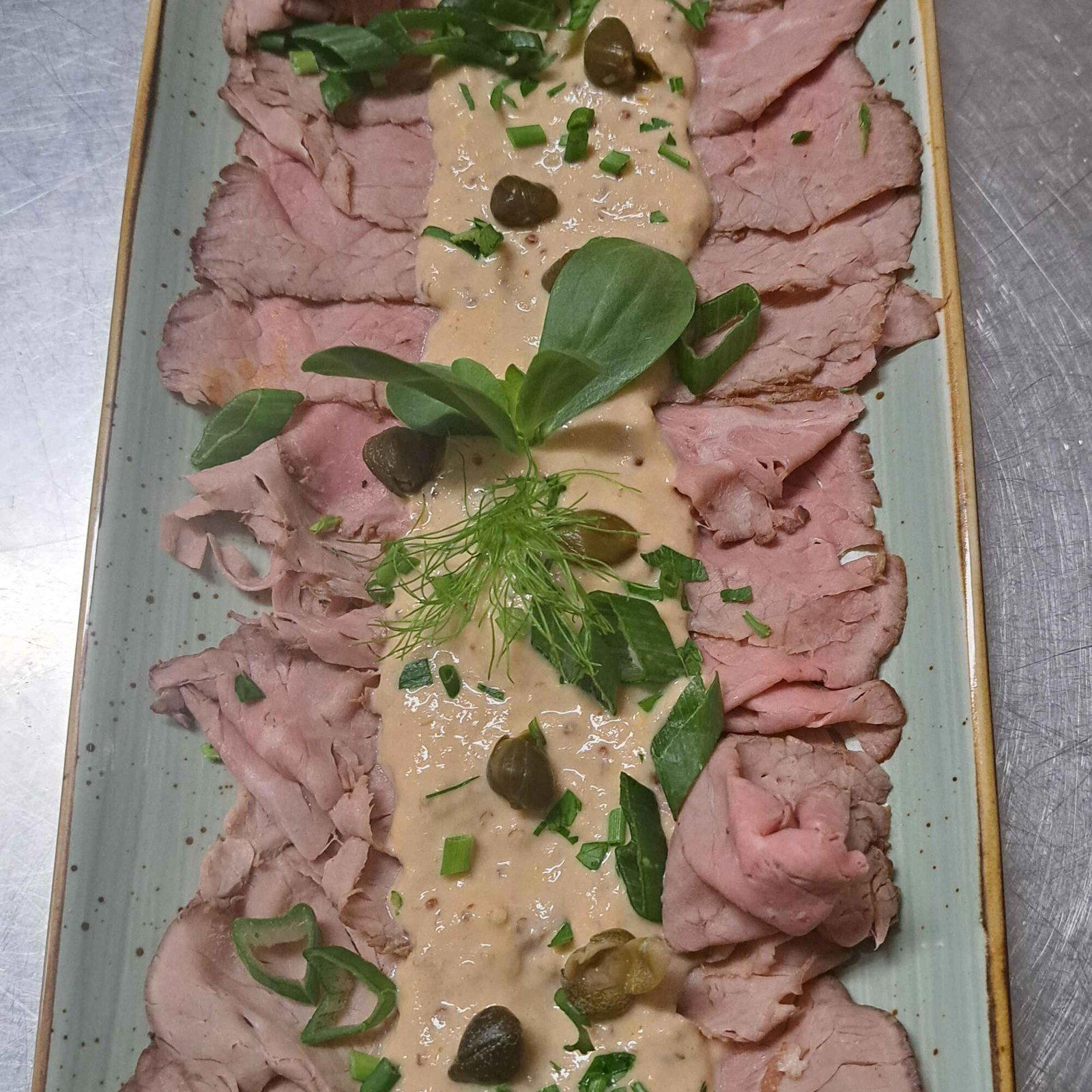
The menu
What to order
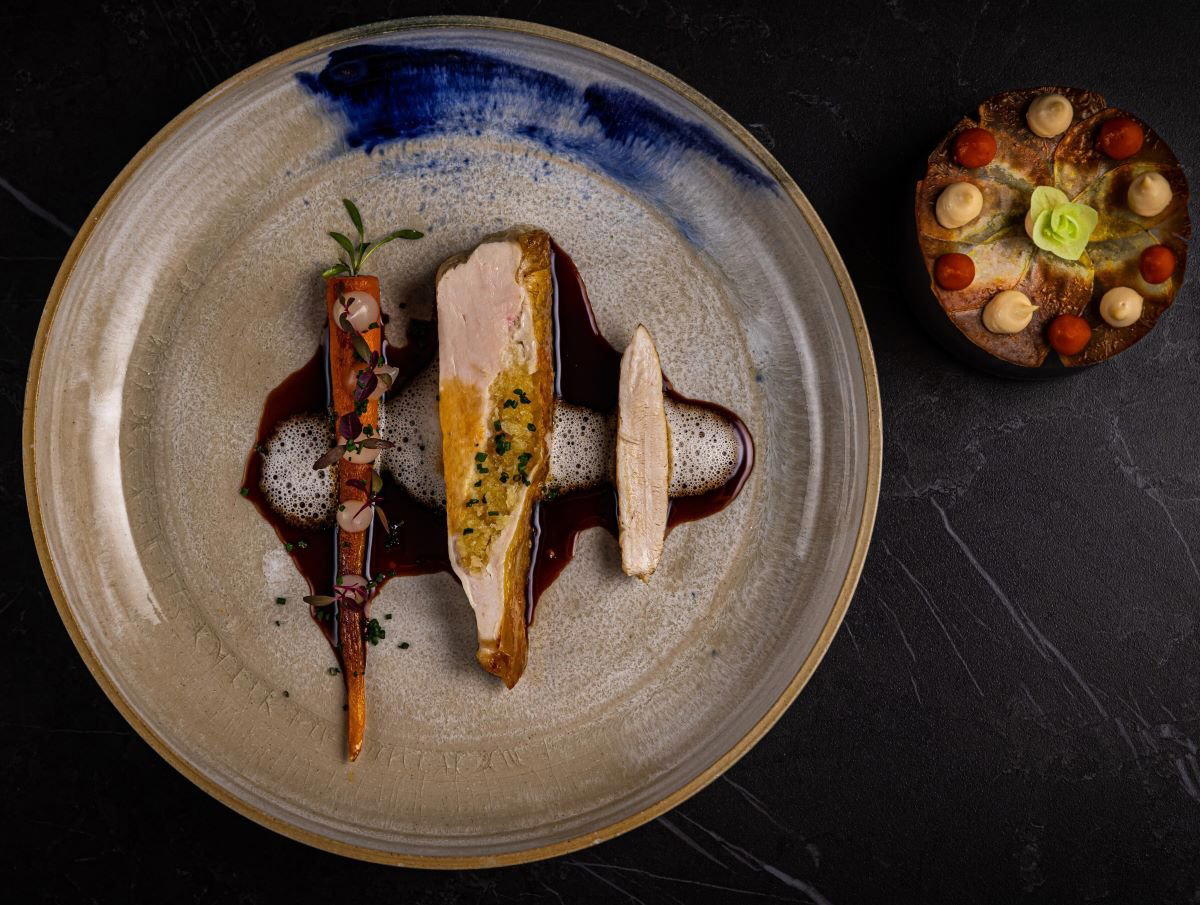
- Ravioli with Oxtail
- Vitello Tonnato
- Grilled Fish
- Dry Aged Filet
- Red Mullet on Pasta al Limone
Schwelm and the Quiet Seriousness of Bergisches Land Dining
The Ennepe-Ruhr district rarely appears in the same conversations as Germany's headline dining cities, yet the towns threading through the eastern Ruhr fringe have supported serious restaurant culture with unusual consistency. Schwelm, a compact industrial-heritage town between Wuppertal and Hagen, follows that pattern. Its restaurant scene is not driven by tourist footfall or corporate expense accounts; it survives on local loyalty, which historically produces a more demanding and less forgiving audience than seasonal visitors. A restaurant at Kölner Str. 4 that endures in that environment earns its position through repeat performance rather than novelty.
Restaurant Pinocchio occupies that kind of address in Schwelm. The Italian-inflected name places it within a tradition common across German mid-sized cities from the 1970s onward, when Italian restaurants established themselves as the default venue for family celebrations, date nights, and long Sunday lunches. Many of those establishments disappeared or calcified into nostalgia. Those that remain active and relevant have done so by evolving their sourcing, tightening their kitchens, and treating the neighbourhood audience as a genuine constituency rather than a captive one. For a broader sense of how Schwelm's dining sits within German restaurant culture, our full Schwelm restaurants guide maps the local scene in more detail.
Where the Ingredients Come From, and Why That Question Matters Here
The sourcing question matters differently in the Bergisches Land than it does in, say, the Black Forest corridor or Bavaria. This part of North Rhine-Westphalia does not have the same density of prestige agricultural producers that feeds kitchens like Schwarzwaldstube in Baiersbronn or Waldhotel Sonnora in Dreis. What it does have is proximity to the Münsterland livestock belt, the market gardens of the lower Rhine plain, and the river valleys that produce reliably good freshwater fish. Italian-style kitchens in this part of Germany have always had to make a practical argument for their ingredient choices: imported Italian staples where provenance and drying time matter (olive oils, aged Parmigiano, dried pasta formats), and local protein and vegetable sourcing where freshness is the dominant variable.
That split sourcing logic, when applied with discipline, produces food that reads as more coherent than a purely import-dependent kitchen. The question for any Italian restaurant operating in inland northwest Germany is whether it takes the domestic component seriously or treats it as a cost-saving afterthought. Restaurants that have survived multi-decade runs in towns like Schwelm tend to have answered that question in favour of the former.
For comparison, the most analytically interesting Italian-adjacent European kitchens now treat ingredient geography as a primary editorial decision. Aqua in Wolfsburg, which fuses contemporary German and Japanese influences at the four-star tier, and JAN in Munich both demonstrate how German kitchens at the top of the market have built sourcing narratives into their identity. Pinocchio operates in a different register entirely, serving a neighbourhood audience rather than a destination-dining audience, but the sourcing logic is no less relevant at that scale.
The Room and What It Signals
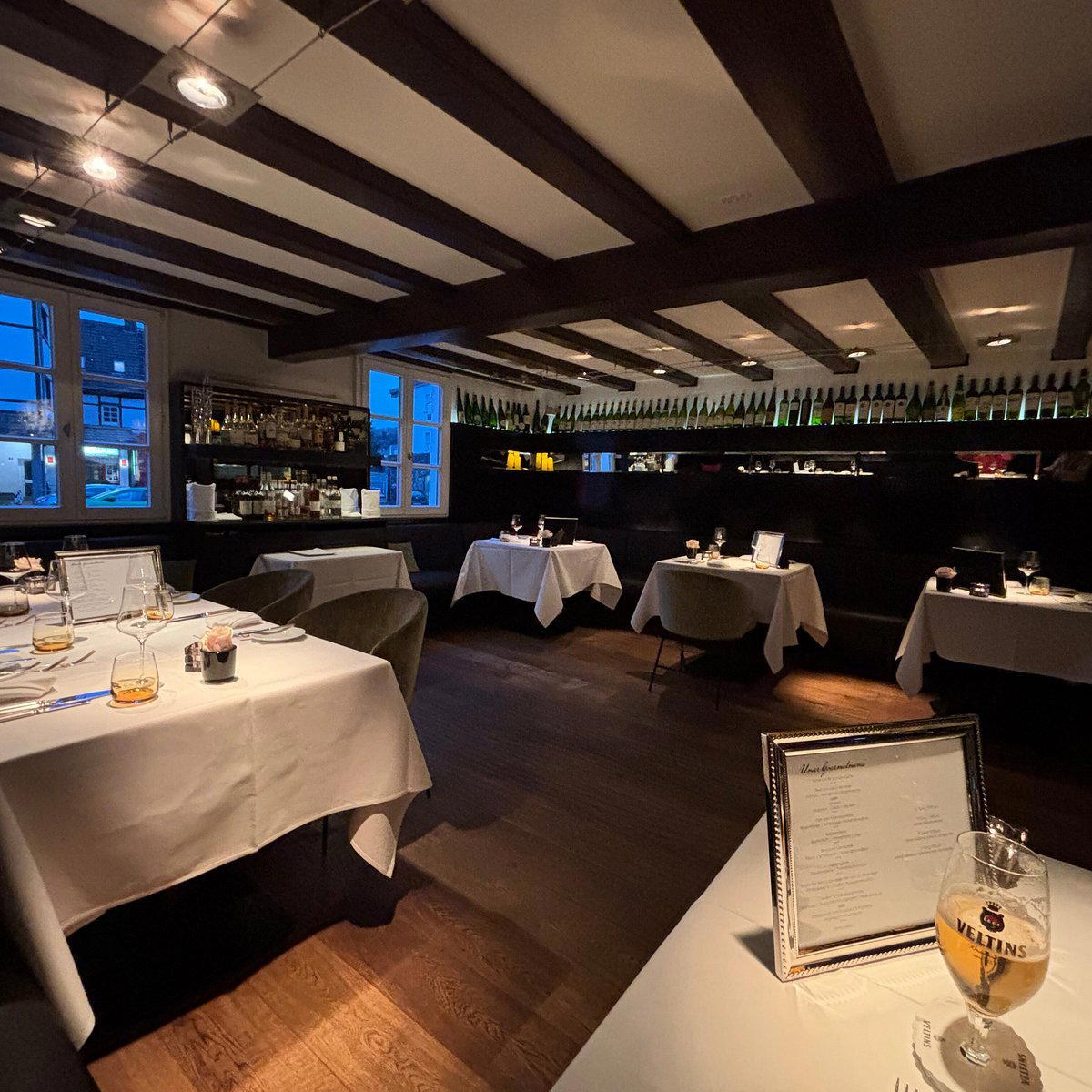
Approaching Kölner Strasse, the street runs through one of Schwelm's older commercial corridors, mixing residential blocks with ground-floor businesses of the kind that have defined German town centres since the postwar reconstruction era. A restaurant holding a position on that strip signals something specific: it is not a destination venue relying on a dramatic physical setting, and it is not tucked into a converted mill or vineyard estate. It operates in the rhythm of daily town life, which means lunch trade, early-evening regulars, and a booking cadence tied to local events rather than seasonal tourism peaks.
That physical ordinariness is not a liability in the German mid-market dining tradition; it is often a prerequisite. The most durable neighbourhood restaurants in cities like Wuppertal, Hagen, and Bochum share it. The room functions as context for the food and the service, not as an attraction in its own right. Guests arrive with expectations formed by prior visits and word of mouth, not by aspirational photography or a design press moment.
Situating Pinocchio in Germany's Broader Restaurant Hierarchy
Germany's fine-dining tier is geographically dispersed in a way that rewards the attentive traveller. Vendôme in Bergisch Gladbach, roughly 40 kilometres southwest of Schwelm, represents the region's highest-recognised end of the spectrum. CODA Dessert Dining in Berlin and ES:SENZ in Grassau illustrate how far Germany's creative-kitchen scene has distributed itself away from Frankfurt and Munich. Further afield, Victor's Fine Dining by Christian Bau in Perl, Schanz in Piesport, and Bagatelle in Trier anchor the Moselle and Saar corridor as a serious dining zone. Restaurant Haerlin in Hamburg, ammolite in Rust, ATAMA by Martin Stopp in Sankt Ingbert, AUGUST in Augsburg, and AURA in Wirsberg complete the picture of a national scene that has no single dominant city.
Restaurant Pinocchio does not occupy that decorated tier. Internationally, the comparison point is not Le Bernardin in New York or Atomix; it is the neighbourhood trattoria that a local family returns to across generations because the kitchen is honest and the welcome is consistent.
Planning a Visit
Schwelm sits on the S-Bahn network connecting Hagen and Wuppertal, making it accessible by rail from both cities in under 20 minutes. Kölner Strasse is within walking distance of the central station. As with most established neighbourhood restaurants in smaller German towns, booking ahead for weekend evenings is advisable, as local demand routinely fills the room before walk-in capacity becomes available.
Frequently asked questions
Can I bring kids to Restaurant Pinocchio Schwelm?
4 address. Schwelm's dining culture in the Ennepe-Ruhr district generally accommodates families at local restaurants, so contacting the venue directly before visiting with younger guests is the sensible approach.
How do you get to Restaurant Pinocchio Schwelm by public transport?
Schwelm is served by the S-Bahn network connecting Hagen and Wuppertal, with both cities reachable in under 20 minutes by rail. Kölner Str. 4 is within the town's central commercial corridor, making it accessible on foot from Schwelm station without requiring onward transport.
What's the signature dish at Restaurant Pinocchio Schwelm?
The Bergisches Land region has its own culinary identity distinct from the Black Forest or Bavarian corridors, and sourcing practices in this part of North Rhine-Westphalia often reflect that local character — but confirmed details require checking directly with the restaurant.
Where do I go for Restaurant Pinocchio Schwelm?
Restaurant Pinocchio Schwelm is located at Kölner Str. 4, 58332 Schwelm, Germany, Schwelm.
Is Restaurant Pinocchio Schwelm reservation-only?
4. For a restaurant in a smaller Ennepe-Ruhr town like Schwelm, calling ahead is a practical step regardless of formal reservation requirements, particularly on weekends.
What is Restaurant Pinocchio Schwelm known for?
Restaurant Pinocchio operates in Schwelm, a town in the Ennepe-Ruhr district of North Rhine-Westphalia that sits between Hagen and Wuppertal — a corridor that draws comparisons to the quieter, less-publicised side of German regional dining.
At-a-Glance Comparison
Comparable venues nearby, for context on price, style, and recognition.
| Venue | Cuisine | Price | Awards | Notes |
|---|---|---|---|---|
| Restaurant Pinocchio SchwelmThis venue — the venue you are viewing | Italian Mediterranean Trattoria | $30–50 | Not listed | Not listed |
| Bar Trattoria Celentano | Authentic Sicilian Italian Trattoria | $10–20 | Not listed | Neustadt/Nord |
| Pizza | Italian Pizza | $10–20 | Not listed | Friedrichstadt |
| Totò e Peppino | Neapolitan Pizza | $10–20 | Not listed | Neustadt/Nord |
| Trattoria Carissima | Italian Trattoria | $20–30 | Not listed | Oberkassel |
| 485Grad GmbH (Kyffhäuserstraße) | Neapolitan Pizza | $20–30 | Falstaff Wine Bar - 91 Falstaff Points | Neustadt/Süd |
Continue exploring
More in Schwelm
Restaurants in Schwelm
All restaurants in Schwelm →
Bars in Schwelm
Browse all →
Hotels in Schwelm
Browse all →
Wineries in Schwelm
Browse all →
Details
- Cozy
- Romantic
- Classic
- Intimate
- Date Night
- Group Dining
- Special Occasion
- Casual Hangout
- Terrace
- Standalone
- Beer Program
- Local Sourcing
- A La Carte
- Wine
- Beer
- Vegetarian Friendly
- Vegan Options
Current opening hours
- Monday
- Closed
- Tuesday
- 5:30–9:30 PM
- Wednesday
- 5:30–9:30 PM
- Thursday
- 5:30–9:30 PM
- Friday
- 5:30–9:30 PM
- Saturday
- 5:30–9:30 PM
- Sunday
- Closed
Hours can change for holidays and private events. Last verified .
Warm, welcoming atmosphere with cozy interior spaces and a charming outdoor terrace. Guests describe it as genuine and comfortable, with attentive service creating an intimate dining experience.