Trattoria Carissima
On Luegallee in Düsseldorf's Oberkassel district, Trattoria Carissima occupies a residential stretch that has quietly accumulated some of the city's more considered Italian dining. The address signals neighbourhood intent over tourist convenience, and the name itself, carissima, meaning 'dearest' in Italian, frames the register before you arrive. A reliable reference point for Italian trattoria cooking on the left bank of the Rhine.
Pearl is the En Primeur Club membership app — saves, bookings, and concierge access live there. Same editors, same standards.
- Address
- Luegallee 17, 40545 Düsseldorf, Germany
- Phone
- +4949211571451
- Website
- trattoria-carissima.com
- Directions
- Get directions
 Saves & bookings on Pearl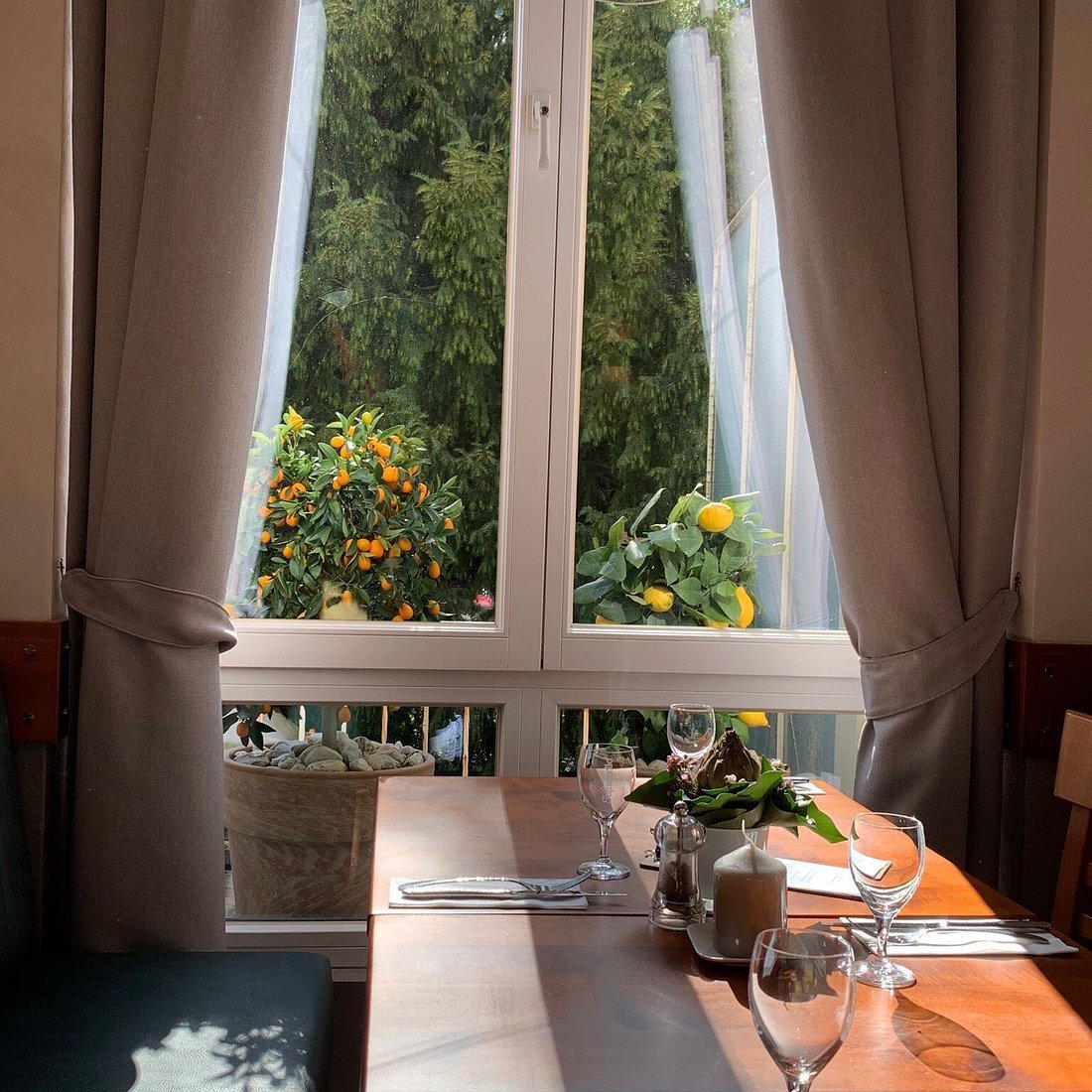
The Left Bank Italian Scene, and Where Carissima Sits Within It
Düsseldorf's Italian dining has long held a particular character shaped by the city's postwar labour migration from southern Italy. That history produced a dense layer of family-run trattorias, particularly on the left bank of the Rhine in Oberkassel and Niederkassel, where the residential streets and lower commercial rents sustained cooking that was never aimed at the business-lunch trade. Luegallee 17 sits squarely inside this tradition. The address is a wide, tree-lined boulevard that connects Oberkassel's quieter residential blocks to the river, and the kind of street where you notice a restaurant because a neighbour recommended it, not because a platform pushed it at you.
Italian trattorias in this part of Düsseldorf operate in a different register from the city-centre Italian restaurants that cluster near Königsallee or the Altstadt. The nearby dining scene is neighbourhood-facing: modest frontages, no grand signage, and menus that assume the guest is returning rather than arriving for the first time. Trattoria Carissima positions itself within that cohort. Nearby, Amuni Wein- und Käsebar anchors a different corner of the left-bank dining offer with a wine and cheese format, while Anfora covers Italian-leaning wine-bar territory. The trattoria sits between those formats: more committed to a full meal progression than a wine bar, less formal than a ristorante.
Arriving on Luegallee
The approach along Luegallee sets expectations correctly. This is not the Altstadt, with its Altbier bars and tourist-facing menus. The boulevard runs with a calm that Düsseldorf's central districts rarely sustain on a Friday evening, and a restaurant here earns its clientele through repetition and word-of-mouth rather than footfall. That dynamic tends to reward kitchens that cook consistently rather than spectacularly, and it shapes what a neighbourhood trattoria in this location needs to deliver: dishes that hold up across dozens of return visits, not just one first impression.
The name itself is a legible signal. Carissima, Italian for 'dearest' or 'most beloved', is the kind of word used in letters to family, not in press releases. It positions the room as somewhere with an affectionate relationship to its regulars rather than an aspirational one with reviewers. In the German trattoria market, where the word 'trattoria' covers everything from serious regional Italian cooking to schnitzel-adjacent pasta, the name functions as a positioning statement about intent.
Reading the Meal as a Sequence
Trattoria format, when it functions as intended, is essentially a study in pacing. Italian dining at this register was never built around the single-dish model: the logic runs from antipasto through primo and secondo, with dolce arriving as punctuation rather than afterthought. That progression has been abbreviated or collapsed at many European trattorias serving non-Italian markets, where guests tend to order a single pasta and a glass of house wine and call it done. The question worth asking of any trattoria operating outside Italy is whether the kitchen still thinks in those terms, or whether it has flattened the sequence to match abbreviated expectations.
Trattorias that maintain the full arc tend to show it in how the menu is structured and how the room is paced. Antipasti that are genuinely designed to open appetite rather than fill it, primi that carry enough weight to be satisfying without closing the meal, secondi that justify the progression, these are the structural markers of a kitchen still thinking in sequences. Dessert in this model is not an upsell but a resolution, and an espresso or digestivo after it is the correct ending rather than an optional add-on.
Germany's Italian restaurant category has deepened considerably since the early 2000s, when most mid-market Italian dining in German cities tracked toward pizza-pasta formats with little regional differentiation. The current left-bank Düsseldorf scene includes restaurants drawing on southern Italian, Sicilian, and central Italian traditions more specifically. Neighbourhood Italian cooking like Carissima's operates in a parallel register entirely, valued for different reasons.
The Neighbourhood Dining Contract
Eating on Luegallee is an exercise in a specific kind of trust. Neighbourhood restaurants in residential districts operate on an implicit contract with their regulars: consistency over novelty, honest pricing over theatrical presentation, a room where the staff know enough returning faces to make a newcomer feel they have found something real. That contract is distinct from what drives interest in, say, CODA Dessert Dining in Berlin or JAN in Munich, where the draw is formal innovation or tasting-menu ambition. The trattoria model stakes its claim on the opposite qualities.
The Düsseldorf dining scene that surrounds Carissima spans a wide range of formats. Arca Alacati and Alanya Döner reflect the city's Turkish and eastern Mediterranean dining layers, while 3h's burger and chicken and ES:SENZ in Grassau anchor opposite ends of the casual-to-ambitious spectrum.
Neither is a direct comparator for an Oberkassel trattoria, but they illustrate the breadth of what serious, intentional cooking looks like across formats and price tiers. Neighbourhood Italian dining earns its place in a different part of that map.
The comparison is not a criticism of either end; it simply clarifies that the two formats are making entirely different promises.
Know Before You Go
Address: Luegallee 17, 40545 Düsseldorf, Germany
District: Oberkassel, left bank of the Rhine
Booking: Reservation recommended
Format: Neighbourhood trattoria; suited to a full multi-course evening rather than a quick meal
Fast Comparison
Comparable venues nearby, for context on price, style, and recognition.
| Venue | Cuisine | Price | Notes |
|---|---|---|---|
| Trattoria CarissimaThis venue — the venue you are viewing | Italian Trattoria | $$ | Not listed |
| Zerogradi | Modern Italian Pizzeria & Pinsa | $$ | Pempelfort |
| Da Giacomo | Modern Italian Trattoria | $$ | Gerresheim |
| da noi | Authentic Italian Pizzeria & Trattoria | $$ | Stadtmitte |
| Amuni Wein- und Käsebar | Sicilian Wine & Cheese Bar | $$ | Altstadt |
| forum | Modern Neapolitan Pizza & Sharing Plates | $$ | Unterbilk |
Continue exploring
More in Düsseldorf
Restaurants in Düsseldorf
Browse all →
Bars in Düsseldorf
Browse all →
At a Glance
- Cozy
- Classic
- Lively
- Casual Hangout
- Family
- Date Night
- Terrace
- Open Kitchen
- Street Scene
Current opening hours
- Monday
- 12–10:30 PM
- Tuesday
- 12–10:30 PM
- Wednesday
- 12–10:30 PM
- Thursday
- 12–11 PM
- Friday
- 12–11:30 PM
- Saturday
- 12–11:30 PM
- Sunday
- 12–10:30 PM
Hours can change for holidays and private events. Last verified .
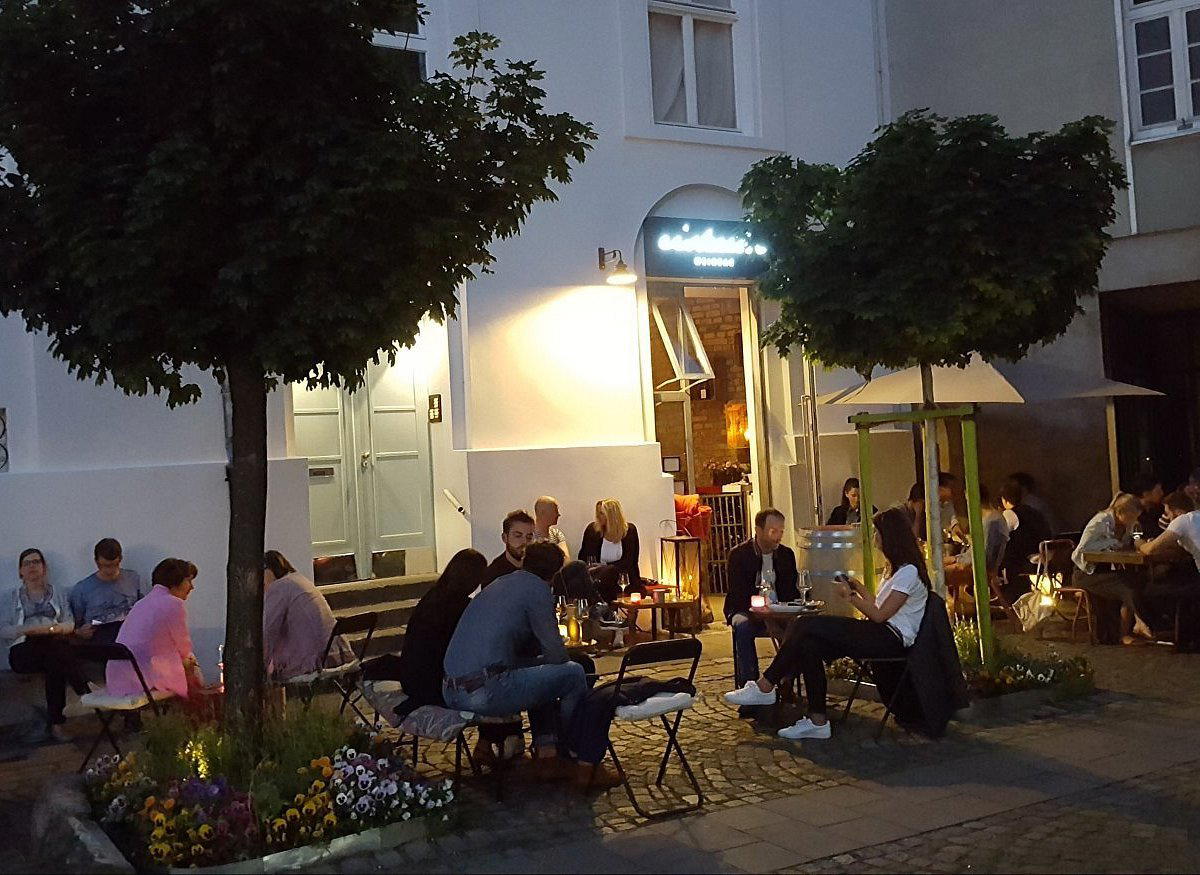
Warm and inviting with aromas of freshly baked bread, lively conversation, and a cozy terrace.