Restaurant Pierrot
Our verdict
Restaurant Pierrot sits in Guadalajara's Ladrón de Guevara district, a neighbourhood where European-inflected dining has long found an audience among the city's more established dining crowd. With a name that nods to French theatrical tradition, the restaurant occupies a position in a city increasingly recognised for its culinary range — from heritage birria counters to contemporary Mexican tasting menus — making it a reference point for understanding how Guadalajara's mid-to-upper dining tier operates.

Pearl is the En Primeur Club membership app — saves, bookings, and concierge access live there. Same editors, same standards.
- Address
- C. Justo Sierra 2355, Ladrón de Guevara, Ladron De Guevara, 44600 Guadalajara, Jal., Mexico
- Phone
- +523336302087
- Hours
- Mon–Sat 2 PM–12 AMSun Closed
- Website
- restaurantpierrot.com
- Directions
- Get directions
- Booking
- Book on the venue's website
The menu
What to order
- Escargots
- Filet mignon
- Crème brûlée
A Neighbourhood Built for This Kind of Restaurant
Ladrón de Guevara has functioned for decades as one of Guadalajara's more composed residential and dining corridors — the kind of street grid where European-named restaurants feel like a natural continuation of the neighbourhood's architectural register rather than an affectation. Restaurant Pierrot, located at Calle Justo Sierra 2355, arrives in this context as something the area has historically accommodated well: a dining room with Continental reference points operating at a remove from the louder, more touristic circuits of the city centre.
Guadalajara's dining scene has split in recent years into two recognisable currents. One runs toward the contemporary Mexican format — tasting menus anchored in regional produce and technique, the kind of program that has drawn international attention to addresses like Alcalde and placed Jalisco on the same conversation map as the capital's Pujol. The other current is quieter and less photographed: the established European-leaning dining room, where the format is more familiar and the clientele has often been eating at the same table for years. Pierrot operates in that second current.
What the Name Signals About the Room
The Pierrot reference, drawn from the French commedia dell'arte figure, a character associated with melancholy sophistication and white-faced theatrical restraint, is not incidental. Restaurant names in this register tend to signal something about how the kitchen understands itself: not folkloric, not aggressively modern, but positioned within a European culinary inheritance. In Guadalajara, that positioning has a history. The city's wealthier residential districts have supported French and Continental dining rooms since at least the mid-twentieth century, when the Guadalajara bourgeoisie looked to Europe for both their architecture and their table manners.
That context matters when reading a restaurant's menu architecture. A room that invokes French theatrical tradition typically structures its menu along classical European lines: courses that proceed from lighter to richer, a wine program that assumes familiarity with Old World labels, and a pacing that treats dinner as an event with a defined beginning and end rather than a series of plates to share. Whether Pierrot holds precisely to that template is a question the menu would answer, but the name sets a legible expectation for the kind of meal being proposed.
Menu Architecture as Cultural Positioning
The most informative thing about any restaurant's menu is not what individual dishes appear on it, but how it is structured and what that structure implies about the kitchen's ambitions and its sense of its own audience. In Guadalajara's upper-middle dining tier, that structure tends to split between two approaches. The first is the tasting format, a fixed sequence that gives the kitchen maximum editorial control and positions the restaurant explicitly against peer addresses in Mexico's competitive fine-dining set, including Le Chique in Puerto Morelos and HA' in Playa del Carmen. The second is the à la carte format, which places more agency with the diner and tends to attract a different kind of regularity, guests who return frequently rather than guests who come once for an occasion.
A restaurant named Pierrot in a residential Guadalajara neighbourhood almost certainly operates closer to the second model. The à la carte structure suits the long-term loyal clientele that residential dining rooms in this city accumulate over years. It also allows for the kind of menu stability that regulars depend on, the same dish appearing season after season because the people who order it expect to find it. This is a different logic from the menus at KOLI Cocina de Origen in Monterrey or Levadura de Olla in Oaxaca, where seasonal change is part of the editorial identity. At Pierrot, consistency may be the point.
Guadalajara's Dining Range, and Where Pierrot Sits
Reading any single Guadalajara address requires understanding the city's full dining range. At one end sit the heritage taquería and birria formats, addresses like Birrieria Chololo Las Juntas and Birriería las 9 Esquinas, which anchor Guadalajaran food culture in its most historically specific form. At the other end sit the contemporary tasting rooms and the international grill formats represented by addresses like Asador La Vaca Argentina Pérgolas. European-named dining rooms like Pierrot occupy a middle register in this range, less ethnographically specific than the birria counters, less programmatically ambitious than the tasting rooms, but serving a clientele for whom that middle register is precisely what they want from dinner.
That clientele is itself a data point. Guadalajara has a large and established professional class with roots in commerce and manufacturing, a demographic that has historically supported Continental dining rooms at a rate unusual for a Mexican city outside the capital. The longevity of European-named restaurants in Ladrón de Guevara and its adjacent neighbourhoods speaks to the size and loyalty of that audience. For comparison, newer addresses in the contemporary Mexican format, places like Bruna, attract a different, often younger demographic with different expectations about format and price.
For readers exploring the broader sweep of Mexican fine dining, the EP Club covers addresses across the country's distinct culinary regions, including Animalón in Valle de Guadalupe, Lunario in El Porvenir, Olivea Farm to Table in Ensenada, Huniik in Merida, and Pangea in San Pedro Garza Garcia. For international reference, our coverage of Le Bernardin in New York City and Atomix in New York City illustrates how European-derived fine dining formats translate into contemporary contexts across different cities.
Planning a Visit
Restaurant Pierrot is located at Calle Justo Sierra 2355 in Ladrón de Guevara, a walkable and well-served residential district in west-central Guadalajara. The neighbourhood is accessible by taxi or rideshare from most central hotels in under fifteen minutes. Our full Guadalajara restaurants guide covers the city's broader dining geography, including neighbourhood-by-neighbourhood context that makes planning a multi-dinner itinerary considerably easier.
Frequently asked questions
What's the address for Restaurant Pierrot?
Restaurant Pierrot is located at C. Justo Sierra 2355, Ladrón de Guevara, Ladron De Guevara, 44600 Guadalajara, Jal. Mexico, Guadalajara.
How does Restaurant Pierrot fit into Guadalajara's broader dining scene compared to the city's traditional formats?
Guadalajara's dining range runs from deep-rooted birria and taquería traditions through to a growing tier of European-referencing addresses in residential corridors like Ladrón de Guevara. Restaurant Pierrot, positioned on Calle Justo Sierra in that district, occupies the more composed end of the city's spectrum — closer in sensibility to Guadalajara's continental-leaning rooms than to its heritage street formats. For visitors building a multi-day itinerary across the city, it reads as a counterpoint rather than a competitor to those traditional anchors.
What's the signature dish at Restaurant Pierrot?
No single dish has been publicly documented as the defining plate at Restaurant Pierrot. The restaurant's address in Ladrón de Guevara and its Pierrot-referencing name suggest a European-inflected approach to the menu, but specific dishes and tasting notes are best confirmed directly with the venue before visiting.
What's the best way to book Restaurant Pierrot?
Restaurant Pierrot is located at Calle Justo Sierra 2355 in Ladrón de Guevara, Guadalajara.
Reputation First
Comparable venues nearby, for context on price, style, and recognition.
| Venue | Cuisine | Price | Notes |
|---|---|---|---|
| Restaurant PierrotThis venue — the venue you are viewing | Traditional French Bistro | Not listed | Not listed |
| Tacos Providencia | Authentic Guadalajara Taqueria | $10–20 | Lomas de Guevara |
| I Latina | Mexican-Asian Fusion | $30–50 | 1403900011556 |
| Bruna | Modern Mexican Fine Dining | $50–100 | 1403900011575 |
| Restaurante Save Av. Guadalupe | Sinaloa-Style Seafood | $20–30 | 1403900011753 |
| Asador La Vaca Argentina Pérgolas | Authentic Argentine Steakhouse | $30–50 | 1403900011293 |
Continue exploring
More in Guadalajara
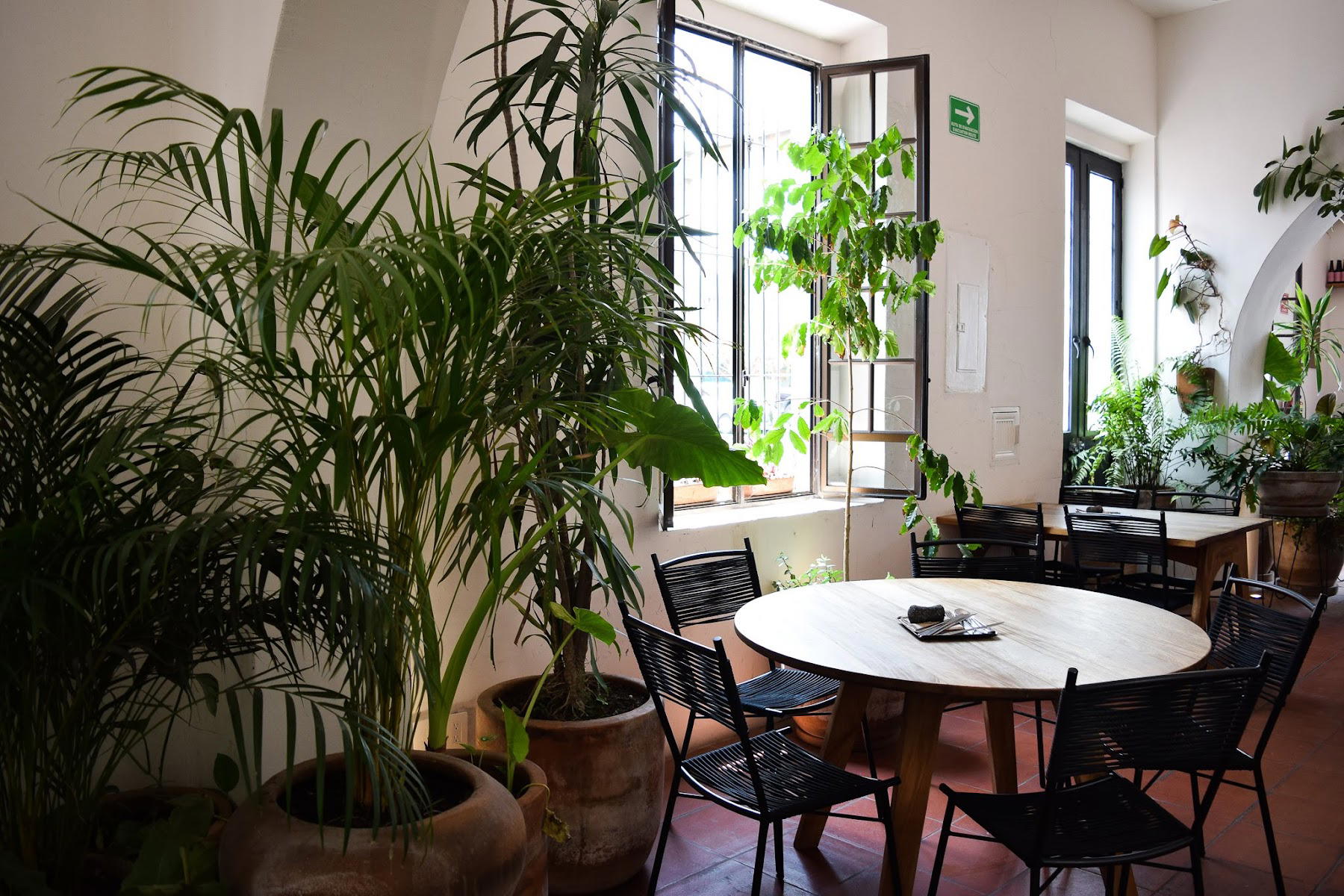
Restaurants in Guadalajara
Browse all →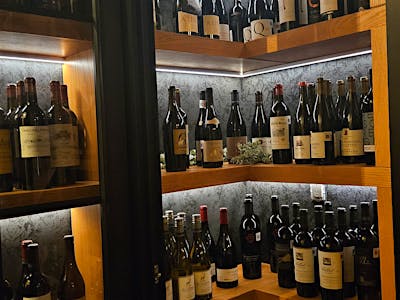
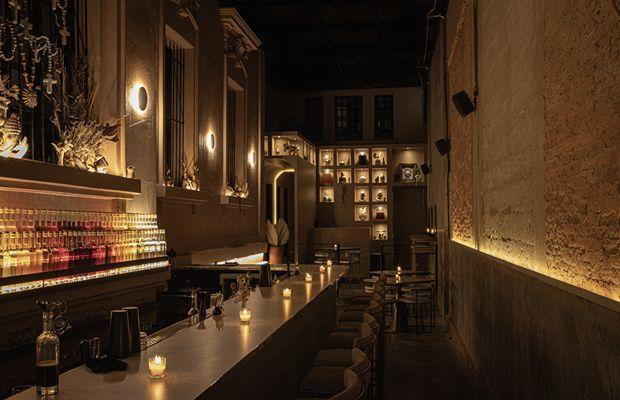
Bars in Guadalajara
Browse all →
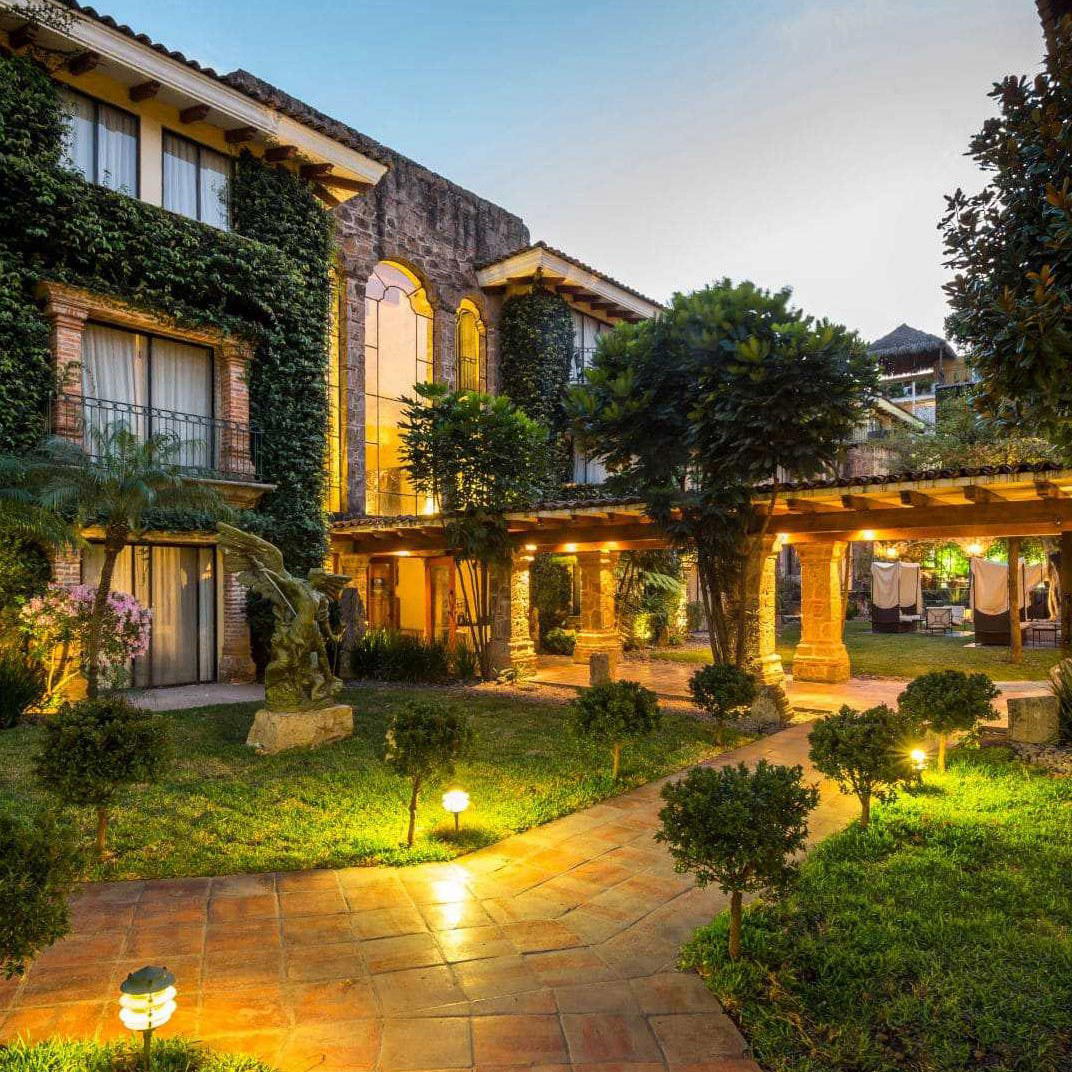
Hotels in Guadalajara
Browse all →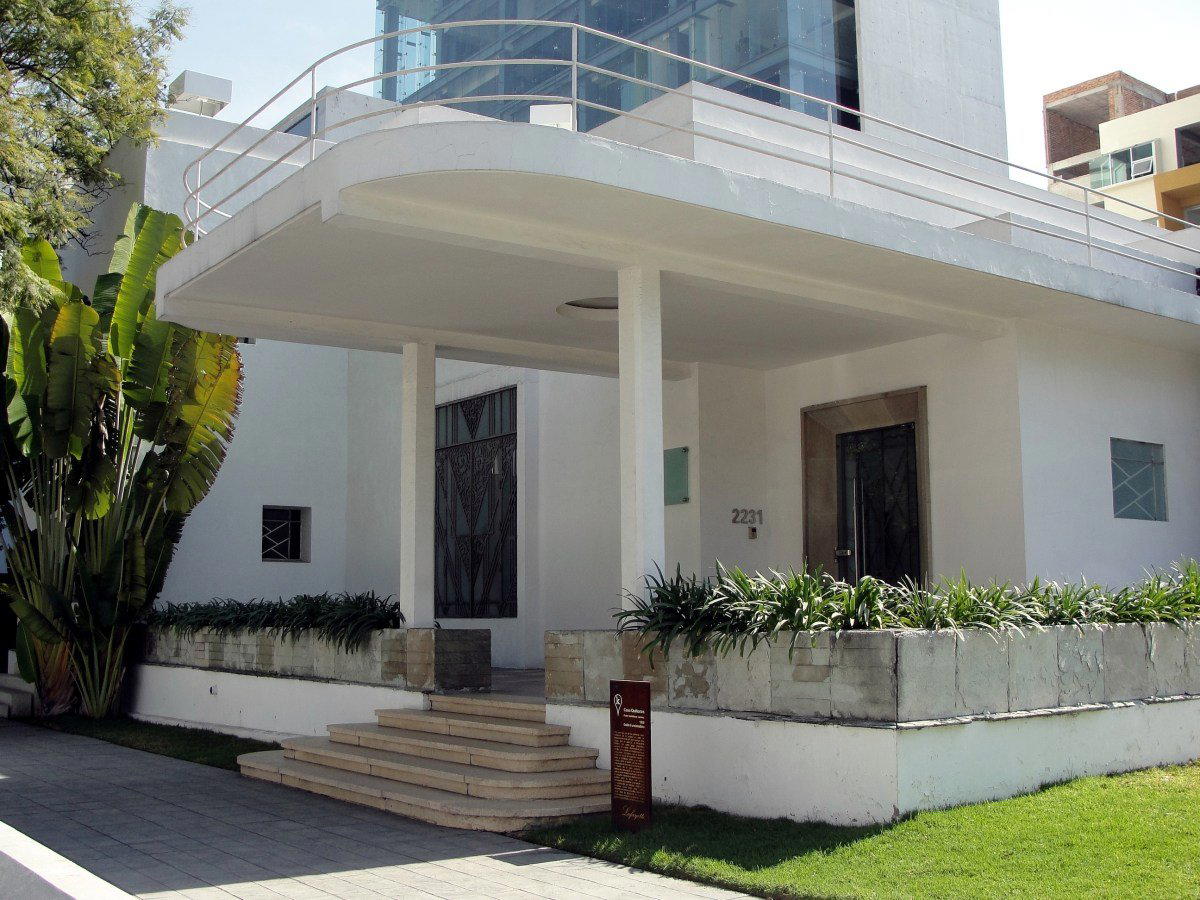



Details
- Classic
- Cozy
- Elegant
- Intimate
- Date Night
- Business Dinner
- Special Occasion
- Hotel Restaurant
- Extensive Wine List
- A La Carte
- Gluten Free Options
Current opening hours
- Monday
- 2 PM–12 AM
- Tuesday
- 2 PM–12 AM
- Wednesday
- 2 PM–12 AM
- Thursday
- 2 PM–12 AM
- Friday
- 2 PM–12 AM
- Saturday
- 2 PM–12 AM
- Sunday
- Closed
Hours can change for holidays and private events. Last verified .
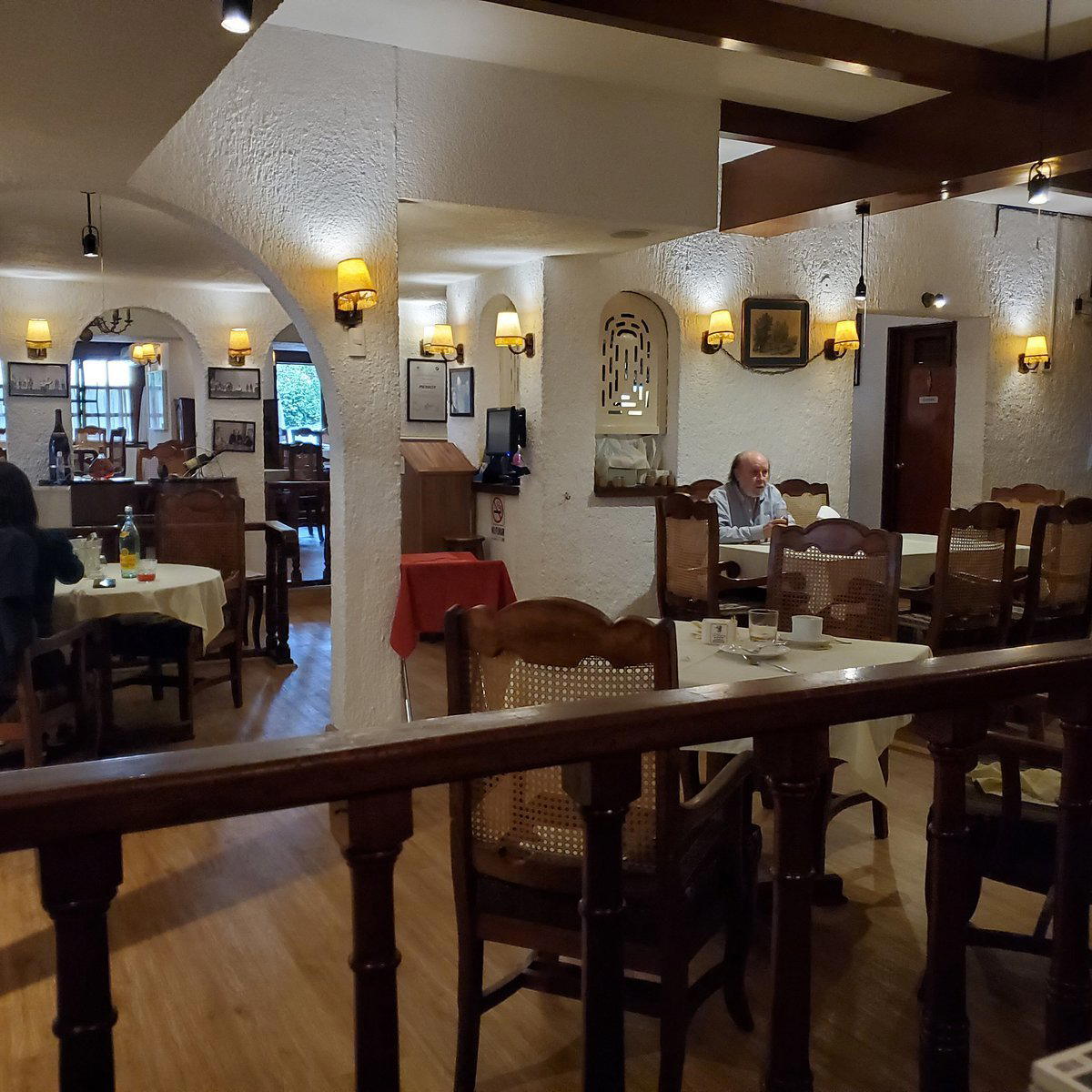
Cozy and classic Parisian bistro atmosphere with elegant, relaxed lighting, piano music, and intimate residential setting.