Restaurant Petra

Restaurant Petra occupies the dining room of Hotel Petra &Tradition on Dronningens Tværgade, placing it within Copenhagen's quieter, hotel-anchored restaurant tier rather than the city's freestanding fine-dining circuit. Where peers like Geranium and Alchemist operate as destination restaurants in their own right, Petra draws on the rhythms of a working hotel to shape its pace and service dynamic. Verification of current chef, menu format, and awards status is recommended before booking.
Pearl is the En Primeur Club membership app — saves, bookings, and concierge access live there. Same editors, same standards.
- Address
- Hotel Petra &Tradition, Dronningens Tværgade 45, 1302 København, Denmark
- Phone
- +4527124545
- Website
- restaurant-petra.com
- Directions
- Get directions
 Saves & bookings on Pearl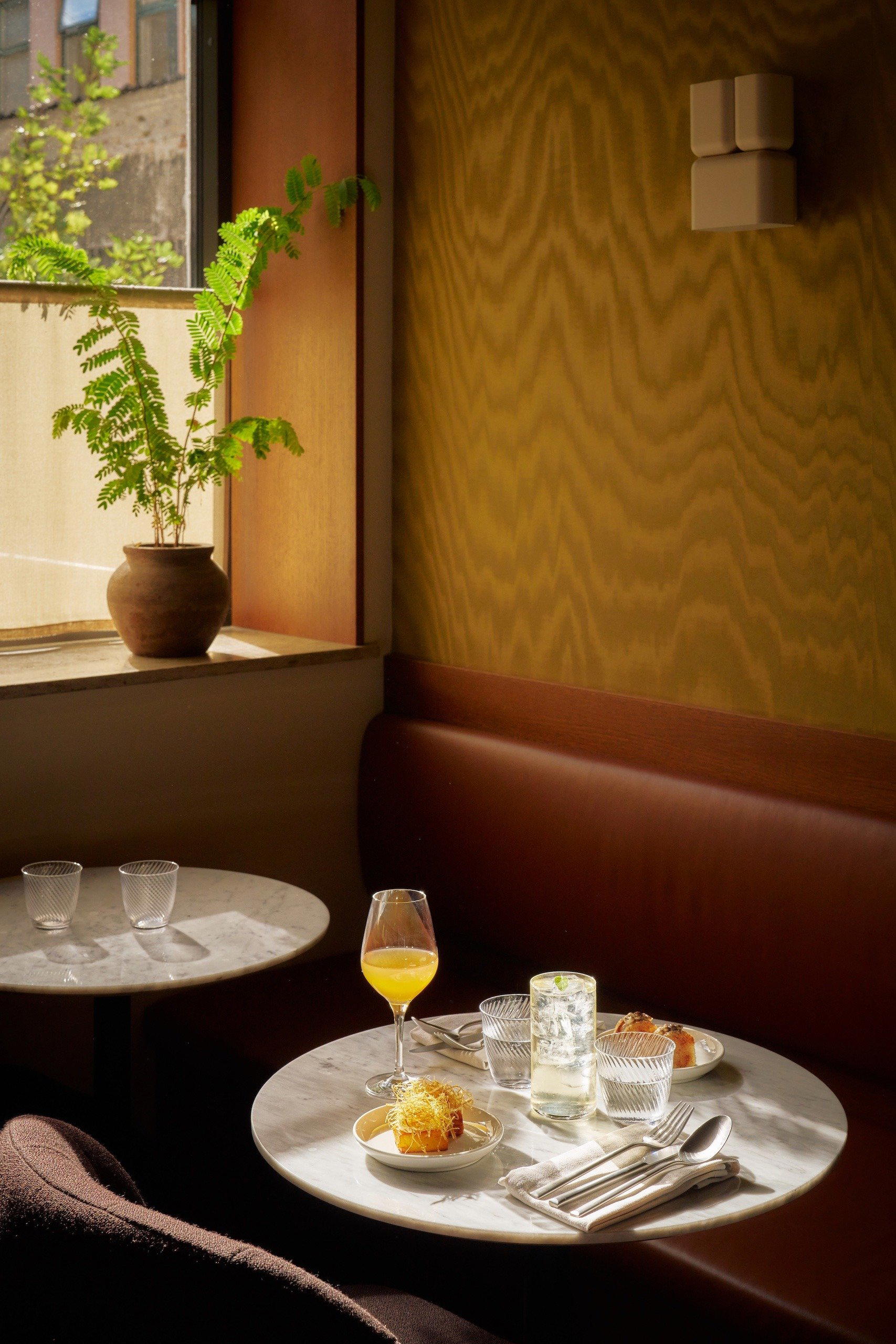
Where Hotel Hospitality Meets the Copenhagen Dining Room
Restaurant Petra is a Modern Nordic restaurant in Copenhagen, located inside Hotel Petra & Tradition at Dronningens Tværgade 45. Copenhagen's restaurant culture has fractured into recognisable tiers over the past decade. Below that, a quieter stratum of hotel dining rooms handles a different brief: reliable evening service, a range of covers from hotel guests and walk-ins, and a kitchen that must function across multiple meal periods without the luxury of a single-format focus. Restaurant Petra, located within Hotel Petra &Tradition; at Dronningens Tværgade 45 in the Frederiksstaden district, sits in this second tier.
Frederiksstaden is not the neighbourhood most visitors associate with Copenhagen's dining scene. It is a formal quarter of late-baroque architecture, embassy buildings, and broad streets that lead toward Amalienborg Palace and the harbour. The dining culture here tends toward the composed and unhurried rather than the experimental. A restaurant embedded in this context, inside a hotel bearing the same name, inherits the neighbourhood's register whether it intends to or not. The physical approach, a residential-scale street and a hotel entrance, sets an expectation of quietness before a guest reaches the table.
The Service Triangle in Hotel Dining
The editorial angle worth examining at any hotel restaurant is the relationship between kitchen, floor, and front desk. In freestanding fine-dining, the team dynamic runs on a closed loop: chef sets the menu logic, sommelier builds a pairing argument, front-of-house executes the rhythm. In a hotel context, that loop is interrupted constantly by check-in times, room service pulls, and guests whose primary relationship is with the building rather than the plate. The restaurants that handle this well, and the model appears across European hotel dining, from small design properties in Paris's 6th arrondissement to the intimate hotel tables in Copenhagen's own Nyhavn corridor, do so by treating service collaboration as the product itself. The sommelier carries more weight than in a standalone room because wine pacing often substitutes for the tasting-menu architecture that shapes the guest experience elsewhere. The front-of-house becomes the continuity layer when kitchen capacity ebbs under operational pressure.
Copenhagen has a wider set of hotel dining rooms operating at serious levels. The city's New Nordic canon, associated most directly with Noma and its diaspora, generated not just freestanding restaurants but a city-wide re-evaluation of sourcing and technique that reached hotel kitchens in time. Places like Koan and Kadeau demonstrate that the distinction between hotel-adjacent and destination-grade has blurred in practice, even if the booking dynamics remain different.
Reading the Room: What the Address Tells You
Dronningens Tværgade is a short walk from Kongens Nytorv, the square that anchors Copenhagen's transition from the old city to Frederiksstaden and from which the Metro, the Royal Theatre, and several of the city's longer-established restaurants radiate. The address places Restaurant Petra within easy reach of the city's central hotel corridor and its associated traveller flow, but at a slight remove from the more tightly curated dining streets of Vesterbro or Nørreport. This matters for understanding who the room serves on any given evening: a mix of hotel guests and neighbourhood regulars.
That guest mix shapes the service dynamic in ways that are worth understanding before arrival. A kitchen reading the room across two distinct guest types, the hotel guest without a strong prior relationship to the food, and the repeat local visitor with established preferences, tends to develop a floor team with stronger generalised hospitality instincts than kitchens serving only pre-committed tasting-menu guests. The tradeoff is that the food program is anchored to what the room can reliably deliver across a full service. For the traveller whose primary frame of reference is Jordnær in Gentofte or Frederikshøj in Aarhus, the register here will feel different, less focused on a single evolving statement, more on consistent, hospitable execution.
Copenhagen in a Wider Danish Frame
Understanding any Copenhagen restaurant requires placing it inside the broader Danish dining conversation. The capital concentrates much of the country's fine-dining infrastructure, but serious cooking now extends well beyond the city's postal codes. Henne Kirkeby Kro, Alimentum in Aalborg, ARO in Odense, LYST in Vejle, Domæne in Herning, Dragsholm Slot Gourmet, Frederiksminde in Præstø, and MOTA in Nykøbing Sjælland each represent a regional kitchen working at a level that would have been unusual outside Copenhagen fifteen years ago. This dispersal of serious cooking has raised the baseline expectation for hotel dining rooms in the capital: a Copenhagen hotel restaurant now competes implicitly not just with its urban freestanding peers but with the standard set by regional destinations that draw guests specifically for the food.
Internationally, the comparison point for hotel dining of this type sits alongside rooms at properties where the hotel identity and the restaurant identity have been deliberately aligned. The leading version of this model, seen in European capitals and in New York at rooms like Le Bernardin and the more format-disciplined operations adjacent to Atomix's influence, treats the hotel provenance as context rather than limitation. The food becomes the reason guests return to the building, rather than a convenience feature of the room rate.
Know Before You Go
- Address: Hotel Petra &Tradition; Dronningens Tværgade 45, 1302 København, Denmark
- Neighbourhood: Frederiksstaden, within walking distance of Kongens Nytorv Metro
- Format: Hotel dining room; guest mix includes both hotel residents and local bookings
- Booking: Contact the hotel directly; current booking platform and availability not independently verified
- Awards: No Michelin stars or major awards are listed for the restaurant.
- Price range: Midrange to upper-midrange
- Further reading: See our full Copenhagen restaurants guide for broader city context
A Lean Comparison
Comparable venues nearby, for context on price, style, and recognition.
| Venue | Cuisine | Price |
|---|---|---|
| Restaurant PetraThis venue — the venue you are viewing | Indre By, Modern Nordic | $$$ |
| Cafe Oscar | Indre By, Danish Comfort Food & Cafe | $$ |
| Restaurant Komplet | Indre By, Danish | $$ |
| Wulff & Konstali - Islands Brygge | Amager Vest, Danish Brunch Cafe | $$ |
| Bang & Jensen | Vesterbro-Kongens Enghave, Danish Cafe | $$ |
| Garden | Indre By, Danish Bistro | $$ |
Recognition history
Dated appearances from independent guides and award organizations, with the underlying list record or original source where available.
Michelin Bib Gourmand
Michelin
Continue exploring
More in Copenhagen
Restaurants in Copenhagen
Browse all →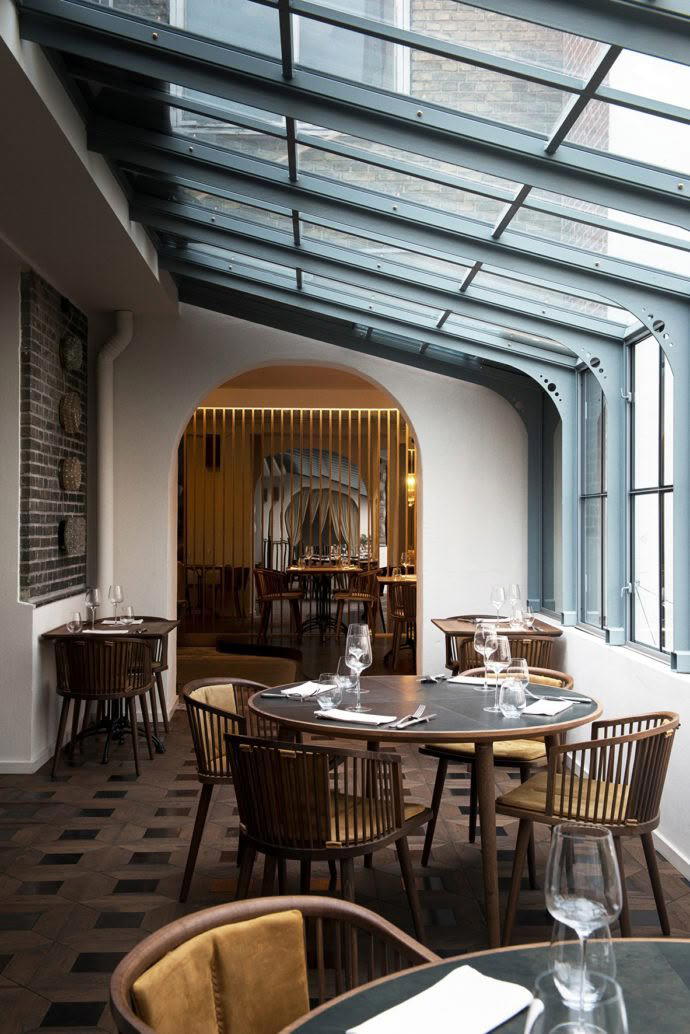
Bars in Copenhagen
Browse all →
At a Glance
- Modern
- Elegant
- Minimalist
- Sophisticated
- Date Night
- Special Occasion
- Business Dinner
- Open Kitchen
- Design Destination
- Hotel Restaurant
- Historic Building
- Craft Cocktails
- Farm To Table
- Local Sourcing
- Organic
Current opening hours
- Monday
- 7 AM–11 PM
- Tuesday
- 7 AM–11 PM
- Wednesday
- 7 AM–11 PM
- Thursday
- 7 AM–11 PM
- Friday
- 7 AM–11 PM
- Saturday
- 7 AM–11 PM
- Sunday
- 7 AM–3 PM
Hours can change for holidays and private events. Last verified .
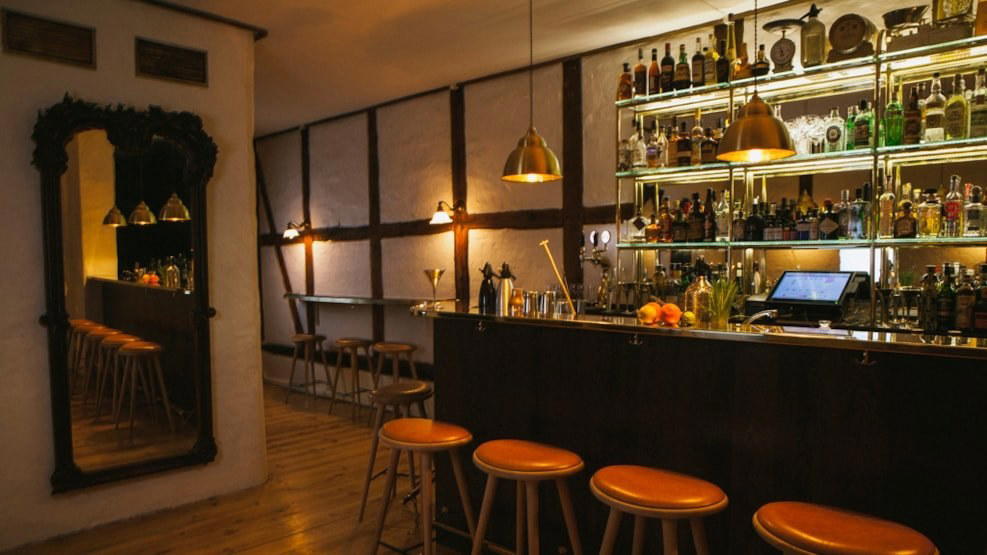
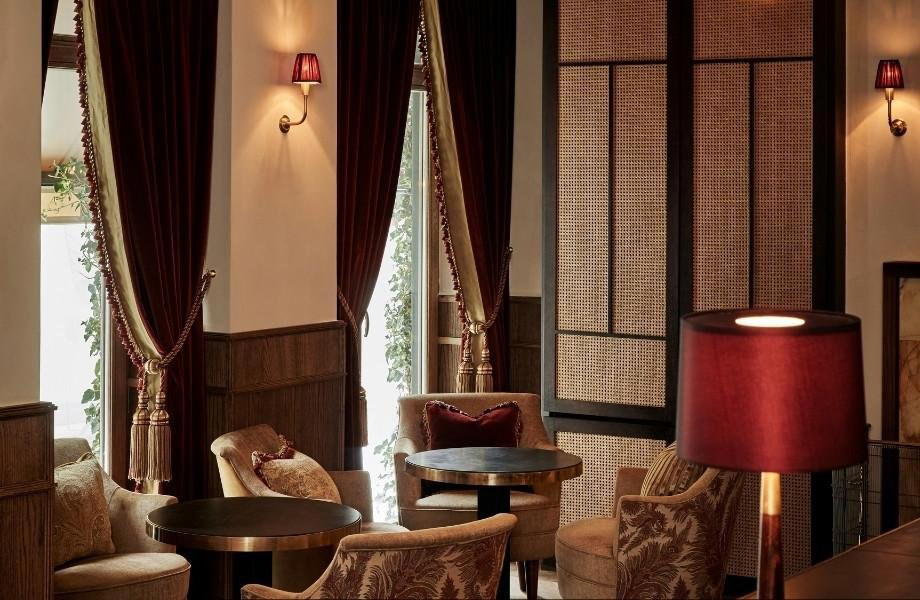
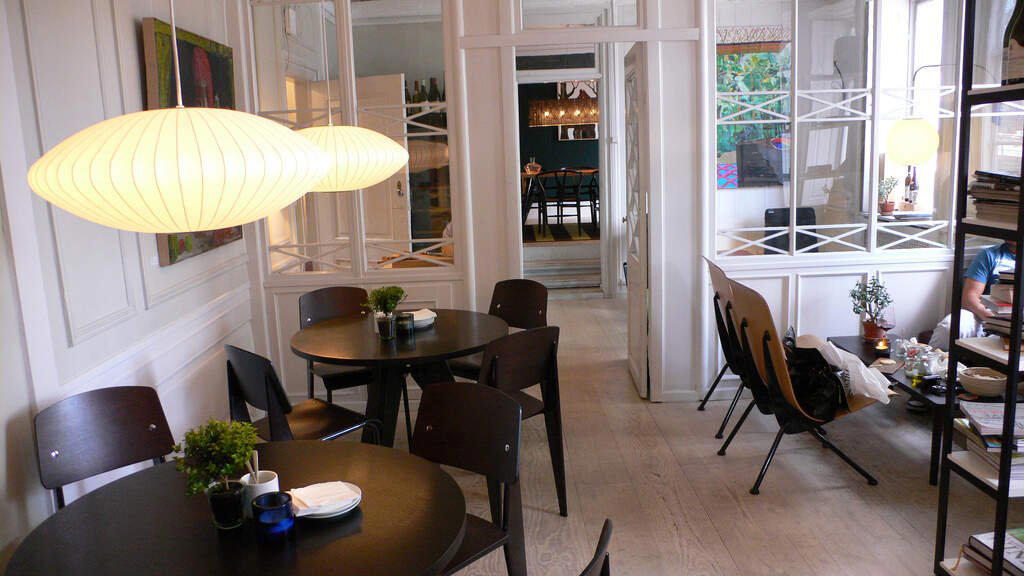
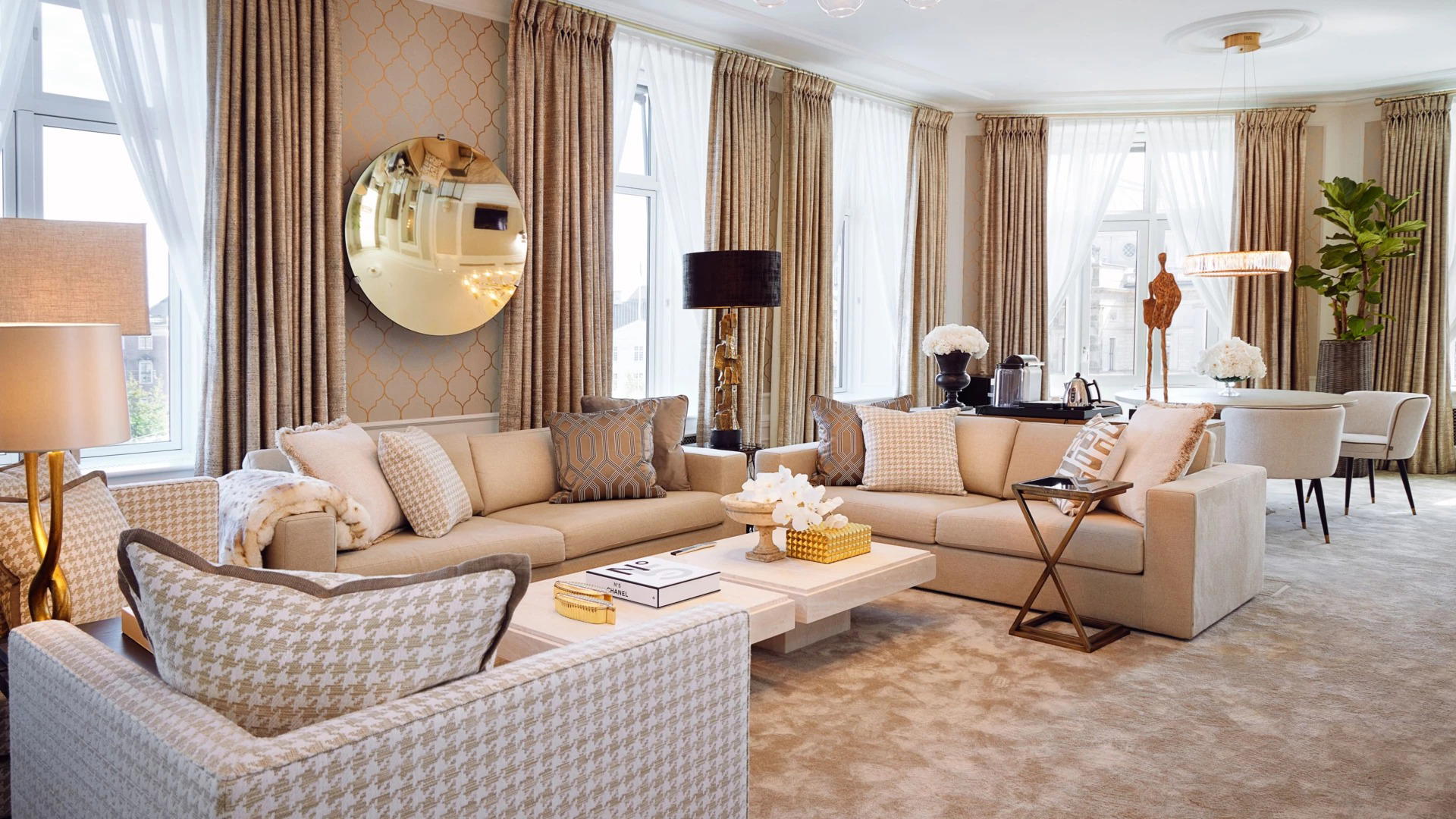
Cool, minimalist Scandinavian design with calm yet lively atmosphere; features bespoke leather upholstery, marble-topped tables, and an open stainless-steel prep kitchen creating a refined, contemporary dining experience.