A Thai restaurant in Sydney's Little Bay neighbourhood, Khao Thai sits at the quieter southern edge of the city where suburb-scale dining rooms often do more careful work than their inner-city counterparts. The kitchen draws on classic Thai regional traditions, making it a practical and considered choice for the area's growing residential dining circuit.
Pearl is the En Primeur Club membership app — saves, bookings, and concierge access live there. Same editors, same standards.
- Address
- Shop 4/2/8 Pine Ave, Little Bay NSW 2036, Australia
- Phone
- +61488173554
- Website
- khaothai-littlebay.com
- Directions
- Get directions
 Saves & bookings on Pearl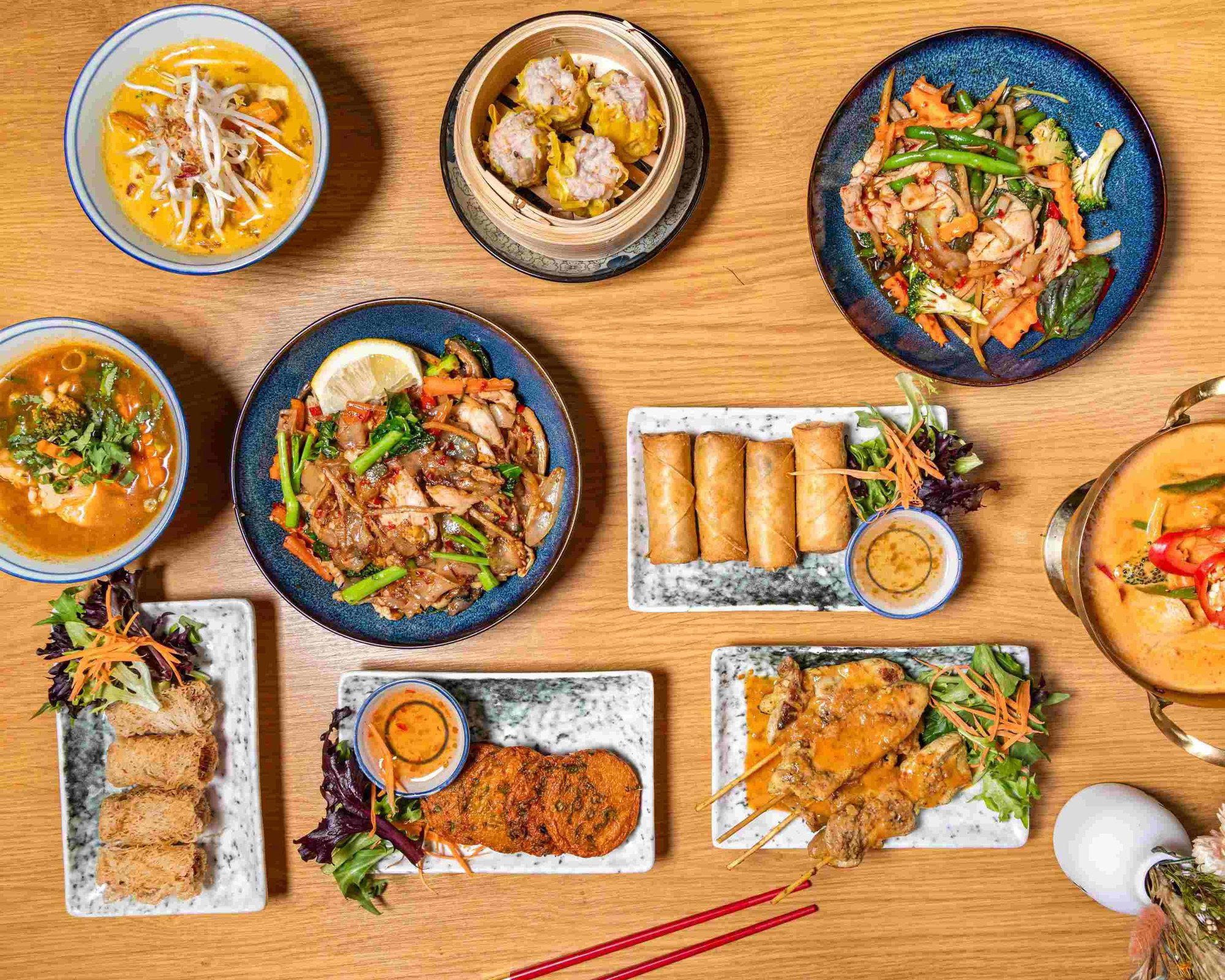
Little Bay sits at Sydney's southern fringe, well past the tourist drag of Bondi and the chef-trophy belt of Surry Hills. The suburb is residential in the way that actually matters for neighbourhood dining: regulars walk from nearby streets, tables turn at a human pace, and kitchens that survive here do so on repeat custom rather than foot traffic or Instagram discovery cycles. It is into this context that Khao Thai Little Bay fits — a Thai restaurant operating in a low-key strip of shops on Pine Avenue, where the dining room's relationship to the surrounding community shapes what ends up on the plate.
Thai Cooking in a Suburb That Demands Honesty
Thai cuisine in Australian cities tends to split into two modes. The first is the adapted suburban version, softened for local palates, heavy on satay and pad thai, cautious with heat. The second is a smaller but growing cohort of kitchens that treat regional Thai traditions seriously — sourcing ingredients with more intention, maintaining the balance of sour, sweet, salty, and bitter that defines the cuisine at its most considered. The better Thai restaurants in Australian cities have quietly moved toward the latter mode over the past decade, partly driven by a more travelled dining public and partly by the arrival of cooks with more direct links to Thai regional kitchens.
Where Khao Thai Little Bay sits within that spectrum is the relevant editorial question for a neighbourhood at this distance from the city centre. Suburb-based Thai kitchens without the pressure of a high-profile postcode often have more latitude to cook with directness, the customer base is loyal rather than curious, and there is less incentive to sand down the edges for novelty seekers. That dynamic tends to produce either consistency or complacency, and the difference usually shows in sourcing decisions: what herbs are fresh versus dried, whether the fish sauce has depth or is purely functional, whether the curry pastes carry any layered character.
Ingredient Logic and What It Signals
The editorial angle that matters most in assessing any serious Thai kitchen is ingredient sourcing, because Thai cooking is structurally dependent on fresh aromatics in a way that, say, a braised European dish is not. Galangal, lemongrass, kaffir lime leaf, Thai basil, fresh turmeric, these are not garnishes. They are the architecture of the cuisine. A kitchen that shortcuts here produces food that is technically Thai in structure but flat in register. A kitchen that sources with care produces dishes where the sourness has a source and the fragrance has a point of origin.
Sydney's wholesale markets have improved access to Southeast Asian aromatics significantly over the past fifteen years, and the city's large Vietnamese and Thai communities have sustained specialty growers and importers that supply both domestic kitchens and restaurants. For a restaurant in Little Bay, proximity to Sydney's southern produce corridors matters. Kitchens at this end of the city have access to the same wholesale networks as their inner-city peers, and neighbourhood Thai restaurants that have invested in supplier relationships tend to show it in the herb-forward dishes, the larbs, the green papaya preparations, the clear broth-based soups, where there is nowhere to hide a substandard ingredient.
This is a useful framework for approaching Khao Thai Little Bay: the dishes that reveal sourcing quality most directly are those built around fresh aromatics rather than cooked-down sauces, and those are the ones worth ordering first on any visit.
Little Bay in Sydney's Wider Dining Geography
For context, Little Bay sits at a significant remove from Sydney's recognised dining precincts. The inner-city restaurants that draw national and international attention, places like Rockpool for Australian cuisine or Saint Peter for its approach to Australian seafood, operate within ecosystems of press attention, awards cycles, and diner expectations that are simply absent in suburbs this far south. The trade-off is real: less visibility, less pressure, and often a more grounded relationship between kitchen and customer.
This is not unique to Sydney. In Melbourne, the restaurants that have built the deepest local followings are often not in the CBD but in quieter residential corridors, Barry Cafe in Northcote or Bar Carolina in South Yarra operate on a similar logic of neighbourhood loyalty over destination dining. The same pattern holds at the suburb scale across Australian cities: the kitchen that survives a decade in a residential strip has usually earned its place through repetition and quality rather than novelty.
Thai restaurants specifically have thrived in this model. The cuisine's cost structure, relatively affordable ingredients at the volume that neighbourhood dining demands, means margins can sustain without the kind of high-ticket set menus that inner-city kitchens depend on. A Thai restaurant in Little Bay is competing against other local options for the regular Tuesday dinner, not against 10 William St or 1021 Mediterranean for the special occasion booking. That is a different game, and it rewards different qualities: consistency, value, and the kind of familiarity that makes a customer return without thinking twice.
For those making a broader trip and exploring Sydney's restaurant range, our full Sydney restaurants guide covers the city's dining geography in more detail. For comparison points further afield, Attica in Melbourne and Brae in Birregurra represent what ingredient-sourcing obsession looks like at the premium end of Australian dining, a useful reference point for understanding why sourcing decisions at any scale matter. Beyond Australia, kitchens like Le Bernardin in New York City and Atomix in New York City demonstrate how precision sourcing shapes an entire culinary identity, regardless of cuisine type.
Other Sydney neighbourhood restaurants worth cross-referencing include Bayly's Bistro in Kirribilli, bills in Bondi Beach, and Johnny Bird in Crows Nest, each operating on that same logic of suburb-first dining that defines how most Sydneysiders actually eat most of the time. For regional comparisons, Kulcha Restaurant in Wollongong and Hungry Wolfs in Newcastle show how this neighbourhood-restaurant logic plays out in cities beyond Sydney, while Jaani Street Food in Ballarat offers a parallel in regional Victoria. See also 10 Pounds for another Sydney neighbourhood dining reference.
Know Before You Go
- Address: Shop 4, 2/8 Pine Avenue, Little Bay NSW 2036
- Getting There: Little Bay is accessible by car from central Sydney via Anzac Parade south; limited public transport options make driving or rideshare the practical choice for most visitors
- Pricing: Price range not confirmed at publication; neighbourhood Thai restaurants in Sydney's southern suburbs typically sit in the accessible mid-range bracket
Continue exploring
More in Sydney
Restaurants in Sydney
Browse all →
Bars in Sydney
Browse all →
Hotels in Sydney
Browse all →



At a Glance
- Casual
- Energetic
- Casual Hangout
- Family
- Group Dining
- Standalone
Current opening hours
- Monday
- 12–9 PM
- Tuesday
- 12–9 PM
- Wednesday
- 12–9 PM
- Thursday
- 12–9 PM
- Friday
- 12–9 PM
- Saturday
- 12–9 PM
- Sunday
- 12–9 PM
Hours can change for holidays and private events. Last verified .
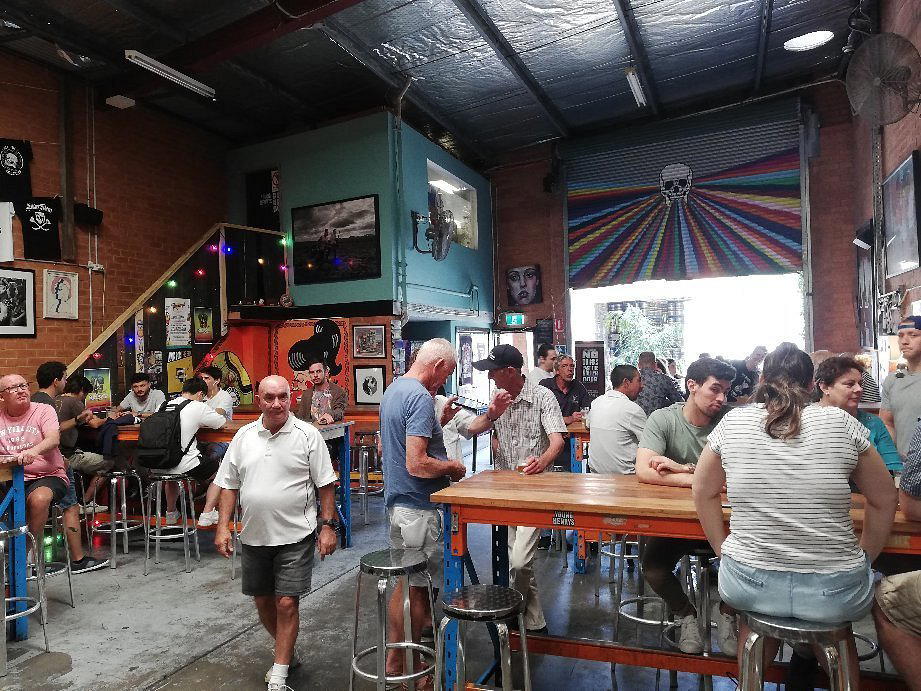
Pleasant and clean restaurant with an energetic, casual dining atmosphere
Know Before You Go
- Getting there
- Shop 4/2/8 Pine Ave, Little Bay NSW 2036, Australia