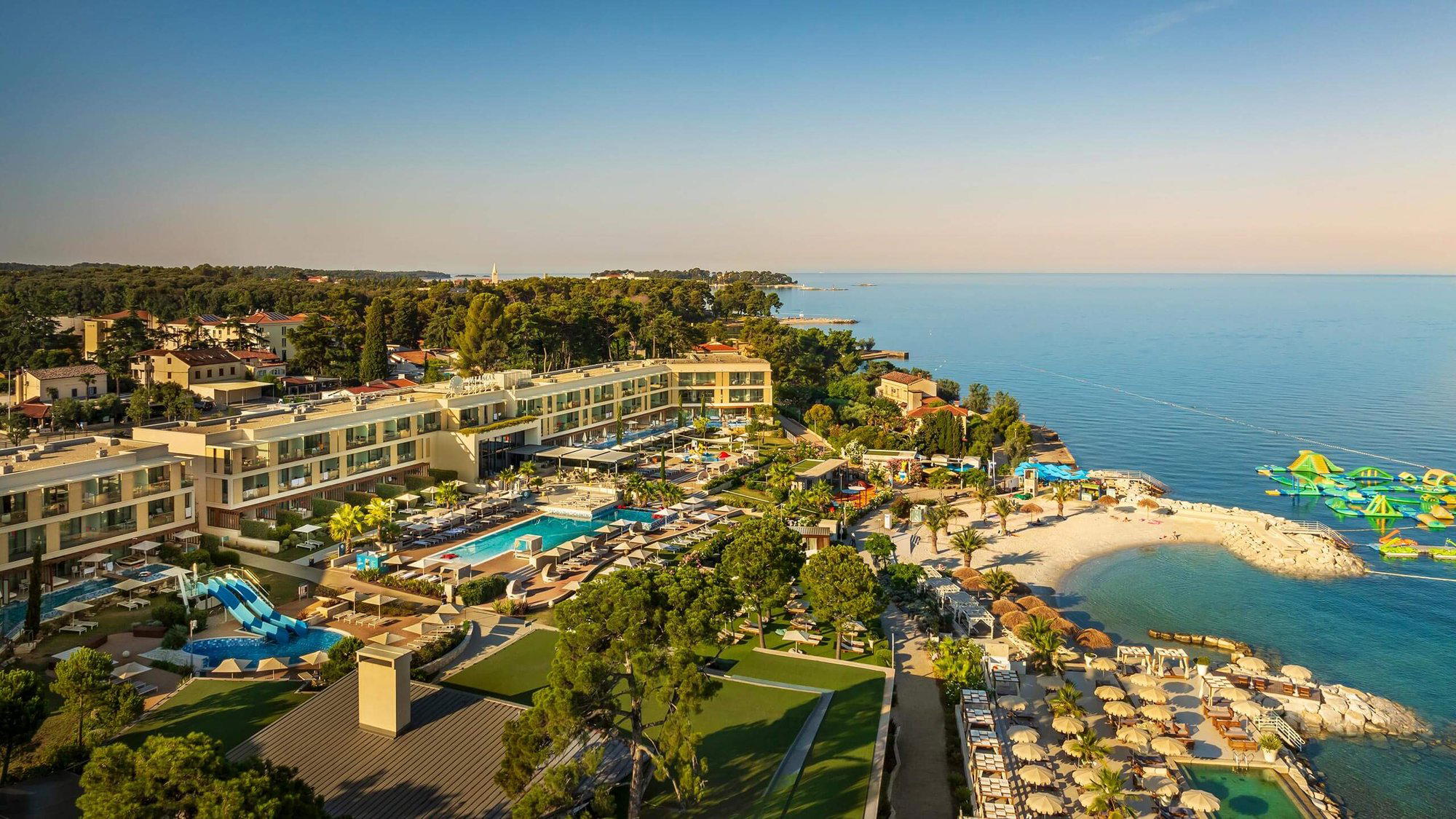
Restaurant Libeccio by Rivalmare sits on the Istrian coast in Novigrad, where the Adriatic's proximity shapes the plate as much as the kitchen does. Part of the Rivalmare hotel operation, it draws on the same coastal sourcing logic that defines the town's better dining addresses, positioning itself in the mid-to-upper tier of a small but serious local scene.
Pearl is the En Primeur Club membership app — saves, bookings, and concierge access live there. Same editors, same standards.
- Address
- Rivarela ul. 19, 52466, Novigrad, Croatia
- Phone
- +38552555600
- Website
- rivalmare.hr
- Directions
- Get directions
 Saves & bookings on Pearl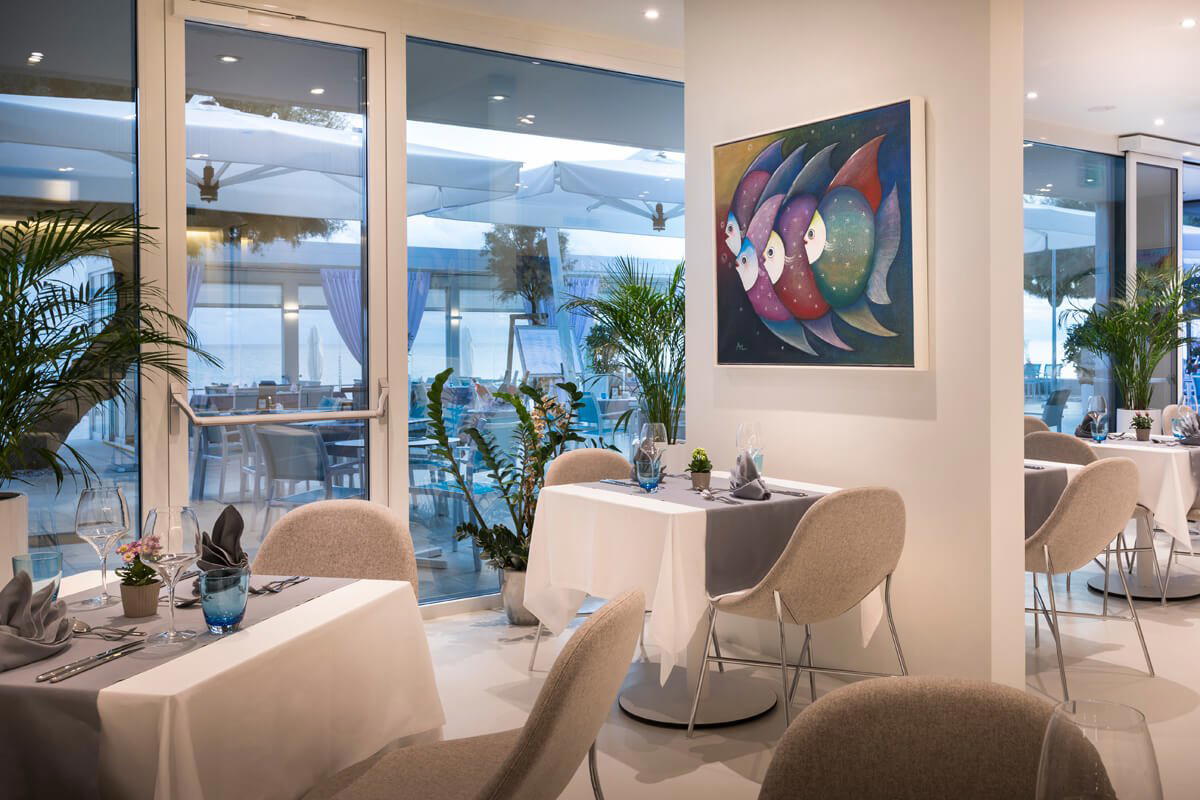
Where the Adriatic Reaches the Table
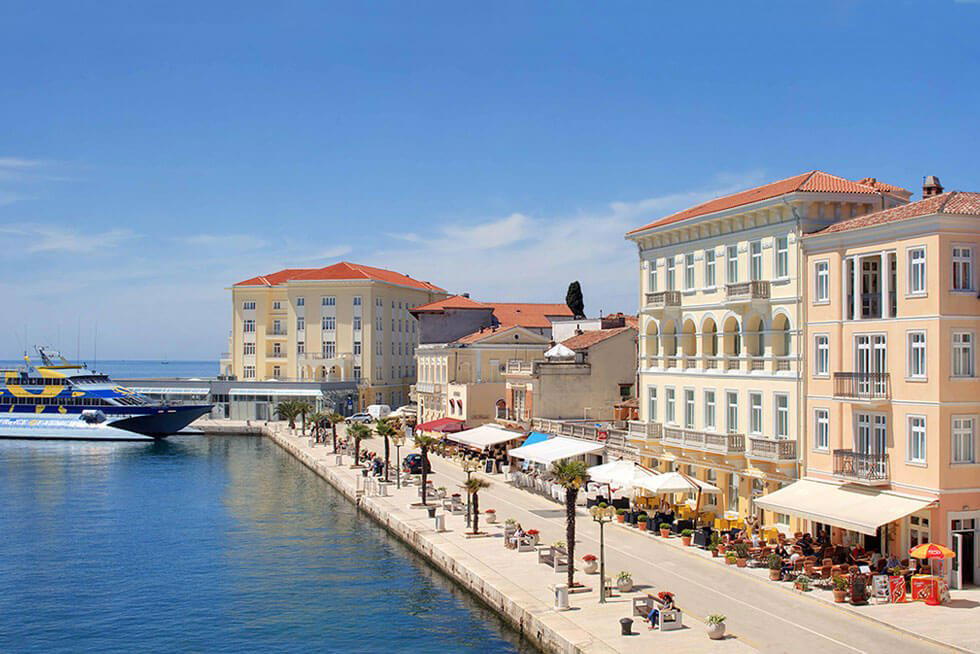
Restaurant Libeccio by Rivalmare is a restaurant in Novigrad, Croatia, serving Modern Istrian Mediterranean cuisine. Pressed onto a narrow peninsula on the northern Istrian coast, it sits at the confluence of the Mirna river estuary and the open Adriatic, a position that delivers particularly mineral-driven shellfish and day-boat fish on the Croatian coast. The restaurants that understand this do not need to reach far for their ingredient logic. The sea provides the argument; the kitchen only needs to listen.
Restaurant Libeccio by Rivalmare operates within this framework. Located at Rivarela ul. 19 within the Rivalmare property, it belongs to a category of hotel-anchored dining that has become increasingly serious in Istria, where the region's olive oil, truffles, and coastal catch give kitchen teams material that is difficult to replicate elsewhere. The name Libeccio refers to the southwest wind that rolls across the Mediterranean, a directional note that signals the kitchen's orientation toward the sea and the provenance questions that come with it.
The Istrian Sourcing Context
To understand what Libeccio is doing, it helps to understand what Novigrad's dining scene has built over the past two decades. Damir & Ornella, the town's most discussed address, has made the case for seafood treated with minimal intervention, letting the quality of the catch carry the plate. That model has influenced how the better kitchens in town think about sourcing: the question is not what technique to apply, but where the ingredient comes from and whether its quality justifies the dish.
Istria's pantry is one of the more compelling in the eastern Adriatic. White truffles from the Motovun forest, olive oils from century-old groves around Buje, and the oysters and clams harvested from the shallow lagoons near the Mirna estuary give local kitchens a sourcing identity that extends well beyond fish. The region's wine output, particularly from Malvazija Istarska and the red varieties grown on red clay soils further inland, adds a further dimension that hotel restaurants with serious wine programs can draw on directly. For Libeccio, positioned within a coastal property, the logical spine of the menu runs from the estuary to the grill.
This places the restaurant in a comparable set that includes Marina, Novigrad's creative-leaning address, and Gatto Nero, which operates in the same coastal-Italian register that Istrian geography makes natural. Lungomare and Chemistry round out a compact scene where the differences between addresses tend to come down to sourcing philosophy and format discipline rather than scale or spectacle.
Hotel Dining on the Istrian Model
Hotel restaurants in Croatia have followed a split trajectory. The larger resort properties have tended toward international formats with broad menus designed for volume; the more considered properties have used their captive audience and fixed kitchen investment to do something more specific. Libeccio sits in the latter camp, operating within the Rivalmare structure in a town where the competitive dining set is small enough that a hotel restaurant can hold genuine local standing rather than simply serving guests who do not want to leave the building.
This dynamic is familiar at other points along the Croatian coast and islands. Boskinac in Novalja has demonstrated how a property-anchored restaurant can develop a sourcing identity rooted in its immediate agricultural and maritime environment. LD Restaurant in Korčula operates on similar principles further south. In each case, the hotel context becomes an asset rather than a constraint when the kitchen commits to a clear provenance argument.
For Libeccio, the coastal address on the northern Istrian littoral provides the same kind of structural advantage: proximity to the Mirna estuary, access to the truffle trade that runs through the inland hill towns, and a regional wine supply that requires no logistical heroics to source.
Novigrad in the Broader Croatian Dining Picture
Novigrad is a small town, and its restaurant scene is small in proportion. But it punches with some weight in the context of Croatian fine dining, partly because Istria as a region has attracted more consistent culinary attention than most of the country's other zones. The restaurants that have drawn international recognition along this coast, from the Michelin-listed addresses in Rovinj to the more experimental programs further inland, share a common foundation in regional sourcing and Adriatic-Italian culinary logic.
Agli Amici Rovinj represents the Michelin tier in the region, operating with a formal tasting-menu format and a sourcing program that reaches into Italian and Istrian traditions simultaneously. Nebo by Deni Srdoč in Rijeka takes a more contemporary approach to Adriatic ingredients. Further afield, addresses like Pelegrini in Sibenik, Restaurant 360 in Dubrovnik, and Krug in Split show how Croatian restaurants across the Dalmatian coast have developed distinct identities around similar coastal-sourcing foundations. Inland, Dubravkin Put in Zagreb and Korak in Jastrebarsko operate on agricultural sourcing logic tied to the continental interior. Even internationally, the conversation around provenance-led coastal cooking surfaces at addresses like Le Bernardin in New York City and the ingredient-disciplined approach of Atomix, which frames its sourcing decisions as primary editorial choices. Alfred Keller in Mali Lošinj applies a similar coastal-provenance discipline on the Kvarner islands.
Libeccio enters this picture as a Novigrad-based address with the geographical assets the town provides. Whether it deploys those assets at a level that places it in serious regional conversation is a question that the menu and kitchen program ultimately answer.
Fast Comparison
Comparable venues nearby, for context on price, style, and recognition.
| Venue | Cuisine | Price | Awards | Notes |
|---|---|---|---|---|
| Restaurant Libeccio by RivalmareThis venue — the venue you are viewing | Modern Istrian Mediterranean | $$$ | Not listed | Not listed |
| Gatto Nero | Istrian Mediterranean Seafood & Truffles | $$$ | Not listed | Novigrad |
| Lungomare | Mediterranean Seafood & Pizza | $$$ | Not listed | Karpinjan |
| Chemistry | Modern Mediterranean Fine Dining | $$$$ | Not listed | Novigrad |
| Marina | Modern Seafood Fine Dining | $$$$ | Michelin Plate | Novigrad |
| Čok | Fresh Istrian Seafood | $$ | Not listed | Novigrad |
Continue exploring
More in Novigrad
Restaurants in Novigrad
Browse all →
Bars in Novigrad
Browse all →
Hotels in Novigrad
Browse all →

At a Glance
- Romantic
- Elegant
- Scenic
- Intimate
- Sophisticated
- Date Night
- Special Occasion
- Waterfront
- Hotel Restaurant
- Terrace
- Extensive Wine List
- Local Sourcing
- Waterfront
Current opening hours
- Monday
- 12–10 PM
- Tuesday
- 12–10 PM
- Wednesday
- 12–10 PM
- Thursday
- 12–10 PM
- Friday
- 12–10 PM
- Saturday
- 12–10 PM
- Sunday
- 12–10 PM
Hours can change for holidays and private events. Last verified .
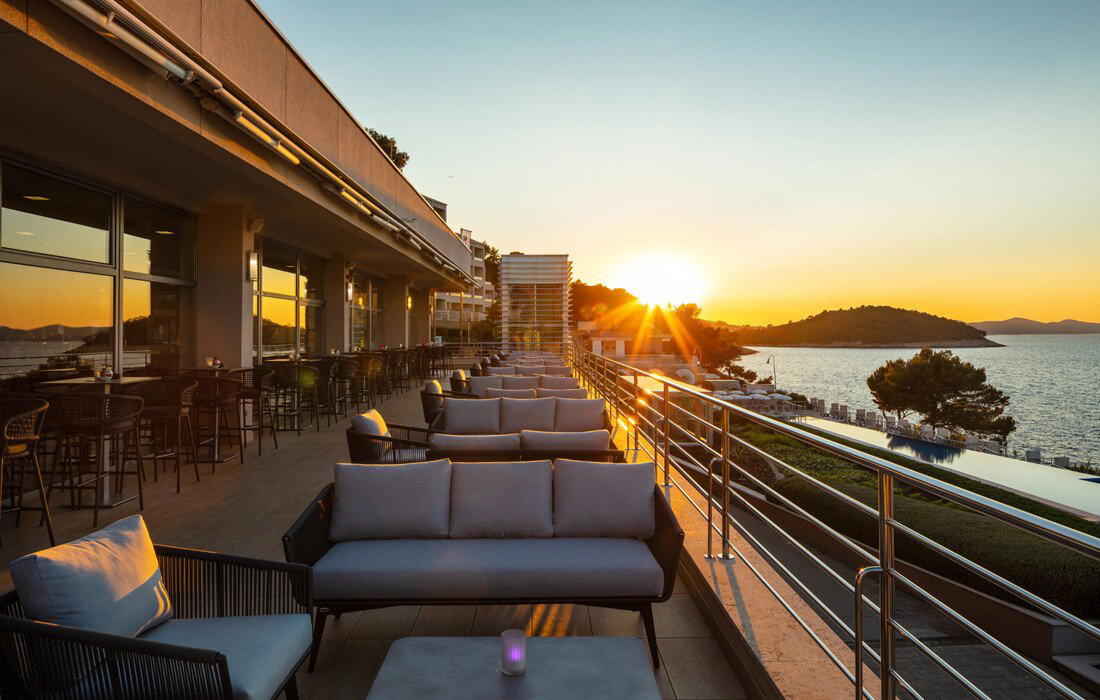
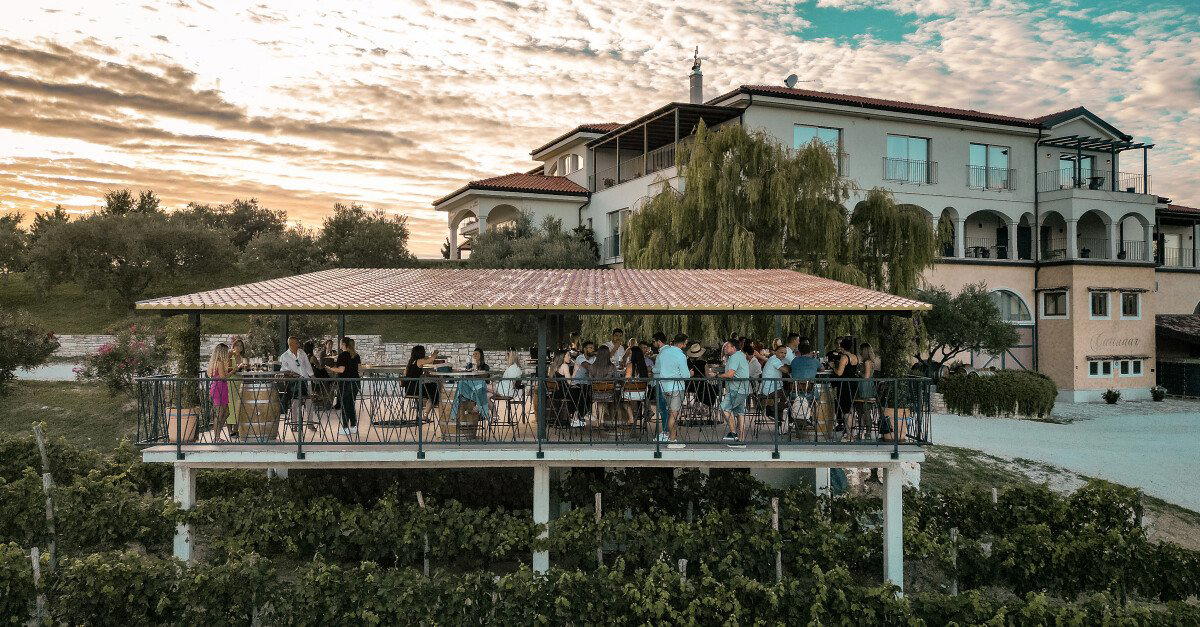
Elegant and romantic atmosphere with seafront views, well-suited for sunset dinners.