Chemistry occupies a quiet address in Novigrad's old town, placing it among a small cohort of Istrian restaurants that treat sourcing as a structural decision rather than a marketing point. In a coastal town where the fishing trade and agricultural hinterland meet within a few kilometres, that positioning carries real weight. The restaurant draws visitors looking for something beyond the standard seafood-and-pasta circuit that defines much of the northern Adriatic dining scene.
Pearl is the En Primeur Club membership app — saves, bookings, and concierge access live there. Same editors, same standards.
- Address
- Kastanija 2, 52466, Novigrad, Croatia
- Phone
- +38552205880
- Website
- palazzorainis.com
- Directions
- Get directions
 Saves & bookings on Pearl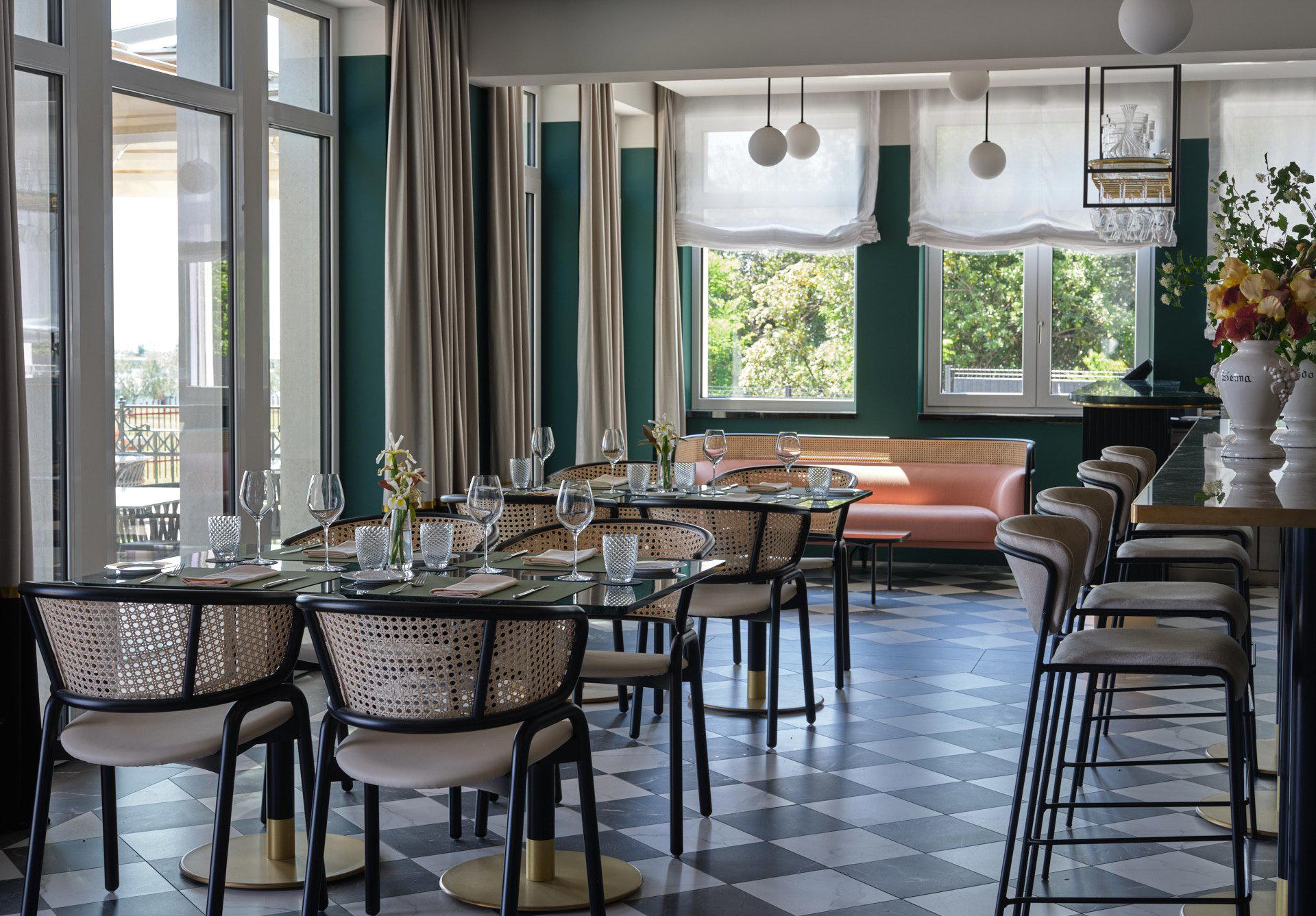
Where Istria's Larder Meets the Old Town
Novigrad is a compact medieval town on Istria's western coast, small enough that its entire restaurant circuit can be walked in under twenty minutes. That compression creates an unusual competitive pressure: diners arriving for a single evening have real choices within a few hundred metres, and the restaurants that hold attention across multiple visits tend to be those with a clear point of view on their ingredients. Chemistry, at Kastanija 2, is a restaurant in Novigrad serving modern Mediterranean fine dining at roughly $150 per person. It sits inside that environment and draws its identity from the convergence of two distinct Istrian supply networks: the Adriatic immediately outside the town walls, and the agricultural interior that produces truffles, olive oil, and cured meats just an hour inland.
The address alone is worth noting. Kastanija 2 places the restaurant within the old town's tightly wound street grid, away from the waterfront promenade where foot traffic is highest and menu ambition is sometimes lowest. In Novigrad's dining scene, proximity to the sea does not automatically signal quality; the restaurants that have built particularly sustained reputations, including Damir & Ornella and Marina, tend to operate with a degree of deliberate separation from casual tourist traffic. Chemistry follows that pattern.
The Istrian Sourcing Framework
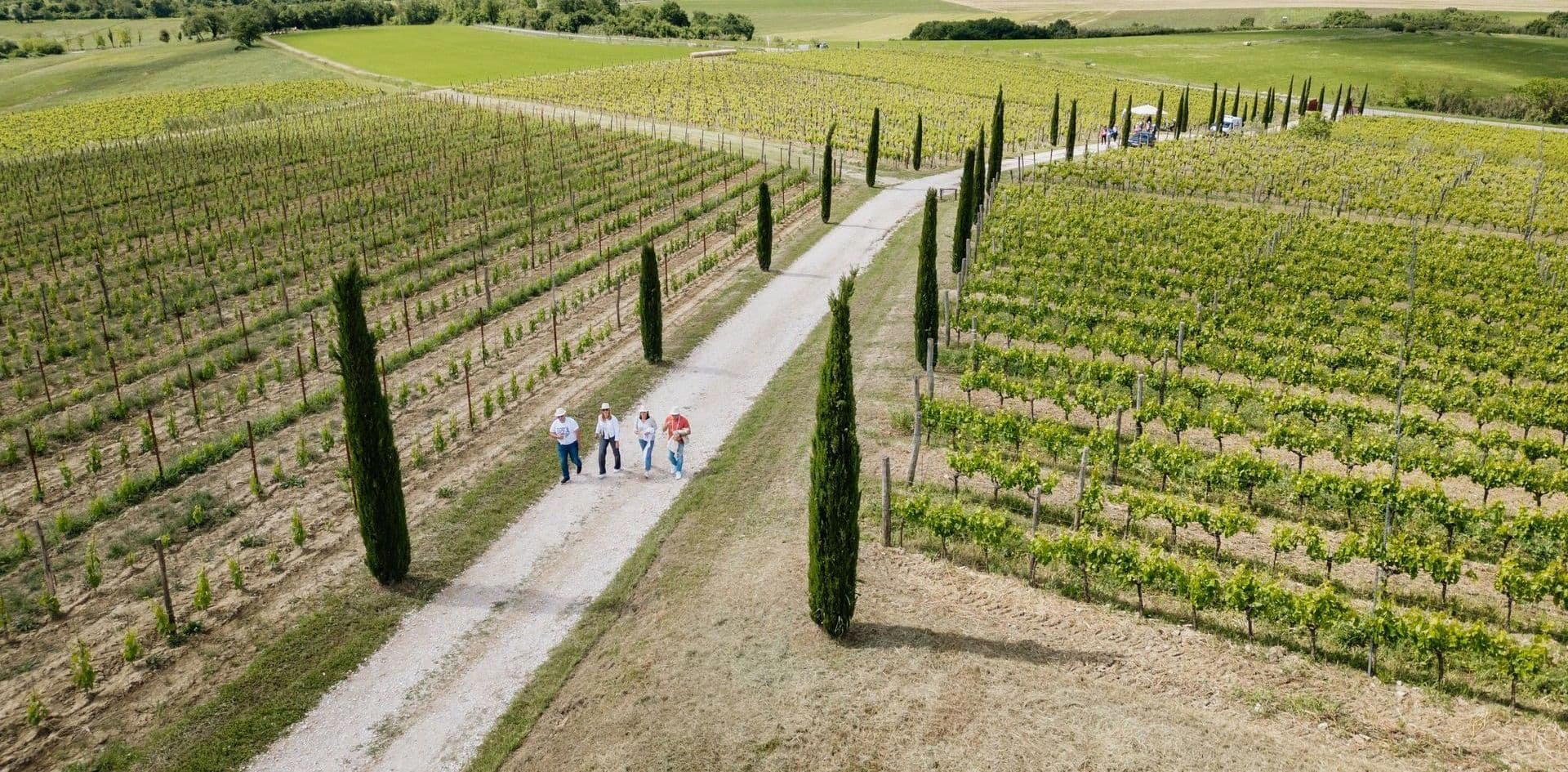
Istria has developed one of the more legible regional food identities in the Adriatic. The peninsula's cooking draws simultaneously from Croatian, Italian, and Austro-Hungarian traditions, but its most distinctive contemporary expression is built on a handful of native products: white and black truffles from the Motovun forest, olive oil from groves between Buje and Novigrad, local seafood from the Kvarner Gulf and northern Adriatic, and cured meats and cheeses from the interior villages. These are not luxury add-ons in Istrian cooking; they are the structural materials around which menus are built.
Restaurants in this category position themselves relative to how seriously they engage with that supply chain. Particularly credible operators in the region tend to maintain direct relationships with small producers rather than sourcing through distributors, which has practical consequences for what appears on the menu and when. Seasonal availability drives the menu rather than a fixed card, a pattern visible across the stronger tables in Novigrad and in comparably ambitious restaurants elsewhere along Croatia's coast, from Pelegrini in Sibenik to LD Restaurant in Korčula. Chemistry operates within this framework, where the question of what's on the plate traces back to what's available rather than what's standardised.
Reading the Local Competition
Novigrad's restaurant scene is small but genuinely differentiated. Damir & Ornella holds the clearest external validation, with Michelin recognition that has made it a reference point for seafood-focused cooking in the northern Adriatic. Marina operates in the creative tier at a comparable price point. Gatto Nero and Lungomare round out the field at different registers. Restaurant Libeccio by Rivalmare adds another option for visitors prioritising a specific setting. Chemistry fits into this field as a restaurant where ingredient sourcing, rather than a particular culinary tradition or chef credential, appears to be the primary organising principle.
That framing matters in a town this size. With fewer than a dozen restaurants worth a deliberate visit, the differentiation between them is rarely about cuisine category and more often about emphasis and execution. A visitor spending two or three nights in Novigrad will likely eat at more than one of these addresses, and the sensible approach is to treat them as a complementary set rather than competing options.
The Wider Croatian Context
Croatia's restaurant scene has developed quickly over the past decade, with a cohort of ambitious tables emerging outside the historical concentration in Dubrovnik and Split. Istria has led that expansion, partly because of the strength of its local ingredients and partly because the Italian-influenced culinary tradition gives chefs a familiar technical vocabulary. Agli Amici Rovinj in nearby Rovinj represents one decorated end of that development. Further along the coast and inland, Nebo by Deni Srdoč in Rijeka, Alfred Keller in Mali Lošinj, Korak in Jastrebarsko, Boskinac in Novalja, Dubravkin Put in Zagreb, and Krug in Split form a wider pattern of restaurants treating Croatia's agricultural and coastal resources as serious culinary material rather than background scenery.
The international reference point for ingredient-driven cooking at this level sits considerably further up the price and recognition scale: Le Bernardin in New York City has built its entire identity around product quality and sourcing discipline, while Lazy Bear in San Francisco represents a different model, where a communal format intensifies the sourcing narrative. Chemistry operates in a different register than either, but the underlying logic of letting raw material quality drive the menu is the same.
Planning a Visit
Novigrad is accessible by road from Poreč, roughly 20 kilometres to the south, and from Pula, approximately 65 kilometres away. The town sees its highest visitor volume between June and September, when coastal traffic across Istria peaks. During peak season, booking ahead for any of the town's stronger tables is advisable; the combination of limited seating and concentrated visitor demand compresses availability quickly. Reservations are essential.
Fast Comparison
Comparable venues nearby, for context on price, style, and recognition.
| Venue | Cuisine | Price | Awards | Notes |
|---|---|---|---|---|
| ChemistryThis venue — the venue you are viewing | Modern Mediterranean Fine Dining | $$$$ | Not listed | Not listed |
| Lungomare | Mediterranean Seafood & Pizza | $$$ | Not listed | Karpinjan |
| Gatto Nero | Istrian Mediterranean Seafood & Truffles | $$$ | Not listed | Novigrad |
| Restaurant Libeccio by Rivalmare | Modern Istrian Mediterranean | $$$ | Not listed | Novigrad |
| Marina | Modern Seafood Fine Dining | $$$$ | Michelin Plate | Novigrad |
| Damir & Ornella | Istrian Raw Seafood | $$$$ | Michelin Plate | Zidine |
Continue exploring
More in Novigrad
Restaurants in Novigrad
Browse all →
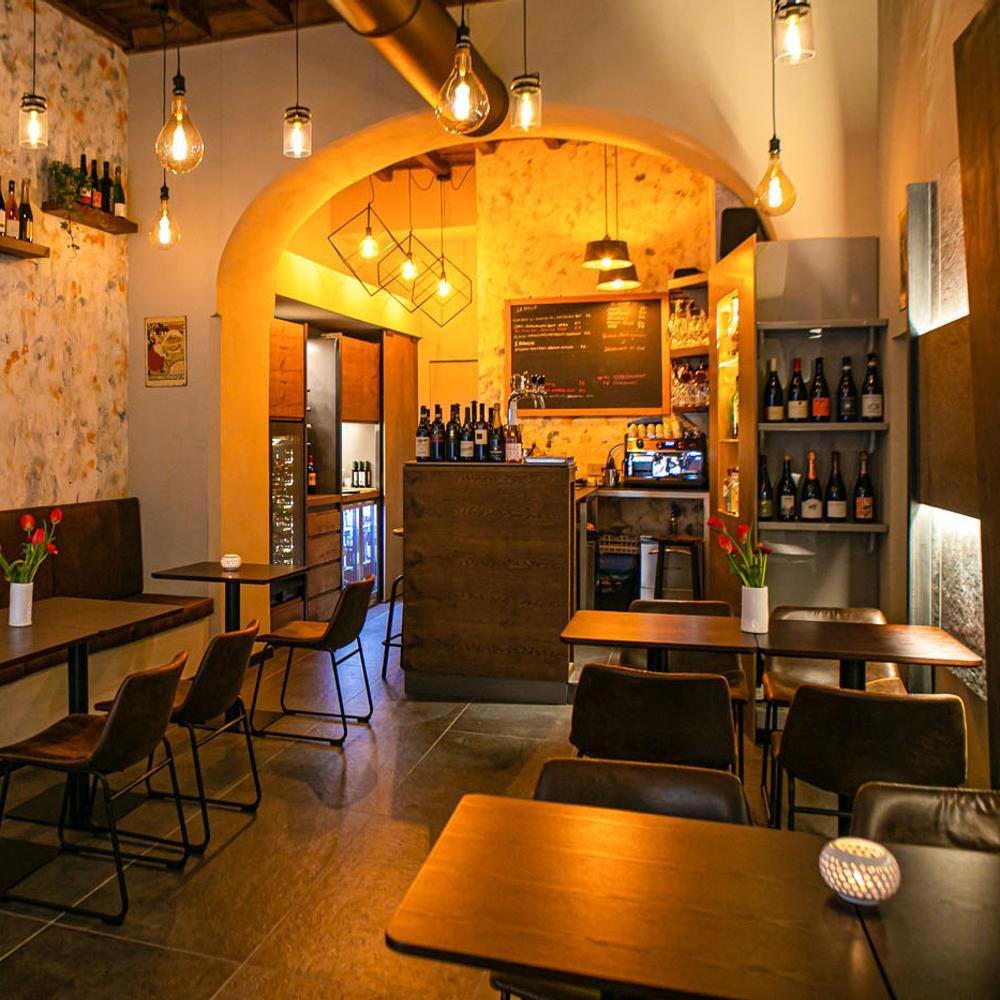
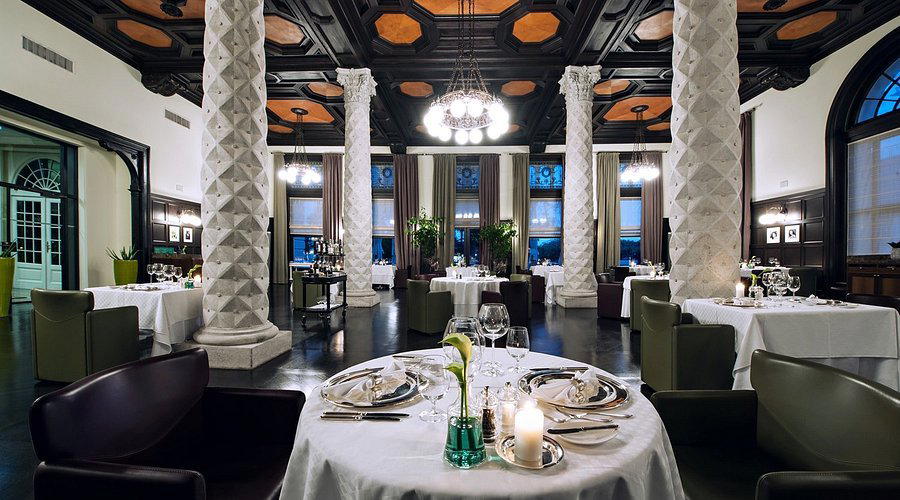
Bars in Novigrad
Browse all →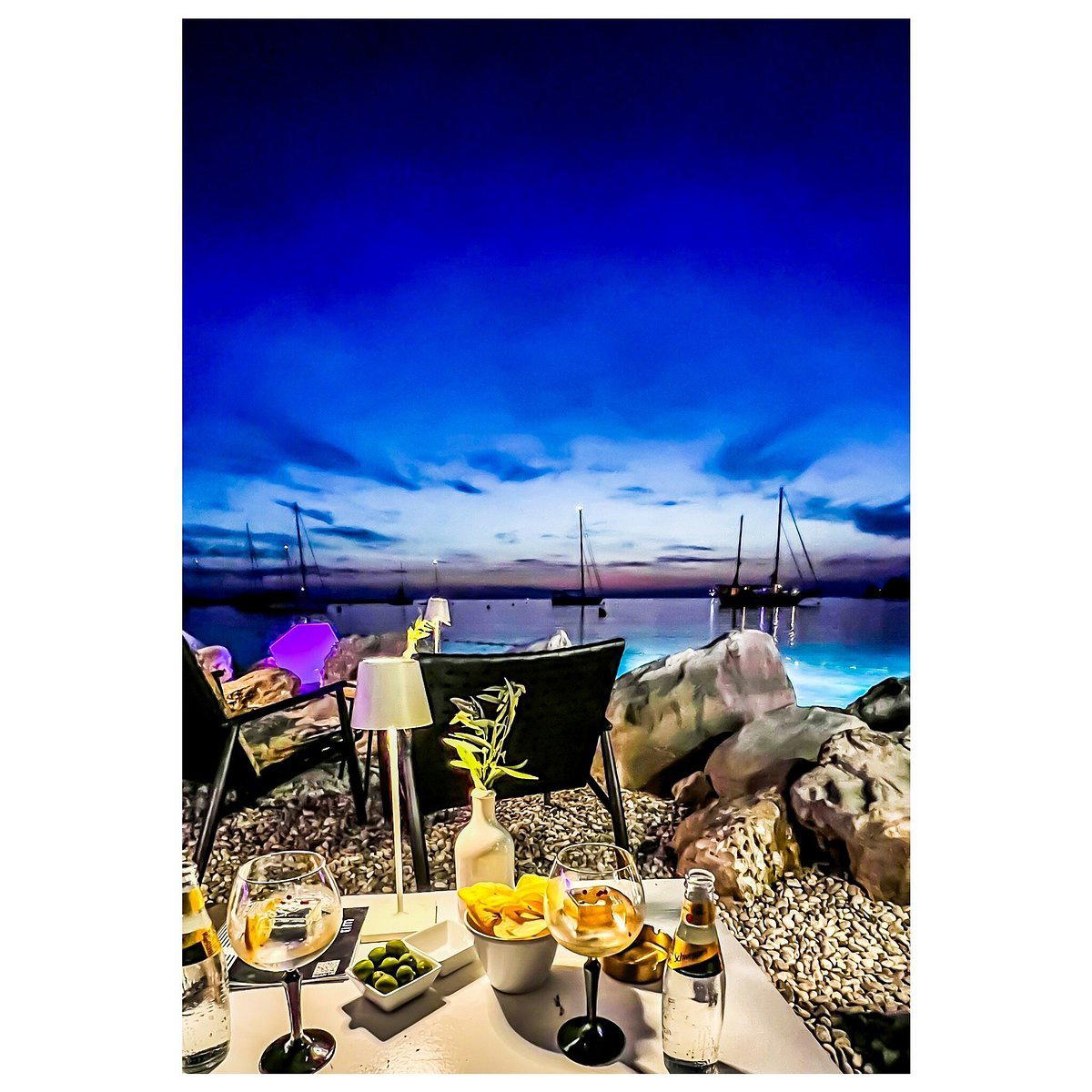
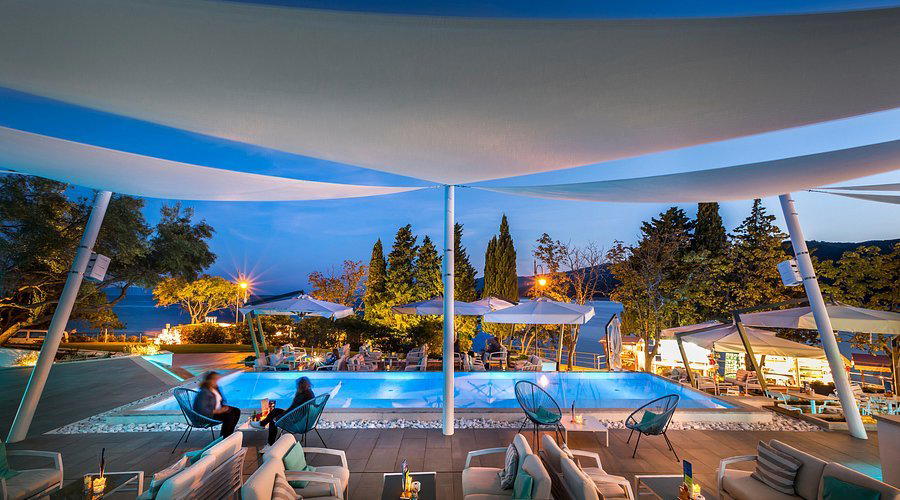
Hotels in Novigrad
Browse all →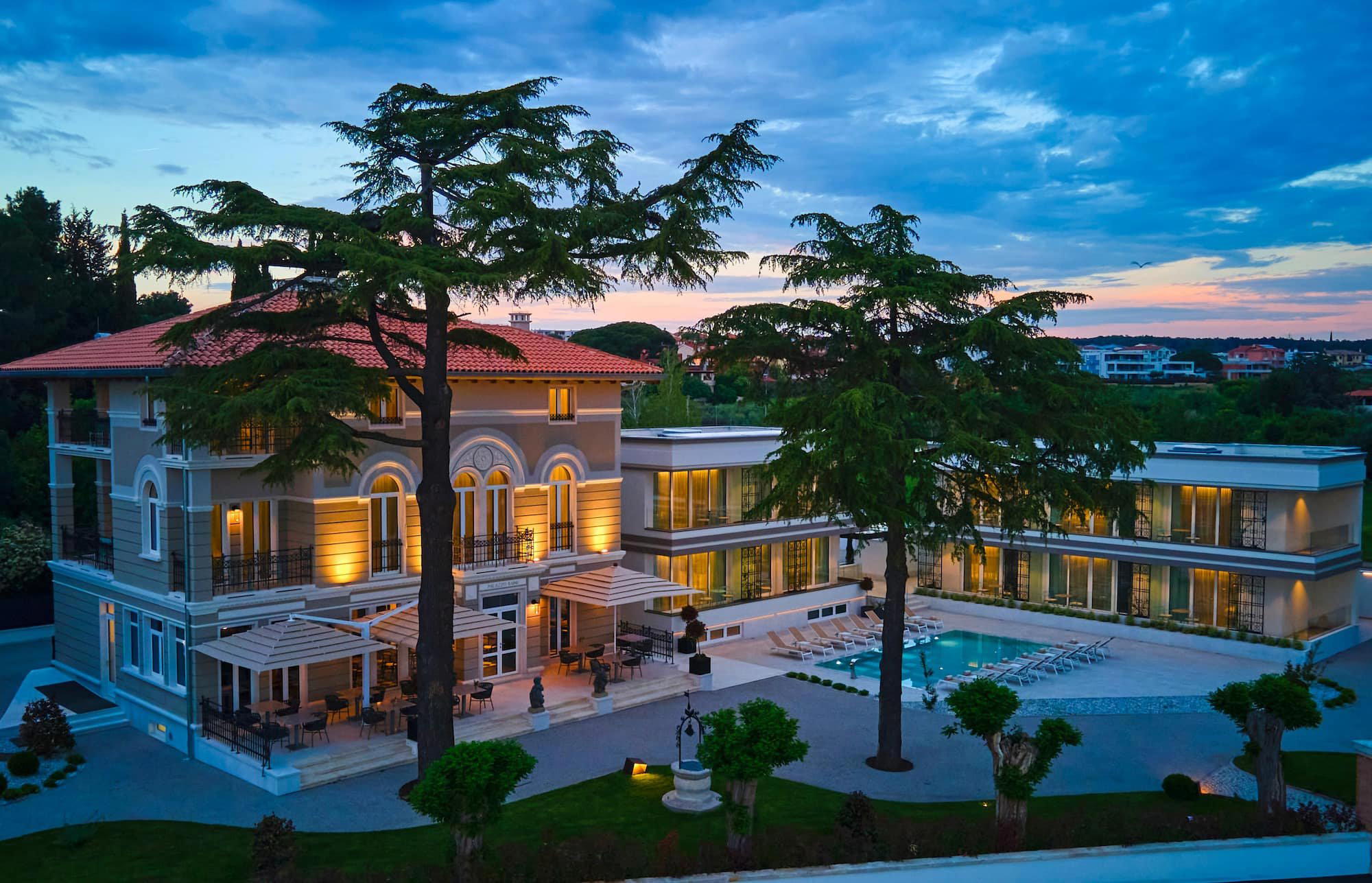

At a Glance
- Elegant
- Sophisticated
- Romantic
- Modern
- Date Night
- Special Occasion
- Celebration
- Private Dining
- Hotel Restaurant
- Historic Building
- Extensive Wine List
- Sommelier Led
- Local Sourcing
- Farm To Table
Current opening hours
- Monday
- 1–10 PM
- Tuesday
- 1–10 PM
- Wednesday
- 1–10 PM
- Thursday
- 1–10 PM
- Friday
- 1–10 PM
- Saturday
- 1–10 PM
- Sunday
- 1–10 PM
Hours can change for holidays and private events. Last verified .
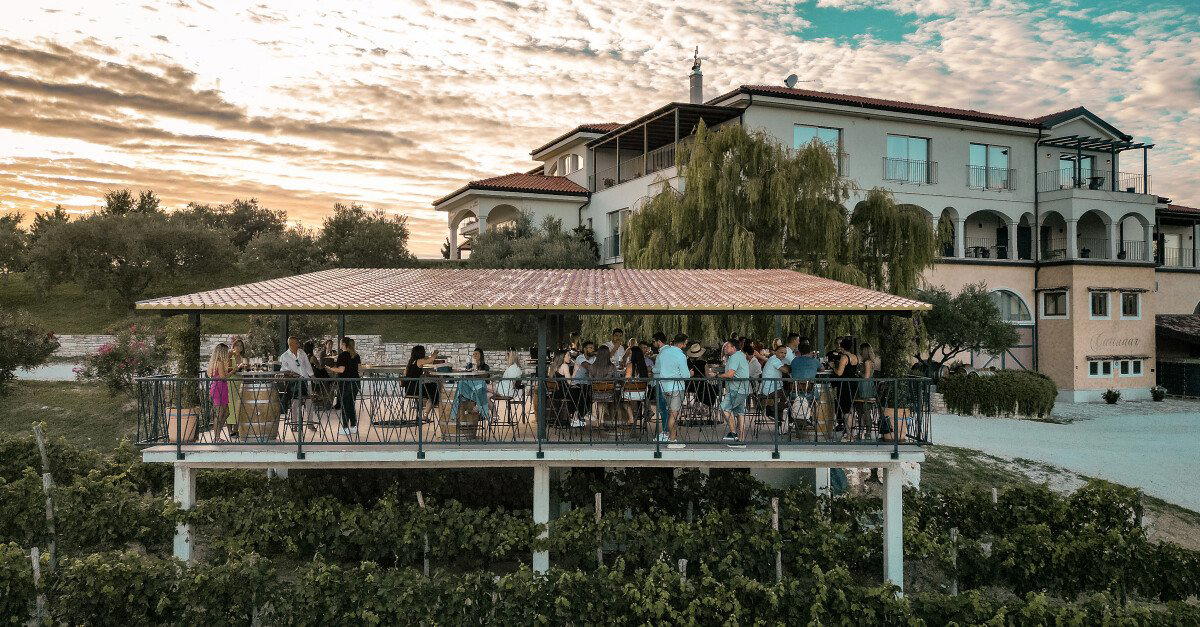
Elegant and stylish with refined lighting and sophisticated décor inspired by the venue's 19th-century Italian villa heritage; caring service creates a memorable fine dining atmosphere.