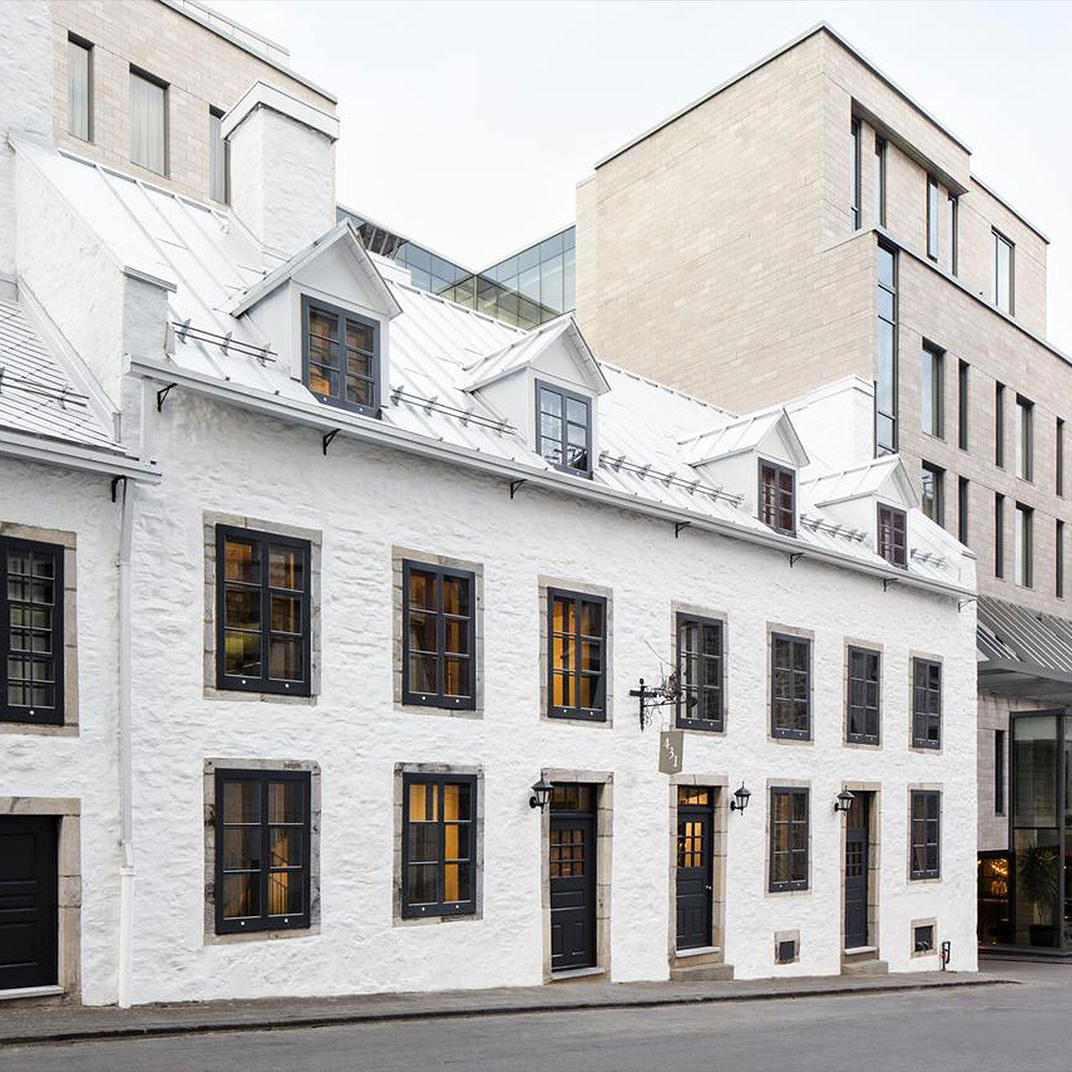
On Mont-Royal Avenue East in the Plateau-Mont-Royal, Restaurant les Héritiers occupies a stretch of the city where neighbourhood dining and serious cooking share the same block. The address places it within a district known for restaurants that read as local institutions first and destination dining second, a distinction that shapes both the pace of the room and the expectations guests bring through the door.
- Address
- 1915 Mont-Royal Ave E, Montreal, Quebec H2H 2N9, Canada
- Phone
- +1 514 528 4953
- Directions
- Get directions
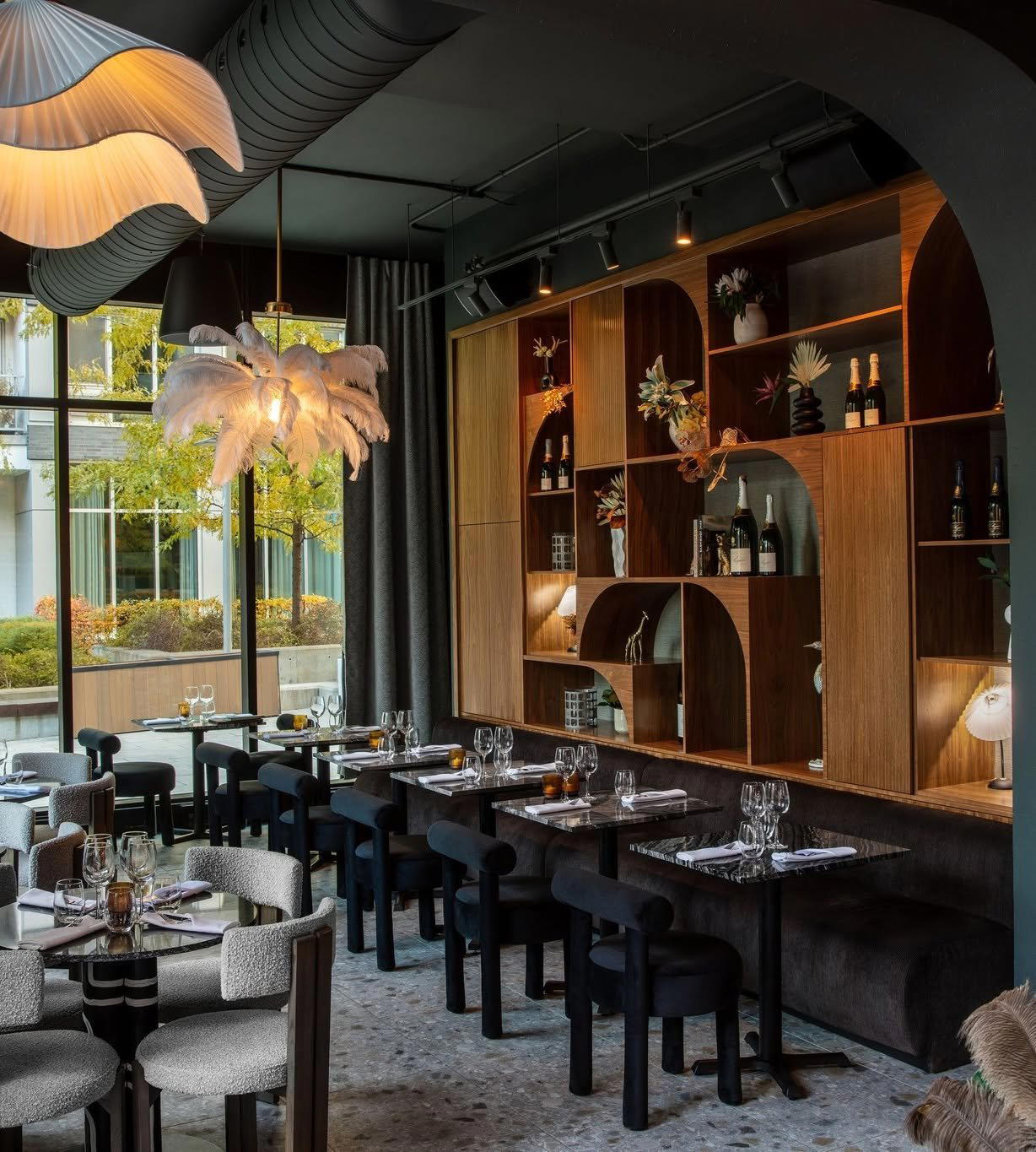
The Ritual of the Plateau Table
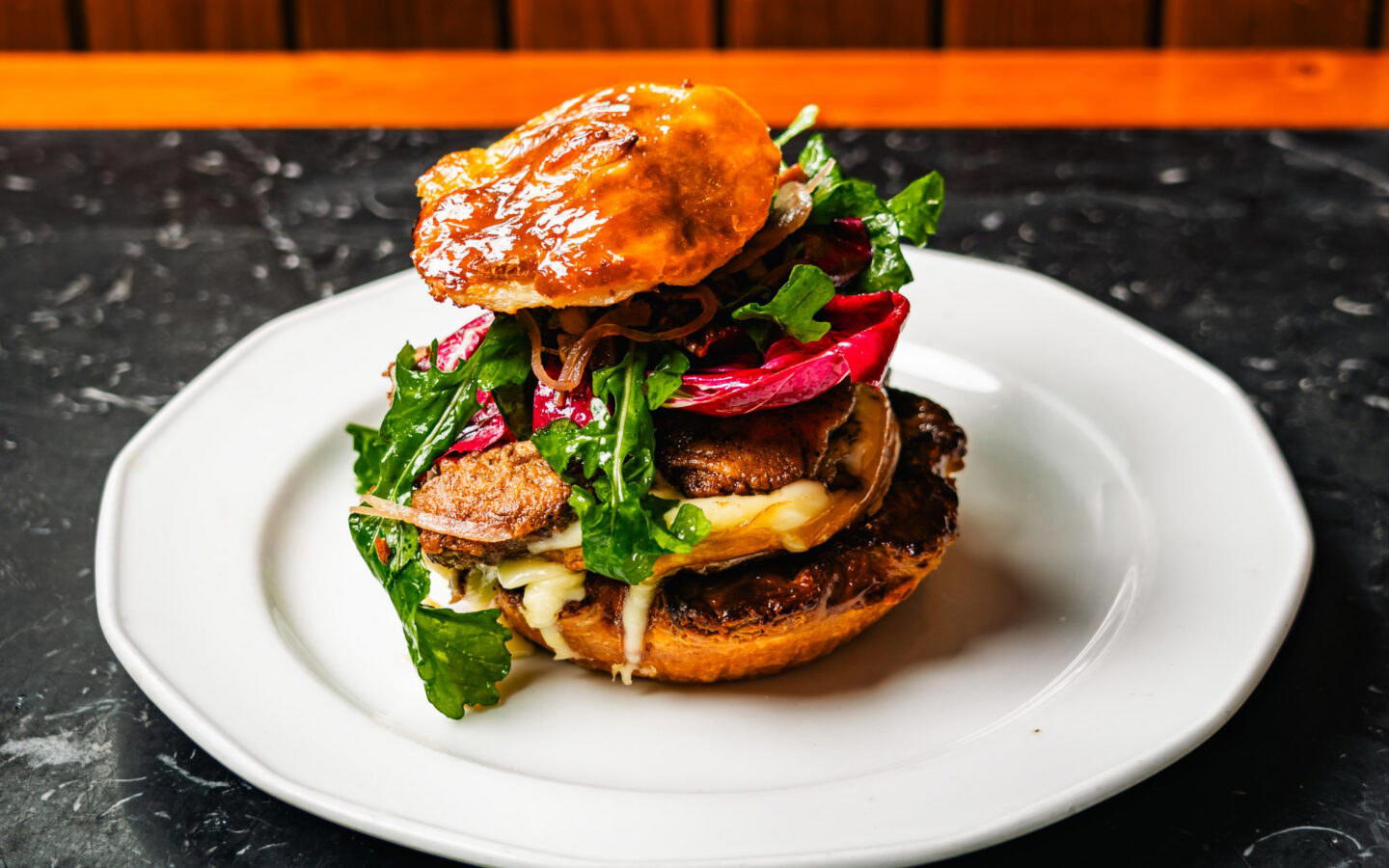
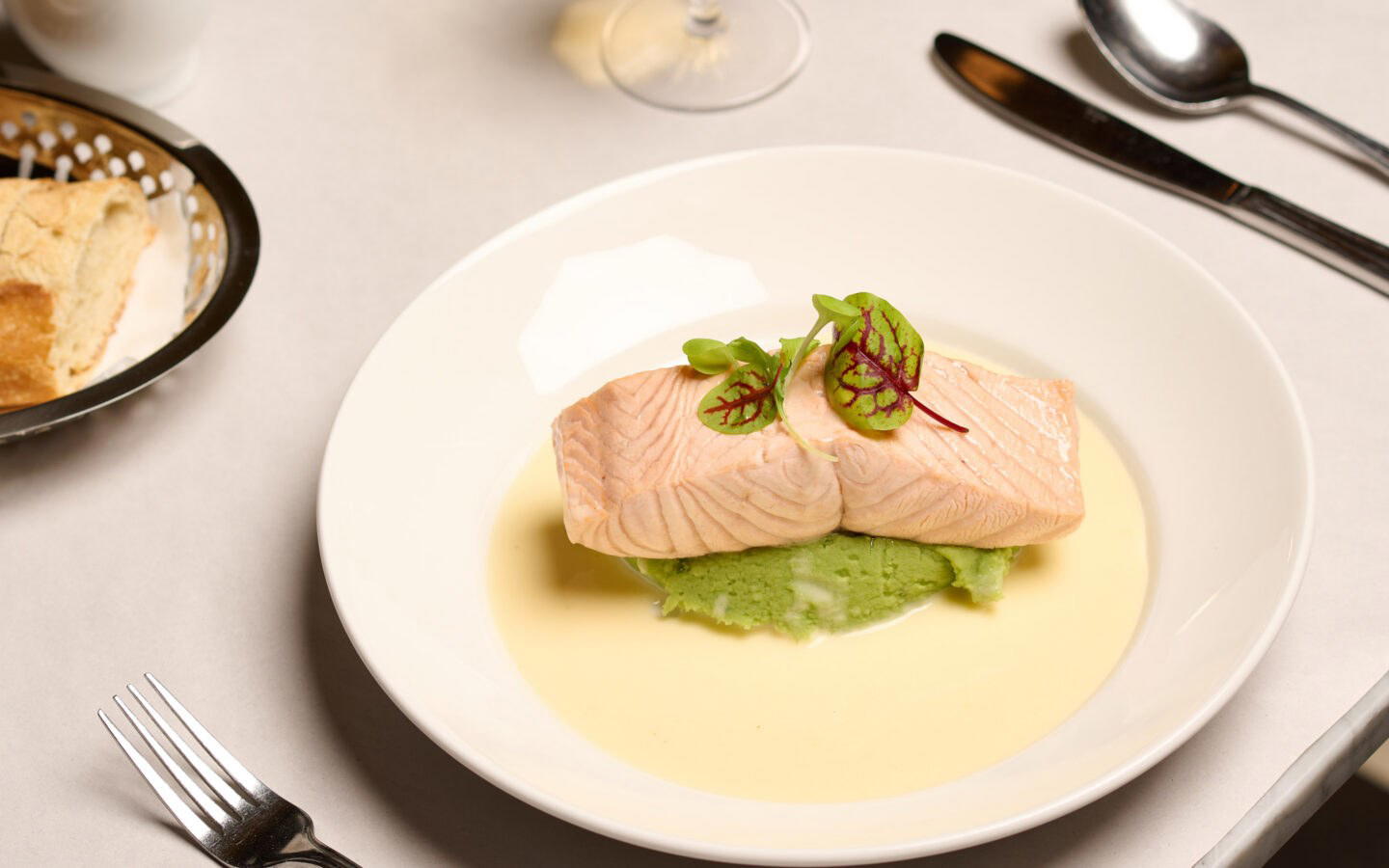
Mont-Royal Avenue East moves at a particular speed. The terrasses fill early in the warmer months, the streets hold foot traffic well into the evening, and the restaurants along this corridor tend to attract a mix of regulars who have claimed their tables and first-timers working through a neighbourhood that rewards attention. Restaurant les Héritiers sits at 1915 Mont-Royal Ave E in Montreal and is a French Brasserie with Quebecois Ingredients at about US$50 per person. Arriving here on a weekday evening, the sense is of a room that has established its own rhythm, the kind of place where the pacing of service and the sequence of the meal feel deliberate rather than managed.
Plateau-Mont-Royal has long functioned as the counterweight to the grand-room formality of downtown Montreal. Where addresses like Jérôme Ferrer - Europea and Sabayon operate at the higher end of the city's formal register, the Plateau's dining character is shaped by smaller, more personal rooms where the relationship between kitchen and guest tends to develop over multiple visits rather than a single transaction. That context matters for understanding what les Héritiers represents within the city's broader dining picture.
Where This Address Sits in Montreal's Dining Order
Montreal's restaurant hierarchy has two distinct poles. At one end, the city's leading formal tables, Toqué, Europea, and Mastard, operate at price points and levels of culinary ambition that place them in direct conversation with Toronto's Alo or Quebec City's Tanière³. At the other, neighbourhood addresses function as weekly or monthly commitments for residents who return not for novelty but for consistency. Particularly durable restaurants in the Plateau tend to sit somewhere in between: serious enough to draw guests from other arrondissements, approachable enough that they don't require a special occasion to justify the visit.
The name les Héritiers, the heirs, or inheritors, carries a particular resonance in a city where French culinary tradition is taken seriously as a living inheritance rather than an artifact. French bistro culture in Montreal has a longer and more embedded history than in most North American cities, producing a dining public that reads a menu with genuine fluency. That audience expects a certain precision in how a room is run, and addresses that earn their loyalty do so through repetition and reliability rather than spectacle. Compare this dynamic to what 3 Pierres 1 Feu brings to a different corner of the city's neighbourhood dining scene, or what Abu el Zulof demonstrates about how diverse the Plateau's culinary register has become.
The Dining Ritual: Sequence, Pace, and the Grammar of the Meal
In restaurants where the dining ritual is the primary product, the sequence of the meal carries as much meaning as any individual dish. This is a pattern well-established in Quebec's more considered neighbourhood rooms: the aperitif is not incidental, the transition between courses is timed to conversation rather than kitchen efficiency, and the dessert course is understood as a full chapter rather than an afterthought. Outside of Quebec, Canadian cities are still developing this grammar. Restaurants like AnnaLena in Vancouver and Cafe Brio in Victoria work within a similar philosophy of considered pacing, though the cultural foundations differ. In Montreal, the expectation is baked into how the dining public uses restaurants, not as a transaction to be completed efficiently, but as a format with its own internal logic.
At les Héritiers, this ethos maps onto the physical reality of the address. The Plateau is a walkable neighbourhood, which means guests typically arrive on foot or by bike, without the compressed timeline that a taxi or valet creates. The meal is expected to unfold. This matters for the kitchen's approach and for what the room communicates about the contract it is making with the guest from the moment they are seated.
For context on how this kind of pacing works at one committed end of the Canadian spectrum, the dining format at Eigensinn Farm in Singhampton or the remote ritual of Fogo Island Inn's dining room offer instructive comparisons, places where the meal is the entire evening, not a portion of it. Les Héritiers operates within a more urban and accessible version of that same orientation.
The Neighbourhood as Context
The Plateau-Mont-Royal has been Montreal's most densely restaurant-populated neighbourhood for decades, and it has maintained that status through genuine culinary diversity rather than through gentrification's typical homogenisation. The street-level reality of Mont-Royal Avenue East in summer involves patios running at full capacity, the smell of cooking drifting from open kitchen windows, and a demographic mix that reflects both the neighbourhood's francophone working-class roots and its more recent profile as a destination for younger professionals and visiting food-interested travellers.
Visiting in late spring or early fall tends to offer particularly favourable conditions: patio season is active, the evening light holds long enough to make outdoor seating genuinely pleasant, and the neighbourhood has not yet reached the peak-tourist density of July. Winter service at Plateau restaurants carries its own character, the rooms feel more gathered and the regulars more present, but the seasonal argument for timing a visit to the warmer months is hard to dismiss when the street itself is part of the experience.
For a broader orientation to what Montreal's dining scene looks like across price points and neighbourhoods, the city's dining categories are mapped in detail. Points of comparison further afield in the Canadian context include Restaurant Pearl Morissette in Lincoln, Narval in Rimouski, and Busters Barbeque in Kenora, each operating in a distinct register of Canadian hospitality that helps frame what a city like Montreal, with its deep European inheritance, does differently. Internationally, the standard set by Le Bernardin in New York City and the communal format of Lazy Bear in San Francisco offer useful comparative poles for thinking about how ritual-driven dining functions across different markets. Closer to home, The Pine in Creemore demonstrates how deeply considered hospitality can take root in contexts far removed from major urban centres.
Nearby-ish Comparables
Comparable venues nearby, for context on price, style, and recognition.
| Venue | Cuisine | Price | Notes |
|---|---|---|---|
| Restaurant les HéritiersThis venue — the venue you are viewing | French Brasserie with Quebecois Ingredients | $$$ | Not listed |
| Caribou Gourmand | Modern Quebec Terroir with Wild Game | $$$ | Mile End |
| Chez Jean-Paul | Modern French Fine Dining | $$$ | Pere-Marquette |
| BARROCO | French Steakhouse with Mediterranean Influences | $$$ | Vieux Montréal |
| Brasserie T! - Quartier des spectacles | Modern French Brasserie | $$$ | Quartier des Spectacles |
| Restaurant Grenadine | French-Asian Fusion | $$$ | Quartier des Spectacles |
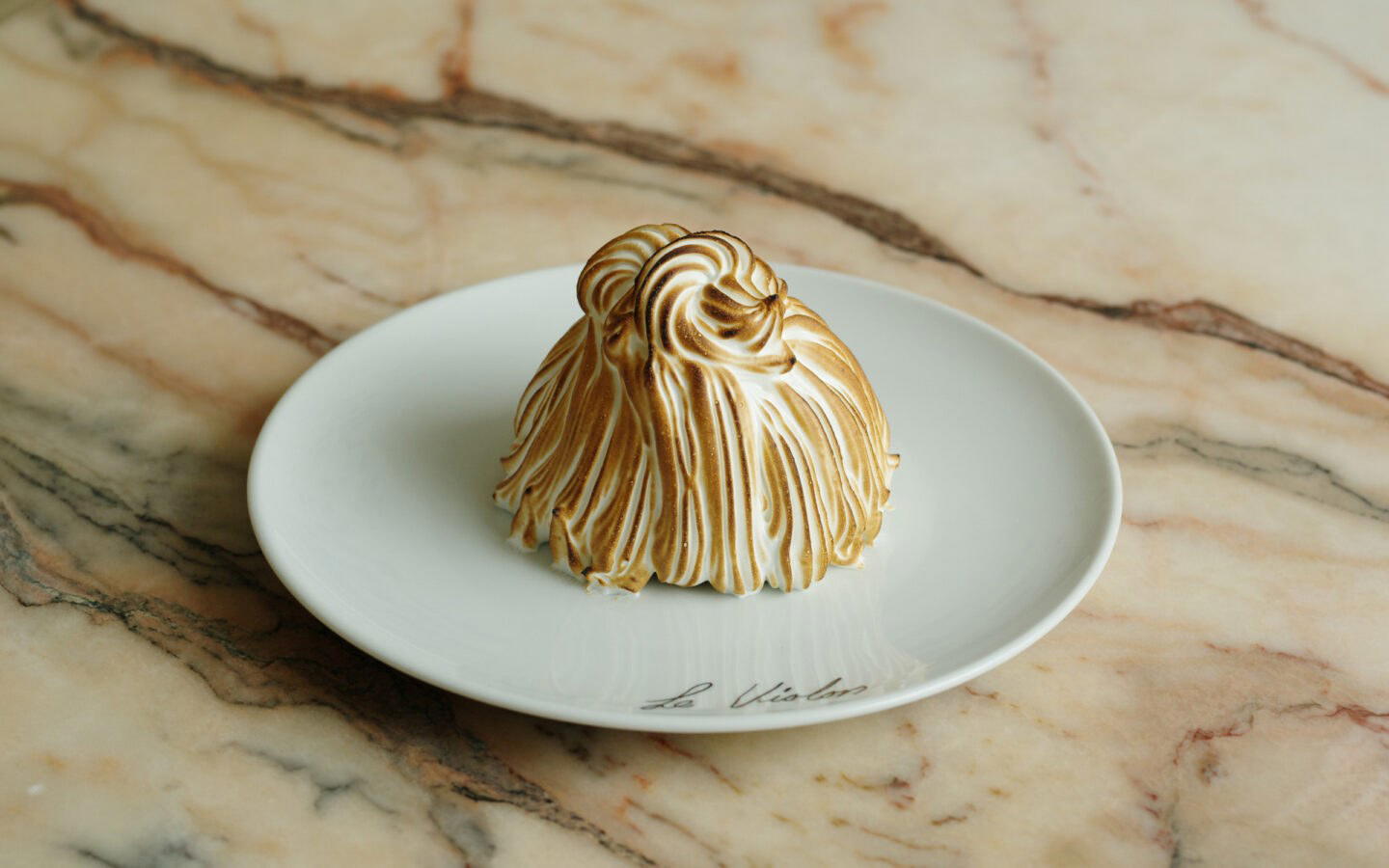
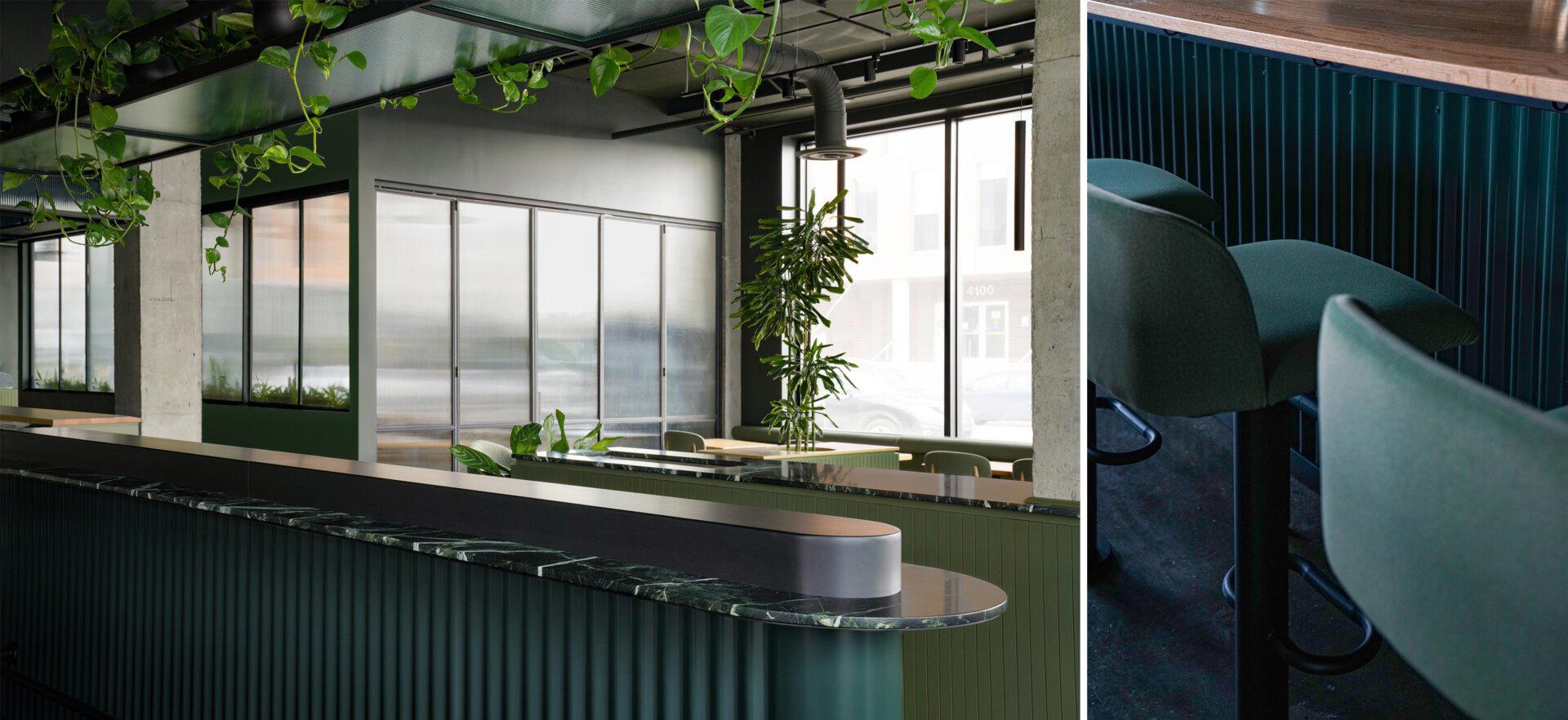
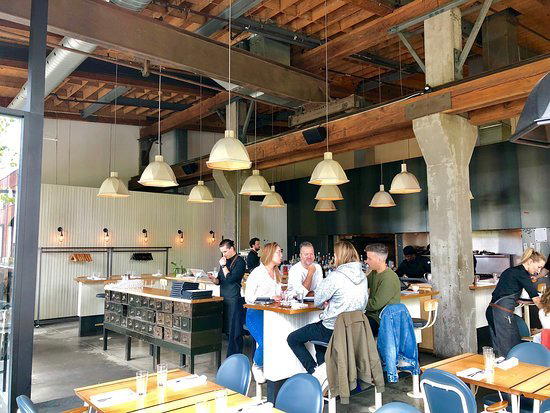

At a Glance
- Classic
- Elegant
- Date Night
- Special Occasion
- Private Dining
- Byob
- Local Sourcing
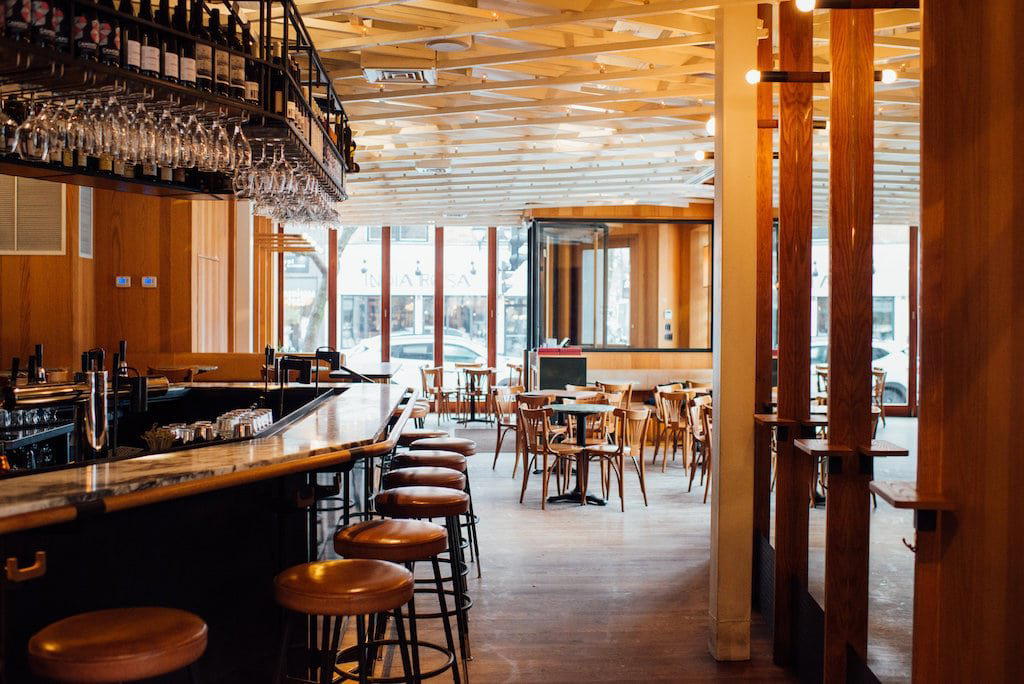
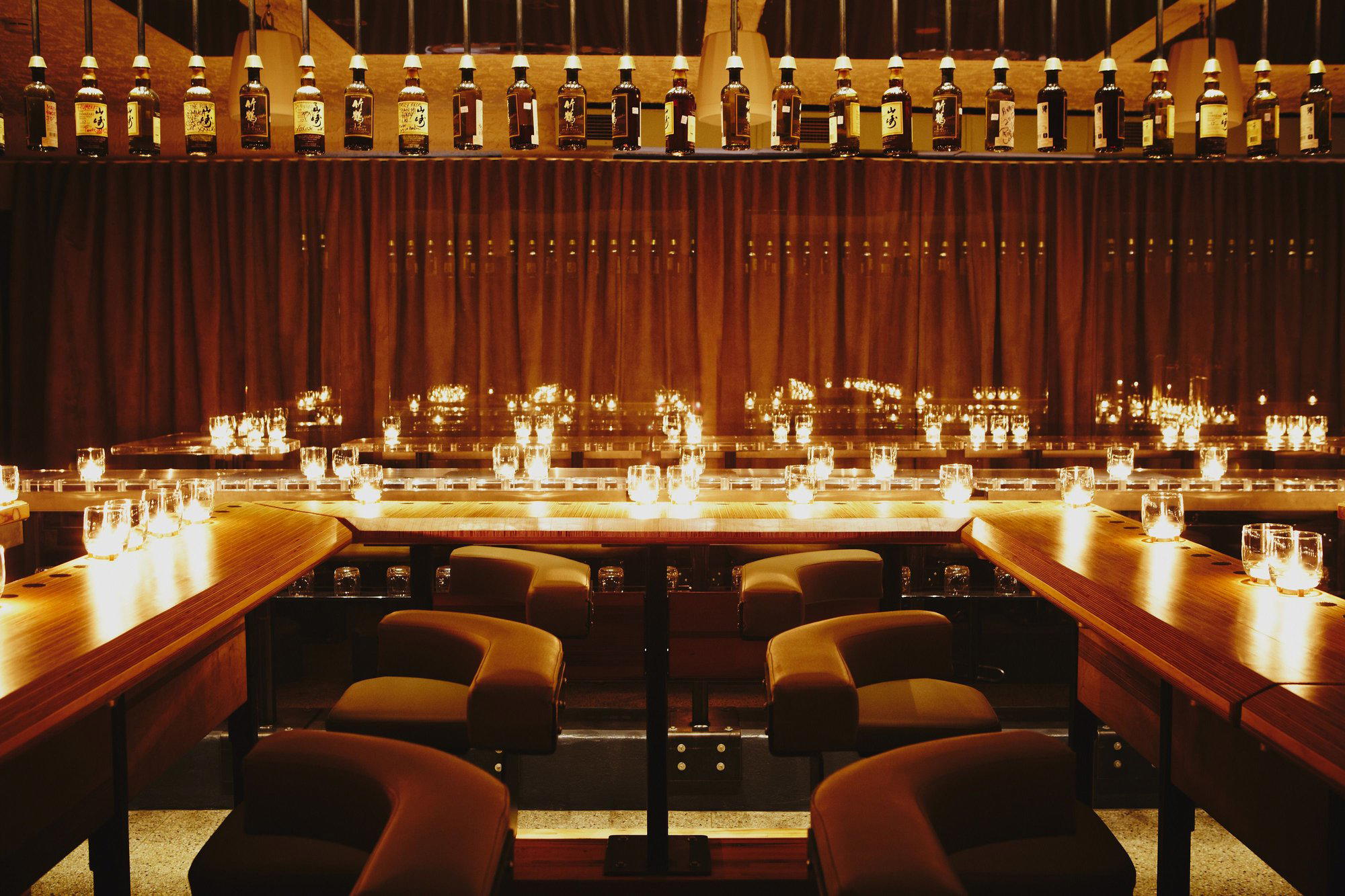
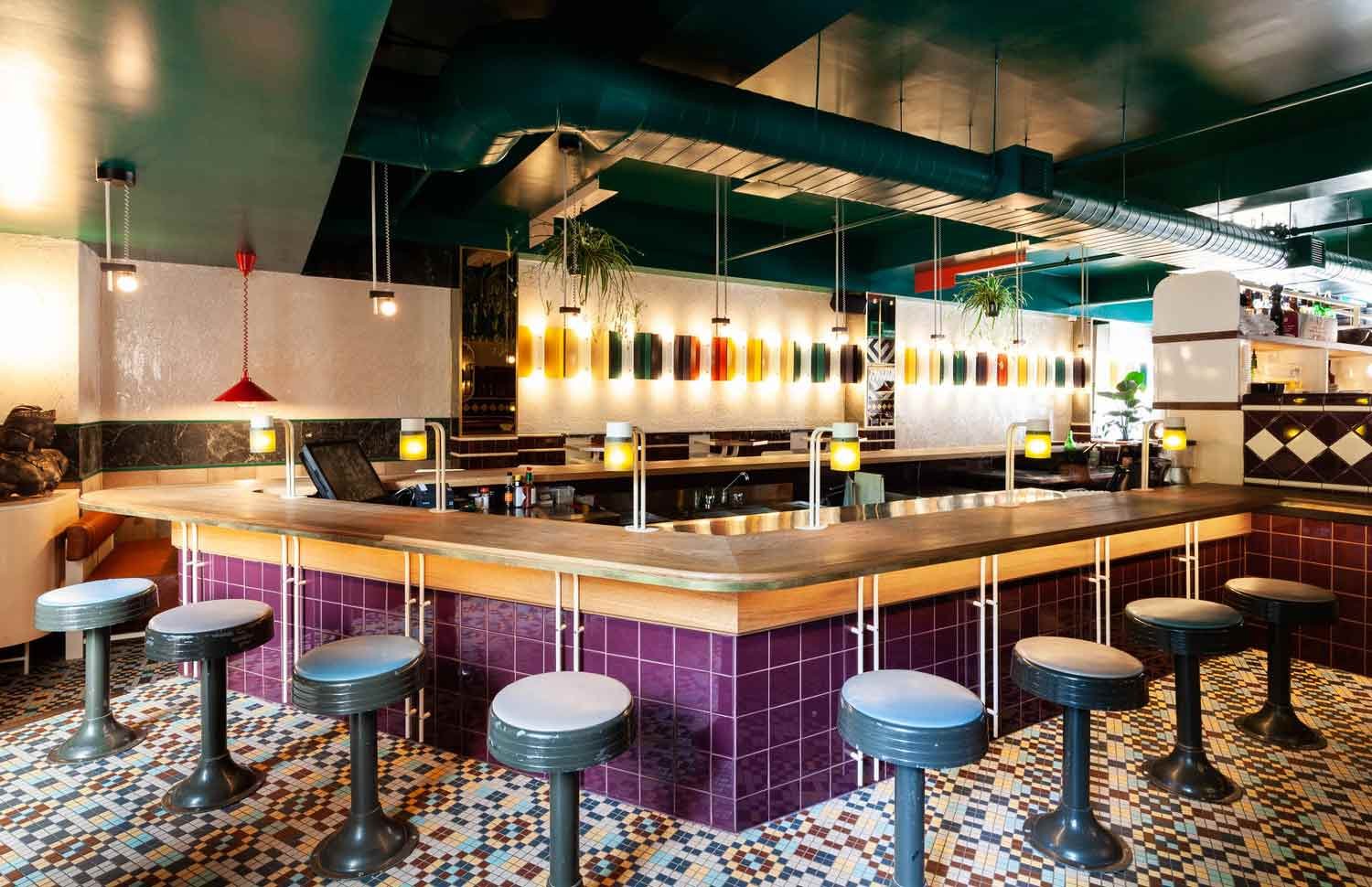
Casual yet elegant atmosphere suitable for families with charming French bistro vibes.