Restaurant Lecci e Murta
Set along the southern Corsican coastline near Propriano, Restaurant Lecci e Murta draws on the island's maquis-sourced ingredients and maritime larder in a setting where the village pace sets the tempo. The address, Route de Campomoro, places it at the edge of one of France's least-crowded protected coastlines, making the sourcing context as much about geography as cuisine.
Pearl is the En Primeur Club membership app — saves, bookings, and concierge access live there. Same editors, same standards.
- Address
- Village Lecci e Murta, Route de Campomoro, 20110 Propriano, France
- Phone
- +33495760267
- Website
- villagelecciemurta.com
 Saves & bookings on Pearl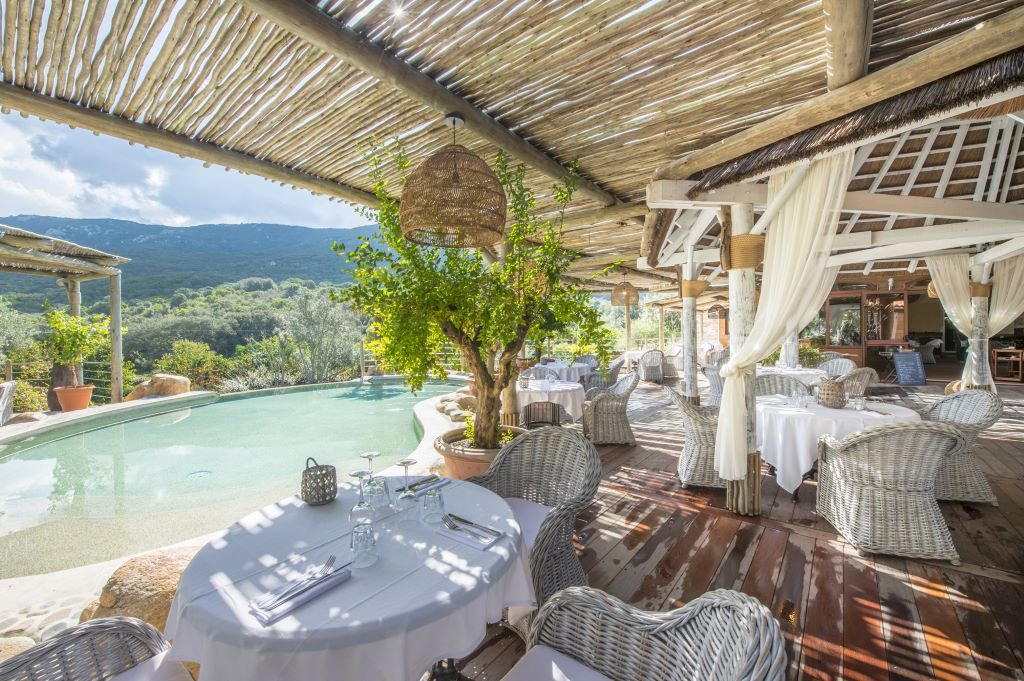
Where the Maquis Meets the Table
The road from Propriano to Campomoro is the kind of approach that recalibrates expectations before you arrive anywhere. The scrubland thickens, the villages thin out, and by the time the Gulf of Valinco comes into full view, the idea of a restaurant as a destination rather than a convenience starts to make sense. Restaurant Lecci e Murta sits within this geography, taking its name from two of Corsica's most persistent maquis plants: the holm oak (lecci) and the myrtle (murta). That naming choice signals something about where the kitchen's attention is directed before a single dish arrives.
Corsican restaurant culture in the south of the island has largely resisted the homogenisation that flattened so many French coastal dining rooms through the 1990s and 2000s. The island's geographic isolation, combined with a producer community that remained small and local by necessity rather than trend, created conditions where ingredient provenance was never really a marketing decision, it was simply how things worked. A restaurant in this part of Corsica drawing on charcuterie from highland pig farmers, herbs from the surrounding scrubland, and fish landed at nearby ports is not performing a sourcing philosophy. It is working within the only supply chain that makes structural sense here.
For context on how Corsican dining sits within the broader French dining conversation, this guide maps the area's options across price points and settings.
The Ingredient Logic of Southern Corsica
The maquis is not decorative. Across Corsican cooking, the scrubland's aromatics, myrtle berries, wild rosemary, cistus, chestnut, appear in charcuterie preparation, marinades, and infusions with a regularity that reflects genuine culinary tradition rather than novelty. A kitchen in Campomoro that takes its name from lecci and murta is situating itself within that tradition explicitly. The holm oak produces acorns that historically fed free-ranging pigs; the myrtle has been used in preserving and flavouring meat across the Mediterranean for centuries. These are not abstract references.
Southern Corsica's fishing grounds, protected by the proximity to the Réserve Naturelle de Scandola and the relatively low commercial pressure on the Gulf of Valinco, yield a narrower but higher-quality catch than industrially fished coastlines. Red mullet, sea bass, and grouper from these waters carry different fat content and texture profiles than their Atlantic or intensively-farmed counterparts. For restaurants positioned along this coast, the sea is not a backdrop but a primary supplier. The seasonal availability of the catch determines what appears on a menu with more authority than any chef's preference.
This sourcing logic connects Lecci e Murta to a wider tradition of terrain-anchored French regional cooking that includes addresses well beyond Corsica. Bras in Laguiole built its identity on the Aubrac plateau's botany and livestock. Auberge du Vieux Puits in Fontjoncouse draws from the Corbières garrigue. Mirazur in Menton structures its menu around the garden's seasonal output rather than a static repertoire. In each case, geography precedes the kitchen. The Corsican south sits in that lineage, if considerably less documented internationally.
Campomoro's Position in the Corsican Dining Scene
The village of Campomoro is not a dining destination in the way that Ajaccio or Bonifacio attract restaurant tourism. It occupies the tip of a peninsula that juts into the Gulf of Valinco, with a tower built under Genoese rule still standing on the headland. The population in winter is minimal; summer brings visitors who arrive for the beach and the walking trails through the protected natural site rather than for any culinary programme. A restaurant operating in this context serves a clientele with different expectations than those drawn to, say, a starred address in a French regional city.
This village positioning makes the address more comparable to coastal destination restaurants elsewhere in France that trade on location and sourcing rather than formal recognition. La Marine in Noirmoutier-en-l'île operates in an analogous coastal village context, where the tidal geography and local producers define the kitchen's vocabulary. The logic is similar: a remote address demands a reason to travel, and ingredient quality rooted in place provides that reason more durably than décor or ceremony.
French haute cuisine addresses in larger centres, including Alléno Paris au Pavillon Ledoyen in Paris, Assiette Champenoise in Reims, and AM par Alexandre Mazzia in Marseille, operate within urban restaurant ecosystems where competition shapes identity. A kitchen in Campomoro faces different pressures: seasonal closure cycles, supply chain limitations, and a visitor base that skews toward the island's natural assets rather than its dining. That constraint, in practice, often produces more coherent cooking than markets where trend cycles move faster than sourcing relationships.
Planning a Visit
Restaurant Lecci e Murta's address, Village Lecci e Murta, Route de Campomoro, 20110 Propriano, places it outside the village centre, accessible by road from Propriano, which is the nearest town of scale on the Gulf of Valinco. Reaching Campomoro from Ajaccio, Corsica's main airport, involves roughly 90 kilometres of driving through mountain roads. The summer season, from June through September, is when the southern coast operates at full capacity; visiting in late June or early September allows access to the full seasonal menu window with noticeably fewer other visitors. Confirm opening periods and reservations directly before you go.
For broader French regional dining references while planning, the EP Club covers addressed including Flocons de Sel in Megève, Auberge de l'Ill in Illhaeusern, L'Oustau de Baumanière in Les Baux, Georges Blanc in Vonnas, Christopher Coutanceau in La Rochelle, Troisgros - Le Bois sans Feuilles in Ouches, Au Crocodile in Strasbourg, and Paul Bocuse - L'Auberge du Pont de Collonges in Collonges-au-Mont-d'Or, each representing distinct regional traditions. For international comparisons in ambitious coastal cooking, Le Bernardin in New York City and Atomix in New York City offer useful points of reference in how place-specific sourcing translates across very different scales.
Comparable Venues
Comparable venues nearby, for context on price, style, and recognition.
| Venue | Cuisine | Price | Awards | Notes |
|---|---|---|---|---|
| Restaurant Lecci e MurtaThis venue — the venue you are viewing | Mediterranean | $$ | , | |
| A Cantina Di Ghjulia | Authentic Corsican | $$ | , | Centre-Ville |
| Osteria di U Portu | Traditional Corsican Mediterranean | $$ | , | Macinaggio |
| A Siesta | Mediterranean Seafood | $$$ | , | L'Ile-Rousse |
| Aux Trois Fourchettes | Traditional Corsican | $ | , | Cervione |
| Le Roi de Rome | Traditional Corsican Bistro | $$ | , | centre historique |
Continue exploring
More in Belvedere Campomoro
Restaurants in Belvedere Campomoro
Browse all →
At a Glance
- Scenic
- Cozy
- Rustic
- Family
- Casual Hangout
- Terrace
- Waterfront
- Hotel Restaurant
- Local Sourcing
- Waterfront
- Mountain
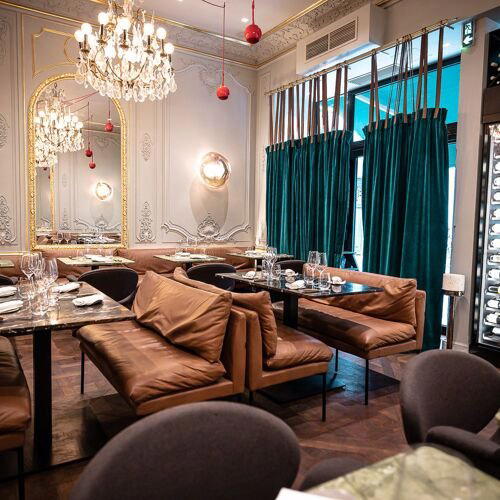
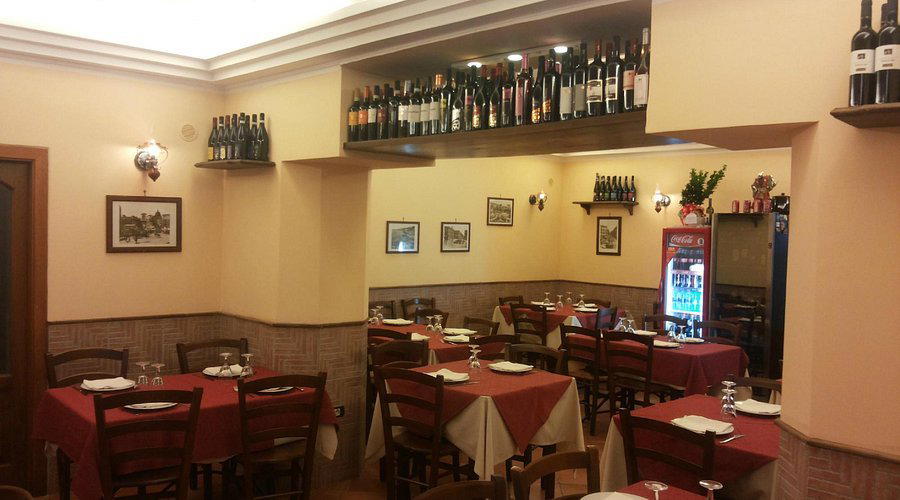
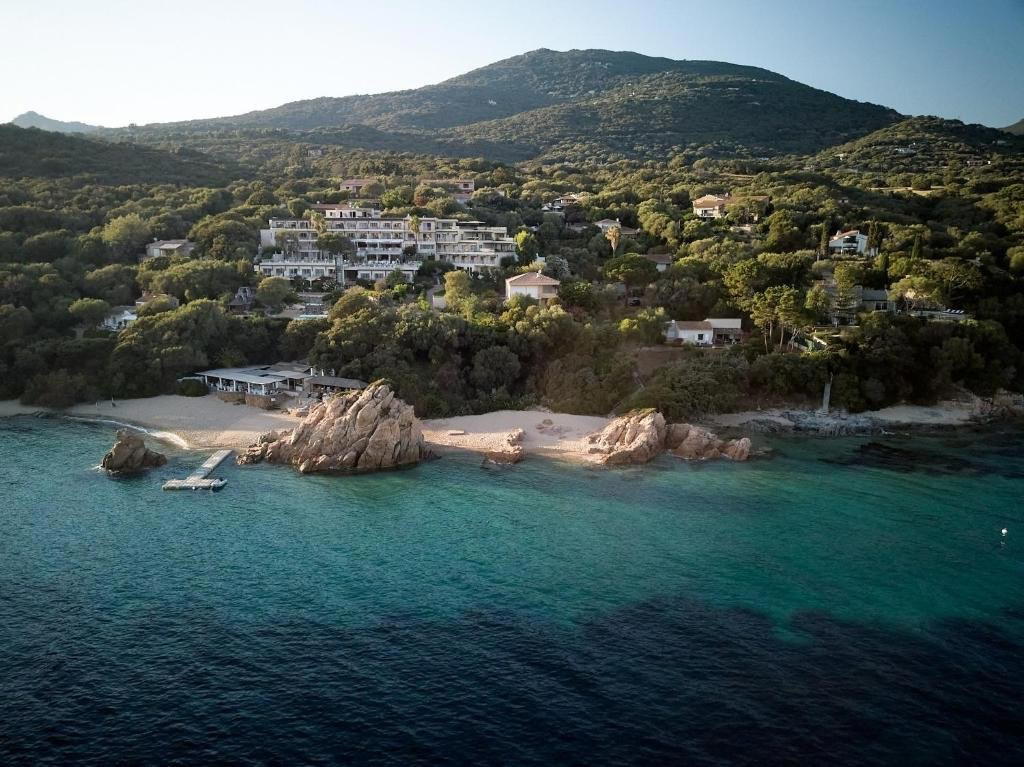
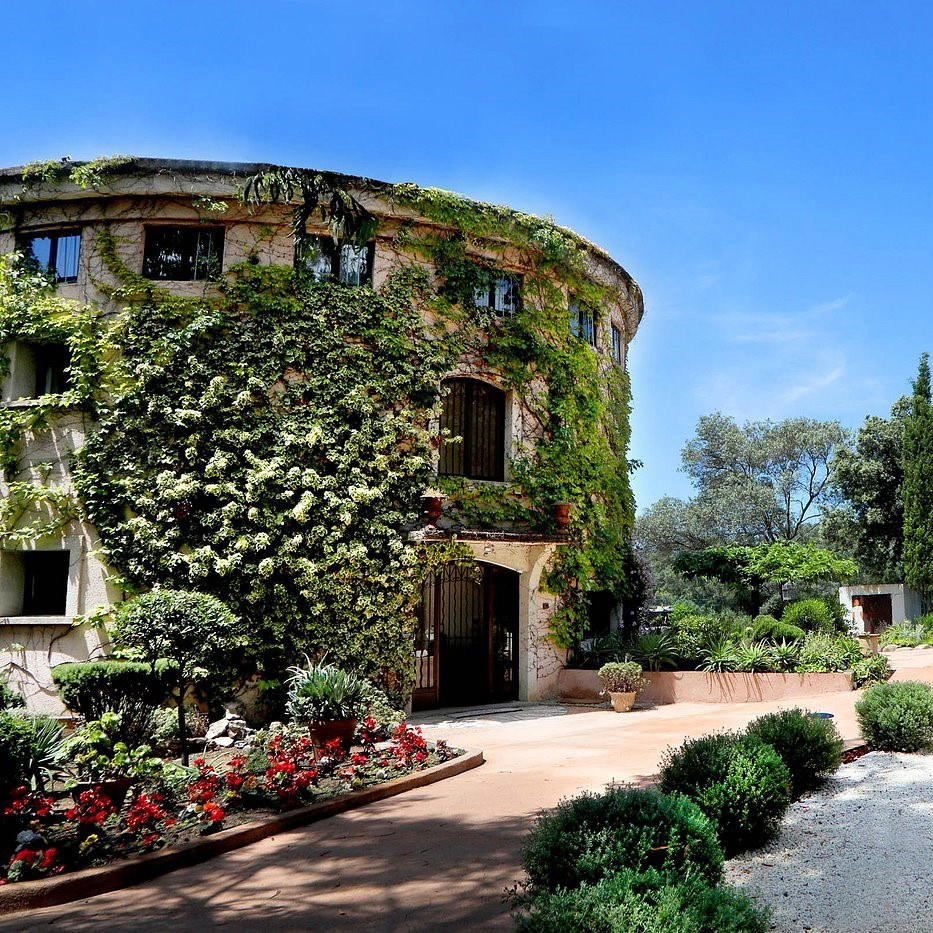
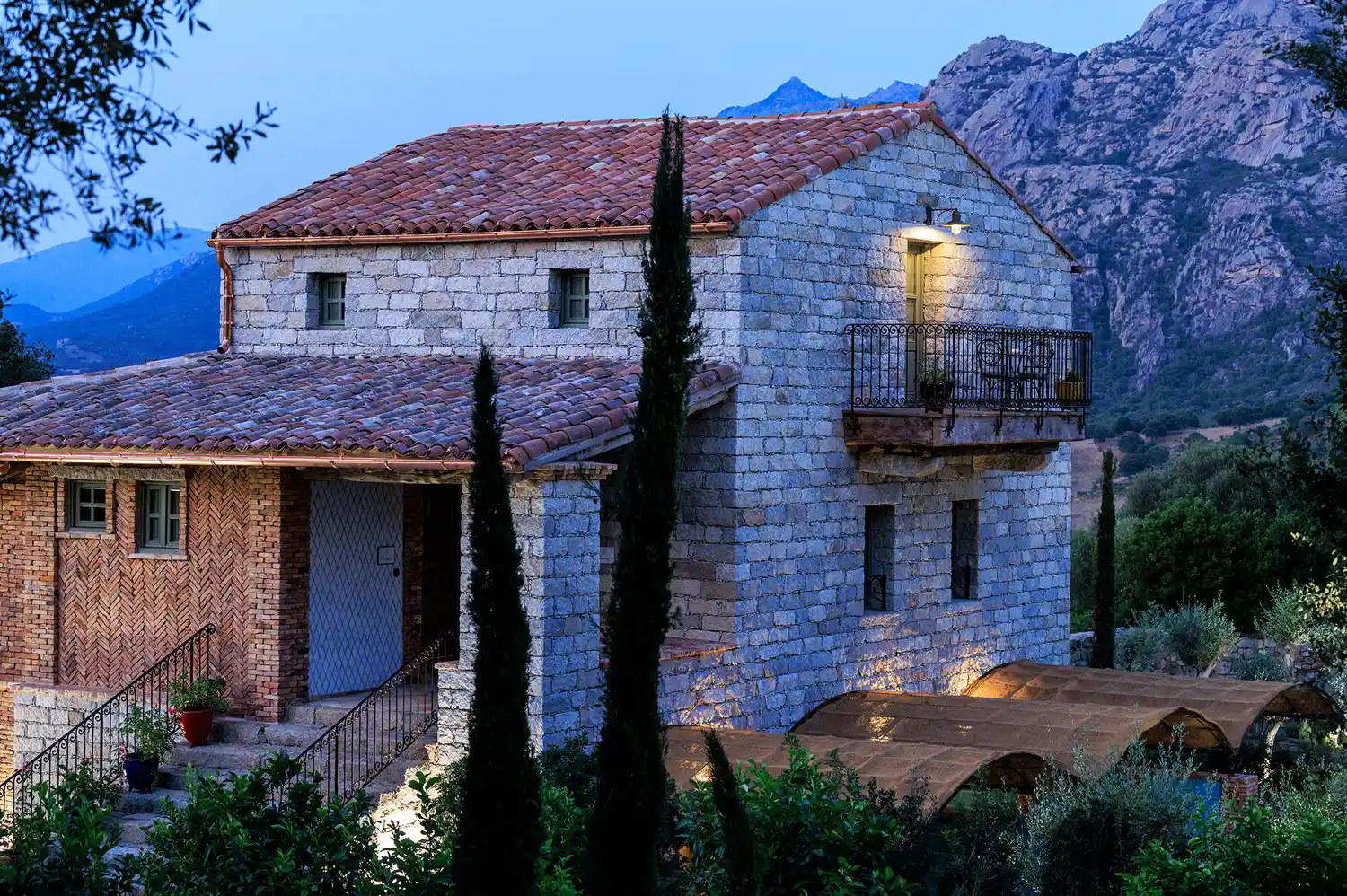
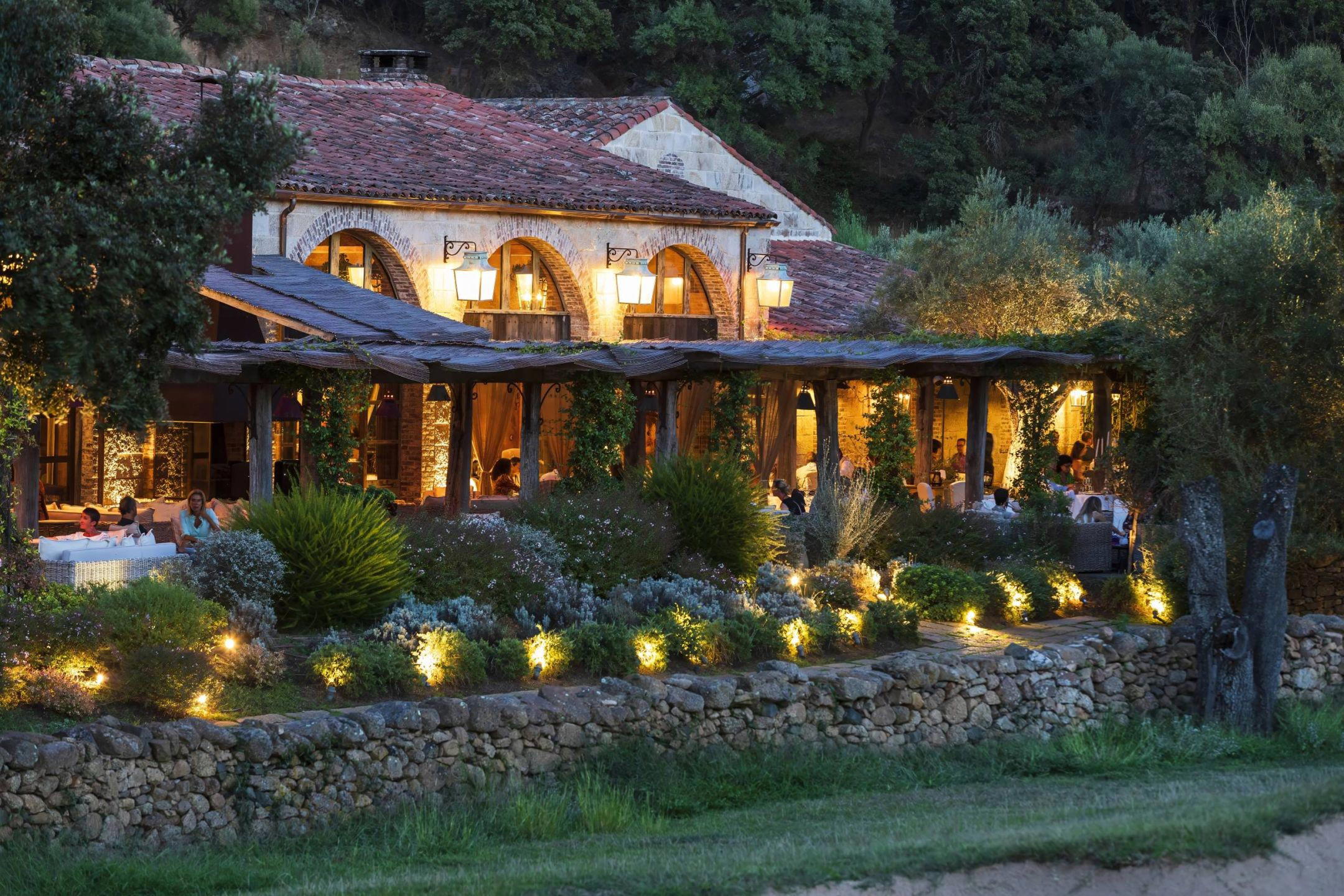
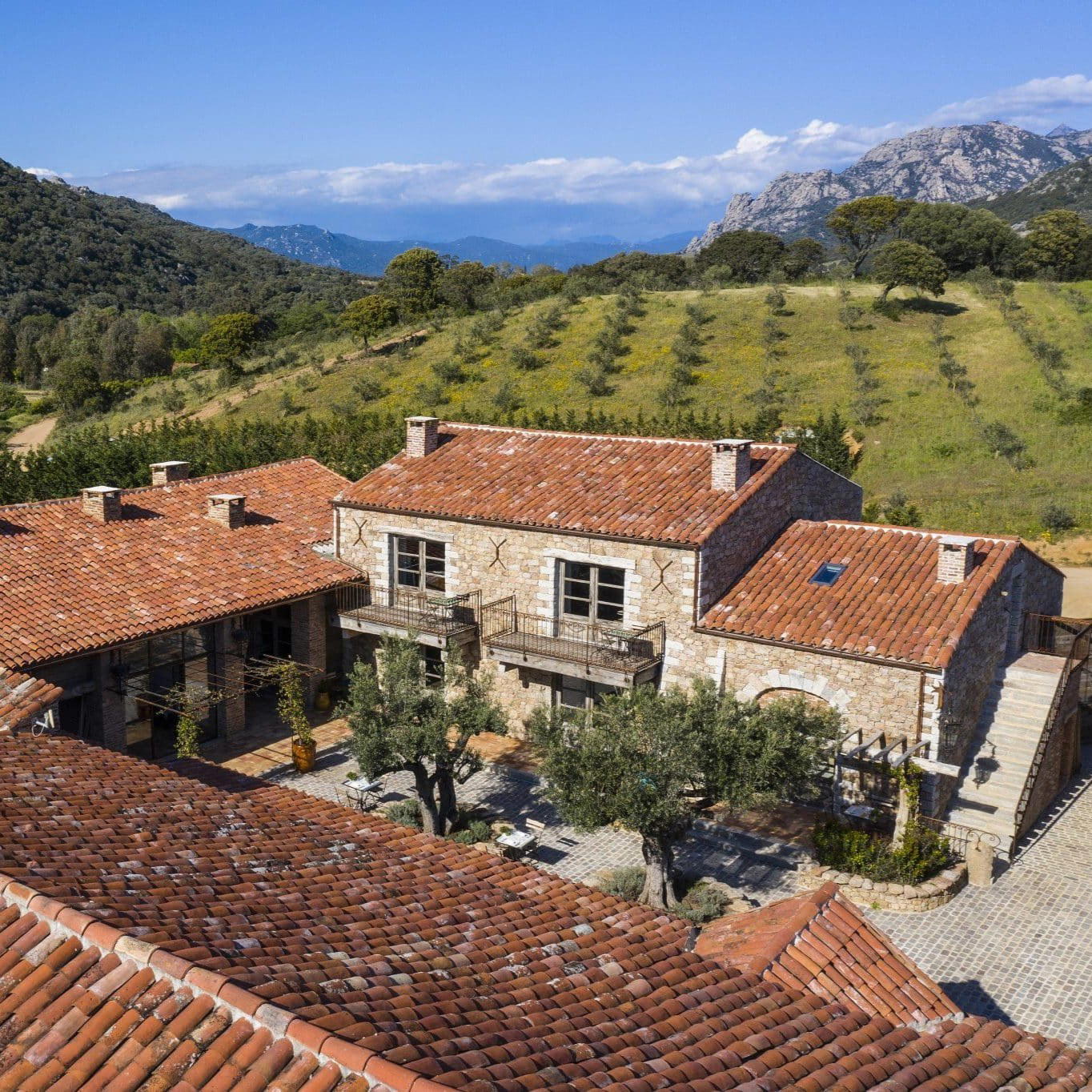
Relaxed terrace atmosphere around the pool with mountain and sea views, providing a calm and paradise-like setting.