


Michelin Selected · Travel + Leisure It List Hotels · Conde Nast Hot List Hotels
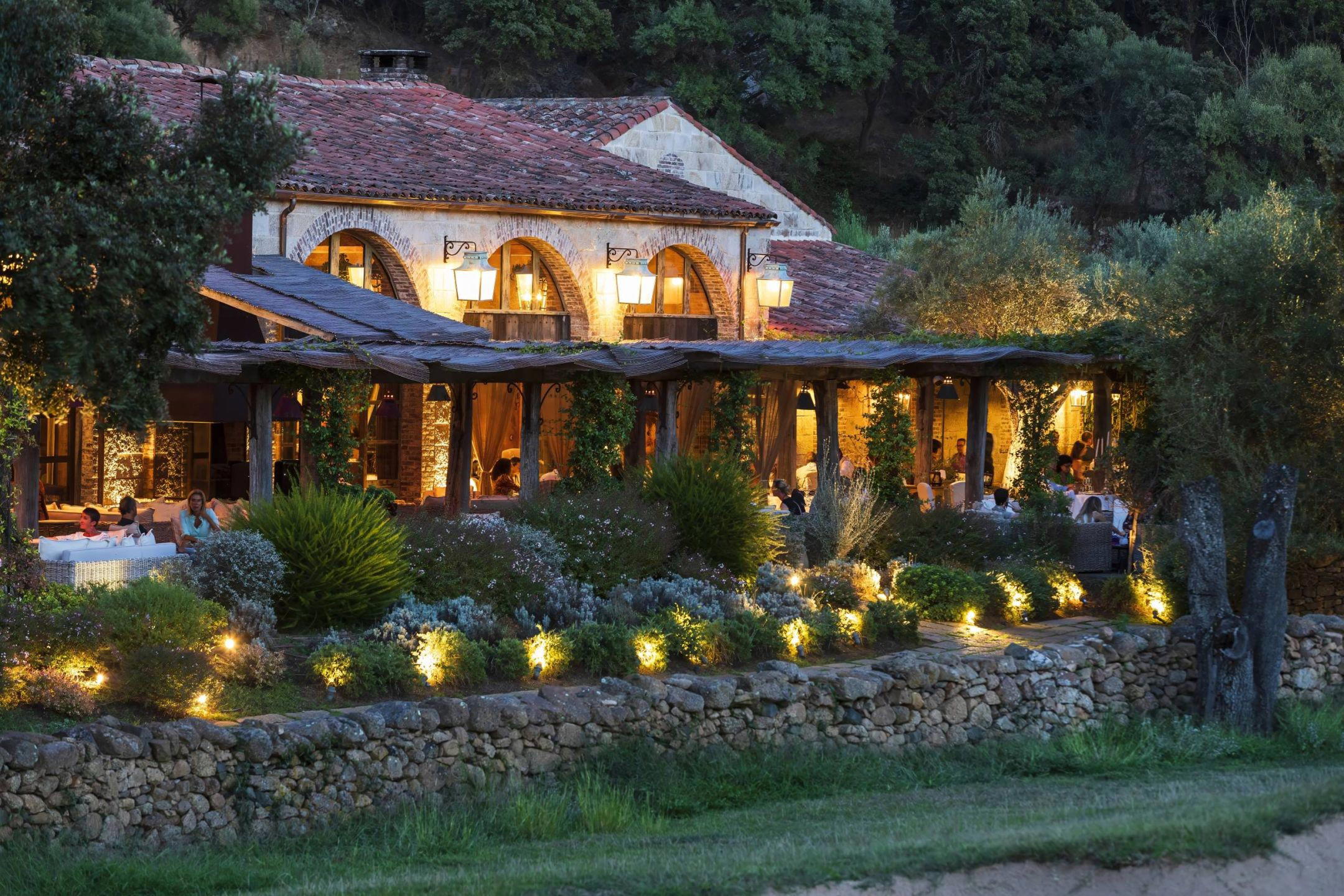
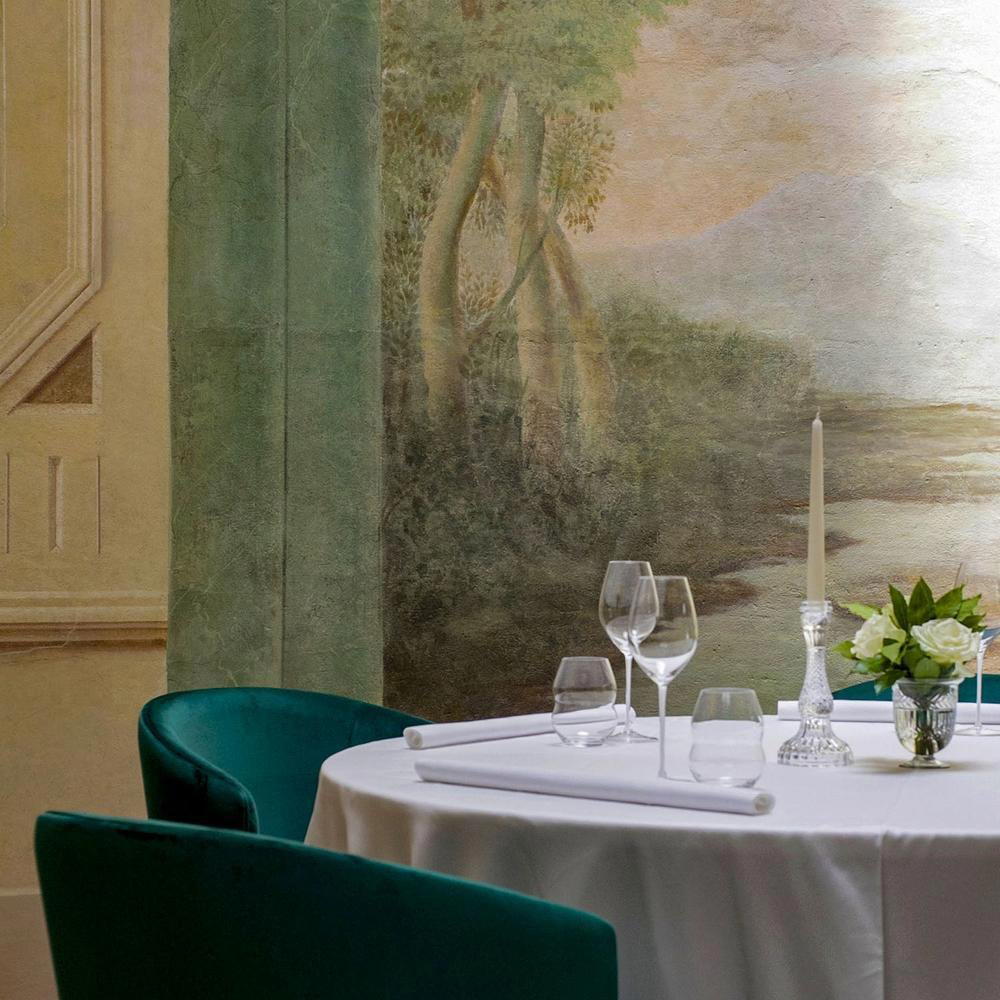
A Mandria di Murtoli is the farm-to-table dining centrepiece of the Domaine de Murtoli estate, set deep in the Alta Rocca highlands south of Sartène in Corsica's most sparsely inhabited interior. The restaurant channels the estate's working agriculture directly onto the plate, drawing from its own livestock, produce, and cellars in a format that sits closer to private-estate dining than conventional hotel F&B. For those staying at the Domaine, it functions as the primary culinary anchor of an exceptionally remote property.

Pearl is the En Primeur Club membership app — saves, bookings, and concierge access live there. Same editors, same standards.
- Address
- Pont de l'Ortolo, 20100 Sartène, France
- Phone
- +33 4 95 71 71 80
- Website
- amandriadimurtoli.com
- Directions
- Get directions
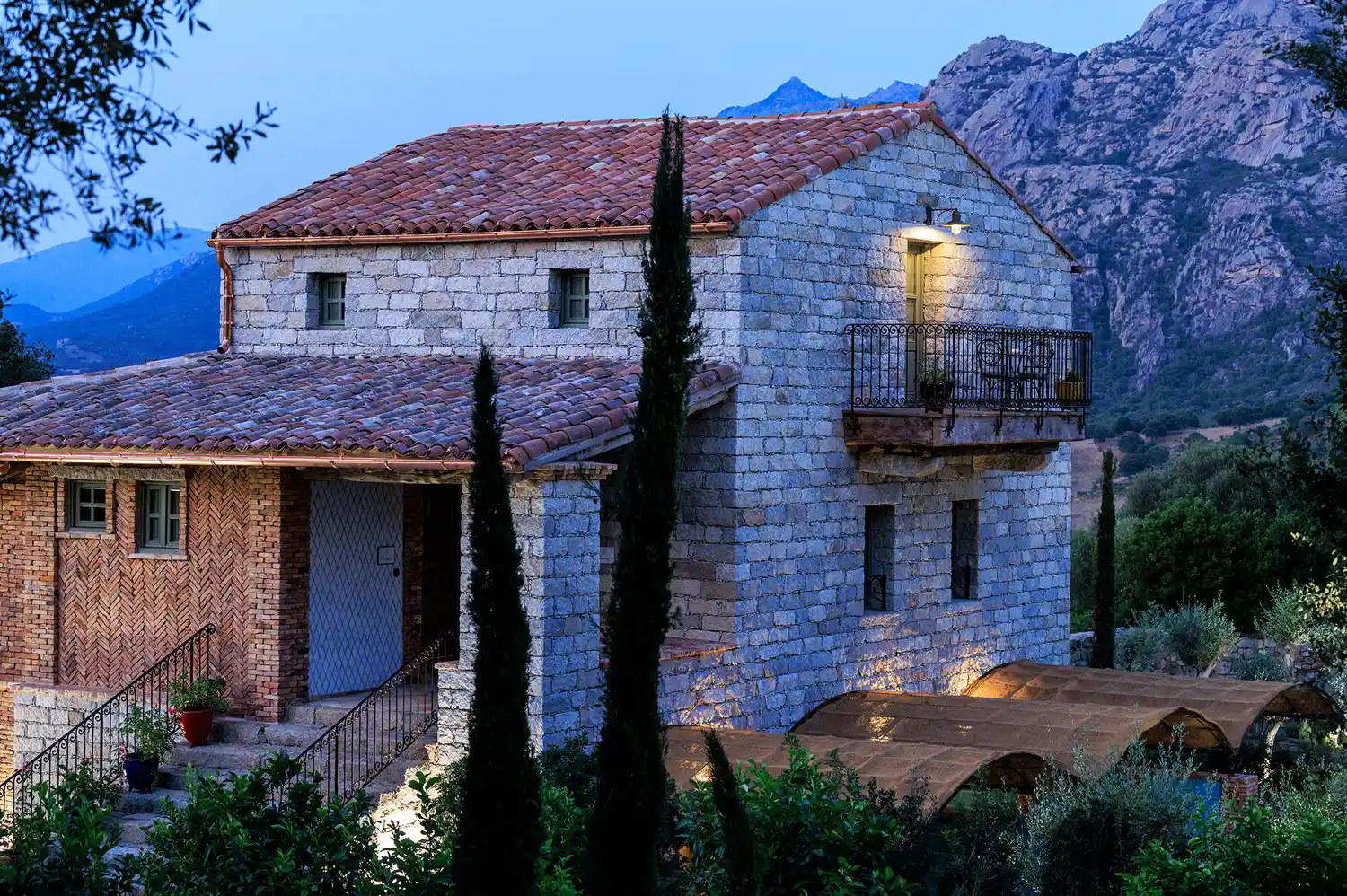
Eating at the Edge of Corsica's Interior
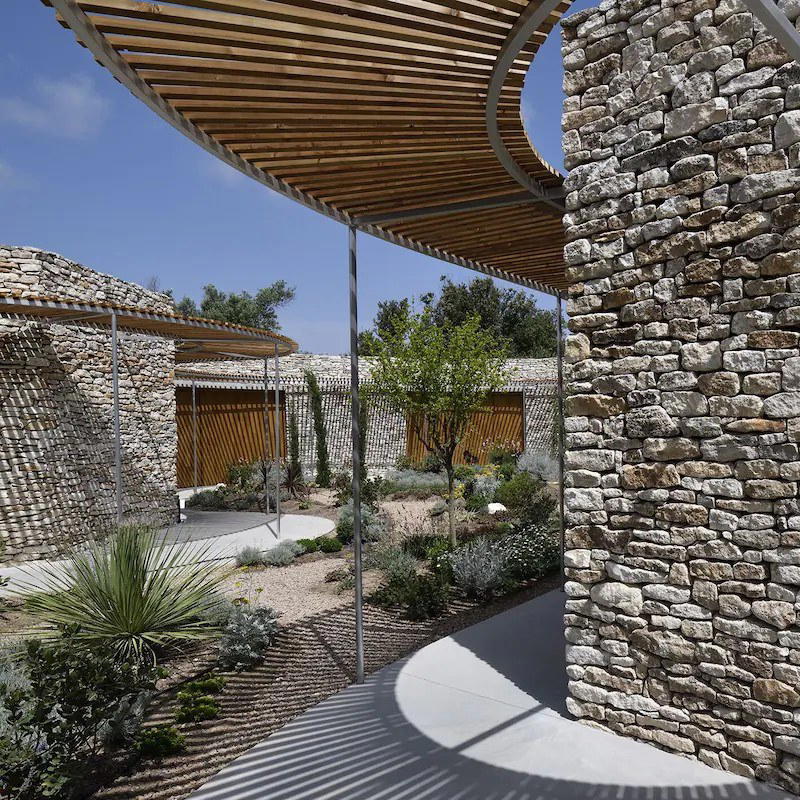
The Alta Rocca plateau, which rises inland from Sartène toward the mountains of southern Corsica, is among the least visited terrain on a French island that is itself relatively uncommercialized by Mediterranean standards. The villages are sparse, the maquis is thick, and the land is shaped more by transhumance traditions than by tourism infrastructure. A Mandria di Murtoli sits inside this context, as the restaurant and dining expression of the Hôtel Domaine de Murtoli, a private estate of several thousand hectares that occupies a singular position in Corsican hospitality: it is less a hotel in the conventional sense and more a working rural domain where guests happen to stay.
The name itself signals the format. A mandria is a sheepfold or livestock enclosure in Corsican, and the estate's agricultural operations, including its herds and its kitchen gardens, are not decorative props but functional parts of the property. That context shapes what dining here actually means. Across the French luxury hotel circuit, from Cheval Blanc Paris to Les Sources de Caudalie in Bordeaux, the farm-to-table claim is often a marketing positioning layered onto a kitchen that sources produce externally. At Murtoli, the estate's agricultural identity predates any hospitality narrative and gives the dining programme its structural logic.
The Dining Programme: Estate Logic on the Plate
Corsican cuisine occupies a distinct position in the broader French culinary conversation. It draws on charcuterie traditions centred around the Corsican pig, on sheep's milk cheeses, on chestnuts as a starch staple, and on herbs from the maquis, particularly nepita (local calamint) and immortelle, that give the island's cooking a botanical profile not easily replicated on the mainland. The dining at A Mandria di Murtoli is anchored to this tradition, filtered through the estate's own production rather than through the competitive modernist kitchens more common to French luxury hotel F&B.;
At Murtoli, the estate itself is the credential. The kitchen's authority derives from provenance and agricultural continuity rather than from brigade pedigree or tasting-menu architecture. That is a deliberate positioning, and in the context of southern Corsica, it is the more coherent one.
Guests at comparable Corsican properties such as Casadelmar in Porto-Vecchio, which operates at the other end of the island's luxury spectrum with a more design-forward and gastronomically structured programme, will find A Mandria di Murtoli's approach philosophically distinct. Where Casadelmar competes on technique and contemporary presentation, Murtoli's dining expression competes on authenticity of sourcing and the coherence of its estate narrative.
The Setting and the Scale of Remoteness
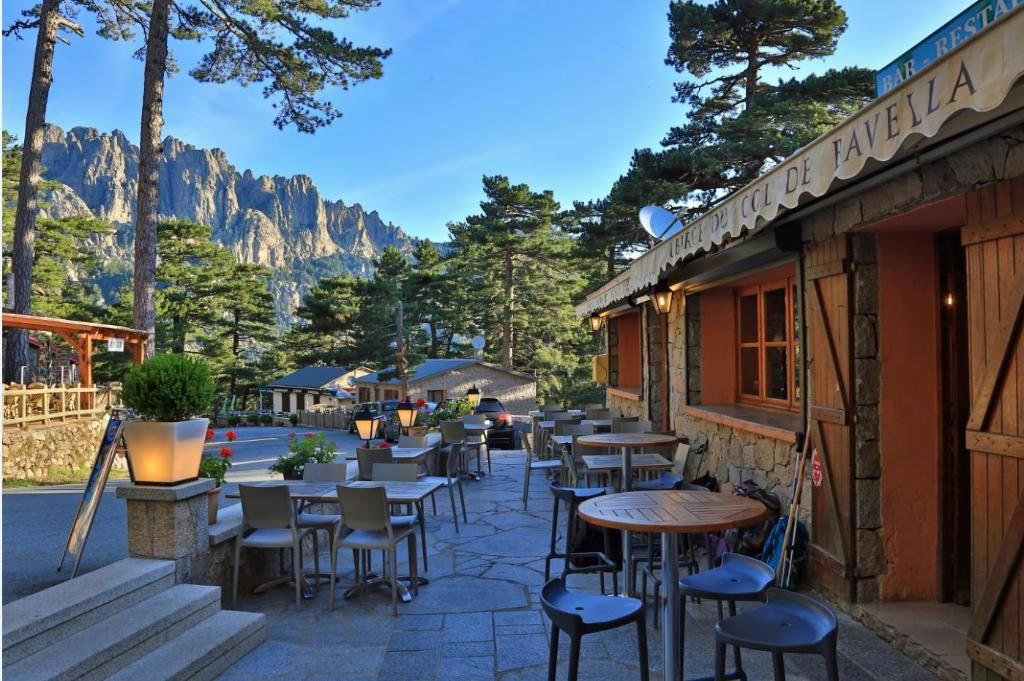
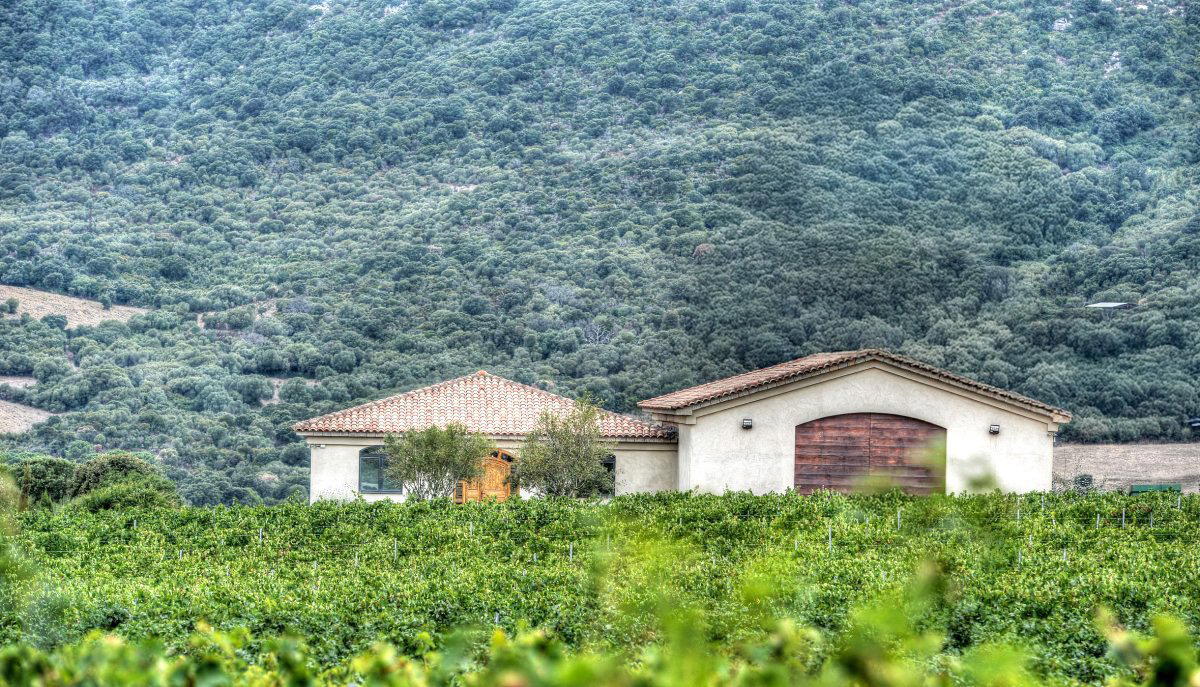
Understanding the dining experience at A Mandria di Murtoli requires accounting for its geography. The estate sits in a valley accessible by unmade track, far enough from Sartène and the coastal resorts of the south to make the property genuinely self-contained. This is not the kind of remoteness that is overcome by a twenty-minute drive to a nearby village with restaurant options. The estate is the option. That reality concentrates the dining experience inward, and it means guests are not choosing the restaurant from a competitive set of local alternatives in the way they might at a hotel in, say, Ramatuelle or Saint-Tropez. They are committing to the estate's culinary vision by the act of booking the property itself.
This total-immersion model has precedents in French rural hospitality, from working wine estates with table d'hôte traditions to hunting lodges where the kitchen follows the season's catch. Murtoli's version of this model operates at a premium tier, where the remoteness is itself part of the value proposition. Properties on the French Riviera such as Hotel du Cap-Eden-Roc in Cap d'Antibes or The Maybourne Riviera in Roquebrune-Cap-Martin trade on access and spectacle; Murtoli trades on withdrawal and specificity.
Corsican Wines and the Cellar Context
Any serious engagement with Corsican cuisine requires grappling with the island's wine production, which remains underexposed relative to its quality. The Sartène AOC, which covers vineyards around the town and into the surrounding hills, produces Nielluccio and Sciaccarellu-based reds alongside Vermentino whites that perform well at the table with the island's charcuterie and cheese traditions. For context on how French estate properties handle wine programming, the model at Villa La Coste in Le Puy-Sainte-Réparade, with its winery integration and curated cellar, offers a comparable reference point from Provence.
Planning Your Stay: Practical Considerations
The Domaine de Murtoli operates on a seasonal calendar that tracks the Corsican summer, with the estate's peak period running from late spring through early autumn. The combination of estate isolation and limited capacity means that dining at A Mandria di Murtoli is not separable from accommodation booking: this is not a destination restaurant accessible to outside diners in the way that a Michelin-starred hotel restaurant in a town might be. Travellers considering the property should build in sufficient nights to settle into the rhythm of the estate, where the dining programme is one component of a broader experience rather than the primary draw for a single evening.
For those cross-referencing the property against other French luxury estate options, La Bastide de Gordes in the Luberon, Château de la Gaude in Aix-en-Provence, and Château de Montcaud in the Gard each represent different points on the spectrum of French estate hospitality, from walled Provençal town properties to converted châteaux with formal dining rooms. Murtoli sits at the most rural and immersive end of that range. For broader orientation on the southern Corsican dining scene, the Sartène restaurants guide provides additional context on what the area's food culture looks like beyond the estate's boundaries.
Cost and Credentials
Comparable venues nearby, for context on price, style, and recognition.
| Venue | Cuisine | Price | Awards | Notes |
|---|---|---|---|---|
| A MANDRIA DI MURTOLIThis venue — the venue you are viewing | Not listed | $300–500 | Michelin Selected · Travel + Leisure It List Hotels | Not listed |
| Domaine de Murtoli (L'Hôtel de la Ferme) | Sartène, rustic luxe farm estate | Not listed | 1 Michelin Key · La Liste Top Hotels | Not listed |
| Le Hameau de Saparale | Not listed | $200–300 | Michelin Selected | Vallée de l'Ortolo, Restored 19th-century hamlet in vineyard estate |
| Hôtel Domaine de Murtoli | Not listed | Not listed | 1 Michelin Key · La Liste Top Hotels | Sartène, Restored 17th-century shepherd houses and farm estate with modern comforts |
| La Co(o)rniche | Not listed | $500–750 | 1 Michelin Key | Pyla-sur-Mer, Contemporary luxury boutique hotel housed in a restored 1930s neo-Basque hunting lodge, reimagined by designer Philippe Starck with minimalist white interiors and authentic period details. |
| Villa La Tosca | Not listed | $200–300 | Michelin Selected | Lanton, Historic luxury villa blending Arcachonnaise and Italian architecture with modern comforts |
Recognition history
Dated appearances from independent guides and award organizations, with the underlying list record or original source where available.
Michelin Selected
Michelin
Conde Nast Hot List Hotels
Conde Nast
Travel + Leisure It List Hotels
Travel + Leisure

Details
- Romantic
- Quiet
- Rustic
- Elegant
- Intimate
- Scenic
- Romantic Getaway
- Honeymoon
- Anniversary
- Wellness Retreat
- Weekend Escape
- Private Villa
- Garden
- Terrace
- Panoramic View
- Private Dining
- Destination Spa
- Pool
- Restaurant
- Bar
- Wi Fi
- Room Service
- Concierge
- Parking
- Garden
- Air Conditioning
- EV Charging
- Spa
- Garden
- Vineyard
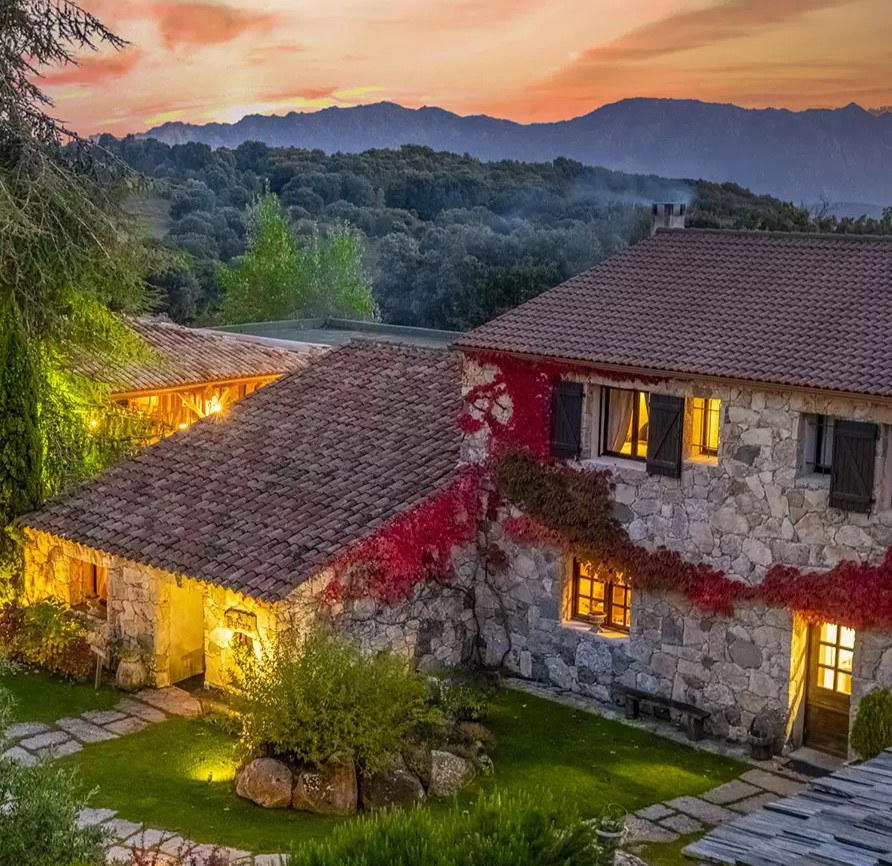
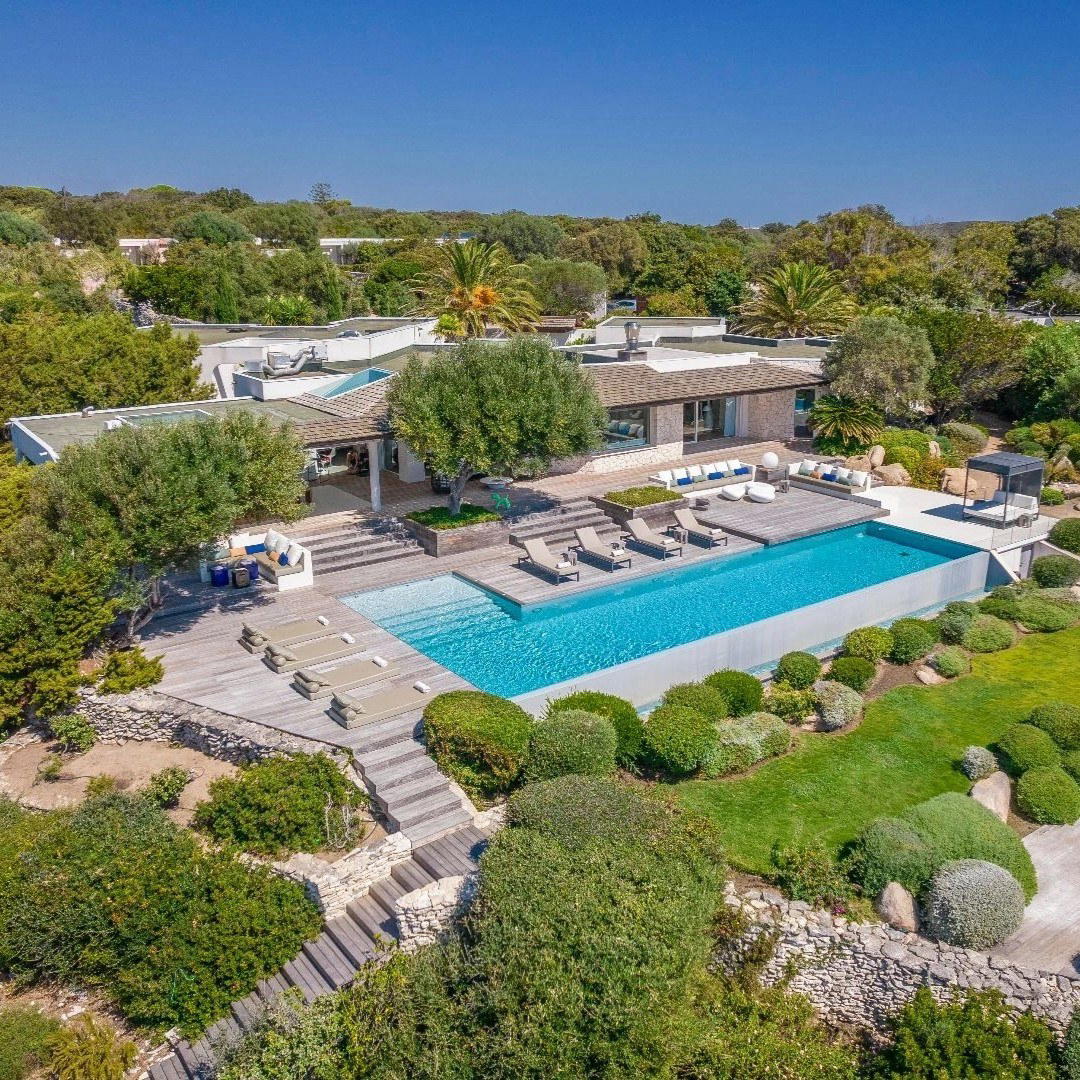
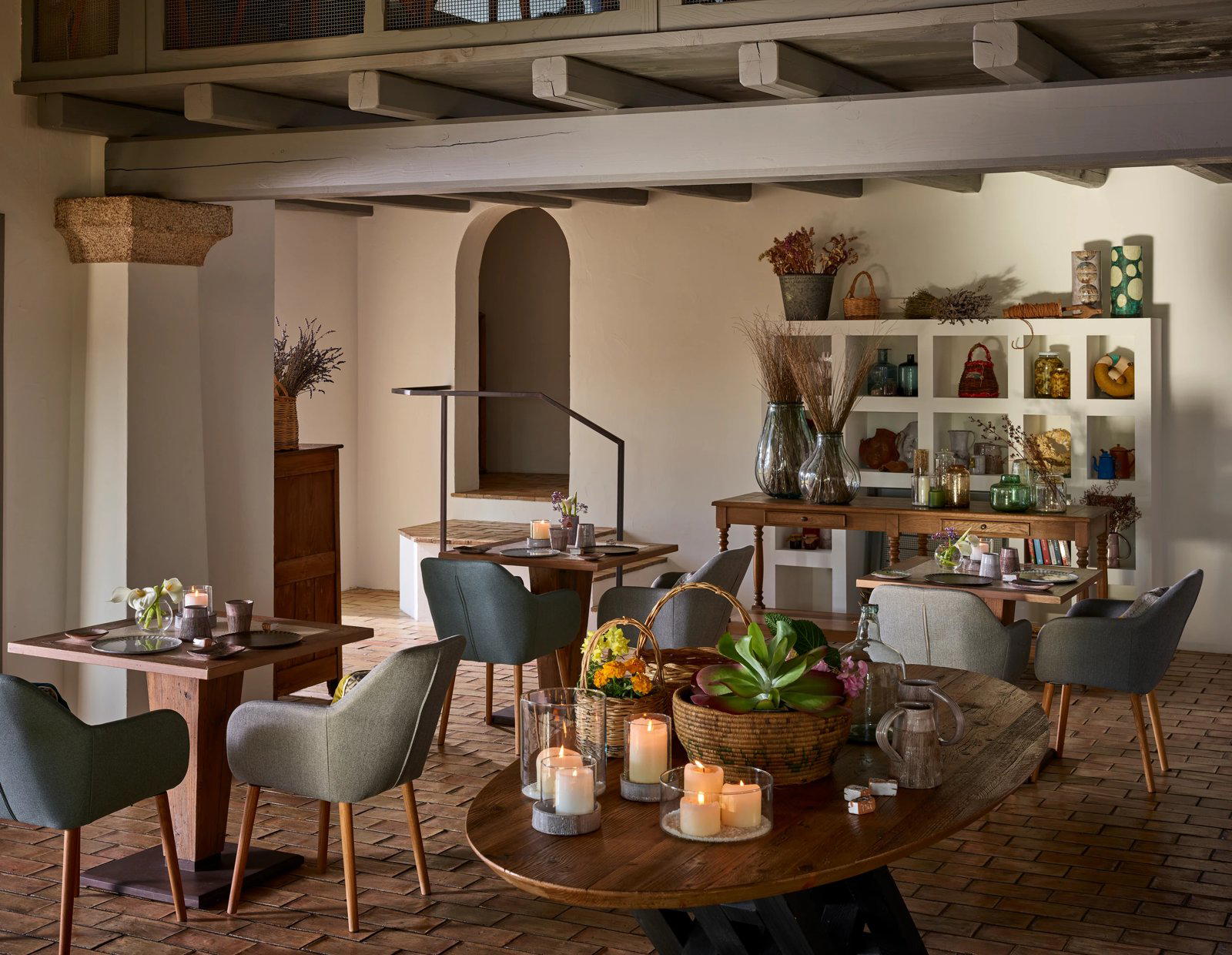
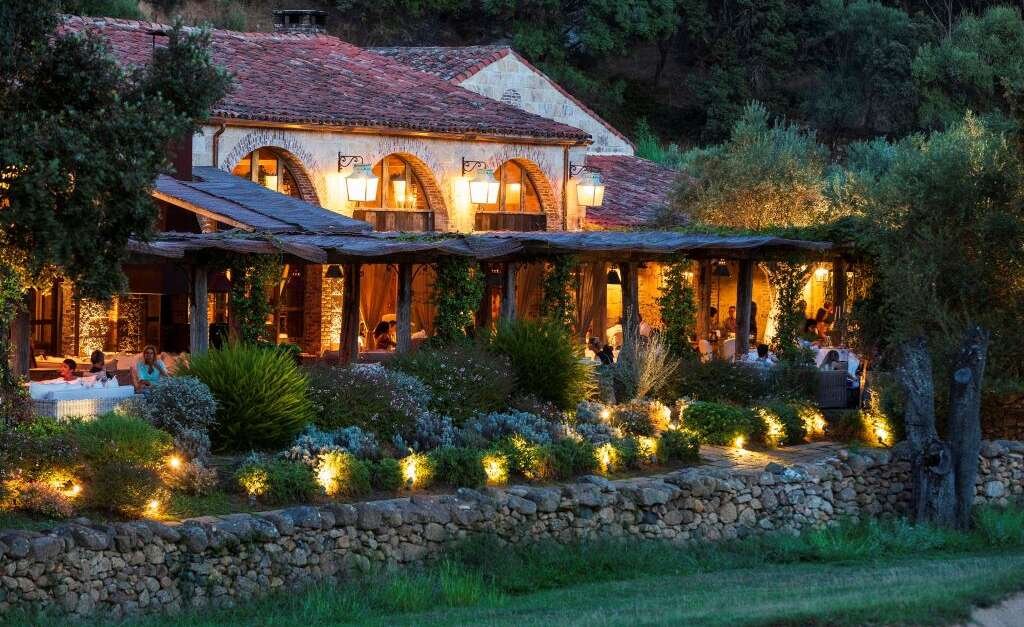
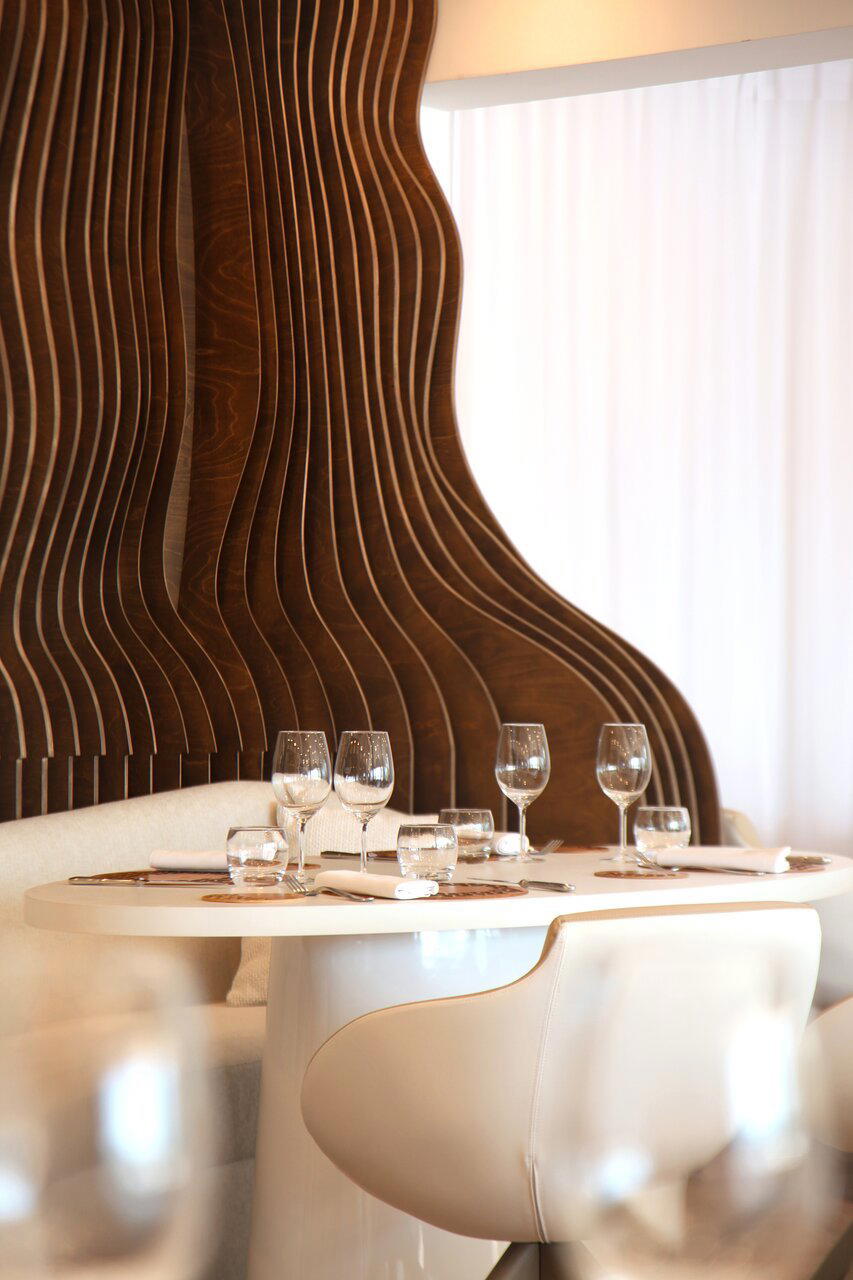
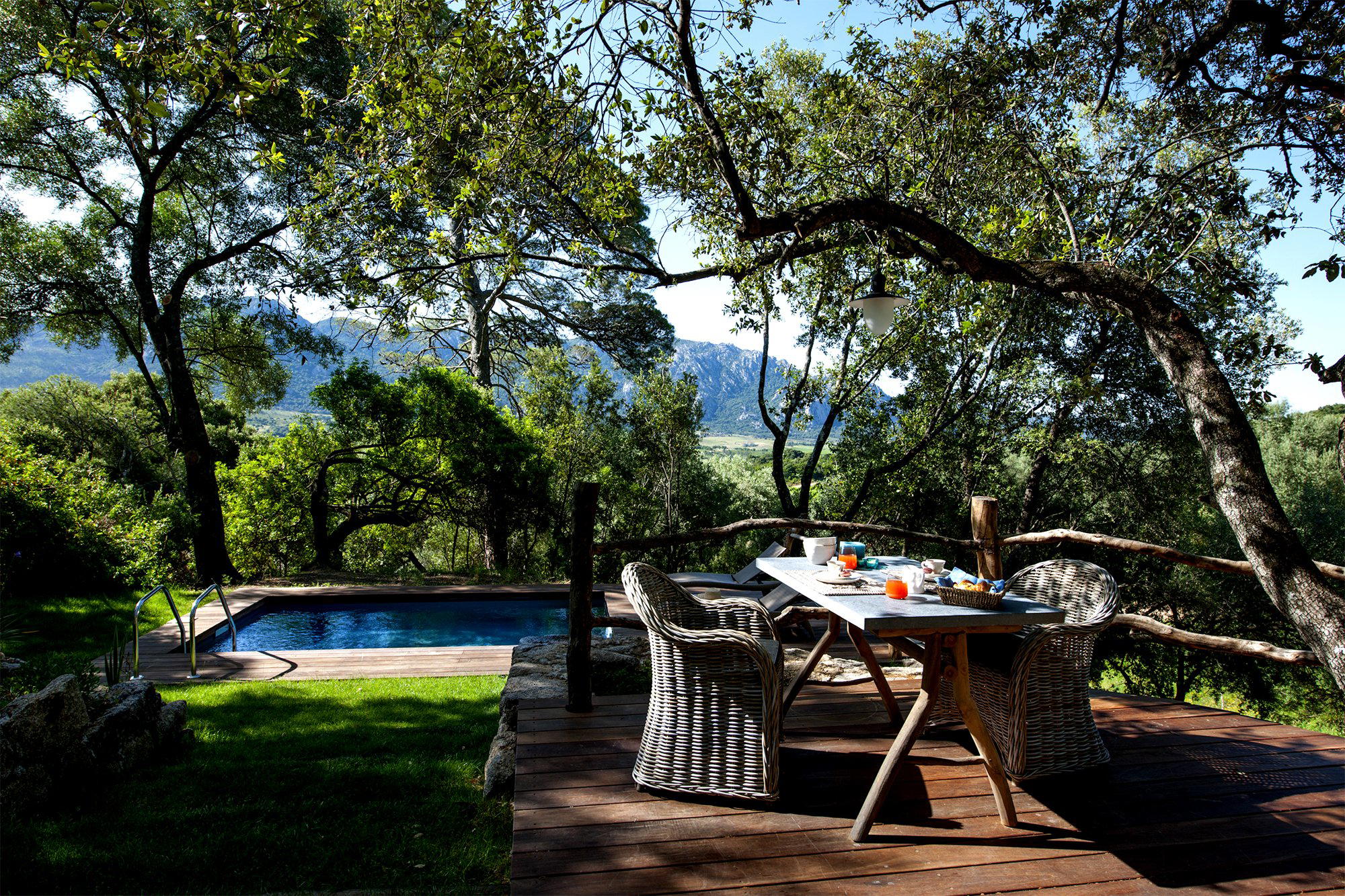
Starlit nights illuminating stone terraces and sapphire pool; Mediterranean warmth by day with rustic-luxury interiors featuring natural textures and simple, well-made furnishings.