On the northern tip of Corsica, Osteria di U Portu sits at the marina in Rogliano, a village where the island's pastoral interior meets the sea. The address alone signals what the kitchen is working with: coastal Corsican ingredients shaped by a tradition that has never needed to import its identity. A practical stop for anyone exploring Cap Corse seriously.
Pearl is the En Primeur Club membership app — saves, bookings, and concierge access live there. Same editors, same standards.
- Address
- 235 Marina, 20247 Rogliano, France
- Phone
- +33495354049
- Website
- corseweb.corsica
 Saves & bookings on Pearl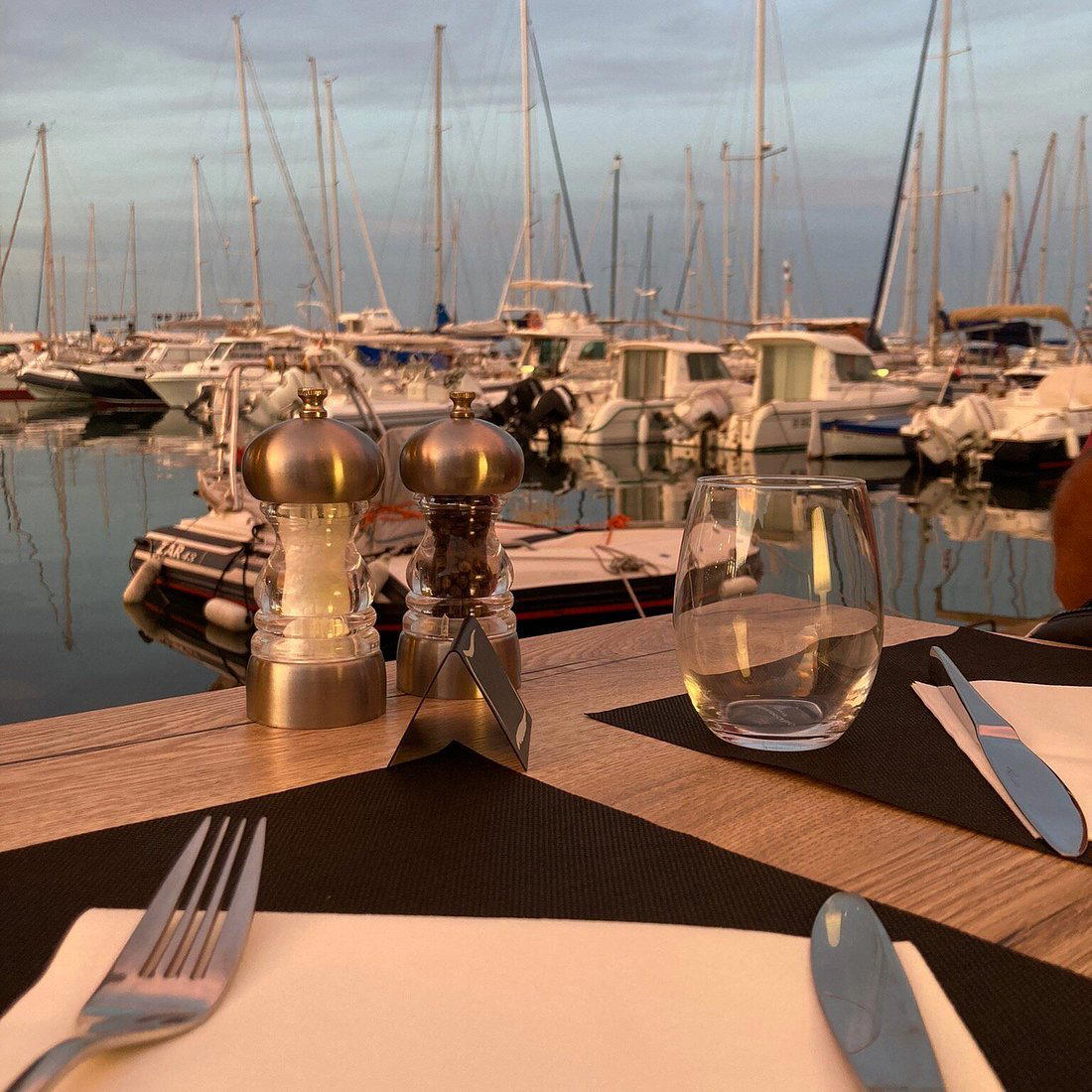
Where Cap Corse Feeds Itself
The northern cape of Corsica operates on a different register from the island's tourist-heavy southern coast. Villages here are small, the roads narrow, and the relationship between place and plate is less mediated by hospitality industry logic. Rogliano sits near the cap's tip, and Osteria di U Portu at 235 Marina, 20247 Rogliano, France, serves Traditional Corsican Mediterranean cooking in this working port. In this part of France, ingredient sourcing is not a marketing concept; it is simply how things have always worked.
Cap Corse has a culinary character that separates it from the broader Mediterranean coastal tradition. The combination of mountain-grazed livestock, chestnut forests, small-production charcuterie, and a coastline that yields sea urchin, octopus, and rockfish creates a pantry that French mainland kitchens spend considerable effort trying to approximate. Restaurants at this latitude on the cape are not competing with Mirazur in Menton or AM par Alexandre Mazzia in Marseille on creative ambition. They are operating from a different premise entirely: proximity to source as the organizing principle of the menu.
The Marina Setting and What It Implies
Approaching a restaurant at a working marina in a Corsican village is a different experience from arriving at a destination dining room. There is no theatrical entrance, no sommelier greeting at the door. What a marina address signals, in practical terms, is access: to the morning catch, to fishermen who know the waters, to a supply chain measured in minutes rather than days. This is the infrastructure that shapes what appears on the plate, and in a village the size of Rogliano, there is no buffer between the sea and the kitchen.
This model of sourcing-led cooking sits at the opposite end of the spectrum from the grand French tasting-room tradition represented by institutions like Alléno Paris au Pavillon Ledoyen in Paris or Auberge de l'Ill in Illhaeusern. Those kitchens work with exceptional ingredients processed through elaborate technique. A marina osteria in Cap Corse works from the premise that the ingredient, handled with minimal interference, is the statement. Both are legitimate culinary positions; they simply answer different questions about what cooking is for.
Corsican Ingredients and Why They Matter Here
The AOC and PGI framework that governs Corsican charcuterie and cheese production means that certain products, lonzu, coppa, figatellu, brocciu, carry verifiable geographic identity. These are not generic Mediterranean staples; they are tied to specific Corsican breeds, feeding regimes, and curing traditions that predate the island's integration into French administrative structures. A kitchen in Rogliano drawing on these products is working with raw materials that mainland French restaurants import at significant cost and with some loss of integrity during transport.
The sea component is equally specific. The waters around Cap Corse are among the less commercially pressured fishing grounds in the western Mediterranean, which affects both species availability and quality. Rockfish, used across the Corsican and Provençal tradition for soups and stews, is at its most direct expression when it moves from boat to kitchen within the same small port. The same logic that drives destination dining at Christopher Coutanceau in La Rochelle, a marine biologist-trained chef working with Atlantic species at close range, applies here at a more informal scale.
Chestnut occupies a particular place in Cap Corse's culinary identity, appearing in breads, polenta-adjacent preparations, and as a historical staple that shaped the region's food culture before wheat became dominant. Restaurants in this area that engage seriously with local tradition will have some relationship with this ingredient, even if only through the charcuterie the pigs produce after feeding on fallen chestnuts in the island's interior forests.
Placing Osteria di U Portu in the Corsican Dining Picture
Corsica's dining scene divides broadly into three tiers: resort and hotel restaurants serving an international tourist clientele, a small number of destination tables that have attracted external recognition, and a larger body of village and port restaurants that serve the island's own population and the travelers serious enough to find them. Osteria di U Portu, given its location in a small northern cape village rather than Ajaccio or Porto-Vecchio, operates in that third category.
This is not a criticism. Some of the most direct cooking in any region happens at this tier, precisely because the audience is local and the supply chain is short. The kind of editorial scrutiny applied to three-star kitchens like Troisgros - Le Bois sans Feuilles in Ouches or Bras in Laguiole is the wrong frame here. The relevant comparison is with the broader tradition of French regional cooking that prizes terroir over technique complexity, a tradition also represented, at the fine dining end, by L'Oustau de Baumanière in Les Baux and Auberge du Vieux Puits in Fontjoncouse.
For travelers building a serious France itinerary that extends beyond the known destination dining circuit, the port restaurants of Cap Corse represent a different kind of value.
Planning Your Visit
Rogliano is approximately 10 kilometers from Macinaggio, the largest settlement on the northern cape and the practical base for exploring this part of Corsica. The village is reachable by the D180, the road that runs along the cape's eastern flank. Cap Corse dining operates on a seasonal rhythm tied to the island's tourism calendar; the shoulder months of May, June, and September offer the most direct engagement with local patterns without the August pressure that compresses availability at smaller establishments.
Travelers who have structured itineraries around destination restaurants elsewhere in France, at Flocons de Sel in Megève, Georges Blanc in Vonnas, or Assiette Champenoise in Reims, will find Rogliano a useful recalibration of what French food culture looks like at the village scale, without the apparatus of fine dining framing.
Comparable Spots, Quickly
Comparable venues nearby, for context on price, style, and recognition.
| Venue | Cuisine | Price | Awards | Notes |
|---|---|---|---|---|
| Osteria di U PortuThis venue — the venue you are viewing | Traditional Corsican Mediterranean | $$ | , | |
| La Trattoria | Traditional Corsican Trattoria | $$ | , | Sartène |
| Le Patio | Authentic Corsican | $$ | , | Zonza |
| I Fuletti | Mediterranean with Corsican and Italian influences | $$$$ | , | Folelli |
| Stella D'Oro | Traditional Corsican | $$$ | , | Old Town (Citadel) |
| A Siesta | Mediterranean Seafood | $$$ | , | L'Ile-Rousse |
Continue exploring
More in Rogliano
Restaurants in Rogliano
Browse all →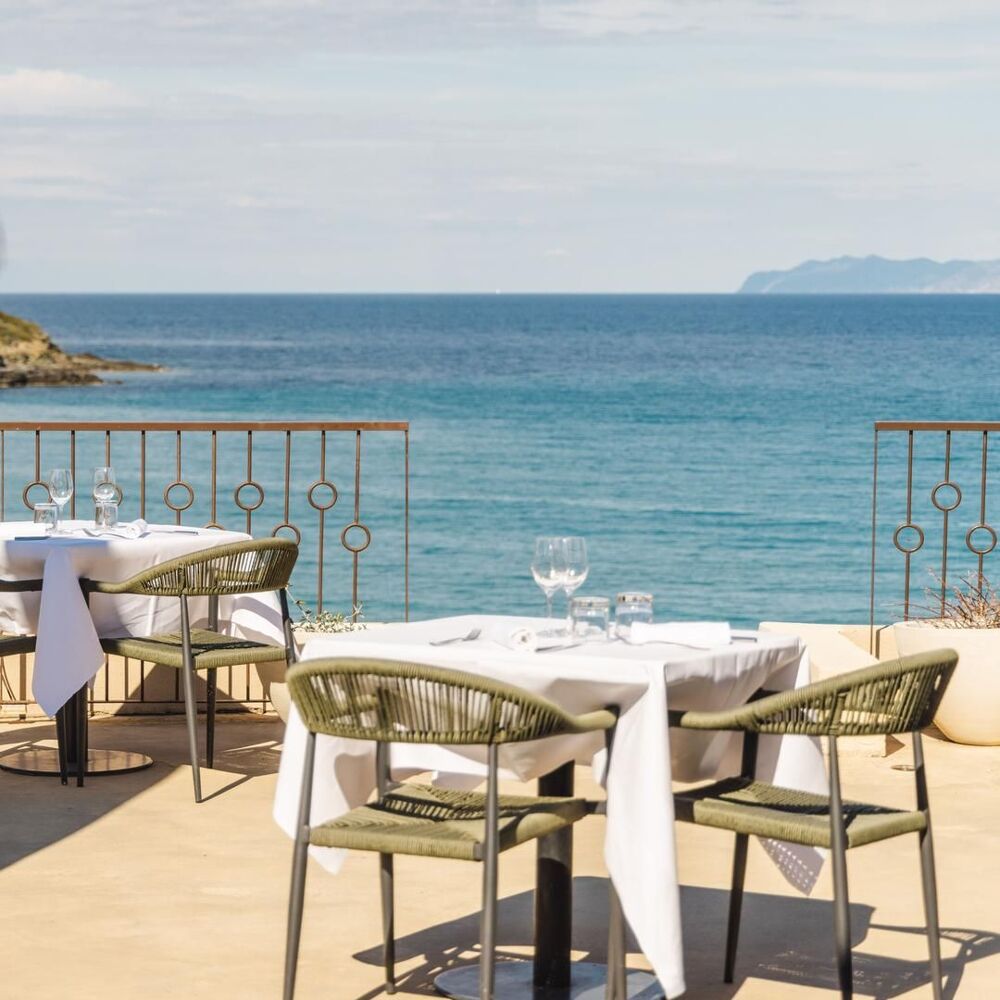
At a Glance
- Rustic
- Scenic
- Cozy
- Hidden Gem
- Casual Hangout
- Family
- Group Dining
- Waterfront
- Terrace
- Beer Program
- Local Sourcing
- Sustainable Seafood
- Waterfront
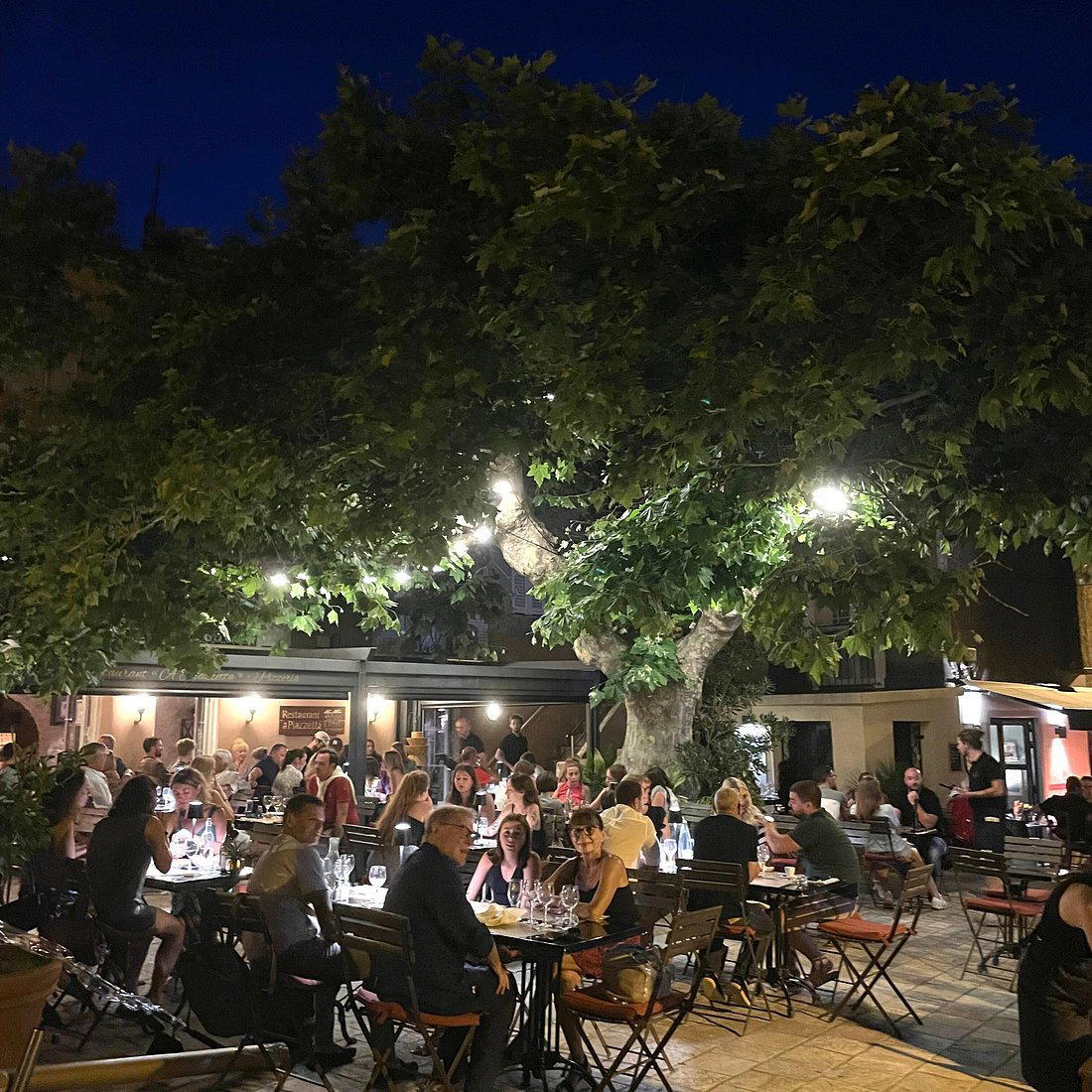
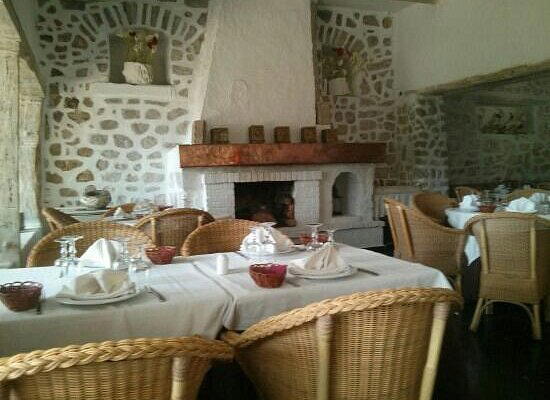
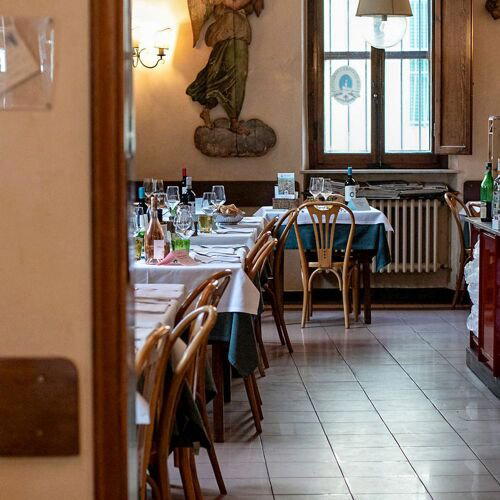
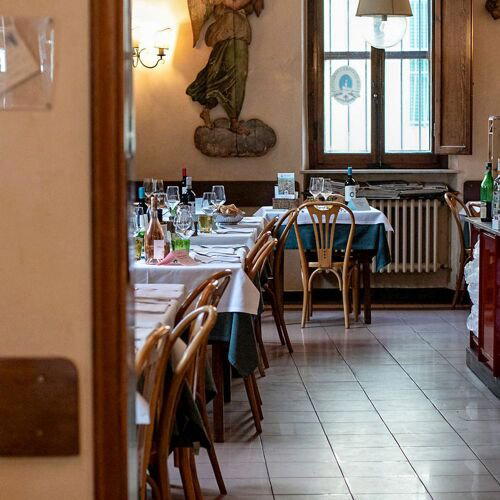
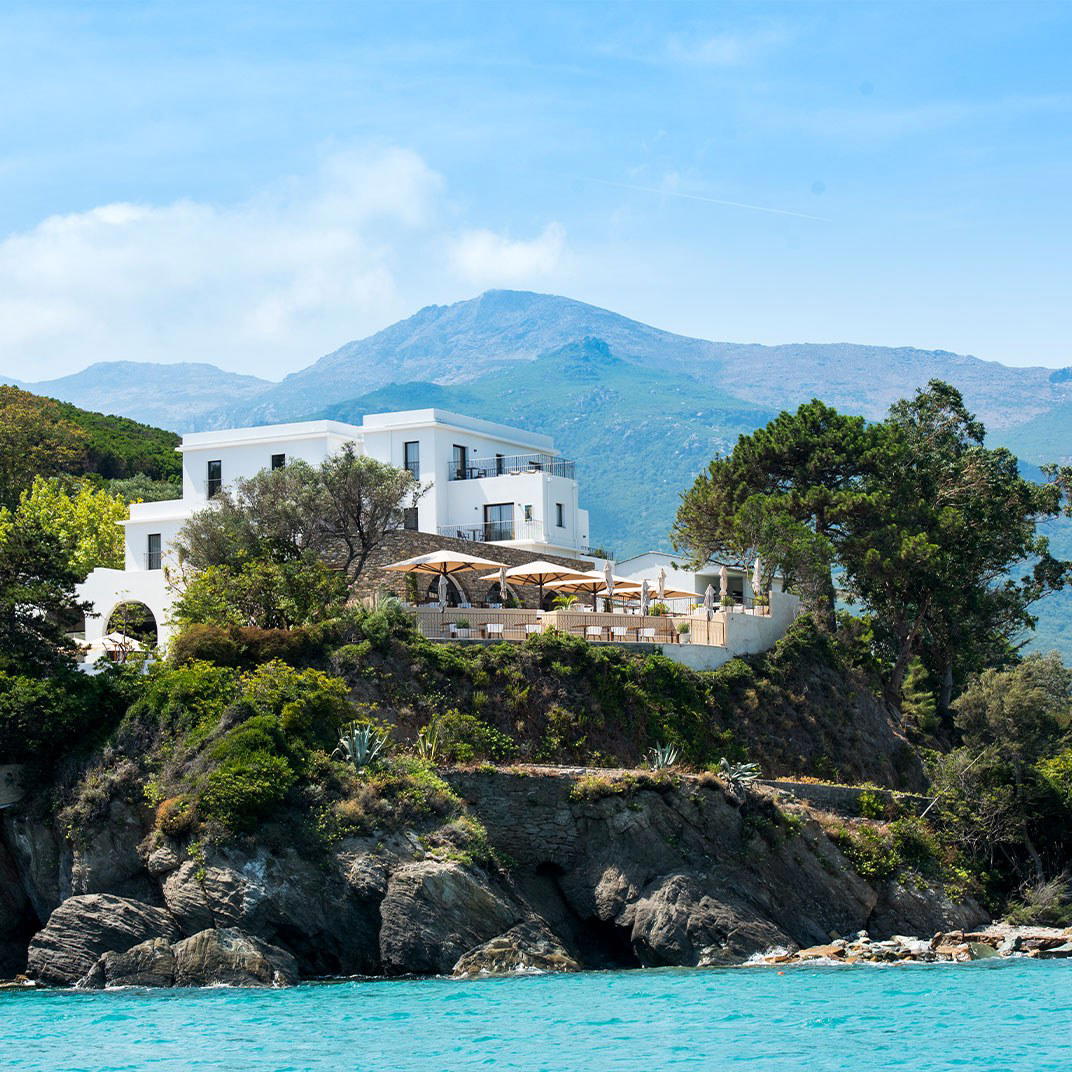
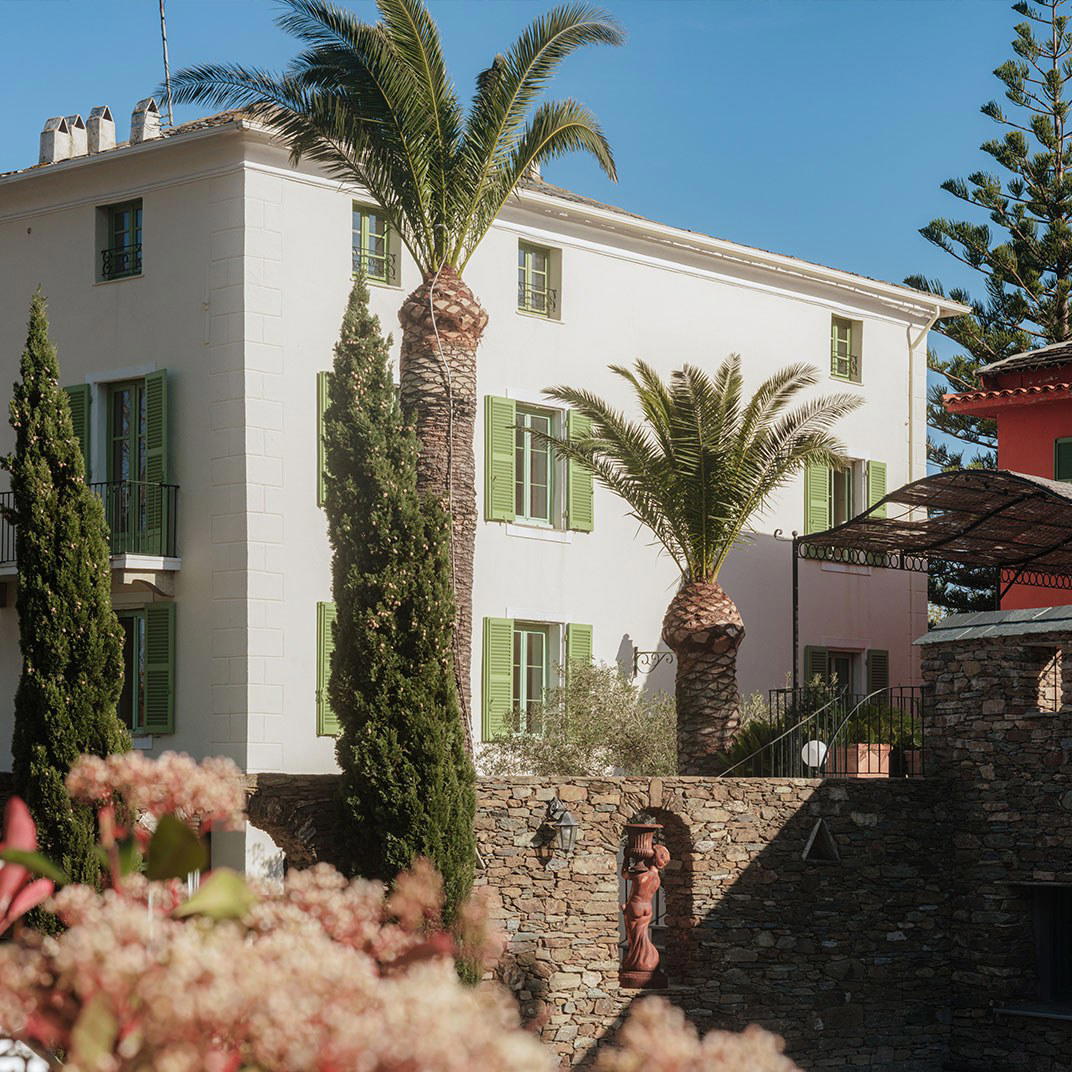
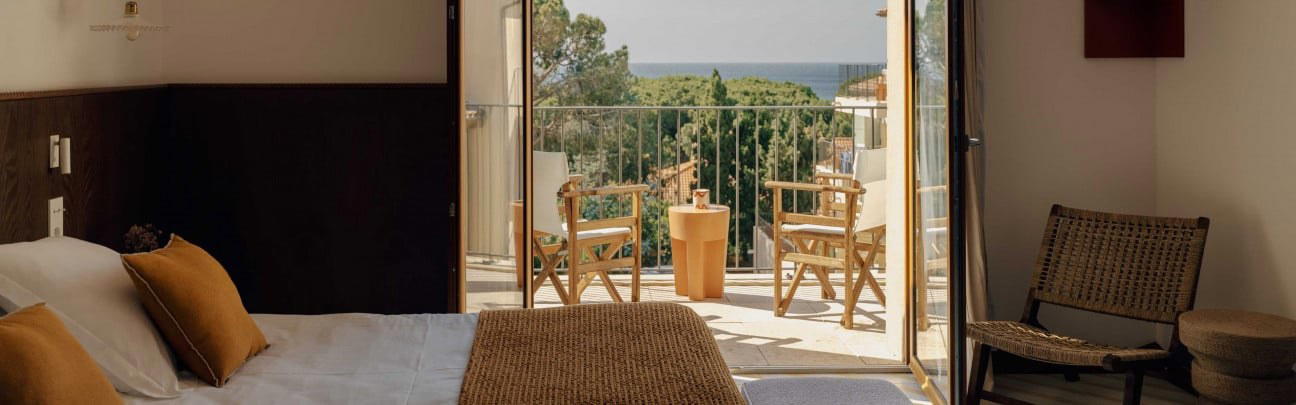
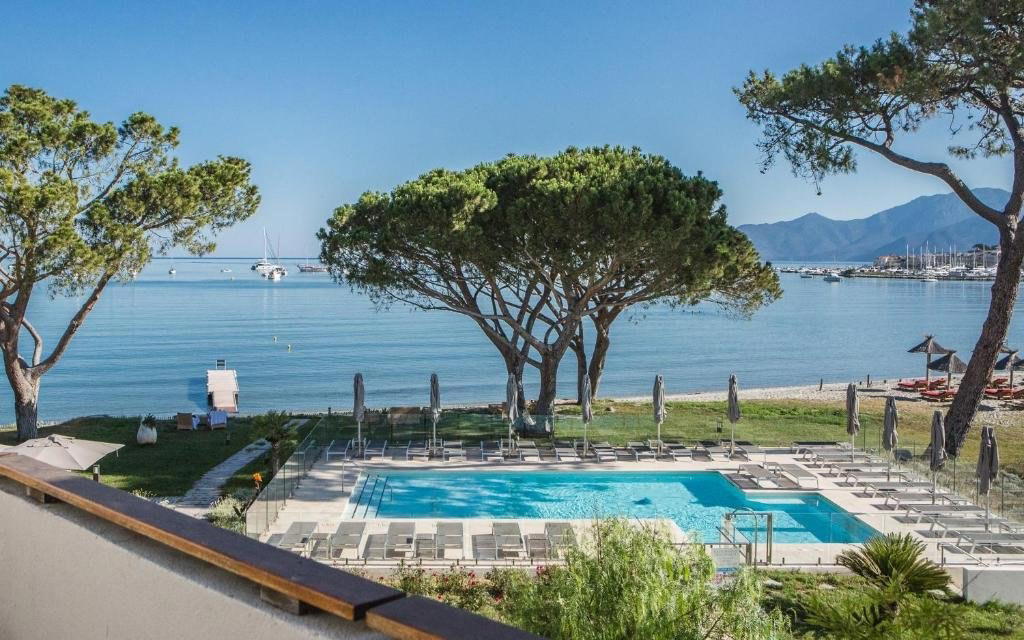
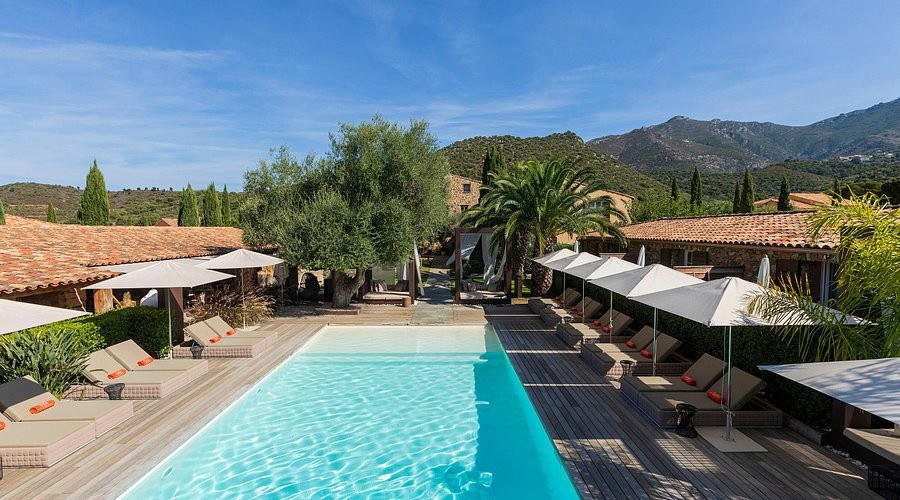
Informal and relaxed harbourside setting with comfortable seating and terrace overlooking the marina, popular with locals and visitors seeking authentic coastal dining.