A Siesta
On the northern coast of Corsica, A Siesta sits along the Bd Charles-Marie Savelli in L'Île-Rousse, a town where the produce arriving from inland farms and the surrounding sea shapes what ends up on the plate. The setting and sourcing tradition place it within a dining culture that prizes proximity over prestige, and where the Mediterranean's seasonal rhythm sets the terms.
Pearl is the En Primeur Club membership app — saves, bookings, and concierge access live there. Same editors, same standards.
- Address
- Bd Charles-Marie Savelli, 20220 L'Île-Rousse, France
- Phone
- +33495602874
- Directions
- Get directions
 Saves & bookings on Pearl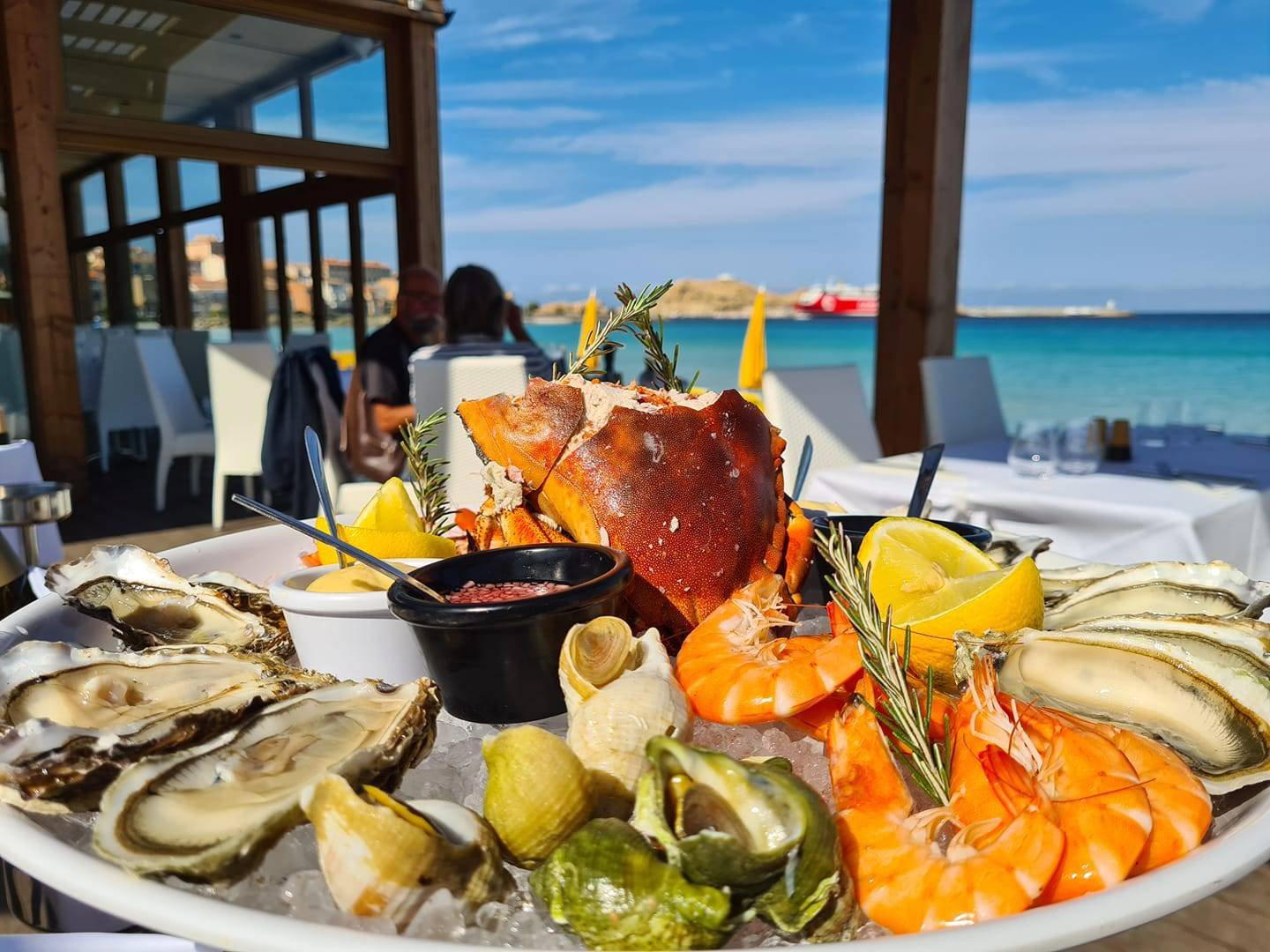
Where the Corsican Coast Sets the Table
L'Île-Rousse sits at the northern tip of Corsica's Balagne region, a stretch of coastline where the land drops sharply into the sea and the distance between a mountain farm and a harbour kitchen can be measured in minutes rather than miles. Dining here operates on a logic that the larger French restaurant world has spent decades trying to reconstruct: the ingredient arrives not because a chef has sourced it from afar, but because the geography makes anything else inconvenient. A Siesta is a restaurant on Bd Charles-Marie Savelli in L'Île-Rousse, France.
The Balagne is sometimes called Corsica's garden, and the description is more agricultural fact than promotional shorthand. Olive groves, chestnut forests, sheep pastures, and fishing grounds occupy the same compact territory, which means a kitchen with the right relationships can pull from a supplier base that would be the envy of most mainland French restaurants. Understanding A Siesta means understanding this context first: the sourcing infrastructure of the Balagne is the story, and the restaurant is one expression of it.
The Ingredient Logic of the Balagne
Corsican cuisine carries a distinct identity within the broader French tradition, one that owes more to its island geography and historical isolation than to the refinements of the mainland. Charcuterie from pigs raised on chestnuts, brocciu cheese made from ewe's milk, fish from the Ligurian Sea, and herbs that grow wild in the maquis scrubland: these are the building blocks of a regional table that has remained largely self-referential. The island's Protected Designation of Origin (PDO) products, including Corsican charcuterie and brocciu, carry formal recognition of that distinctiveness.
What this means in practice, at restaurants along the L'Île-Rousse waterfront, is a menu logic that stronger examples from French coastal dining elsewhere tries to approximate. Where a kitchen in Lyon or Paris might speak about provenance as a value proposition, in the Balagne it is simply the path of least resistance. Seasonal availability, not a sourcing philosophy, is what keeps Corsican menus anchored to place. That distinction matters when assessing what you are eating and why.
Coastal Dining in the French Mediterranean: A Wider Frame
The French Mediterranean restaurant scene has always operated differently from the inland fine dining tradition centred on Paris or Lyon. Where the grande cuisine lineage runs through houses like Alléno Paris au Pavillon Ledoyen, Paul Bocuse - L'Auberge du Pont de Collonges, and Troisgros - Le Bois sans Feuilles, the coastal Mediterranean tradition has always been more ingredient-forward and less technique-led. Mirazur in Menton and AM par Alexandre Mazzia in Marseille represent the formal end of that spectrum, where Mediterranean sourcing is channelled through highly controlled technique. Most coastal eating in the south sits at the informal end: direct preparations, short menus, and produce that needs little intervention.
Corsican restaurants on the whole fall closer to the informal end of that distribution. The island's dining culture prizes authenticity of ingredient over elaboration of technique, which positions it differently from the Michelin-tracked restaurants of, say, Alsace (see Au Crocodile in Strasbourg or Auberge de l'Ill in Illhaeusern) or the Auvergne (see Bras in Laguiole). The comparison is not a criticism. It reflects a different set of priorities, and one that makes Corsican dining legible on its own terms rather than as a provincial echo of Parisian refinement.
Restaurants focused on seafood provenance elsewhere in France, like Christopher Coutanceau in La Rochelle, have built formal critical recognition around the same ingredient-first logic. The difference in Corsica is that the approach rarely seeks that kind of institutional validation. The audience is largely local and seasonal, and the restaurant calendar bends around the summer influx rather than year-round critical attention.
Planning a Visit: What to Expect and When
L'Île-Rousse is a seasonal destination by nature. The summer months, from June through September, bring the majority of visitors to the Balagne coast, and the town's restaurants operate at full capacity during this window. Outside peak season, availability at restaurants along the waterfront tends to be less constrained, and the rhythm of service is slower and more accommodating. If you are travelling in July or August, planning ahead is prudent; the town's restaurant infrastructure is not built for the kind of spontaneous walk-in that a larger city absorbs without friction.
A Siesta's address on Bd Charles-Marie Savelli places it in the central part of town, accessible on foot from the main square and the harbour. The restaurant is recommended for reservations and follows smart casual dress. Given the seasonal nature of Corsican dining, confirming current operation before travelling is practical rather than optional.
Side-by-Side Snapshot
Comparable venues nearby, for context on price, style, and recognition.
| Venue | Cuisine | Price | Notes |
|---|---|---|---|
| A SiestaThis venue — the venue you are viewing | Mediterranean Seafood | $$$ | Not listed |
| La Cave | Modern French Meat & Wine Bar | $$ | Place Pascal Paoli |
| Babel Babel | Modern Mediterranean with Levantine Influences | $$$ | Nice Historique |
| Stella D'Oro | Traditional Corsican | $$$ | Old Town (Citadel) |
| La Table de Mare & Gustu | Corsican Mediterranean Seafood | $$$ | Vieux-Port |
| Saturne | Modern French with Nordic Influences | $$$ | 2nd Arrondissement |
Continue exploring
More in L Ile Rousse
Restaurants in L Ile Rousse
Browse all →
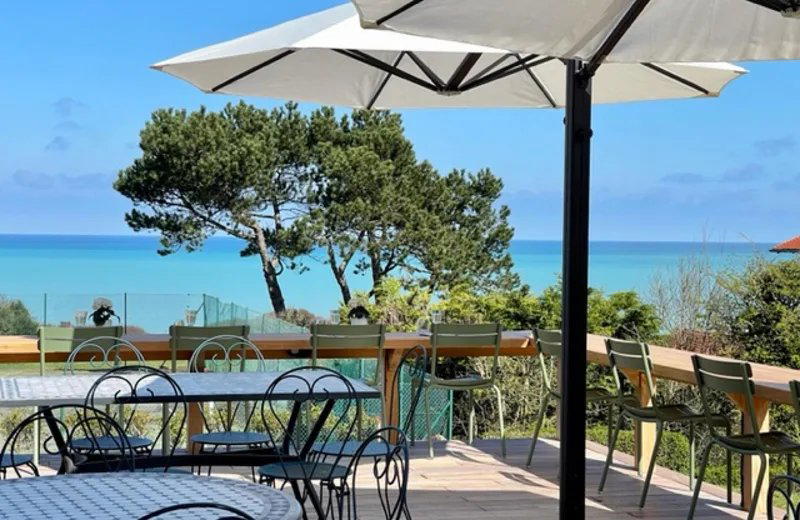
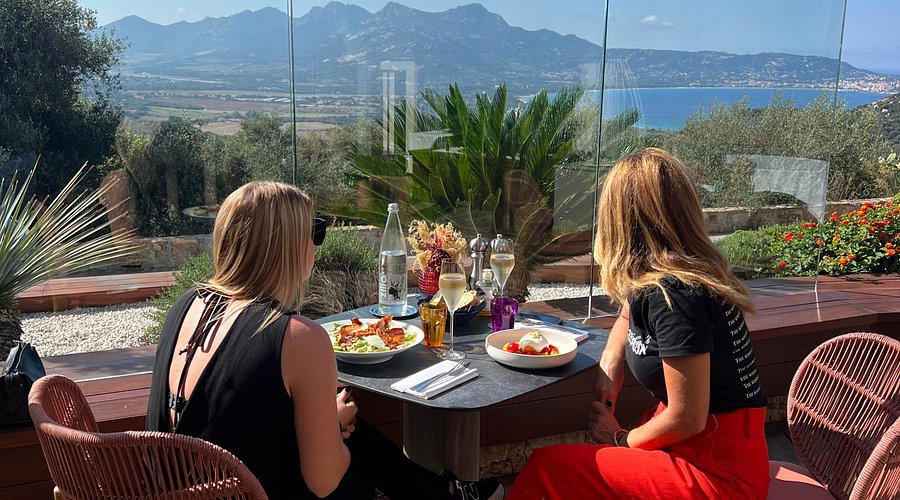
Bars in L Ile Rousse
Browse all →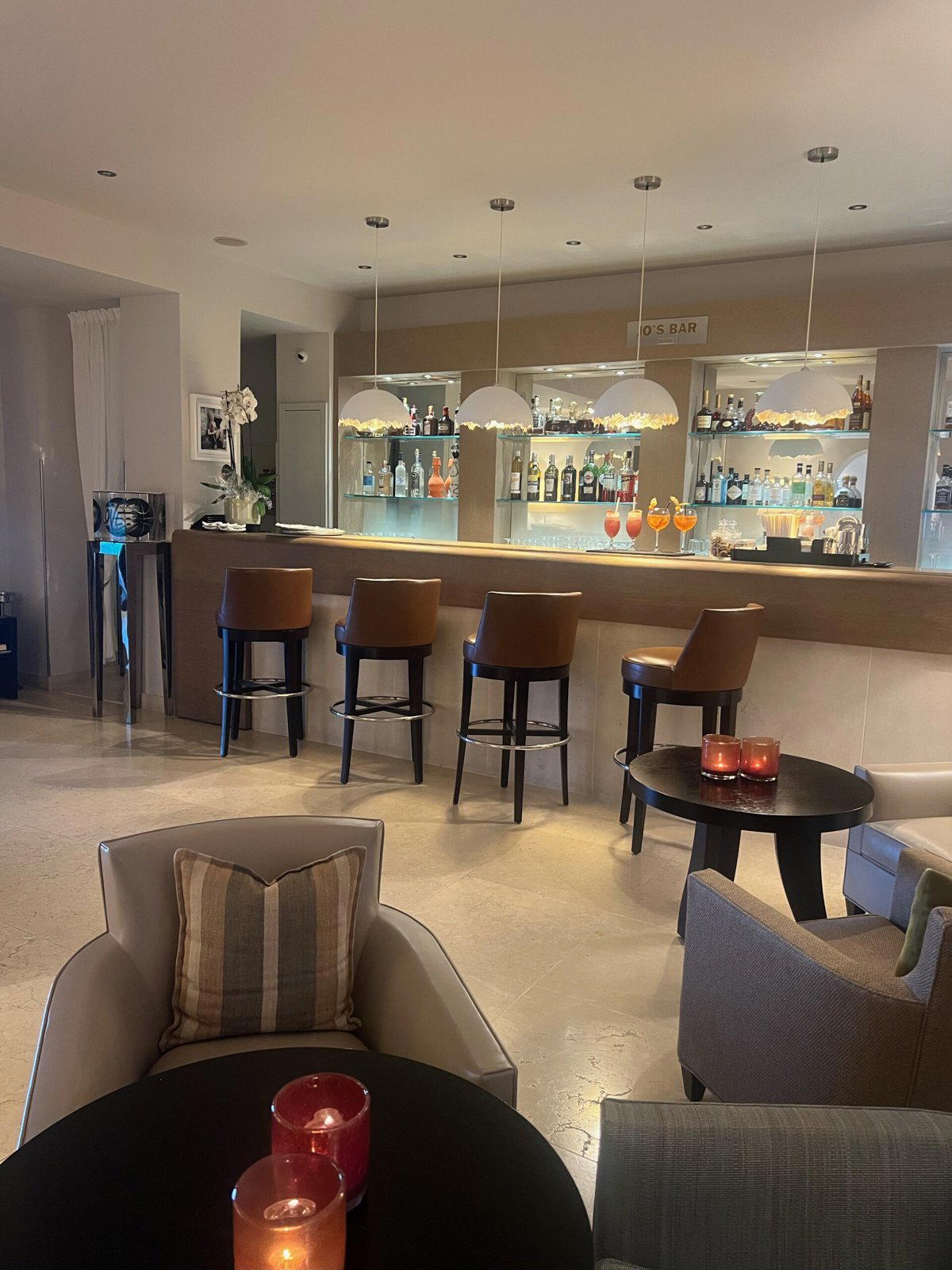
Hotels in L Ile Rousse
Browse all →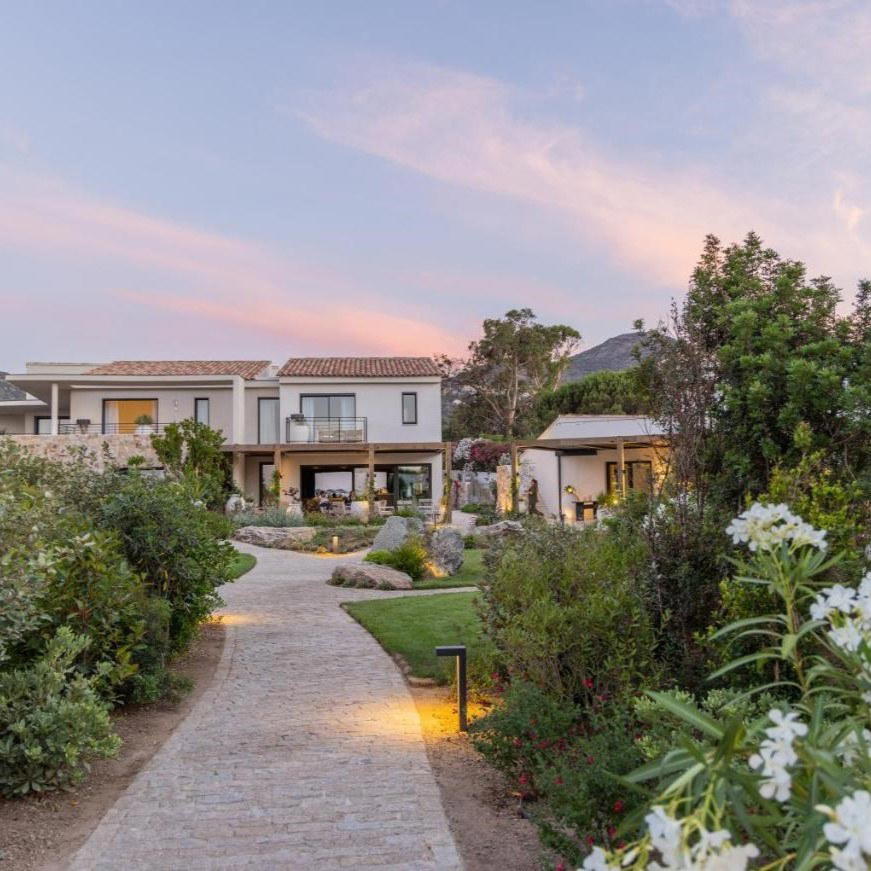
Wineries in L Ile Rousse
Browse all →
At a Glance
- Elegant
- Cozy
- Scenic
- Date Night
- Casual Hangout
- Special Occasion
- Waterfront
- Terrace
- Extensive Wine List
- Local Sourcing
- Waterfront
Current opening hours
- Monday
- 9 AM–12 AM
- Tuesday
- 9 AM–12 AM
- Wednesday
- 9 AM–12 AM
- Thursday
- 9 AM–12 AM
- Friday
- 9 AM–12 AM
- Saturday
- 9 AM–12 AM
- Sunday
- 9 AM–12 AM
Hours can change for holidays and private events. Last verified .
Elegant yet informal beachside atmosphere with chic and convivial vibes.