A Cantina Di Ghjulia occupies a quiet street in central Ajaccio and operates within the cantina tradition that sits at the core of Corsican food culture. The format centres on local charcuterie, regional cheese, and seasonal produce from the island's interior rather than mainland-influenced technique. It represents the neighbourhood-rooted, low-ceremony segment of the Ajaccio dining scene.
Pearl is the En Primeur Club membership app — saves, bookings, and concierge access live there. Same editors, same standards.
- Address
- 21 Rue Conventionnel Chiappe, 20000 Ajaccio, France
- Phone
- +33983931259
- Website
- acantinadighjulia.com
- Directions
- Get directions
 Saves & bookings on Pearl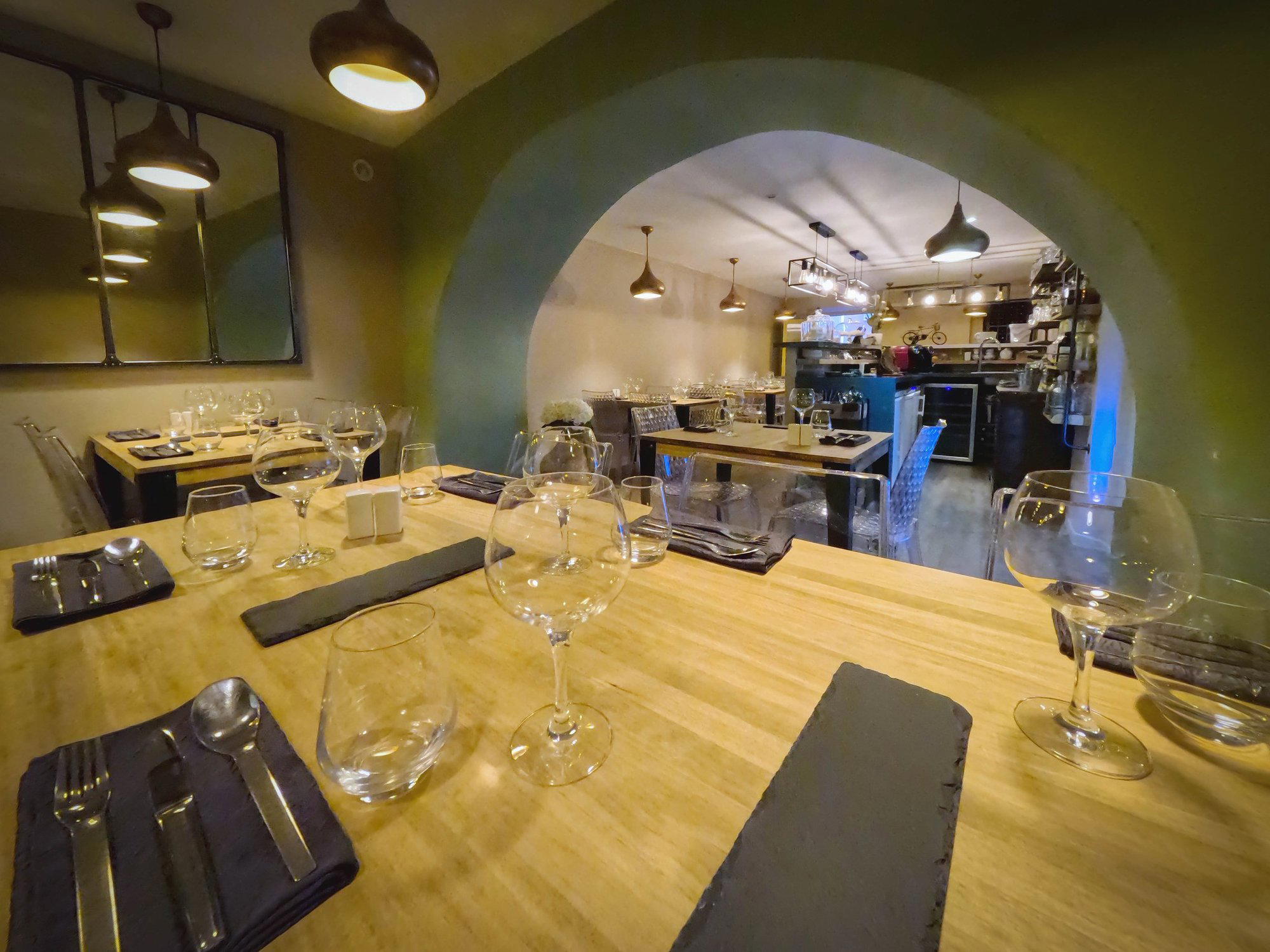
Corsican Cooking in Its Most Unfiltered Form
Rue Conventionnel Chiappe is the kind of street that reveals Ajaccio's quieter, more residential character: narrower than the palm-lined boulevards closer to the port, with ochre facades that trap afternoon light. A Cantina Di Ghjulia sits along this stretch, and the experience of arriving on foot from the city centre places the restaurant in context before you even step inside. This is not the Ajaccio of tourist postcards or harbourside terraces aimed at passing yachts. It is the city that feeds itself, and the cantina format has historically been where that happens.
The word cantina in Corsican usage carries a different weight than its Italian cognate suggests to mainland ears. It implies a place of storage and convivial consumption, a room where provisions are kept and shared among people who know each other. The format sits closer to a tavern than a restaurant in the classical French sense, and that distinction matters when positioning it against the broader Ajaccio dining scene. Visitors expecting the architectural precision of, say, L'Écrin, with its modern cuisine and polished service register, will find a different set of priorities here.
Charcuterie, Cheese, and the Corsican Larder
Corsica's food identity is shaped by geography in ways that distinguish it sharply from French mainland cooking. The island's interior mountains, covered with maquis, the dense scrubland of cistus, rosemary, and myrtle, define what animals eat and therefore what cured products taste like. Corsican charcuterie, particularly lonzu, coppa, and figatellu, occupies a status on the island roughly equivalent to what Ibérico products hold in Spain: a regional identity marker with serious artisan producers behind it. Any cantina worth its salt in Ajaccio treats these items as anchors rather than garnishes.
The cheese tradition runs similarly deep. Brocciu, the whey cheese made from ewe's or goat's milk, holds AOC (Appellation d'Origine Contrôlée) status, one of very few Corsican products to do so, and appears across the island's cooking calendar in both fresh and aged forms. In spring, it features in beignets and tarts; in winter, it concentrates in flavour and becomes more assertive. A cantina format at its finest uses the local larder as a seasonal index rather than a fixed menu, and this is the tradition A Cantina Di Ghjulia operates within.
For readers building a broader picture of Ajaccio's dining range, it helps to understand that the city's restaurants now split between places anchored in this kind of local-produce literacy, such as A Nepita, which takes a farm-to-table approach at the €€€ tier, and more casual, neighbourhood-rooted spots where the sourcing is equally serious but the register is lower. A Cantina Di Ghjulia belongs to the latter cohort.
Where This Fits in Ajaccio's Dining Order
Ajaccio is a city of roughly 70,000 people that functions simultaneously as a regional capital, a ferry port, and a summer resort destination. Its dining scene reflects those overlapping identities. Places like Grand Café Napoléon serve the brasserie-going crowd near the historic centre, while A Merendella Citadina and Chez Pech represent different registers of the city's appetite for unfussy, locally grounded eating. Against that backdrop, the cantina format fills a specific role: low ceremony, high ingredient integrity, and a room where the conversation tends to outlast the food.
Compared to the awarded dining that France produces at scale, from Mirazur in Menton to Alléno Paris au Pavillon Ledoyen and the multigenerational institution of Troisgros in Ouches, a Corsican cantina operates in an entirely different register of ambition. This is not a criticism. The island's food culture has never sought to compete on those terms, and places like Auberge de l'Ill or Bras in Laguiole occupy a different conversation entirely. Corsican cooking at its most honest is defined by what the island produces, not by technique imported from the mainland.
Practical Considerations for Visitors
A Cantina Di Ghjulia is located at 21 Rue Conventionnel Chiappe in central Ajaccio, within walking distance of the old town. This approach is consistent with how smaller cantina-format establishments across Corsica tend to operate: direct, often informal, and less reliant on online infrastructure than their mainland counterparts.
For visitors planning a fuller picture of Ajaccio's restaurant scene, our full Ajaccio restaurants guide covers the range from neighbourhood spots to the more polished end of the market. Corsica's main ferry connections run from Marseille, Nice, Toulon, and several Italian ports, and the drive from Ajaccio's ferry terminal to the old town takes under ten minutes. The city's airport is approximately seven kilometres from the centre.
High season on the island runs from late June through August, when both accommodation and restaurants operate under sustained pressure from tourism. Visiting in May, early June, or September gives access to the same kitchen while avoiding the competition for tables that summer brings. Autumn is particularly relevant for Corsican food culture: chestnut harvest begins in October, and the island's chestnut-based products, including pulenta and various breads, appear in their freshest form during this period.
Travellers who treat Corsica as a single dining destination rather than a beach stop will find Ajaccio's restaurant geography rewarding. The city sits at the western end of an island where food provenance is tracked with genuine seriousness, and the cantina tradition is the format most directly connected to that provenance.
How A Cantina Di Ghjulia Ajaccio compares with similar nearby venues.
| Venue | Cuisine | Price |
|---|---|---|
| La Terrasse du Fesch | Modern Cuisine | €€€ |
Continue exploring
More in Ajaccio
Restaurants in Ajaccio
Browse all →
Bars in Ajaccio
Browse all →
Hotels in Ajaccio
Browse all →


At a Glance
- Cozy
- Rustic
- Romantic
- Intimate
- Family
- Casual Hangout
- Date Night
- Terrace
- Extensive Wine List
- Local Sourcing
- Street Scene
Current opening hours
- Monday
- Closed
- Tuesday
- 7:30–10:30 PM
- Wednesday
- 7:30–10:30 PM
- Thursday
- 7:30–10:30 PM
- Friday
- 12:30 AM–10:30 PM
- Saturday
- 7:30–10:30 PM
- Sunday
- Closed
Hours can change for holidays and private events. Last verified .
Cozy and family atmosphere in a small picturesque room, often crowded terrace in the bustling center.
Know Before You Go
- Getting there
- 21 Rue Conventionnel Chiappe, 20000 Ajaccio, France