A fixture on Rue De la Gauchetière in the heart of Montreal's Chinatown, Restaurant Jade draws a loyal neighbourhood following across decades of consistent Chinese cooking. Where flashier addresses chase trends, Jade holds a quieter position in the city's dining culture, the kind of table regulars return to without needing a reason beyond the food itself.
Pearl is the En Primeur Club membership app — saves, bookings, and concierge access live there. Same editors, same standards.
- Address
- 67 Rue De la Gauchetière O, Montréal, QC H2Z 1B9, Canada
- Phone
- +15148663127
- Website
- jadechinatown.com
- Directions
- Get directions
 Saves & bookings on Pearl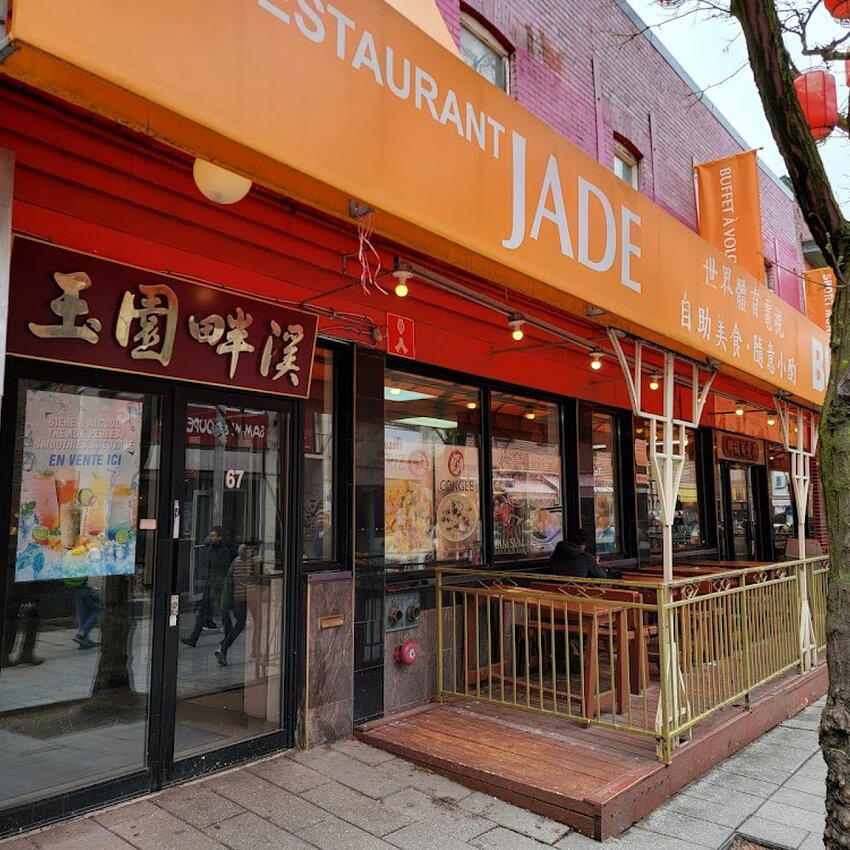
De la Gauchetière in Winter, and Why Regulars Keep Coming Back
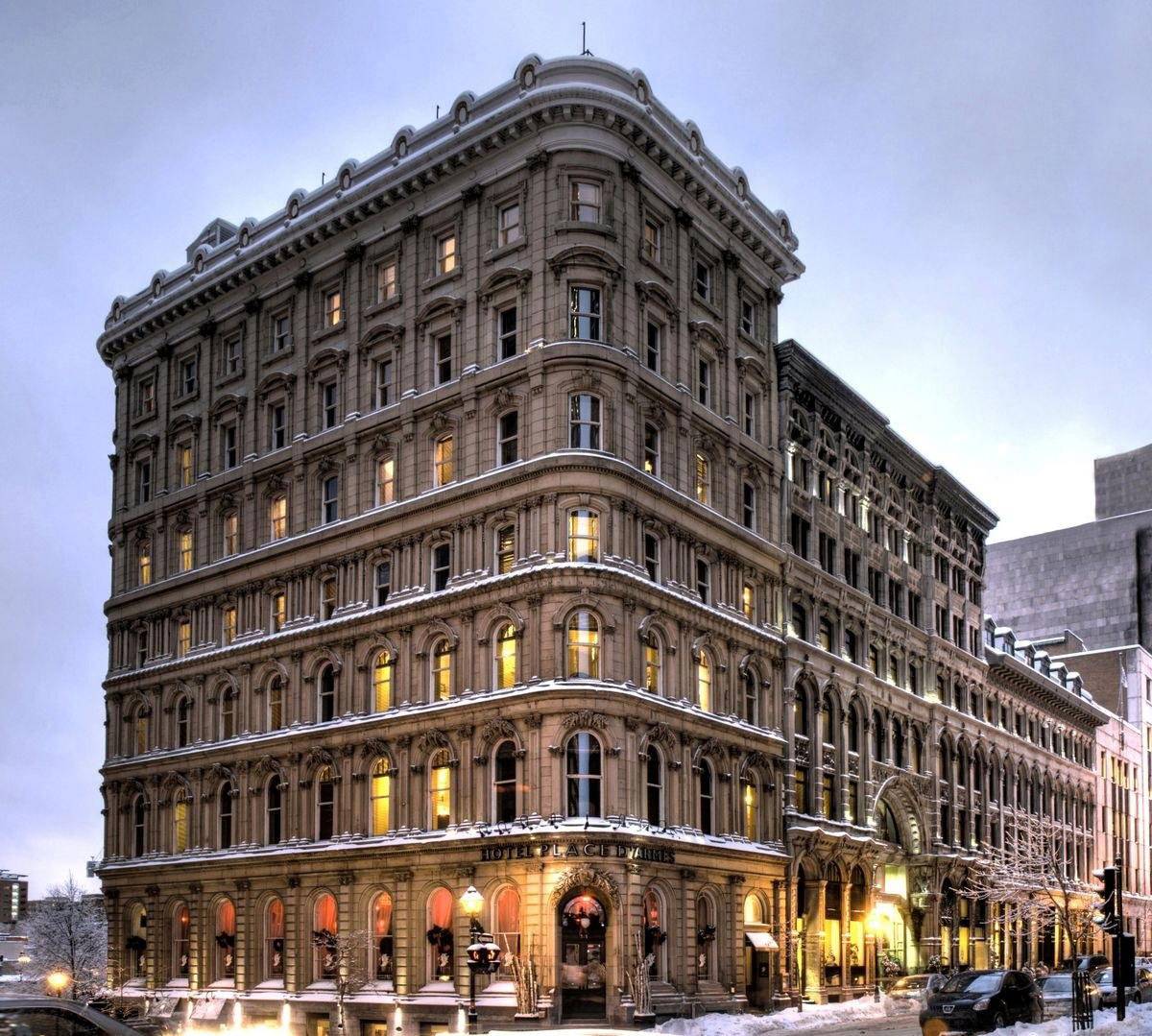
Rue De la Gauchetière runs through the compressed grid of Montreal's Chinatown with a particular atmosphere in colder months: steam from kitchen vents, the hum of families moving between storefronts, and the kind of unforced foot traffic that marks a neighbourhood genuinely used by the people who live near it. Restaurant Jade sits at 67 De la Gauchetière Ouest, in a block that has anchored Chinese dining in the city since the community's early consolidation around this stretch of the downtown core. Arriving when the street is quietest gives the clearest read of what Jade actually is: a room that functions on repeat custom, not on novelty.
Montreal's Chinatown is a compact district, smaller than its counterparts in Toronto or Vancouver but with a density of long-running establishments that reflects a community more interested in continuity than turnover. In that context, a restaurant accumulates meaning differently than it does in a neighbourhood cycling through openings. The regulars at Jade are not there because the place appeared on a list last season. They are there because the food has been consistent, the room is familiar, and the social logic of the table has not been redesigned around a concept.
The Unwritten Menu and What It Signals
Across Chinese restaurant culture in North American cities, there is a well-documented gap between what appears on the English-language menu and what regulars order from, through a combination of verbal requests, seasonal specials written on boards or not written anywhere at all, and the accumulated understanding between kitchen and longtime guest. This is not distinctive to any single address; it is a structural feature of how many Chinese restaurants in cities like Montreal, Toronto, and Vancouver have historically operated, managing two audiences with different familiarity levels simultaneously.
At Jade, as with comparable establishments along De la Gauchetière, the regulars' perspective matters because it points toward what the kitchen is actually doing. The dishes that bring people back week after week tend to be the ones built on technique and familiarity rather than presentation for a first-time audience. Chinese cooking traditions, particularly Cantonese approaches that dominate much of North America's older Chinatown dining culture, place high value on subtlety in seasoning, proper texture in braised and steamed preparations, and the kind of calibration that only shows up after years of consistent execution. A table of regulars ordering from memory is a more reliable signal of a kitchen's real range than any single visit could be.
Jérôme Ferrer - Europea and Mastard operate at the upper tier of Montreal's modern cuisine scene, where the meal is structured around a single extended experience. Sabayon and 3 Pierres 1 Feu similarly occupy a different register of intentional contemporary cooking. Jade's position is elsewhere: it belongs to the category of restaurants that sustain a neighbourhood's daily life rather than marking a special occasion, and that function carries its own logic and its own kind of loyalty.
Chinatown Dining in Montreal's Broader Restaurant Context
Montreal's dining identity is most frequently discussed through the lens of its French-inflected bistro tradition, its high-end contemporary rooms, and recently its growing roster of internationally recognised addresses. The city's Chinatown dining, operating on De la Gauchetière and the surrounding blocks, runs alongside that conversation rather than inside it, which means the restaurants here are evaluated by different criteria and serve a different social function.
Compared to the formality of Toqué or the occasion-dining structure of the city's $$$ and $$$$ addresses, the Chinatown corridor operates at a price and accessibility point that keeps it in regular rotation for a broader cross-section of the city's population. This is not a secondary characteristic; it is the reason the district has maintained relevance through multiple decades of change in the surrounding downtown. Restaurants that survive long enough in Chinatown to develop a genuine regular clientele have typically done so by staying close to what the community actually wants to eat rather than repositioning toward tourist or trend traffic.
For readers cross-referencing Montreal against Canada's other major restaurant cities, the dynamics here have parallels in Vancouver's Chinatown and Richmond dining corridors, though the scale and concentration differ significantly. Alo in Toronto and AnnaLena in Vancouver represent the high-concept end of Canadian dining; Jade represents something structurally different and worth understanding on its own terms. Further afield, Tanière³ in Quebec City and Narval in Rimouski show how Quebec's restaurant culture extends well beyond Montreal's downtown, but the city's Chinatown remains one of the province's most consistent expressions of a non-European culinary tradition with genuine community roots.
Restaurant Pearl Morissette in Lincoln, The Pine in Creemore, Eigensinn Farm in Singhampton, Aux Anciens Canadiens in Quebec, Barra Fion in Burlington, Abu el zulof in Montreal, and Bearspaw Golf Club in Calgary. Le Bernardin in New York City and Atomix in New York City illustrate how far the New York dining scene has pushed precision-driven Asian-influenced cooking, a different register entirely from Jade's neighbourhood positioning, but useful context for understanding the full range of the category.
- Address: 67 Rue De la Gauchetière Ouest, Montréal, QC H2Z 1B9
- Neighbourhood: Chinatown, downtown Montreal
- Reservations: Walk-in friendly
- Pricing: About $18 per person
- Leading timing: Weekday visits outside peak dinner hours offer one relaxed experience and a clearer read of the room's regular clientele
- Getting there: De la Gauchetière Ouest is walkable from Place-d'Armes and Saint-Laurent metro stations
City Peers
Comparable venues nearby, for context on price, style, and recognition.
| Venue | Cuisine | Price | Notes |
|---|---|---|---|
| Restaurant Jade ChinatownThis venue — the venue you are viewing | Traditional Chinese Buffet | $ | Not listed |
| La Capital Tacos | Authentic Mexican Street Food Taqueria | $ | Quartier Chinois |
| Tacos Victor | Authentic Mexican Taqueria | $ | Saint-Henri |
| Pho Bang New York | Authentic Vietnamese Pho | $ | Quartier Chinois |
| Restaurant Gandhi | Authentic Indian Halal | $$ | Vieux Montréal |
| Restaurant Le 514 | Authentic Mexican | $$ | Saint-Louis |
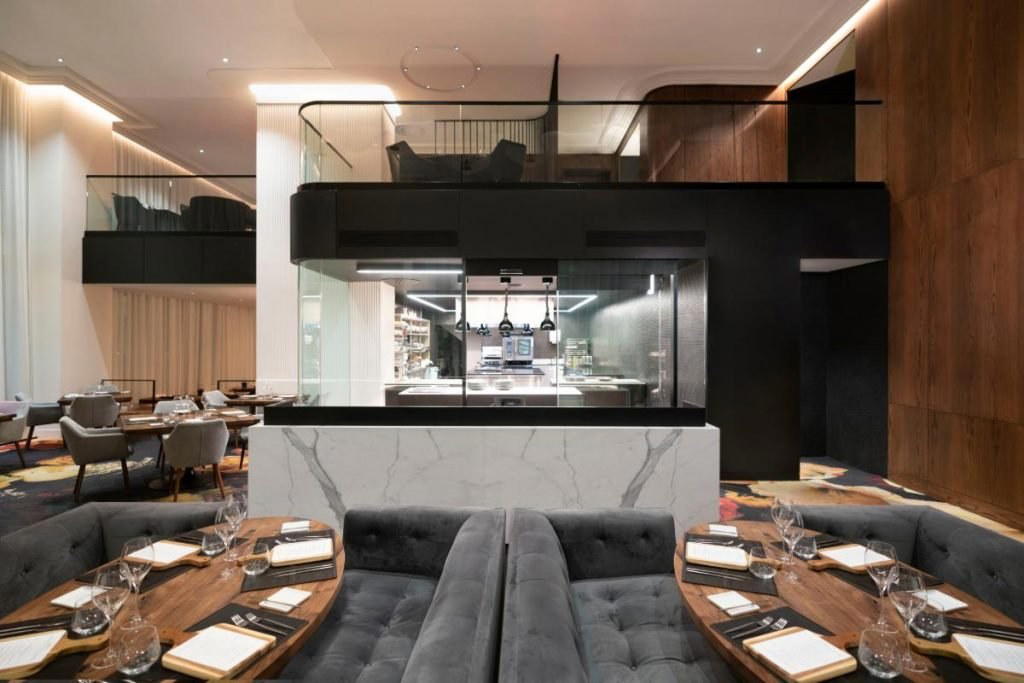
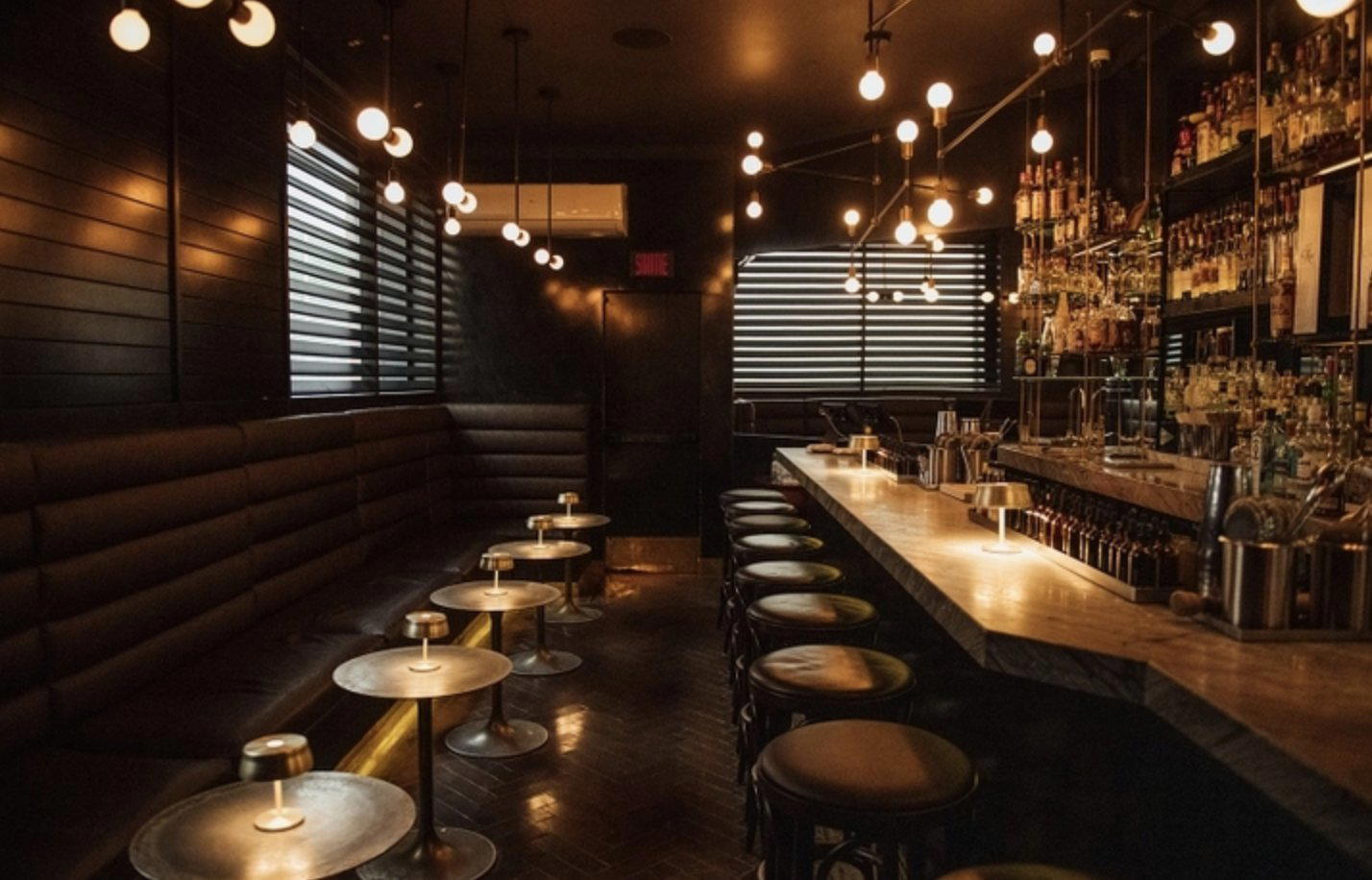
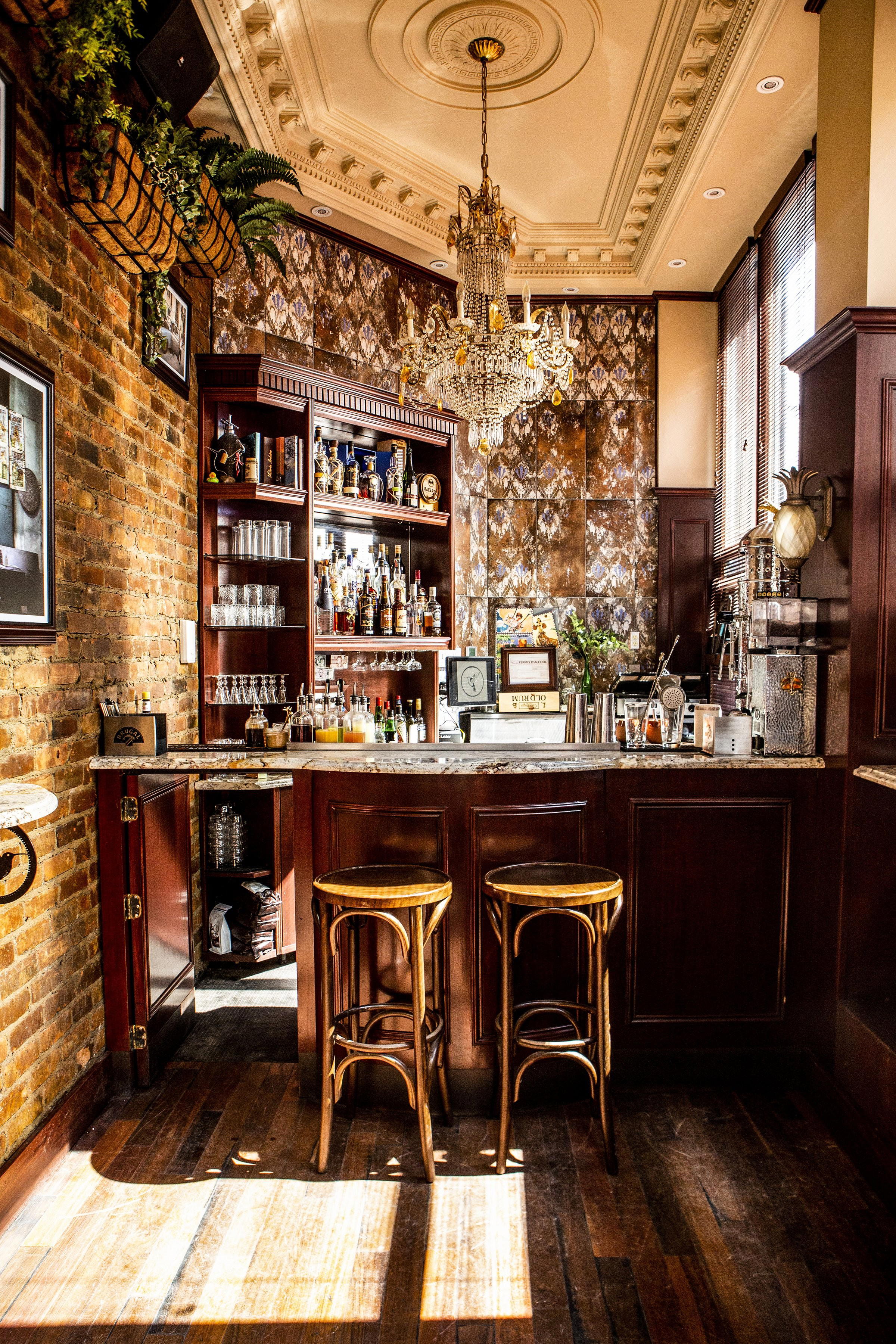
At a Glance
- Classic
- Lively
- Family
- Group Dining
- Casual Hangout
Current opening hours
- Monday
- 11 AM–9 PM
- Tuesday
- 11 AM–9 PM
- Wednesday
- 11 AM–9 PM
- Thursday
- 11 AM–9 PM
- Friday
- 11 AM–9 PM
- Saturday
- 11 AM–9 PM
- Sunday
- 11 AM–9 PM
Hours can change for holidays and private events. Last verified .
Traditional casual buffet setting with mixed reviews on food quality and temperature maintenance; described as old-school with hearty portions.