In the Upper Austrian village of Aspach, Restaurant Heimatliebe occupies a position that says something about where serious regional cooking is heading in Austria: away from the cities, toward the source. The name translates loosely as 'love of home,' and the address at Revitalplatz 1 places it within a wellness-oriented setting that increasingly defines destination dining in the country's quieter provinces.
Pearl is the En Primeur Club membership app — saves, bookings, and concierge access live there. Same editors, same standards.
- Address
- Revitalpl. 1, 5252 Aspach, Austria
- Phone
- +436766022266
- Website
- restaurant-heimatliebe.at
- Directions
- Get directions
 Saves & bookings on Pearl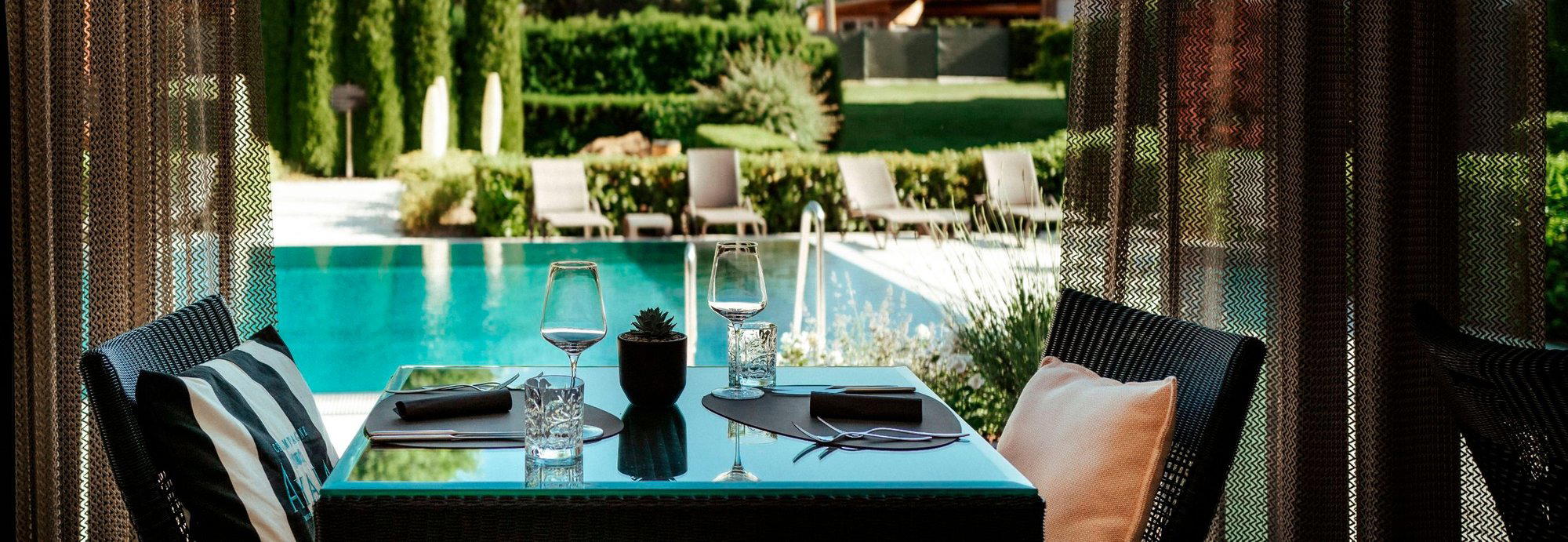
Where Austrian Regional Cooking Returns to Its Roots
Upper Austria does not generate the same dining conversation as Vienna or Salzburg, and that gap is precisely the point. In a country where particularly celebrated tables, from Steirereck im Stadtpark in Vienna to Döllerer in Golling an der Salzach, tend to cluster around urban centres or Alpine resort corridors, the quieter inland villages represent a different logic entirely. Restaurants in these settings do not compete for the same footfall. They ask the guest to travel, and in doing so, they signal that the cooking alone justifies the detour.
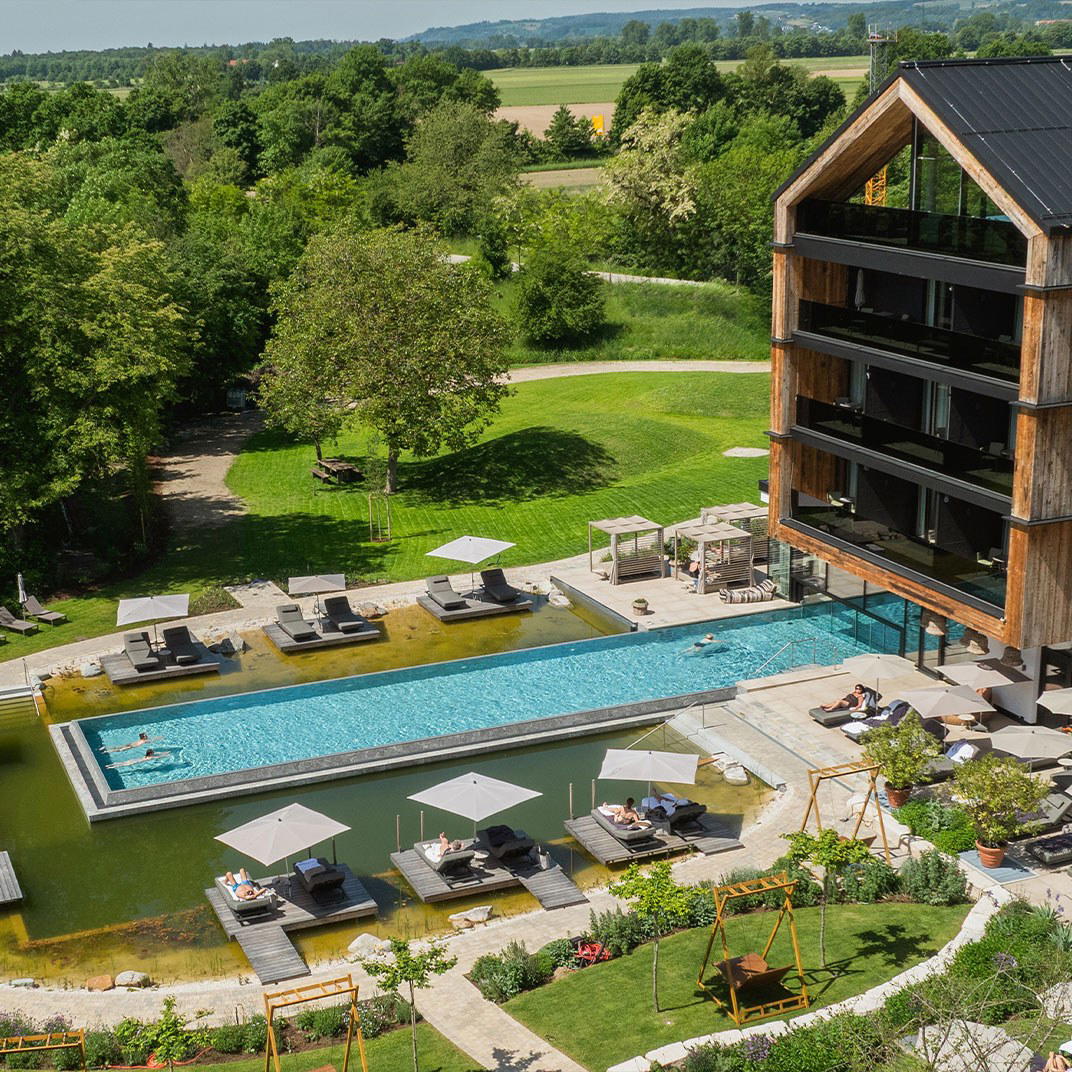
Restaurant Heimatliebe, at Revitalplatz 1 in Aspach, operates within that framework. The address places it inside a wellness-centred complex, a format that has become increasingly common in Austria's rural provinces, where spa infrastructure draws overnight guests who then constitute a captive, often receptive, dining audience. That context matters for understanding what the kitchen is doing and why ingredient sourcing becomes the primary editorial subject here rather than an afterthought.
The Sourcing Logic Behind Rural Austrian Dining
Austrian regional cooking has long made rhetorical gestures toward local produce, but the more serious kitchens have moved beyond rhetoric. The distinction between a restaurant that talks about regionality and one that structures its entire procurement around it tends to show up in the details: whether vegetables come from a named farm within a fixed radius, whether the meat on the menu reflects the actual livestock traditions of the surrounding area, whether the kitchen adjusts its offerings when a supplier cannot deliver rather than sourcing a substitute from further away.
In Upper Austria specifically, the agricultural character of the land provides a genuine foundation for this kind of cooking. The Inn Valley corridor, which runs through this part of the country, has historically produced dairy, pork, and freshwater fish at a scale that makes genuine farm-to-table claims credible in a way they are not in every region. Kitchens that anchor themselves to this supply chain are working with ingredients that arrive with shorter transit times and less handling, conditions that affect texture and flavour in ways that careful cooking then preserves rather than masks.
This places Heimatliebe within a growing cohort of Austrian destination restaurants that treat the surrounding countryside as a working larder rather than a backdrop. Compare this approach to the philosophy visible at Kräuterreich by Vitus Winkler in Sankt Veit im Pongau, where foraged herbs and mountain-grown produce define the menu's architecture, or Ois in Neufelden, another Upper Austrian address where regional specificity drives the editorial identity of the kitchen. The pattern is consistent: serious cooking in Austria's provinces increasingly derives its authority from proximity to supply, not proximity to the Michelin inspectorate's traditional circuits.
The Setting and What It Tells You About the Experience
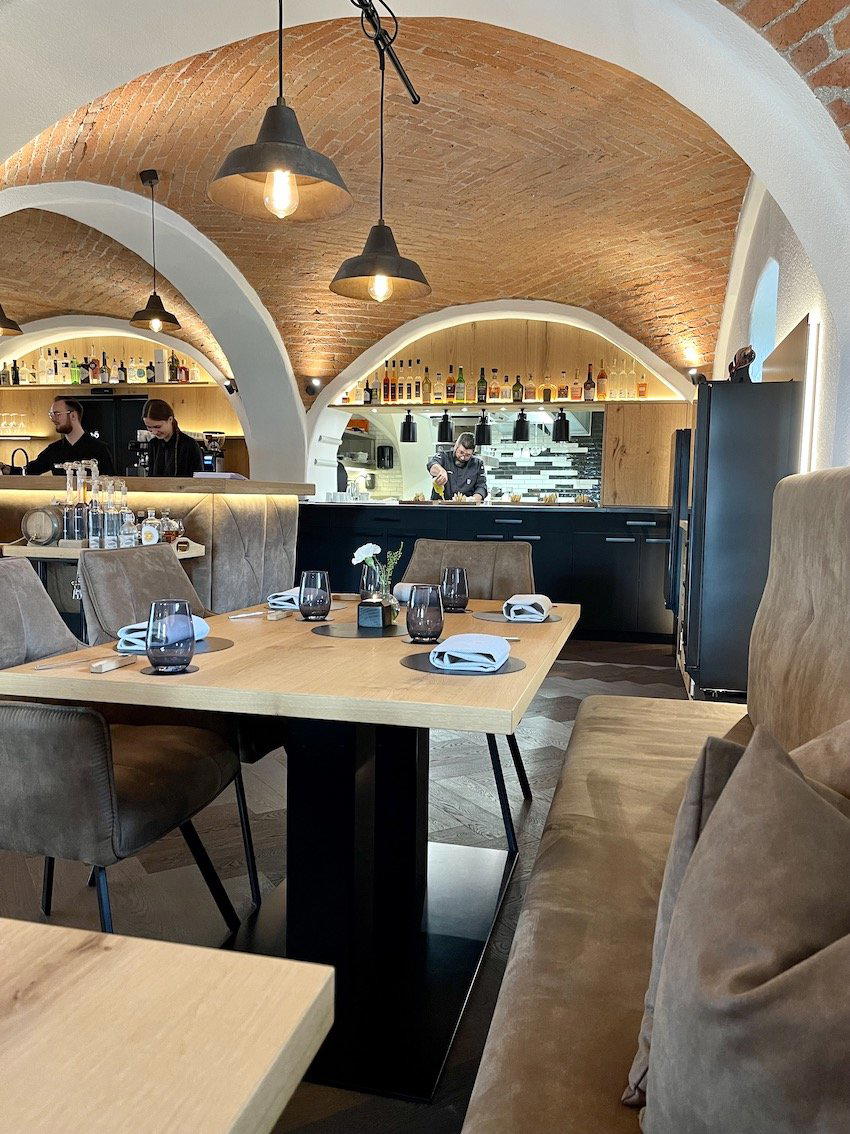
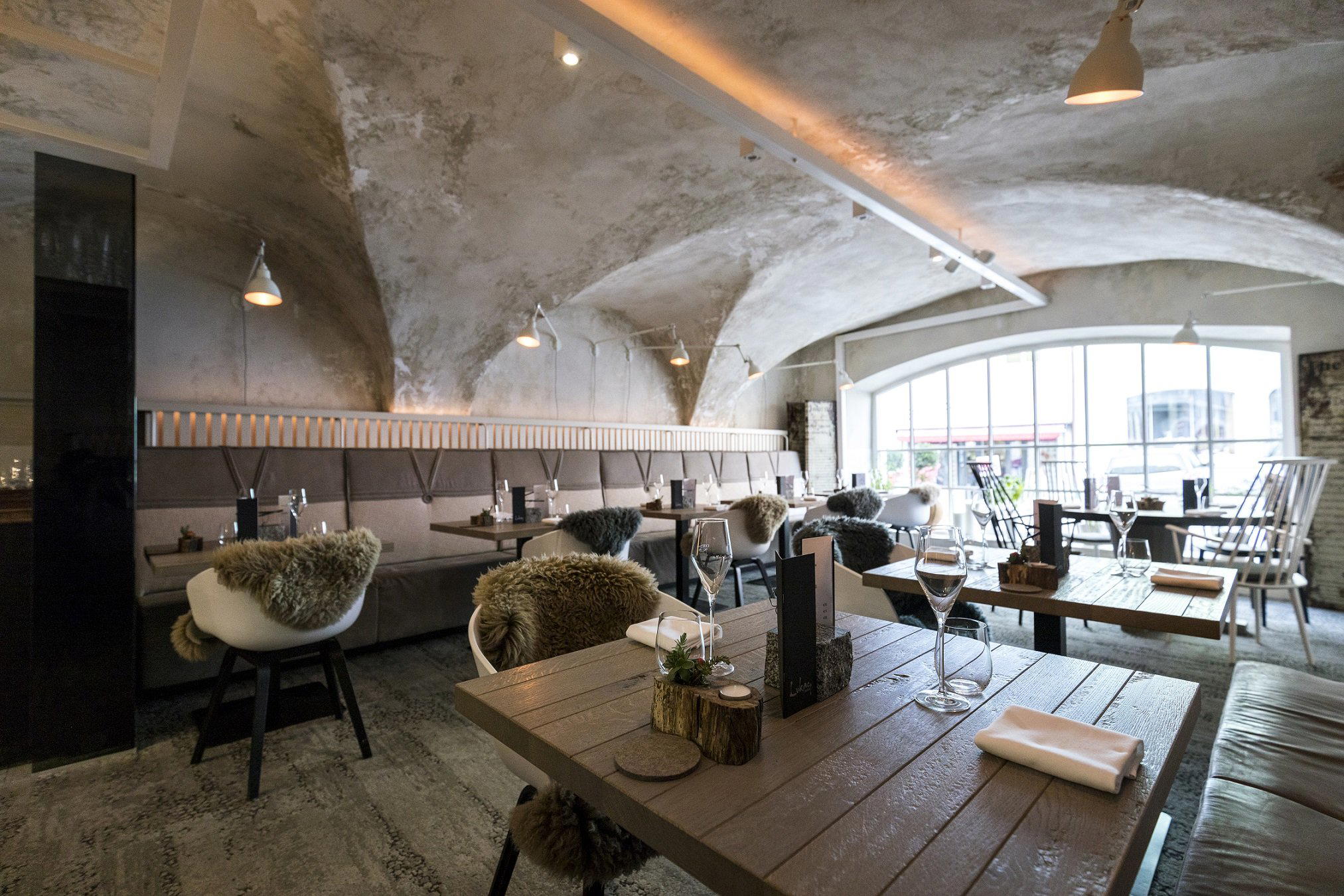
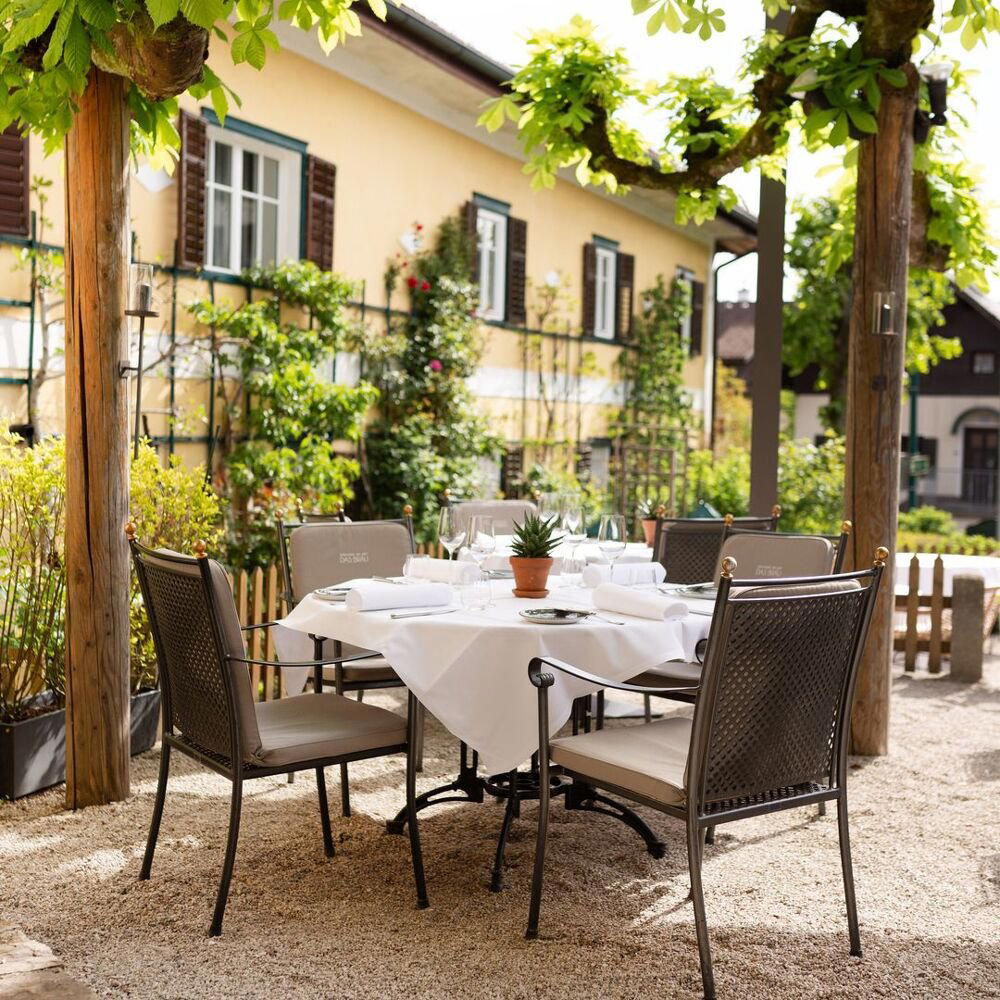
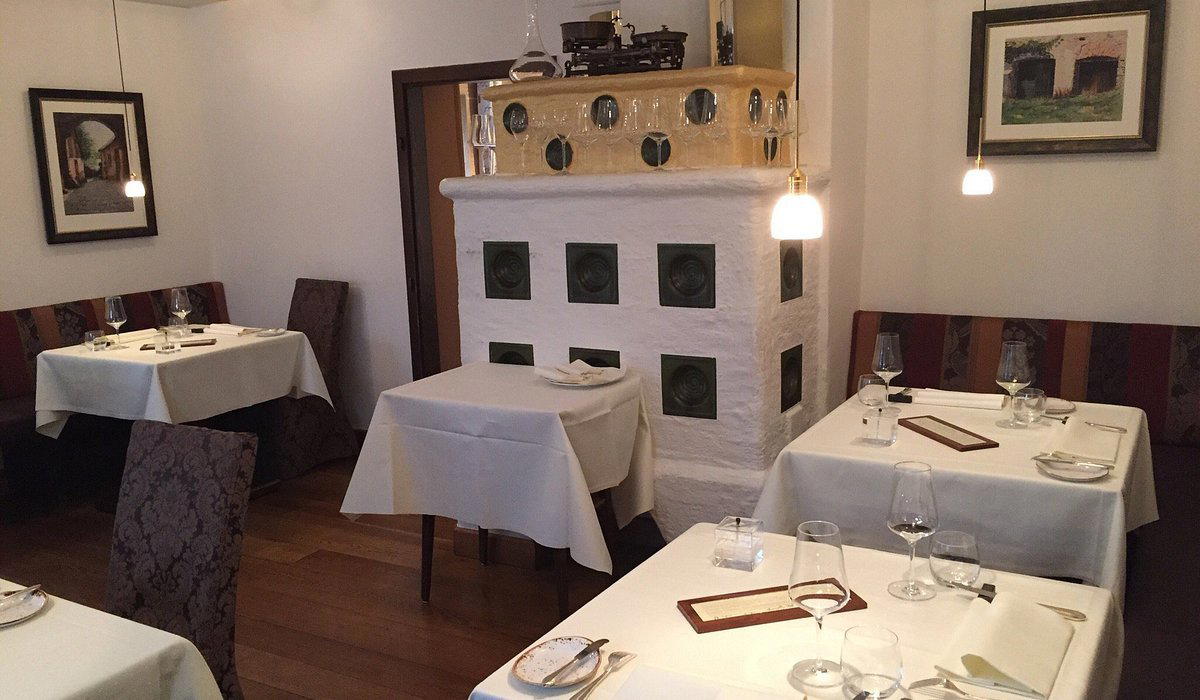
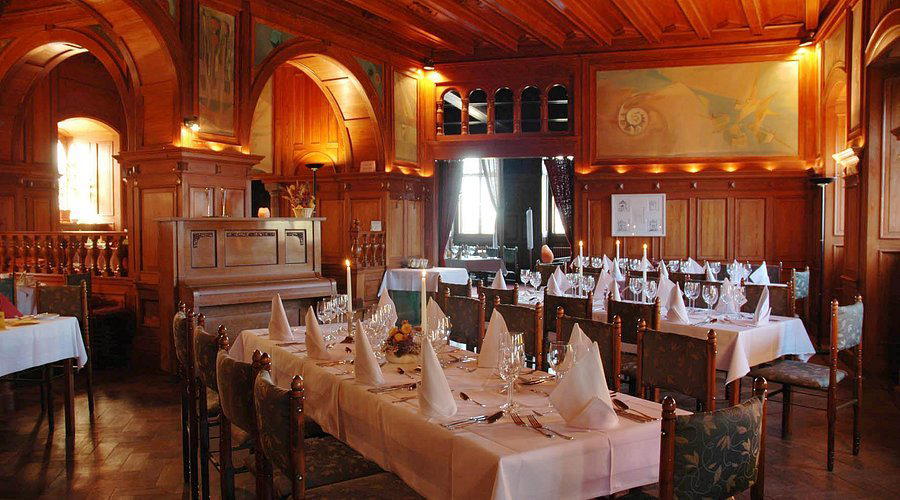
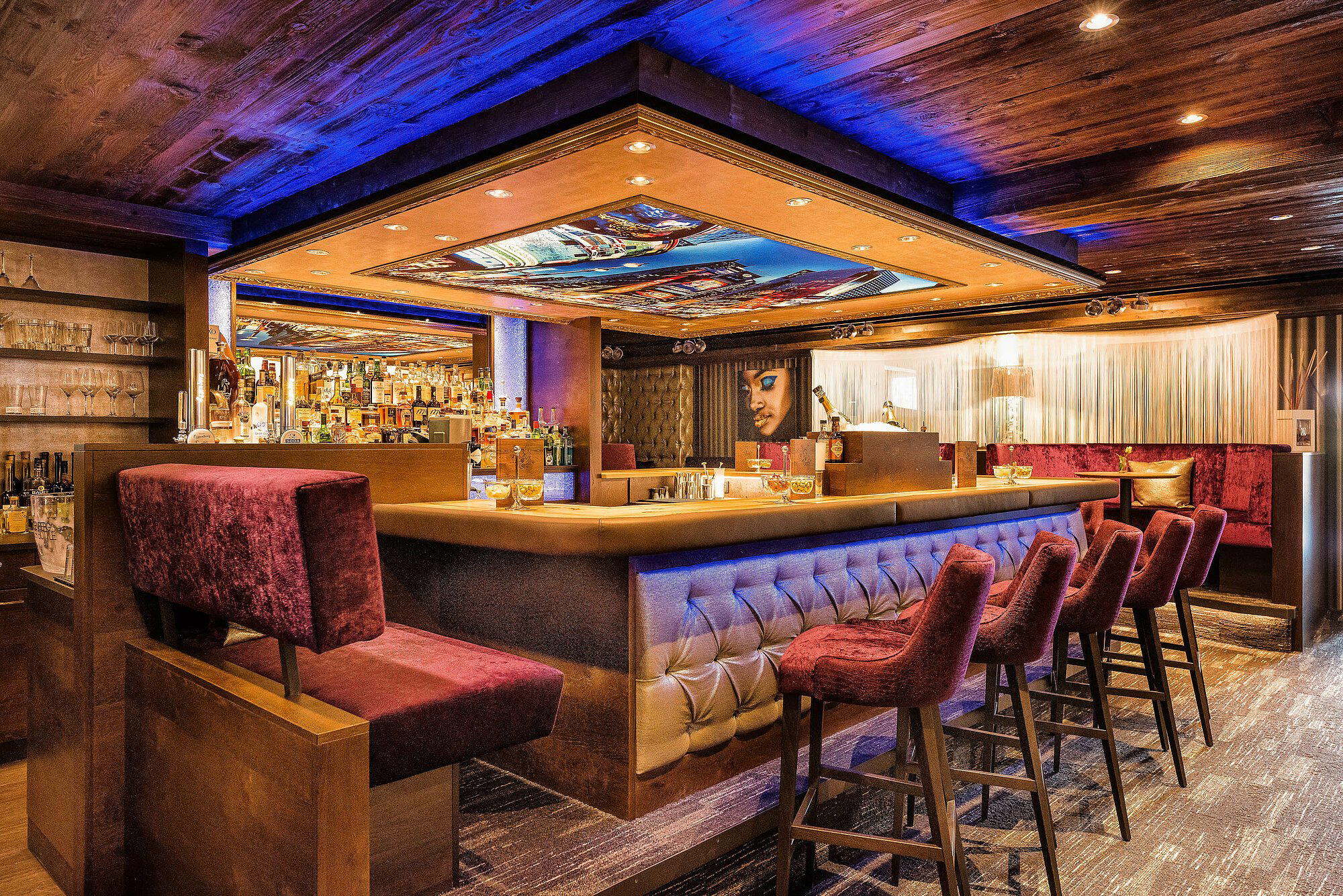
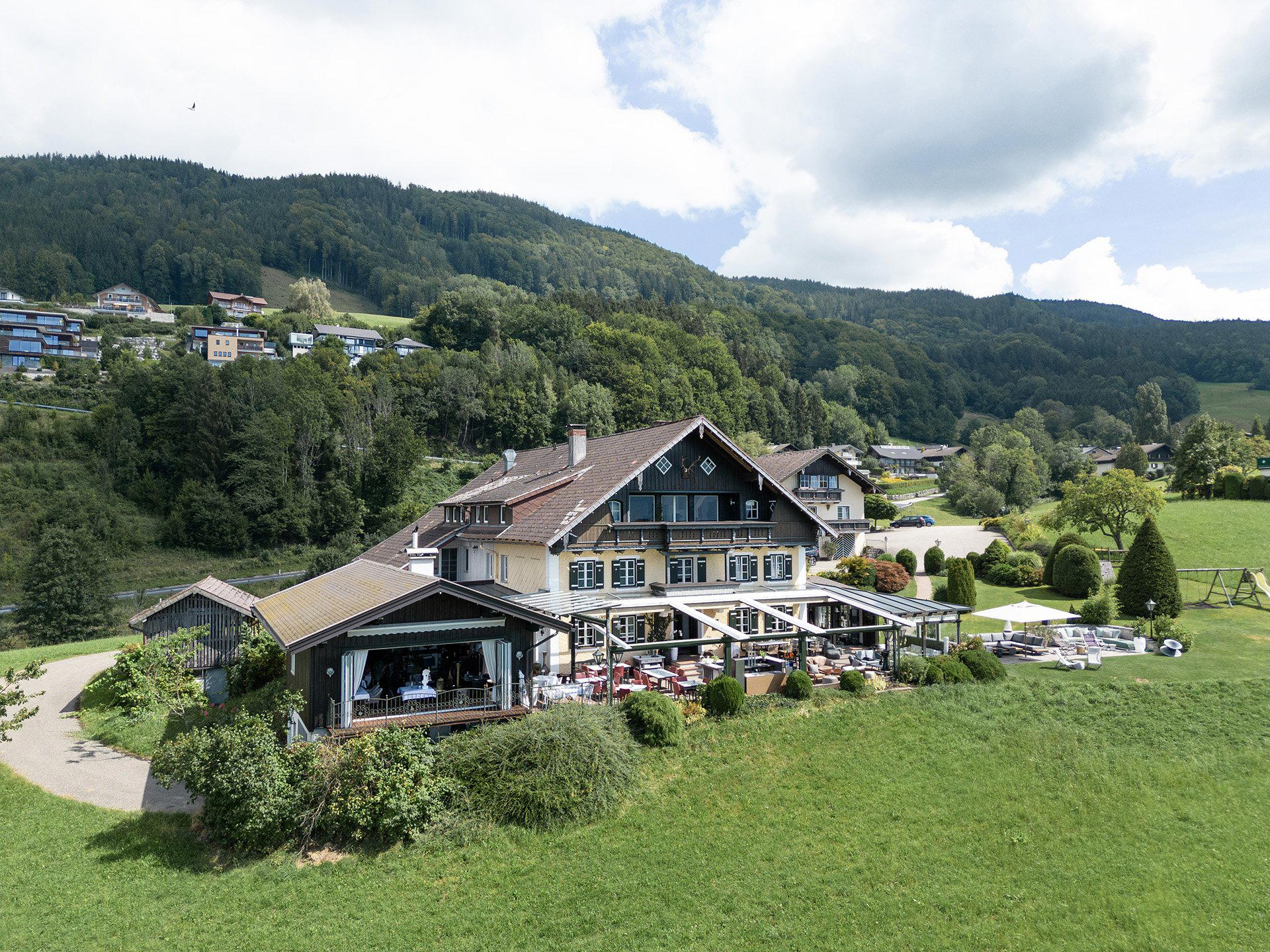
Approaching a restaurant set within a wellness complex in rural Upper Austria, a guest arrives expecting a particular register: calm, considered, oriented around recovery and pleasure in roughly equal measure. The physical environment at Revitalplatz tends toward that unhurried cadence. There is no urban noise to compete with, no pressure of a city evening's compressed schedule. This is dining in a tempo defined by the landscape rather than by service industry convention.
That atmosphere places Heimatliebe in a comparable set that includes Landhaus Bacher in Mautern an der Donau and Taubenkobel in Schützen am Gebirge, Austrian destination restaurants where the setting is part of the proposition, not merely the container for it. In each case, the guest is invited to slow down and engage with the meal at a different pace than a city restaurant permits. Whether that suits a given traveller depends on their appetite for that kind of immersion, but for those who seek it, the rural Austrian format delivers it with a consistency that urban venues rarely match.
Austria's Alpine restaurant scene, represented at its highest register by addresses like Gourmetrestaurant Tannenhof in Sankt Anton am Arlberg, Griggeler Stuba in Lech, and Stüva in Ischgl, tends to price against international resort clientele. Upper Austrian addresses outside the ski corridor occupy a different pricing register, generally making them more accessible to domestic travellers and international visitors who are not routing through resort infrastructure.
How Heimatliebe Sits Within Austria's Broader Dining Conversation
Austria's restaurant culture has diversified considerably over the past decade. The Michelin-recognised tier, anchored in Vienna by Steirereck and in the provinces by addresses like Obauer in Werfen and Ikarus in Salzburg, represents one strand of the country's culinary ambition. But below and beside that tier, a second conversation is happening: restaurants that prioritise regional coherence over international recognition, that serve communities rather than destination-seekers, and that define quality through the integrity of their ingredients rather than through the complexity of their technique.
Heimatliebe operates in the space where those conversations intersect. Its Aspach address keeps it outside the main critical circuits, while its wellness-complex positioning suggests a kitchen that serves a guest who has already made the effort to arrive and is prepared to engage with the food on the restaurant's own terms. That is a different relationship between kitchen and diner than the one that governs a city restaurant competing for a table against twelve other options within walking distance.
For travellers building an itinerary around Upper Austria's food culture, the region now offers genuine depth. Atelier Fischer in Sankt Gilgen and Schwarzer Adler in Hall in Tirol represent the kind of serious regional cooking that rewards a detour. Aspach sits within that broader geography, and
At the international level, the farm-to-table sourcing logic that defines the leading Austrian provincial kitchens has parallels in different contexts. Le Bernardin in New York City builds its authority on sourcing discipline applied to seafood; Atomix in New York City applies similar rigour to Korean produce traditions. The principle that ingredient provenance is an editorial statement, not a marketing claim, connects kitchens across different cuisines and price points. Heimatliebe's version of that principle is grounded in Upper Austrian farmland rather than global supply chains, which is both its constraint and its coherence.
Planning a Visit
Aspach is located in the Inn District of Upper Austria, accessible by car from Salzburg (roughly an hour's drive) or from Braunau am Inn, which sits closer to the German border. The wellness-complex setting at Revitalplatz 1 suggests that an overnight stay is the natural way to structure a visit, allowing the meal to function as part of a longer stay rather than a standalone dinner requiring a return drive. Booking ahead is advisable given the limited capacity typical of rural Austrian destination restaurants, and arriving with time to settle into the complex before the meal shifts the experience meaningfully.
Side-by-Side Snapshot
Comparable venues nearby, for context on price, style, and recognition.
| Venue | Cuisine | Price | Notes |
|---|---|---|---|
| Restaurant HeimatliebeThis venue — the venue you are viewing | Regional Austrian Healthy Cuisine | $$ | Not listed |
| Hotel Restaurant Krone | Traditional Austrian with Regional Specialties | $$ | Mondsee town center |
| Postwirt Weissl | Traditional Austrian | $$ | Timelkam |
| Weinstube Spies | Traditional Austrian Wine Tavern | $$ | Old Town |
| sGerstl | Austrian Brew Pub | $$ | Wels city center |
| Wirtshaus Schlössl | Traditional Austrian Wirtshaus | $$ | Nußdorf am Haunsberg |


At a Glance
- Cozy
- Rustic
- Brunch
- Family
- Garden
- Extensive Wine List
- Local Sourcing
- Organic
- Garden
Current opening hours
- Monday
- 8 AM–12 PM, 6–11 PM
- Tuesday
- Closed
- Wednesday
- Closed
- Thursday
- 8 AM–12 PM, 6–11 PM
- Friday
- 8 AM–12 PM, 6–11 PM
- Saturday
- 8 AM–2 PM, 6–11 PM
- Sunday
- 8 AM–2 PM
Hours can change for holidays and private events. Last verified .