sGerstl occupies a address on Freiung 9/11 in the centre of Wels, Austria's second-largest Upper Austrian city. The restaurant sits within a dining scene that has quietly grown more ambitious over the past decade, making it a reference point for serious eating in a city most travellers pass through rather than pause for. Wels rewards those who stop.
Pearl is the En Primeur Club membership app — saves, bookings, and concierge access live there. Same editors, same standards.
- Address
- Freiung 9/11, 4600 Wels, Austria
- Phone
- +437242351500
- Website
- sgerstl.at
- Directions
- Get directions
 Saves & bookings on Pearl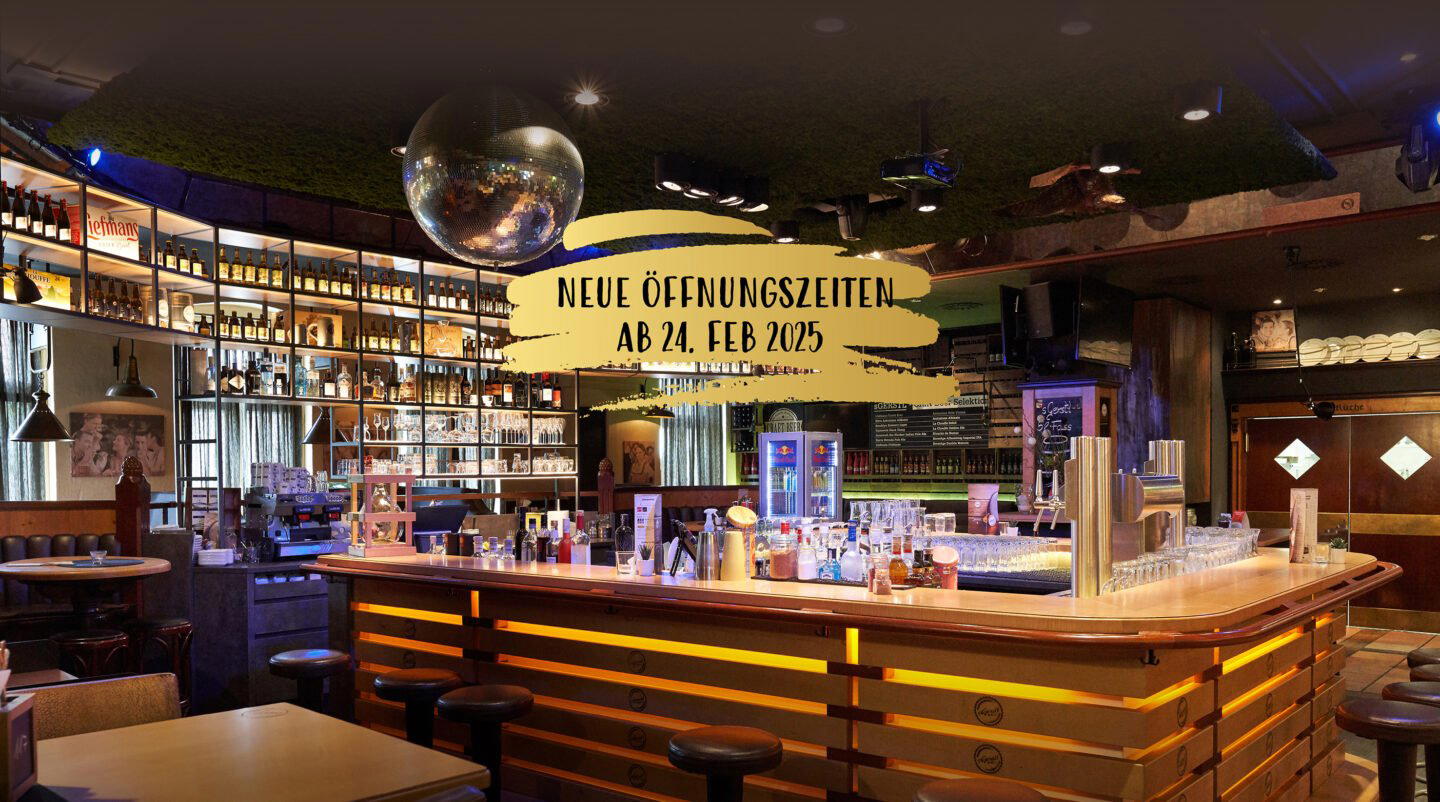
Wels on the Plate: A City Finding Its Dining Register
Freiung is one of those Central European squares that holds its architectural confidence quietly. The stone facades, the measured proportions, the sense that commerce and civic life have occupied the same ground for centuries, all of it establishes a context before you push open any door. It sits inside that framework, and the address matters more than it might seem. In Austria, the relationship between a restaurant and its immediate urban fabric tends to shape what ends up on the table. Wels is not Vienna, and it does not pretend to be. It is Upper Austria's second city, a place where the dining scene has developed on its own terms rather than in imitation of the capital's more theatrical ambitions.
The broader Austrian dining conversation is anchored at places like Steirereck im Stadtpark in Vienna and Obauer in Werfen, both of which operate at a level of technical refinement and institutional recognition that takes decades to accumulate. Further west, kitchens such as Griggeler Stuba in Lech and Gourmetrestaurant Tannenhof in Sankt Anton am Arlberg benefit from proximity to international resort money and the culinary expectations that travel with it. Wels operates without those advantages. What the city's better restaurants have instead is a tighter relationship with a local audience that eats out regularly, values consistency, and is less susceptible to the theatrical gestures that sometimes substitute for substance in higher-profile markets.
Reading the Menu as Architecture
The way a restaurant structures its menu is among the more reliable signals of what it believes about its own identity. A menu that runs long and categorically diffuse suggests a kitchen hedging against uncertain demand. A menu built around tight sequences, or that clusters dishes by technique rather than by conventional starter-main-dessert logic, signals something different: a kitchen with a point of view about how a meal should unfold. The editorial point worth making here is about the category of restaurant this address represents within Wels.
Wels dining scene shows a pattern common to mid-sized Central European cities: a handful of addresses that have committed to a more considered format sitting alongside a larger number of neighbourhood restaurants offering familiar regional cooking. Agape Cuisine & Wine and GansFein both represent the more deliberate end of that spectrum. Adria Fischrestaurant occupies a specialist position in seafood. Indiya and In's Haas extend the range into international formats. sGerstl on Freiung belongs to the same category of establishments worth seeking out deliberately rather than stumbling into. The address has civic gravity that tends to attract a clientele with baseline expectations.
Menu architecture in Upper Austrian restaurants frequently reflects the tension between regional identity and broader European technique. Across the province, kitchens that have earned sustained local recognition tend to use regional produce and classical Austrian preparation as a foundation, then layer in contemporary precision without abandoning that grounding. You see this pattern clearly at Landhaus Bacher in Mautern an der Donau and at Döllerer in Golling an der Salzach, where the menu reads as a document of place rather than an exercise in technique for its own sake. The better Wels addresses follow a version of this logic, tuned to a city audience rather than a destination-dining one.
Where Wels Sits in the Austrian Dining Hierarchy
Austria's restaurant geography is more layered than it appears from the outside. The Michelin-starred tier is concentrated in Vienna, Salzburg, and the western Alpine resorts, with a handful of notable regional outliers like Kräuterreich by Vitus Winkler in Sankt Veit im Pongau and Ois in Neufelden demonstrating what serious ambition looks like outside the major centres. Ikarus in Salzburg occupies its own unusual niche as a rotating guest-chef format that operates more like a programme than a conventional kitchen. Restaurant 141 by Joachim Jaud in Mieming illustrates how smaller Tyrolean towns have developed their own serious dining cultures independent of the resort economy.
Wels does not yet generate the kind of critical attention that pulls international food media to Upper Austria specifically. That is partly a function of scale and partly a function of how Austrian gastronomy has been narrated externally, as a Vienna-plus-Alps story, with the corridor cities in between underrepresented. For travellers willing to look past that framing, Wels has addresses worth building time around. The comparison with secondary cities elsewhere is instructive: the phenomenon of cities like Lyon in France or Bologna in Italy, where serious eating exists outside the primary media spotlight, has an Austrian analogue in places like Wels and Linz, even if the international recognition has not yet caught up with what is actually happening in the kitchens.
For context on what premium European dining at the international reference level looks like, Le Bernardin in New York City and Atomix in New York City represent the kind of sustained technical ambition and menu coherence that define the top tier globally. The distance between that level and what Wels currently offers is real, but the more interesting question is whether the city's better addresses are moving in that direction, and the evidence from the broader Upper Austrian scene suggests some of them are.
Planning a Visit
sGerstl is located at Freiung 9/11 in central Wels, within walking distance of the main square and the city's compact historic core. Wels has a mainline train connection to Linz (roughly 15 minutes) and Salzburg, making it accessible as a stop on a broader Austrian itinerary rather than requiring a dedicated trip. The central location on Freiung means parking and public transport access are both manageable.
Hours are Mon: Closed; Tue: 4-11:30 PM; Wed: 4-11:30 PM; Thu: 4-11:30 PM; Fri: 11:30 AM-12 AM; Sat: 11:30 AM-12 AM; Sun: Closed.
Standing Among Peers
Comparable venues nearby, for context on price, style, and recognition.
| Venue | Cuisine | Price | Awards | Notes |
|---|---|---|---|---|
| sGerstlThis venue — the venue you are viewing | Austrian Brew Pub | $$ | Not listed | Not listed |
| In's Haas | Austrian Bistro with International Specialties | $$ | Not listed | Stadtplatz |
| Indiya | Traditional Indian with Street Food | $$ | Not listed | Stadtplatz |
| Agape Cuisine & Wine | Mediterranean Seafood & Wine | $$$ | Not listed | Stadtplatz |
| GansFein | Contemporary Mediterranean-Japanese Fusion | $$$ | Michelin Plate | Stadtplatz |
| Osteria da Nonna Nena | Authentic Italian Osteria | $$ | Not listed | Wels center |
Continue exploring
More in Wels
Restaurants in Wels
Browse all →
Bars in Wels
Browse all →
Hotels in Wels
Browse all →

At a Glance
- Rustic
- Cozy
- Lively
- Group Dining
- Celebration
- Casual Hangout
- After Work
- Private Event
- Private Dining
- Standalone
- Beer Program
Current opening hours
- Monday
- Closed
- Tuesday
- 4–11:30 PM
- Wednesday
- 4–11:30 PM
- Thursday
- 4–11:30 PM
- Friday
- 11:30 AM–12 AM
- Saturday
- 11:30 AM–12 AM
- Sunday
- Closed
Hours can change for holidays and private events. Last verified .
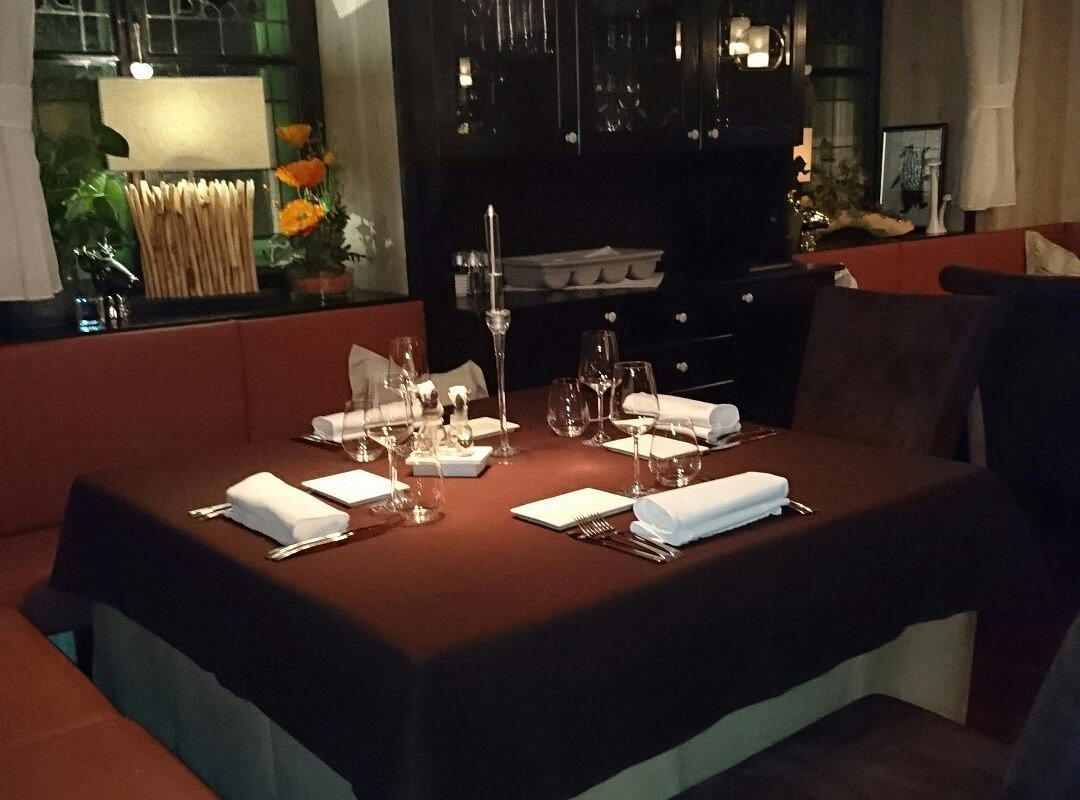
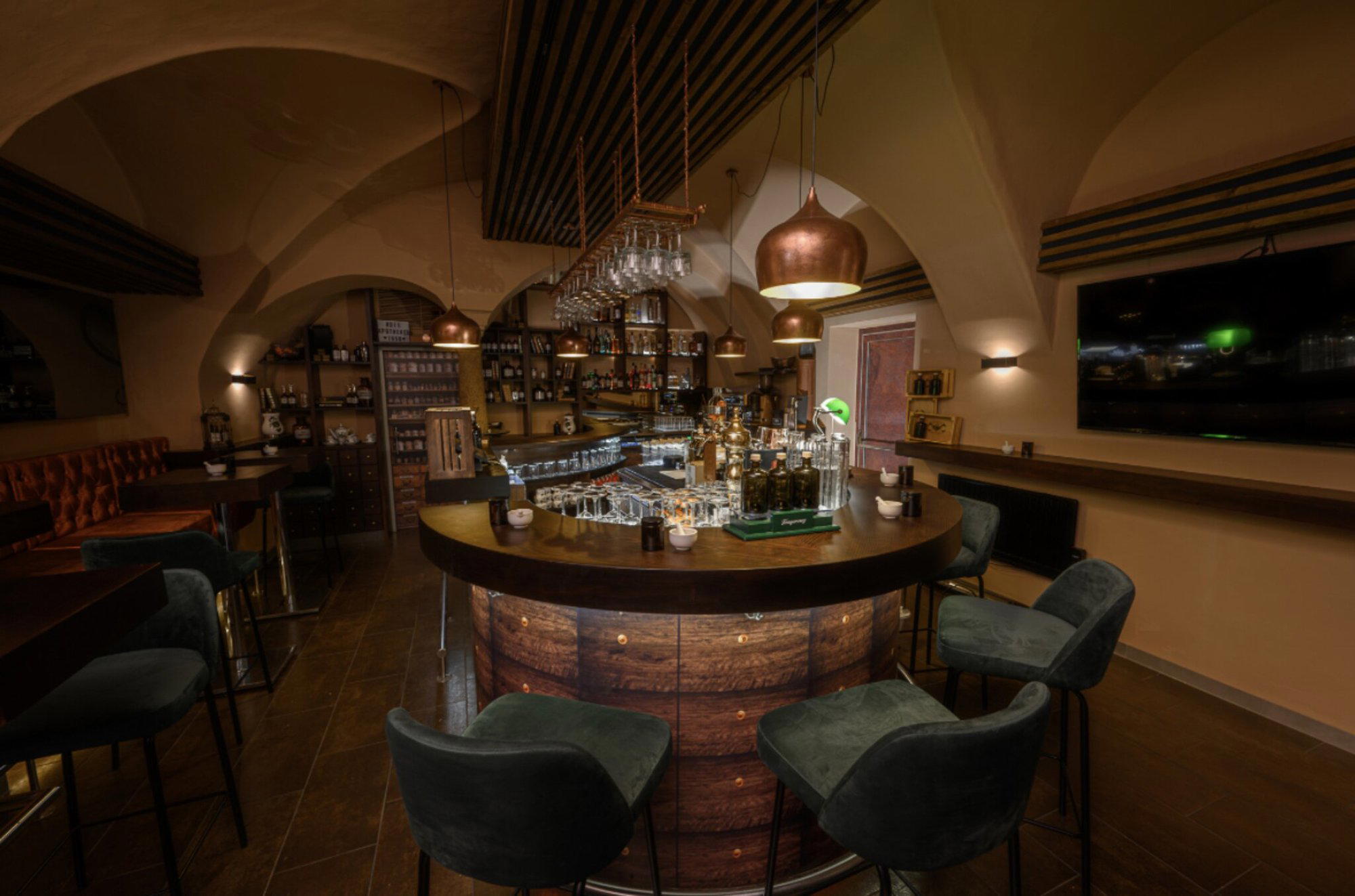
Rustic yet modern with sophisticated interior details and contemporary accents; warm and comfortable atmosphere described as 'g'miatlich' (cozy like home).