Klötzer's Restaurant occupies a quietly serious address on Ritterstraße in Bielefeld's city centre, operating in a tier of German dining that prioritises sourcing rigour over spectacle. The kitchen's approach reflects a broader regional tradition of placing ingredient provenance at the centre of the plate. For visitors exploring Bielefeld's dining circuit, it represents a considered stop in a city with more culinary depth than its reputation suggests.
Pearl is the En Primeur Club membership app — saves, bookings, and concierge access live there. Same editors, same standards.
- Address
- Ritterstraße 33, 33602 Bielefeld, Germany
- Phone
- +4949521967750
- Website
- kloetzer-delikatessen.de
- Directions
- Get directions
 Saves & bookings on Pearl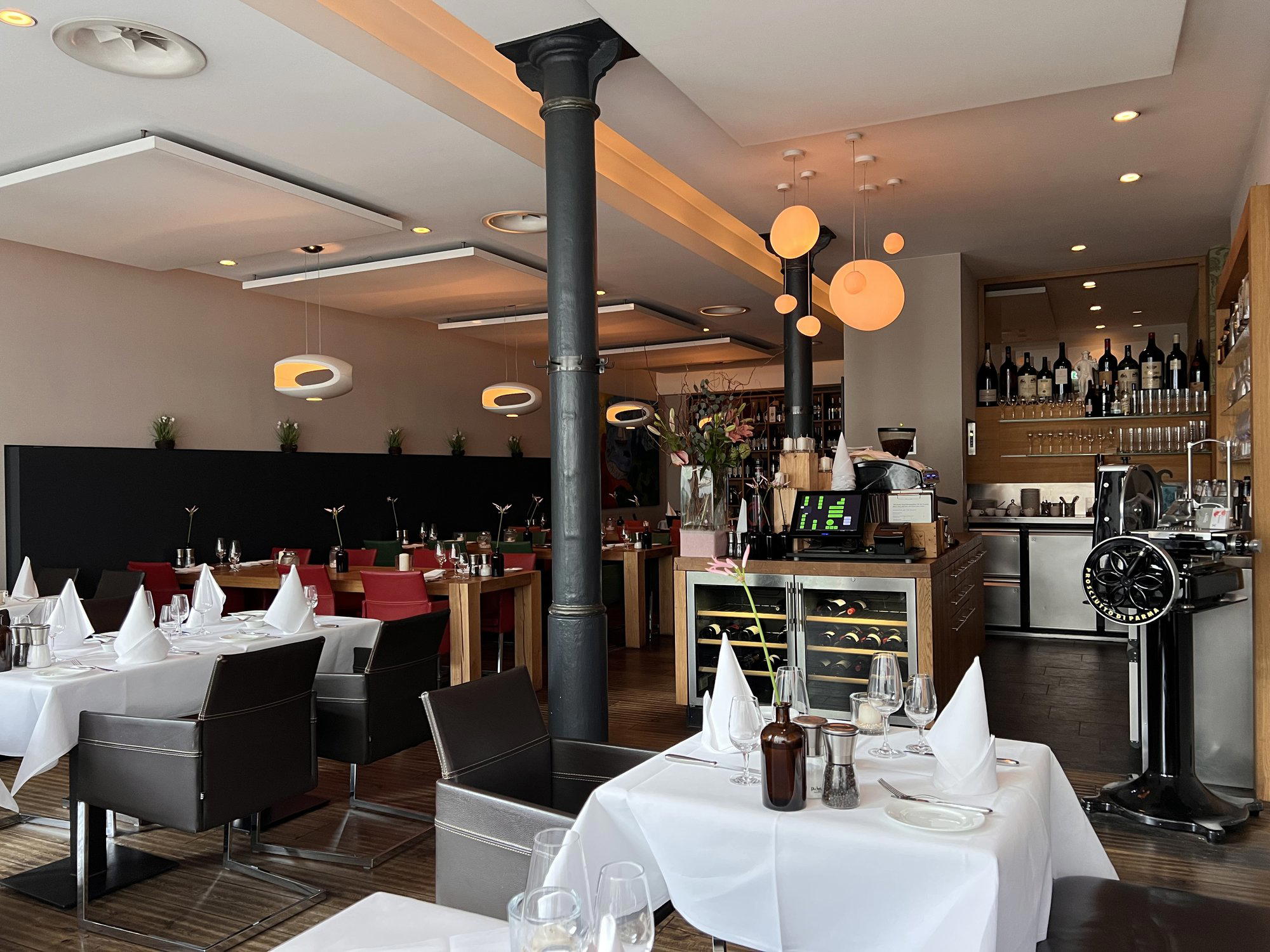
Ritterstraße and What It Signals
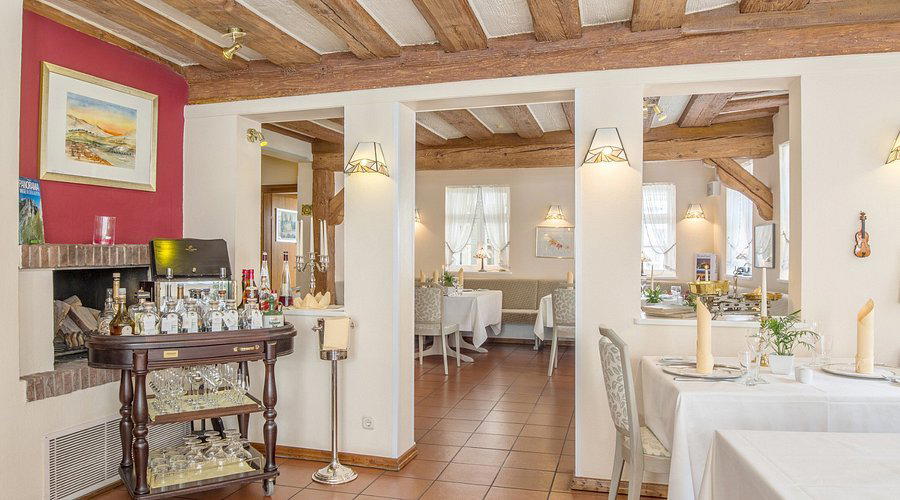
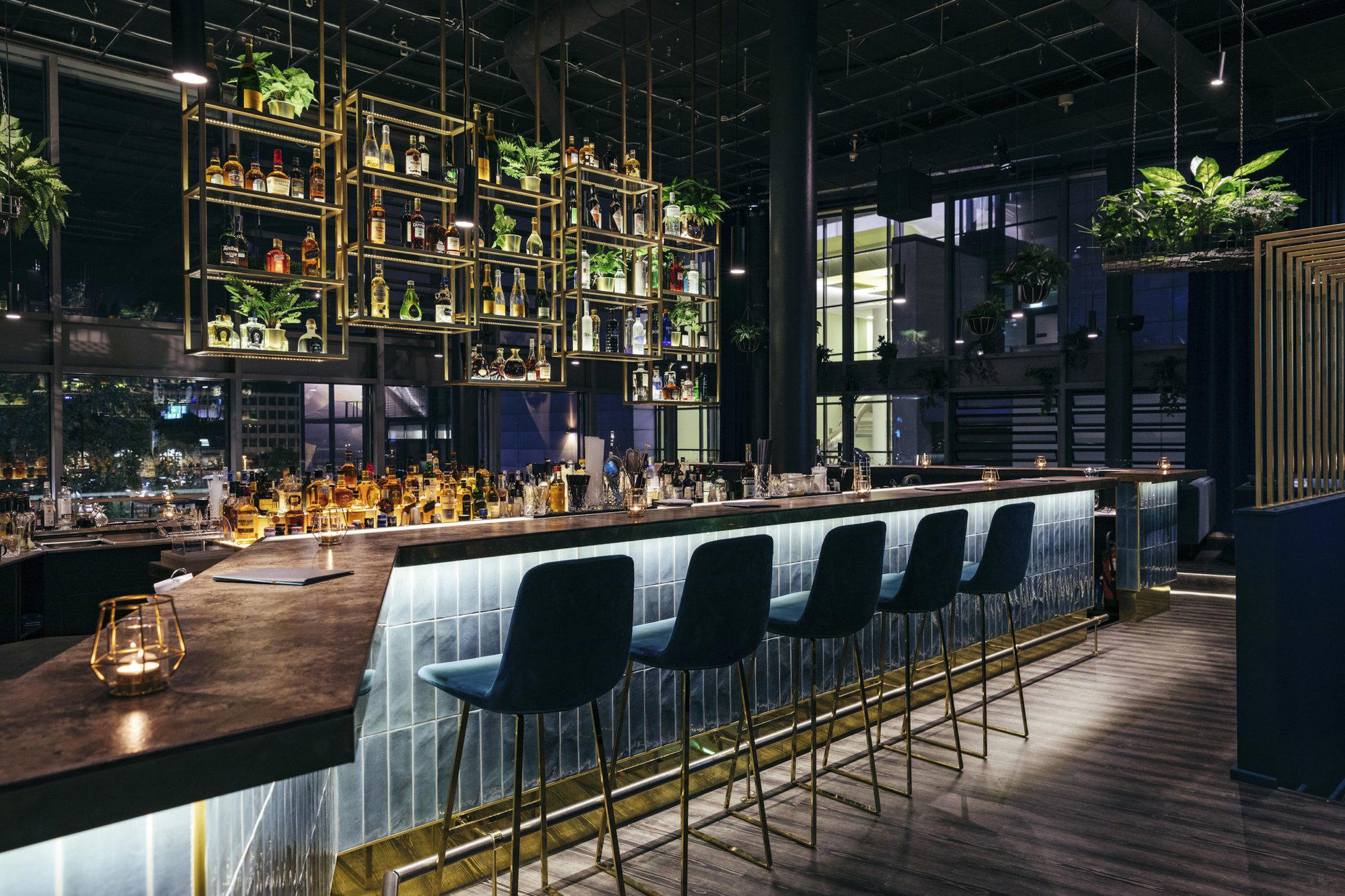
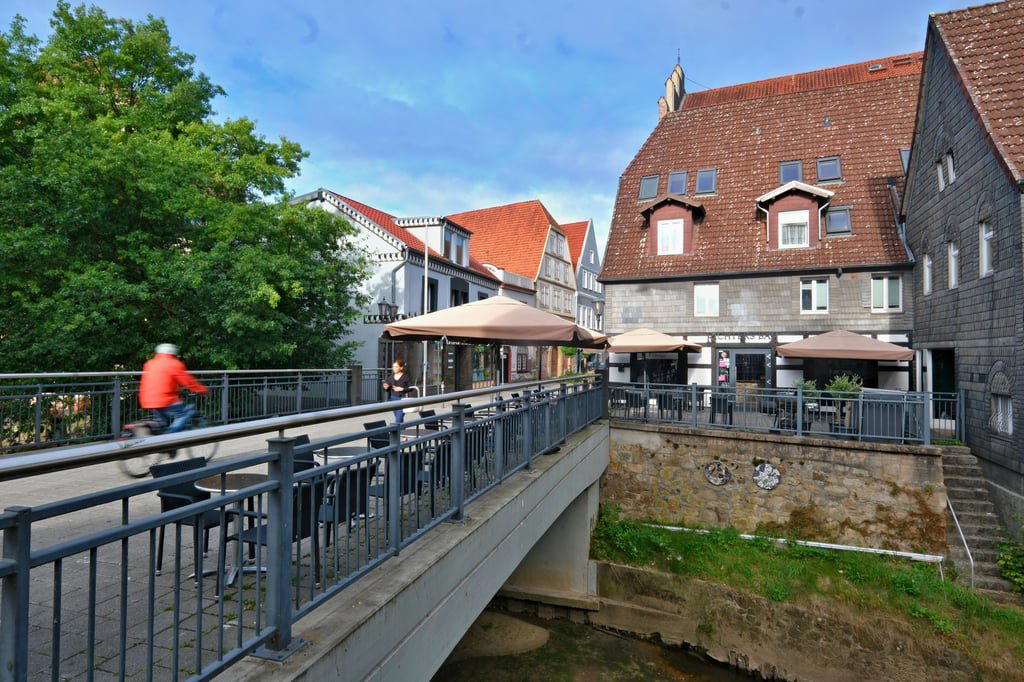
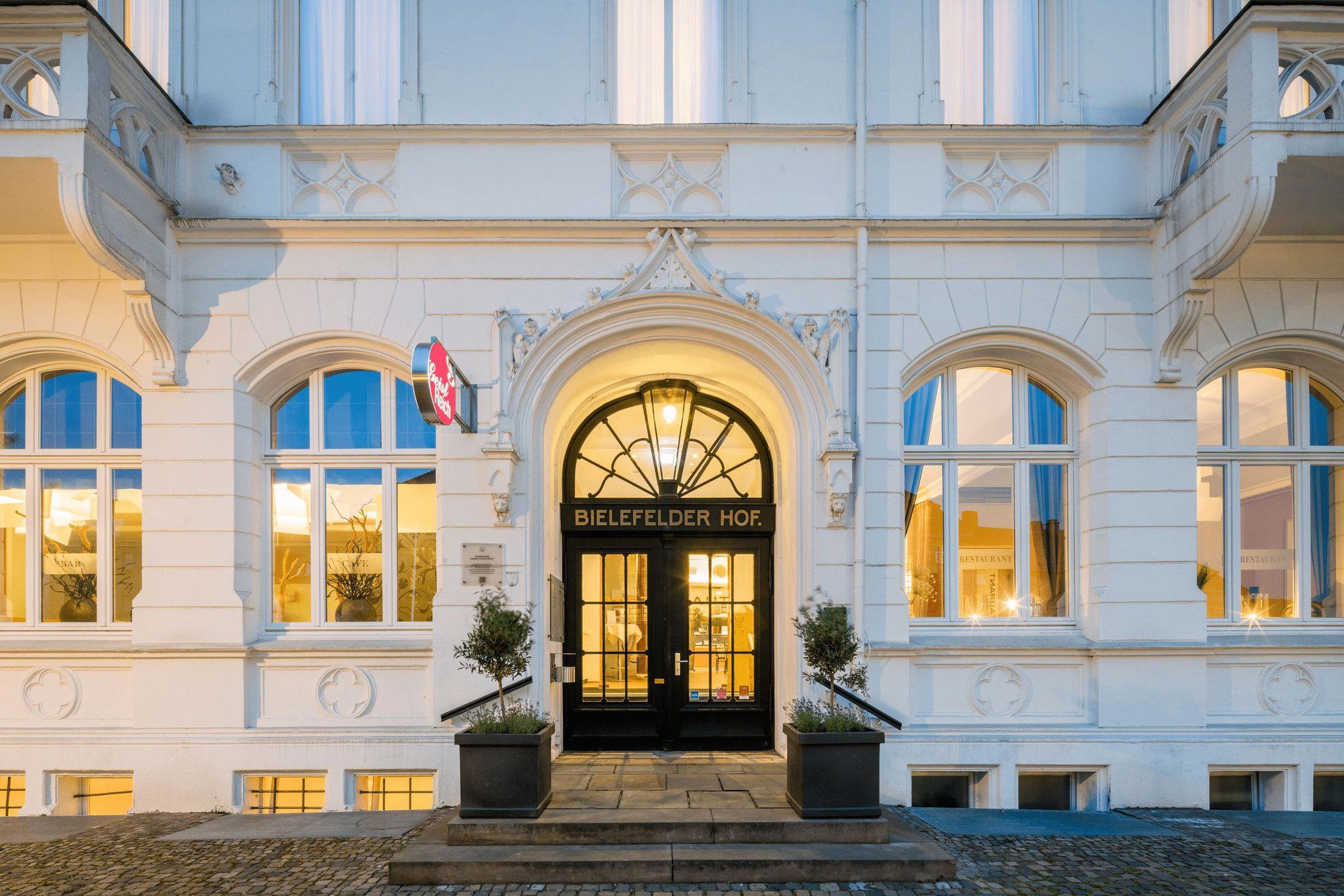
Bielefeld does not announce itself the way Hamburg or Munich do, and that restraint extends to its dining culture. The city's better restaurants tend to occupy mid-century buildings on working streets rather than repurposed warehouses or hotel lobbies, and Ritterstraße 33 fits that pattern. Arriving at Klötzer's Restaurant, the address reads as part of the fabric of the Altstadt fringe: functional, settled, without the self-conscious design gestures that mark newer openings in German secondary cities. That understatement is worth reading as information rather than absence.
In German dining outside the major metropolitan centres, particularly durable restaurants tend to be those where the room itself makes no particular argument, leaving the plate to do the work. Klötzer's sits in that tradition, an address where the physical environment is a frame rather than a statement. The Ritterstraße location places it within reach of the Bielefeld city centre, accessible on foot from Bielefeld Hauptbahnhof.
Sourcing as the Central Argument
Across Germany's mid-tier fine dining circuit, the conversation about ingredient provenance has sharpened considerably over the past decade. Where earlier generations of regional restaurants defaulted to French classical frameworks, a growing cohort of kitchens in cities like Bielefeld has reoriented around the question of where food comes from and what that origin communicates on the plate. This is not the farm-to-table marketing shorthand that became ubiquitous in the 2010s, but something more specific: an interest in local butchers, direct relationships with vegetable growers in the Teutoburg Forest region, and fish sourced from suppliers that can be named rather than aggregated.
Bielefeld sits in Ostwestfalen-Lippe, a region with genuine agricultural depth. The Münsterland to the west produces pork that has long held a distinct identity in German charcuterie traditions. The Teutoburg Forest provides a foraging perimeter that serious kitchens have increasingly treated as a larder rather than a backdrop. Restaurants that anchor their sourcing in this geography, rather than importing prestige ingredients from outside the region, are making a specific editorial argument about what local cooking can mean at this level. Klötzer's address on Ritterstraße places it within a city where that argument has room to be made.
For context on how sourcing-led approaches operate at the highest level of German fine dining, it is useful to look at the patterns established by kitchens like Schwarzwaldstube in Baiersbronn or Waldhotel Sonnora in Dreis, where regional identity and ingredient discipline form the backbone of menus that carry serious critical weight. At the other end of the conceptual spectrum, CODA Dessert Dining in Berlin demonstrates how far a single-minded sourcing focus can push a format into genuinely new territory. Klötzer's operates in a different register, but the underlying question is the same: what does this place, and this season, actually produce?
Bielefeld's Dining Context
Bielefeld has historically been underwritten in German food coverage, which is partly a function of its size and partly a function of the city's own preference for functionality over visibility. The restaurant scene here is not structured around a single showcase district the way Düsseldorf's Medienhafen or Munich's Maxvorstadt are. Instead, it distributes across neighbourhoods, with the Altstadt and the streets around the Sparrenburg providing the densest concentration of considered options.
Within that distribution, the city supports a range of formats. GUI (Mediterranean Cuisine) positions itself at the €€€ tier with a Mediterranean framework, while Christos Restaurant and Kostas Restaurant represent the Greek and Mediterranean strand that has found consistent patronage in the city. charlie Gastrobar takes a looser, bar-adjacent approach, and Jivino Enoteca brings a wine-led Italian sensibility to the mix. Klötzer's occupies its own position in this set, one defined less by cuisine category than by an approach to the plate that rewards a certain kind of attention.
For those building a broader German itinerary, the sourcing-led approach visible in Bielefeld's better kitchens connects to a national conversation that runs through addresses like JAN in Munich, Schanz in Piesport, and ES:SENZ in Grassau. At the highest end of the German table, Victor's Fine Dining by Christian Bau in Perl and Vendôme in Bergisch Gladbach set the benchmark against which regional ambition is measured. Aqua in Wolfsburg offers another data point on how German fine dining operates outside the major city centres. Internationally, the discipline of provenance-driven cooking finds its clearest expression in kitchens like Le Bernardin in New York City, where sourcing rigour shapes every technical decision, and Atomix in New York City, where ingredient identity carries the full weight of the menu's argument. Restaurant Haerlin in Hamburg represents the northern German version of the same ambition.
Planning a Visit
Klötzer's Restaurant is located at Ritterstraße 33, 33602 Bielefeld, in the city centre district. The address is walkable from Bielefeld Hauptbahnhof, which connects to Cologne, Hamburg, and Hanover via ICE and IC services, making it a plausible addition to a longer German itinerary. Reservations are recommended, the dress code is smart casual, and the price point is around $50 per person.
How It Stacks Up
Comparable venues nearby, for context on price, style, and recognition.
| Venue | Cuisine | Price | Notes |
|---|---|---|---|
| Klötzer's RestaurantThis venue — the venue you are viewing | Classic Central European with Regional Influences | $$$ | Not listed |
| Restaurant Kreuzkrug | Westphalian German | $$ | Schildesche |
| Christos Restaurant | Traditional Greek | $$ | Bielefeld |
| Razki's Snack | Middle Eastern Street Food | $$ | Heeper Straße |
| Shiva Iranisches Restaurant | Authentic Iranian | $$ | Herforder Str. |
| charlie Gastrobar | Modern French Gastrobar | $$ | Altstadt |
Continue exploring
More in Bielefeld
Restaurants in Bielefeld
Browse all →
Bars in Bielefeld
Browse all →
At a Glance
- Classic
- Cozy
- Elegant
- Date Night
- Business Dinner
- Family
- Standalone
- Extensive Wine List
- Local Sourcing
Current opening hours
- Monday
- 5:30–11:30 PM
- Tuesday
- 5:30–11:30 PM
- Wednesday
- 5:30–11:30 PM
- Thursday
- 5:30–11:30 PM
- Friday
- 12–11:30 PM
- Saturday
- 12–11:30 PM
- Sunday
- Closed
Hours can change for holidays and private events. Last verified .
Pleasant and nice atmosphere with friendly, confident service in a central city location.