Restaurant Handelshof
Restaurant Handelshof occupies a notable address on Wilhelm-Heinrich-Straße in central Saarbrücken, placing it within reach of the city's established dining corridor.
Pearl is the En Primeur Club membership app — saves, bookings, and concierge access live there. Same editors, same standards.
- Address
- Wilhelm-Heinrich-Straße 17, 66117 Saarbrücken, Germany
- Phone
- +4968168632153
- Website
- restaurant-handelshof.de
- Directions
- Get directions
 Saves & bookings on Pearl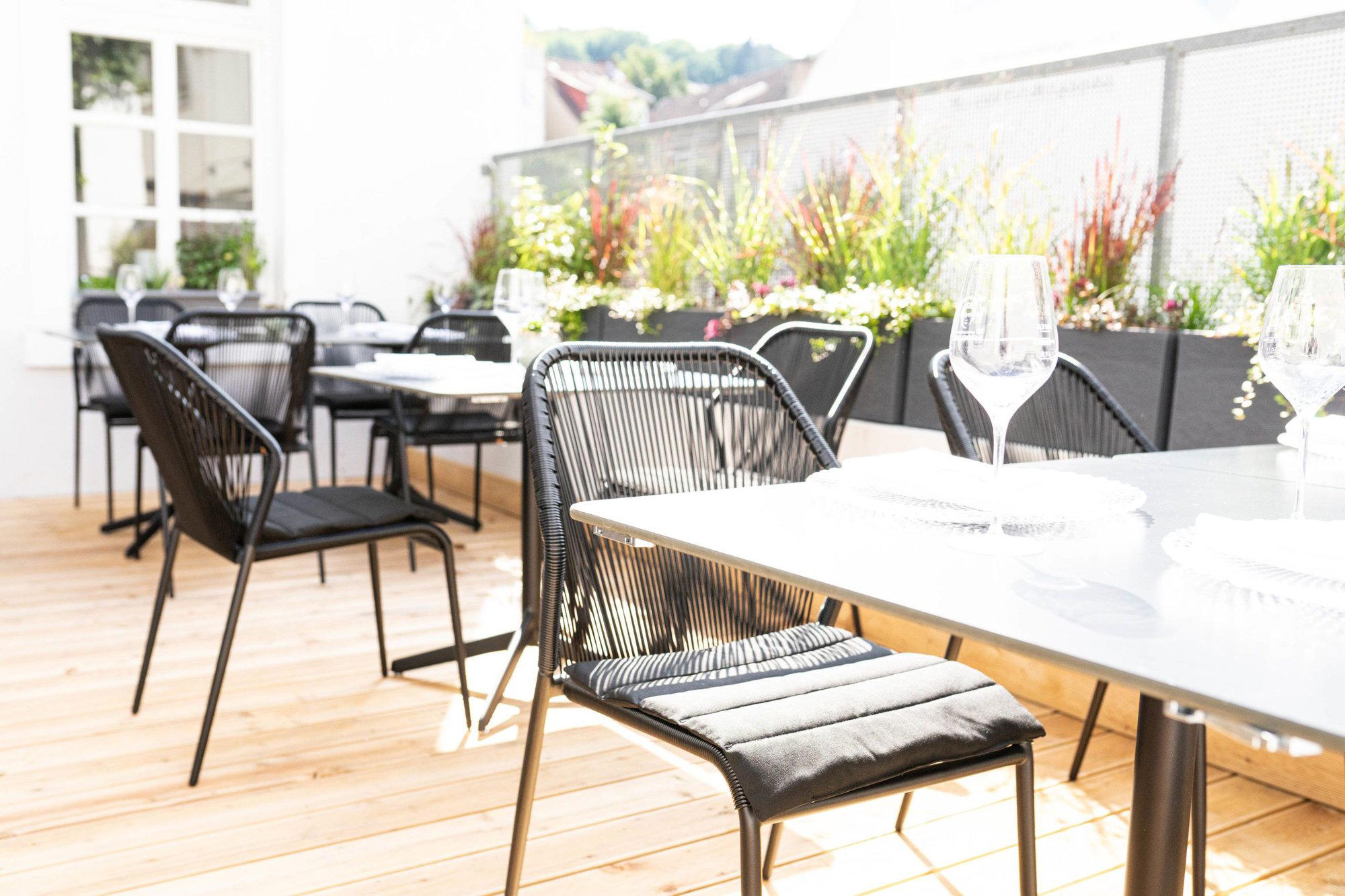
Where Saarbrücken's Dining Ambition Meets Its Commercial Heart
Wilhelm-Heinrich-Straße is one of Saarbrücken's better-known commercial addresses, running through the city's central core with the kind of civic solidity that attracts businesses with an interest in permanence. Restaurants on this stretch tend to position themselves for a clientele that moves between the city's professional and cultural life, lunch services that run into working meetings, evening covers that draw from theatre and concert schedules nearby. Restaurant Handelshof sits at number 17, in Saarbrücken, and the address itself signals something about positioning: this is not a neighbourhood side-street experiment, but a spot that has chosen visibility and accessibility as part of its proposition.
Saarbrücken's fine dining scene is small by German metropolitan standards, but it is not thin. GästeHaus Klaus Erfort has carried the city's Michelin weight for years, operating at the three-star level and placing Saarbrücken on the map of serious German gastronomy. Esplanade anchors the classic French tier at the four-price-bracket level, and between these poles the city supports a range of more accessible formats, from Fratelly's Food Kartell to Gusto Premium Steakhouse and the more globally inflected Halbmond Restaurant. Handelshof enters this city context without a heavily publicised identity, which in a market this size can mean either a venue still finding its footing or one that has deliberately stayed out of the editorial spotlight and built through word of mouth instead.
Reading the Menu Architecture
In German restaurant culture, the way a kitchen organises its menu tends to reveal its competitive intentions more clearly than almost any other signal. A single-price tasting format, for instance, places a venue in explicit dialogue with the Michelin tier, it asks guests to commit upfront and signals that the kitchen controls the sequence. An à la carte structure without a tasting option, by contrast, signals flexibility and a willingness to serve the city's professional lunch trade rather than court the destination-dining visitor. A hybrid approach, with a carte supplemented by a shorter set menu, is one common format among mid-to-upper restaurants in German cities of Saarbrücken's size and suggests a kitchen confident enough in its technique to present composed sequences while pragmatic enough to keep the door open for guests who prefer to order independently.
The Wilhelm-Heinrich-Straße location, combined with the Handelshof name, which carries associations with the commercial exchange tradition, the grand bourgeois hotel-restaurants of the late nineteenth century that served merchants and civic officials, points toward a format likely oriented around hospitality at a civic rather than strictly avant-garde register.
For context on what different menu architectures look like at the sharper end of German dining, the contrast between a focused tasting format as practised at Victor's Fine Dining by Christian Bau in nearby Perl and the more classically structured approach at Waldhotel Sonnora in Dreis illustrates the spectrum. Saarbrücken's own Klaus Erfort occupies the formal tasting tier; the city's broader scene distributes itself across the remaining formats. Handelshof's place in that distribution is the relevant question for a visitor making a choice.
The Regional Culinary Frame
Saarland sits at the intersection of German and French culinary traditions in a way that is more than geographic. The region's proximity to Lorraine and Alsace has historically shaped both what kitchens source and how they cook, the use of Moselle valley wines, the presence of French technique alongside German substance, and a general preference for well-executed classicism over novelty for its own sake. This context matters for reading any Saarbrücken restaurant: the competitive peer group is not just the other addresses in the city but the broader cross-border triangle that includes fine addresses in Luxembourg, Metz, and Strasbourg.
Within Germany more widely, the Saarland restaurant scene occupies a position similar to other mid-sized cities where one or two anchor establishments carry the critical prestige and the rest of the field fills in a range of mid-market to casual formats. Schanz in Piesport and Schwarzwaldstube in Baiersbronn represent what the southwest German region can achieve at its most celebrated, both operating in the Michelin three-star bracket. Handelshof is not positioned at that register, but the broader tradition in which it operates is one that takes cooking seriously as a civic act, not merely a commercial one.
Planning a Visit
Restaurant Handelshof is located at Wilhelm-Heinrich-Straße 17, 66117 Saarbrücken, in the city's central district. The address is accessible on foot from Saarbrücken's main train station and from the city's central tram and bus connections. Booking is recommended, and the restaurant's hours are Tuesday to Friday 12 to 2 PM and 6 to 10:30 PM, Saturday 6 to 11 PM.
For reference points elsewhere in Germany's serious dining tier, JAN in Munich, Aqua in Wolfsburg, Restaurant Haerlin in Hamburg, CODA Dessert Dining in Berlin, Vendôme in Bergisch Gladbach, and ES:SENZ in Grassau each illustrate a different version of what considered German cooking looks like at the Michelin-recognised level. Internationally, Le Bernardin in New York City and Atomix in New York City offer useful benchmarks for understanding how menu architecture and format discipline operate at the summit of the global fine dining tier.
A Credentials Check
Comparable venues nearby, for context on price, style, and recognition.
| Venue | Cuisine | Price | Notes |
|---|---|---|---|
| Restaurant HandelshofThis venue — the venue you are viewing | Classic French with International Influences | $$$ | Not listed |
| Schlachthof Brasserie | French Brasserie & Steakhouse | $$$ | Saarbrücken |
| Indochine | Fine French and Vietnamese Fusion | $$$ | Klausenerstraße |
| Monsun | Asian Streetfood & Cocktails | $$ | Saarbrücken Zentrum |
| Reiseck | Japanese Onigiri Fast Food | $$ | St. Johann |
| im kleinen Restaurant | Italian Mediterranean Bistro | $$ | Spichererberg |
Continue exploring
More in Saarbrücken
Restaurants in Saarbrücken
Browse all →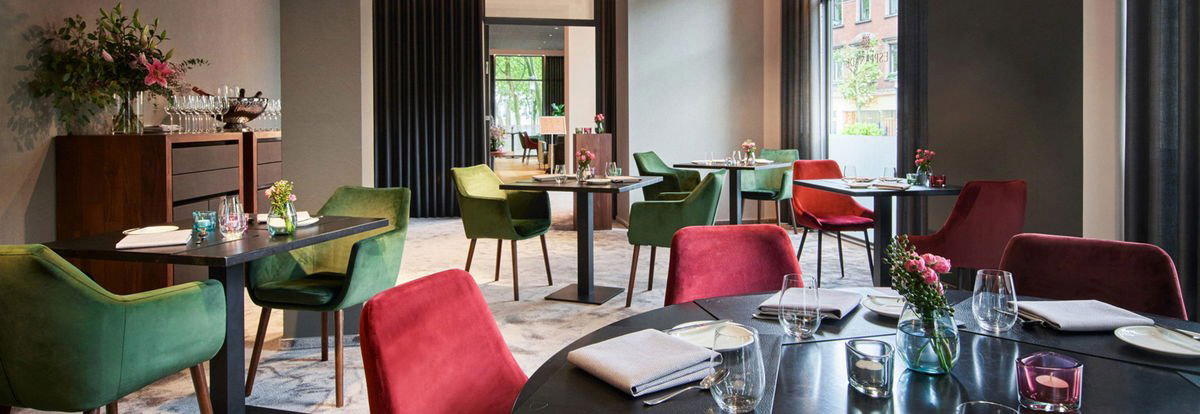
Bars in Saarbrücken
Browse all →
Hotels in Saarbrücken
Browse all →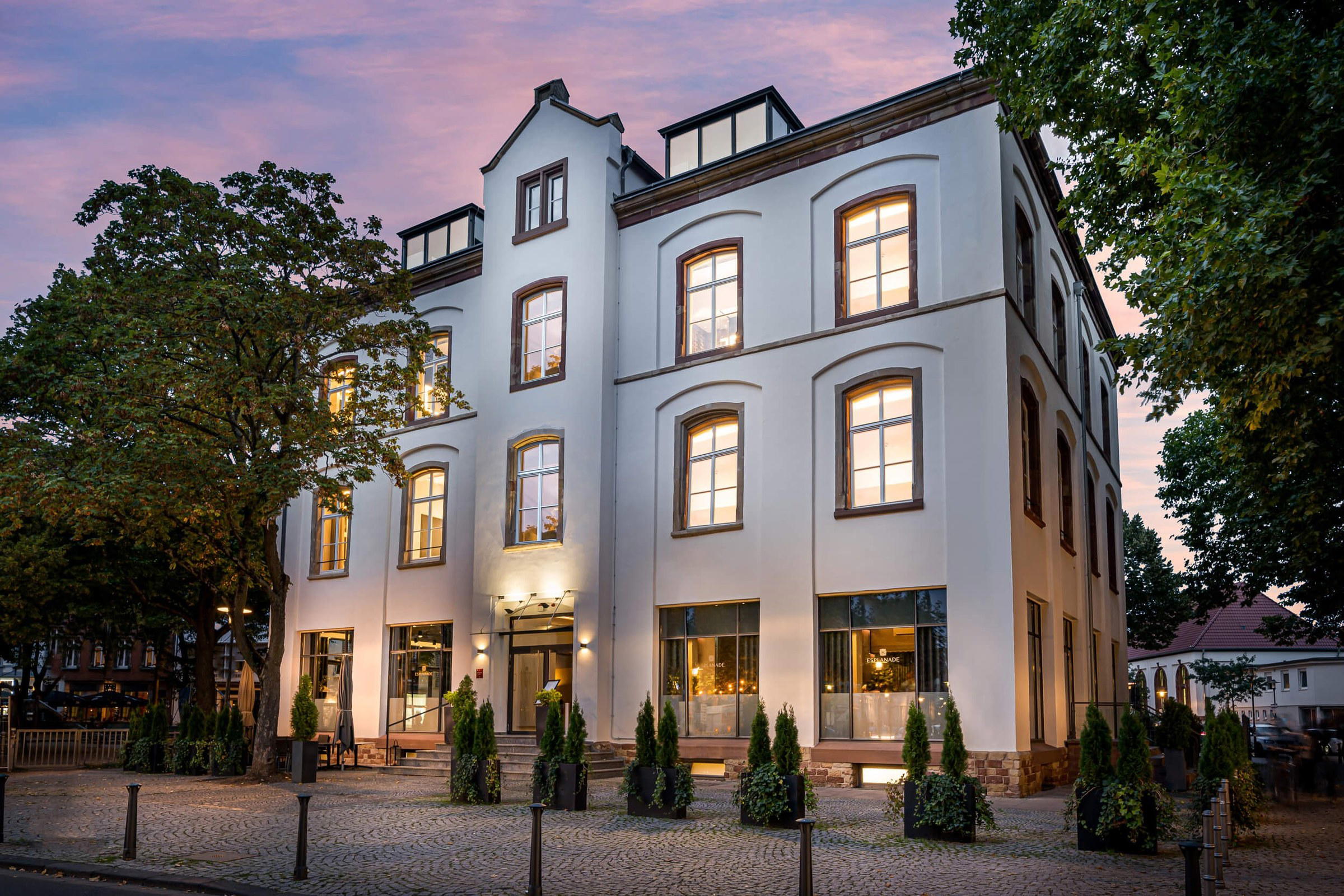
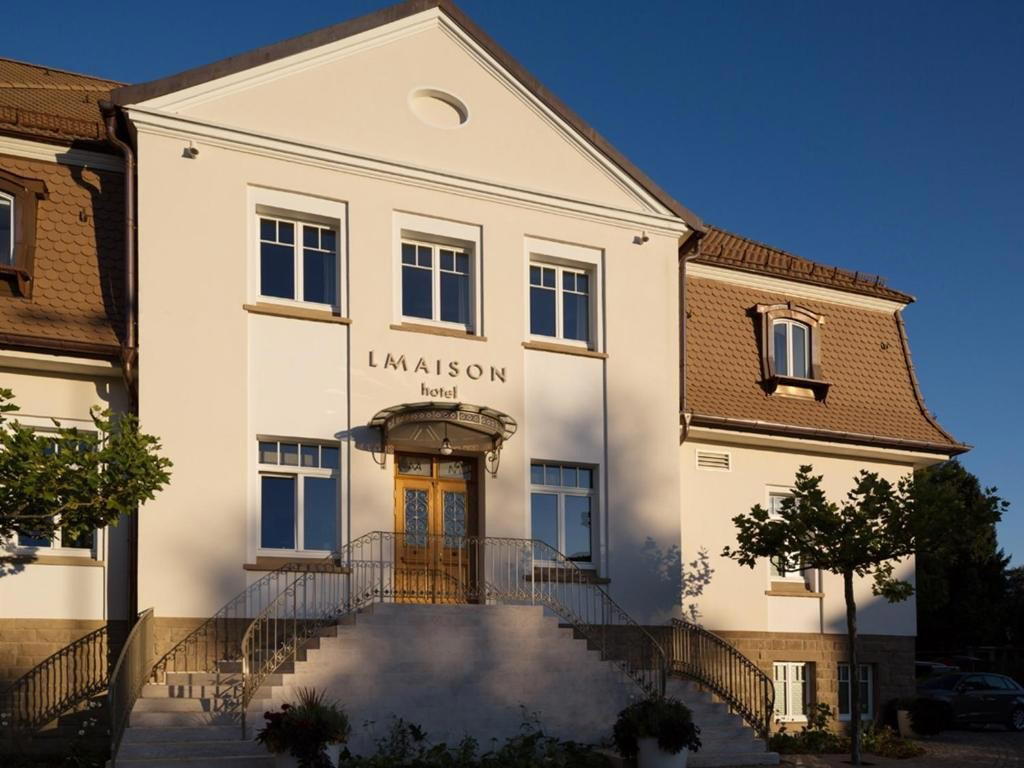
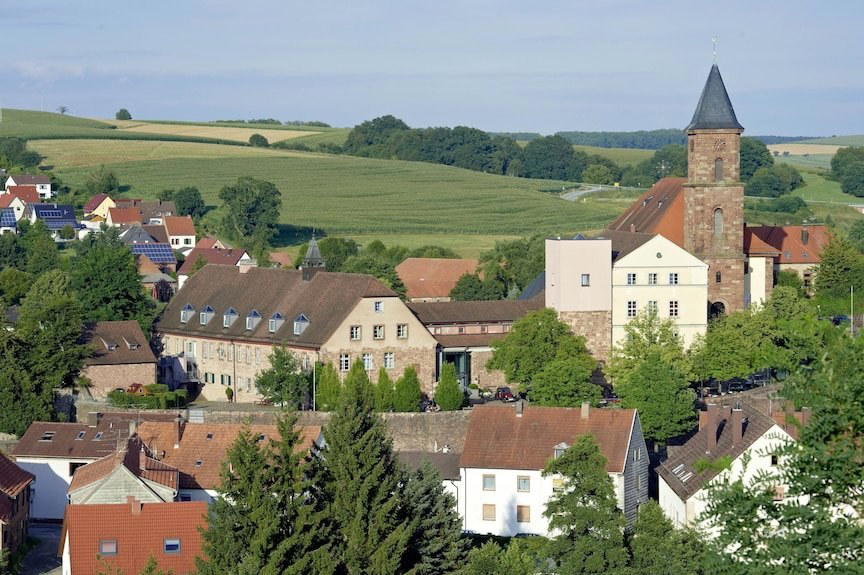
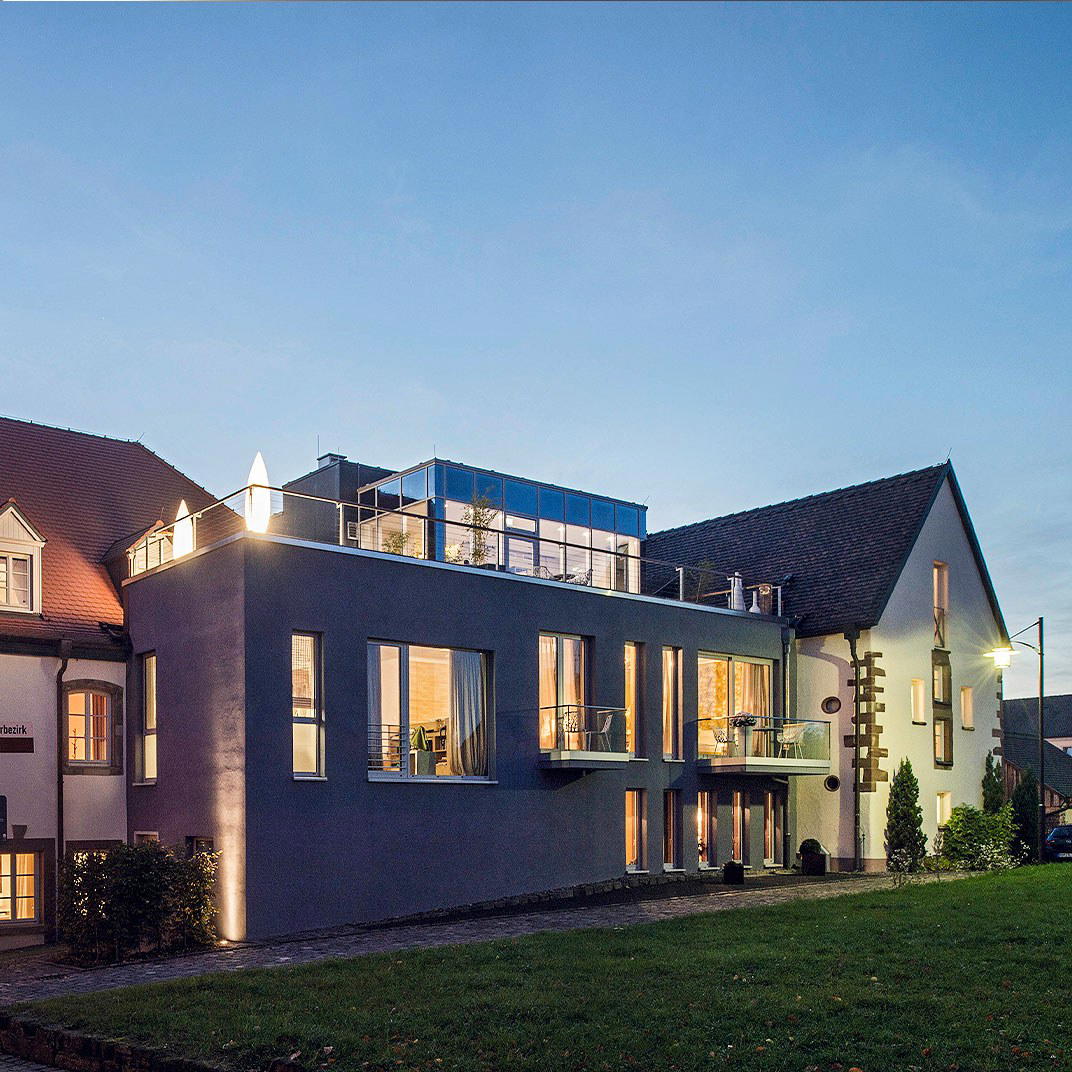

At a Glance
- Modern
- Elegant
- Cozy
- Date Night
- Business Dinner
- Special Occasion
- Historic Building
Current opening hours
- Monday
- Closed
- Tuesday
- 12–2 PM, 6–10:30 PM
- Wednesday
- 12–2 PM, 6–10:30 PM
- Thursday
- 12–2 PM, 6–10:30 PM
- Friday
- 12–2 PM, 6–10:30 PM
- Saturday
- 6–11 PM
- Sunday
- Closed
Hours can change for holidays and private events. Last verified .
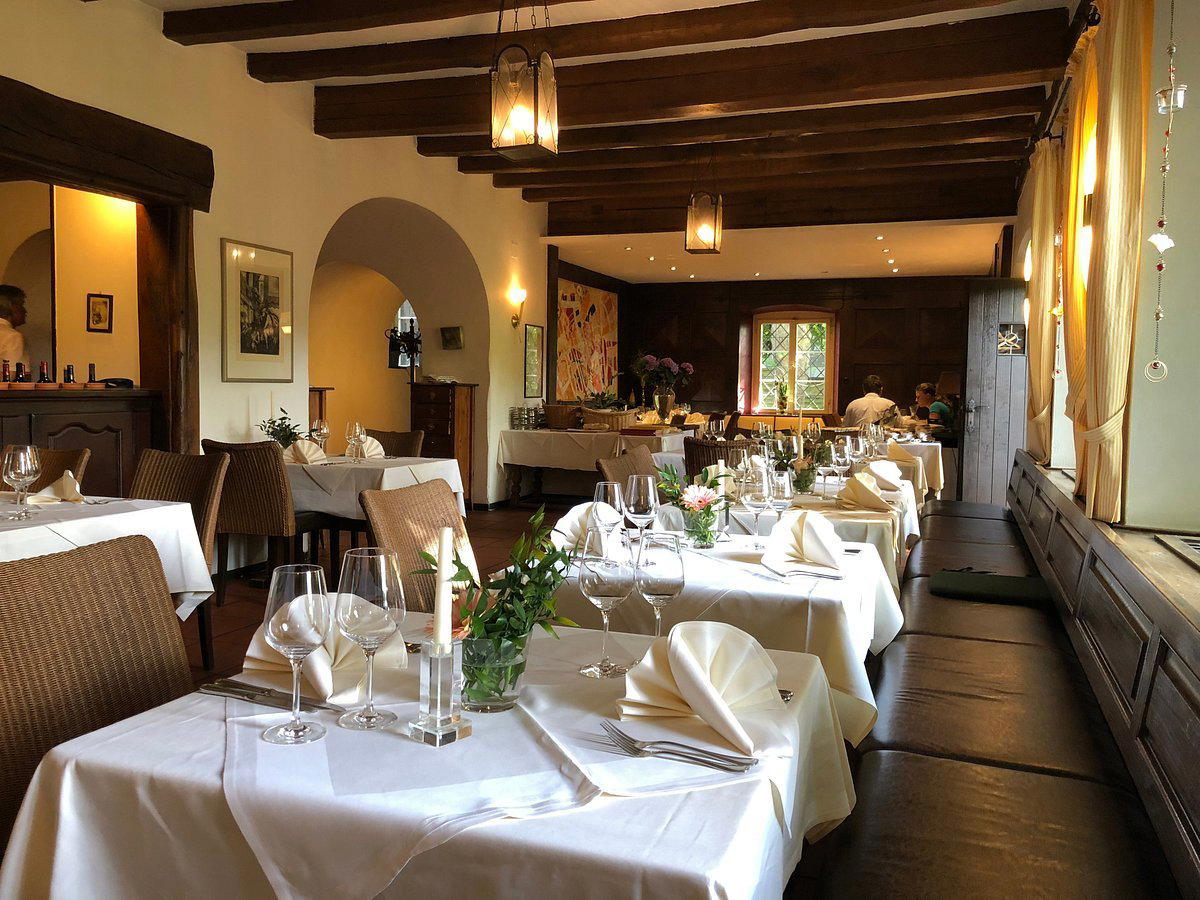
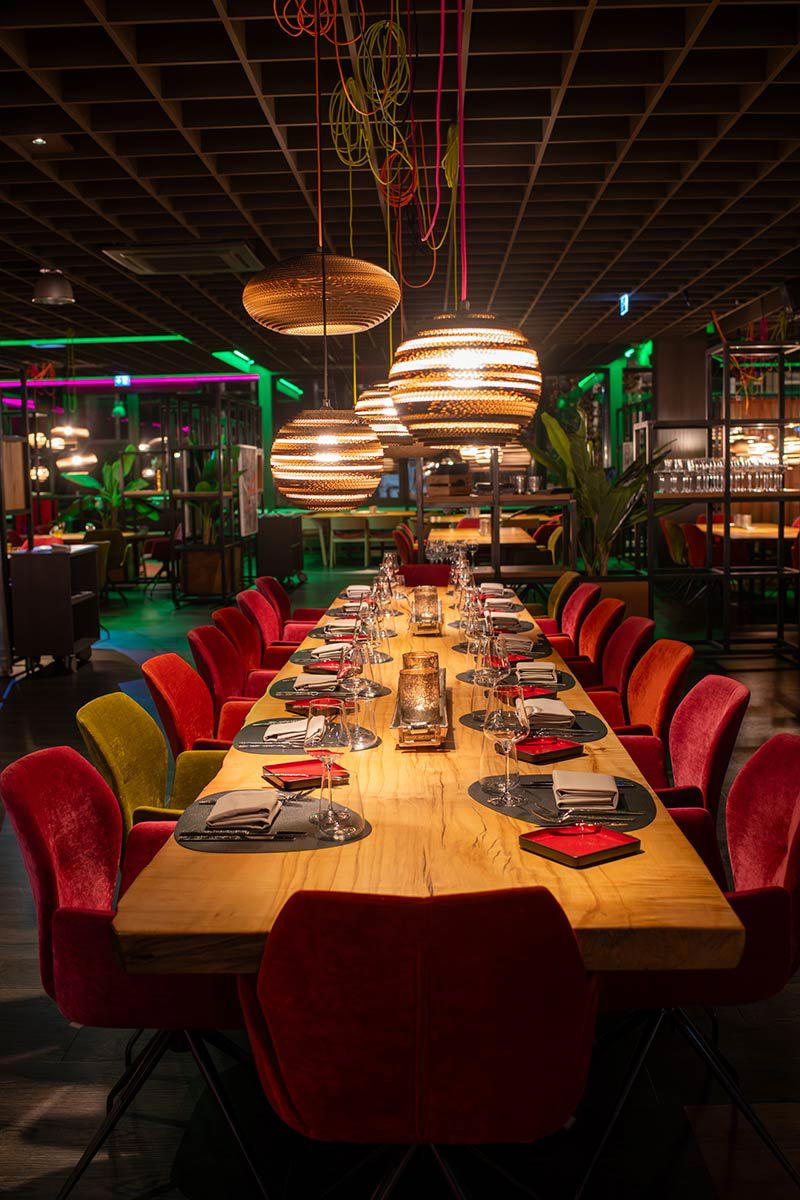
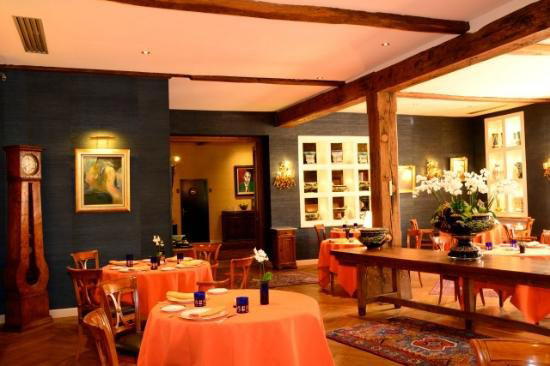
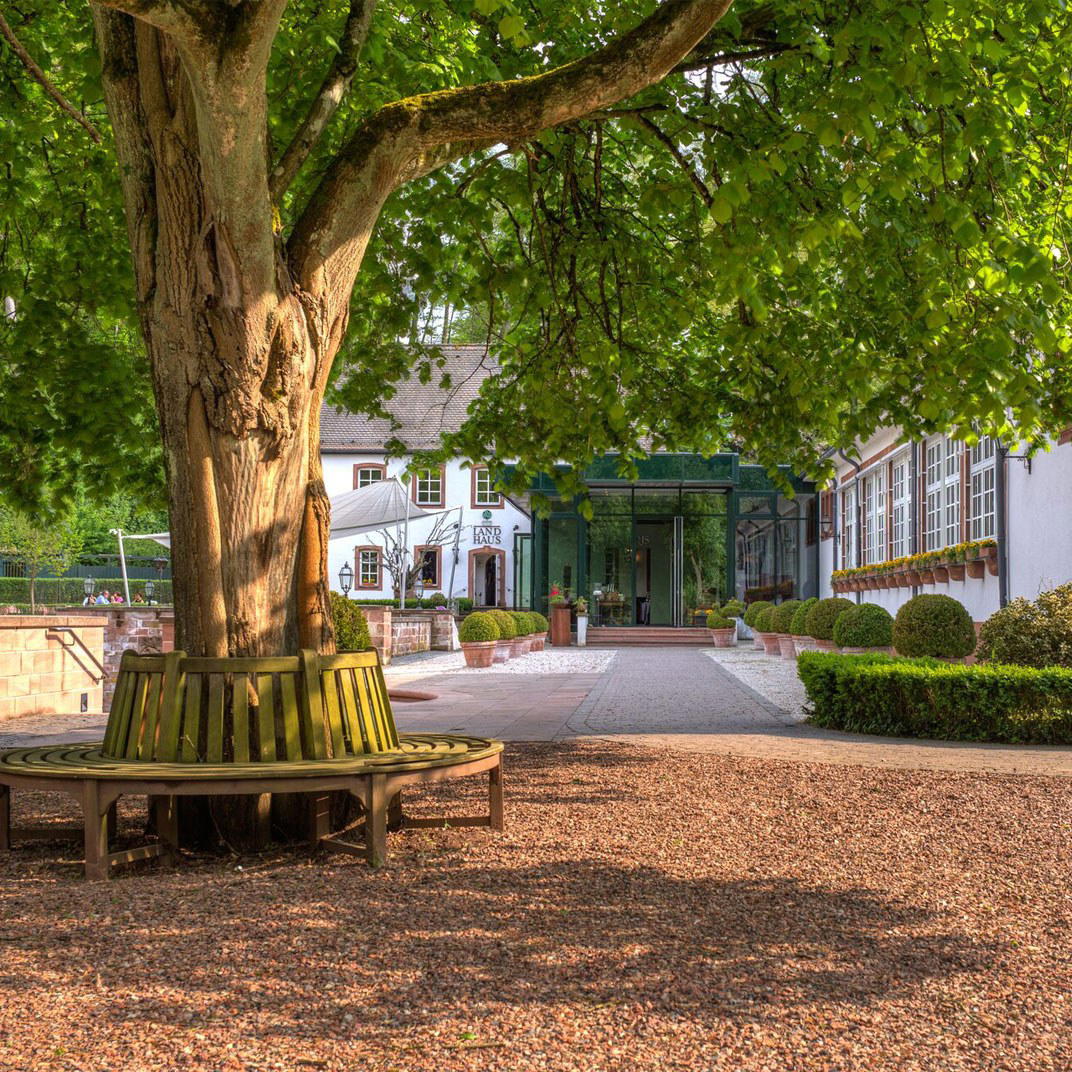
Leger modern interior harmoniously integrated into a baroque building, stylish and inviting atmosphere.