Indochine
Indochine on Klausenerstraße brings Southeast and South Asian culinary traditions to Saarbrücken's increasingly diverse dining scene. In a city better known for its French-influenced fine dining corridor, the restaurant occupies a distinct position, offering a different register of flavour and cultural reference. For travellers moving through the Saar region, it represents a counterpoint to the classic European options nearby.
Pearl is the En Primeur Club membership app — saves, bookings, and concierge access live there. Same editors, same standards.
- Address
- Klausenerstraße 23, 66115 Saarbrücken, Germany
- Phone
- +4968196778708
- Website
- indochine-sb.com
- Directions
- Get directions
 Saves & bookings on Pearl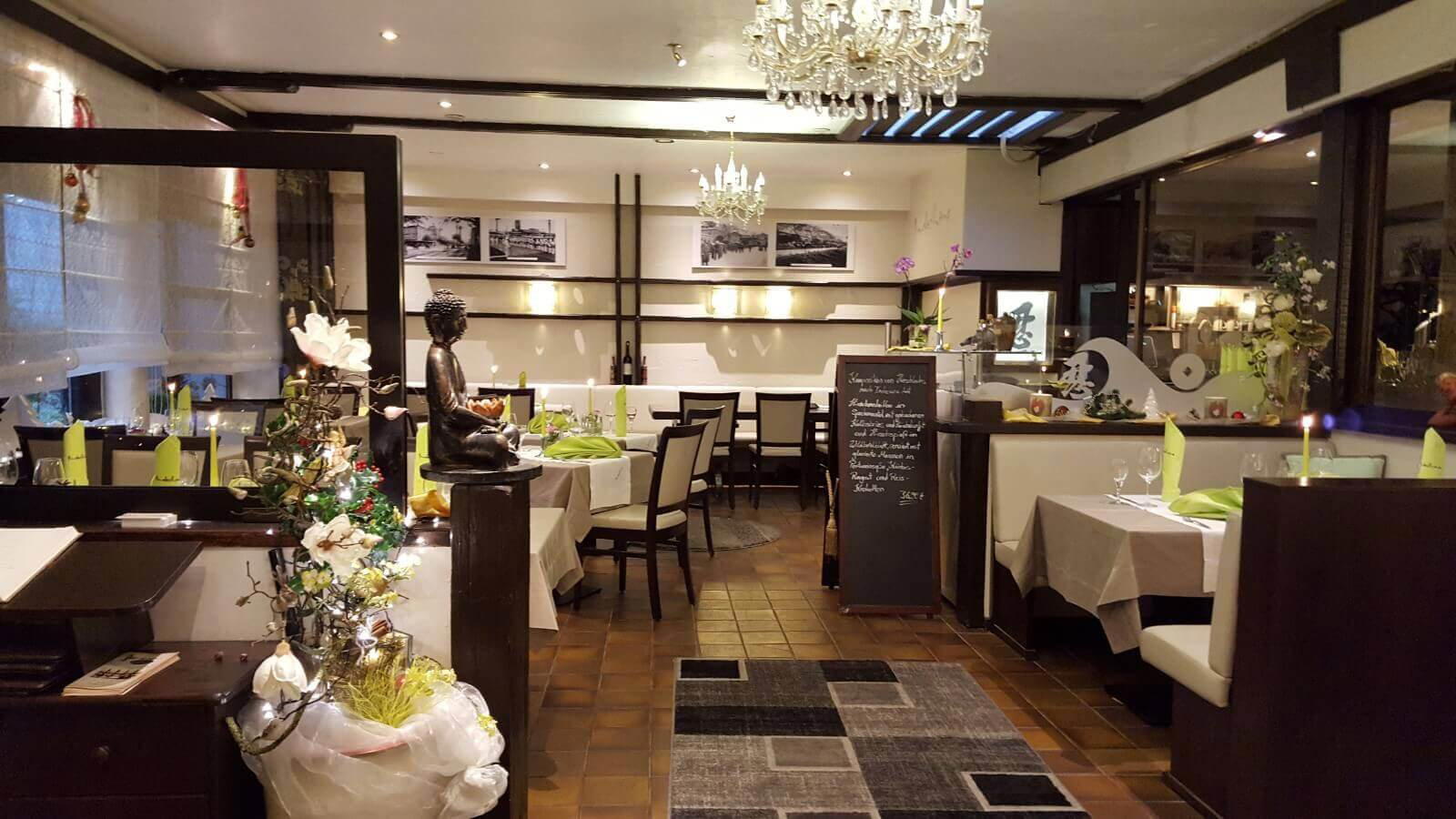
A Different Register on the Saar
Saarbrücken's restaurant identity has long been shaped by its geography: a German city pressed against the French border, with a fine dining tradition that leans heavily on classical French technique. The names that draw outside attention, Esplanade and GästeHaus Klaus Erfort, sit at the summit of that Franco-German register, while Indochine at Klausenerstraße 23 offers Fine French and Vietnamese Fusion at about $80 per person. Alongside them, a second tier of more casual options, from Fratelly's Food Kartell to Gusto Premium Steakhouse, covers the mid-market. Saarbrücken has historically lacked a strong tradition of Asian dining operating on its own cultural terms rather than adapted for central European palates.
Indochine, at Klausenerstraße 23 in the 66115 postal district, addresses that gap directly. The name itself signals a specific culinary geography: Indochina, the colonial-era designation for what is now Vietnam, Laos, and Cambodia, a region whose cooking traditions are among the more distinct in Southeast Asia. The framing sets an expectation of layered, herb-forward cooking that operates at a different pace and register than the butter-and-reduction school dominant elsewhere in the city.
What the Cuisine Represents
Indochinese cooking, in the culinary rather than political sense, is defined by a set of techniques and flavour principles that differentiate it sharply from both Chinese and Thai traditions, with which it is frequently and incorrectly conflated. The balance point is brightness rather than heat, with fresh herbs, Vietnamese coriander, perilla, lemongrass, kaffir lime, doing structural work that butter or cream would do in a classical French context. Fish sauce and fermented shrimp paste provide depth without the sweetness that defines much Thai-influenced restaurant cooking in Europe.
In Germany more broadly, Vietnamese restaurants proliferated from the 1980s onward, largely through the settlement of contract workers and their families in East Germany, and later through migration patterns that spread Vietnamese communities across reunified Germany. Berlin developed the densest and most varied scene, producing a range of operations from street-level bánh mì shops to more considered pho specialists. Cities like Saarbrücken, with smaller Vietnamese communities and a dining market oriented toward French and German traditions, have seen slower development of this segment. That context matters when assessing what Indochine represents locally: it is not competing in a crowded field, but occupying space that is genuinely underserved relative to the culinary sophistication of its peer city.
Comparable benchmarks exist elsewhere in Germany for those calibrating expectations. At the higher end of the national dining spectrum, addresses like JAN in Munich and Aqua in Wolfsburg demonstrate what German fine dining can achieve when pushing technical boundaries; CODA Dessert Dining in Berlin shows what happens when a city develops genuine depth in a specialist format. Indochine is not operating in that award-driven tier, but the broader lesson holds: German cities increasingly support restaurants that are structured around a coherent culinary identity rather than a generalized European offer.
The Klausenerstraße Setting
Klausenerstraße sits in a residential-commercial mix typical of Saarbrücken's inner neighbourhoods, away from the main pedestrian zones and the tourist-facing blocks around the Schlossplatz. This is the kind of address that a restaurant occupies when it is building a local following rather than positioning for visiting trade. The street does not announce itself, and the walk from the city centre, through ordinary urban fabric rather than historic set pieces, prepares a certain kind of visitor and filters out another. Restaurants in this position tend to survive or fail on the loyalty of repeat diners rather than on footfall, which shapes both the pricing dynamic and the service register.
In a city whose French-leaning peers include addresses at the €€€€ price point, a neighbourhood Asian restaurant on Klausenerstraße is likely operating at a different price tier, accessible rather than occasion-specific. That positioning matters for how you approach it: this is a place to eat well and frequently, not to mark a professional milestone or impress a client with a Michelin context. For those already familiar with the French end of the Saarbrücken spectrum, Indochine offers a genuinely different reason to go out.
Where It Sits in the City's Eating Pattern
Saarbrücken's dining map has a clear hierarchy. At the leading, the Franco-German fine dining houses attract visitors from across the Saar region and from across the French border, where Michelin culture is deeply embedded. Below that, a mid-market of steakhouses, Italian-influenced kitchens, and contemporary European addresses serves the city's professional class. Asian restaurants, including Halbmond Restaurant and others serving Middle Eastern and broadly international cooking, operate in a parallel track that rarely intersects with the fine dining conversation.
Indochine belongs to this parallel track, but the Indochinese framing gives it a more specific identity than a generalised pan-Asian offer. Across Germany's restaurant scene, the gap between Vietnamese street-food concepts and genuinely considered Vietnamese cooking in a sit-down format remains significant. Operations that bridge that gap, delivering the actual complexity of the cuisine rather than a simplified European adaptation, tend to build durable audiences. Internationally, restaurants like Le Bernardin in New York City and Atomix in New York City demonstrate what happens when a cuisine is taken seriously on its own structural terms rather than filtered through local expectations; the same principle applies at every price point.
For a fuller picture of where Indochine sits relative to the broader Saarbrücken eating scene, from the two-Michelin-star level down to casual neighbourhood addresses, the EP Club Saarbrücken restaurants guide maps the city's options across cuisine types and price tiers. Those travelling through the wider region should also note that serious cooking exists within driving range: Victor's Fine Dining by Christian Bau in Perl, Waldhotel Sonnora in Dreis, and Schanz in Piesport represent the high end of the Saar-Mosel-Rhine corridor, with additional reference points in Schwarzwaldstube in Baiersbronn, Vendôme in Bergisch Gladbach, ES:SENZ in Grassau, and Restaurant Haerlin in Hamburg.
Planning Your Visit
Indochine is located at Klausenerstraße 23, 66115 Saarbrücken. Current opening hours are Mon: 12-2:30 PM, 6-10:30 PM; Tue: Closed; Wed-Sun: 12-2:30 PM, 6-10:30 PM. Reservations are recommended. The neighbourhood setting suits repeat local diners, and reservations are recommended. The dress code is smart casual.
Booking and Cost Snapshot
Comparable venues nearby, for context on price, style, and recognition.
| Venue | Cuisine | Price | Notes |
|---|---|---|---|
| IndochineThis venue — the venue you are viewing | Not listed | $$$ | Not listed |
| Fratelly's Food Kartell | South, Italian-Lebanese Fusion | Not listed | Not listed |
| Gusto Premium Steakhouse | Not listed | $$$ | St. Johanner Markt, Premium Steakhouse |
| Schlachthof Brasserie | Not listed | $$$ | Saarbrücken, French Brasserie & Steakhouse |
| Monsun | Not listed | $$ | Saarbrücken Zentrum, Asian Streetfood & Cocktails |
| Ristorante Roma - Saarbrücken | Not listed | $$$ | Saarbrücken Altstadt, Traditional Italian Fine Dining |
Continue exploring
More in Saarbrücken
Restaurants in Saarbrücken
Browse all →
Bars in Saarbrücken
Browse all →
Hotels in Saarbrücken
Browse all →
At a Glance
- Elegant
- Cozy
- Sophisticated
- Date Night
- Business Dinner
- Special Occasion
- Extensive Wine List
- Local Sourcing
Current opening hours
- Monday
- 12–2:30 PM, 6–10:30 PM
- Tuesday
- Closed
- Wednesday
- 12–2:30 PM, 6–10:30 PM
- Thursday
- 12–2:30 PM, 6–10:30 PM
- Friday
- 12–2:30 PM, 6–10:30 PM
- Saturday
- 12–2:30 PM, 6–10:30 PM
- Sunday
- 12–2:30 PM, 6–10:30 PM
Hours can change for holidays and private events. Last verified .
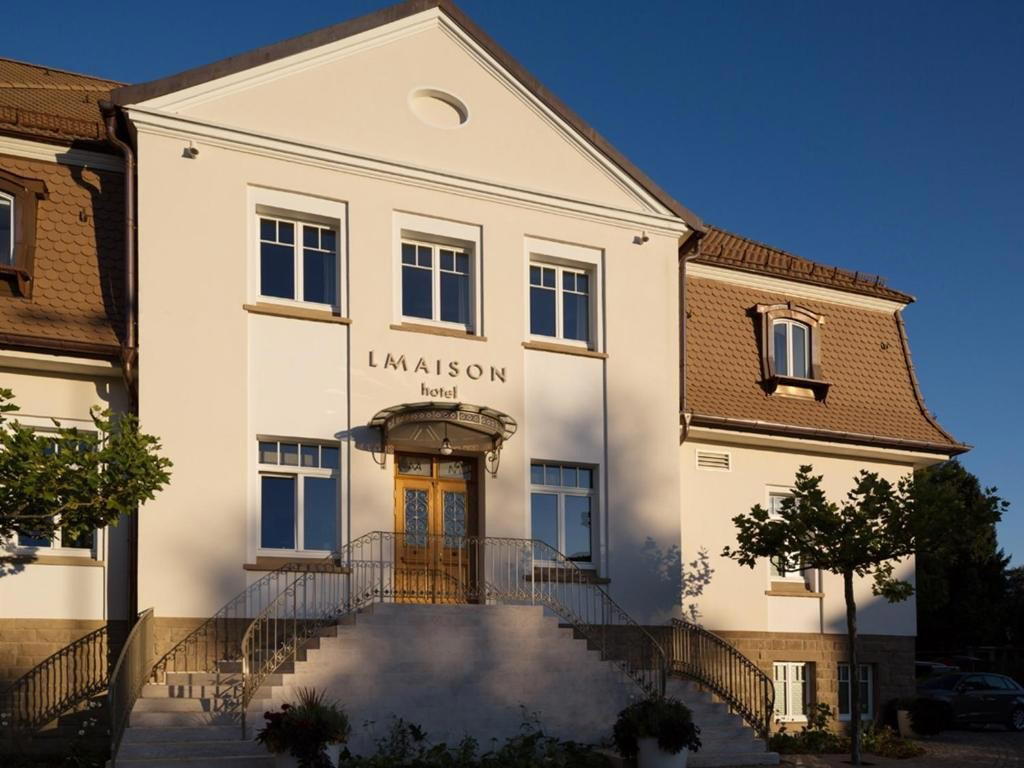
Relaxed atmosphere with beautiful ambiance, friendly staff, and fine dining setting.