Restaurant Frohsinn
In the Aargau town of Seon, Restaurant Frohsinn occupies a address on Seetalstrasse that places it squarely within the Swiss tradition of the gasthaus-turned-serious-kitchen. The restaurant sits in a regional dining corridor that runs between Zurich and Lucerne, where mid-sized towns have quietly supported destination-level cooking for decades. For visitors crossing the Swiss Mittelland, it represents a considered stop in a part of the country that rarely makes international press but rewards those who pay attention.
Pearl is the En Primeur Club membership app — saves, bookings, and concierge access live there. Same editors, same standards.
- Address
- Seetalstrasse 11, 5703 Seon, Switzerland
- Phone
- +41627752182
- Website
- frohsinn-seon.ch
- Directions
- Get directions
 Saves & bookings on Pearl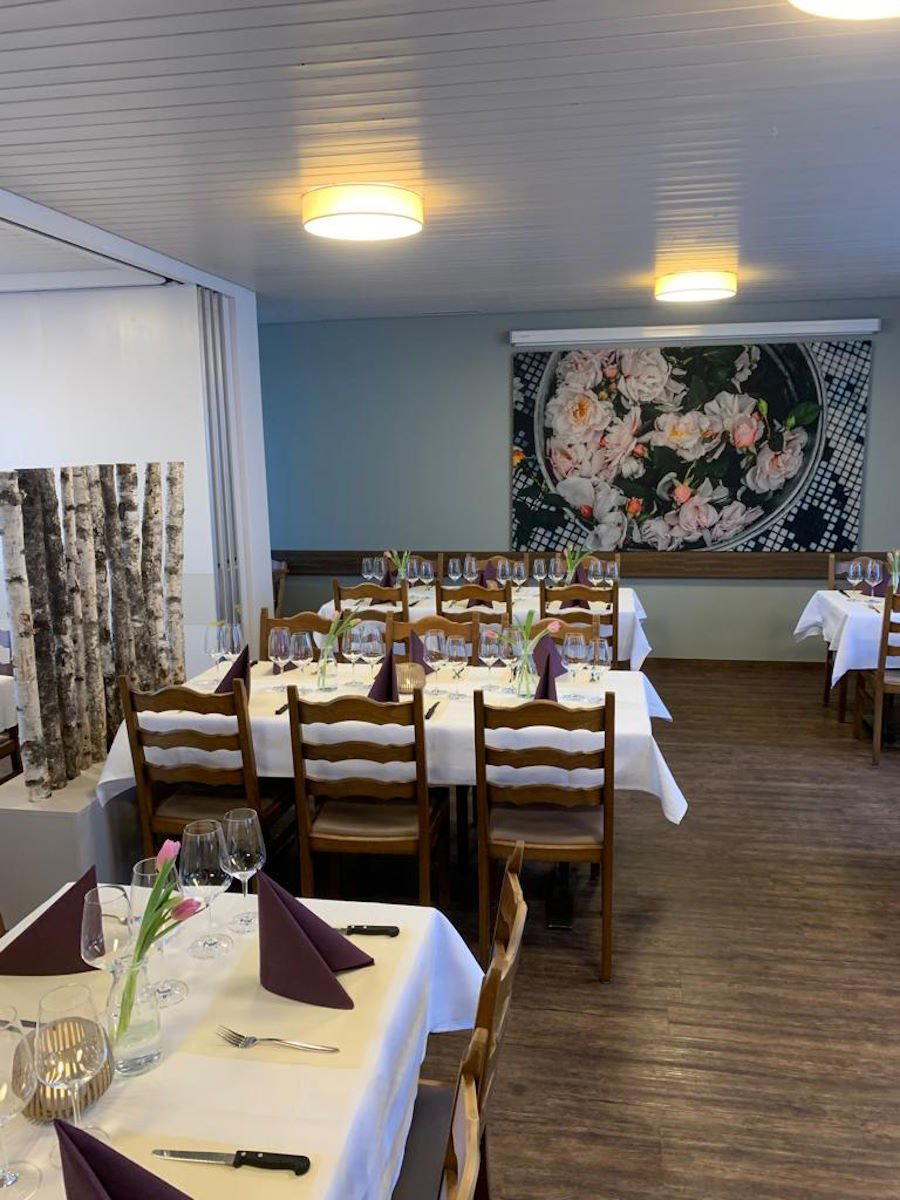
Between Zurich and Lucerne: The Aargau Dining Corridor
The Swiss Mittelland does not court attention the way Alpine resort towns do, and Aargau in particular tends to function as connective tissue between better-publicised cantons. That relative quietness has, over time, allowed a specific kind of restaurant to take root here: establishments tied to local agricultural rhythms, operating without the pressure of a tourist economy, and cooking for a local clientele that expects value, honesty, and seasonal discipline in equal measure. Restaurant Frohsinn, on Seetalstrasse in Seon, sits inside that tradition. The address puts it on a route used by both local regulars and travellers moving between the Zurich agglomeration and the Lucerne basin, giving it a dual identity that many Swiss Mittelland kitchens share.
This part of Aargau produces grain, dairy, and orchard fruit at a scale that most Swiss cantons cannot match, and the leading kitchens in the region have historically known how to use that proximity. The sourcing logic that defines serious cooking in Switzerland, at every price tier, runs through exactly this kind of geography. Where three-Michelin-star kitchens like Hotel de Ville Crissier in Crissier or Schloss Schauenstein in Fürstenau work with named farms and traceable supply chains as a matter of prestige, the regional gasthaus tradition from which venues like Frohsinn descend did it first as a matter of practicality. The farmer down the road was simply the most reliable supplier.
What the Building Signals Before You Order
Arriving at a Swiss Mittelland gasthaus on a weekday evening, the physical environment communicates the kitchen's priorities faster than any menu preamble. Frohsinn's position on Seetalstrasse 11 in Seon places it in the type of small-town setting common to this part of Aargau: a building anchored to its street, visible from the road, without the resort-scale hospitality infrastructure that attaches to destinations in Vals or St. Moritz. That absence of spectacle is itself informative. Kitchens that operate in these conditions earn their clientele through consistency and ingredient quality rather than atmosphere as a product. The cooking has to carry the room.
The Swiss gasthaus format, at its functional core, operates around a dining model built on shared space and accessible pricing, with the leading examples using that accessibility to cover serious sourcing costs rather than to inflate margins. It is a different competitive calculus from the one governing high-ticket tasting-menu restaurants such as Memories in Bad Ragaz or focus ATELIER in Vitznau, where the investment in ingredients is made visible through elaborate presentation and extended service. Here, the same seasonal logic can produce a dish that arrives without ceremony but with equally considered provenance behind it.
Sourcing Logic in the Swiss Mittelland
Aargau's agricultural output gives kitchens in Seon and its surrounding towns access to a supply network that larger Swiss cities have to work harder to replicate. Orchard fruit from the Seetal valley, dairy from the surrounding farms, and freshwater fish from regional lakes and rivers form the backbone of what a serious Mittelland kitchen can put on a plate without importing anything. In the Swiss fine-dining tier, this localisation has become a marketing language; at the gasthaus level, it remains operational logic. The distinction matters when assessing what a restaurant like Frohsinn is actually doing, as opposed to how it might describe itself.
Across the Swiss restaurant spectrum, from Cheval Blanc by Peter Knogl in Basel to 7132 Silver in Vals, the most credible sourcing claims are tied to geography. A kitchen in Seon that sources from within its own valley is not making a lifestyle statement; it is responding to what is available, fresh, and affordable at the point of purchase. That responsiveness to the local growing calendar shapes the menu more reliably than any stated philosophy, and it is the reason that Swiss Mittelland cooking, at its most attentive, can punch above the expectation set by its price point and its postcode.
Other regional Swiss restaurants making similar use of their agricultural surroundings include Magdalena in Schwyz and Maison Wenger in Le Noirmont, both of which demonstrate how a strong regional identity in sourcing can generate a distinct kitchen character that does not depend on metropolitan scale or international recognition to function. Frohsinn operates in this same territory, where the identity of the cooking is inseparable from the landscape it draws from.
Where Frohsinn Sits in the Wider Swiss Dining Picture
Switzerland's restaurant hierarchy is more stratified than its compact geography suggests. At the leading, internationally recognised tasting-menu operations like IGNIV Zürich by Andreas Caminada, La Table du Lausanne Palace, and Einstein Gourmet in Sankt Gallen compete on precision, creative range, and European critical recognition. Below that, and not always far below in terms of actual kitchen quality, sit the regional gasthouses and bourgeois restaurants that have fed Switzerland's non-urban population for generations. Frohsinn belongs to this second category, where the competitive benchmark is local trust rather than international acclaim. That is a different kind of rigour, but it is rigour nonetheless.
For visitors oriented toward destination dining, the point of reference might be somewhere like Colonnade in Lucerne or La Brezza in Ascona, both of which occupy a similar middle tier of Swiss hospitality with a strong local identity. Internationally, the analogy is closer to the neighbourhood bistro model than to the prestige formats represented by Le Bernardin in New York City or Atomix. The relevant question for a visitor to Seon is not how Frohsinn compares to a starred kitchen in Lausanne or Geneva, but whether it does what this category does well, which means seasonal cooking grounded in local supply, served without theatrical overhead, at a price point that reflects actual costs rather than destination premiums.
Planning a Visit: Practical Notes
Seon is accessible by rail from both Zurich and Lucerne, with the town sitting on a regional line that makes it a realistic stop for visitors not renting a car. The address on Seetalstrasse is walkable from the train station. Because detailed booking information is not currently published through major reservation platforms, contacting the restaurant directly before a visit is advisable, particularly for larger groups or weekend evenings when local demand tends to be higher. Swiss Mittelland restaurants of this type often operate without a strong online presence but maintain consistent service hours for a local clientele, meaning a phone call or in-person enquiry remains the most reliable approach. See our full Seon restaurants guide for broader context on dining in the area, including comparable options within the same town and the surrounding Seetal valley. For visitors moving between Zurich and Lucerne with time to stop, Seon represents a practical and substantive detour into a part of Swiss food culture that operates on its own terms, outside the circuits of critical recognition that shape the country's better-known restaurant destinations.
How Restaurant Frohsinn Seon compares with similar nearby venues.
| Venue | Cuisine | Price |
|---|---|---|
| Linde | Country cooking | €€ |
| Rosmarin | Modern Cuisine | €€€€ |


At a Glance
- Cozy
- Rustic
- Classic
- Casual Hangout
- Group Dining
- Family
- Standalone
- Local Sourcing
Current opening hours
- Monday
- Closed
- Tuesday
- Closed
- Wednesday
- 8:30 AM–12 AM
- Thursday
- 8:30 AM–12 AM
- Friday
- 8:30 AM–12 AM
- Saturday
- 8:30 AM–12 AM
- Sunday
- 9:30 AM–10 PM
Hours can change for holidays and private events. Last verified .
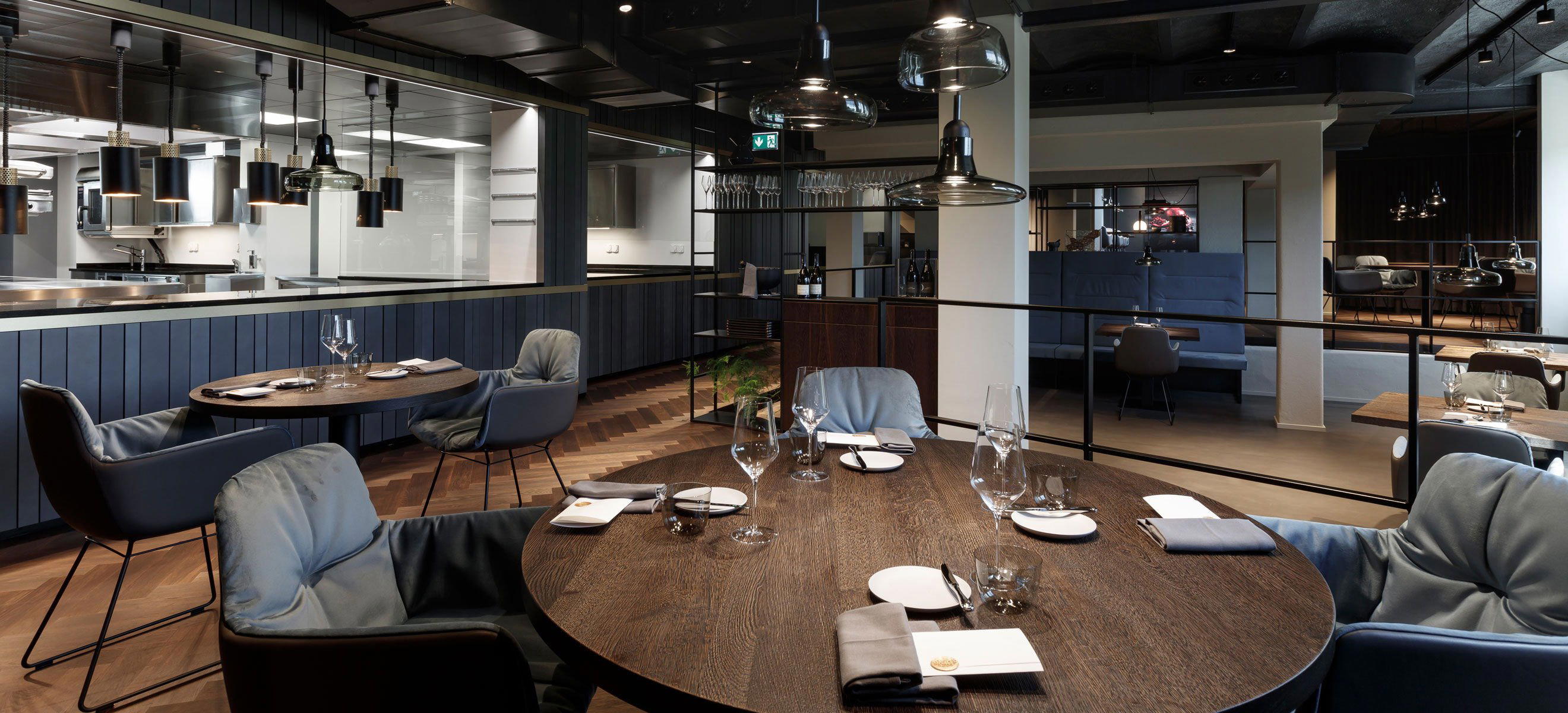
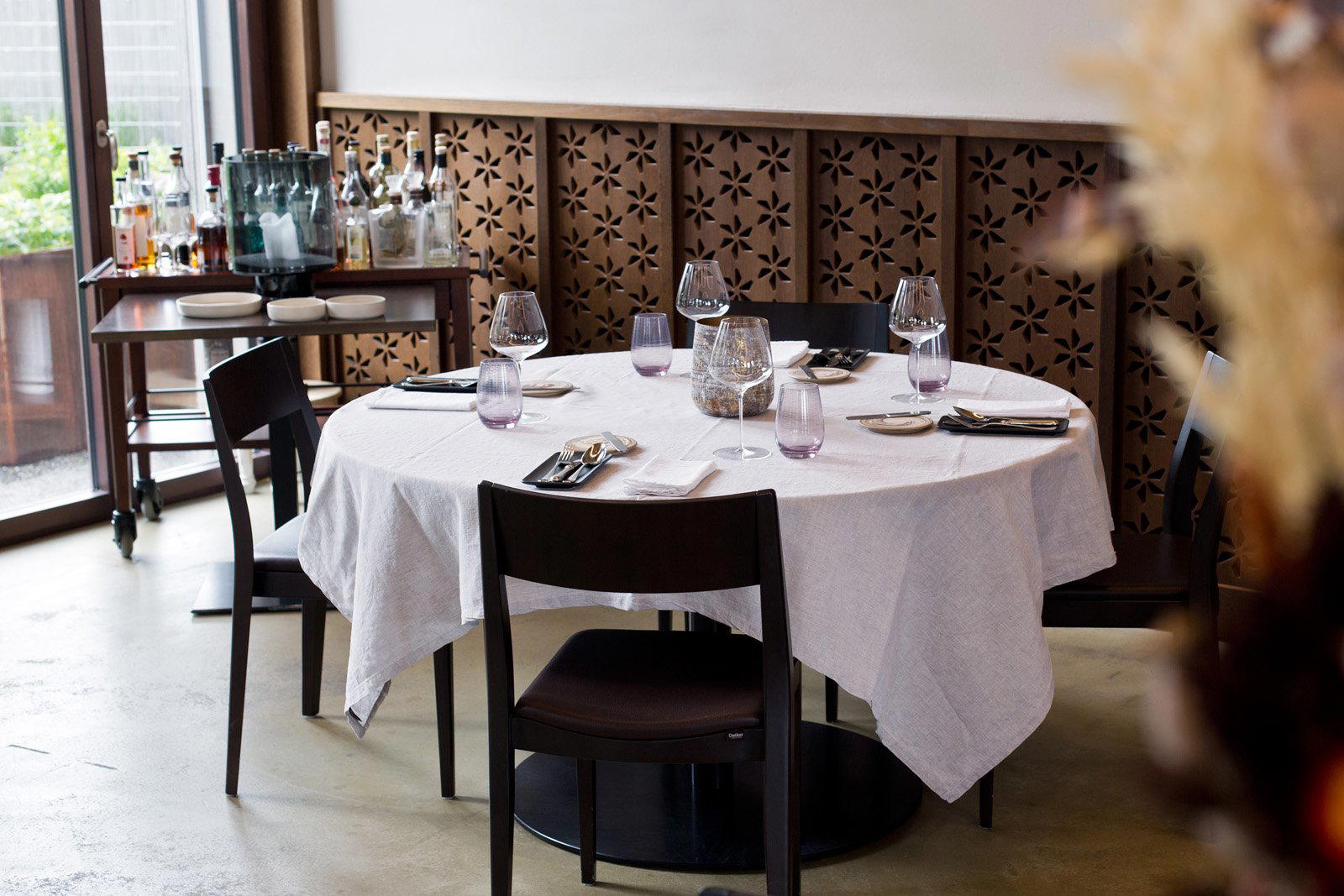
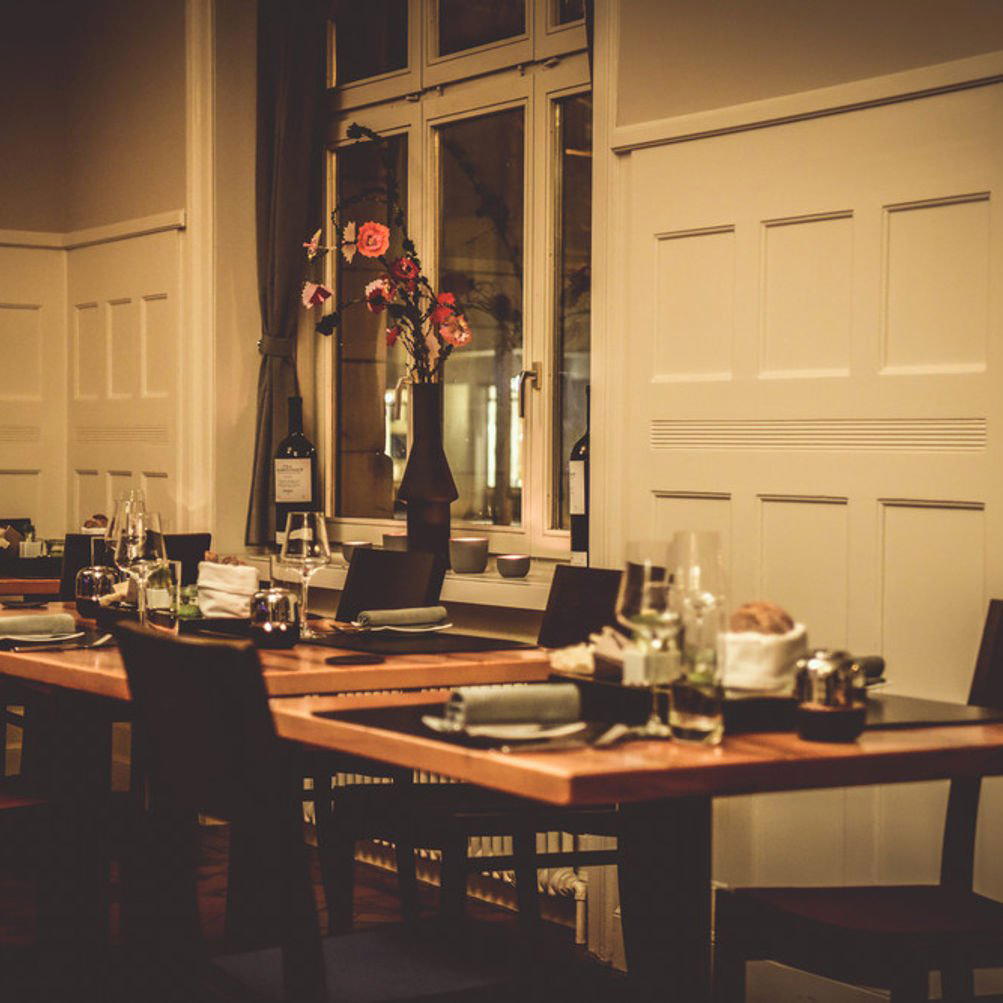
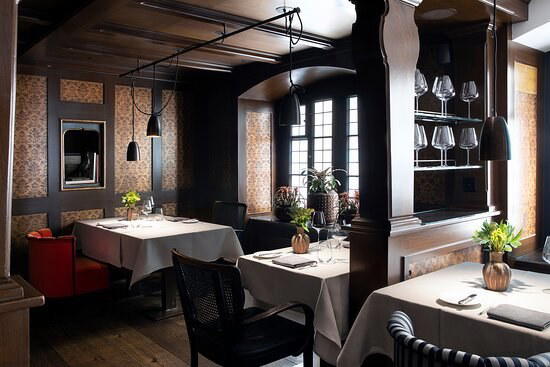
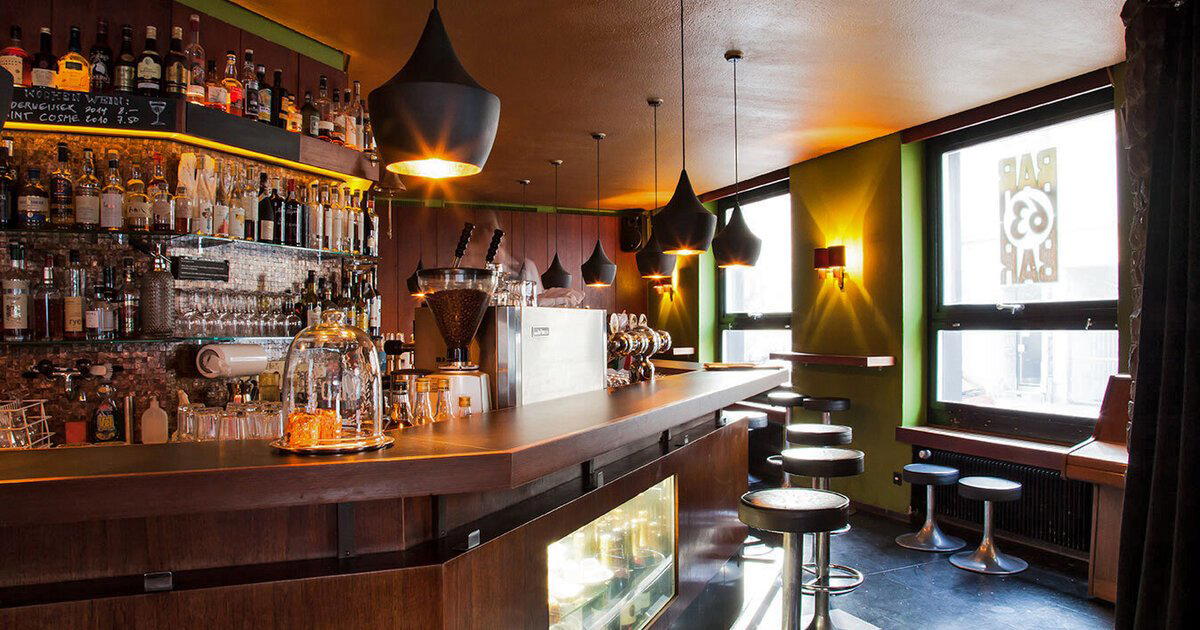
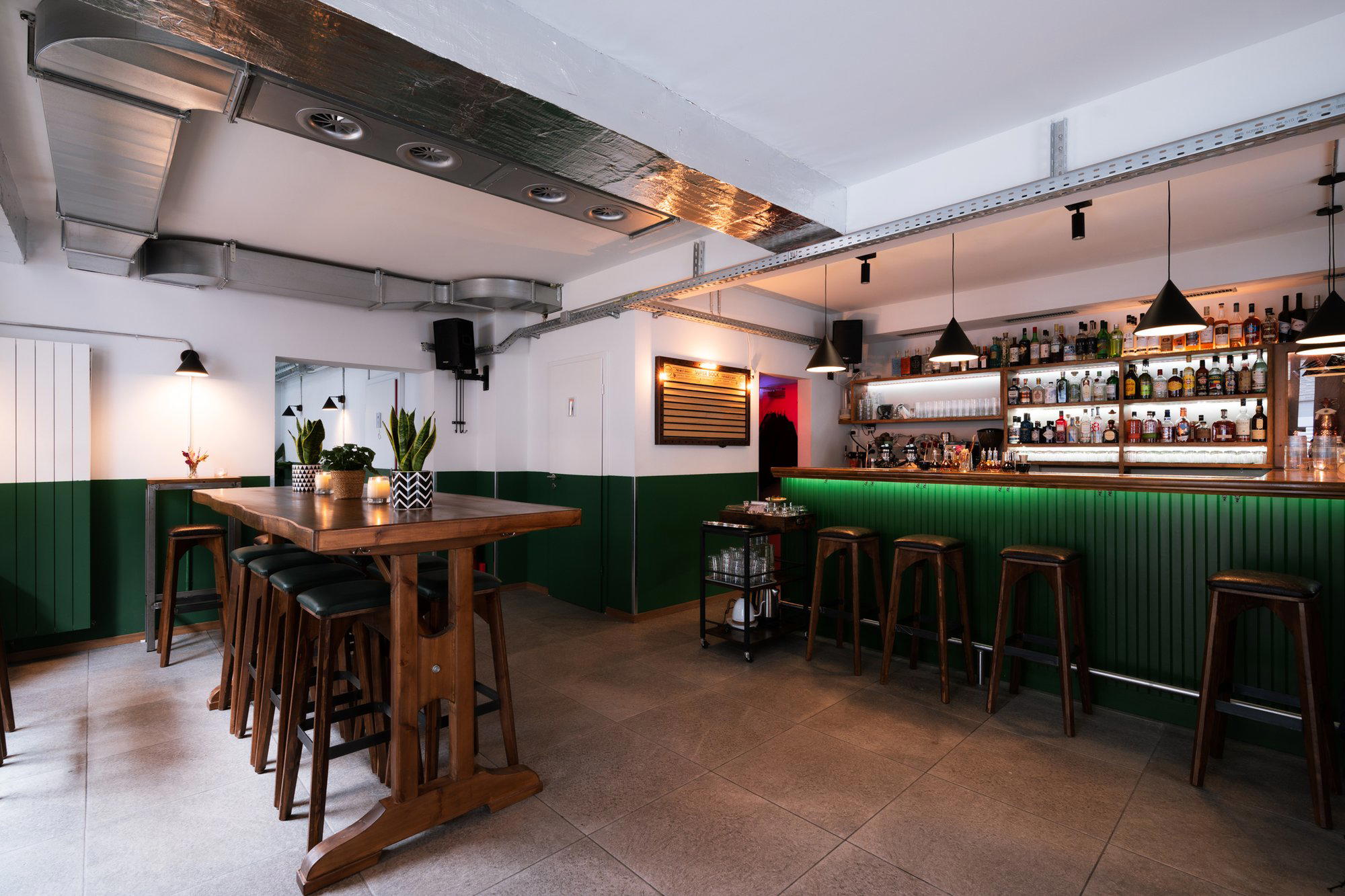
Warm and inviting atmosphere with a charming, welcoming character; described as a cozy inn with down-to-earth appeal.
Know Before You Go
- Getting there
- Seetalstrasse 11, 5703 Seon, Switzerland