Rosengarten
Rosengarten sits on Gemeindestrasse 60 in Zurich's Seefeld district, a neighbourhood where Swiss culinary ambition and international technique have long intersected. The address places it among a tier of Zurich restaurants where kitchen craft draws on both Alpine produce and methods imported from broader European traditions. For visitors building a serious dining itinerary across the city, it warrants attention alongside the wider Zurich fine-dining conversation.
Pearl is the En Primeur Club membership app — saves, bookings, and concierge access live there. Same editors, same standards.
- Address
- Gemeindestrasse 60, 8032 Zürich, Switzerland
- Phone
- +41442513736
- Website
- rosengarten.ch
- Directions
- Get directions
 Saves & bookings on Pearl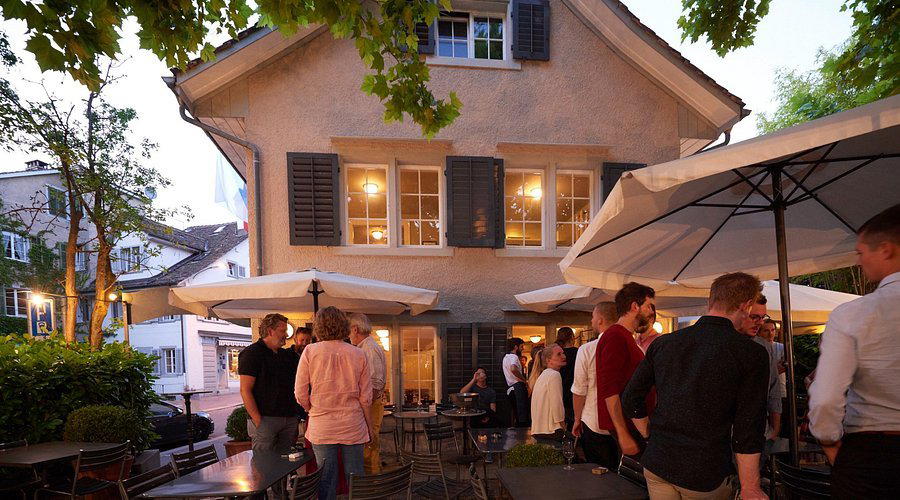
Where Alpine Produce Meets a Broader European Kitchen Tradition
Zurich's dining scene has spent the better part of two decades resolving a tension that most major European cities take for granted: how to treat local ingredients with the same technical seriousness that Paris or Copenhagen apply to their own larders. The city's answer has not been uniform. Some addresses, like IGNIV Zürich by Andreas Caminada, have imported sharing formats built around refined seasonal produce. Others, like The Counter and The Restaurant, operate in a creative register that treats Swiss terroir as raw material for internationally-trained imagination. Rosengarten, at Gemeindestrasse 60 in the Seefeld quarter, sits within this broader pattern.
Seefeld is a revealing location for a restaurant with ambitions. The neighbourhood runs along the eastern lakefront, its streets lined with a mix of long-established residents, professional households, and a dining public that expects both quality and a degree of neighbourhood ease. It is not the glossy hotel corridor of central Zurich, nor the deliberately rough-edged creative fringe of other districts. Restaurants here typically need to work across registers: serious enough for destination dining, comfortable enough for a Tuesday evening among locals. That dual expectation has shaped the kind of kitchen culture that takes root in the area.
The Intersection of Technique and Territory
Switzerland's culinary position within Europe is worth understanding before walking into any of its better kitchens. The country sits at the convergence of French, German, and Italian culinary traditions, and its fine-dining generation has drawn methodically from all three. The result, at its most considered, is a style of cooking where classical French technique, Central European respect for preservation and fermentation, and Italian directness with ingredients are applied to a Swiss larder of genuine depth: lake fish, mountain dairy, highland game, early-season roots from the Mittelland, and alpine herbs that no French market stocks.
This cross-border methodology is visible across Switzerland's most recognised addresses. Schloss Schauenstein in Fürstenau has built its three-Michelin-star identity around precisely this fusion of local sourcing and globally-informed technique. Hotel de Ville Crissier in Crissier operates from a French classical foundation applied to western Swiss produce. Cheval Blanc by Peter Knogl in Basel and Memories in Bad Ragaz extend that pattern across different cantons and micro-climates. The shared thread is the application of imported technical rigour to ingredients that are specifically, irreducibly Swiss.
Rosengarten's address in this conversation is shaped by its Zurich context. The city supports a competitive tier of restaurants, from the old-guard institutions like Widder to international-leaning formats like Eden Kitchen and Bar, and the Seefeld address positions Rosengarten within reach of a dining public that moves between those registers with ease. That proximity to a sophisticated local audience tends to hold kitchens to a different standard than tourist-facing rooms: there are no guests who will be satisfied by atmosphere alone.
Reading the Broader Swiss Fine-Dining Map
For visitors approaching Zurich as part of a wider Swiss itinerary, the fine-dining geography is worth mapping. Beyond the city, addresses like 7132 Silver in Vals, focus ATELIER in Vitznau, and Colonnade in Lucerne demonstrate that Switzerland's most considered cooking is not concentrated solely in the financial capital. The alpine and lakeside settings often allow for even tighter ingredient sourcing: a kitchen in Vitznau, for instance, can draw on Lake Lucerne fish in a way that no urban address quite replicates. Further afield, Da Vittorio in St. Moritz and Einstein Gourmet in Sankt Gallen represent the eastern Swiss tier, where Italian influence from across the Gotthard or German precision from across the Rhine shapes kitchen philosophy in ways that differ markedly from what Zurich produces.
This distributed excellence matters for how Zurich addresses are assessed. A restaurant in Seefeld competes not only with the city's own fine-dining tier, but implicitly with the broader Swiss argument about where the country's most interesting cooking is actually happening. For a kitchen at Rosengarten's address to hold a place in that conversation, the relationship between local produce and applied technique needs to be substantive rather than decorative.
The global reference points for this kind of cooking are worth noting. Le Bernardin in New York City has long demonstrated how French classical technique can be applied to a non-French ingredient tradition without the result feeling like pastiche. Atomix in New York City does something analogous for Korean culinary grammar applied through a fine-dining lens. The Swiss model is different in origin but shares the underlying challenge: how much of the imported method should be visible, and how much should dissolve into the ingredient itself.
Those questions play out differently in every kitchen, and the Zurich dining public has become a reasonably sophisticated judge of the answers. The city's dining culture rewards restaurants that can hold both registers simultaneously, where technical ambition does not tip into self-consciousness, and where local produce is treated as a point of departure rather than a marketing shorthand. For a broader overview of where Rosengarten sits within the full city picture, the EP Club Zurich restaurants guide maps the competitive field across cuisine types and price tiers.
Know Before You Go
Continue exploring
More in Zürich
Restaurants in Zürich
Browse all →
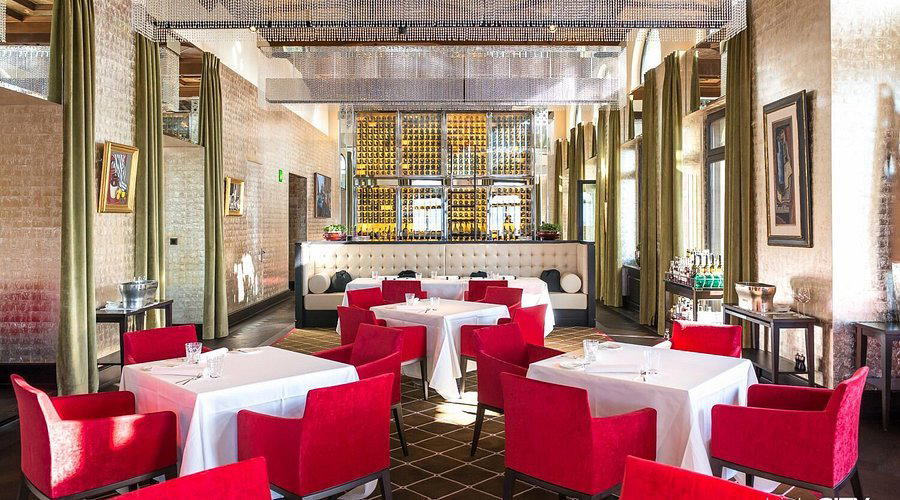
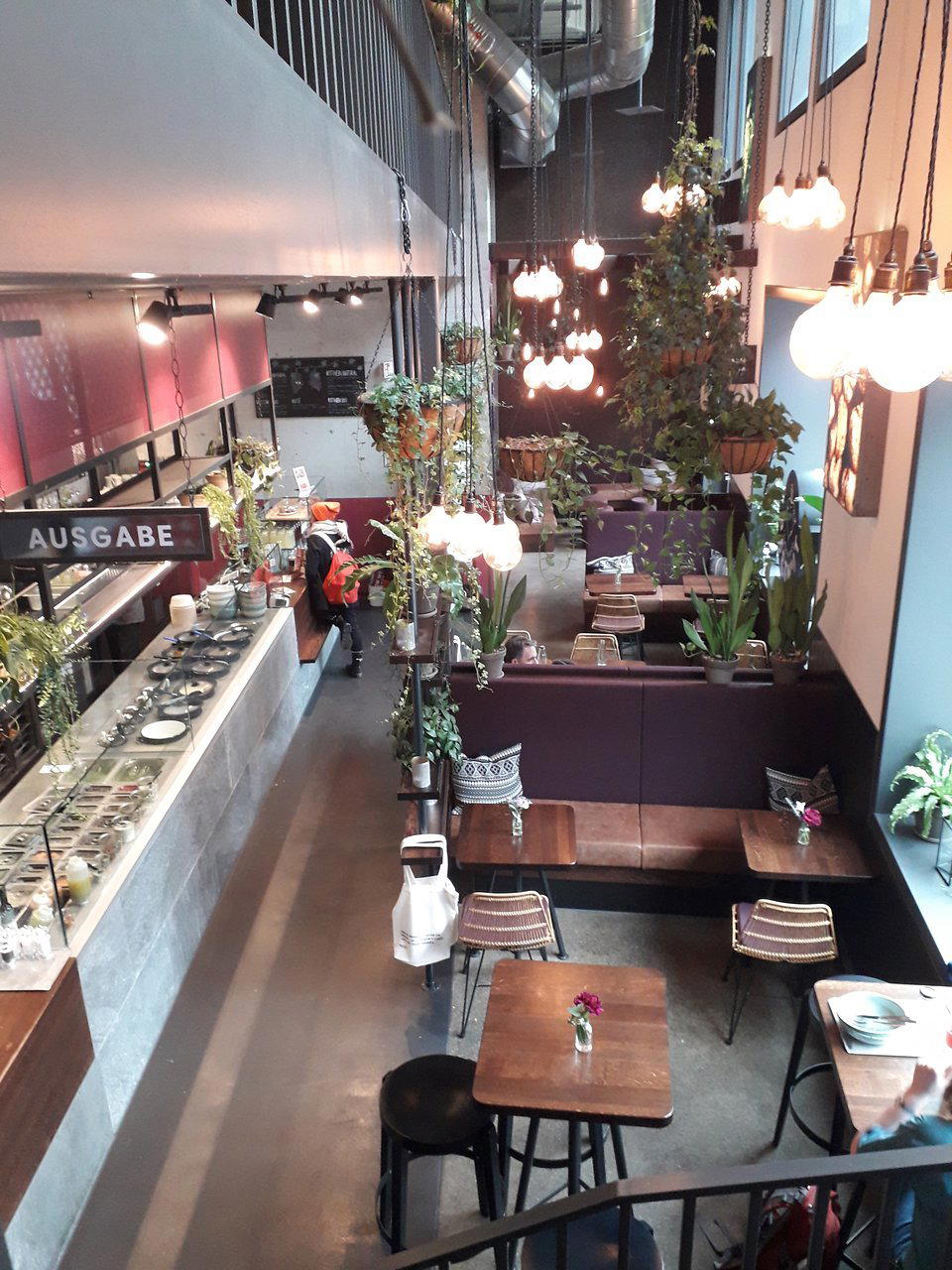
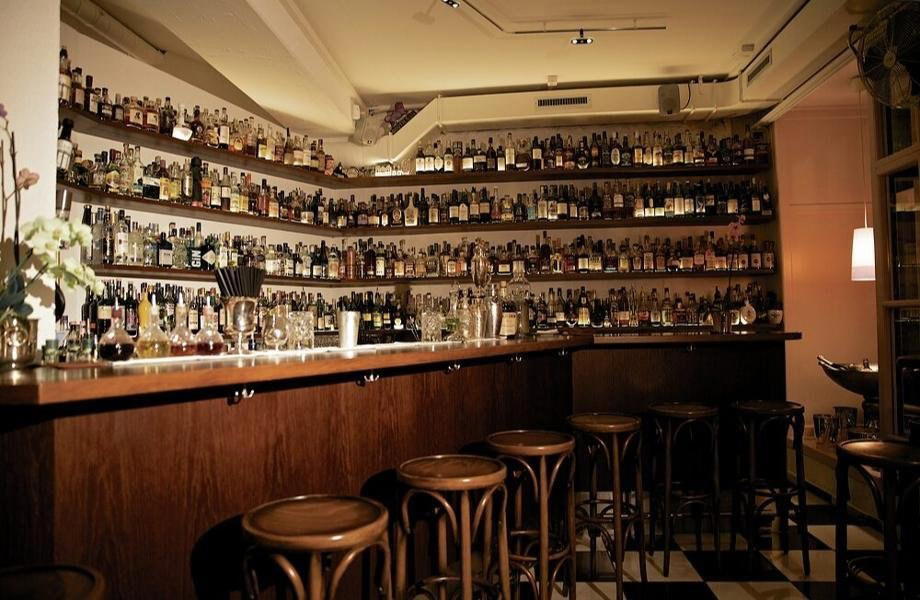
Bars in Zürich
Browse all →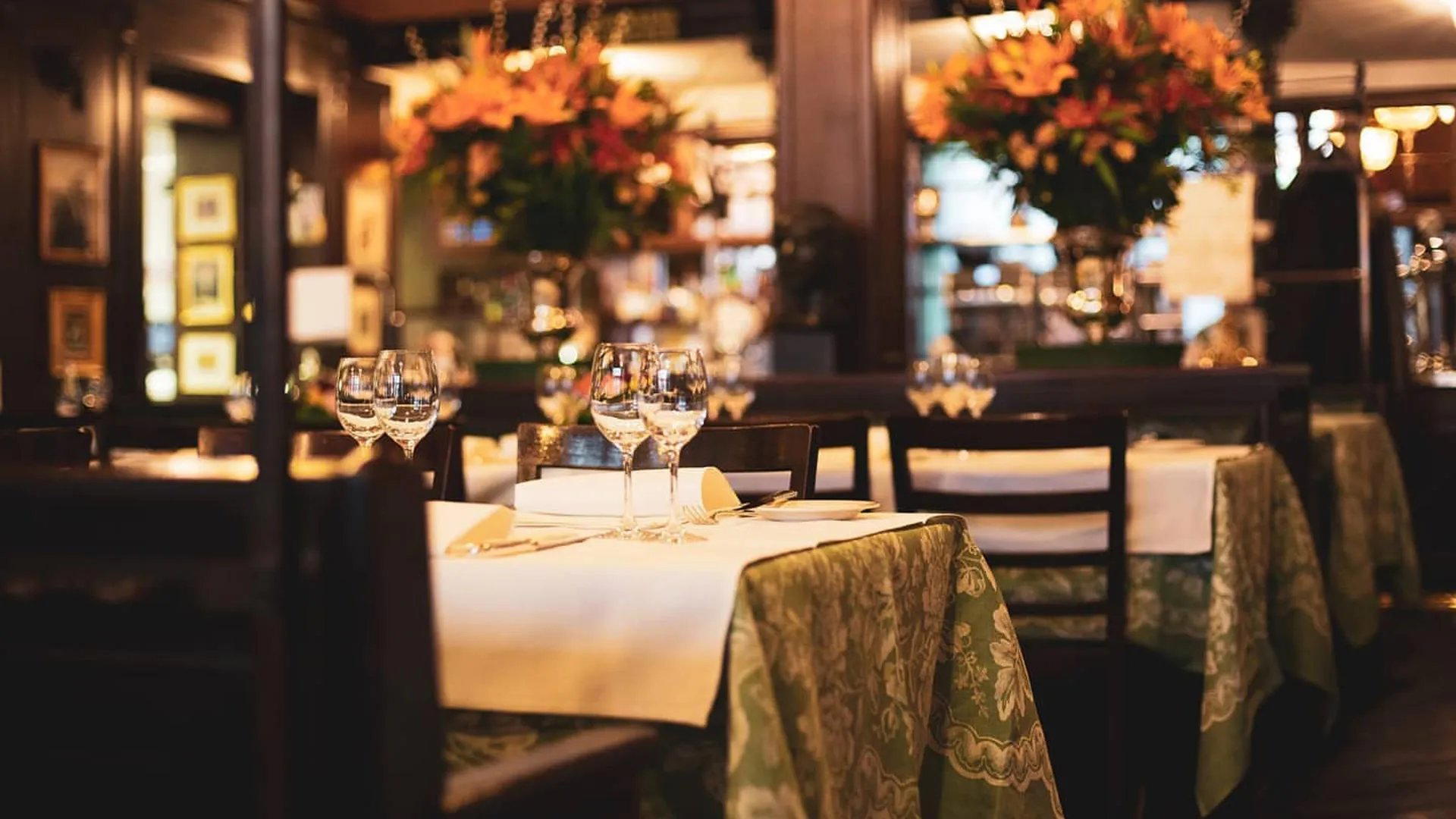
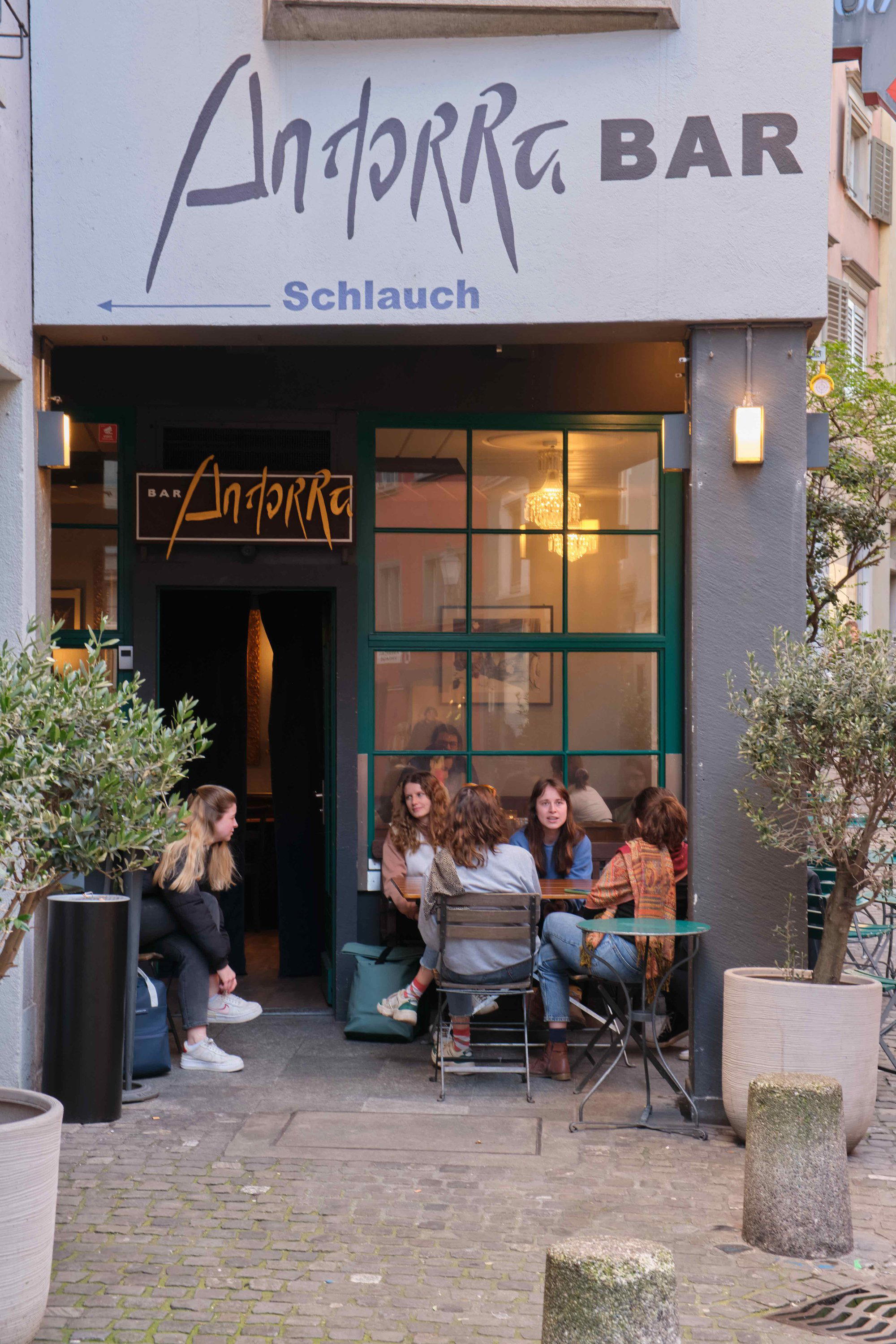
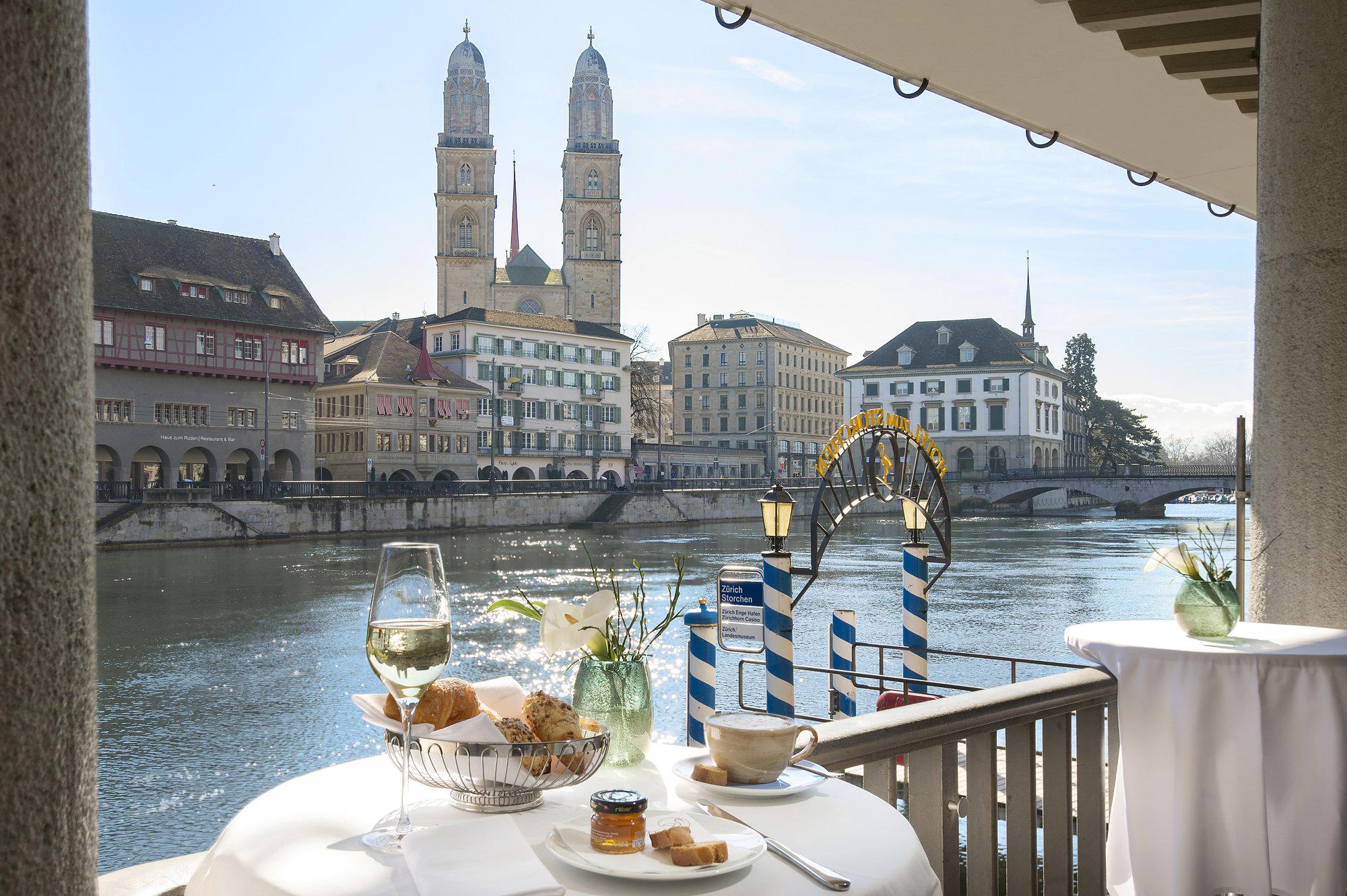
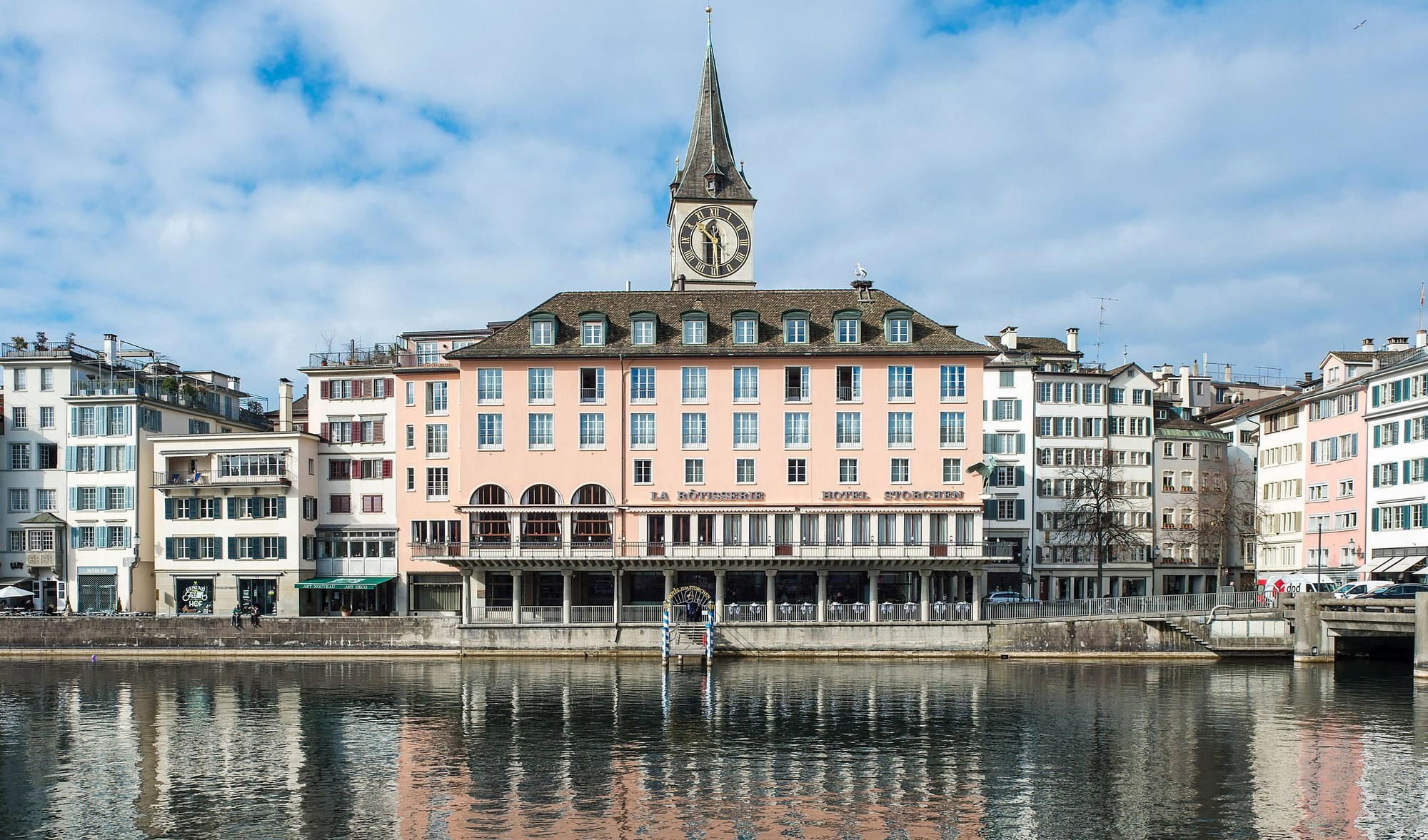
Hotels in Zürich
Browse all →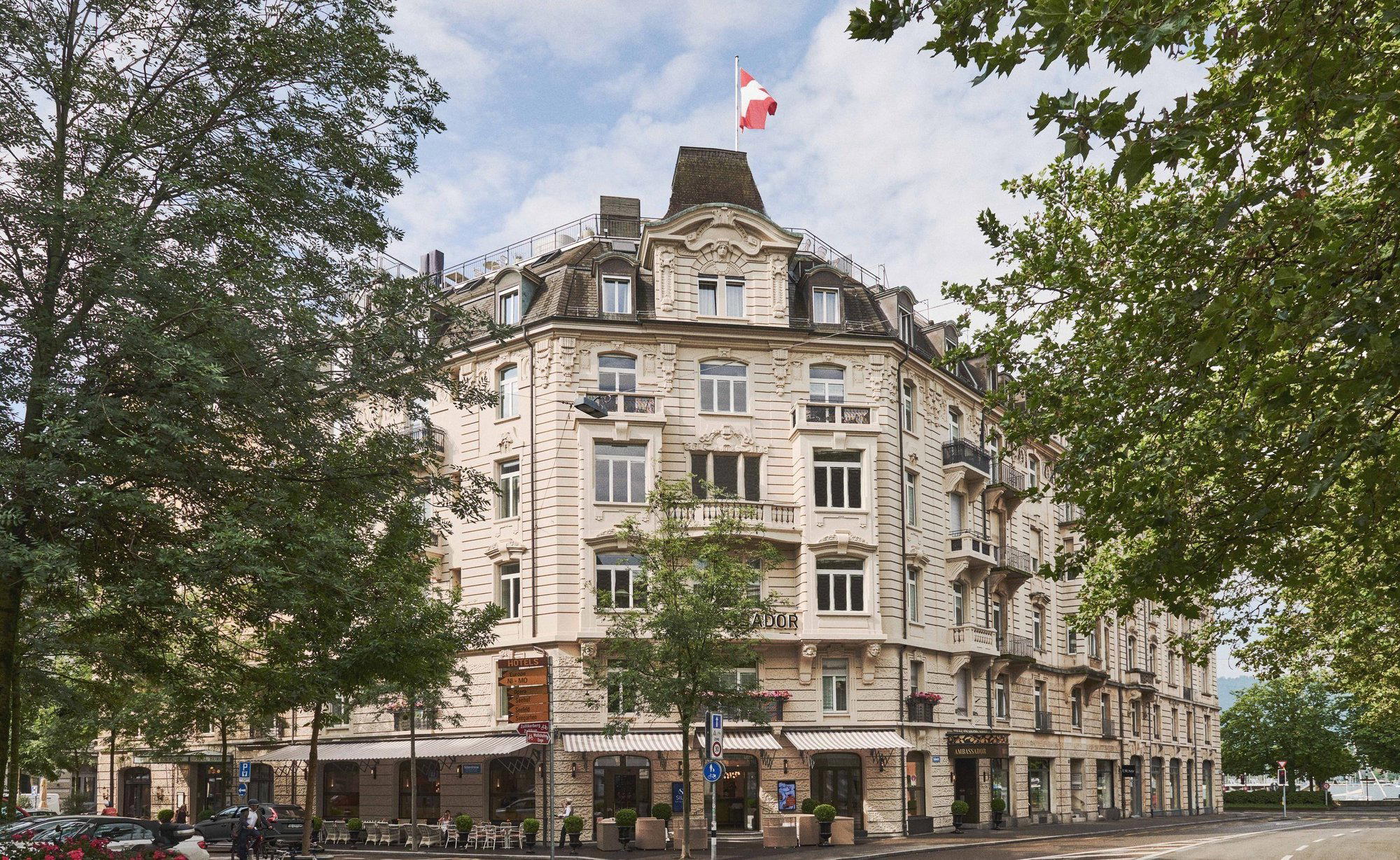

At a Glance
- Cozy
- Rustic
- Classic
- Intimate
- Casual Hangout
- Date Night
- Family
- Group Dining
- Garden
- Terrace
- Standalone
- Beer Program
- Local Sourcing
- Garden
Current opening hours
- Monday
- Closed
- Tuesday
- 11:30 AM–2 PM, 6–11:30 PM
- Wednesday
- 11:30 AM–2 PM, 6–11:30 PM
- Thursday
- 11:30 AM–2 PM, 6–11:30 PM
- Friday
- 11:30 AM–2 PM, 6–11:30 PM
- Saturday
- Closed
- Sunday
- Closed
Hours can change for holidays and private events. Last verified .
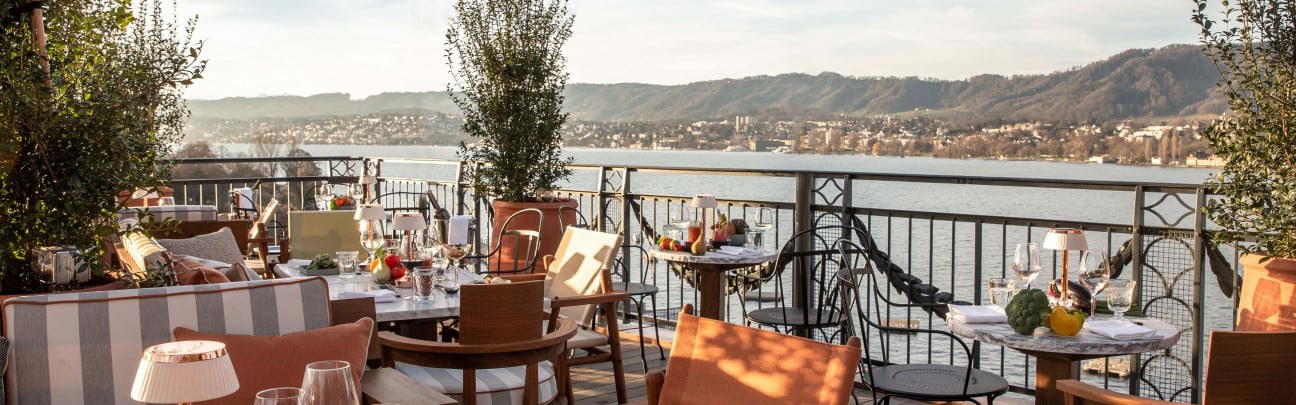
Warm and intimate with simple but tasteful decor featuring local artwork. The interior is small and cozy; the garden terrace offers a peaceful retreat with dappled light from the large tree overhead.
Know Before You Go
- Getting there
- Gemeindestrasse 60, 8032 Zürich, Switzerland