Rössli Hünenberg
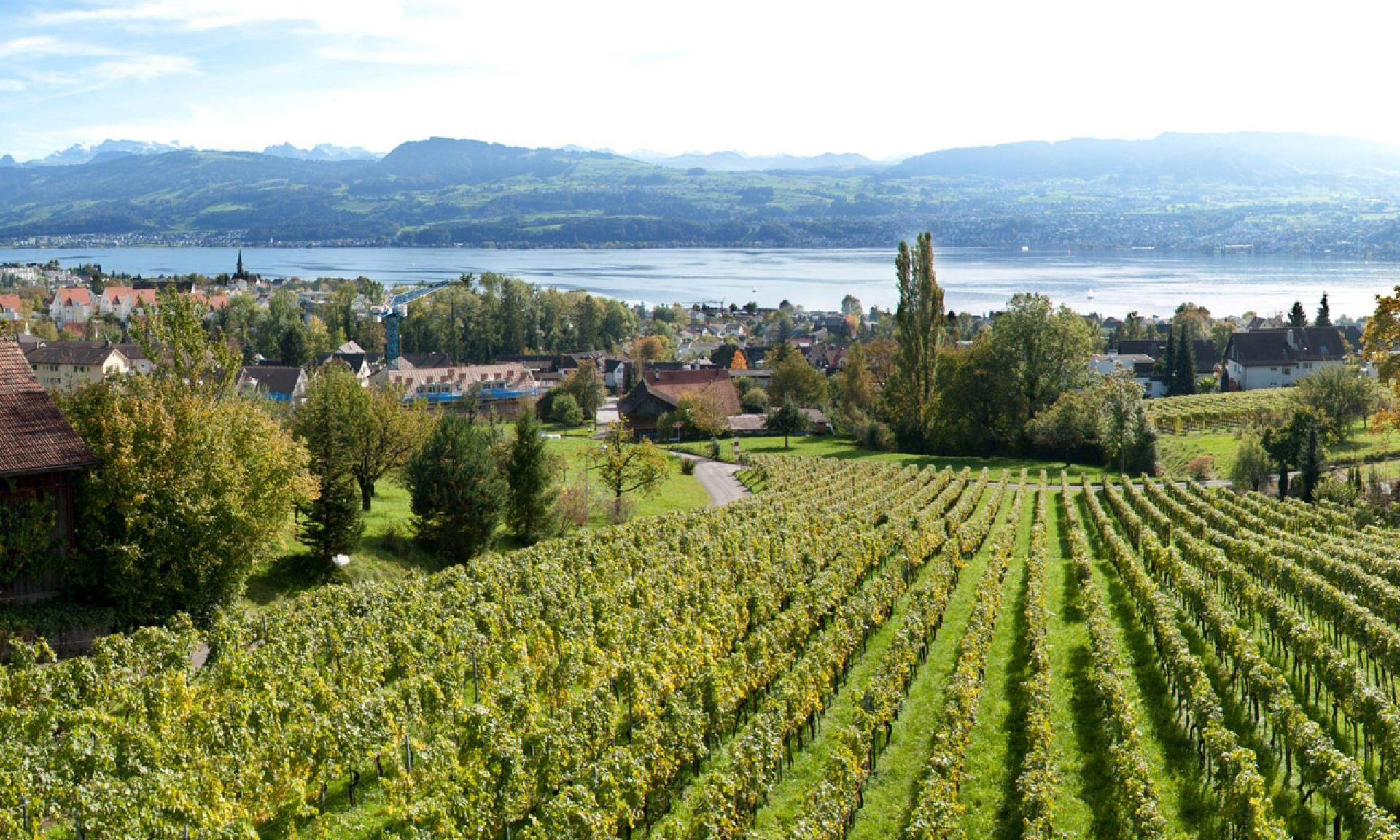
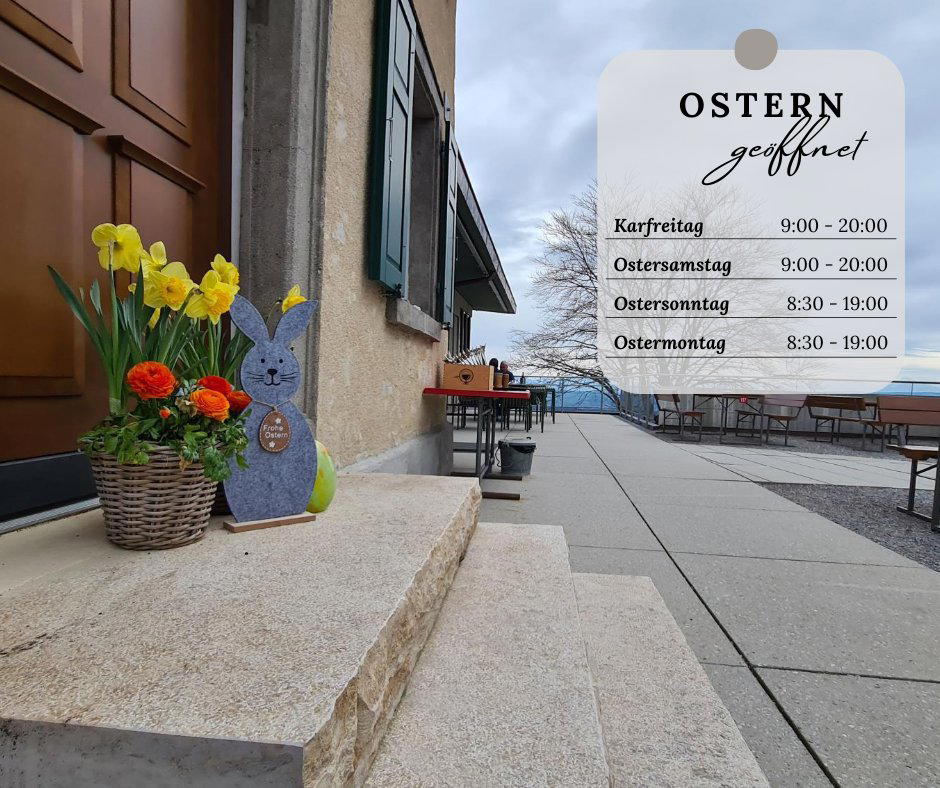
Rössli Hünenberg serves Swiss Regional Traditional in a historic building with terrace seating and mountain views, set for lunch or dinner.
Pearl is the En Primeur Club membership app — saves, bookings, and concierge access live there. Same editors, same standards.
- Address
- St. Wolfgang 7, 6331 Hünenberg, Switzerland
- Phone
- +41417802233
- Website
- url
- Directions
- Get directions
 Saves & bookings on Pearl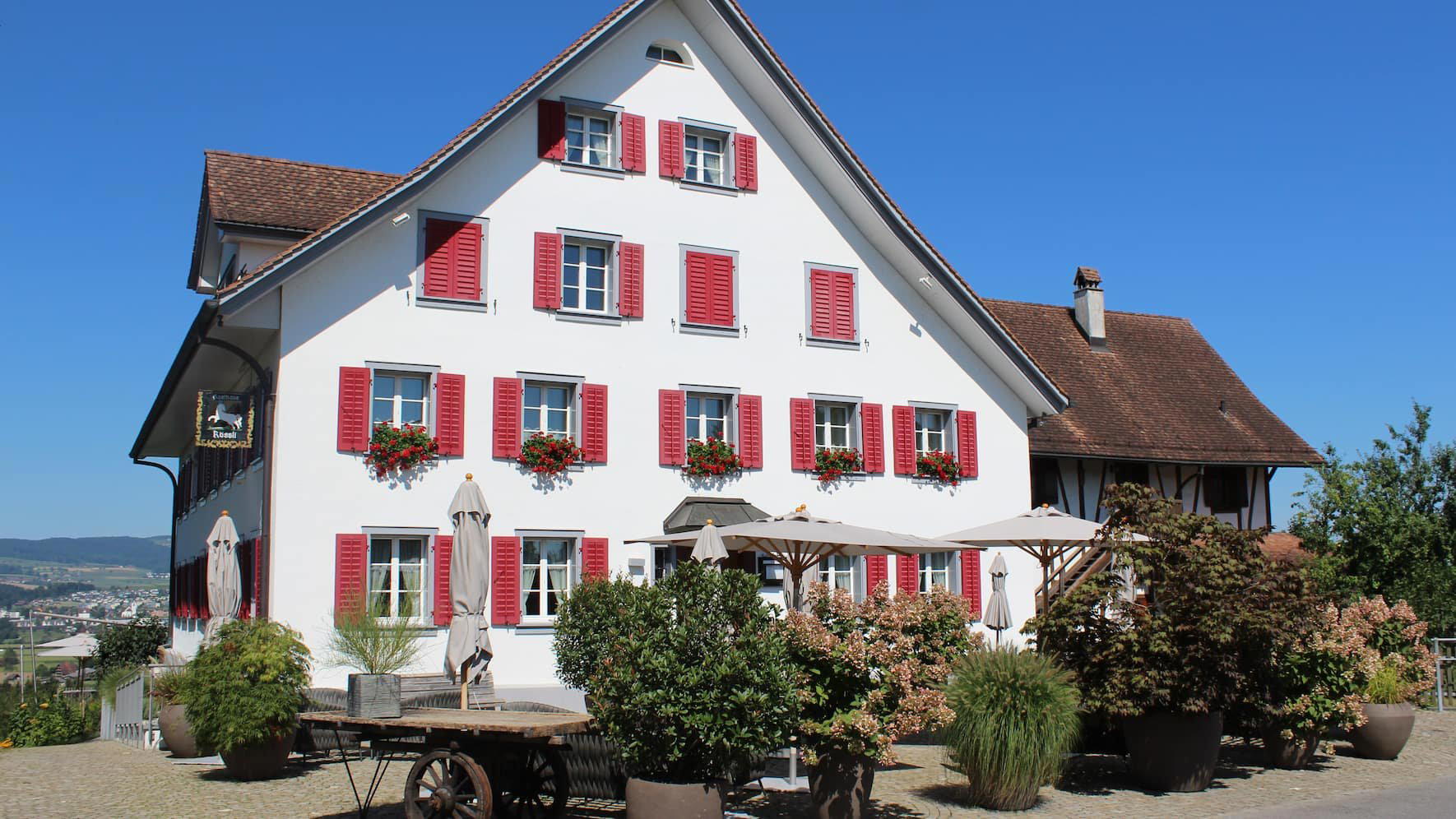
A Village Restaurant in the Zug Canton Tradition
The road into Hünenberg traces the gentle contours of the Lorze valley before the village centre comes into view, compact and unhurried in the way that small Swiss-German communities tend to be. St. Wolfgang 7 is the kind of address that requires local knowledge or deliberate intent: a traditional Gasthof occupying the sort of ground-floor position that village restaurants have held in central Switzerland for generations. The building signals nothing to passing traffic. That restraint is, in the Swiss countryside, a form of communication.
Hünenberg sits within the canton of Zug, a territory whose prosperity has historically supported a dining culture that quietly punches above its administrative size. The canton sits between Lucerne to the south and Zurich to the north, and its restaurants reflect that geographic tension: rooted in Swiss-German hospitality conventions while absorbing refinement from both directions. For a wider picture of where Rössli Hünenberg fits within the local restaurant conversation, see our full Hunenberg restaurants guide.
Sourcing and the Central Swiss Table
The defining characteristic of village Gasthöfe in the Zug and Lucerne regions is their proximity to the agricultural supply chains that the surrounding landscape makes possible. Central Switzerland's farms, dairies, and lake fisheries have always been within short reach of restaurants like Rössli, and the leading village kitchens in this tradition build menus around what arrives fresh from nearby producers rather than what a broader distribution network can deliver. Milk from the pre-Alpine pastures above Zug, freshwater fish from the lakes that stud the region, and seasonal vegetables from the valley floor are the materials that define what honest cooking looks like here.
This sourcing logic differs from the controlled-supply models that characterise the upper tier of Swiss fine dining. Restaurants such as Schloss Schauenstein in Fürstenau or Memories in Bad Ragaz operate with dedicated producer relationships and multi-season planning, while the focus ATELIER in Vitznau, just south along the lake, applies that same precision in a lakeside format. The village Gasthof tradition is something structurally different: less about curation for its own sake and more about cooking what the region offers at any given moment, adapting the menu to seasonality rather than prescribing it.
That distinction matters for understanding what Rössli Hünenberg is likely to represent: a restaurant whose value proposition is grounded in local agricultural proximity rather than the tasting-menu architecture that commands the top tier of Swiss dining. Sharing plates formats like IGNIV Zürich by Andreas Caminada or the modern French framing of La Table du Lausanne Palace occupy a different competitive position entirely. Rössli operates in the tradition of the rooted Swiss inn, where the kitchen's authority comes from consistency of supply and familiarity with local product rather than from technical invention.
The Gasthof Format and What It Promises
The Gasthof is one of the most durable formats in Swiss hospitality, and the Rössli name itself is among the most common in the country, appearing in dozens of villages across the German-speaking cantons. The name is no coincidence: it signals an established typology, a restaurant that predates the specialisation of dining categories and that still carries the expectation of a complete meal in familiar surroundings. Tables are typically shared across generations of the same families, and the menu tends to honour that continuity, cycling through seasonal dishes that regulars anticipate rather than encounter for the first time.
This format has come under pressure from changing dining habits, but it retains genuine cultural traction in places like Hünenberg, where the restaurant functions as a community anchor as much as a commercial venue. In that respect, Rössli Hünenberg occupies a different register from destination restaurants in the region. Visitors passing through for the purpose of dining specifically at this address are the exception; the local regular is the rule.
Regional Context: Switzerland Beyond the Starred Circuit
Switzerland's dining reputation internationally is anchored to a relatively small number of highly decorated addresses: Hotel de Ville Crissier in Crissier, Cheval Blanc by Peter Knogl in Basel, or Einstein Gourmet in Sankt Gallen. The country also exports individual culinary figures whose influence extends internationally, as illustrated by the reach of L'Atelier Robuchon in Geneva. But this decorated tier represents a narrow slice of how most people actually eat in Switzerland.
Below the starred circuit, a dense layer of well-maintained, regionally honest restaurants sustains the day-to-day dining culture of Swiss towns and villages. These restaurants rarely attract international press, but they perform a function that the decorated addresses cannot: they make regional cuisine accessible and repeatable. Hünenberg, with its proximity to the Zugerberg and the Lorze river corridor, has the agricultural and cultural conditions to support exactly this kind of table. The comparison set for Rössli is not Magdalena in Schwyz or Maison Wenger in Le Noirmont; it is the broader category of dependable Swiss village restaurants that form the backbone of regional hospitality.
That backbone is worth taking seriously. Globally recognised dining destinations such as Le Bernardin in New York City or Atomix in New York City, or the lakeside elegance of Da Vittorio in St. Moritz, exist at the far end of a dining spectrum whose opposite pole is the local Swiss inn. Both ends of that spectrum matter, for different reasons and to different audiences. The village Gasthof, when it functions well, demonstrates that cooking with proximity and consistency is its own form of rigour, not a lesser ambition than technical complexity.
Planning Your Visit
Rössli Hünenberg is located at St. Wolfgang 7 in Hünenberg, in the canton of Zug. Hünenberg is accessible by car from both Zug (approximately 10 minutes) and Lucerne (approximately 20 minutes), and regional bus connections from Zug serve the village. The Colonnade in Lucerne and La Brezza in Ascona represent the broader regional dining spectrum for travellers planning a multi-stop itinerary across central Switzerland. For restaurants of the Gasthof type, particularly in Swiss-German canton villages, tables tend to fill quickly on weekends and public holiday periods; visiting midweek generally offers more availability without advance planning.
How Rössli Hünenberg compares with similar nearby venues.
| Venue | Cuisine | Price |
|---|---|---|
| Wildenmann | Classic French | €€ |
Continue exploring
More in Hunenberg
Restaurants in Hunenberg
Browse all →
Bars in Hunenberg
Browse all →
Hotels in Hunenberg
Browse all →

At a Glance
- Cozy
- Rustic
- Scenic
- Family
- Business Dinner
- Casual Hangout
- Terrace
- Historic Building
- Local Sourcing
- Mountain
Current opening hours
- Monday
- 9:30 AM–12 AM
- Tuesday
- 9:30 AM–12 AM
- Wednesday
- Closed
- Thursday
- Closed
- Friday
- 5 PM–12 AM
- Saturday
- 9:30 AM–12 AM
- Sunday
- 9:30 AM–10 PM
Hours can change for holidays and private events. Last verified .
Cozy, traditional atmosphere in a protected landmark building with comfortable indoor spaces and charming terrace seating.
Know Before You Go
- Getting there
- St. Wolfgang 7, 6331 Hünenberg, Switzerland