EquiTable




A Michelin-starred corner restaurant in Zurich's Kreis 4, EquiTable operates in the gap between conventional fine dining and plant-forward cooking. Chef Julian Marti's four-to-seven-course set menu prioritises seasonal produce, fairtrade and organic sourcing, and a wine list guided by sommelier Sandra Brack that draws on Swiss, German, and French producers. The We're Smart Green Guide endorsement confirms the kitchen's sustained commitment to vegetables as a primary ingredient.
Pearl is the En Primeur Club membership app — saves, bookings, and concierge access live there. Same editors, same standards.
- Address
- Stauffacherstrasse 163, 8004 Zürich, Switzerland
- Phone
- +41 43 534 82 77
- Website
- equi-table.ch
- Directions
- Get directions
 Saves & bookings on Pearl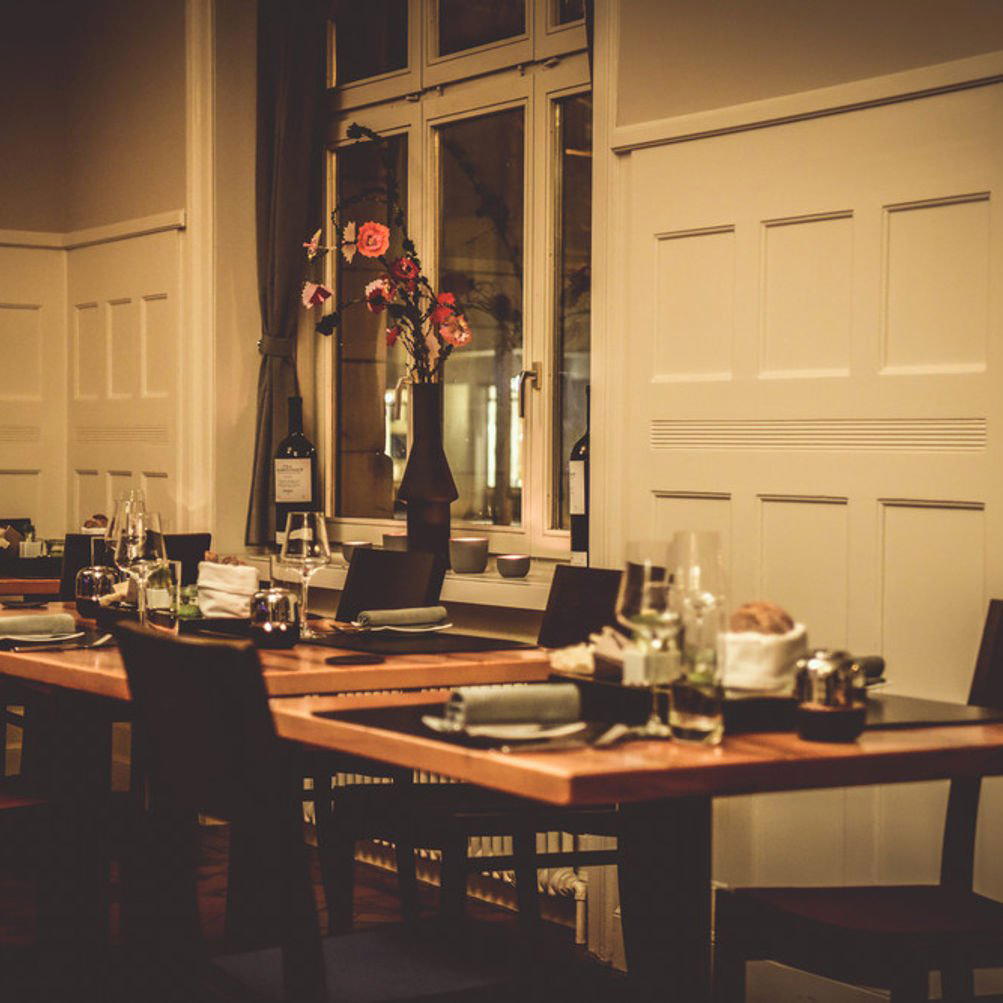
A Corner in Kreis 4 Where the Wine List Earns Its Own Attention
Stauffacherstrasse runs through one of Zurich's more lived-in districts, Kreis 4, where the restaurant density is high and the competition between neighbourhood dining and formal fine dining plays out on nearly every block. On a corner plot along that stretch, EquiTable occupies a small room designed with the kind of deliberate minimalism that lets the food and the wine conversation take precedence. The space reads urban and pared back, no heavy drapes, no theatrical lighting rigs, and the atmosphere it creates is described consistently by diners as relaxed without being casual.8 across 338 reviews, sustained alongside a Michelin star, suggests that quality and approachability are coexisting here rather than trading against each other.
That combination is less common in Zurich's upper price tier than it sounds. At the €€€€ bracket, the city's fine dining options tend toward formality: IGNIV Zürich by Andreas Caminada runs a sharing format with a highly choreographed service rhythm, and The Counter leans into creative precision. EquiTable sits within that same price band but positions itself differently, the atmosphere leans on warmth and explanation over theatre.
What the Wine List Is Actually Doing Here
The wine program at EquiTable is shaped by maître d' and sommelier Sandra Brack, and the editorial record on the restaurant is specific about what that means in practice: dishes and ingredients are clearly explained, and wine recommendations are thoughtfully selected. The list itself draws from Swiss, German, and French producers, with pairing options available alongside an alcohol-free alternative for each course.
That geographic scope is worth unpacking. Swiss wine remains one of the more overlooked categories in European fine dining, largely because production volumes are small and export rates low, the majority of Swiss wine never leaves the country. A sommelier who positions Swiss producers alongside French and German peers is making a curatorial argument, not simply filling a list by region. At a restaurant that makes sustainability and local sourcing central to its kitchen philosophy, a wine list anchored in regional Swiss production carries coherence rather than tokenism.
The German presence on the list is equally considered. Riesling and Spätburgunder from the Rheingau, Mosel, or Baden, regions with structural similarities to the cooler Swiss viticultural zones, sit logically alongside Swiss producers in a list built around precision and restraint rather than extraction and weight. The French selections, meanwhile, provide the calibration points that diners use to orient themselves: familiar appellations alongside less familiar Swiss counterparts.
For a restaurant of this scale, the wine pairing format makes practical sense. A tight room with a focused tasting menu of four to seven courses rewards a paired list over an à la carte approach, the sommelier can guide conversation around each pairing rather than managing a broad cellar across an open-ended order. This is a format common to the top end of European plant-forward fine dining, where the wine program is used to add textural and flavour contrast that the kitchen's vegetable-led cooking may not provide on its own.
The Kitchen's Position on Plants
EquiTable holds a We're Smart Green Guide endorsement, a specialist publication that evaluates restaurants specifically on their use of vegetables and plant-based ingredients. The endorsement comes with a clear-eyed qualifier: this is not a pure plant restaurant. A vegetarian menu is available at any booking, but a fully vegan menu requires advance notice when reserving. The kitchen's stated philosophy, referenced in the Green Guide citation, centres on the Think Vegetables! Think Fruit! principle, plants lead, but proteins are not excluded.
That positioning allows chef Julian Marti to operate in a space between the strictures of plant-only dining and the protein-centred defaults of conventional fine dining. The We're Smart citation specifically references a risotto-style spelt dish with smoked eel, Swiss chard, and dill as an example of the kitchen's approach, plant textures and fermented or cured proteins working together rather than competing. The sourcing framework behind that dish is consistent: fairtrade, organic, and local procurement wherever possible, with seasonal produce given structural prominence in the menu design.
Within Zurich, the plant-forward tier at fine dining prices is small. Wöschi and Heugümper occupy different positions in the city's mid-range dining scene, while Wirtschaft im FRANZ takes a more traditional approach to Swiss produce. At the Michelin level, EquiTable's Green Guide status alongside its star places it in a niche that few Swiss restaurants occupy simultaneously.
Where EquiTable Sits in the Swiss Fine Dining Map
Switzerland's Michelin-starred restaurants cluster in a handful of cities and destination properties. At the multi-star end, Hotel de Ville Crissier in Crissier and Schloss Schauenstein in Fürstenau represent the country's highest-rated tables. In Basel, Cheval Blanc by Peter Knogl operates at a similar starred level to EquiTable but within a much larger hotel context. Beyond Switzerland, the modern cuisine format EquiTable employs finds parallel expression at Frantzén in Stockholm and FZN by Björn Frantzén in Dubai, both of which apply tasting-menu discipline to produce-driven cooking at the leading price tier.
Within Zurich specifically, EquiTable's single Michelin star (2024) puts it in a city cohort that includes destination restaurants and neighbourhood-rooted tables. What distinguishes the Stauffacherstrasse location is the absence of the hotel infrastructure or private dining room architecture that surrounds many of its starred peers. It functions as an independent, small-format restaurant, which places different demands on the team and creates a different kind of dining rhythm, more concentrated, with less operational buffer between the kitchen and the guest.
Planning a Visit
EquiTable is located at Stauffacherstrasse 163 in Zurich's 8004 postcode, within Kreis 4. The format is a set tasting menu running between four and seven courses; guests wanting a vegetarian menu can request this at booking, while a fully vegan menu requires specific advance notice at the time of reservation. Wine pairings are available alongside an alcohol-free pairing alternative. The room is small, and at, booking ahead rather than walking in is the sensible approach. For broader context on what Zurich offers at the fine dining and neighbourhood dining level, see our full Zurich restaurants guide. For accommodation options, our full Zurich hotels guide covers the city's range of properties. Those planning a wider Zurich itinerary can also consult our full Zurich bars guide, our full Zurich wineries guide, and our full Zurich experiences guide. For comparable Michelin dining elsewhere in Switzerland, Memories in Bad Ragaz, 7132 Silver in Vals, and Colonnade in Lucerne provide useful points of reference across different Swiss dining contexts.
Cuisine and Recognition
Comparable venues nearby, for context on price, style, and recognition.
| Venue | Cuisine | Price | Awards | Notes |
|---|---|---|---|---|
| EquiTableThis venue — the venue you are viewing | Modern Sustainable Fine Dining | $$$$ | Michelin 1 Star | Not listed |
| ORSINI | Modern Italian Fine Dining | $$$$ | Michelin 1 Star | Enge |
| La Rôtisserie | Modern Swiss Fine Dining | $$$$ | Michelin 1 Star | Enge |
| Wöschi | Modern European Fine Dining | $$$$ | Michelin 1 Star | Wollishofen |
| elmira | Dining | Not listed | Michelin 1 Star | Oberstrass |
| Brasserie Süd | Modern French Brasserie | $$$ | Michelin Plate | Oberstrass |
Recognition history
Dated appearances from independent guides and award organizations, with the underlying list record or original source where available.
Falstaff Restaurant - 94 Falstaff Points
Falstaff
Opinionated About Dining Top Restaurants in Europe Recommended
Opinionated About Dining
Michelin 1 Star
Michelin
We're Smart World 3 Radishes
We're Smart World
Michelin 1 Star
Michelin
Continue exploring
More in Zürich
Restaurants in Zürich
Browse all →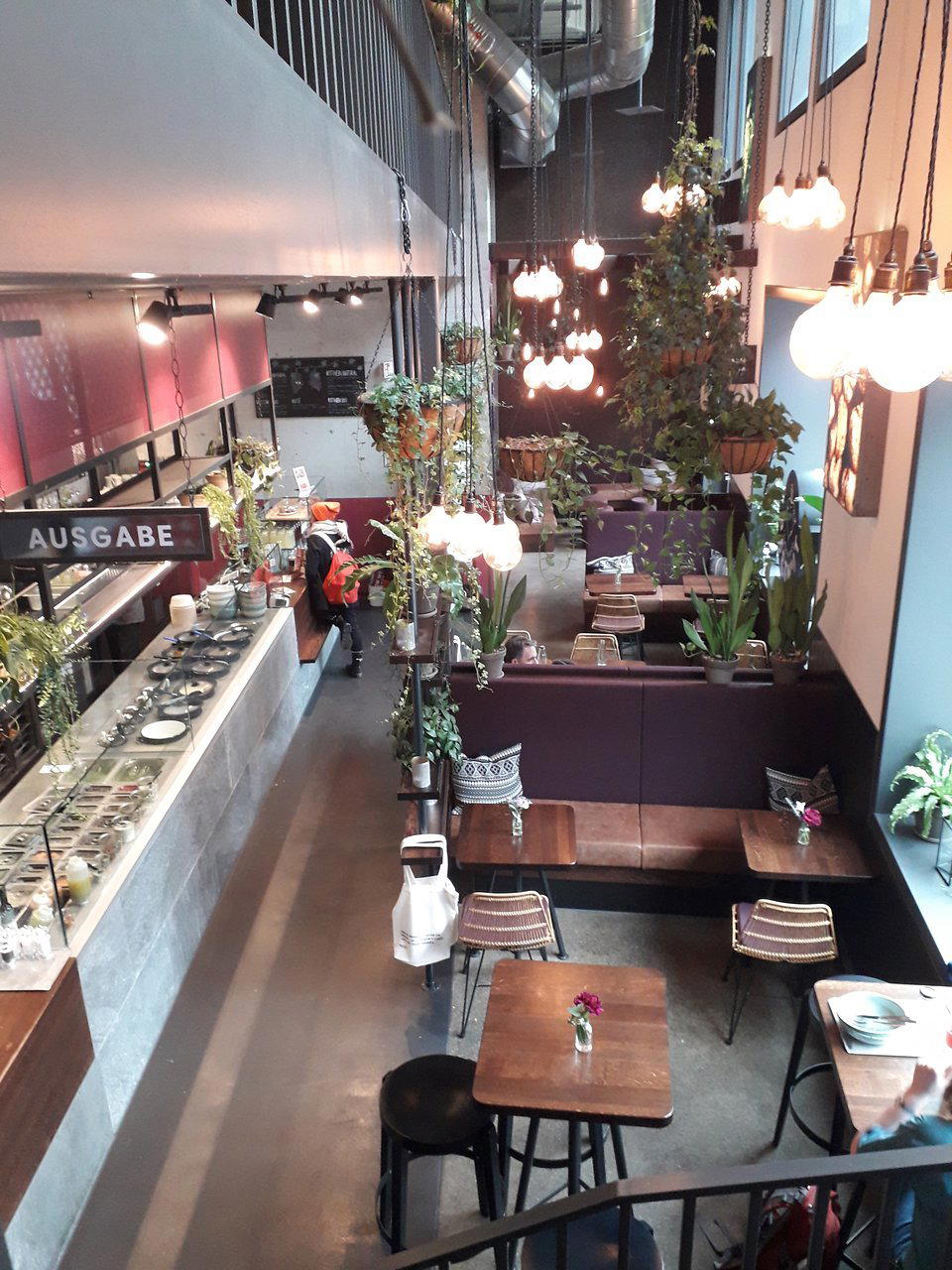
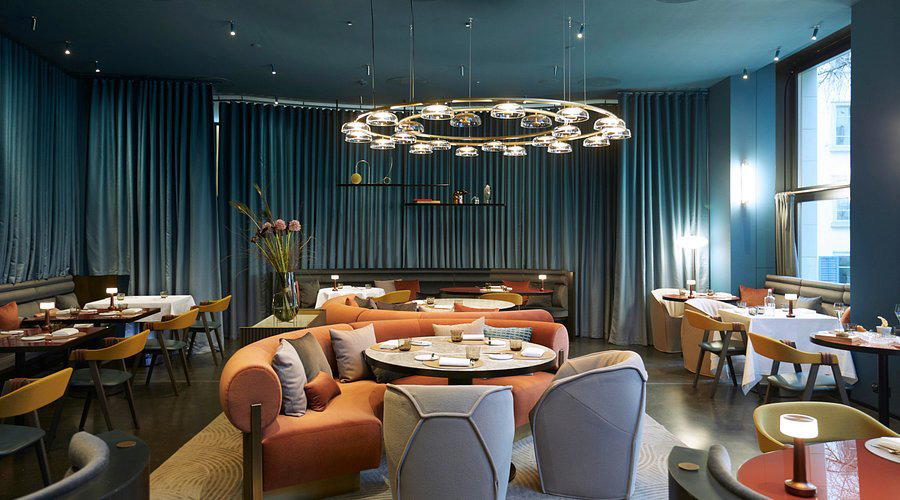
Bars in Zürich
Browse all →
Hotels in Zürich
Browse all →

At a Glance
- Elegant
- Modern
- Intimate
- Sophisticated
- Date Night
- Special Occasion
- Celebration
- Open Kitchen
- Terrace
- Standalone
- Sommelier Led
- Zero Proof
- Farm To Table
- Organic
- Local Sourcing
- Sustainable Seafood
Current opening hours
- Monday
- Closed
- Tuesday
- 6:30–11 PM
- Wednesday
- 6:30–11 PM
- Thursday
- 6:30–11 PM
- Friday
- 6:30–11 PM
- Saturday
- 6:30–11 PM
- Sunday
- Closed
Hours can change for holidays and private events. Last verified .
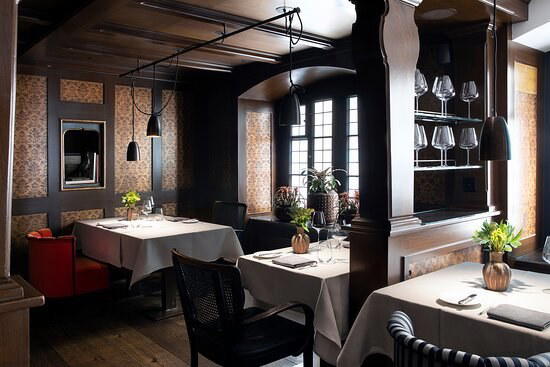
Warm and intimate atmosphere with soft lighting, wooden paneling preserved from the former tavern, contemporary furnishings, and a tiled stove creating an inviting setting well-suited for special occasions.