Appenzeller Huus Bären
Appenzeller Huus Bären sits in Gonten, a small village in the Appenzell Innerrhoden canton, where alpine farming traditions and hyperlocal dairy culture define the food more than any menu trend. The address alone signals a commitment to place: Dorfstrasse, the village high street, rather than a resort precinct or a city dining corridor. For travellers willing to leave the urban Swiss fine-dining circuit, Gonten offers a regional register found nowhere else in the country.
Pearl is the En Primeur Club membership app — saves, bookings, and concierge access live there. Same editors, same standards.
- Address
- Dorfstrasse 40, 9108 Gonten, Switzerland
- Phone
- +41717954010
- Website
- appenzellerhuus.ch
- Directions
- Get directions
 Saves & bookings on Pearl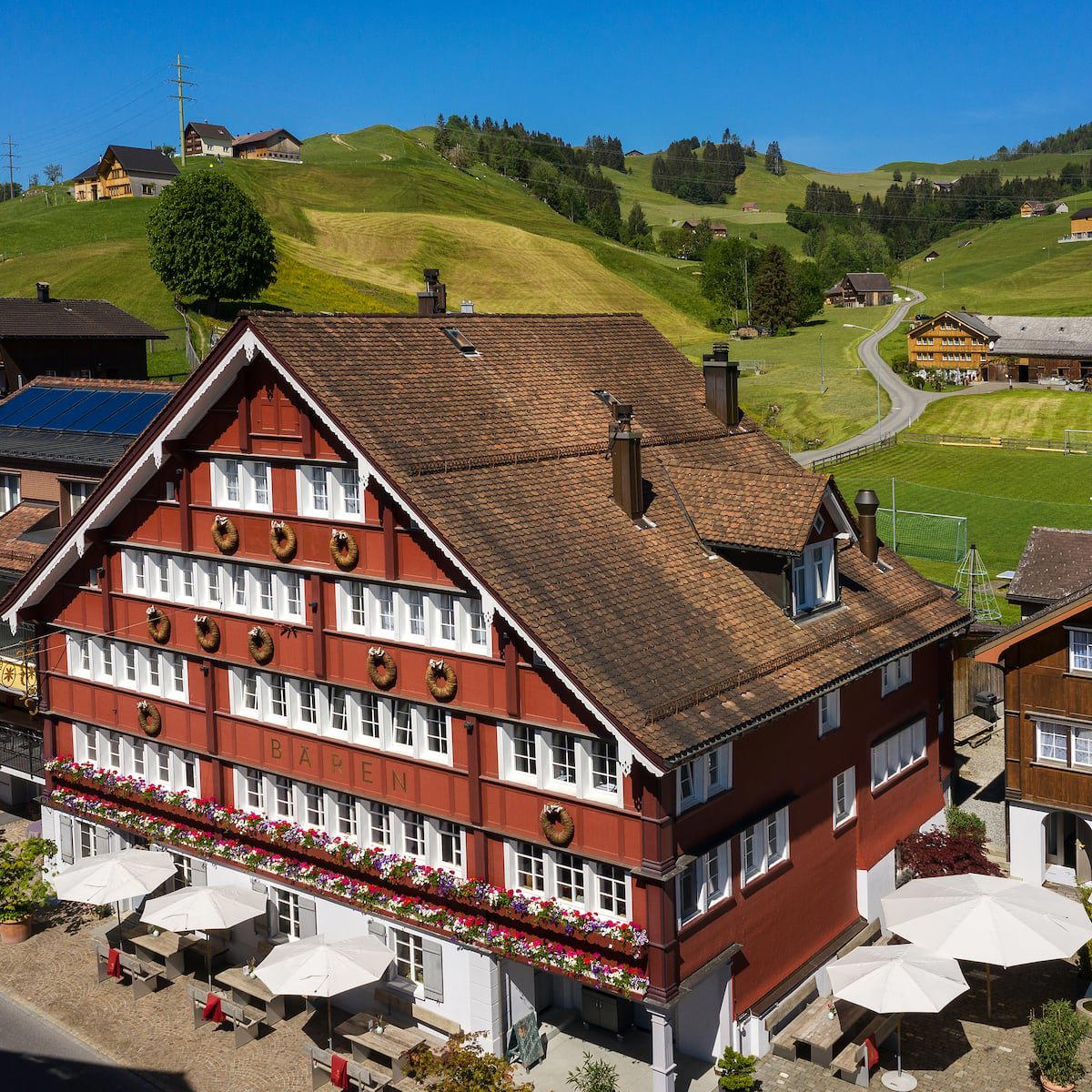
Where the Pasture Meets the Plate: Appenzell's Ingredient-Led Tradition
Switzerland's highest-recognition restaurants tend to concentrate in its cities and resort towns. Appenzeller Huus Bären is a restaurant in Gonten, Switzerland. Hotel de Ville Crissier in Crissier, Cheval Blanc by Peter Knogl in Basel, and Schloss Schauenstein in Fürstenau all operate within reach of wealthy urban catchments or established tourism infrastructure. Gonten is different. A village of fewer than a thousand residents in Appenzell Innerrhoden, it sits at roughly 900 metres above sea level in a range of rolling grassland and small dairy farms that have shaped the region's food culture for centuries. Appenzeller Huus Bären occupies Dorfstrasse 40, a position on the main village street that tells you immediately this is not a destination built around an airport or a ski lift.
The Appenzell region produces one of Switzerland's most recognisable cheeses, Appenzeller, which carries a protected designation and a spice-brine washing process that distinguishes it from Gruyère or Emmental. That specificity of place, the idea that geography, altitude, and farming practice determine flavour before a kitchen makes a single decision, is the foundation of how food works here. At venues in this tradition, the sourcing is not a marketing add-on; it is the structural logic of the menu. Where Magdalena in Schwyz applies an alpine-vegetarian framework to similar mountain-sourced material, the Appenzell approach carries heavier dairy and livestock weight, reflecting the canton's agricultural base.
The Physical Setting: A Village House Doing Serious Work
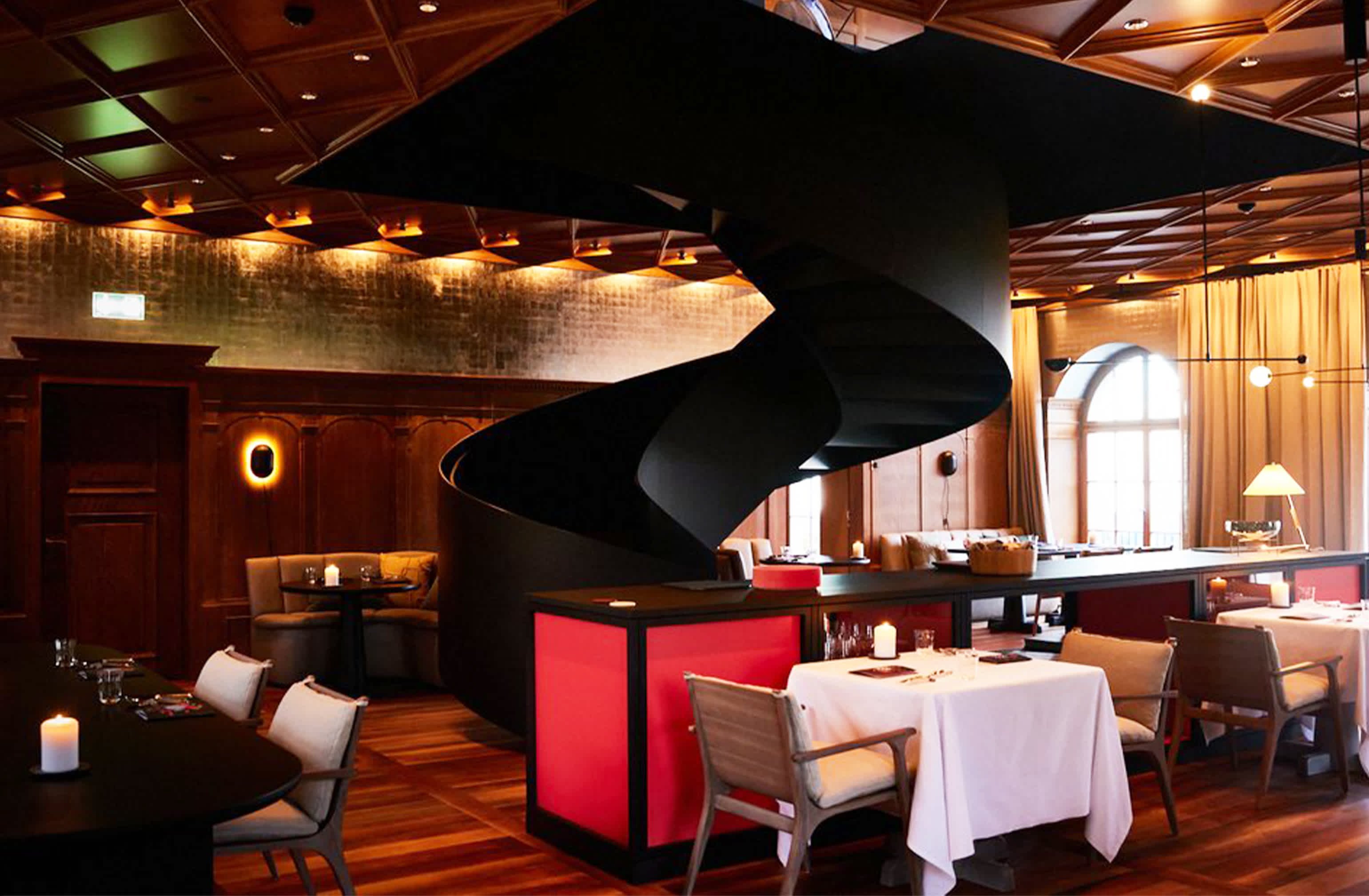
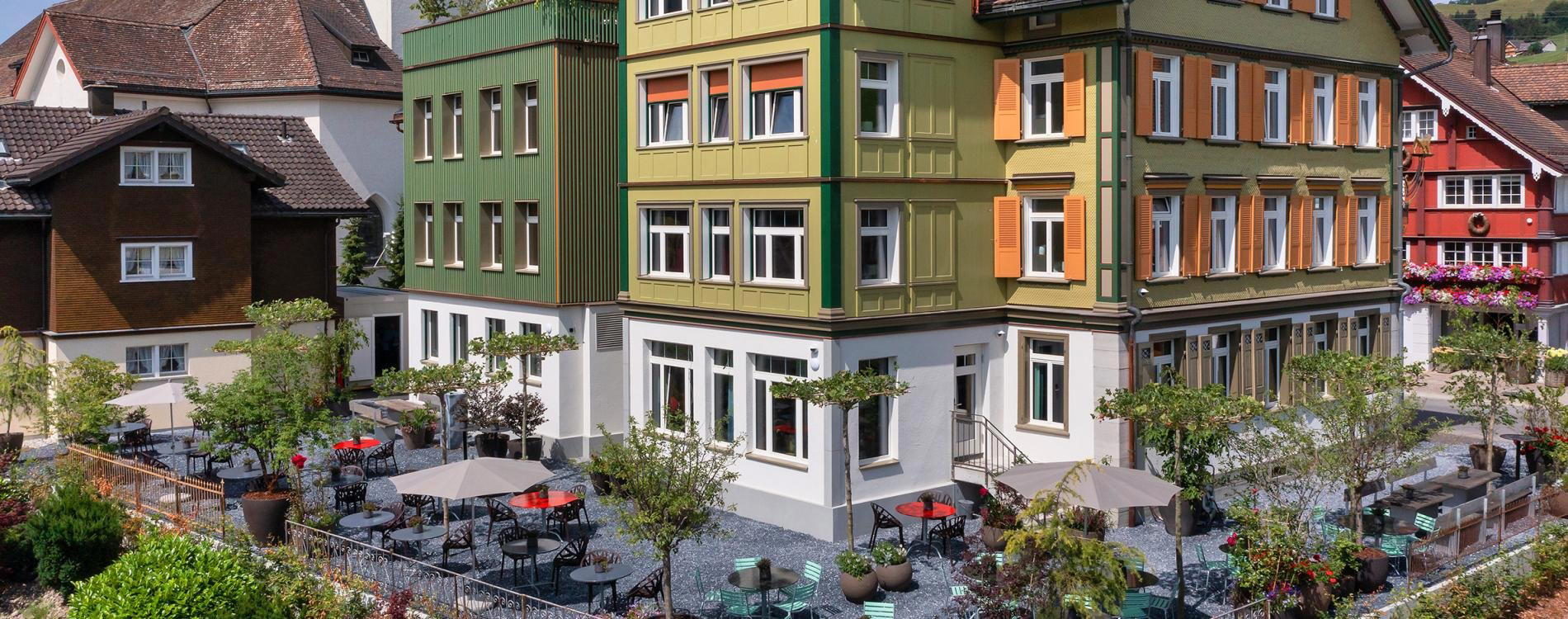
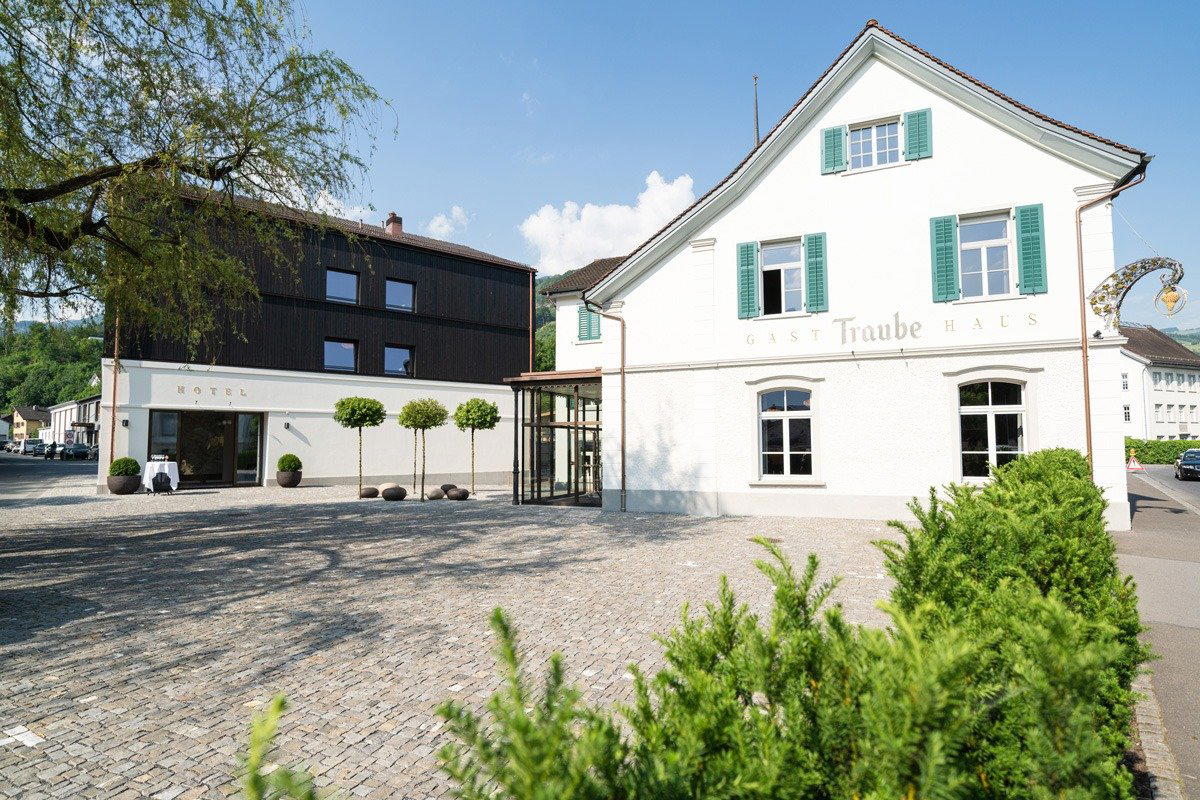
Approaching Gonten along the narrow road from Appenzell town, the scale shifts from the Appenzellerland's modest market centre to something quieter and more rural. The Bären format, a traditional Gasthaus structure on the village street, belongs to a category of Swiss hospitality that predates the country's hotel and restaurant industry as it is understood today. These houses served travellers, locals, and farmers within the same room, without a separation between the everyday and the occasion. That architectural logic, stone and timber, low ceilings, and a direct relationship to the village street, creates a physical environment where the sourcing story is embedded rather than performed.
This contrasts with the purpose-built drama of addresses like Memories in Bad Ragaz or the converted-castle register of focus ATELIER in Vitznau, where architecture announces ambition before a dish arrives. At a Gasthaus address, the setting asks the food to carry the weight rather than share it with the room.
Appenzell's Ingredient Logic
The canton of Appenzell Innerrhoden maintains some of the strictest regional food traditions in German-speaking Switzerland. Dairy farming at altitude produces milk with higher fat content and seasonal variation tied directly to whether the herds are on alpine summer pastures or lower winter grazing. This affects cheese, cream, and butter at a level of specificity that urban sourcing cannot replicate. The wider canton also produces Siedwurst and Schüblig, regional sausage formats, along with Mostbröckli, a dried and spiced beef preparation that functions as a cured-meat course without any French charcuterie framing.
In the eastern Swiss alpine context, this positions Gonten's food culture differently from both the Italian-influenced Ticino and the French-trained brigade model visible at Einstein Gourmet in Sankt Gallen, the nearest city with significant fine-dining infrastructure. Where Sankt Gallen operates as a regional service city with cosmopolitan appetites, Gonten's food identity is more closed: what the surrounding farms produce is what the local kitchen uses. That constraint, far from limiting, creates a flavour profile that reads as authentic regional cooking rather than interpretation.
Across Switzerland's higher-end alpine dining tier, this sourcing discipline has become increasingly valued. Mammertsberg in Freidorf and Taverne zum Schäfli in Wigoltingen each operate with regional sourcing as a primary value rather than an incidental quality signal. What separates the Appenzell context is the density of protected and named products within a single small canton, making the provenance case easier to verify and harder to replicate.
Placing Gonten in the Broader Swiss Circuit
Travellers building a Swiss dining itinerary around the country's established addresses, from Da Vittorio in St. Moritz to La Brezza in Ascona, are largely moving between resort or city formats. Gonten sits outside that circuit by design. The village is accessible from the Appenzell railway station, itself connected to St. Gallen with a journey of under an hour by regional train, which places it within range of a day visit or a stay in the Appenzellerland without requiring a car. For travellers used to the transfer logistics of addresses like La Table du Valrose in Rougemont or Maison Wenger in Le Noirmont, the eastern Swiss train network makes Gonten more reachable than the address suggests.
Comparison with The Japanese Restaurant in Andermatt is instructive in one specific way: both sit in small alpine settlements, both require deliberate travel, and both depend on the destination logic of visitors who are going there rather than passing through. The difference is that Andermatt is a purpose-built resort village while Gonten is a working agricultural settlement. That distinction shapes the food, the pace, and the type of traveller who arrives.
For readers constructing a broader picture of Swiss regional cooking, Skin's in Lenzburg and Le Bernardin in New York City or Lazy Bear in San Francisco operate in entirely different registers, but they anchor the spectrum of what serious food institutions look like internationally. Gonten offers neither the technique showcase of Le Bernardin nor the theatrical communal format of Lazy Bear. What it offers is something rarer in the contemporary restaurant world: a place where geography still writes the menu.
Planning Your Visit
Gonten is a small village, and visitors should expect to combine a meal at Appenzeller Huus Bären with wider time in the Appenzellerland, particularly the town of Appenzell itself, which hosts the weekly market and the canton's main food producers. The regional train from St. Gallen to Appenzell runs frequently, and Gonten is a short distance from Appenzell town, reachable by local bus or on foot. For a village address at this level of regional specificity, the seasonal calendar matters: summer alpine grazing affects dairy quality, and the autumn and winter menus in this tradition reflect the shift in what the farms produce.
In Context: Similar Options
Comparable venues nearby, for context on price, style, and recognition.
| Venue | Cuisine | Price | Notes |
|---|---|---|---|
| Appenzeller Huus BärenThis venue — the venue you are viewing | Modern Swiss Regional | $$ | Not listed |
| Bederhof | Swiss Home-Style Classics | $$ | Albisgutli |
| Post Volken | Swiss Traditional & Modern | $$ | Flaachtal, Zürcher Weinland |
| Bratwurst & Bowls | Swiss Bratwurst & Poke Bowls | $$ | Old Town |
| Le Dézaley | Traditional Swiss Vaudois Fondue | $$ | Fluntern |
| Restaurant Brasserie Johanniter | Swiss Restaurant & Eventraum | Traditional Swiss Brasserie | $$ | Oberstrass |
Continue exploring
More in Gonten
Restaurants in Gonten
Browse all →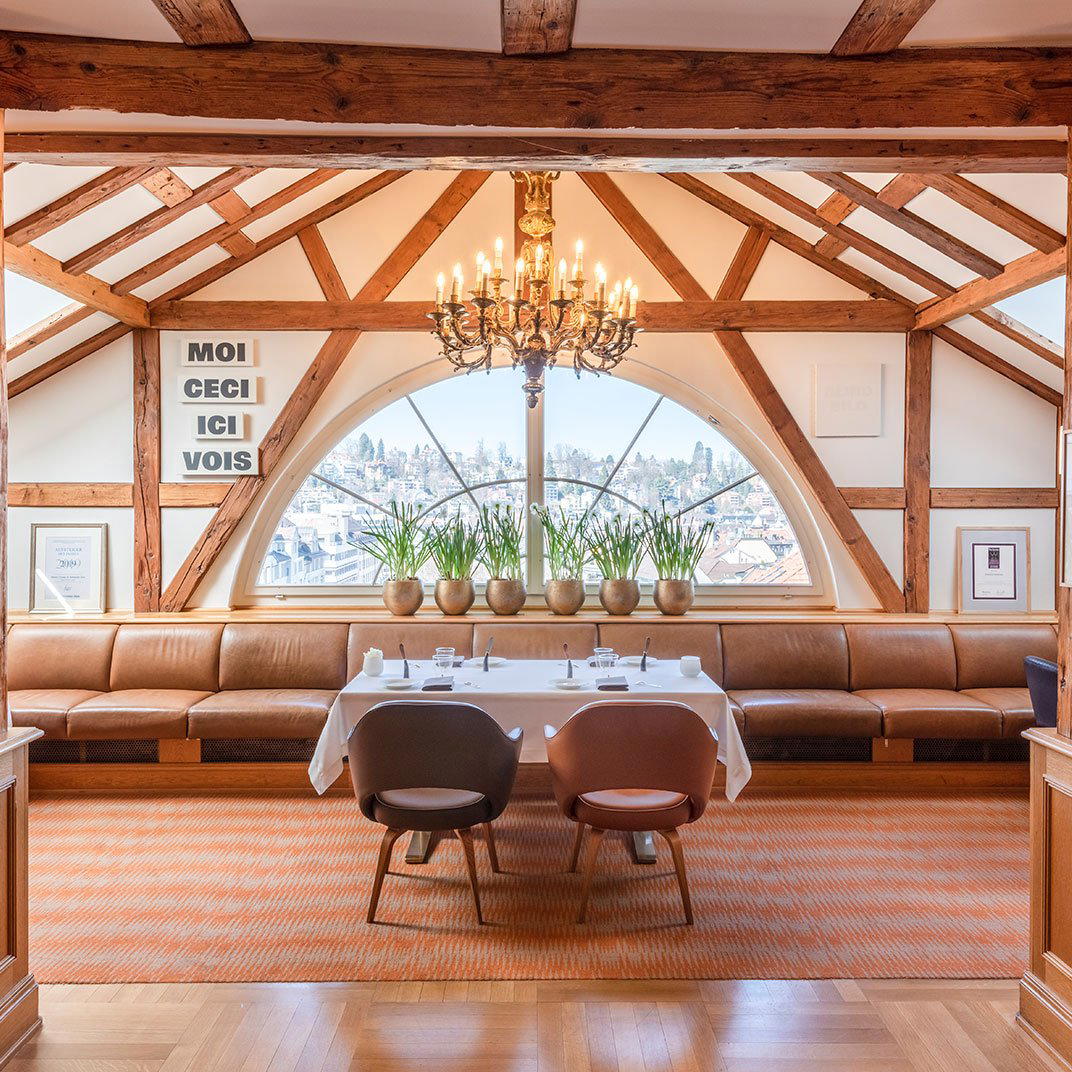
At a Glance
- Cozy
- Rustic
- Classic
- Special Occasion
- Date Night
- Historic Building
- Extensive Wine List
- Local Sourcing
- Mountain
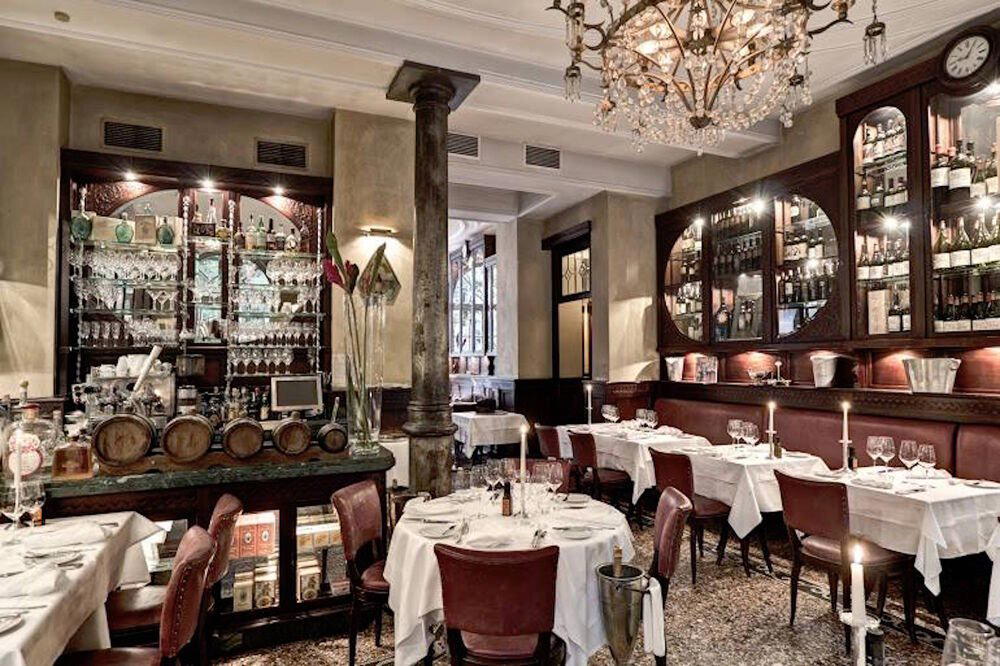
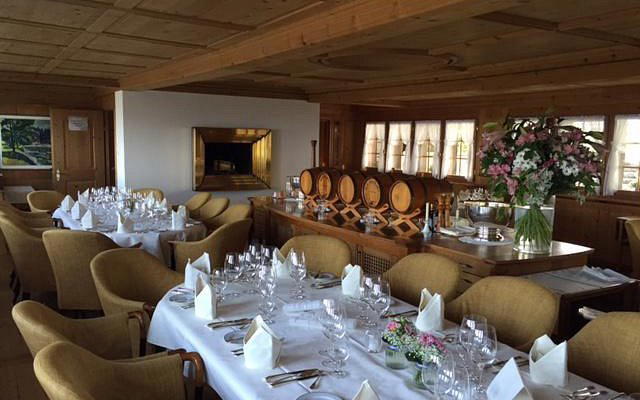
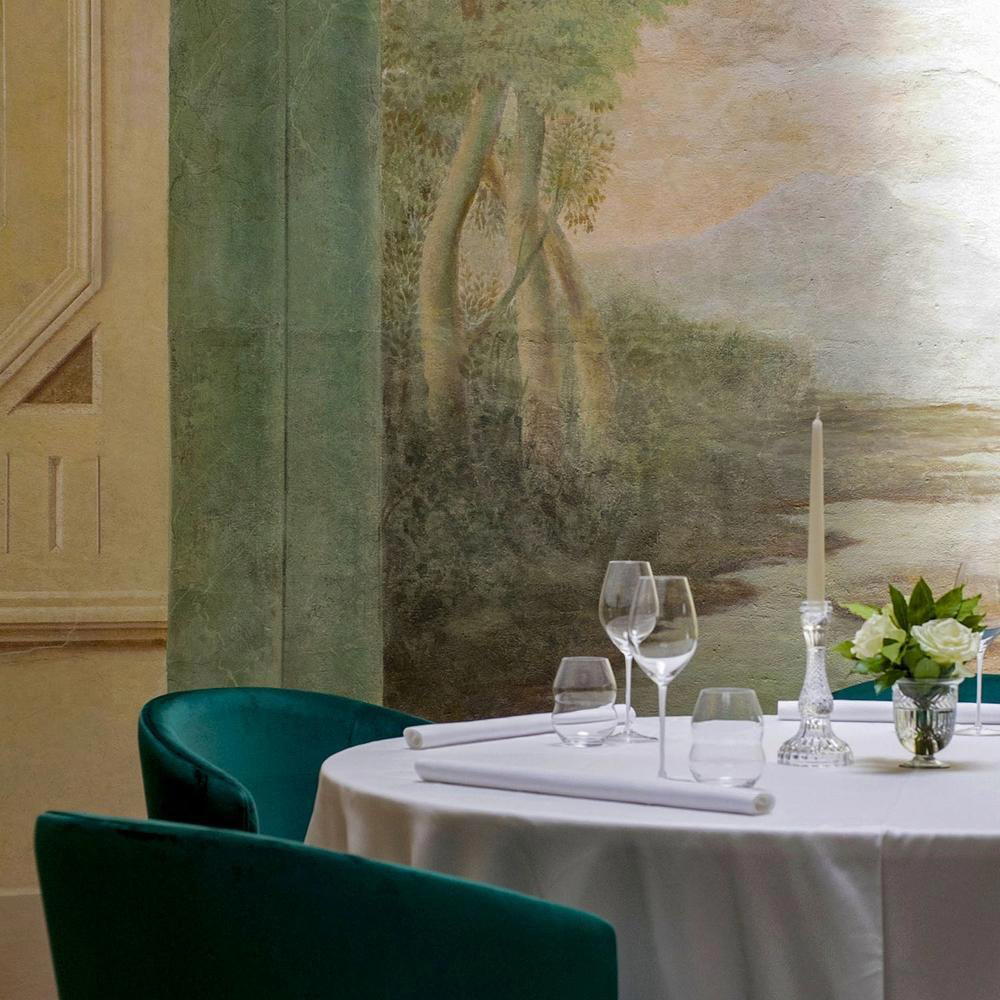
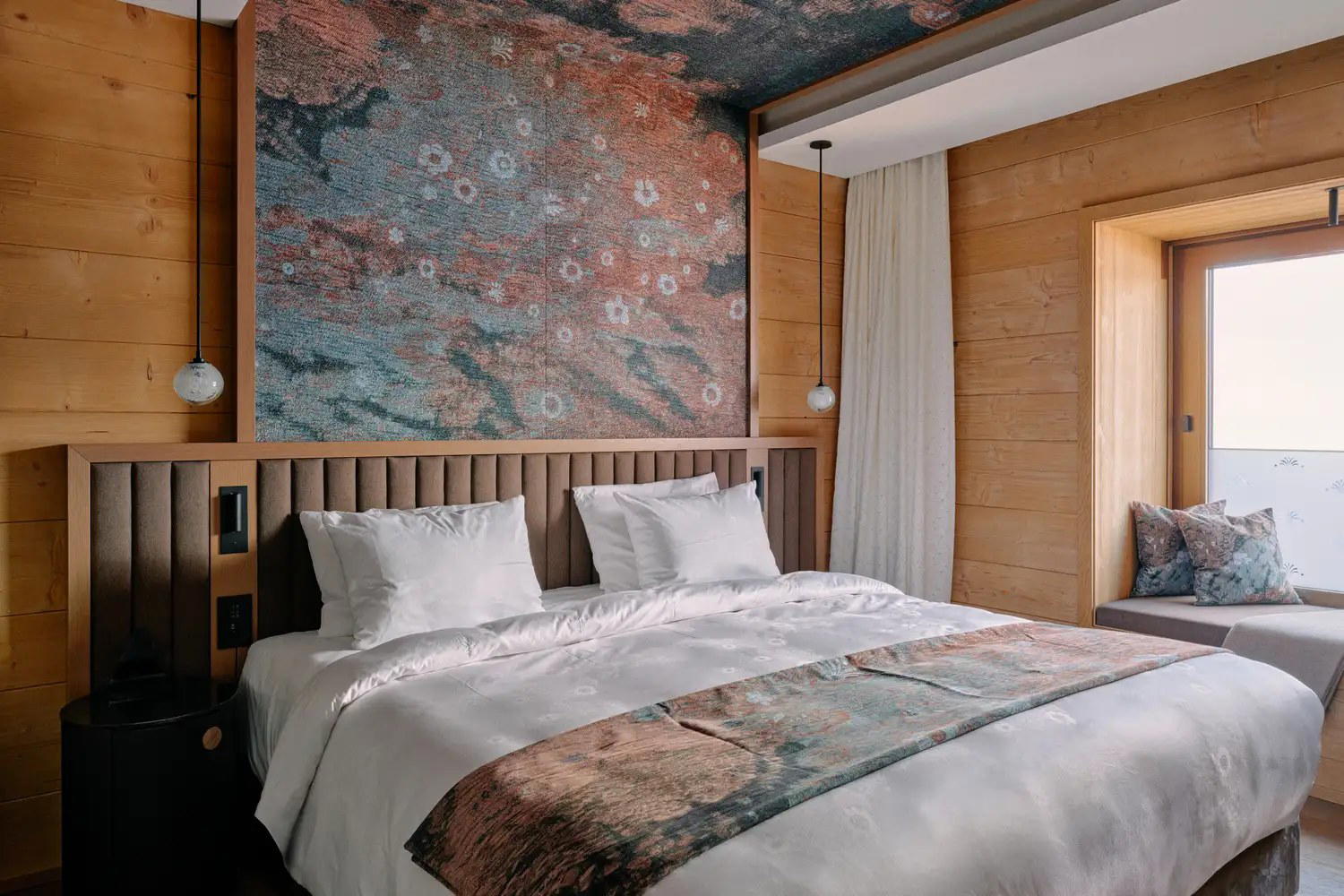
Cozy atmosphere with dark-wood paneling, crackling fireplaces, and historic rooms combining traditional Swiss decor with modern twists.