Restaurant Falknis

Situated on Bahnhofstrasse in the heart of Maienfeld, Restaurant Falknis occupies a town that takes its vinous identity seriously, sitting at the northern edge of Graubünden's Bündner Herrschaft wine corridor. The restaurant draws from one of Switzerland's most agriculturally coherent regions, where Pinot Noir vines, Alpine pasture, and proximity to the Rhine valley shape what ends up on the plate. For visitors to the Heidi country wine zone, it is a natural first port of call.
Pearl is the En Primeur Club membership app — saves, bookings, and concierge access live there. Same editors, same standards.
- Address
- Bahnhofstrasse 10, 7304 Maienfeld, Switzerland
- Phone
- +41813021818
- Website
- restaurantfalknis.ch
- Directions
- Get directions
 Saves & bookings on Pearl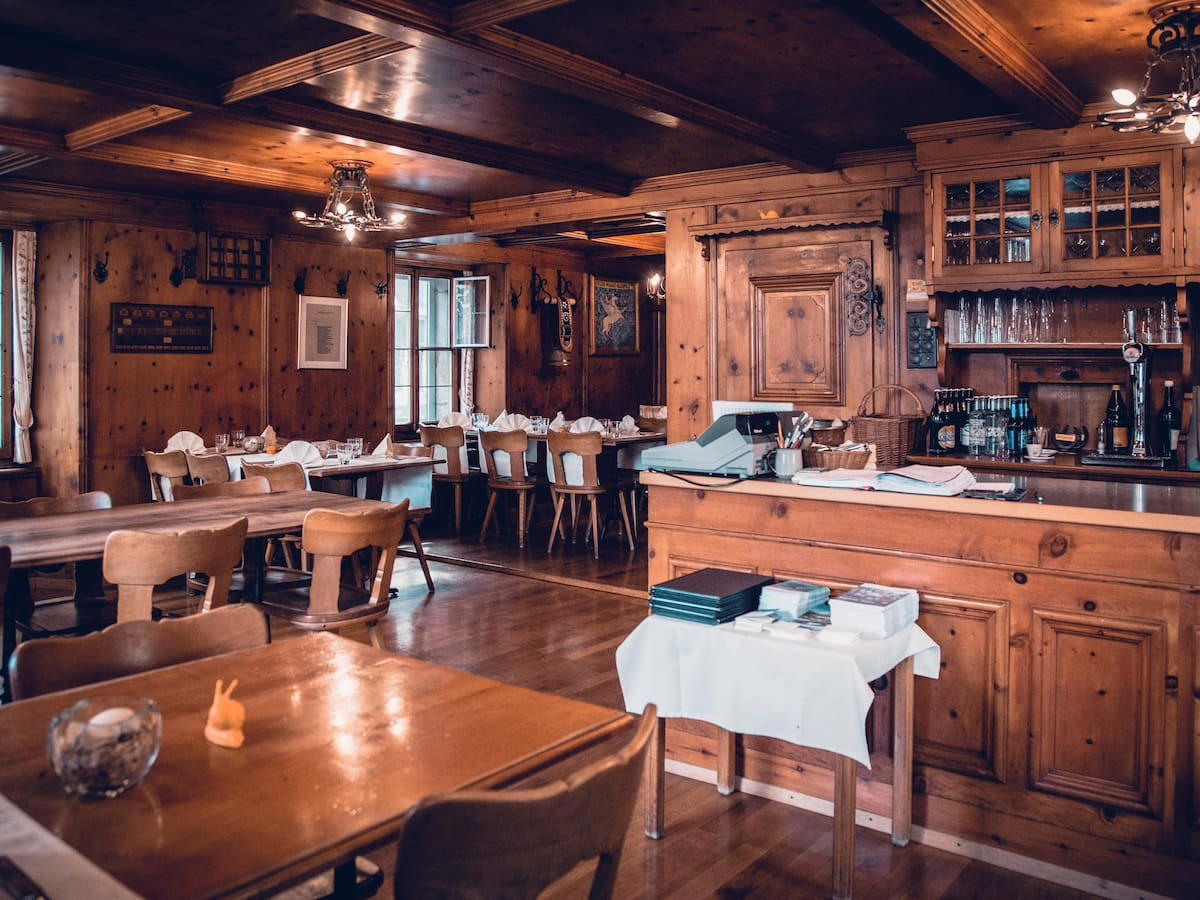
Where the Bündner Herrschaft Begins
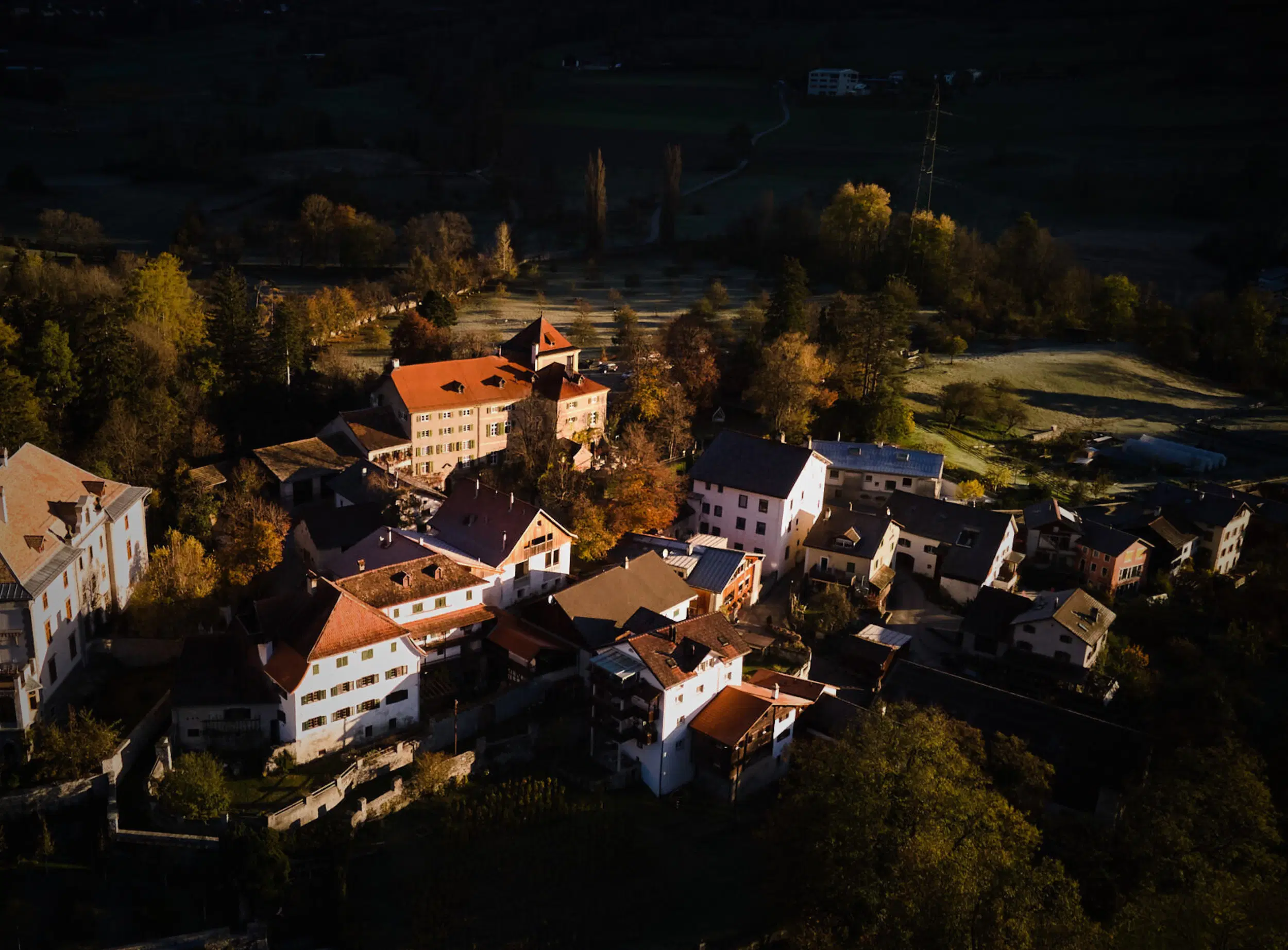
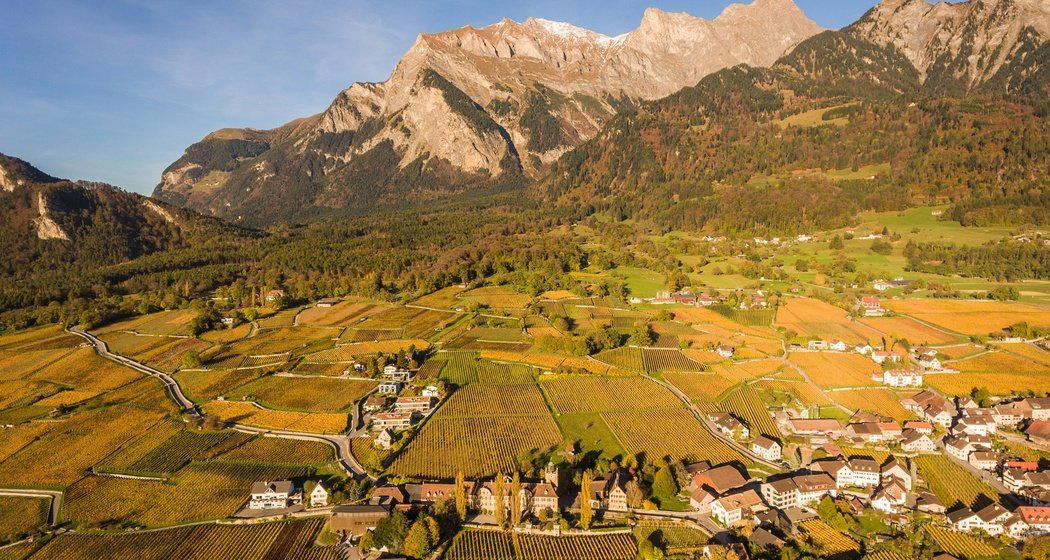
Maienfeld sits at the northern threshold of Graubünden's Bündner Herrschaft, the compact wine district that produces some of Switzerland's most serious Pinot Noir. The town's Bahnhofstrasse, the main artery connecting the train station to the medieval core, carries the dual character of a working market town and a discreet wine destination. Arriving on foot from the station, the transition from rail infrastructure to cobbled historic streetscape takes under five minutes, and Restaurant Falknis at number 10 occupies a position on that corridor that places it within reach of both passing travellers and local regulars. The physical setting matters here: Maienfeld is not a resort town performing authenticity for tourists. Its agricultural identity is structural, embedded in the surrounding vineyards, the Rhine alluvial plain, and the Alpine foothills that frame the valley to the east and west.
Ingredient Geography: What the Region Puts on the Table
The Bündner Herrschaft's culinary identity is inseparable from its agricultural geography. The region's Pinot Noir dominance is well-documented, the combination of limestone-rich soils, warm Föhn winds from the south, and a diurnal temperature swing that preserves acidity makes the zone one of the few places in the German-speaking Alps where the grape achieves reliable structural depth. That same microclimate, and the farming culture it sustains, produces dairy, meat, and foraged products that define the regional table. Alpine cattle graze on pasture within visible distance of Maienfeld's vineyards. The proximity of the Rhine and its tributary streams historically supported freshwater fish supply. And Graubünden's pantry extends further into the mountains: air-dried Bündnerfleisch, the cured beef that is the canton's most exported food product, is produced in conditions of altitude and dry air that no lowland facility can replicate. Restaurants working in this context have access to an ingredient geography that is both narrow and coherent, seasonal Alpine produce arriving in a relatively short window, supplemented by preserved and cured products developed over centuries as practical responses to mountain winters.
This is the sourcing context that shapes dining in Maienfeld. The town is small enough that the connection between local farms, local wine producers, and local restaurants remains direct rather than mediated by wholesale distribution chains of the kind that flatten ingredient character in larger cities. For comparison, the approach taken at Schloss Schauenstein in Fürstenau, Graubünden's reference point for farm-rooted high-end cooking, demonstrates how far that regional sourcing logic can be taken at the upper end of the price spectrum. Restaurant Falknis operates in a different register, as a town-centre address rather than a destination property, but the underlying ingredient logic of the canton applies equally.
Maienfeld's Dining Position Within Swiss Fine Dining
Switzerland's premium restaurant tier has concentrated in urban centres and resort destinations. Hotel de Ville Crissier in Crissier, Cheval Blanc by Peter Knogl in Basel, and La Table du Lausanne Palace in Lausanne anchor the French-Swiss corridor. In eastern Switzerland and the Alpine cantons, the reference set shifts: Memories in Bad Ragaz, approximately 10 kilometres south of Maienfeld along the Rhine valley, operates at the €€€€ tier under the Grand Resort Bad Ragaz umbrella. 7132 Silver in Vals and focus ATELIER in Vitznau extend the Alpine creative dining conversation further into the mountain cantons. Einstein Gourmet in Sankt Gallen and Magdalena in Schwyz represent the eastern Swiss mid-city positioning.
Within that geography, Maienfeld is neither a resort stop nor an urban dining hub. It functions as a wine-country town with a stable local population and a steady influx of visitors drawn to the Bündner Herrschaft wine trail and the Heidi cultural circuit. Restaurants here operate for a mixed audience: regional regulars, wine tourists moving between estate visits, and travellers using Maienfeld as a base for day trips into the Rhine valley or up toward Chur. Schloss Maienfeld represents the town's most prominent dining address with its castle setting and wine estate connection. Restaurant Falknis on Bahnhofstrasse occupies the town-centre position in that local conversation.
For the broader Swiss Alpine creative dining context, IGNIV Zürich by Andreas Caminada in Zurich, whose sharing format and Graubünden roots through Caminada's Schauenstein base make it a useful reference, demonstrates how regional Alpine identity travels into urban formats. The contrast with Maienfeld's in-situ dining is instructive: eating in the canton, surrounded by the vineyards and pasture that supply the kitchen, produces a different contextual frame than consuming that same regional vocabulary in a Zurich hotel.
Planning a Visit
Maienfeld is accessible by direct rail from Zurich in approximately one hour and fifteen minutes, with frequent service via Sargans. The town centre is compact and walkable from the station, placing Bahnhofstrasse within a short walk of the platform. For visitors combining a meal with wine-trail visits, the Bündner Herrschaft estates cluster around Maienfeld, Jenins, Malans, and Fläsch, a circuit manageable on foot or by bicycle in good weather. The wine harvest period in September and October brings the highest concentration of visitors to the region; spring and early summer offer quieter access with the Föhn-warmed valley at its most photogenic. Guests exploring broader Swiss dining alongside a visit might also consider Colonnade in Lucerne, La Brezza in Ascona, or L'Atelier Robuchon in Geneva as part of a wider Swiss itinerary. For those also travelling internationally, Le Bernardin in New York City and Atomix in New York City represent the kind of sourcing-led precision dining that shares a philosophical register with stronger examples from the Alpine Swiss tradition, even if the ingredient geography differs entirely. For Alpine resort dining within easy reach, Da Vittorio - St. Moritz in St. Moritz extends the Graubünden dining map further into the Engadine.
How It Stacks Up
Comparable venues nearby, for context on price, style, and recognition.
| Venue | Cuisine | Price | Notes |
|---|---|---|---|
| Restaurant FalknisThis venue — the venue you are viewing | Swiss Gastropub | $$ | Not listed |
| Schloss Maienfeld | Swiss Alpine Fine Dining | $$$$ | Maienfeld |
| Zum Ochsen | Modern Swiss Gastropub | $$ | Schöftland |
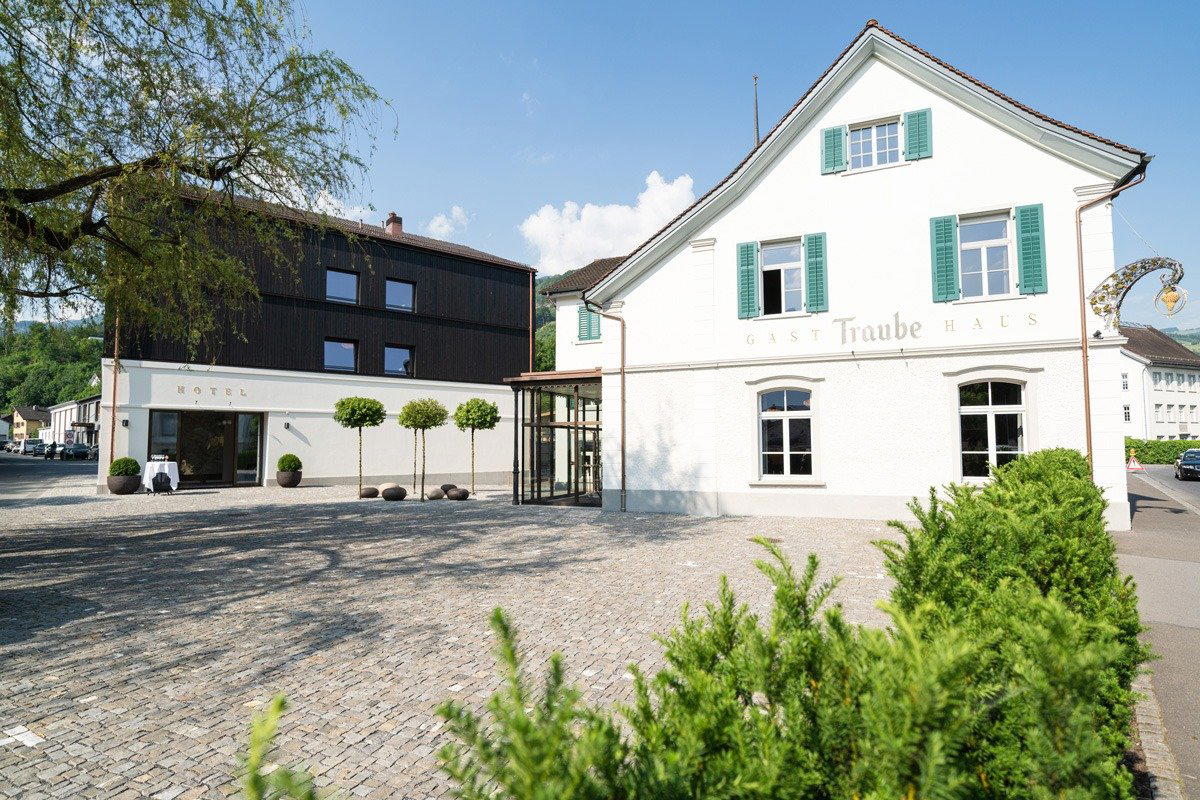
| Gasthaus Traube | Traditional Swiss Steakhouse | $$$ | Buchs St. Gallen |
| Restaurant Burg by Sascha Beilke | Modern Swiss Fine Dining | $$ | Au |
| La Cruna | Traditional Grisons Alpine Cuisine | $$$ | Sedrun |
Recognition history
Dated appearances from independent guides and award organizations, with the underlying list record or original source where available.
Michelin Plate
Michelin
Continue exploring
More in Maienfeld
Restaurants in Maienfeld
Browse all →
Bars in Maienfeld
Browse all →
Hotels in Maienfeld
Browse all →


At a Glance
- Rustic
- Cozy
- Classic
- Family
- Business Dinner
- Historic Building
- Local Sourcing
Current opening hours
- Monday
- 10 AM–11 PM
- Tuesday
- Closed
- Wednesday
- Closed
- Thursday
- 10 AM–11 PM
- Friday
- 10 AM–11 PM
- Saturday
- 10 AM–11 PM
- Sunday
- 10 AM–11 PM
Hours can change for holidays and private events. Last verified .