Zum Ochsen
Zum Ochsen sits on Dorfstrasse in Schöftland, a small Aargau village where Swiss rural dining traditions run deep. The address alone signals a particular kind of restaurant: one anchored in its community rather than positioned for destination diners. For travellers moving through the Swiss Mittelland, it represents the kind of local institution that urban dining culture rarely replicates.
Pearl is the En Primeur Club membership app — saves, bookings, and concierge access live there. Same editors, same standards.
- Address
- Dorfstrasse 11, 5040 Schöftland, Switzerland
- Phone
- +41627211212
- Website
- zum-ochsen.ch
- Directions
- Get directions
 Saves & bookings on Pearl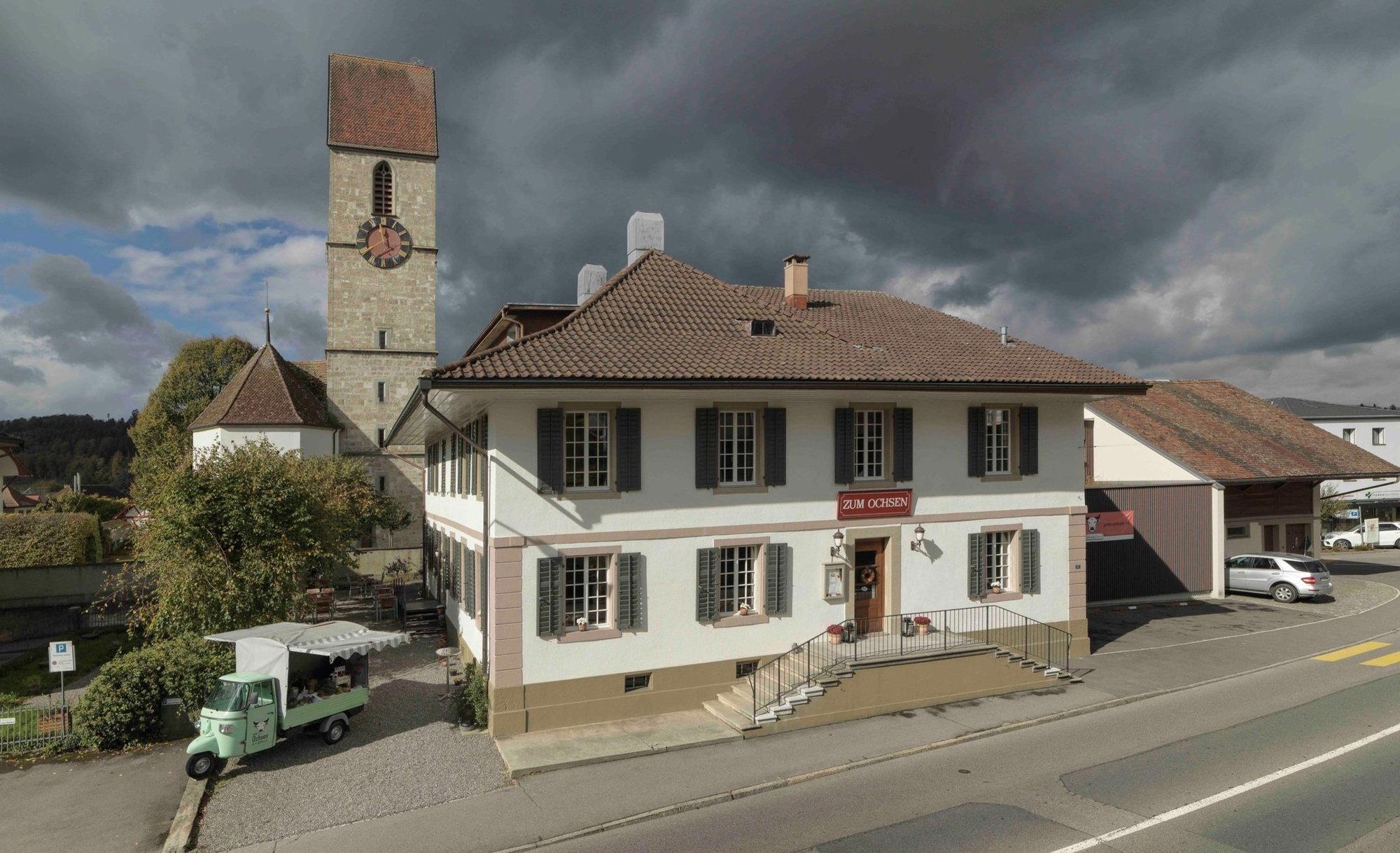
A Village Address in Switzerland's Agricultural Heartland
Aargau is not a canton that draws much international dining attention. That distinction goes to the arc of Swiss fine dining running from Fürstenau, where Schloss Schauenstein has built a reputation for modern European creativity, through to the Michelin-weighted tables of Basel, Geneva, and Zurich. But outside that circuit, the Swiss Mittelland sustains a quieter category of restaurant: the village Gasthaus or Ochsen, rooted in local agriculture and serving a community that has eaten at the same address across generations. Zum Ochsen is a modern Swiss gastropub at Dorfstrasse 11 in Schöftland, Switzerland. Zum Ochsen on Dorfstrasse 11 in Schöftland belongs to this tradition. The building sits in a village of a few thousand residents in the Suhre valley, roughly between Aarau and Zofingen, where the land around it produces the ingredients that have historically defined central Swiss cooking: dairy, root vegetables, freshwater fish from regional rivers, and meat from farms operating within a short radius.
What the Ingredient Geography Means Here
The editorial argument for visiting a restaurant like Zum Ochsen is not awards or tasting menus. It is geography and sourcing logic. Swiss fine dining at the upper tier, represented by tables like Memories in Bad Ragaz or focus ATELIER in Vitznau, operates with ingredient sourcing as a deliberate creative statement, often naming farms and producers on the menu itself. Village restaurants in agricultural cantons like Aargau operate with a different but related logic: proximity is not a marketing choice but a structural condition. The farms are close because the farms are close. The seasonal rhythm of what appears on the plate follows what the surrounding land produces, not what a procurement team can air-freight.
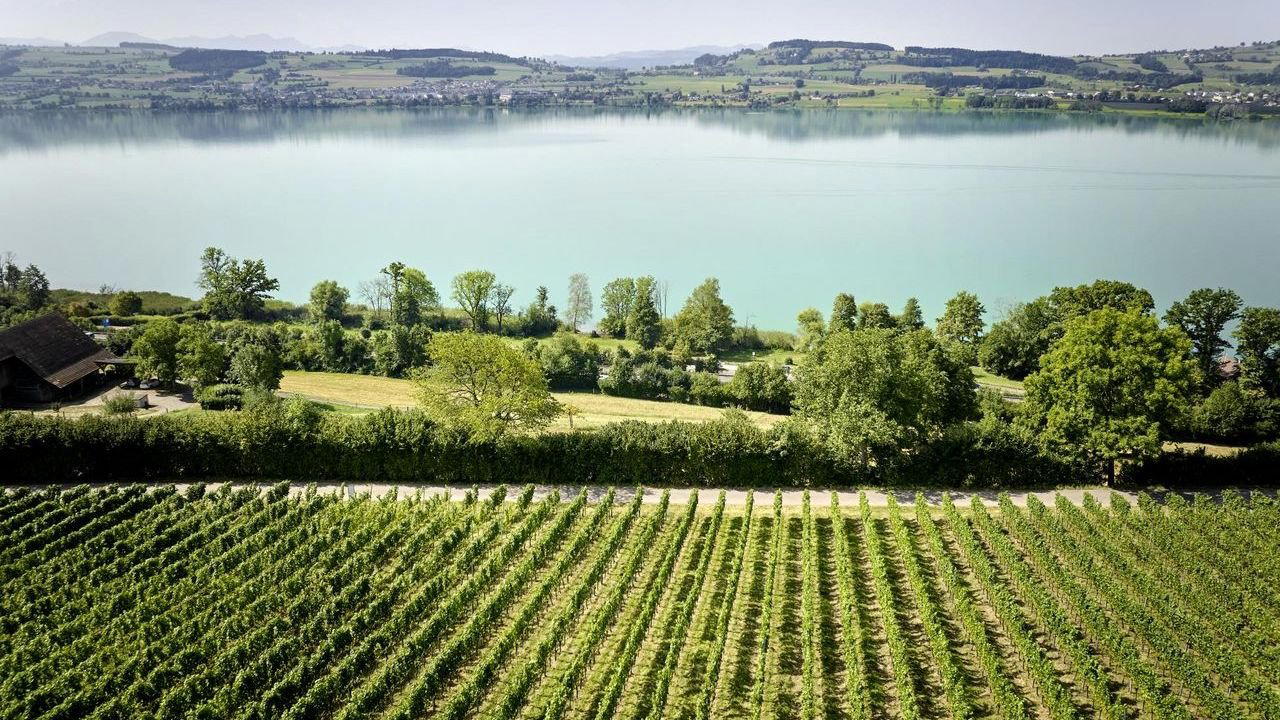
Aargau specifically sits in one of Switzerland's more productive agricultural zones. The canton's rivers and lakes historically supplied freshwater fish to regional tables, and its pastures support dairy production that feeds into the broader Swiss cheese and butter supply. A traditional restaurant in Schöftland draws from this context whether or not it makes explicit claims about it. The Swiss Mittelland has never needed to theorise farm-to-table; the supply chain was always short by default.
For comparison, restaurants operating at destinations like Cheval Blanc by Peter Knogl in Basel or La Table du Lausanne Palace have the resources to build sourcing programs that span regions and countries. The village Gasthaus operates in the opposite direction, with sourcing defined by what the immediate surroundings provide. Neither model is inherently superior, but they serve different reading functions for a traveller trying to understand how Swiss food culture actually works beyond the Michelin tier.
The Scene at a Swiss Dorfrestaurant
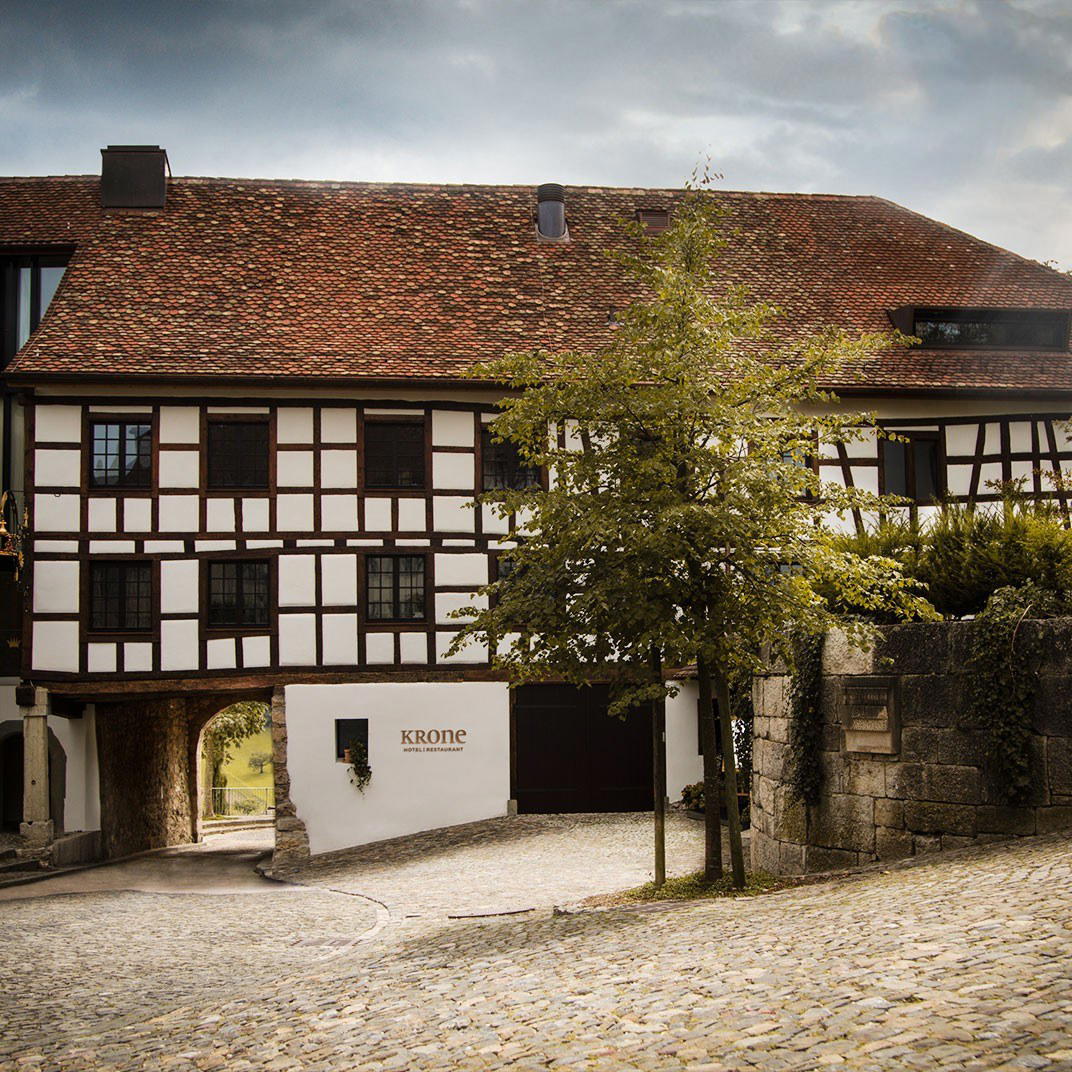
Approaching a building like Zum Ochsen on a village main street in the German-speaking Swiss countryside, certain architectural signals repeat: a ground-floor dining room, often with low ceilings and wood panelling that has absorbed decades of use, windows that face the street, and a bar or Stammtisch area where regulars operate on their own unwritten schedule. This is not the design language of destination dining. It is the design language of a place that was never meant to be discovered, only to continue.
The contrast with the broader Swiss dining scene is worth stating plainly. Switzerland has invested significantly in destination restaurant culture. IGNIV Zürich by Andreas Caminada in Zurich operates a sharing format aimed at urban diners with a particular interest in contemporary Swiss cooking. Einstein Gourmet in Sankt Gallen sits at the upper edge of the eastern Swiss dining tier. Magdalena in Schwyz has built a reputation in central Switzerland that pulls diners from Zurich. None of these operate in the same register as a village Gasthaus in Schöftland. The village restaurant exists below that tier not because it aspires to it and falls short, but because it addresses a different need: continuity, locality, and the rhythms of a community table.
Placing Schöftland on the Swiss Dining Map
Travellers who have worked through the Swiss fine dining circuit, from Hotel de Ville Crissier near Lausanne to 7132 Silver in Vals or Colonnade in Lucerne, eventually encounter a question the Michelin guide cannot answer: what does ordinary Swiss hospitality look like when it is not performing for an international audience? The village restaurant in a canton like Aargau is part of that answer. It is not a lesser version of the destination table. It is a different institution with a different function.
For visitors to Switzerland exploring beyond the city centres, Schöftland sits in the Suhre valley with reasonable road access from Aarau, the cantonal capital, approximately 10 kilometres to the south. The surrounding area is agricultural rather than scenic in the postcard sense, which is precisely what makes it an honest representation of the Swiss interior that most international visitors never reach. For context on what the broader Swiss fine dining tier looks like at its upper end, And for Ticino contrast, La Brezza in Ascona and Da Vittorio in St. Moritz show how Italian-Swiss dining culture operates in a different register entirely. Maison Wenger in Le Noirmont and L'Atelier Robuchon in Geneva complete the picture of how the French-Swiss tier approaches sourcing and seasonal cooking from a more formal position.
Planning a Visit
Specific hours, booking methods, and pricing at the restaurant are not part of the editorial frame here. Village restaurants in German-speaking Switzerland typically accept reservations by phone and operate on schedules that follow local demand rather than tourist-facing peak hours. Visiting without a confirmed reservation on a weekday lunch or early dinner is the approach that suits this type of establishment, though confirming locally before travelling from a distance is advisable. The address, Dorfstrasse 11, Schöftland, is precise enough for navigation.
In Context: Similar Options
Comparable venues nearby, for context on price, style, and recognition.
| Venue | Cuisine | Price | Notes |
|---|---|---|---|
| Zum OchsenThis venue — the venue you are viewing | Modern Swiss Gastropub | $$ | Not listed |
| Blockhus | Swiss with eclectic influences | $$ | Fluntern |
| Olympia | Modern Swiss Fusion | $$ | Breitfeld |
| Roter Delfin | Modern Swiss Comfort Food | $$ | Aussersihl |
| Fribourger Fonduestübli | Traditional Swiss Fondue | $$ | Aussersihl |
| Wintergarten Pergola | Swiss Regional | $$$ | Bubendorf |
Continue exploring
More in Schoftland
Restaurants in Schoftland
Browse all →
Bars in Schoftland
Browse all →

Hotels in Schoftland
Browse all →

At a Glance
- Cozy
- Rustic
- Classic
- Family
- Casual Hangout
- Group Dining
- Terrace
- Local Sourcing
Current opening hours
- Monday
- 11 AM–2 PM, 5:30–10 PM
- Tuesday
- Closed
- Wednesday
- Closed
- Thursday
- 11 AM–2 PM, 5:30–10 PM
- Friday
- 11 AM–2 PM, 5:30–11 PM
- Saturday
- 9:30 AM–2 PM, 5:30–11 PM
- Sunday
- 11 AM–10 PM
Hours can change for holidays and private events. Last verified .
Cozy atmosphere uniting tradition and modern elements in a historic house, inviting for families, friends, and dogs.