Gasthaus Traube

Gasthaus Traube occupies a corner of St. Gallerstrasse in Buchs, the small Rhine-valley town that sits at the convergence of Switzerland, Austria, and Liechtenstein. The Gasthaus format, a category of Swiss inn-restaurant built around regional cooking and local community, gives Traube its operating logic. For visitors tracing eastern Switzerland's dining scene, it represents the workhorse middle tier between canteen and destination restaurant.
Pearl is the En Primeur Club membership app — saves, bookings, and concierge access live there. Same editors, same standards.
- Address
- St. GallerStrasse 7, 9470 Buchs, Switzerland
- Phone
- +41817505522
- Website
- gasthaus-traube.ch
- Directions
- Get directions
 Saves & bookings on Pearl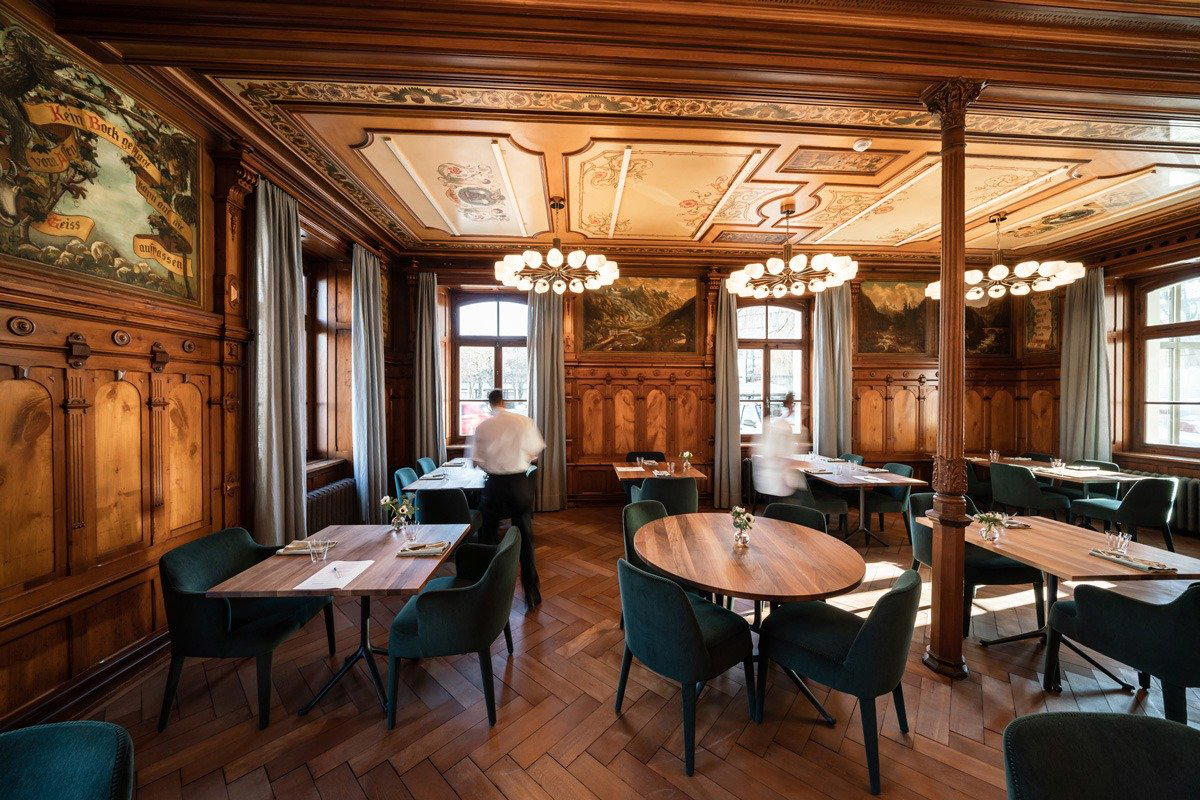
Where the Rhine Valley Sets the Table
The eastern edge of Switzerland, where the Rhine carves a flat corridor between the Rätikon and Alpstein ranges, produces a dining character shaped as much by geography as by culinary ambition. Buchs sits at the centre of this triangle, bordered by Liechtenstein to the east and Vorarlberg to the north, and the town's restaurants reflect that cross-border proximity in ways that are rarely discussed in Swiss food writing. Ingredients, producers, and kitchen staff move freely across these borders, and the gasthaus format, the category of inn-restaurant that has anchored Swiss village dining for generations, is the primary vehicle for that exchange. Gasthaus Traube, at St. Gallerstrasse 7, operates within this tradition. The address places it on one of Buchs's central through-routes, within walking distance of the main station.
The Gasthaus Tradition and What It Demands of Ingredients
The Swiss gasthaus is not a casual category. At its functional core, it is a public house with a kitchen obligation: the expectation that food will be available, competent, and grounded in the season and the surrounding land. That obligation, sustained across centuries of Alpine hospitality, has historically kept gasthaus kitchens closer to their supply chains than almost any other restaurant format. A gasthaus in the Rhine valley has access to dairy from the Appenzell foothills, game from the Liechtenstein highlands, fish from the Rhine itself, and vegetable production from the valley floor. Whether any individual kitchen takes full advantage of those supply lines is a matter of operation and season, but the structural proximity is there in a way that urban restaurants must actively construct.
This sourcing proximity is one reason the gasthaus format persists as a meaningful dining category in eastern Switzerland even as global fine-dining formats spread. Kitchens like Taverne zum Schäfli in Wigoltingen and Magdalena in Schwyz show what can happen when a traditional inn format is pushed toward creative ambition, the latter with an Alpine-vegetarian program that draws on the same mountain-proximity logic but at a much higher technical level. Traube occupies territory closer to the core of the tradition: a neighbourhood-facing restaurant rather than a destination kitchen.
Atmosphere and Approach
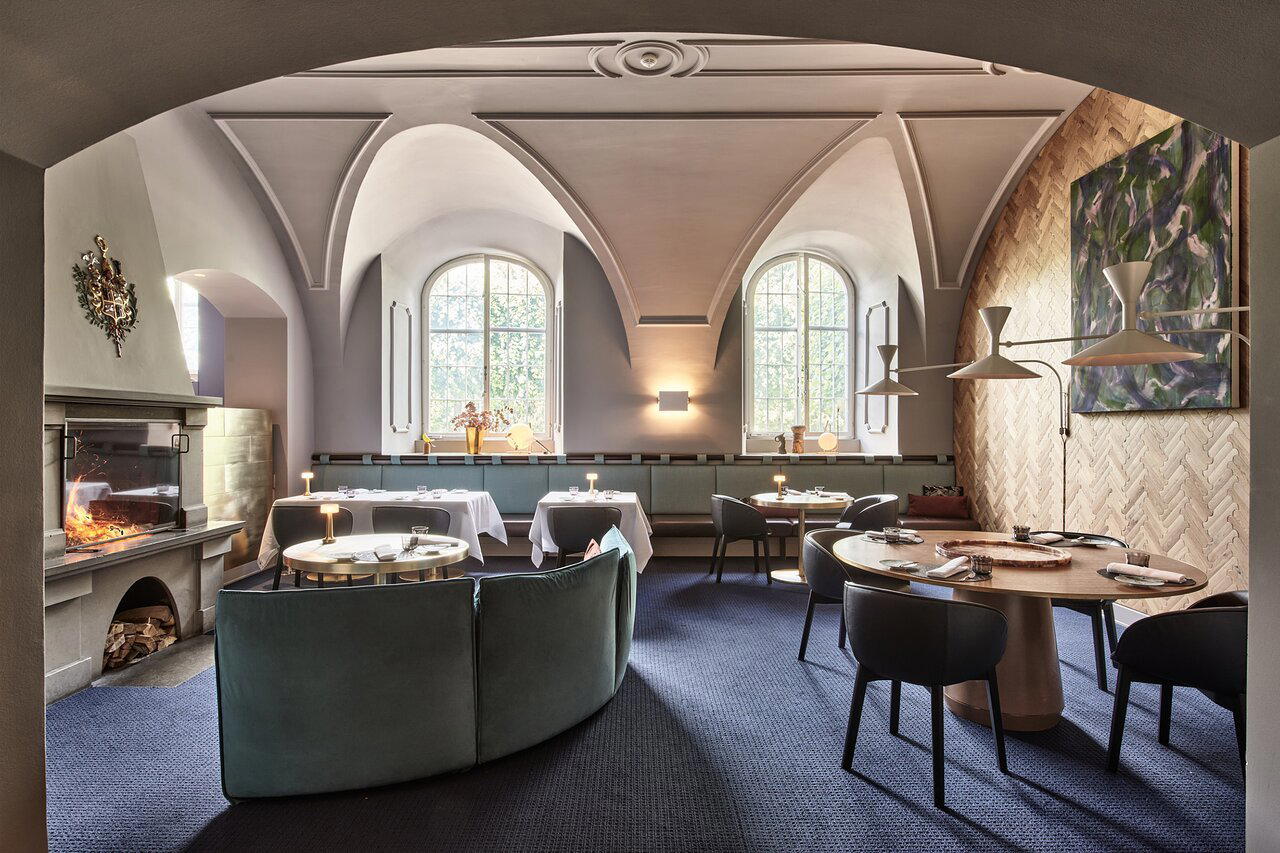
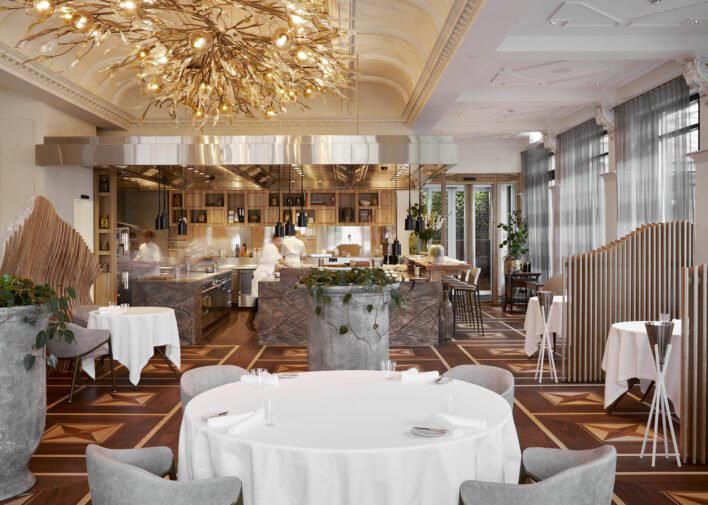
The gasthaus interior is a recognisable Swiss type: solid furniture, natural materials, and a room designed for conversation rather than theatre. In the Rhine valley specifically, the form tends toward a certain unpretentious solidity, rooms that read as functional rather than styled, where the quality signal comes from the plate and the service rhythm rather than the fit-out. This contrasts sharply with the format employed at, for example, focus ATELIER in Vitznau or Mammertsberg in Freidorf, where the room is itself part of the editorial statement the kitchen is making. At a gasthaus, the room recedes and the regulars define the atmosphere. The dining room at Traube reflects this priority: the setting supports rather than competes.
For international visitors comparing Swiss gasthaus culture to analogues elsewhere, the closest reference point is the Austrian Gasthof or the German Gasthaus, formats that share a lineage and similar expectations around seasonal menus, generous portions, and a wine list that prioritises regional producers. The cross-border ease from Buchs means that Austrian and Liechtenstein wine bottlings appear naturally in this part of Switzerland in ways that would seem unusual further west or south.
Eastern Switzerland as a Dining Region
The St. Gallen canton and its neighbours are underrepresented in the international food press relative to the concentration of serious kitchens operating there. The Rhine valley specifically benefits from agricultural diversity that the high-altitude cantons cannot match, and from a transport infrastructure, rail and road connections through to Zurich, Innsbruck, and Munich, that keeps it commercially active in ways that purely alpine towns are not. That activity supports a hospitality sector with more range than the town's modest size might suggest. Restaurants like La Brezza in Ascona, Da Vittorio in St. Moritz, and La Table du Valrose in Rougemont serve entirely different markets, destination diners and resort guests, but they share with eastern Switzerland's more rooted kitchens the same structural advantage: a country where food provenance is treated as a default rather than a marketing claim.
For readers who want to understand where Switzerland's gastronomy sits in a global context, comparisons with destination-driven formats at Le Bernardin in New York City or community-anchored tasting experiences like Lazy Bear in San Francisco are instructive precisely because they sit at the opposite end of the format spectrum. Switzerland's gasthaus tradition predates the concept of the destination restaurant by several centuries, and in towns like Buchs it continues to serve a function those formats were never designed to fill.
Further comparisons within the Swiss system: Hotel de Ville Crissier in Crissier, Cheval Blanc by Peter Knogl in Basel, and Maison Wenger in Le Noirmont represent the haute end of the Swiss tradition, kitchens that have built international reputations over decades of consistent work. Skin's in Lenzburg and The Japanese Restaurant in Andermatt reflect the degree to which Swiss dining has diversified in format and culinary reference. Traube sits at the foundation of the pyramid: a kitchen whose value is local, seasonal, and consistent rather than aspirational.
Planning a Visit
Gasthaus Traube is located at St. Gallerstrasse 7 in Buchs, in the canton of St. Gallen. Buchs is served directly by the main Zurich–Chur–Feldkirch rail line, making it reachable in under ninety minutes from Zurich Hauptbahnhof without a connection. The Buchs/Sevelen station is a short walk from the restaurant's address. Recommended booking applies.
At-a-Glance Comparison
Comparable venues nearby, for context on price, style, and recognition.
| Venue | Cuisine | Price | Notes |
|---|---|---|---|
| Gasthaus TraubeThis venue — the venue you are viewing | Traditional Swiss Steakhouse | $$$ | Not listed |
| Schlössli Sax | Modern Swiss | $$$ | Sax |
| La Cruna | Traditional Grisons Alpine Cuisine | $$$ | Sedrun |
| Old Swiss House | Traditional Swiss Fine Dining | $$$ | Old Town |
| Belvoir | Swiss Grill with Lake Views | $$$ | Rüschlikon |
| SIGN eat & drink | Swiss Fusion | $$$ | Wallisellen |
Recognition history
Dated appearances from independent guides and award organizations, with the underlying list record or original source where available.
Michelin Plate
Michelin · 2026 Michelin Plate
Continue exploring
More in Buchs
Restaurants in Buchs
Browse all →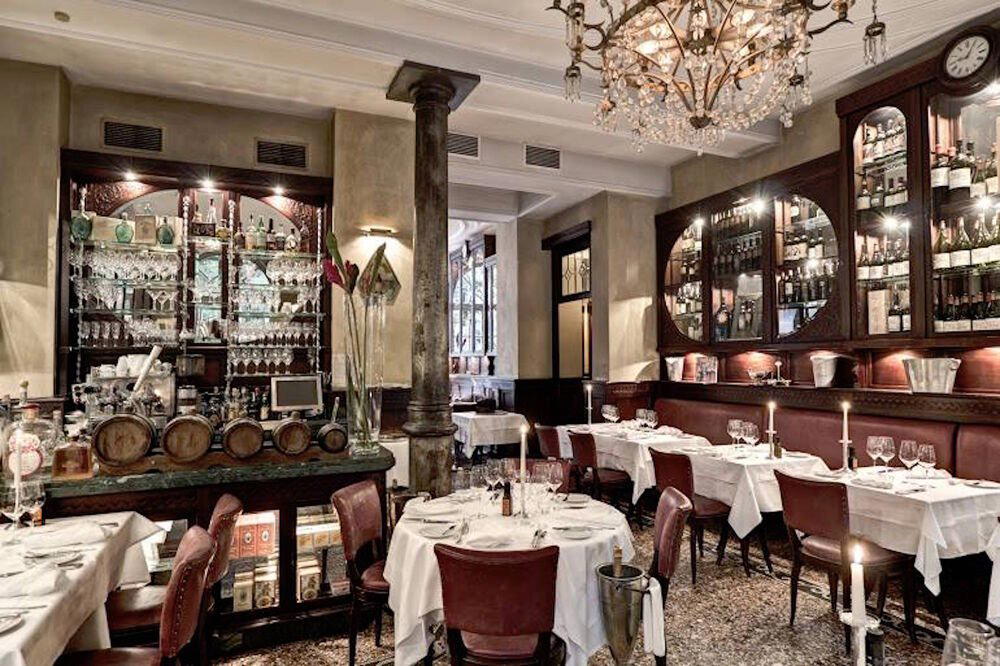
Bars in Buchs
Browse all →
Hotels in Buchs
Browse all →


At a Glance
- Rustic
- Cozy
- Classic
- Elegant
- Family
- Group Dining
- Business Dinner
- Celebration
- Historic Building
- Garden
- Open Kitchen
- Extensive Wine List
- Sommelier Led
- Local Sourcing
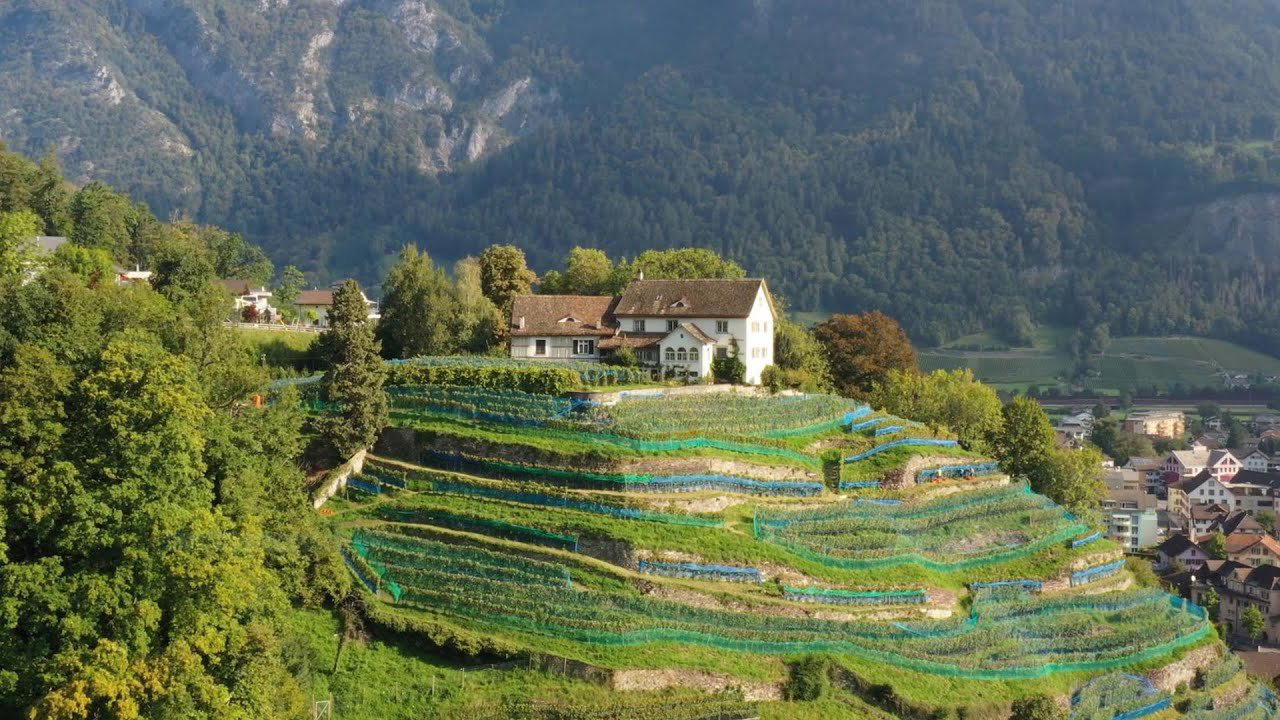
Warm rustic atmosphere with wooden elements, patina, historic murals, good lighting, and a welcoming garden oasis.