Schloss Maienfeld
Schloss Maienfeld is a historic castle property in the heart of Graubünden's wine country, where medieval architecture meets the vine-terraced slopes that define this corner of eastern Switzerland. Positioned in one of Switzerland's smallest and most storied wine-producing communes, the schloss sits within a broader regional scene that draws visitors for its Pinot Noir heritage, Heidi associations, and proximity to the Bündner Herrschaft appellation.
Pearl is the En Primeur Club membership app — saves, bookings, and concierge access live there. Same editors, same standards.
- Address
- Schloss Maienfeld 2, 7304 Maienfeld, Switzerland
- Phone
- +41813022423
- Website
- schlossmaienfeld.ch
- Directions
- Get directions
 Saves & bookings on Pearl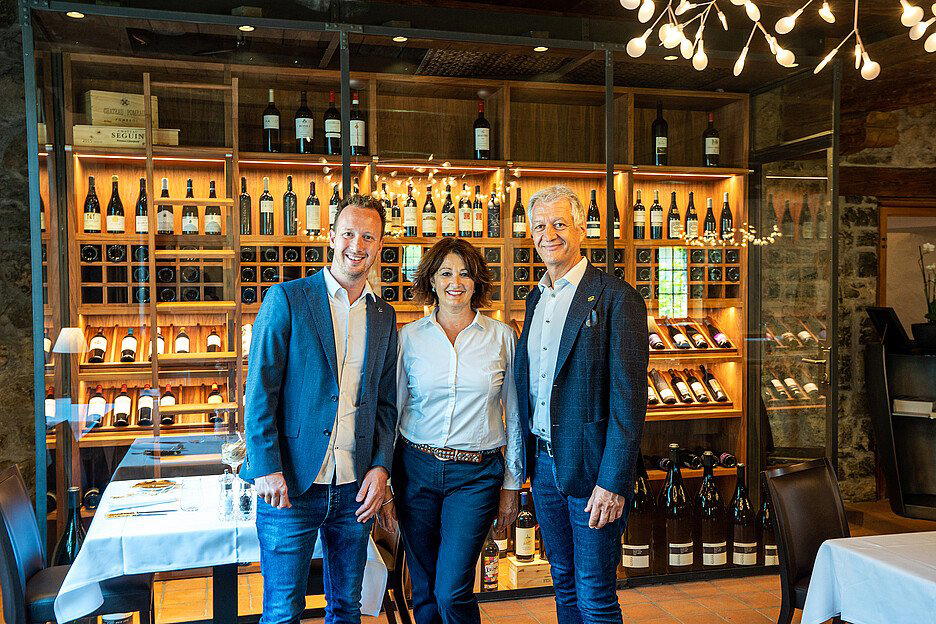
A Castle in Wine Country: What Maienfeld's Schloss Tells You About Graubünden
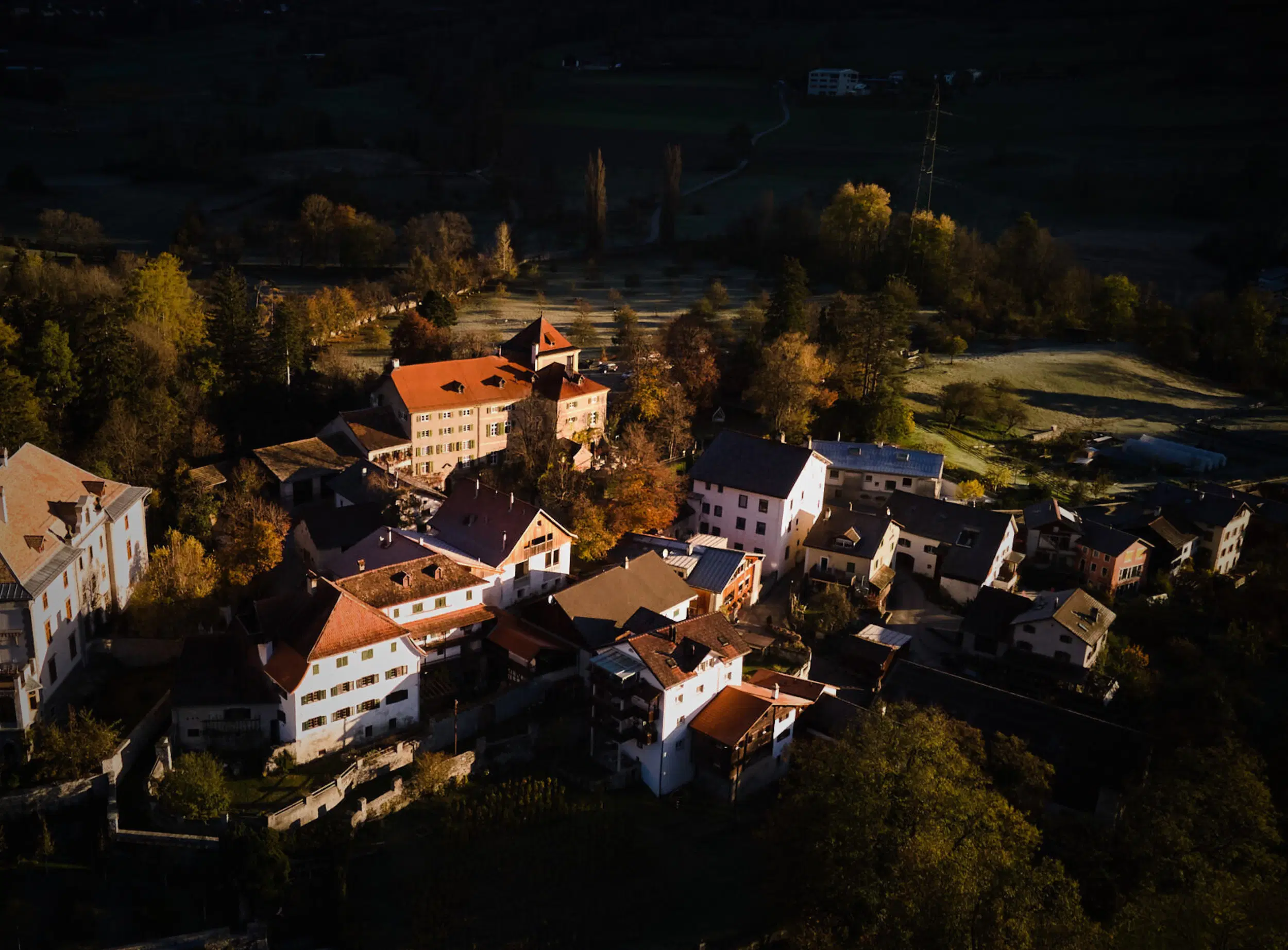
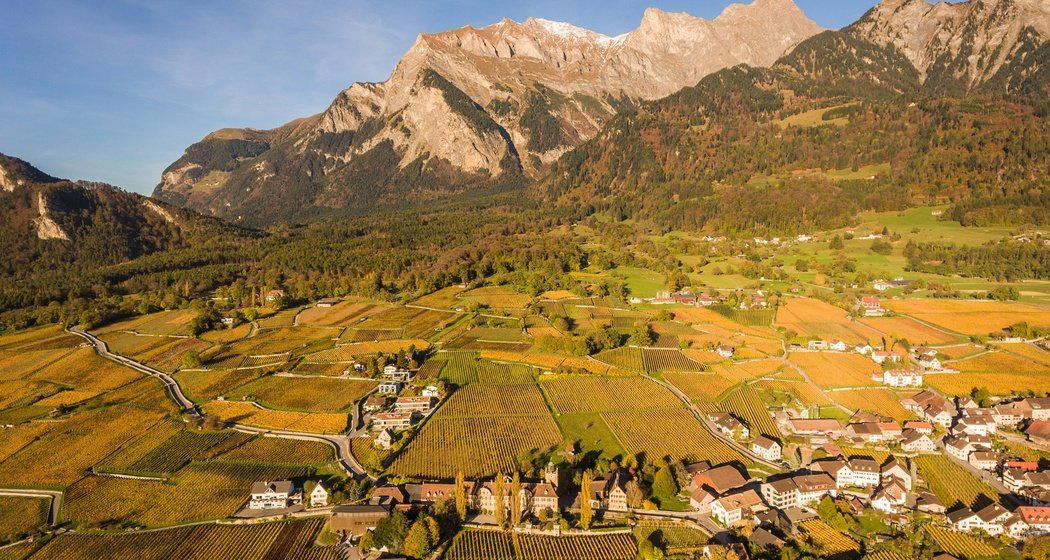
Approaching Maienfeld from the Rhine plain, the town resolves into a cluster of ochre and grey stone buildings backed by vine-covered hillsides that climb toward the Falknis massif. Schloss Maienfeld rises from this setting as the town's most prominent structure, a fortified ensemble whose towers and walls predate most of Switzerland's fine dining scene by several centuries. This is not, in other words, a venue that announces itself through a design intervention or a famous kitchen. It announces itself through sheer historical weight and the agricultural landscape it has presided over since the medieval period.
That context matters because Maienfeld itself operates as a specific kind of Swiss destination: small, coherent, and anchored by two things that rarely share billing elsewhere. The first is the district's Pinot Noir tradition, cultivated in the Bündner Herrschaft, a four-commune appellation that produces some of the highest-altitude and most climate-sensitive red wines in the German-speaking world. The second is the town's literary identity as the setting for Johanna Spyri's Heidi, which draws a particular kind of cultural tourism quite separate from the wine circuit. Schloss Maienfeld sits at the intersection of both, functioning as an architectural anchor for visitors who arrive through either door.
The Bündner Herrschaft: Switzerland's Pinot Benchmark
Understanding Schloss Maienfeld requires understanding the wine region it inhabits. The Bündner Herrschaft, encompassing Maienfeld, Malans, Jenins, and Fläsch, produces Pinot Noir under conditions that viticulturalists elsewhere would consider marginal: high altitude, short growing seasons, and a reliance on the föhn wind to push grapes to sufficient ripeness. The result, in the hands of the region's most serious producers, is a style of Pinot that prioritises transparency and mineral precision over fruit weight, placing it in a different register from Burgundy's richer expressions or the fruitier profiles common in warmer Swiss cantons.
This is the wine context that surrounds Schloss Maienfeld on all sides. The town's identity is inseparable from it. For visitors arriving from the broader Swiss fine dining circuit, from Schloss Schauenstein in Fürstenau or from Memories in Bad Ragaz, which sits roughly fifteen kilometres to the north, Maienfeld reads as the agricultural source of much of what appears on those Graubünden wine lists.
Schloss Maienfeld in Regional Context
Eastern Switzerland's premium dining and hospitality scene has concentrated in a handful of anchor points: St. Moritz in the Engadin, Bad Ragaz as a spa-resort hub, and the scattering of serious restaurants that have emerged in smaller Graubünden communes. focus ATELIER in Vitznau and Einstein Gourmet in Sankt Gallen represent the kind of modern Swiss creative cooking that defines the upper tier of the German-speaking Swiss restaurant scene. Maienfeld, by contrast, has not positioned itself as a gastronomic destination in that mode. Its draw is more specifically territorial: the castle, the vines, and the village-scale coherence that larger resort towns cannot replicate.
For visitors who approach this region through a restaurant-first logic, Restaurant Falknis in Maienfeld itself provides one direct local dining reference, operating within the same compact town centre. The broader Swiss fine dining map, from Cheval Blanc by Peter Knogl in Basel to Hotel de Ville Crissier in Crissier to IGNIV Zürich by Andreas Caminada in Zurich, operates at a scale and density that Maienfeld does not attempt to match. This is not a weakness; it reflects the town's character as a place where the primary experience is landscape and heritage, not kitchen ambition.
Swiss Castle Properties as a Category
Switzerland's relationship with its historic castle stock is complicated. Many schlösser have been converted into hotels, event venues, or cultural institutions, with results that range from sympathetic restoration to theme-park approximation. Particularly successful conversions tend to be those where the property's physical logic, its towers, courtyards, and thick-walled rooms, shapes the guest experience rather than being overwritten by contemporary hospitality programming. Schloss Schauenstein in Fürstenau is one cited example of this done at the highest level, with Andreas Caminada's kitchen becoming the vehicle through which the castle's identity is expressed internationally. The restaurant occupies a different position in this typology: its significance is primarily historical and architectural, situated within a wine-producing commune where the surrounding terroir is the main content.
That positioning connects it more naturally to the kind of wine-tourism infrastructure that the Bündner Herrschaft has been quietly developing. For visitors arriving from 7132 Silver in Vals or from the Italian-Swiss dining scene represented by La Brezza in Ascona, Maienfeld reads as a deliberately slower, more agricultural register of Swiss luxury, one where the product in the glass is the primary conversation.
Planning a Visit: What the Region Demands
Maienfeld sits on the main rail line between Zurich and Chur, making it accessible without a car, though the surrounding vineyards and the approach to the schloss reward a slower pace on foot or by bicycle. The Bündner Herrschaft harvest season, typically running from September into October depending on the vintage, draws visitors from across Switzerland's German-speaking wine community and represents one atmospherically complete time to visit. The föhn conditions that characterise late summer and early autumn bring a particular quality of light to the vine terraces that photographers and wine professionals specifically schedule around.
For visitors building a broader eastern Switzerland itinerary, the proximity to Bad Ragaz, home to Memories and its modern Swiss kitchen, makes a natural pairing: two nights in the spa resort, a half-day in Maienfeld for the castle and the wine producers, then onward to Chur or into the Engadin. Those extending westward toward the broader Swiss restaurant circuit can reference Magdalena in Schwyz, Colonnade in Lucerne, or La Table du Lausanne Palace in Lausanne as logical waypoints. For those who appreciate how Swiss dining culture compares internationally, references like Le Bernardin in New York City or Atomix in New York City help calibrate how the Graubünden scene positions within the wider global conversation. Booking for any Bündner Herrschaft wine producer visits during harvest should be arranged several weeks in advance; cellar-door access at the region's smaller estates is not guaranteed without prior contact, and availability compresses quickly once the season opens. For specific questions about dining, events, or access at the Schloss itself, contacting local tourism infrastructure through the Maienfeld visitor organisation is one reliable route. The town also connects to Da Vittorio - St. Moritz and L'Atelier Robuchon in Geneva as part of longer Switzerland circuits for visitors treating the country as a multi-stop dining destination.
Cost Snapshot
Comparable venues nearby, for context on price, style, and recognition.
| Venue | Cuisine | Price | Notes |
|---|---|---|---|
| Schloss MaienfeldThis venue — the venue you are viewing | Maienfeld, Swiss Alpine Fine Dining | $$$$ | Not listed |
| Restaurant Falknis | Maienfeld, Swiss Gastropub | $$ | Not listed |
| Suvretta Stube | Not listed | $$$$ | St. Moritz, Swiss Alpine Classics with Mediterranean Influences |
| Engel Stans | Not listed | $$$ | Stans historic village centre, Swiss Regional Grill & Bistro |
| Kochendörfer | Not listed | $$$ | Pontresina, Central European with Fish Specialties |
| Romantik Hotel Bären | Not listed | $$$ | Dürrenroth, Traditional-Modern Swiss Regional |
Continue exploring
More in Maienfeld
Restaurants in Maienfeld
Browse all →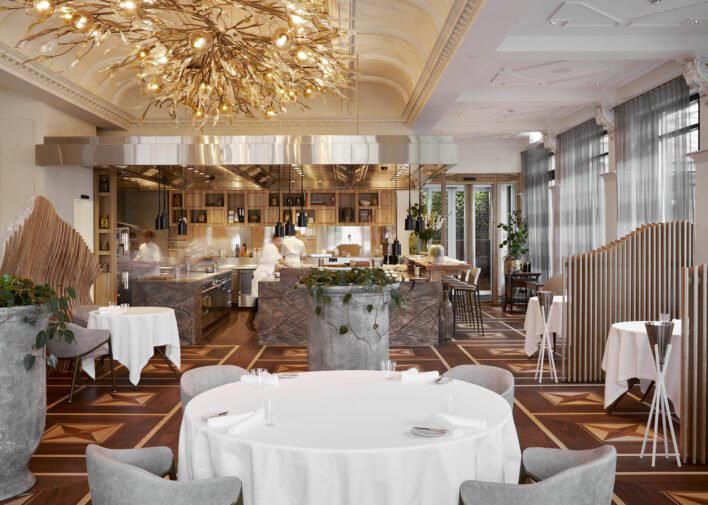
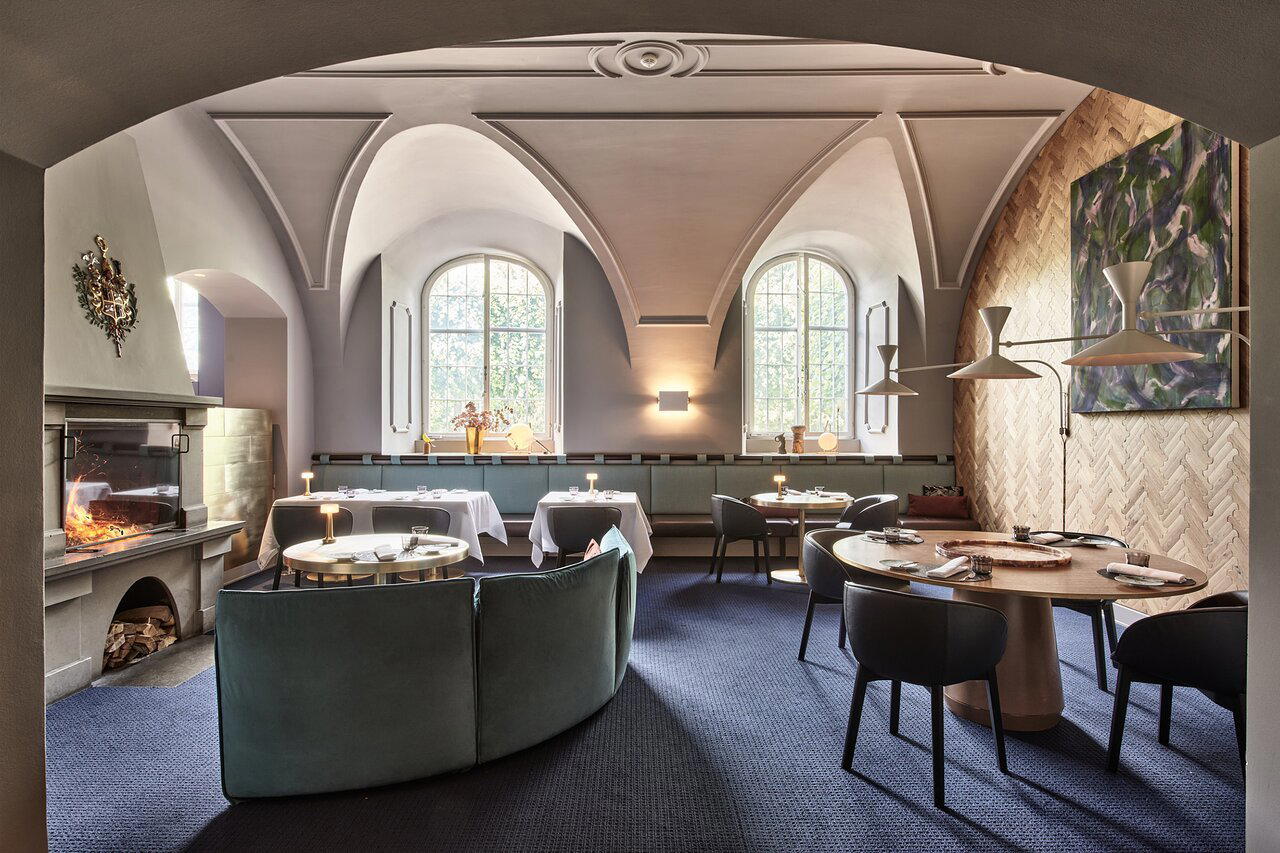
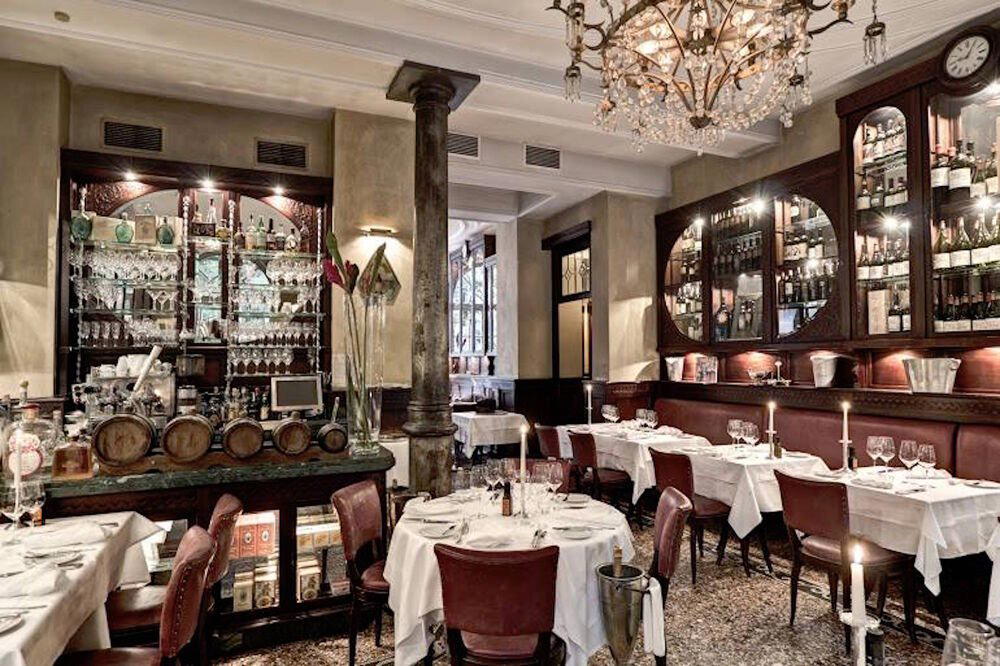
Bars in Maienfeld
Browse all →
Hotels in Maienfeld
Browse all →


At a Glance
- Elegant
- Rustic
- Classic
- Scenic
- Cozy
- Date Night
- Special Occasion
- Business Dinner
- Historic Building
- Garden
- Terrace
- Extensive Wine List
- Local Sourcing
- Garden
- Vineyard
Current opening hours
- Monday
- Closed
- Tuesday
- Closed
- Wednesday
- 11:30 AM–2:30 PM, 6–11 PM
- Thursday
- 11:30 AM–2:30 PM, 6–11 PM
- Friday
- 11:30 AM–2:30 PM, 6–11 PM
- Saturday
- 11:30 AM–11 PM
- Sunday
- 11:30 AM–11 PM
Hours can change for holidays and private events. Last verified .
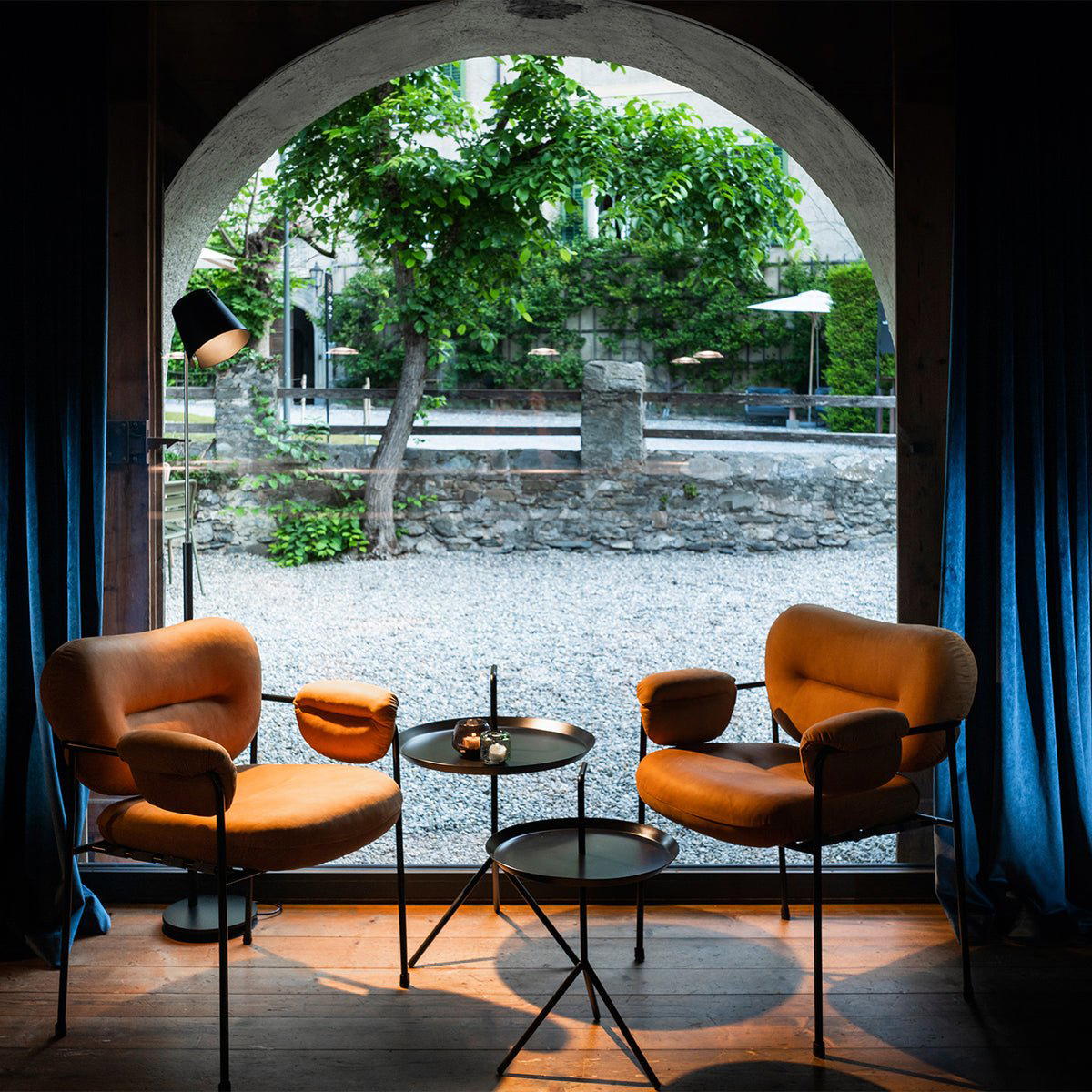
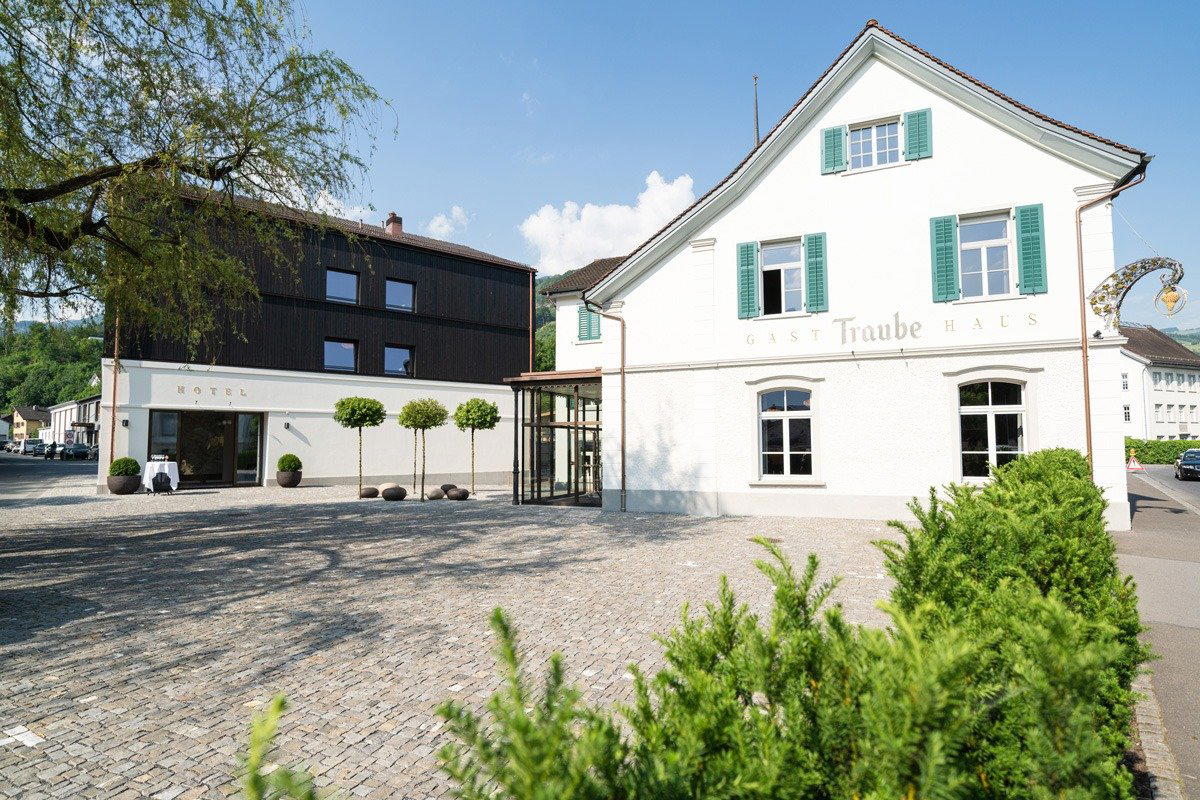
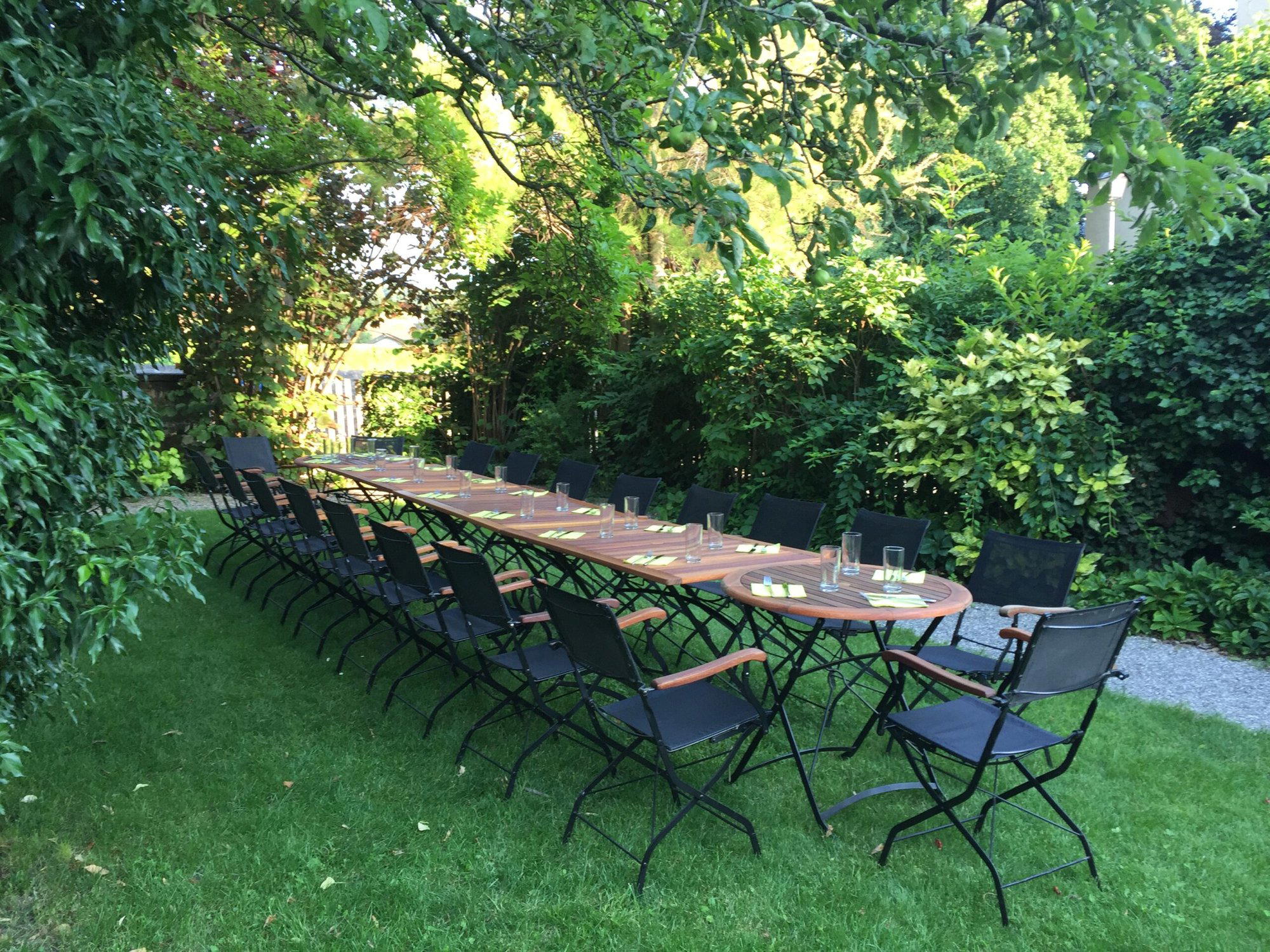
Elegant blend of historic castle stone walls, rustic elegance, modern design, and cozy guest garden.