Restaurant Eisvogel
Our verdict
Restaurant Eisvogel sits on Lilienthalstraße in Hallbergmoos, a small town directly adjacent to Munich Airport, placing it in a distinctly understated setting for serious dining. The restaurant draws on the wider Bavarian tradition of grounding fine cooking in regional sourcing, and its address puts it within reach of travellers and locals who know the area's quieter dining circuit. For context on the broader scene, see our full Hallbergmoos restaurants guide.

Pearl is the En Primeur Club membership app — saves, bookings, and concierge access live there. Same editors, same standards.
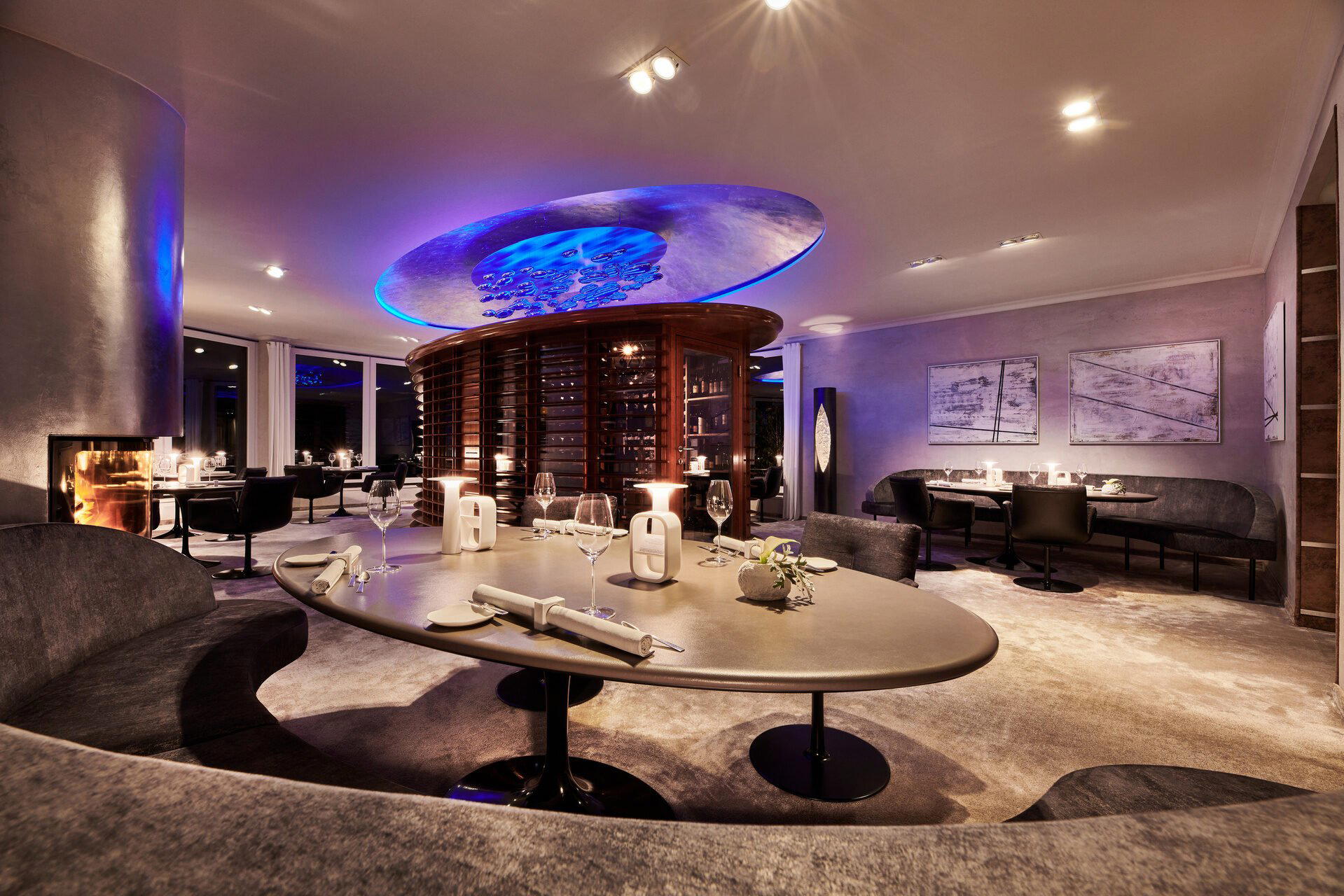
Dining in the Shadow of the Airport: Hallbergmoos and the Case for Peripheral Fine Dining
Germany's most talked-about restaurant addresses tend to cluster in city centres: Munich's Maxvorstadt, Hamburg's Hafencity, the dense inner ring of Berlin. But a parallel tradition runs through the country's smaller towns and satellite municipalities, where a restaurant's distance from urban noise is treated as an asset rather than a handicap. Hallbergmoos, a quiet community pressed up against the northern perimeter of Munich Airport, belongs to that tradition. The infrastructure of the airport corridor — the transit hotels, the logistics parks — makes the town easy to overlook as a dining destination, which is precisely why a restaurant like Restaurant Eisvogel on Lilienthalstraße rewards the traveller willing to look past the obvious postcode.
The pattern is not unique to this corner of Bavaria. Across Germany, serious kitchens have taken root in places that defy the conventional logic of fine-dining geography. ES:SENZ in Grassau operates from an Alpine village in the Chiemgau. Waldhotel Sonnora in Dreis has held its position in the Eifel for decades, far from any metropolitan centre. Schanz in Piesport works from a Moselle wine village with fewer than a thousand residents. The throughline in each case is a kitchen that earns the detour rather than relying on foot traffic, and an audience that books ahead because the cooking warrants the journey.
The Sourcing Logic Behind Bavarian Regional Cooking
The editorial angle that matters most for Restaurant Eisvogel, and for the broader category of Bavarian fine dining it sits within, is the question of where the food comes from. Bavarian cuisine at its most considered is not primarily a technique story; it is a provenance story. The region's larder is genuinely specific: Alpine dairy from the foothills south of Munich, freshwater fish from the Isar and Chiemsee catchments, game from managed forests, root vegetables and brassicas from market gardens on the Munich plain. Chefs working in this geography who take sourcing seriously are not manufacturing a farm-to-table narrative; they are working with a supply landscape that has existed for centuries and that distinguishes Bavarian cooking from the more cosmopolitan registers of JAN in Munich or the Franco-German hybrids you find at places like Vendôme in Bergisch Gladbach.
That regional specificity becomes a competitive signal in itself. At the upper end of the German dining market, where Aqua in Wolfsburg synthesises Italian and Japanese technique with contemporary German produce, and where Schwarzwaldstube in Baiersbronn has long anchored classic French cooking to Black Forest terroir, the restaurants that hold their position over time tend to be those with a coherent answer to the sourcing question. Ingredient provenance is no longer incidental to the menu; for the dining public that books at this level, it is part of what they are paying for.
What the Hallbergmoos Address Tells You
Lilienthalstraße is named, like much of Hallbergmoos's street grid, after aviation pioneers, a nod to the town's proximity to what became one of Europe's busiest cargo and passenger hubs. Dining here carries a logistical convenience that city-centre addresses in Munich cannot offer: the restaurant is accessible from the airport in a short transfer, making it a realistic option for layovers of sufficient length, for travellers with evening arrivals who want a meal before the drive south, or for the airport-adjacent business community that has grown around the freight and logistics sector. That context shapes the likely clientele and, by extension, the register a kitchen needs to work in: confident enough to hold its own against what travellers have eaten elsewhere, grounded enough to read as specifically Bavarian rather than generically European.
For comparison, the southern Bavarian fine-dining circuit that extends from Munich through Grassau and into the Alpine foothills has produced restaurants with clear regional identities that travel writers and Michelin inspectors have both recognised. AUGUST in Augsburg and AURA by Alexander Herrmann and Tobias Bätz in Wirsberg each operate from non-Munich addresses while maintaining serious critical profiles. Hallbergmoos sits within the same gravitational field as Munich without being absorbed by it, which gives a restaurant on this street a clear positioning question: does it serve the airport corridor as a convenience stop, or does it build the kind of programme that earns a destination visit?
The Wider German Fine-Dining Context
Germany's fine-dining tier has diversified considerably over the past decade. The country now supports a range of formats and conceptual approaches that extend well beyond the classical brigade service that dominated in the 1990s. CODA Dessert Dining in Berlin restructures the entire meal around a patisserie logic. ATAMA by Martin Stopp in Sankt Ingbert operates from the Saarland with a Japanese-inflected sensibility. Bagatelle in Trier and ammolite in Rust each occupy specific regional niches. Even at the level of individual dishes, the reference points have broadened: German diners at the leading end are as likely to benchmark against Le Bernardin in New York or Atomix as against a local peer. Victor's Fine Dining by Christian Bau in Perl and Restaurant Haerlin in Hamburg both demonstrate that German kitchens at the leading level are in active conversation with the international canon, not operating in isolation from it.
Within that context, a Bavarian restaurant grounded in regional sourcing occupies a specific and defensible position. The internationalism of the broader German fine-dining market makes genuine regionalism more distinctive, not less. A kitchen that can point to where its dairy, its fish, and its game come from, and that can cook that produce with the technical confidence the market demands, is not competing on nostalgia. It is competing on specificity, which is the harder and more durable argument. For travellers planning a broader southern Germany itinerary, our full Hallbergmoos restaurants guide maps out the options across price points and formats.
Planning a Visit
Restaurant Eisvogel is located at Lilienthalstraße 1-3, 85399 Hallbergmoos. The address places it within direct reach of Munich Airport's terminals, making it a viable option for travellers with time to spare before departure or after arrival. As with any restaurant in this tier and location, confirming current opening hours and reservation availability directly is advisable; airport-adjacent dining rooms in Germany often operate schedules calibrated to business travel and weekend leisure patterns rather than standard city-restaurant hours. Booking ahead is the reliable approach for any visit timed to a specific travel window.
Frequently asked questions
Is Restaurant Eisvogel okay with children?
No specific children's policy is confirmed for Restaurant Eisvogel. Given its position within the German fine-dining tier and its Hallbergmoos address near Munich Airport, it likely draws a predominantly adult, business, and destination-dining crowd. Families planning a visit should check the venue's official channels to confirm suitability and any available menu flexibility.
How would you describe the vibe at Restaurant Eisvogel?
Restaurant Eisvogel sits in Hallbergmoos, a town whose street names reference aviation pioneers rather than old-city charm, which signals something deliberate about its positioning: this is a destination chosen for the food, not the postcode. The broader category of Bavarian fine dining it occupies tends toward focused, composed atmospheres rather than convivial bustle. Expect a room that takes the plate seriously.
What is Restaurant Eisvogel best at?
Restaurant Eisvogel's address in Hallbergmoos, within reach of Munich Airport, positions it as one of the more serious dining options in Bavaria's peripheral fine-dining category, a tier that has grown considerably over the past decade as Germany's restaurant scene moved beyond city-centre clustering. The Eisvogel name, German for kingfisher, points toward a regional identity grounded in the natural environment rather than imported culinary references. That regional grounding, common to the stronger Bavarian fine-dining operations, is where this kind of restaurant earns its keep.
What do regulars order at Restaurant Eisvogel?
Restaurants in the Bavarian regional fine-dining category typically anchor their menus around seasonal, locally sourced produce, with game, freshwater fish, and root vegetables appearing across autumn and winter sittings.
Where is Restaurant Eisvogel located?
Restaurant Eisvogel is located at Lilienthalstraße 1-3, 85399 Hallbergmoos, Germany, Hallbergmoos.
Should I book Restaurant Eisvogel in advance?
Advance booking is advisable. Restaurants operating at the fine-dining tier in smaller German towns like Hallbergmoos draw guests from Munich and from travellers transiting through Munich Airport, which compresses demand into a smaller number of covers than a city-centre address would carry. Contacting the restaurant directly at Lilienthalstraße 1-3, 85399 Hallbergmoos is the surest way to secure a table.
What's Restaurant Eisvogel best at?
Restaurant Eisvogel is best approached by focusing on the core concept and signature offerings.
Comparable Venues
Comparable venues nearby, for context on price, style, and recognition.
| Venue | Cuisine | Price | Notes |
|---|---|---|---|
| Restaurant EisvogelThis venue — the venue you are viewing | Modern Fusion Fine Dining | Not listed | Not listed |
| Malva | Modern Seasonal Fusion | $50–100 | Haidhausen |
| Magari by Geisha | Modern Asian Fusion | $30–50 | Haidhausen |
| Schlosswirtschaft Schleissheim | Traditional Bavarian & Austrian | $20–30 | Oberschleißheim |
| HAN | Modern Turkish Grill | Not listed | Schwabing |
| kokumi | Peruvian-Japanese Fusion Sushi | $30–50 | Lehel |
Continue exploring
More in Hallbergmoos
Restaurants in Hallbergmoos
All restaurants in Hallbergmoos →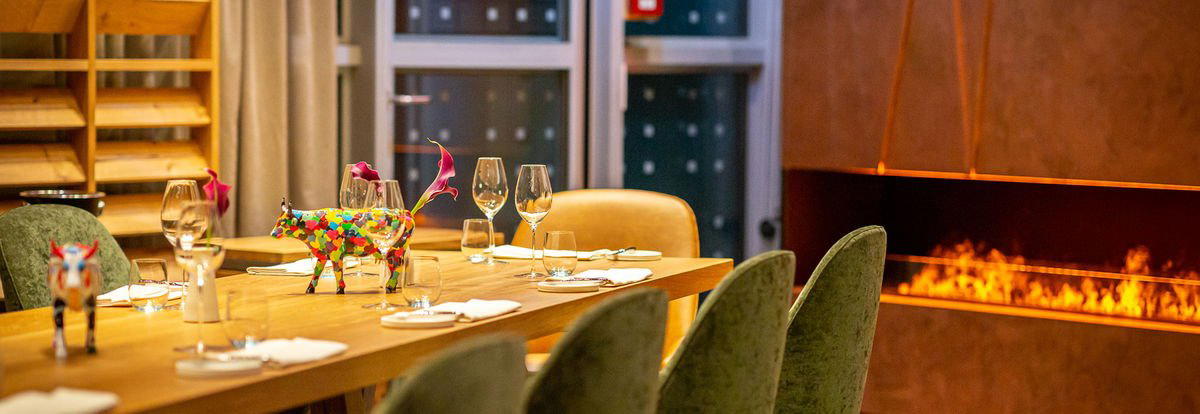
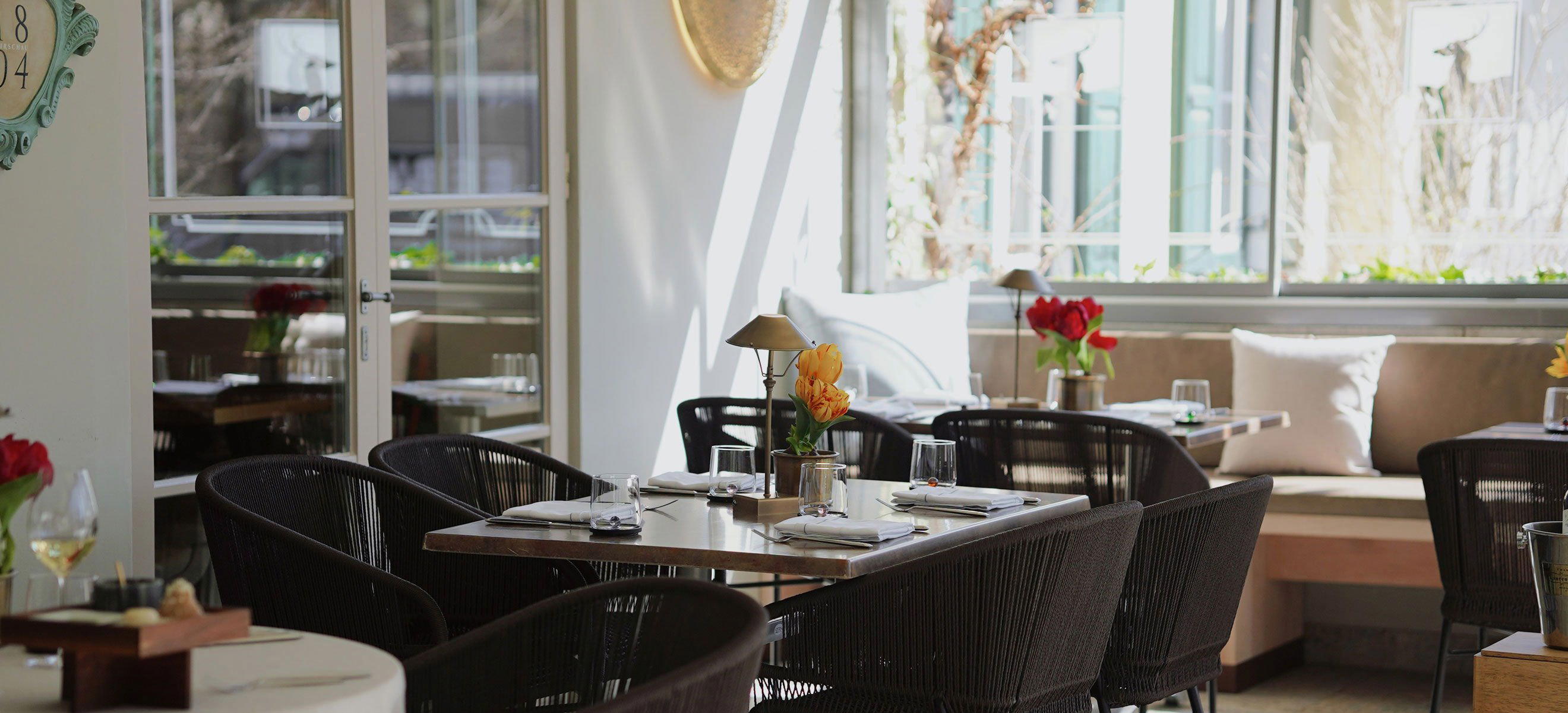
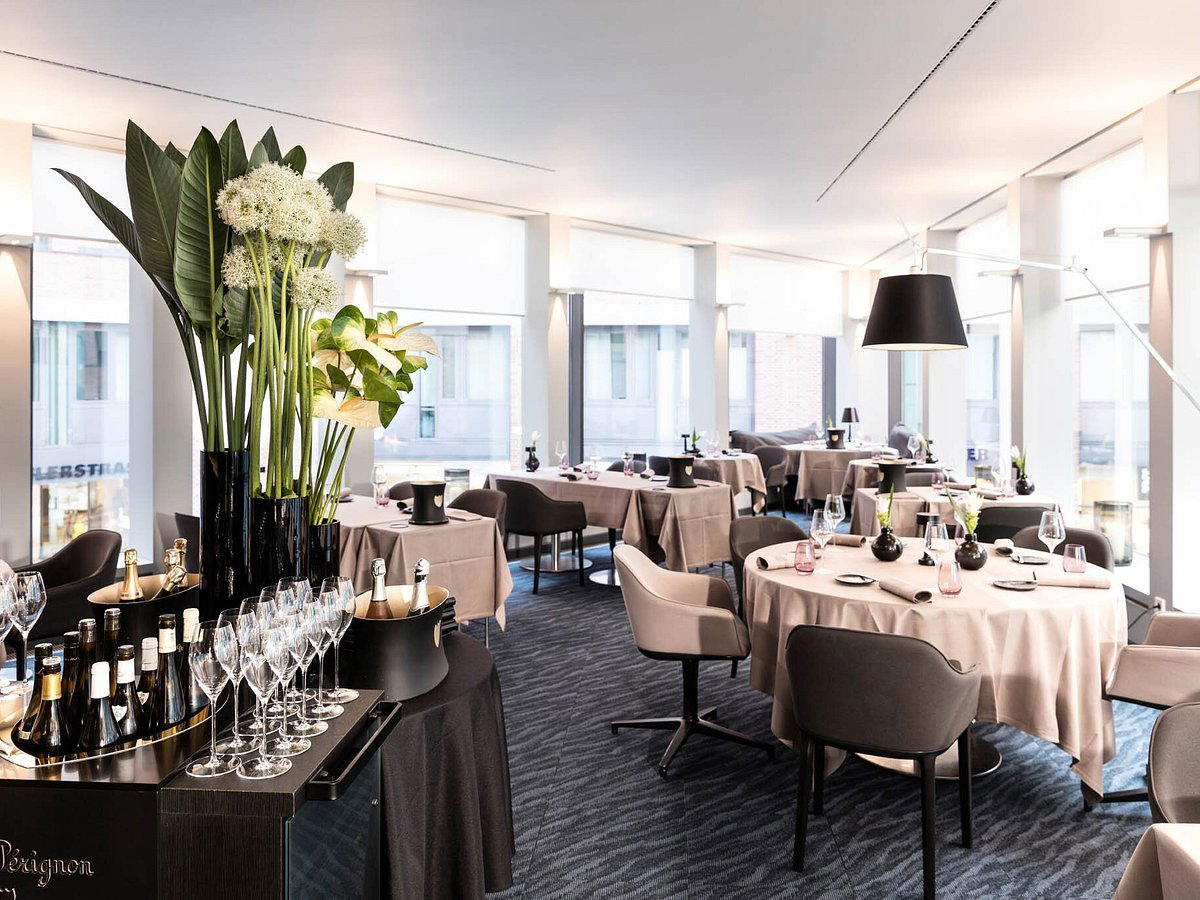
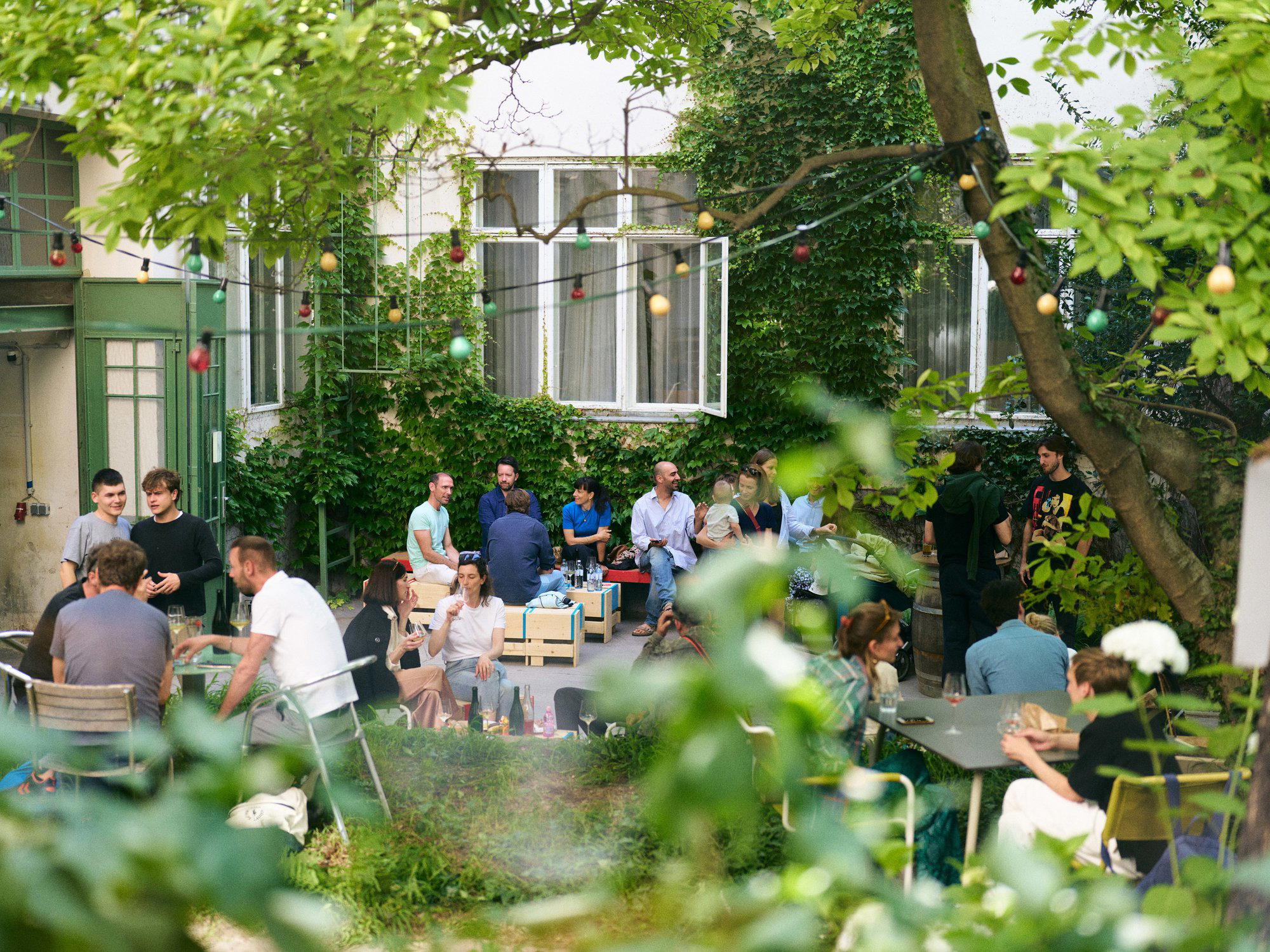
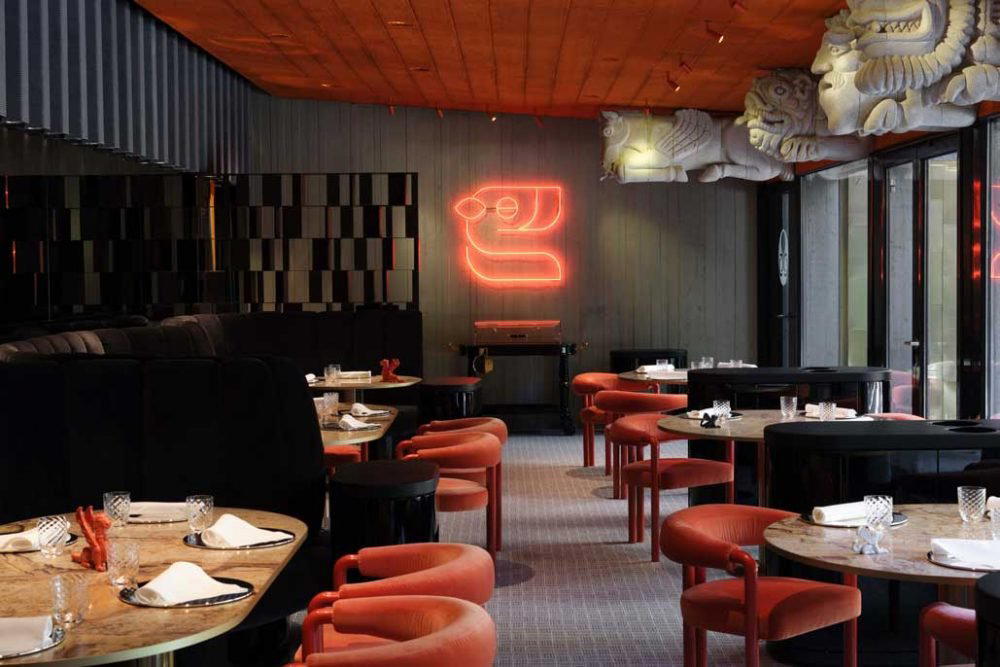

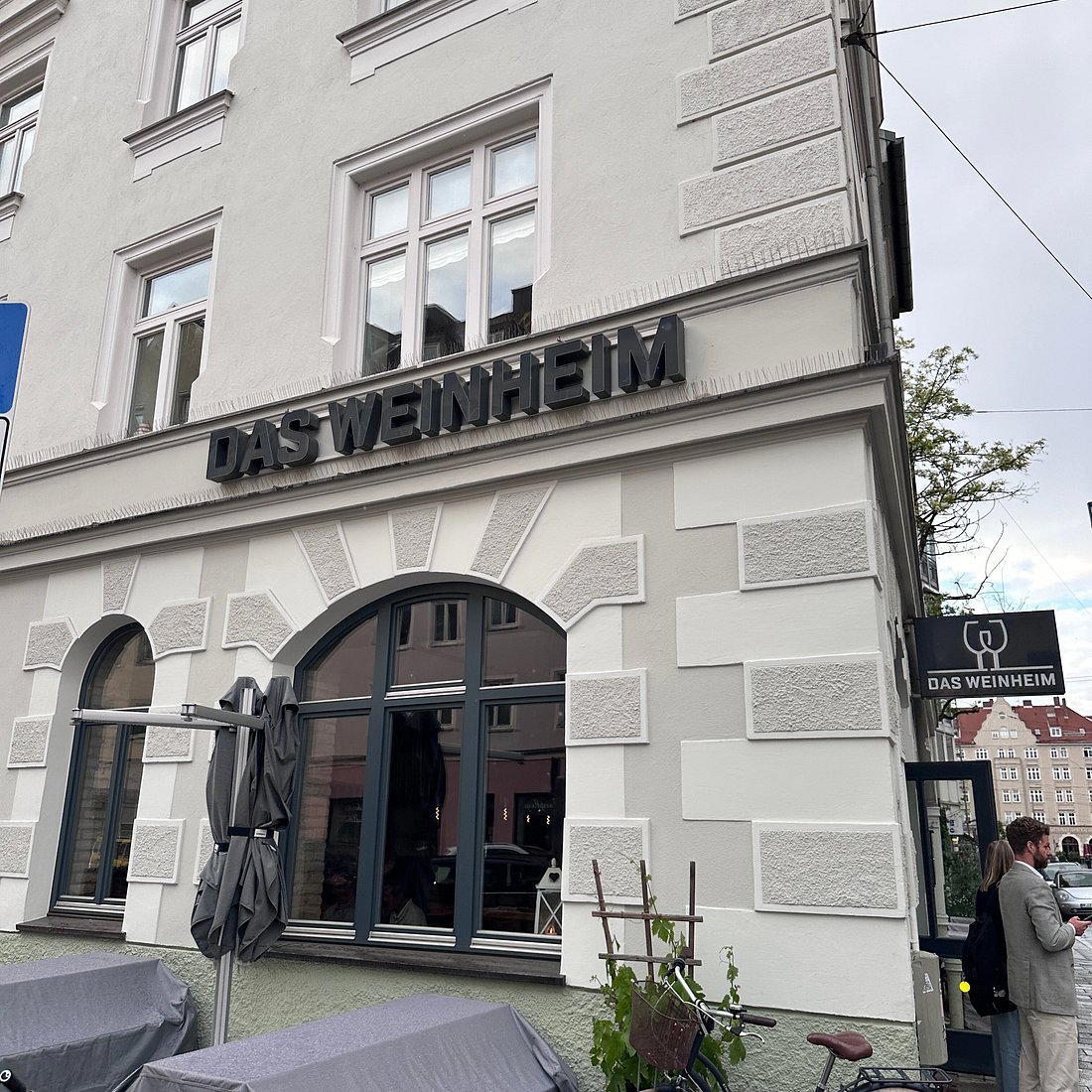
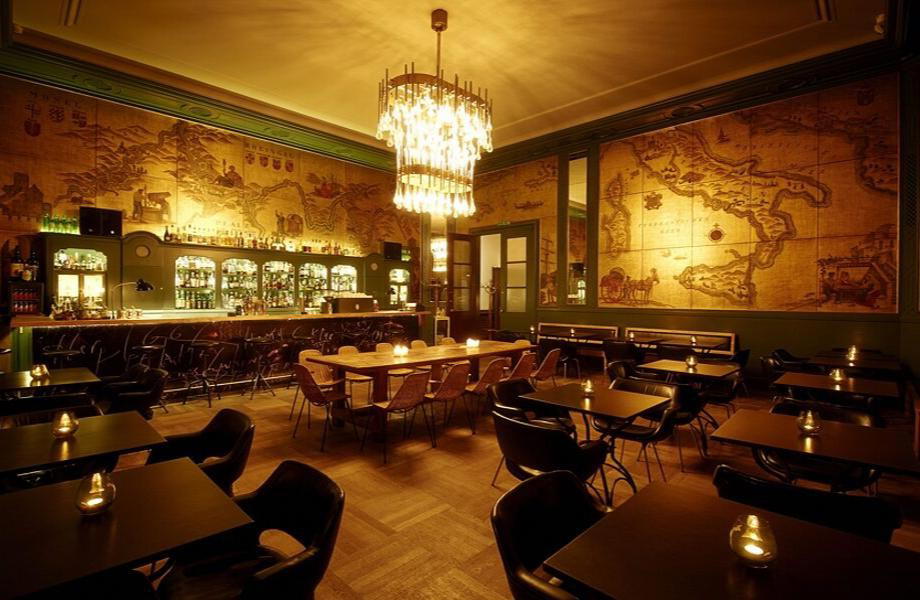
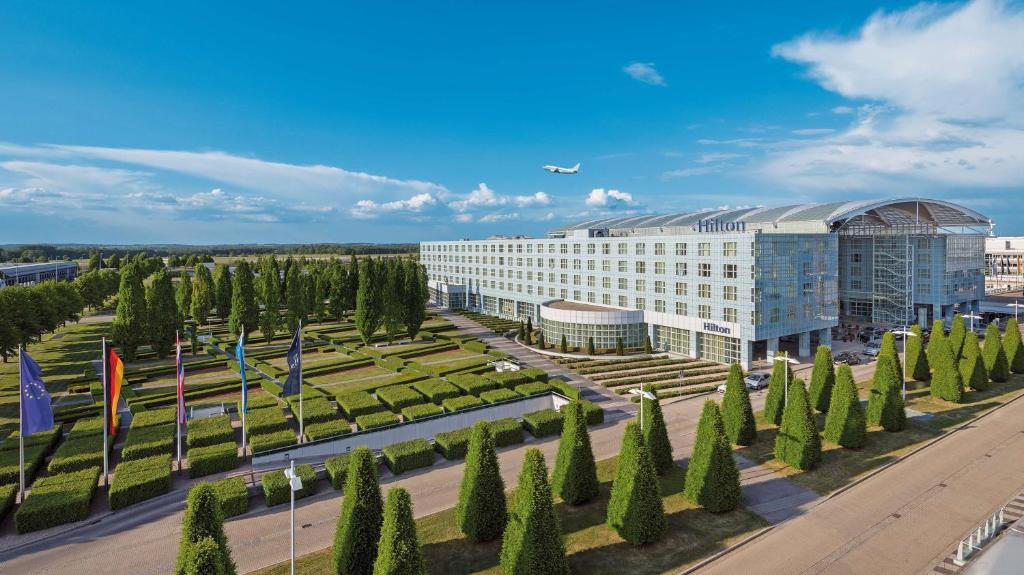
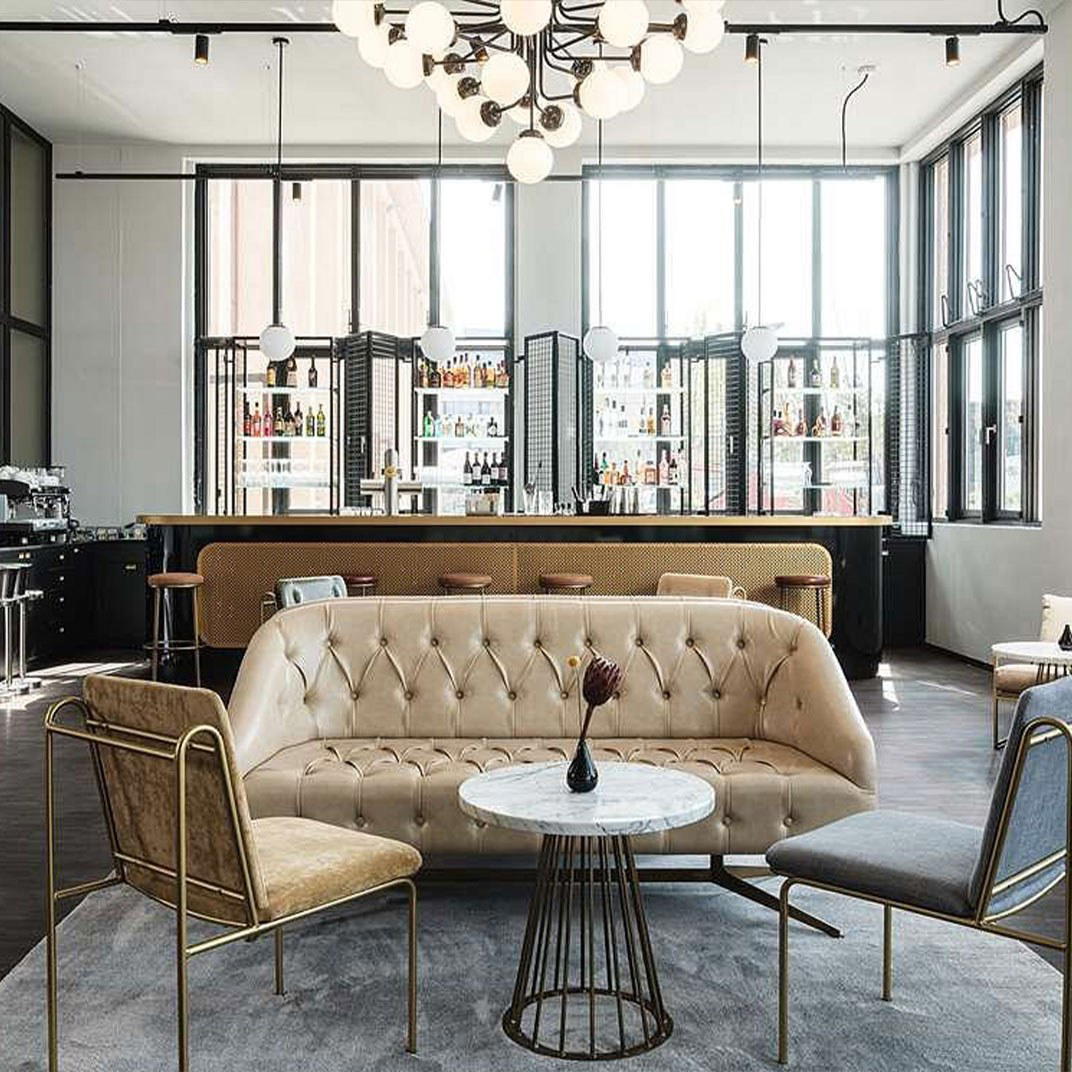
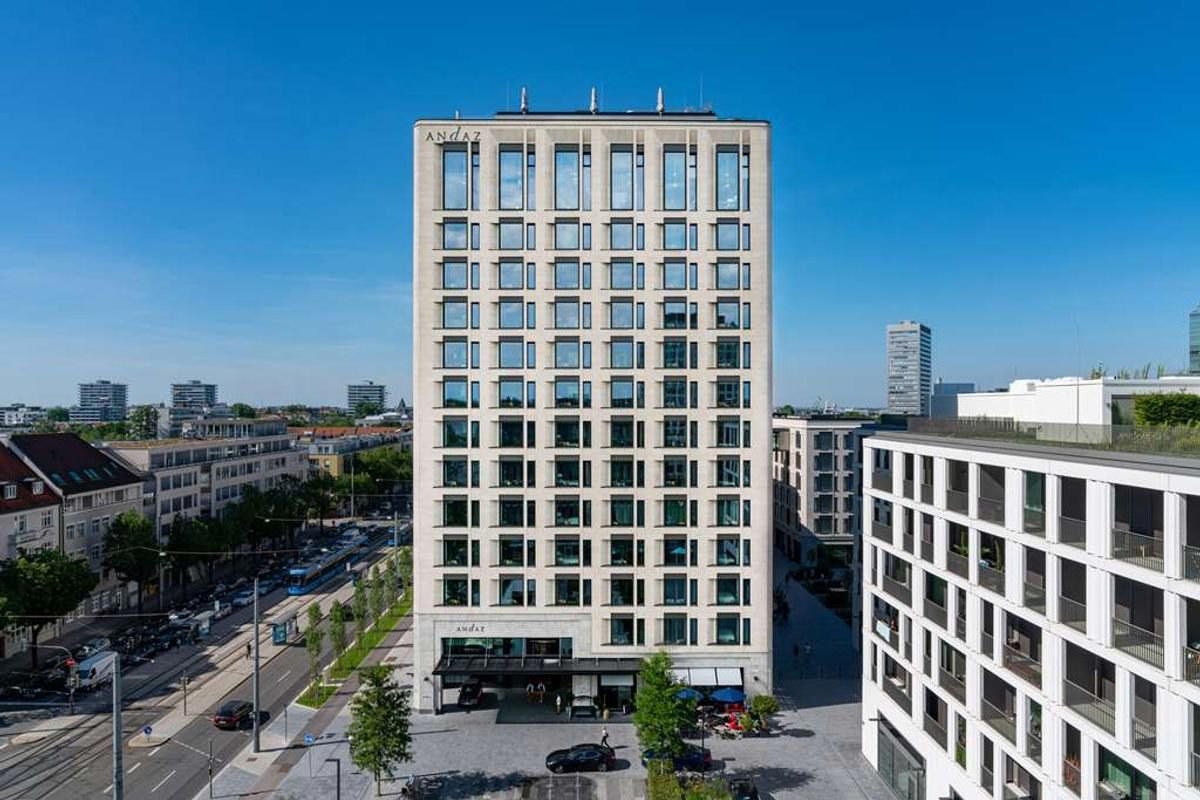
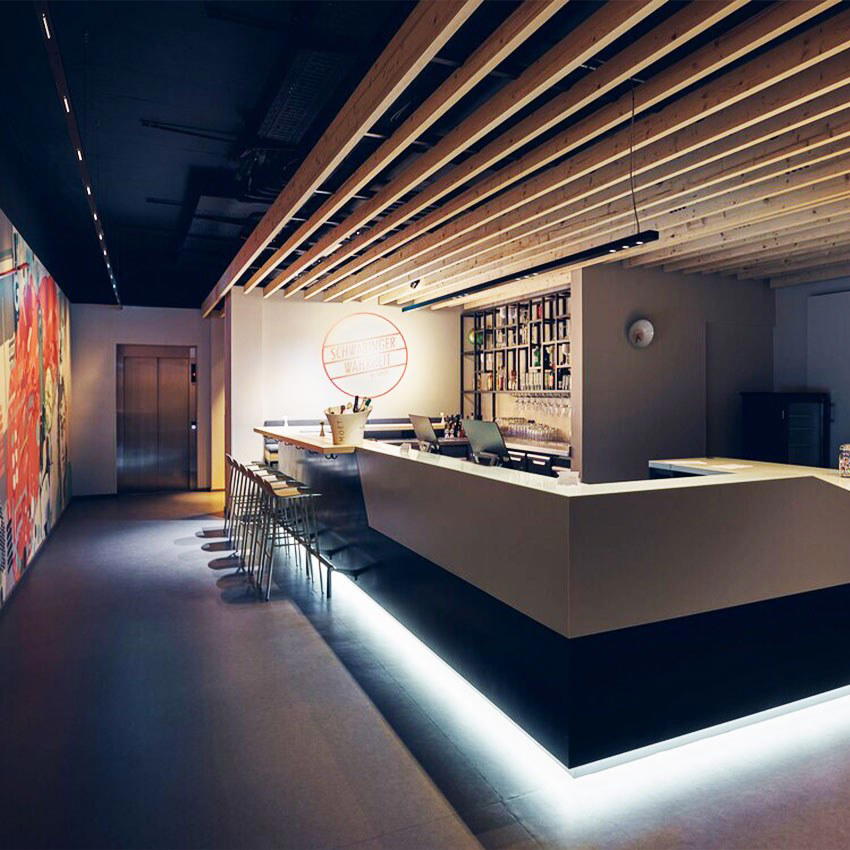
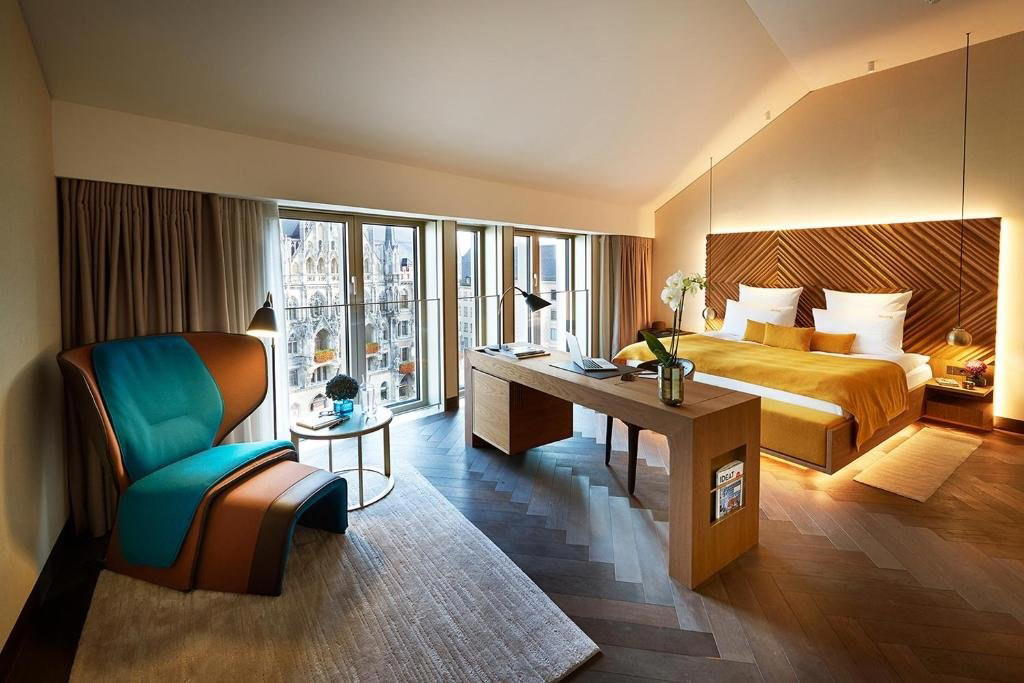
Restaurant Eisvogel
The wine
- Wine program
- Curated wine list
- Extensive wine list
Details
- Modern
- Elegant
- Business Dinner
- Date Night
- Hotel Restaurant
- Extensive Wine List
- Local Sourcing
- A La Carte
Current opening hours
- Monday
- 5–10 PM
- Tuesday
- 5–10 PM
- Wednesday
- 5–10 PM
- Thursday
- 5–10 PM
- Friday
- 5–10 PM
- Saturday
- Closed
- Sunday
- Closed
Hours can change for holidays and private events. Last verified .
Hotel lobby-style atmosphere with warm, inviting modern lighting; praised for incredible ambience by some guests despite casual setting.