Our verdict
In Lauzerte, one of the Lot-et-Garonne's most storied bastide villages, Restaurant du Quercy anchors itself in the produce-driven traditions of south-west France. The kitchen draws on a region where duck confit, black truffles from the Périgord, and Quercy lamb have defined local cooking for centuries. For anyone passing through this corner of rural France, it represents a grounded alternative to the polished formality of destination dining elsewhere in the country.

Pearl is the En Primeur Club membership app — saves, bookings, and concierge access live there. Same editors, same standards.
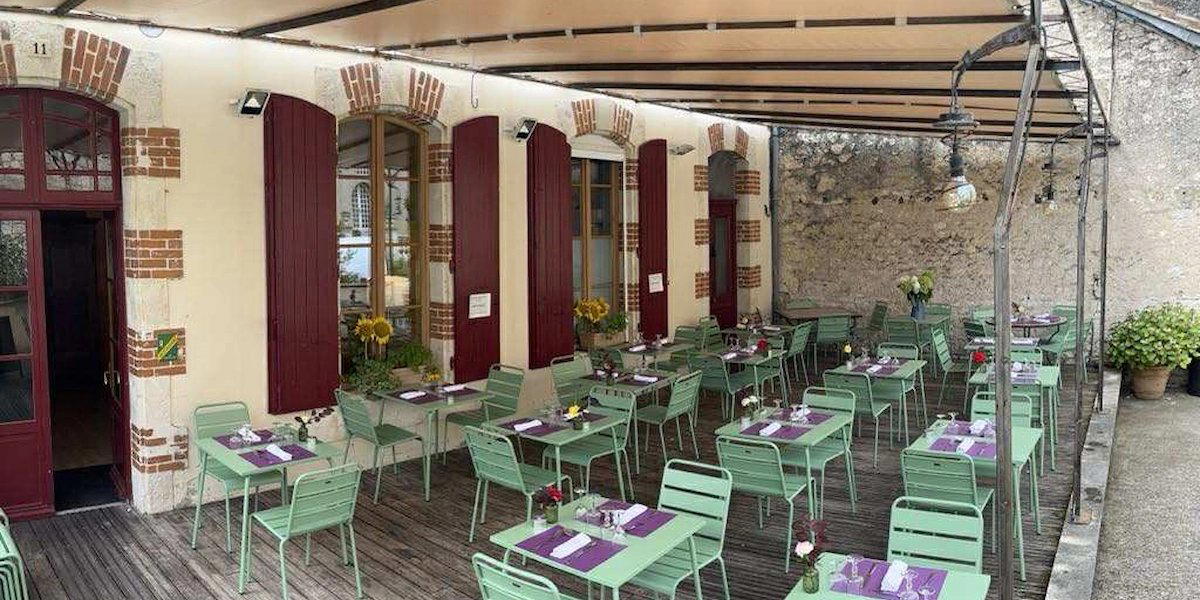
The menu
What to order
- Foie gras poêlé
- Ris de veau
- Agneau du Quercy
A Bastide Village and the Cooking That Belongs to It
Lauzerte sits above the Quercy Blanc on a ridge that has been inhabited since the twelfth century, its stone streets and medieval arcades largely unchanged by the passage of time. The village is classified among the Plus Beaux Villages de France, a designation that draws a particular kind of traveller: one who has left the motorway network behind and is moving at the pace of the landscape. In that context, the restaurants that survive here do so on the strength of local loyalty and the kind of cooking that earns repeat visits rather than press campaigns. Restaurant du Quercy operates within that logic, taking its name directly from the territory it occupies and signalling, in that choice, where its priorities lie.
For a broader view of where this restaurant sits within Lauzerte's dining options, see our full Lauzerte restaurants guide.
The Ingredient Geography of Quercy
South-west France is one of the country's most legible agricultural regions. The produce isn't abstract: Quercy lamb is raised on the causses, the limestone plateaus that give the meat a particular leanness and mineral undertone. Duck and its preserved forms have been a staple of Gascon and Quercy cooking since long before confit entered the international vocabulary. Black truffles from the Périgord grow within viable sourcing distance. Walnuts from the Périgord Noir, prunes from Agen, and the strong duck-fat cooking of the surrounding farms form the backbone of a cuisine that has resisted fashion largely because it never needed it.
This is the ingredient geography that shapes cooking in Lauzerte. Restaurants here that take their regional identity seriously are working with a supply chain that runs through local markets, farm relationships, and seasonal availability rather than through centralised distributors. That proximity to source isn't a marketing position in this part of France; it's simply the way things have been organised for generations. The distinction matters when comparing this kind of provincial French table with the rarefied sourcing programs at high-investment city restaurants like Alléno Paris au Pavillon Ledoyen or Mirazur in Menton, where provenance is curated with considerable resource. In Lauzerte, the sourcing is embedded in geography rather than engineered by procurement.
Rural French Dining and What It Asks of the Visitor
France's most interesting regional cooking rarely happens in cities. The strand of cuisine that runs through Bras in Laguiole, Auberge du Vieux Puits in Fontjoncouse, and Auberge de l'Ill in Illhaeusern connects ambition to place in ways that urban kitchens find harder to sustain. Even at the highest level, the argument for driving to a village is that the food makes sense there in a way it wouldn't transplanted to a city dining room. Restaurant du Quercy occupies a different tier of that same principle: this is not destination dining with a waiting list, but neighbourhood cooking in a village where the neighbourhood happens to be one of the most historically intact in southern France.
Visitors arriving from the Cahors or Moissac direction will find Lauzerte accessible but not effortless. The final approach is narrow and uphill, and parking requires patience. That friction filters the clientele in useful ways: the room, whatever its configuration, tends to fill with people who chose to be there rather than people who stumbled in. The practical recommendation, for anyone planning around a meal here, is to pair the visit with an afternoon in the village itself. The pilgrimage route of Saint-Jacques-de-Compostelle passes through Lauzerte, and the evening light on the Quercy Blanc from the upper village is worth building time around.
The Quercy Table in National Context
French regional cuisine occupies a complicated position in the national conversation about food. The grandes maisons, from Troisgros in Ouches to Georges Blanc in Vonnas and Paul Bocuse in Collonges-au-Mont-d'Or, built their reputations on regional identity amplified by technical ambition. A different thread runs through kitchens that stay closer to the ground: less intervention, more reliance on the produce itself carrying the dish. Quercy cooking belongs to this second tradition. The region never developed a marquee fine-dining identity in the way that Lyon or Alsace did, and restaurants like Au Crocodile in Strasbourg or Assiette Champenoise in Reims operate within culinary cultures that have had decades of critical attention and institutional support.
What Quercy offers instead is cooking that is harder to commodify. The local ingredients aren't exotic; they require knowledge of how to handle them rather than spectacle. That positions restaurants in this area as genuinely place-specific: the lamb and the duck fat and the walnut oil make less sense outside the limestone valleys that produced them. For a reader who has been through the format of Flocons de Sel in Megève or L'Oustau de Baumanière in Les Baux, Restaurant du Quercy represents the opposite pole: no ceremony, no architecture as spectacle, but cooking that answers directly to where it is.
Internationally, the comparison that holds is with restaurants in coastal France that have similarly built identity around single-region sourcing, such as Christopher Coutanceau in La Rochelle or La Marine in Noirmoutier, where the ingredient relationship to geography is the entire editorial argument. The register is different, the investment levels are different, but the underlying logic is the same. For readers who arrive at a restaurant like AM par Alexandre Mazzia in Marseille or Le Bernardin in New York expecting technique as the primary language, a rural Quercy table will require a recalibration of expectations. That recalibration is part of what the meal offers.
For those building itineraries that cross between European and American dining culture, the contrast is instructive: Atomix in New York demonstrates how far engineered precision can travel; Restaurant du Quercy argues for the other direction entirely.
Planning a Visit
Lauzerte is in the Tarn-et-Garonne department, roughly equidistant between Cahors and Agen, each around 30 kilometres away by road. The village has no train station; a car is the only practical option. Accommodation in the village is limited, and visitors typically base themselves in Cahors or Moissac for multi-night stays.
Frequently asked questions
Is Restaurant du quercy a family-friendly restaurant?
Lauzerte is a small bastide village with a year-round local population, and restaurants in this setting typically serve a mixed clientele including families. That said, no specific family policy or children's menu is documented for Restaurant du Quercy, so it is worth confirming directly before visiting with young children. The regional cooking tradition of the Quercy Blanc — lamb, duck, walnut-based dishes — is approachable rather than rarefied.
What's the vibe at Restaurant du quercy?
Lauzerte is one of the designated Plus Beaux Villages de France, and the setting shapes the tone: stone, quiet streets, and a pace that sits outside the restaurant circuits of Cahors or Agen. A place called Restaurant du Quercy in this context reads as a regional table rather than a destination restaurant, prioritising the produce of the causses and river valleys over theatrical presentation. Expect something closer to a working local than a refined dining room.
Is Restaurant du Quercy worth visiting as a day trip from Cahors or Agen?
Lauzerte sits roughly 30 kilometres from both Cahors and Agen by road, making it a workable half-day circuit from either base. The village itself is designated among the Plus Beaux Villages de France, so the meal and the setting reinforce each other. For travellers following the cooking of south-west France through its source territory rather than its city restaurants, a stop in Lauzerte fits that logic directly.
What do people recommend at Restaurant du quercy?
Specific dish recommendations are not documented here, but the cooking tradition of the Quercy Blanc gives a reliable frame. The region is known for Quercy lamb from the causses, duck-based preparations, walnut oil, and wines from the nearby Cahors appellation. A restaurant carrying the Quercy name in Lauzerte is operating within that ingredient geography, so those are the categories most likely to anchor the menu.
Where exactly is Restaurant du quercy?
Restaurant du quercy is located at 82110 Lauzerte, France, Lauzerte.
Comparable Venues
Comparable venues nearby, for context on price, style, and recognition.
| Venue | Cuisine | Price | Notes |
|---|---|---|---|
| Restaurant du quercyThis venue — the venue you are viewing | Traditional French Quercy Regional Cuisine | $30–50 | Not listed |
| Le Petit Canard | Traditional French Duck Bistro | Not listed | 9th arrondissement |
| L'Aléa Table | French Brasserie | Not listed | Labège |
| Restaurant du Château | Traditional Regional Quercy Cuisine | $50–100 | Rocamadour historical district |
| Le Manoir de Saint-Jean | Seasonal French Gastronomic | $50–100 | Saint-Paul-d'Espis |
| Capelo | Bistronomic Périgourdine | Not listed | Périgueux |
Continue exploring
More in Lauzerte
Restaurants in Lauzerte
All restaurants in Lauzerte →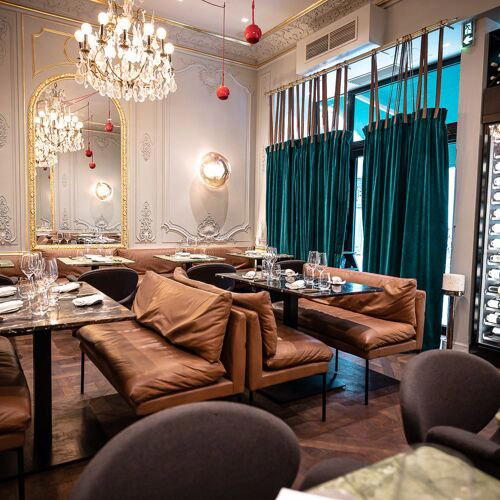
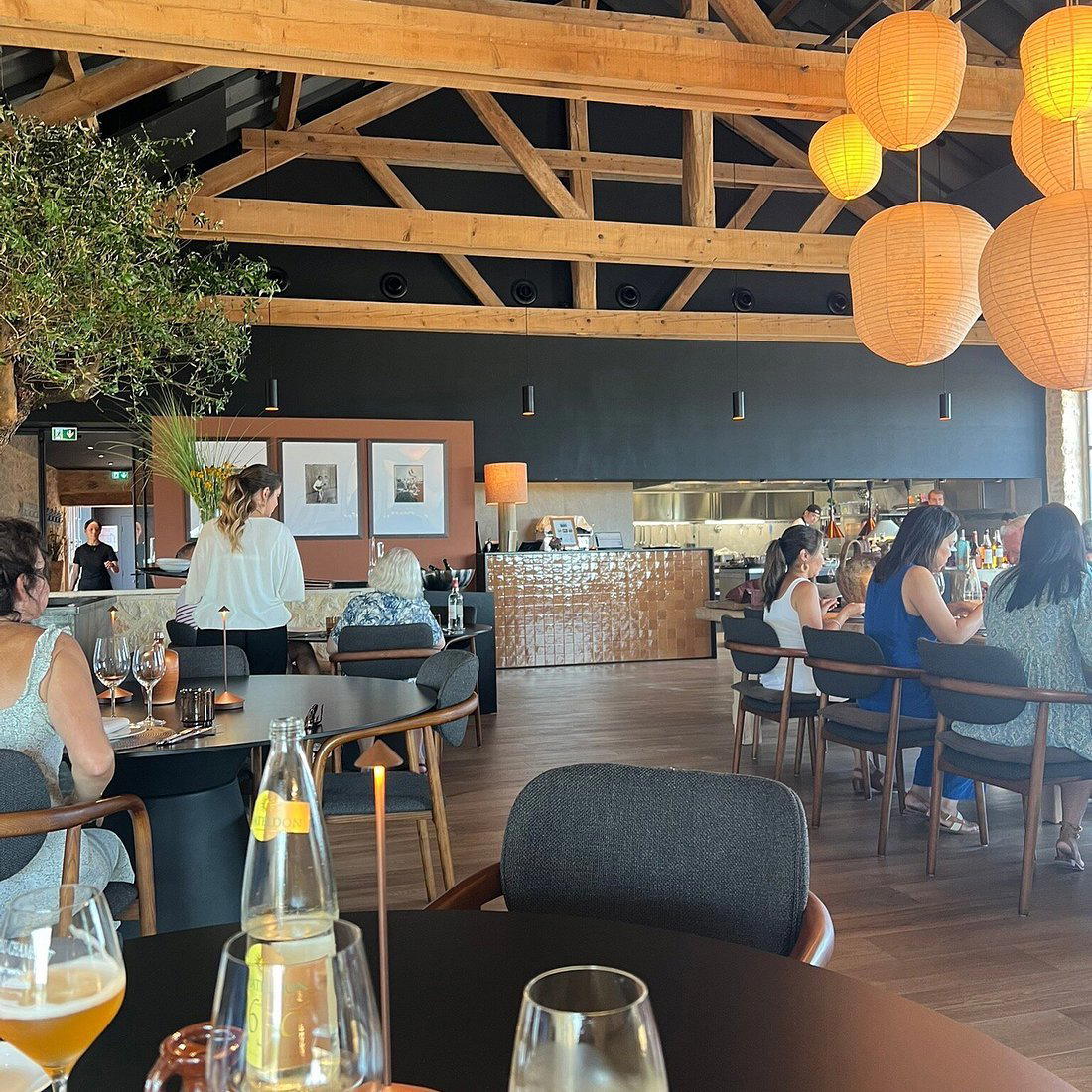
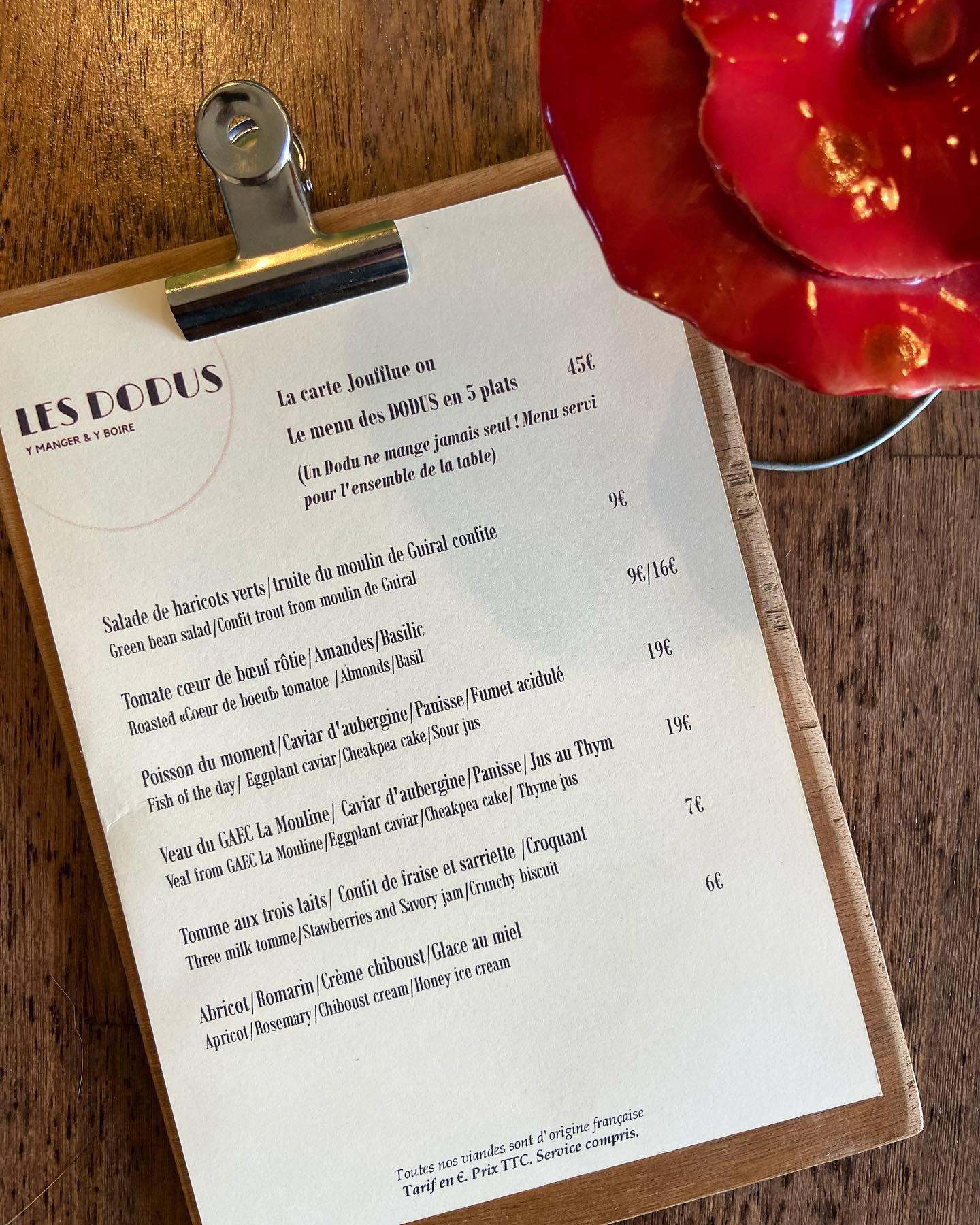
Hotels in Lauzerte
Browse all →
Details
- Rustic
- Cozy
- Elegant
- Special Occasion
- Family
- Terrace
- Hotel Restaurant
- Local Sourcing
- A La Carte
- Vegetarian Friendly
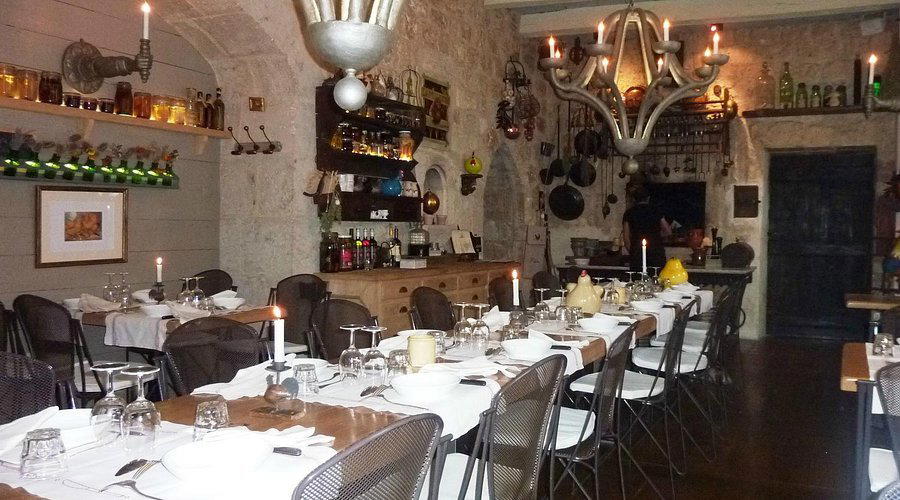
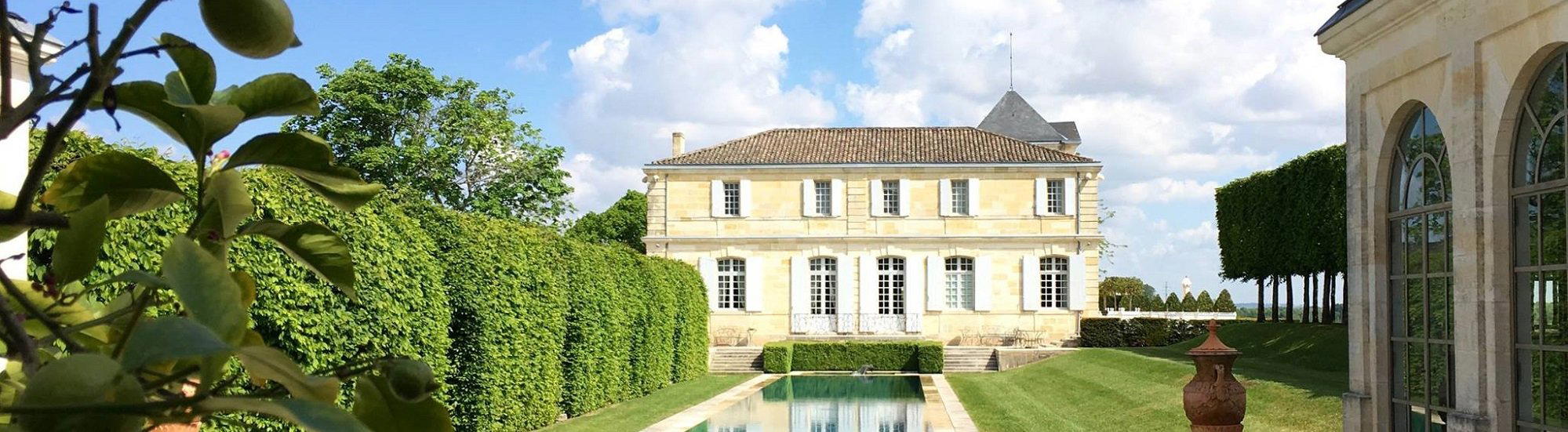
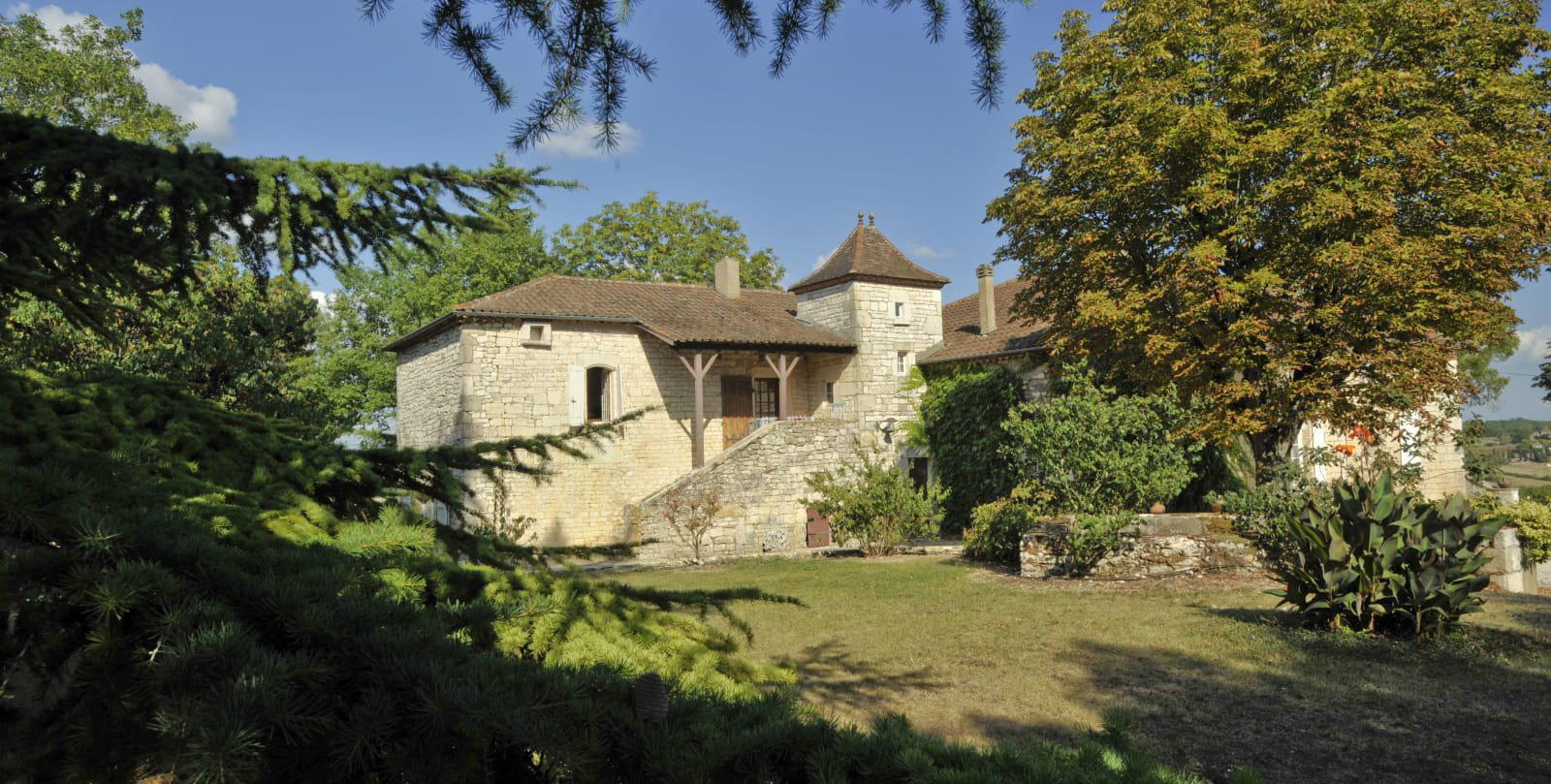
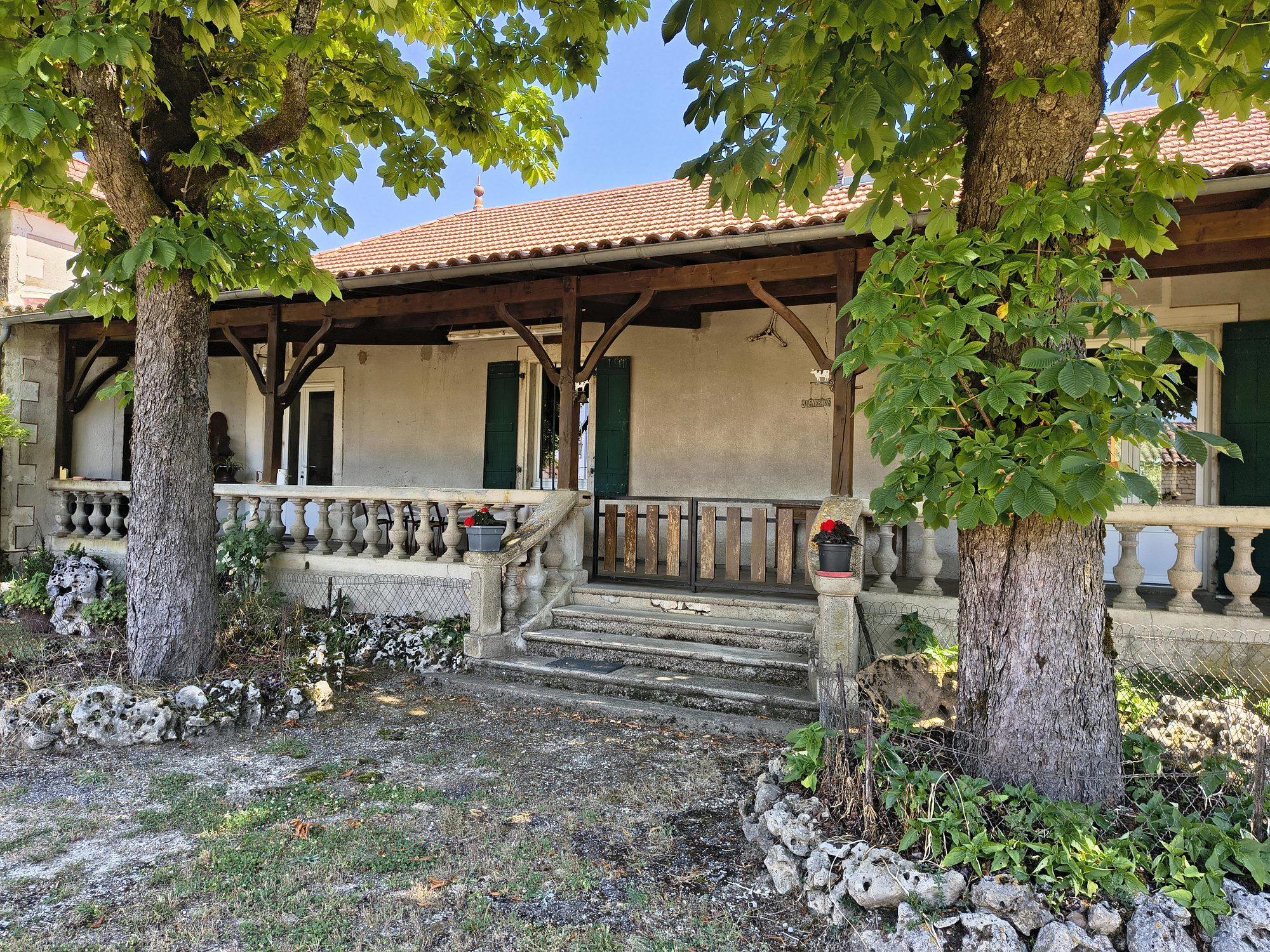
Warm and welcoming with a cozy dining room in warm, luminous colors and a pleasant outdoor terrace shaded during summer.