
1 Michelin Star
Our verdict
Inside a meticulously restored 17th-century barn on the Château de Chambert estate, Holodeck operates at the intersection of deep Quercy terroir and precise classical technique. Langoustine from Brittany, ikejime-dispatched John Dory, Occitan veal, and saffron sourced from the Lot valley signal a kitchen that treats provenance as a structural decision rather than a menu note.

Pearl is the En Primeur Club membership app, where members save venues, book tables and use the concierge.
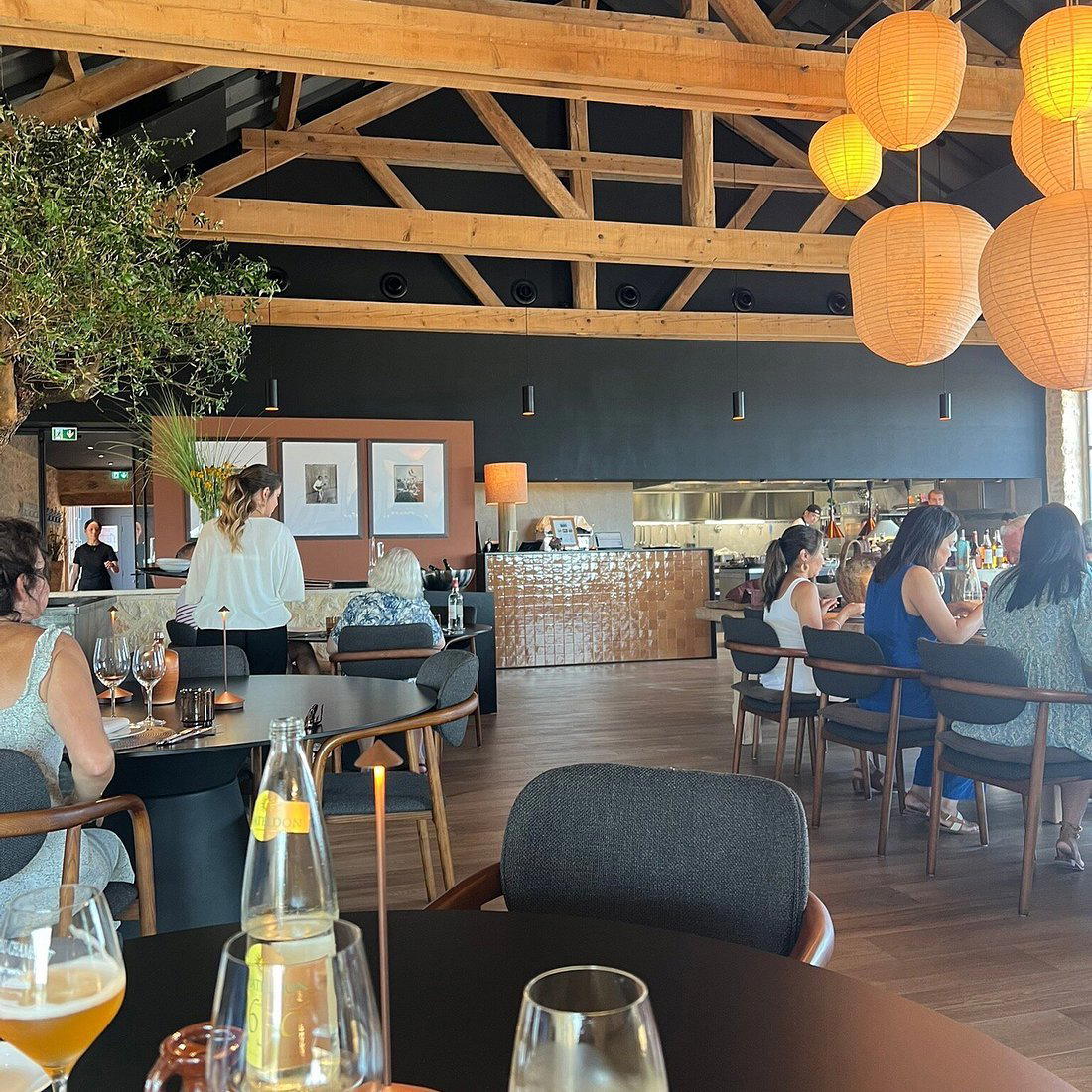
Stone, Rafters, and the Fields Beyond the Glass
The Lot department does not typically feature in the same conversations as the grand dining corridors of Paris or the Riviera. Restaurants like Mirazur in Menton or Alléno Paris au Pavillon Ledoyen occupy a different register entirely, metropolitan, highly visible, operating within dense critical ecosystems. Holodeck, at Château de Chambert in Floressas, belongs to a quieter and arguably more demanding tier: the estate restaurant in deep rural France, where the dining room has to carry its own weight without a city's infrastructure behind it.
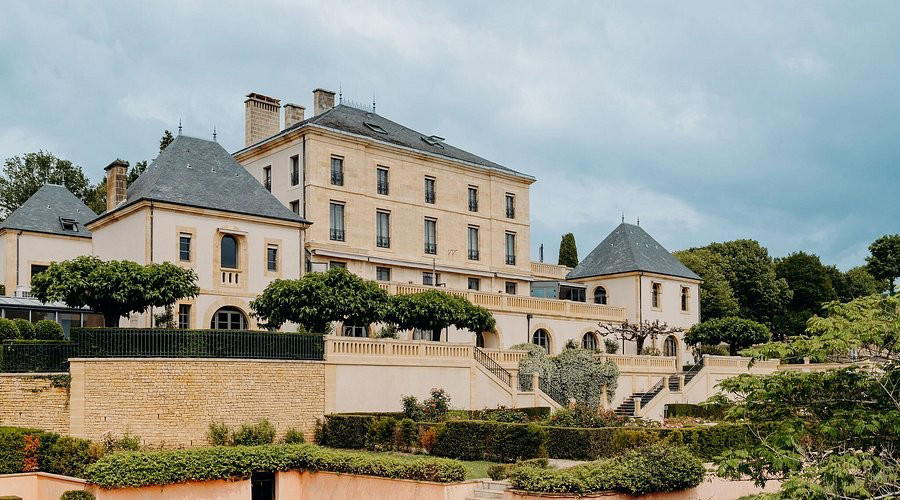
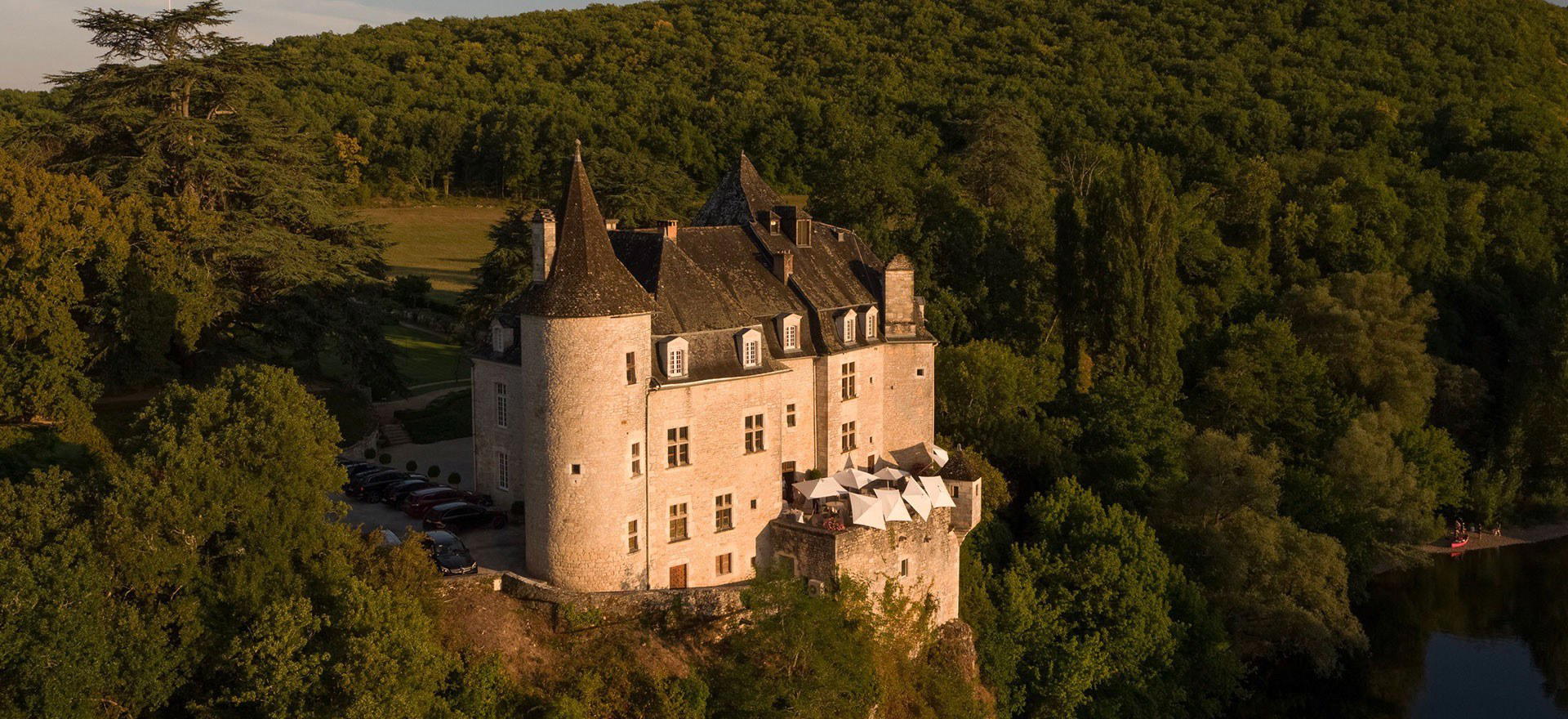
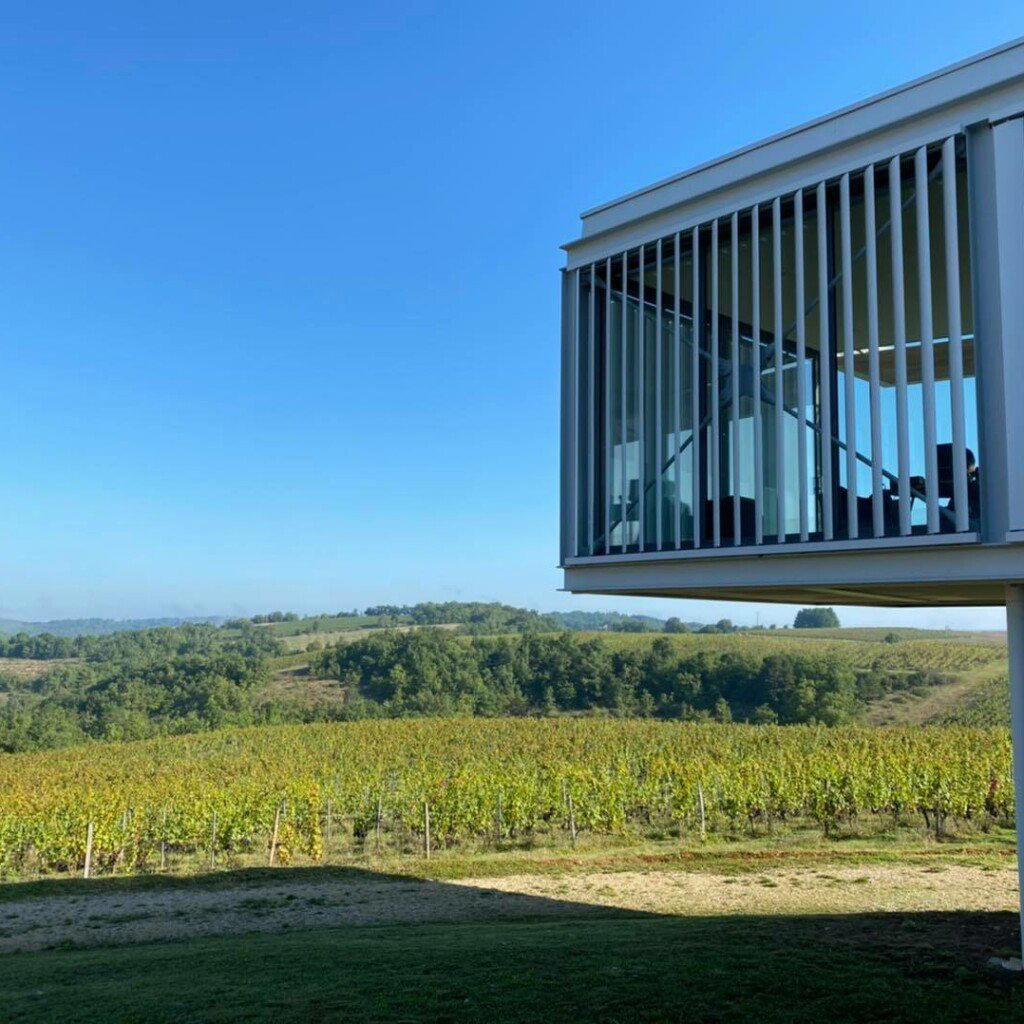
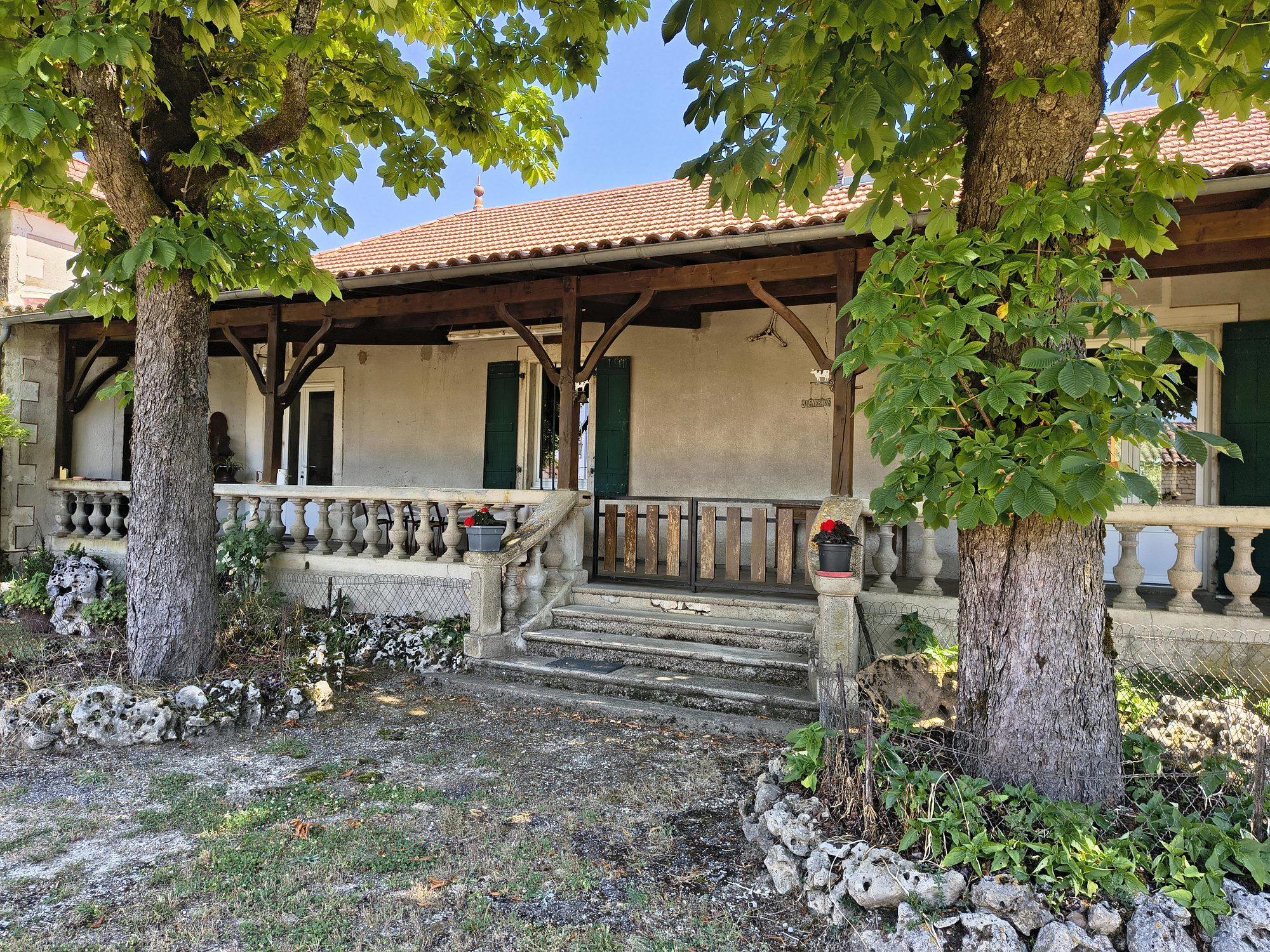
The approach on foot or by car matters here. Château de Chambert is a wine estate with roots going back to 1690, and arriving through that agricultural landscape primes the experience before a single plate appears. The barn itself presents a stone exterior that gives little away. Inside, the contrast is deliberate: original materials, a high raftered ceiling, and the warmth of a building that has existed through three centuries sit alongside a black accent wall, picture windows that frame the vineyards and open countryside, and an open kitchen fitted with contemporary equipment. The room does not try to erase its agricultural origins, nor does it treat them as pure decoration. The two registers coexist without apology.
Sourcing as Structure
In southwest French cooking, ingredient provenance is not a novelty or a marketing device, it is the grammar of the cuisine. The Lot, Quercy, and the broader Occitan region have distinct agricultural identities: saffron cultivation around the Lot valley (Quercy saffron carries protected geographical status), veal from Occitan pastures, and access to premium Atlantic seafood via supply chains that connect serious rural kitchens to the Breton coast. Holodeck's menu is built on that geography.
The Breton langoustine on the menu is not a generic luxury garnish. Brittany supplies some of the most consistently cited crustacean from French waters, and its appearance here alongside ikejime John Dory signals a kitchen paying attention to method as well as source. Ikejime, the Japanese technique of immediate neurological dispatch, is now used by a small but growing number of European fish suppliers to preserve flesh quality and extend shelf life without chemical intervention. Its presence on a menu in rural Lot is an indicator of supplier relationships, not a coincidence.
Quercy saffron woven into a carrot jus is a more locally specific choice. Saffron production in the Lot is small-volume and labour-intensive; it does not appear on menus as a reflex. The decision to lace a jus with it rather than deploy it as a visible garnish suggests a kitchen that understands the ingredient well enough to use it with restraint. Occitan veal paired with pissaladière seasoning and artichokes draws a line between local protein and a flavour reference from further south, connecting the Lot to a broader Mediterranean vocabulary without abandoning its own identity. This is the kind of sourcing logic that distinguishes estate-adjacent cooking from country cooking that simply happens in the country.
For a broader view of how Lot-region and south-of-France kitchens handle terroir at this level, the work at Bras in Laguiole and Auberge du Vieux Puits in Fontjoncouse offers useful comparison points. Both operate in rural southern France and have built sustained critical attention around deep regional sourcing. Holodeck occupies the same geographic and philosophical territory, though within the specific context of a wine estate that has its own distinct agricultural logic.
The Kitchen's Approach
The cooking at Holodeck is described in critical assessments as precise and legible: dishes that communicate clearly without obscuring their ingredients in complexity. The jus are noted as intense, the seasoning balance considered careful. In French fine dining at this tier, that approach often aligns with classical brigade training filtered through a preference for clarity over elaboration, the kind of technical grounding visible in kitchens like Flocons de Sel in Megève or, at a different scale, Troisgros in Ouches.
The open kitchen is not incidental to this. In a barn conversion with picture windows on one side, placing the kitchen in view completes an axis of transparency: the landscape outside, the dining room between, and the cooking visible from the table. The room's architecture makes a coherent argument about where the food comes from and how it is made.
The Estate Context
Château de Chambert is not a passive backdrop. A wine estate founded in 1690 carries its own accumulated identity, and a restaurant operating within that context is implicitly in conversation with the wine program. The Lot is Malbec country, Cahors AOC sits within the department, and an estate of this age has a catalogue of vintages that extends well beyond what most standalone restaurants could offer by the glass. The pairing logic here is both geographical and historical. Visitors planning around the wine estate dimension should allow time beyond the meal itself; the estate format rewards that kind of extended visit in a way that a city restaurant cannot replicate.
For those building a wider itinerary around the Lot and southwest France, our full Floressas restaurants guide covers the local dining picture in detail, alongside our Floressas hotels guide, bars guide, wineries guide, and experiences guide.
Planning a Visit
Château de Chambert is located at lieu-dit Chambert in Floressas, a commune in the Lot department of southwest France. The address places it in genuinely rural territory; arriving by car is the practical approach for most visitors. Given the estate format and the kitchen's sourcing commitments, lunch during the growing season, when the Quercy saffron harvest peaks in autumn and the surrounding agricultural calendar is most active, offers the fullest expression of what the kitchen is drawing on. The combination of a serious wine estate and a kitchen operating at this level means that spontaneous visits are unlikely to be accommodated easily; advance contact is advisable. Booking details are best confirmed directly through the estate.
Internationally oriented French dining readers who follow the trajectory of restaurants like AM par Alexandre Mazzia in Marseille, Assiette Champenoise in Reims, or Au Crocodile in Strasbourg will find a different register at Holodeck, quieter, more place-specific, and inseparable from the estate that surrounds it.
Frequently asked questions
Is Holodeck a family-friendly restaurant?
The setting at Château de Chambert, a restored barn with picture windows overlooking vineyards and open countryside, is relaxed enough to accommodate families comfortable in a considered dining environment. The cooking is ingredient-led and unfussy, which makes it accessible, though the focus is squarely on the food rather than on child-specific programming or menus.
What is the atmosphere like at Holodeck?
The room pairs period materials, stone walls, high raftered ceilings, warm finishes, with contemporary interventions including a black feature wall, an open kitchen fitted with professional equipment, and comfortable furnishings. The result reads as a working estate that has been thoughtfully updated rather than a decorated dining room. Views extend across the vineyards and surrounding Lot countryside through floor-to-ceiling picture windows.
Has Holodeck won any awards?
Holodeck has received recognition including: Set within a vast wine estate founded in 1690, this restaurant is ensconced in a meticulously restored old barn. Behind the stone façade, warm period materials and a high raftered ceiling contrast with more contemporary touches, like a blac….
What's the must-try dish at Holodeck?
Critical assessments specifically call out the pairing of Breton langoustine with ikejime John Dory, sorrel, and a carrot jus finished with Quercy saffron, a dish that puts the kitchen's sourcing credentials and technical control on the same plate. The Occitan veal with pissaladière seasoning and artichokes has also drawn attention as a clean expression of southwest French produce.
How do I find Holodeck?
Holodeck is located at Château de Chambert, lieu-dit Chambert, Floressas.
Do I need a reservation for Holodeck?
Holodeck operates within a wine estate in Floressas, a rural commune in the Lot department, which means walk-in access is not a practical assumption, drive times from nearby towns make an unconfirmed table a genuine risk.
What's Holodeck best at?
The kitchen's strongest suit is precision with southwest French ingredients: langoustine, ikejime-processed fish, Quercy saffron, Occitan veal, and artichokes appear in dishes described by critics as legible and well-balanced, with intense reductions and attentive service. The estate context, a wine property operating continuously since 1690, gives the restaurant a sense of place that the cooking actively reflects rather than simply inherits.
How It Stacks Up
Comparable venues nearby, for context on price, style, and recognition.
| Venue | Cuisine | Price | Awards | Notes |
|---|---|---|---|---|
| HolodeckThis venue (the venue you are viewing) | Modern French Fine Dining | $50–100 | 1 Michelin Star | Not listed |
| La Table de Mercuès | Modern French Quercy Fine Dining | $150–200 | Michelin Plate · Relais Chateaux Award | Mercuès |
| Le Domaine de Saint-Géry | French Farmer-Chef Fine Dining | $150–200 | Michelin Plate | Lascabanes |
| Le Clos - Château de Labro | French Market Bistro | Not listed | Michelin Plate | Onet-le-Château Village |
| Maison K | Traditional French Bistro | Not listed | Michelin Plate | centre-ville |
| La Bastide | Modern French Fine Dining | Not listed | Michelin Plate | Barbotan-les-Thermes |
Recognition history
Dated appearances from independent guides and award organizations, with the underlying list record or original source where available.
Michelin 1 Star
Michelin
Continue exploring
More in Floressas
Restaurants in Floressas
All restaurants in Floressas →
Hotels in Floressas
Browse all →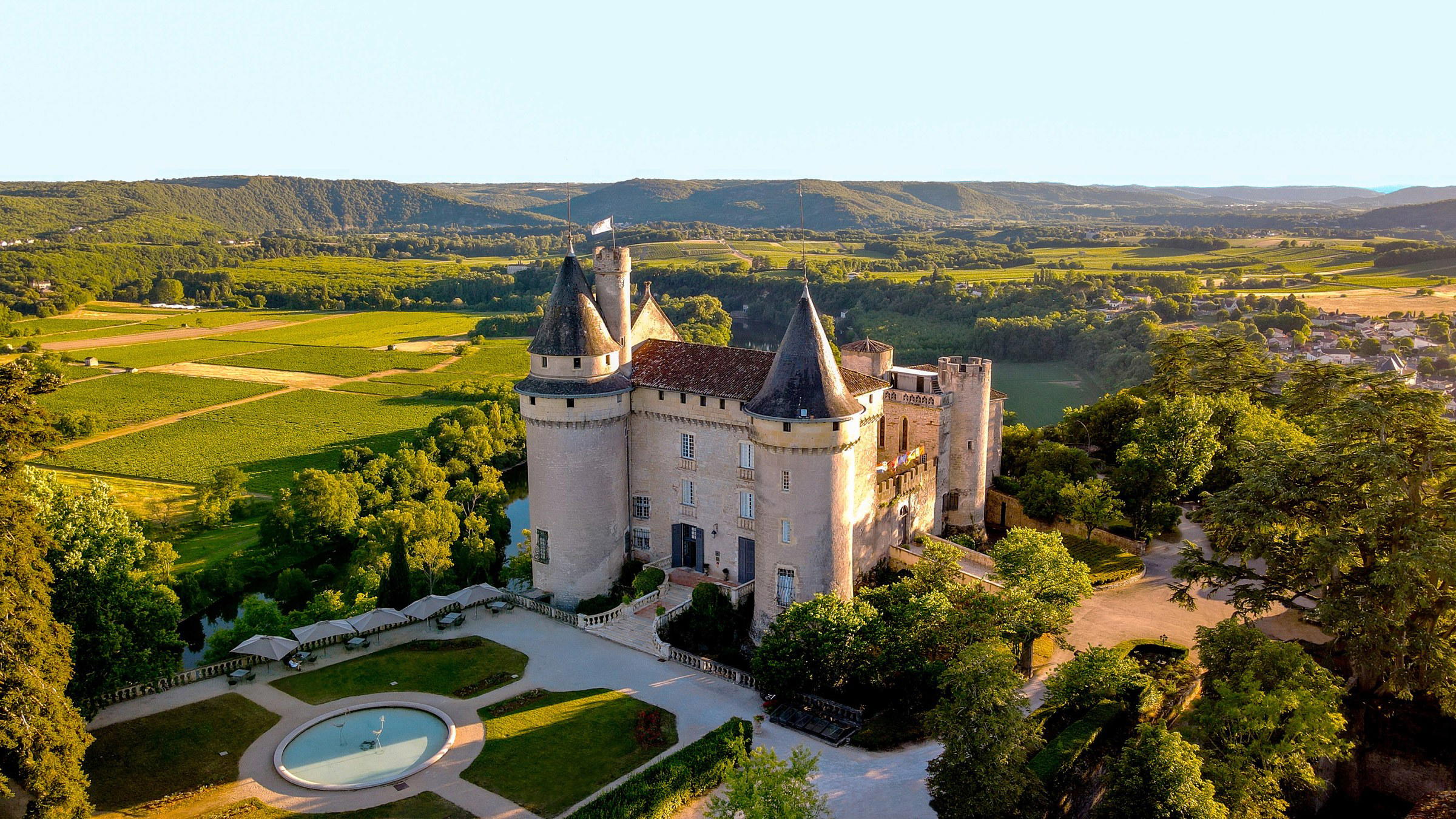

Details
- Elegant
- Rustic
- Modern
- Scenic
- Sophisticated
- Special Occasion
- Date Night
- Open Kitchen
- Terrace
- Extensive Wine List
- Organic
- Local Sourcing
- Biodynamic
- Vineyard
- Tasting Menu
- A La Carte
Current opening hours
- Monday
- Closed
- Tuesday
- Closed
- Wednesday
- Closed
- Thursday
- 7–9 PM
- Friday
- 12–1:30 PM, 7–9 PM
- Saturday
- 7–9 PM
- Sunday
- Closed
Hours can change for holidays and private events. Hours as of .
Warm period materials and high raftered ceiling contrast with contemporary touches like an open kitchen and picture windows overlooking vineyards, creating a relaxing and elegant atmosphere.