Périgueux places Capelo at the intersection of one of France's most ingredient-defined food cultures and the everyday rhythms of a market town that takes its larder seriously. Sitting on Place Louis Magne, the restaurant draws on a regional tradition where truffle, foie gras, walnut, and cèpe mushroom are not premium add-ons but structural ingredients. For anyone eating through the Dordogne, it belongs in the itinerary.
Pearl is the En Primeur Club membership app — saves, bookings, and concierge access live there. Same editors, same standards.
- Address
- 1 Pl. Louis Magne, 24000 Périgueux, France
- Phone
- +33547458096
- Directions
- Get directions
 Saves & bookings on Pearl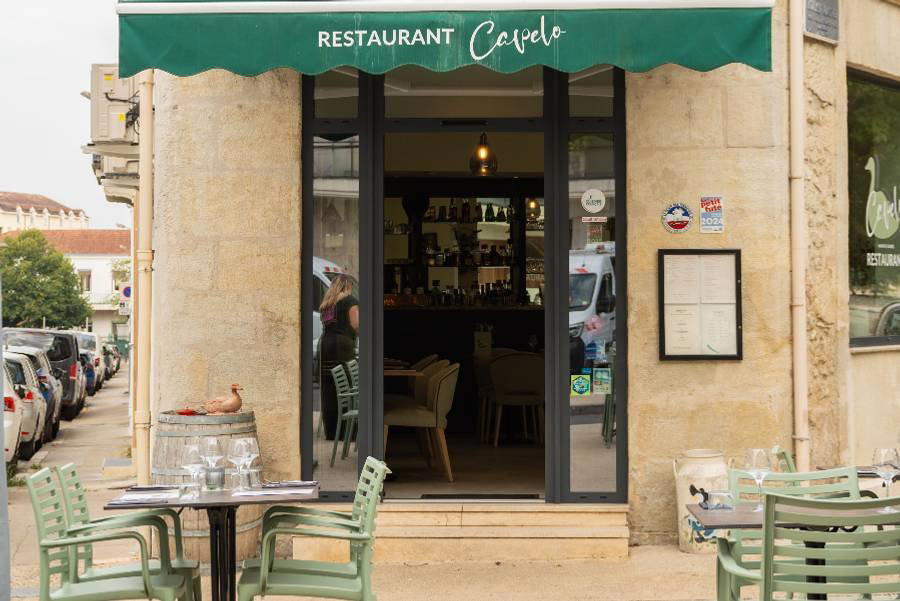
Place Louis Magne and the Weight of the Périgord Larder
France organises its fine dining conversation around Paris, the Rhône Valley, and the Côte d'Azur. Properties like Mirazur in Menton and Alléno Paris au Pavillon Ledoyen anchor that national narrative. But the Dordogne operates on a different register entirely: its culinary authority comes not from tasting-menu ambition or kitchen theatre but from the quality and specificity of what grows, roots, and forages within a few dozen kilometres. Périgueux is the administrative capital of that territory, and eating there means engaging with a larder that most of France's starred kitchens treat as a luxury import.
Capelo sits at 1 Place Louis Magne, in the older central fabric of the city, a few minutes from the Cathédrale Saint-Front and the covered market halls that Périgueux residents still use as a weekly reference point rather than a tourist attraction. The square itself is compact and unhurried, which tells you something about the pace at which this city takes its food. There is no grand boulevard theatre here, no see-and-be-seen terrace logic. What the address offers instead is proximity to the source: the markets, the suppliers, the seasonal rhythm of a region that produces Périgord Noir truffles, duck confit, foie gras, walnuts, and cèpe mushrooms at a scale and quality that defines the surrounding cuisine.
Where the Food Comes From, and Why That Matters Here
In a culinary tradition as ingredient-driven as the Périgord, provenance is not a marketing frame — it is the actual architecture of the cooking. The four canonical ingredients of the region (truffle, foie gras, walnut oil, cèpe) each have seasonal windows that structure local menus more rigidly than any chef's preference. Périgord Noir truffles, the black diamond variety harvested from November through March, command prices that rival those in any European capital, yet here they appear in local bistros and neighbourhood tables as a matter of course rather than occasion. That normalisation of premium ingredients is one of the defining features of eating in this part of southwest France, and it shapes what a restaurant like Capelo can offer a visiting diner.
The broader southwest French kitchen has historically been resistant to the lightening tendencies that reshaped Paris-facing haute cuisine from the 1970s onward. While houses like Les Prés d'Eugénie - Michel Guérard in Eugénie-les-Bains and Bras in Laguiole developed their own distinct idioms, the Dordogne's restaurant culture generally held closer to the fat-forward, depth-first logic of its terroir. Duck fat over butter. Confit over quick cooking. Truffle as seasoning rather than garnish. Understanding that orientation helps a traveller calibrate what they are eating into, and what they should order.
Capelo in Its Local Context
Périgueux's restaurant scene is not large by French regional city standards. It is coherent, rooted, and seasonal in a way that larger cities with more competitive dining markets are not. For a full survey of where Capelo sits within that field, our full Périgueux restaurants guide maps the scene in detail. Among nearby options, Le Seizième occupies a different position in the local hierarchy and offers a useful point of comparison for anyone building a two-dinner itinerary through the city.
The regional context is worth holding alongside any national reference. When critics assess southwest French cooking against the multi-starred benchmark set by establishments like Troisgros in Ouches or Maison Lameloise in Chagny, the terms shift. Classical French gastronomic culture in the provinces rewards consistency, terroir fidelity, and honest seasonal execution over concept-driven innovation. A restaurant earning genuine local respect in Périgueux is doing something categorically different from a creative tasting-menu house in a French Alpine resort or a Parisian grand dining room. The comparison set is local, and the standards are set by the ingredients themselves.
Visiting Périgueux: Timing, Planning, and Practical Notes
The Dordogne is a strongly seasonal destination. The truffle season concentrates visitor interest from late November through February, when the Périgueux truffle market — one of France's most active, operates on Saturday mornings near the covered market halls. Spring and early summer bring asparagus and strawberries into the local supply chain, while autumn is the window for cèpe mushrooms, walnut harvest, and the early preserved duck preparations that define the region's charcuterie. Any serious eating itinerary through Périgueux should be calibrated against these seasonal cycles rather than treated as a year-round constant.
City itself is accessible by TGV from Paris Montparnasse, with journey times in the three-hour range to Périgueux station, which places it within practical reach for a long weekend without requiring a flight. For travellers combining a broader southwest circuit, Périgueux connects naturally to the wine villages of Bergerac to the west and the medieval villages of the Dordogne valley to the south and east. Those planning a more ambitious gastronomic loop through the French southwest might also consider detours toward Auberge du Vieux Puits in Fontjoncouse or L'Oustau de Baumanière in Les Baux, both of which sit within a broader arc of southern French fine dining that rewards lateral travel.
For international visitors comparing the French provincial dining experience against other reference points, the contrast with urban tasting-menu culture at places like Le Bernardin in New York or format-driven experiences like Lazy Bear in San Francisco is instructive. The Périgord kitchen asks for less conceptual preparation and more seasonal attentiveness. It rewards the diner who arrives knowing what month it is and what that implies for the plate.
How Capelo Périgueux compares with similar nearby venues.
| Venue | Cuisine | Price |
|---|---|---|
| Le Pétrocore | Modern Cuisine | €€ |
| Café Louise | Italian | €€ |
| La Taula | Regional Cuisine | €€ |
| L'Essentiel | Modern Cuisine | €€€ |
Continue exploring
More in Périgueux
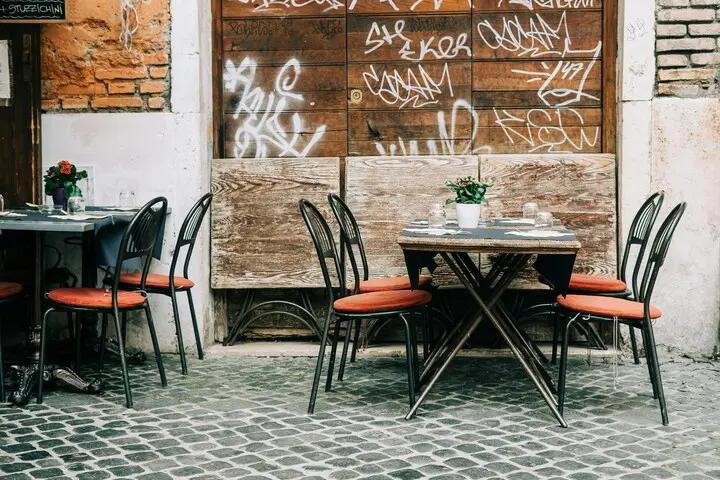
Restaurants in Périgueux
Browse all →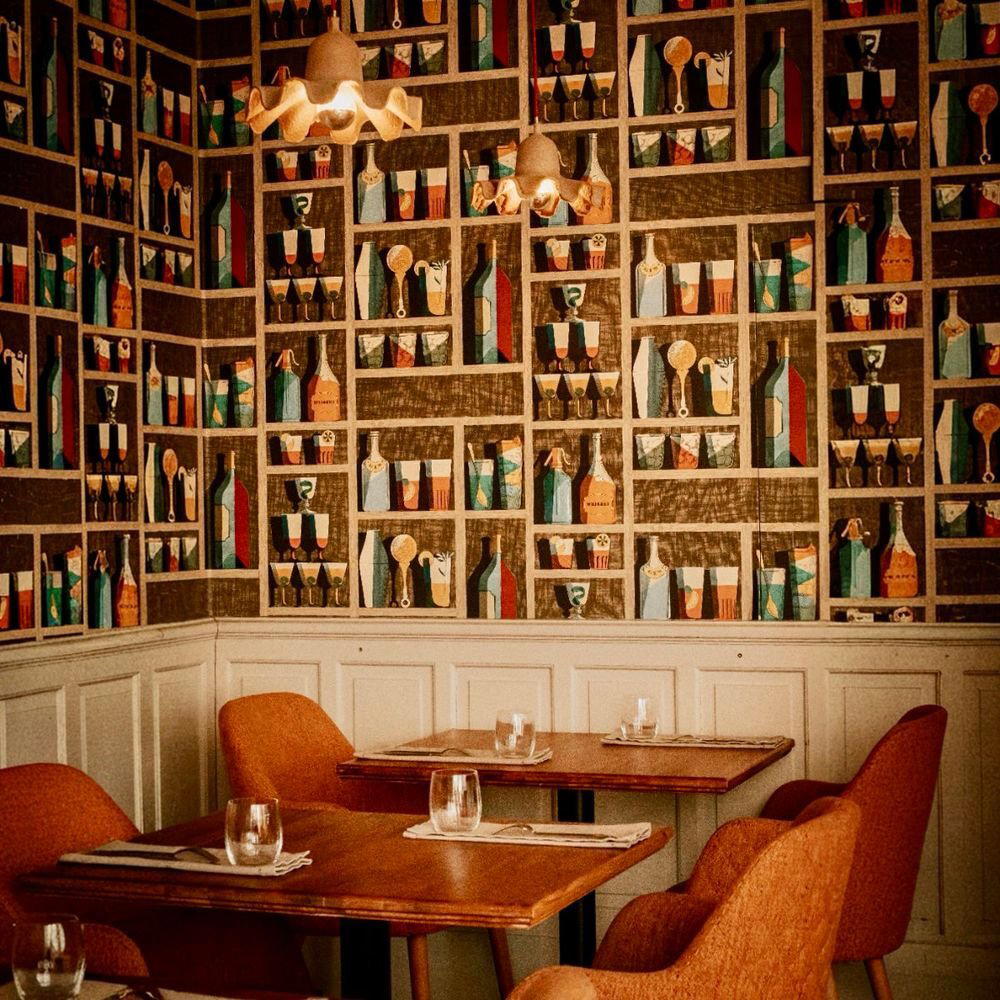
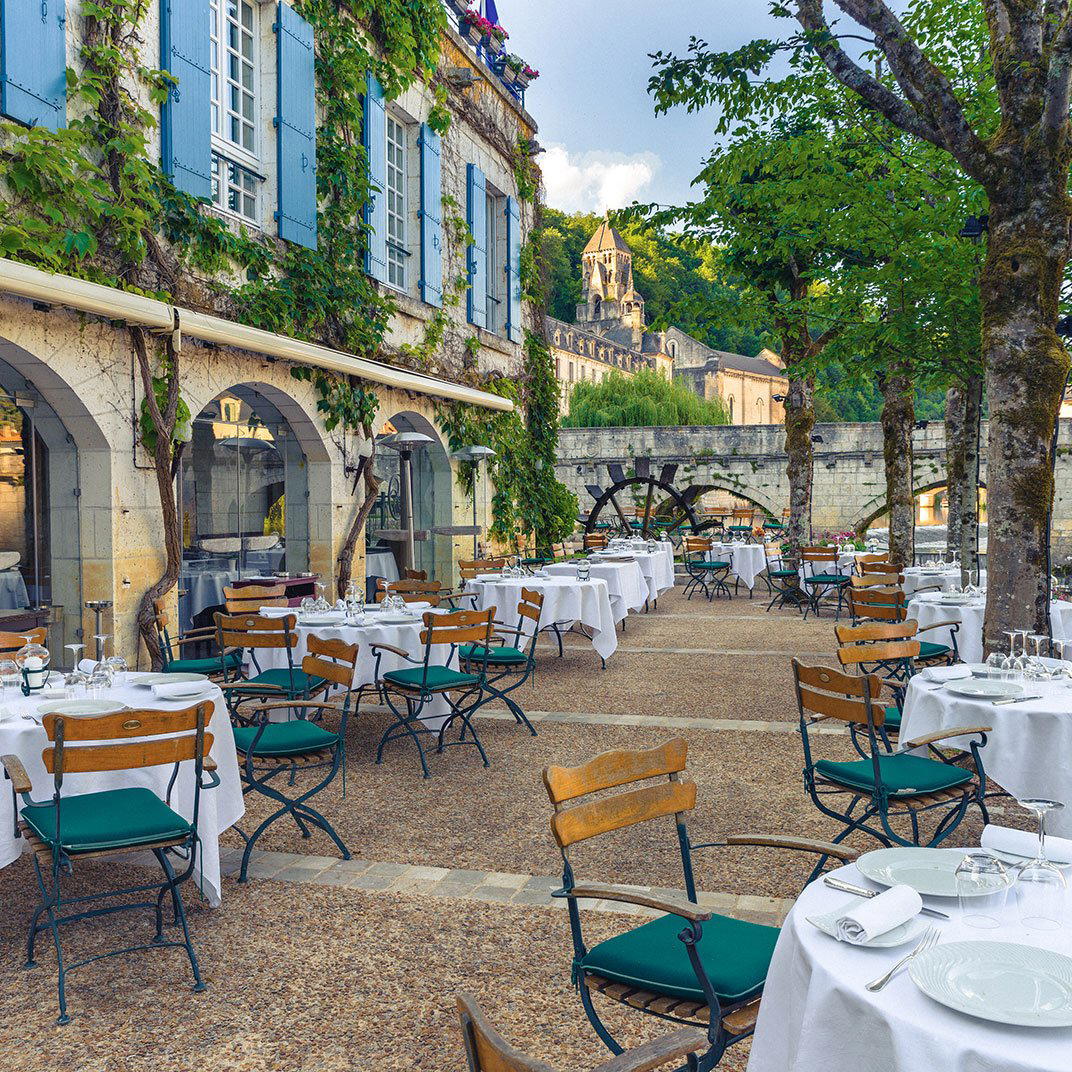
Hotels in Périgueux
Browse all →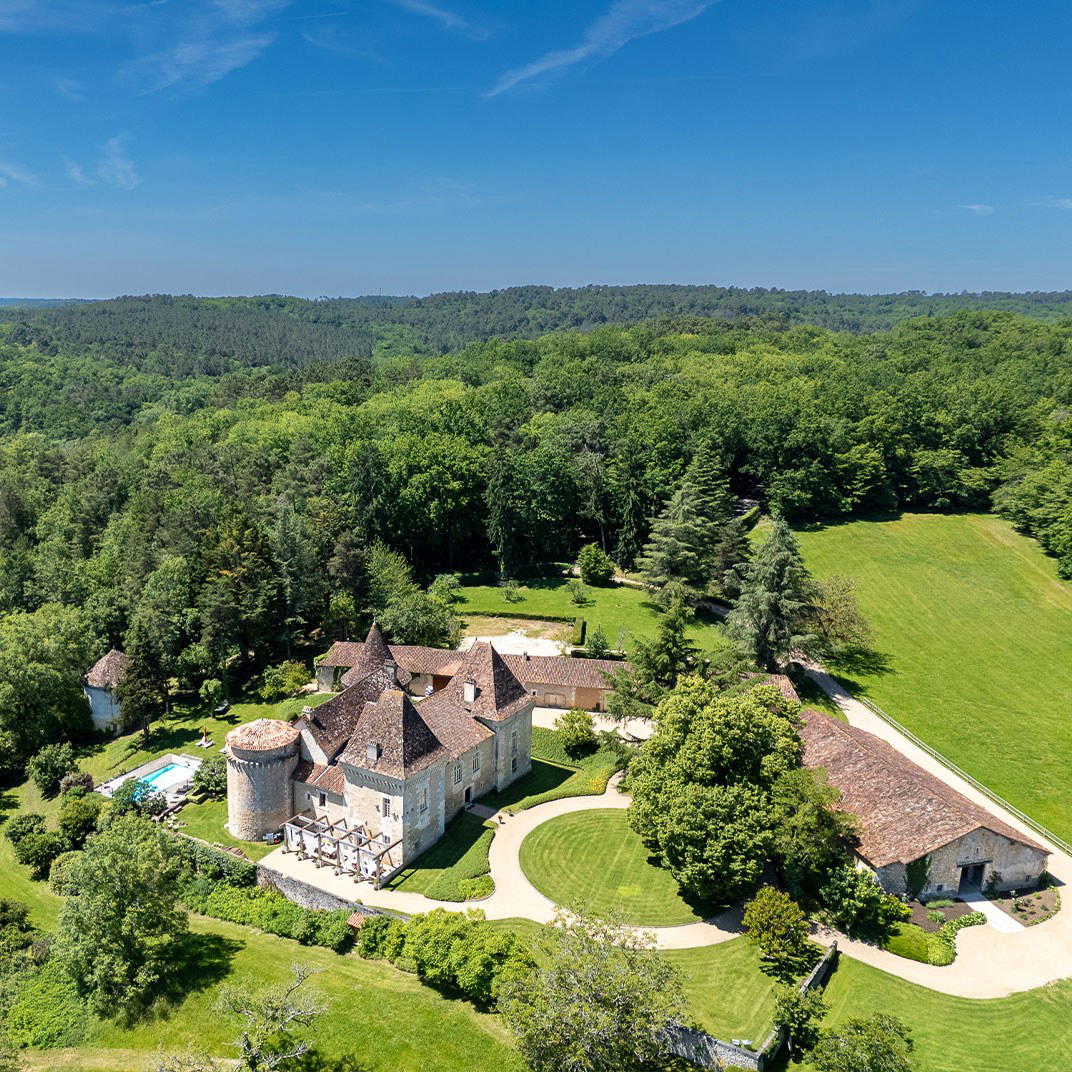
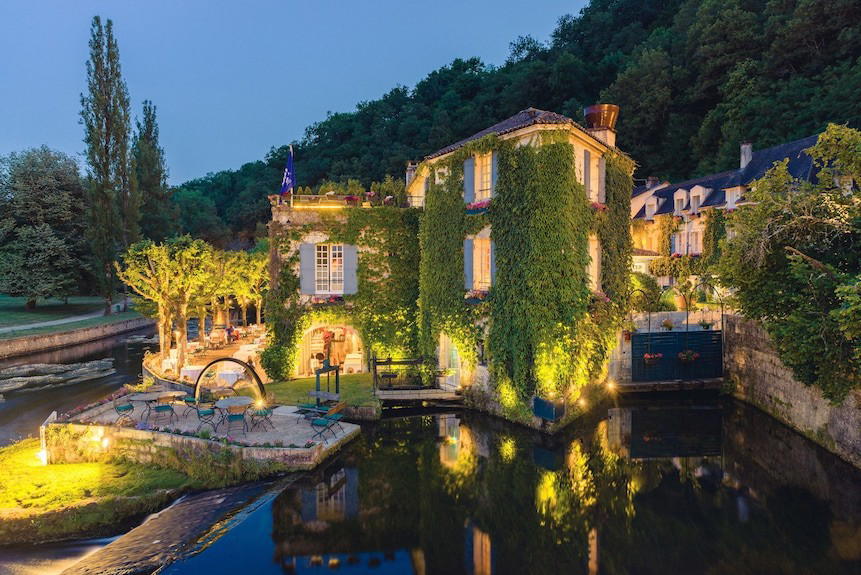

At a Glance
- Cozy
- Rustic
- Intimate
- Group Dining
- Special Occasion
- Terrace
- Local Sourcing
Current opening hours
- Monday
- 12–1:15 PM, 7–9 PM
- Tuesday
- 12–1:15 PM
- Wednesday
- 12–1:15 PM
- Thursday
- 12–1:15 PM, 7–9 PM
- Friday
- 12–1:15 PM, 7–9 PM
- Saturday
- 12–1:15 PM, 7–9 PM
- Sunday
- Closed
Hours can change for holidays and private events. Last verified .
Convivial and warm atmosphere with air-conditioned indoor dining and terrace seating.
Know Before You Go
- Getting there
- 1 Pl. Louis Magne, 24000 Périgueux, France