Our verdict
L'Auberge du Coq serves traditional French regional cooking in Pérouges, with a leisurely pace for lunch or dinner in a historic building.

Pearl is the En Primeur Club membership app — saves, bookings, and concierge access live there. Same editors, same standards.
- Address
- Rue des Rondes, 01800 Pérouges, France
- Phone
- +33474610547
- Hours
- Mon–Tue ClosedWed–Thu 12–1:30 PMFri–Sat 12–1:30 PM, 7–9 PMSun 12–2 PM
- Website
- auberge-du-coq.fr
- Directions
- Get directions
- Booking
- Book on the venue's website
The menu
What to order
- Poulet aux morilles
- Grenouilles
- Coq au vin
- Galette de Pérouges
Stone, Cobblestone, and the Provenance Question
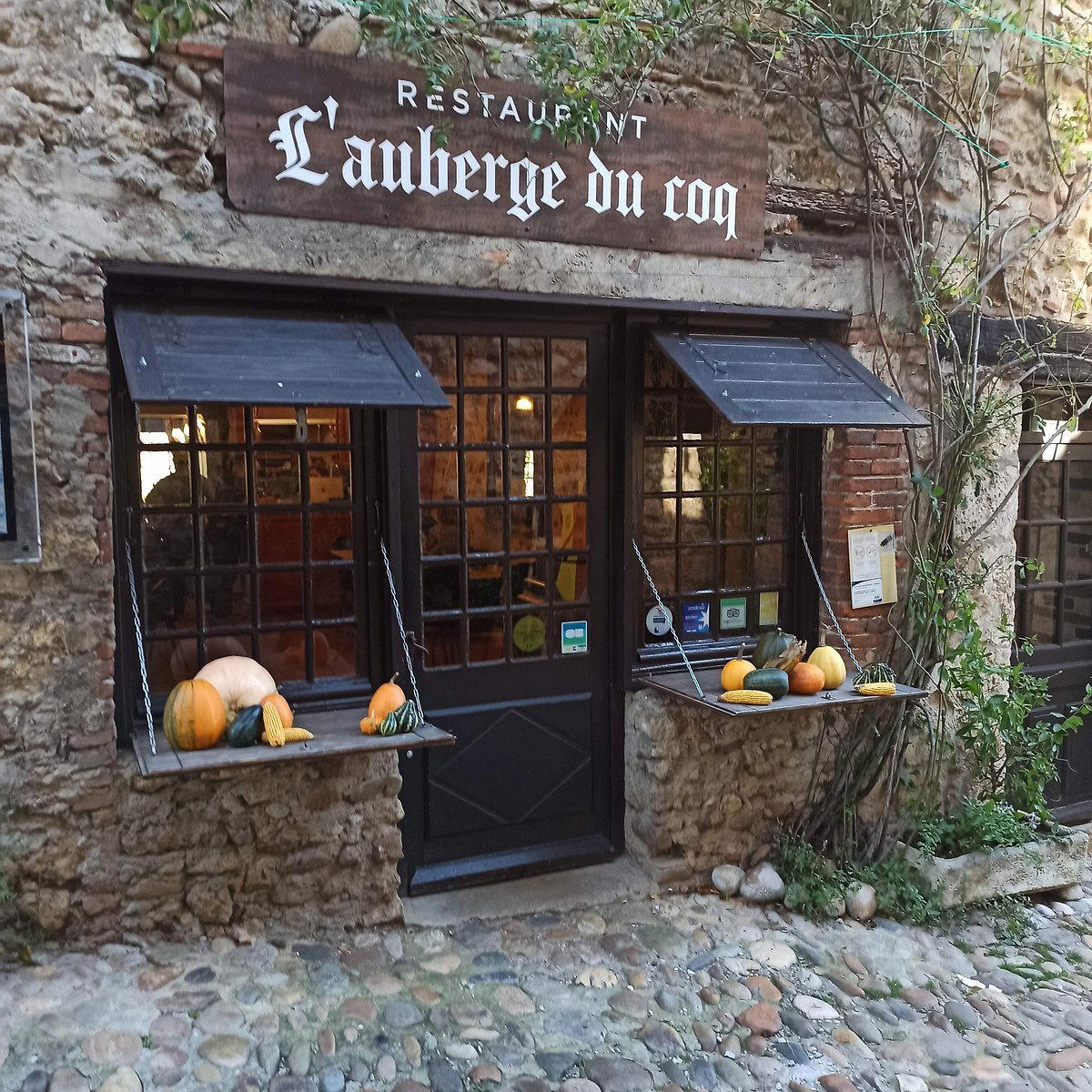
Pérouges is one of the most intact medieval villages in France, a walled hilltop settlement in the Ain department whose ring of limestone houses has changed little since the fifteenth century. Tourism infrastructure here is necessarily contained: a handful of restaurants and a small hotel cluster around the place du Tilleul, and the kitchens that operate within those stone walls work under a kind of geographic constraint that, for serious cooks, becomes an editorial argument in itself. When a restaurant's address is a medieval rampart, the question of ingredient sourcing is not a marketing choice but a structural one. There is no delivery dock on the Rue des Rondes, no industrial catering supply chain threading through the village gate. What arrives in the kitchen comes deliberately.
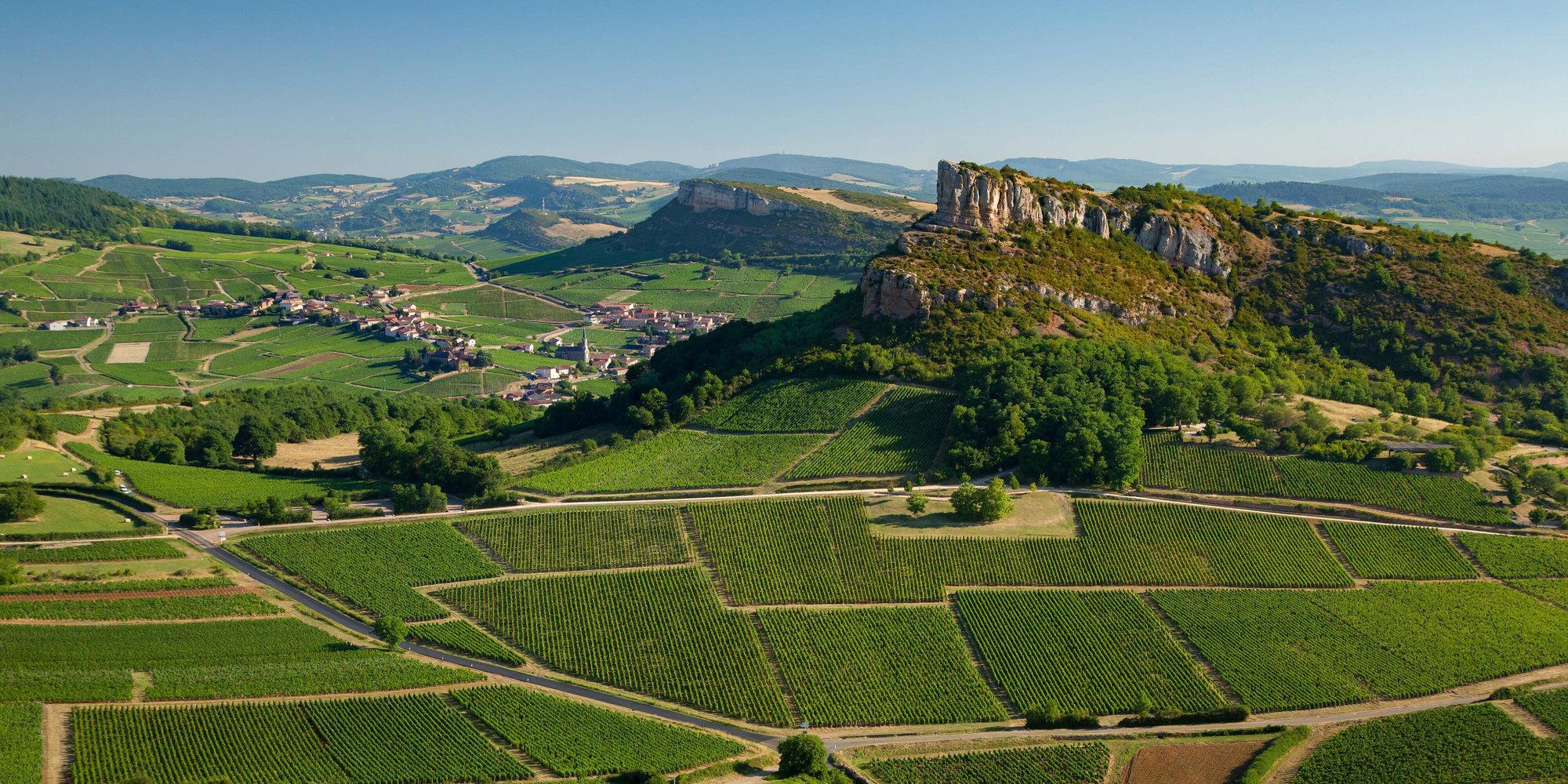
L'Auberge du Coq sits on that same Rue des Rondes, the circular road that traces the inner perimeter of the village walls. The address alone frames an expectation: a regional table operating within a historically protected site, where the surrounding Dombes plateau and the broader Ain agricultural belt supply the raw material that kitchens in this corridor have drawn on for generations. The Dombes, a range of glacial ponds and flat farmland stretching north of Lyon, has long provided frogs, carp, and poultry to the tables of this part of Bresse country. That agricultural identity runs through the dining traditions of the entire zone, from the bresse chicken appellations protected under French law to the freshwater species harvested from the étangs each autumn.
The Ain Agricultural Belt as Kitchen Context
To understand what a table in Pérouges is working with, you need to understand the productive zone surrounding it. The Ain department sits between Lyon and the Alps, and its food identity is dual: on one side, the flatlands of the Dombes with their poultry, game, and freshwater fish; on the other, the foothills reaching toward Bugey, which carry their own wine production and dairy traditions. Restaurants in this corridor, whether in Pérouges itself or in the wider département, inherit a sourcing context that pre-dates the farm-to-table rhetoric of contemporary gastronomy by several centuries. The poulet de Bresse, whose appellation contrôlée covers the communes just west and north of Pérouges, remains one of the few poultry products in the world protected by a geographical designation, and it enters kitchen calculations here not as a premium substitution but as the default reference point.
For comparison, consider how French destination restaurants in adjacent regions anchor their sourcing to similar territorial logic: Georges Blanc in Vonnas, one of the most recognized names in Bresse-country cooking, has built its identity around this same Dombes-Bresse corridor. Further afield, the sourcing philosophies at Bras in Laguiole and Auberge du Vieux Puits in Fontjoncouse illustrate how deeply regional ingredient identity can anchor a kitchen's entire creative direction. L'Auberge du Coq occupies a less formally celebrated tier than those addresses, but it operates within the same sourcing logic: what grows and grazes here is what appears at the table.
What the Village Format Demands
Medieval village restaurants operate under constraints that shape their character in ways that purpose-built dining rooms do not. The kitchen footprint is limited by century-old stone construction. Deliveries must negotiate a site accessible mainly on foot or via narrow vehicle access. This tends to produce menus calibrated for what can be sourced close and cooked with focused technique rather than sprawling à la carte ambition. The auberge format, specifically, is one of the oldest in French hospitality: a table attached to or adjacent to a lodging, serving travelers passing through rather than destination diners making special-occasion reservations months ahead. Pérouges has been a stopping point since the Roman road network, and the village's role as a transit waypoint between Lyon and the Jura gave its hospitality infrastructure a particular character, one oriented toward the traveler rather than the ceremony of haute cuisine.
That distinction matters when setting expectations. The auberge model running through French provincial hospitality from Alsace to the Languedoc, visible in institutions like Auberge de l'Ill in Illhaeusern at one extreme and hundreds of quieter village tables at the other, typically prizes honest execution over theatrical service. The contrast with the precision tasting-menu format found at addresses like Alléno Paris au Pavillon Ledoyen in Paris or Mirazur in Menton is deliberate. These are different registers of the same culinary culture, not competing versions of quality.
Approaching Pérouges: Practical Considerations
Pérouges is located roughly 35 kilometers northeast of Lyon, and most visitors arrive by road, with the village sitting just off the A42 motorway near Meximieux. The village itself does not permit vehicle access through its principal gate during peak visiting hours, so parking is handled in the lots outside the walls, from which the walk to the central square and surrounding streets takes only a few minutes. Train travelers from Lyon Part-Dieu can reach Meximieux-Pérouges station, from which a short taxi or arranged transfer covers the remaining distance to the village. The practical effect of the site's protected status is that visits here are necessarily unhurried; the pace of the place resists the quick-lunch format that urban restaurants can sustain.
For visitors building a broader Ain or Rhône-Alpes itinerary, the village pairs with day excursions toward the Dombes lake district or with onward travel to the Bugey wine villages. Those assembling a more ambitious dining tour of the region should note that the strongest formal dining credentials in the corridor sit in Flocons de Sel in Megève to the east and in Lyon's constellation of recognized addresses to the west, anchored historically by Paul Bocuse - L'Auberge du Pont de Collonges in Collonges-au-Mont-d'Or. Our full Perouges restaurants guide covers the village's dining options in comparative depth. The primary dining alternative within the village walls is Hostellerie de Pérouges, which operates within the historic hotel complex on the central square.
Reading the Room: Atmosphere and Register
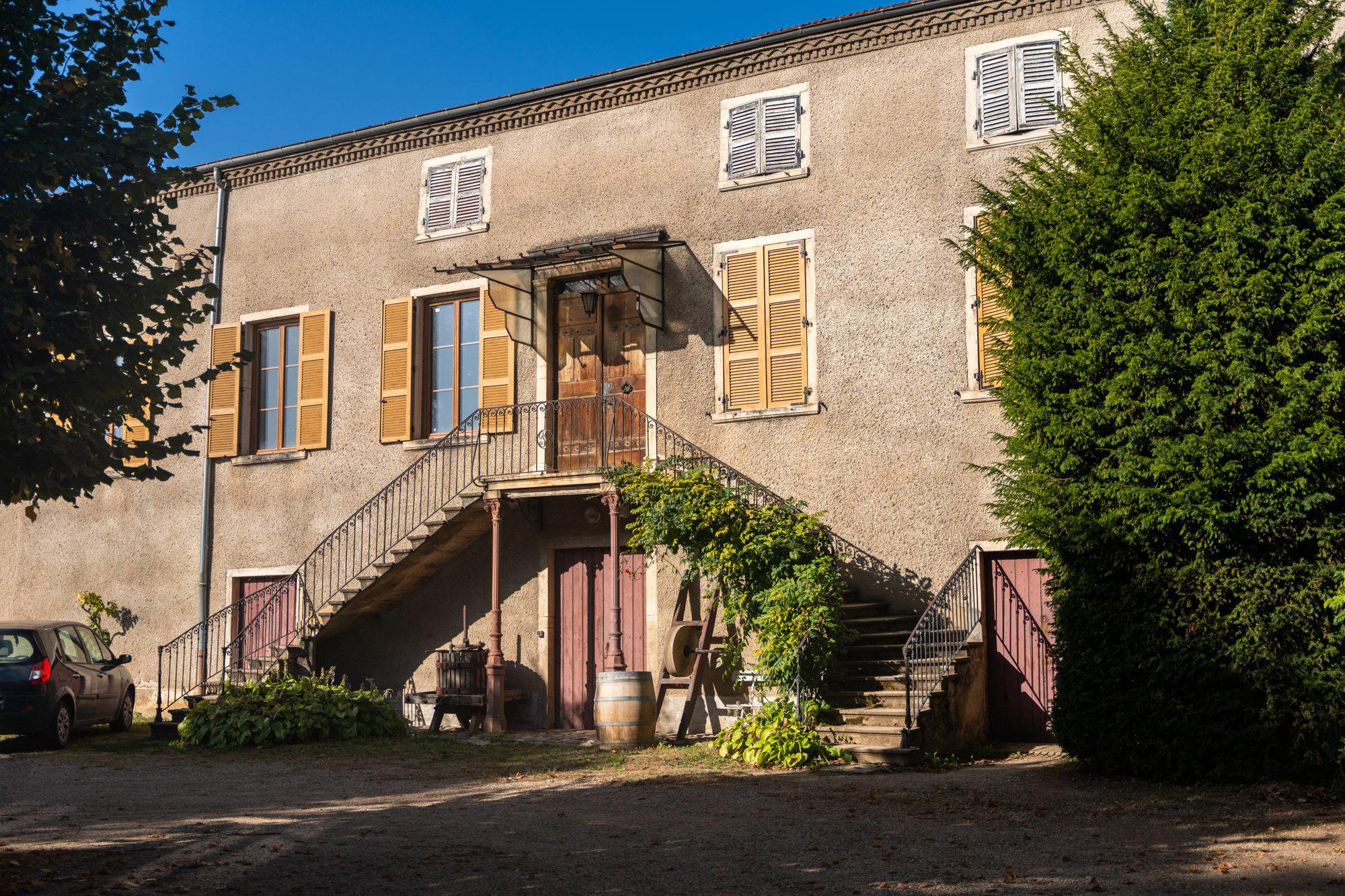
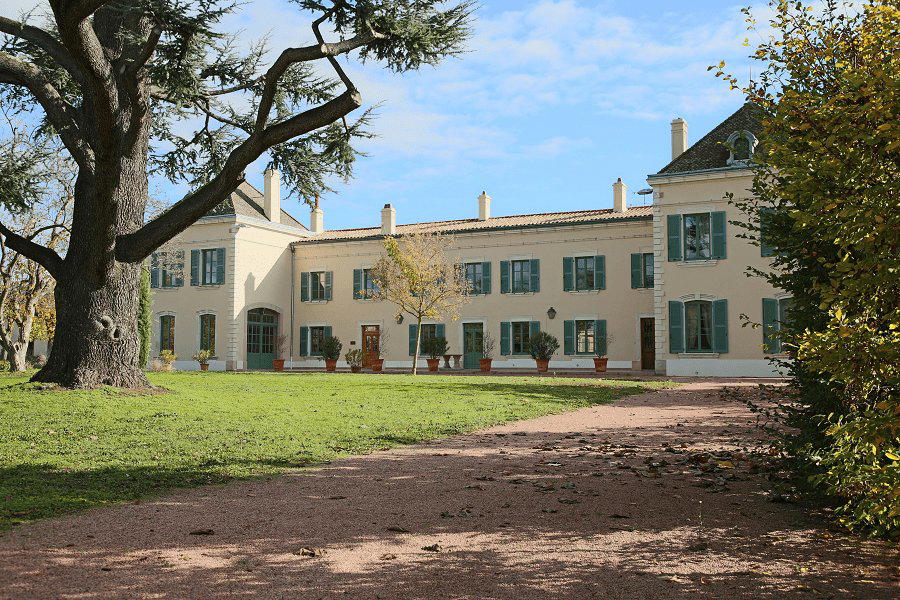
The atmosphere in medieval village restaurants in France tends toward the determinedly regional rather than the architecturally designed. Stone walls, low ceilings, and rooms that have served multiple purposes over several centuries produce a particular warmth that modern restaurant interiors rarely replicate convincingly. In Pérouges specifically, this is amplified by the village's status as a film set and heritage site; the town has appeared in multiple French productions precisely because its fabric is so intact. Dining within that environment carries an atmospheric weight that is not manufactured but simply present. For visitors whose frame of reference includes the polished dining rooms of addresses like Assiette Champenoise in Reims or Christopher Coutanceau in La Rochelle, L'Auberge du Coq represents a deliberate shift in register, not a step down.
Frequently asked questions
Is L'Auberge du Coq suitable for children?
Pérouges itself is a pedestrianised walled village, which makes the approach manageable for families with younger children. Medieval village auberges in the Ain region tend toward a settled, unhurried register rather than a formal one, so the atmosphere is rarely hostile to younger guests. That said, cobblestone streets and compact stone interiors are the physical reality at Rue des Rondes, so pushchairs and high-mobility requirements need planning in advance.
What should I expect atmosphere-wise at L'Auberge du Coq?
L'Auberge du Coq sits inside one of France's most intact medieval villages, where the building stock on Rue des Rondes is largely original limestone and the setting does much of the atmospheric work before anyone arrives at the table. Expect stone walls, low ceilings, and the kind of interior that resists redesign rather than inviting it. The register in Pérouges village restaurants runs determinedly regional — this is Ain, not Lyon's third-arrondissement dining circuit.
How far is L'Auberge du Coq from Lyon, and is it worth the trip as a standalone destination?
Pérouges sits roughly 35 kilometres northeast of Lyon, just off the A42 motorway, making L'Auberge du Coq accessible as a half-day excursion from the city. The village is classified among France's most intact medieval settlements, which means the visit carries weight beyond the meal itself — the walled perimeter, the cobblestone circuit, and the Ain countryside context all compound the case for making the journey. Few medieval village restaurants in France come packaged with this level of architectural setting.
What should I eat at L'Auberge du Coq?
The Ain department surrounding Pérouges is one of France's more productive agricultural zones, with Bresse poultry, local freshwater fish, and dairy traditions all sitting within the kitchen's supply radius. Village auberges in this format typically anchor their menus to regional produce rather than imported technique, so expect dishes that reflect the Ain agricultural belt rather than a Lyon-facing modernist menu. Specific current dishes and pricing are best confirmed directly with the venue before visiting.
At-a-Glance Comparison
Comparable venues nearby, for context on price, style, and recognition.
| Venue | Cuisine | Price | Awards | Notes |
|---|---|---|---|---|
| L'Auberge du CoqThis venue — the venue you are viewing | Traditional French Regional | Not listed | Not listed | Not listed |
| Hostellerie de Pérouges | Traditional French Regional Bistro | $50–100 | Not listed | Cité médiévale |
| Bienheureux | Modern French Creative | Not listed | Michelin Plate | Wasquehal |
| Le Rochetoirin | Seasonal French Gastro-Brasserie | $30–50 | Not listed | Rochetoirin |
| Piedra | Modern French Bistronomic with Global Influences | $30–50 | Not listed | Quartier Croix-Rousse Est et Rhône |
| Plato | French Bistronomique | $50–100 | Not listed | Quartier Croix-Rousse Centre |
Continue exploring
More in Perouges
Restaurants in Perouges
Browse all →
Bars in Perouges
Browse all →
Hotels in Perouges
Browse all →

Details
- Rustic
- Cozy
- Elegant
- Special Occasion
- Historic Building
- Local Sourcing
- A La Carte
- Gluten Free Options
Current opening hours
- Monday
- Closed
- Tuesday
- Closed
- Wednesday
- 12–1:30 PM
- Thursday
- 12–1:30 PM
- Friday
- 12–1:30 PM, 7–9 PM
- Saturday
- 12–1:30 PM, 7–9 PM
- Sunday
- 12–2 PM
Hours can change for holidays and private events. Last verified .
rustic with poetic touches and campagne chic charm