Restaurant de Juwelier


On Utrechtsestraat, the duo behind Restaurant 212 run a bistro that takes the old-school French format seriously, à la carte, rich stocks, offal without apology. Opinionated About Dining named it among Europe's top new restaurants in 2023. The cooking leans on lesser-used cuts and classical technique, with results that make a strong case for both.
Pearl is the En Primeur Club membership app — saves, bookings, and concierge access live there. Same editors, same standards.
- Address
- Utrechtsestraat 51, 1017 VJ Amsterdam, Netherlands
- Phone
- +31 20 247 1007
- Website
- restaurant-dejuwelier.nl
- Directions
- Get directions
 Saves & bookings on Pearl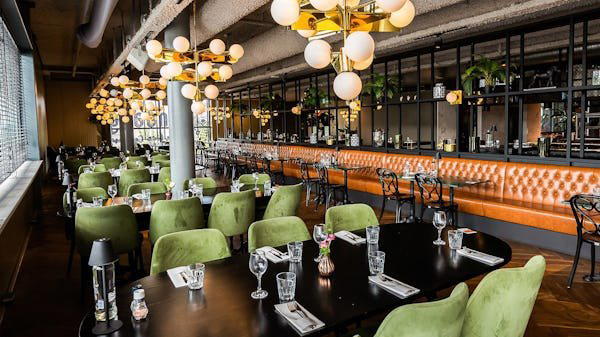
A Bistro That Earns the Word
Utrechtsestraat is one of Amsterdam's more dependable dining streets: long enough to have variety, specific enough to have character. At number 51, Restaurant de Juwelier occupies a position in the neighbourhood that feels earned rather than accidental. The room is lively without being loud, warm without being studied, the kind of atmosphere that arrives when a kitchen is genuinely busy and the guests sense it. When you walk in, the chefs are visible and present, which sets a tone that no amount of front-of-house choreography can replicate. This is a bistro that behaves like one.
The French bistro format has had a complicated decade in European cities. In Amsterdam, it competes against a scene that has moved decisively toward tasting menus and modern Dutch frameworks. Venues like Bolenius and Choux represent the contemporary creative end of the market. De Juwelier positions itself differently: à la carte, French in technique and sensibility, and unapologetic about rich flavour. That positioning is a choice, and the kitchen executes it with conviction.
The Award Context
The 2023 Opinionated About Dining recognition as one of Europe's leading new restaurants is a signal worth parsing. OAD draws on a voter base of experienced diners and industry figures, and its new restaurant list tends to reward kitchens that show a clear point of view rather than fashionable execution. Being placed on that list in 2023 put De Juwelier in European company that skews toward precision and substance over novelty. For a bistro operating in the €€€ tier on a secondary Amsterdam street, that placement suggests the cooking punches past its category.
Duo running De Juwelier, Richard van Oostenbrugge and Thomas Groot, built their reputation at Restaurant 212, a venue that established itself as one of Amsterdam's more considered addresses. The decision to open a bistro alongside that project, rather than a second fine-dining room, reflects a broader trend in European restaurant culture: serious chefs moving toward more accessible formats without softening their technical standards. Troef and Sinck occupy adjacent territory in Amsterdam's mid-market, but De Juwelier's French anchoring and its OAD recognition place it in a distinct comparable set.
What the Kitchen Is Actually Doing
Menu at De Juwelier is entirely à la carte, which matters more than it might initially seem. In a city where tasting menus have become the default format for serious cooking, the commitment to à la carte is a statement about hospitality as much as cuisine. Guests eat what they want, in the order they want it, at a pace they control. The kitchen still has to be technically consistent across the full menu rather than managing a single linear sequence, that is a harder operational discipline than it appears.
Ingredient choices are equally deliberate. Oxtail and zander are not the kind of produce that fills reservation books on their own. Veal kidneys, served with a creamy sauce built on veal stock and shellfish jus, represent a dish type that French bistro cooking has always done well but that most contemporary restaurants avoid for fear of alienating guests. De Juwelier makes the case that these ingredients deserve more attention, and the argument is made through technique rather than novelty. The zander preparation, candied in smoked butter, finished with zolderspek and goose liver, set against roasted quince and sauerkraut, balances richness and acidity in a way that reflects genuine classical fluency. These are not dishes designed around a concept; they are dishes designed around flavour.
Across Amsterdam's French-leaning restaurants, the price tier at €€€ sits below the fine-dining bracket occupied by Wolf Atelier and the city's starred rooms, and above the casual end represented by venues like Zoldering. Within that mid-market band, De Juwelier's combination of classical French cooking and serious culinary credentials makes it one of the more substantive options. The nearest Dutch comparisons for this style of cooking at this price point sit outside Amsterdam: 't Ganzenest in Rijswijk and 't Raedthuys in Duiven work in adjacent territory, though the Amsterdam location gives De Juwelier a different kind of foot traffic and a broader diner profile.
Planning Your Visit
The restaurant opens for both lunch and dinner every day of the week, with lunch service running from noon to 2:30 PM and dinner from 6 PM to 10 PM, a schedule that is consistent Monday through Sunday, which removes the usual Amsterdam guesswork around mid-week closures. Utrechtsestraat 51 sits in the canal belt, accessible on foot from most central hotels and well-served by tram. Given the OAD recognition and the reputation carried over from Restaurant 212, booking ahead is advisable, particularly for weekend dinner. The room is lively, so if you are planning a conversation-heavy dinner, a mid-week lunch may offer a calmer setting without sacrificing the full menu.
For broader context on where De Juwelier sits in Amsterdam's dining scene, our full Amsterdam restaurants guide covers the city across price tiers and styles. If you are building a wider trip, our Amsterdam hotels guide, bars guide, and experiences guide provide the same level of editorial detail. For those exploring the Netherlands beyond Amsterdam, De Librije in Zwolle, Aan de Poel in Amstelveen, De Bokkedoorns in Overveen, De Groene Lantaarn in Staphorst, De Lindehof in Nuenen, and De Lindenhof in Giethoorn represent the broader high-end Dutch restaurant conversation. An Amsterdam wineries guide is also available for those extending their visit into the city's wine culture.
Where the Accolades Land
Comparable venues nearby, for context on price, style, and recognition.
| Venue | Cuisine | Price | Awards | Notes |
|---|---|---|---|---|
| Restaurant de JuwelierThis venue — the venue you are viewing | Modern French Bistro | $$$ | Michelin 1 Star | Not listed |
| Rijsel | French Bistro with Flemish Influences | $$ | Bib Gourmand | Weesperzijde Midden/Zuid |
| Bistro de la Mer | Modern Seafood Bistro | $$$ | Michelin 1 Star | Amstelveldbuurt |
| Sinne | Modern Mediterranean Fine Dining | $$$ | Michelin 1 Star | Lizzy Ansinghbuurt |
| Marie | Modern French Brasserie | $$$ | Bib Gourmand | BG-terrein e.o. |
| Auberge - cuisine française | Classic French Bistro | $$ | Bib Gourmand | Hercules Seghersbuurt |
Recognition history
Dated appearances from independent guides and award organizations, with the underlying list record or original source where available.
Michelin 1 Star
Michelin
Opinionated About Dining Top New Restaurants in Europe Recommended
Opinionated About Dining
Continue exploring
More in Amsterdam
More from Chef Richard van Oostenbrugge & Thomas Groot
Browse all →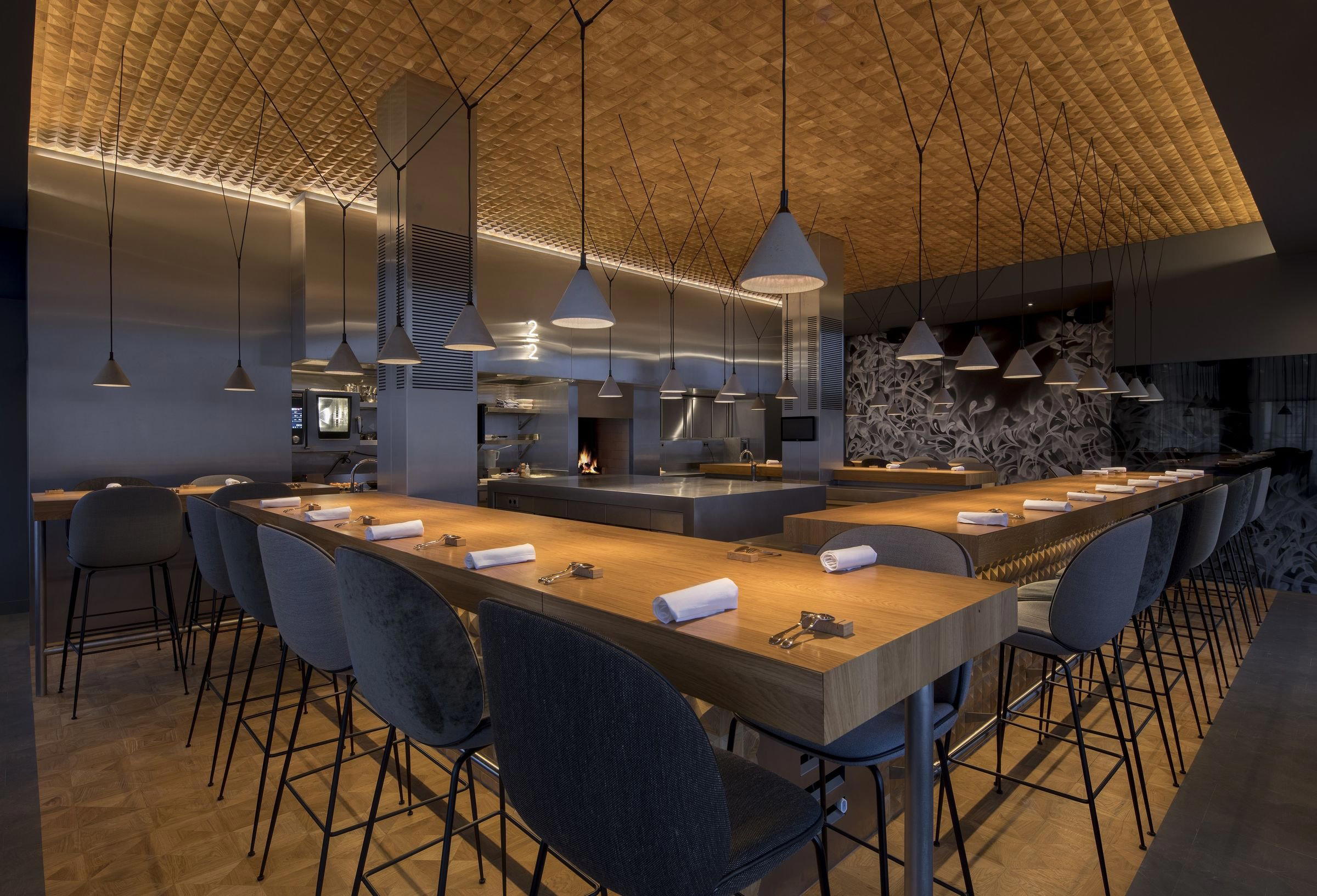
Restaurants in Amsterdam
Browse all →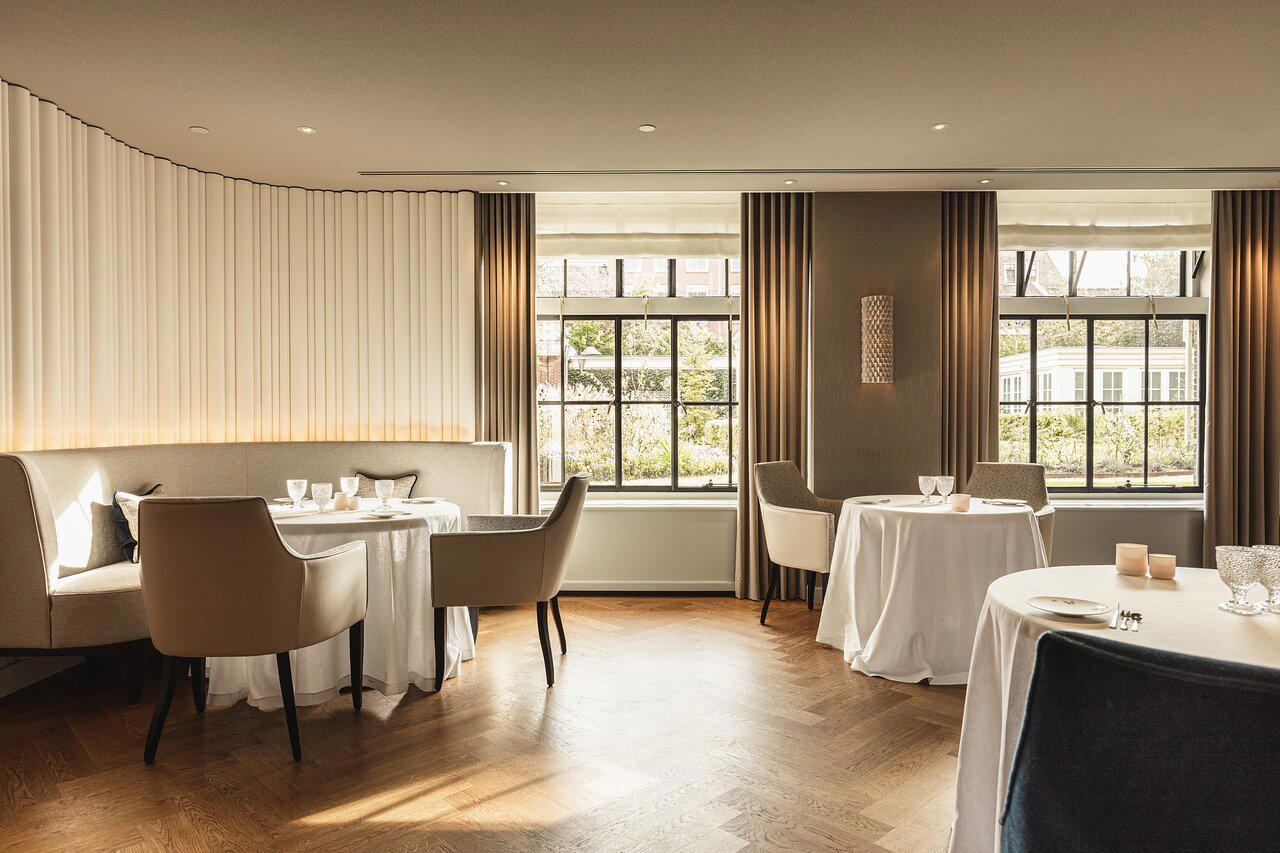
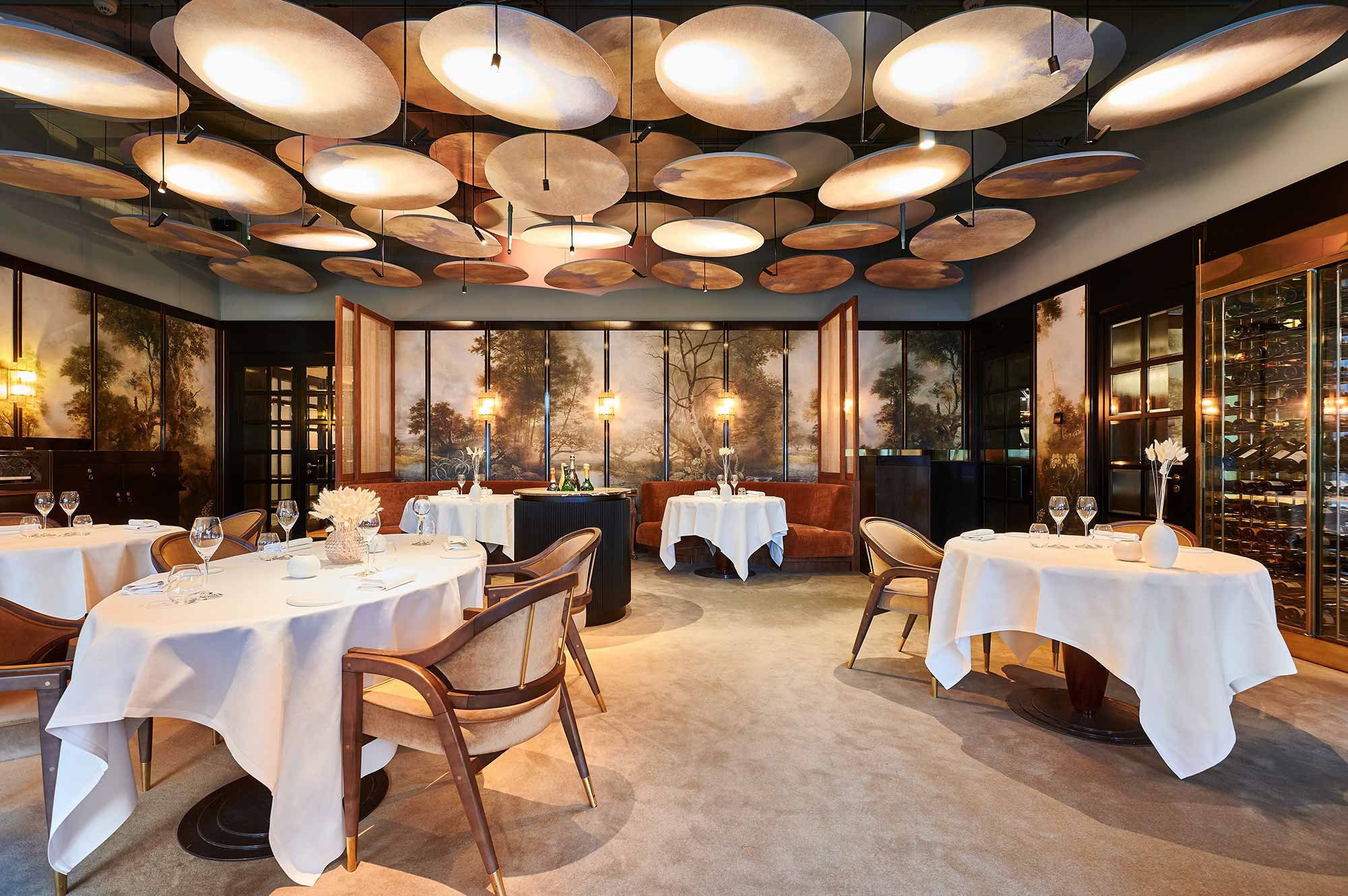
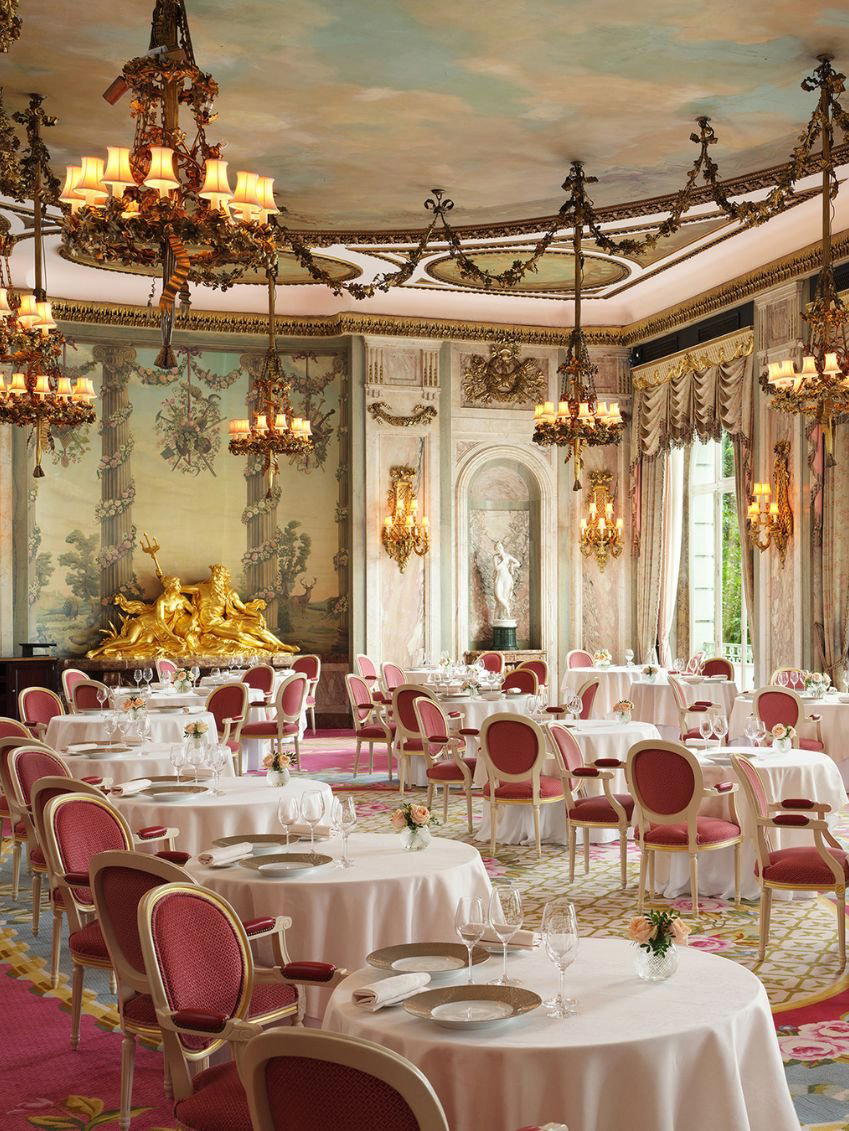
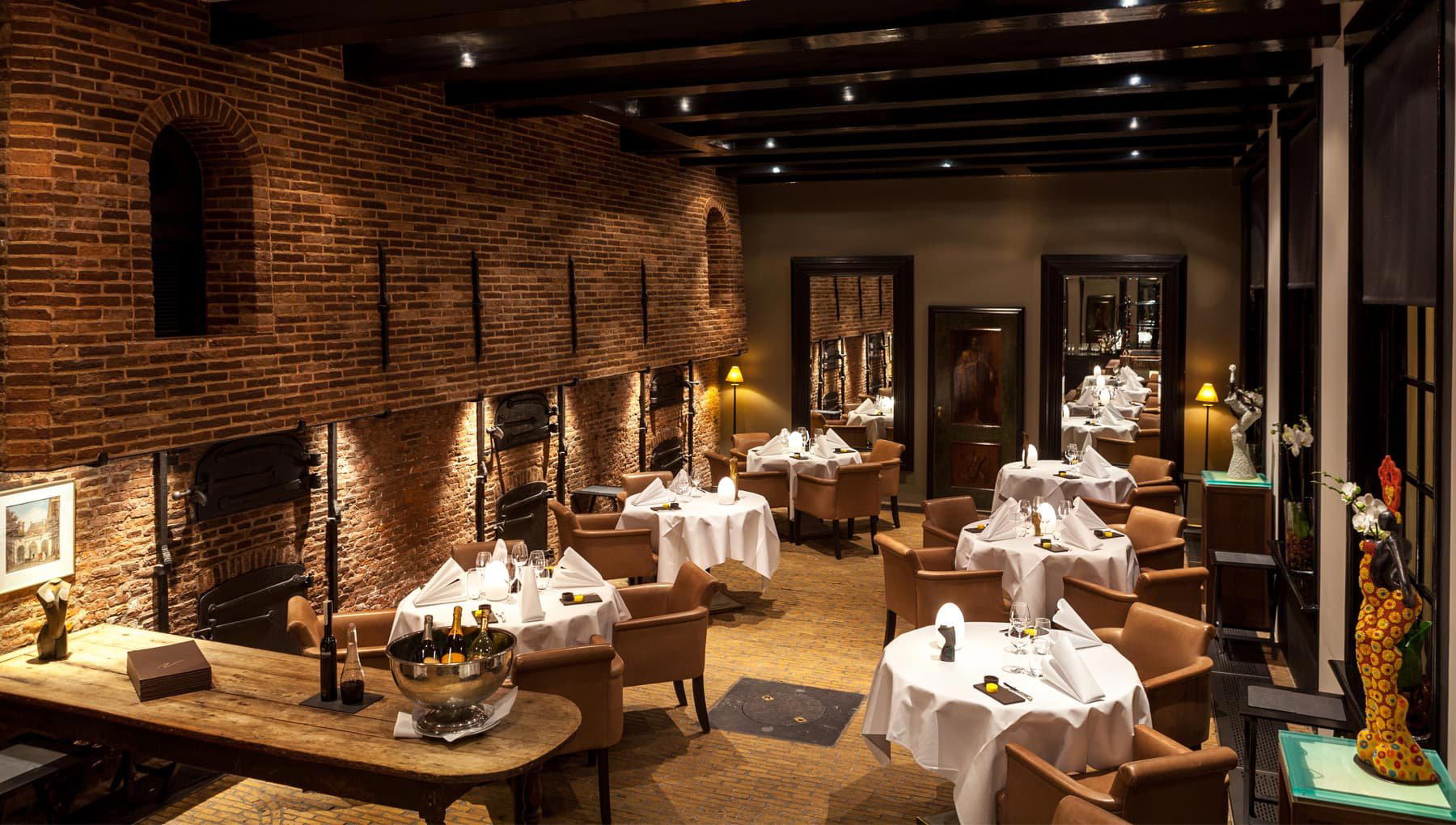
Bars in Amsterdam
Browse all →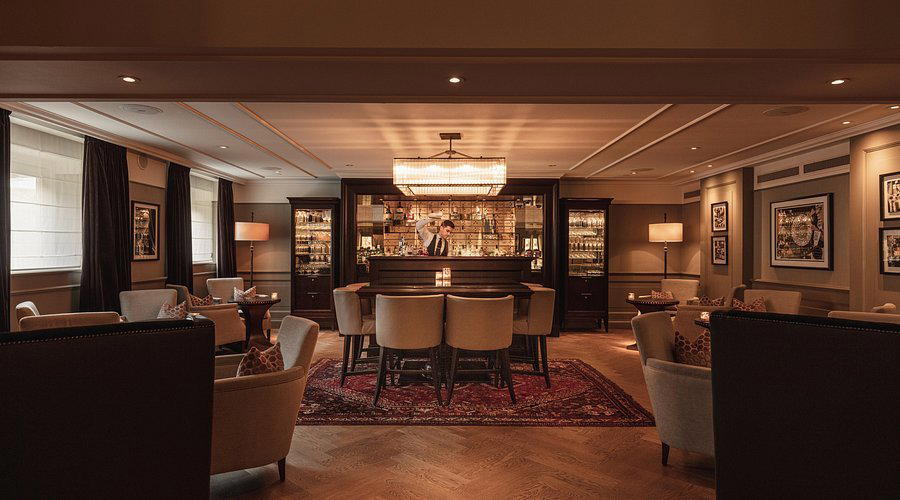
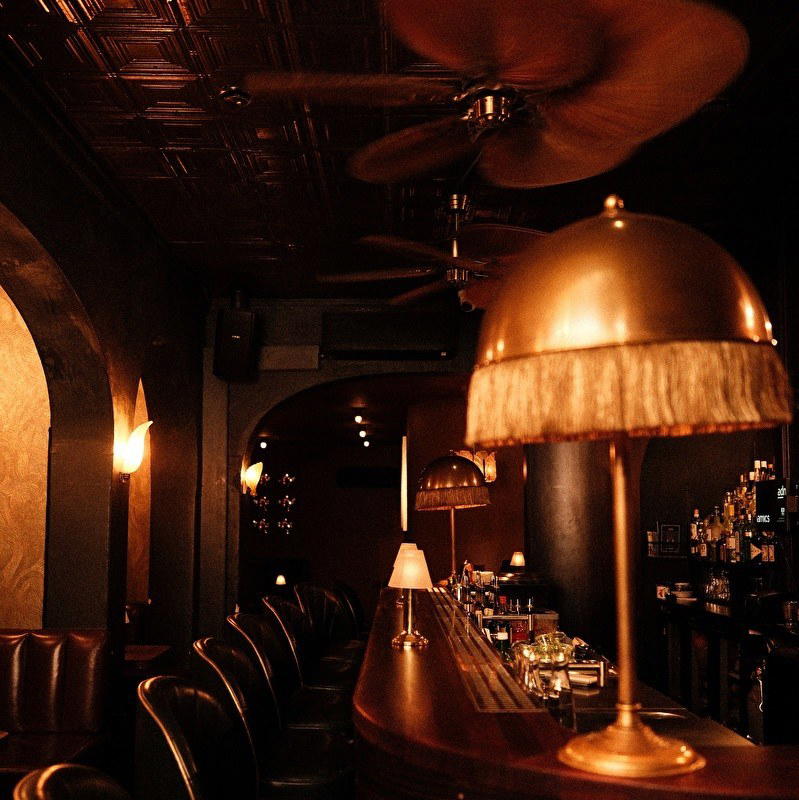
Hotels in Amsterdam
Browse all →
Wineries in Amsterdam
Browse all →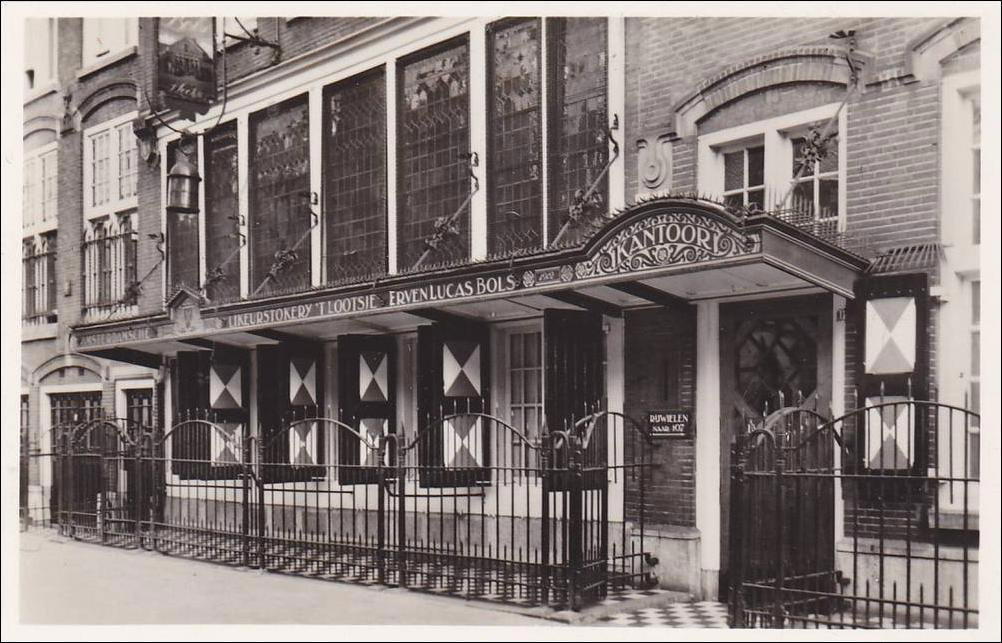
At a Glance
- Cozy
- Rustic
- Classic
- Intimate
- Elegant
- Date Night
- Business Dinner
- Special Occasion
- Standalone
- Extensive Wine List
- Craft Cocktails
- Local Sourcing
Current opening hours
- Monday
- 12–2:30 PM, 6–10 PM
- Tuesday
- 12–2:30 PM, 6–10 PM
- Wednesday
- 12–2:30 PM, 6–10 PM
- Thursday
- 12–2:30 PM, 6–10 PM
- Friday
- 12–2:30 PM, 6–10 PM
- Saturday
- 12–2:30 PM, 6–10 PM
- Sunday
- 12–2:30 PM, 6–10 PM
Hours can change for holidays and private events. Last verified .
Warm and inviting with white subway tiles and rustic wood throughout, spreading across a bar area and second floor with French bistro design characteristics; intimate lighting with cozy seating arrangements.