Restaurant De Burgemeester


1 Michelin Star · We're Smart World 3 Radishes
Our verdict
Restaurant De Burgemeester holds a Michelin star, operating from the former town hall of Linschoten at the €€€€ price point. The kitchen works with seasonal and local produce, with particular strength in a vegetarian menu recognised by the We're Smart community. Lunch and dinner service runs Tuesday through Saturday; closed Sunday and Monday.

Pearl is the En Primeur Club membership app — saves, bookings, and concierge access live there. Same editors, same standards.
The menu
What to order
- Smoked beetroot ‘Roosje’
- Snoekbaars with Reypenaer cheese
- Sea bass with lovage
A Former Town Hall and the Weight of Dutch Culinary Tradition
The village of Linschoten sits in the Green Heart of the Netherlands, the agricultural corridor between Amsterdam and Utrecht where flat polders and small historic cores have largely resisted the suburban sprawl that defines much of the Randstad periphery. In that context, a one-Michelin-star restaurant occupying a former town hall is less surprising than it might seem elsewhere: the Netherlands has a long pattern of placing serious kitchens inside repurposed civic buildings, where the architecture carries institutional weight that a purpose-built dining room rarely achieves. Restaurant De Burgemeester, at Raadhuisstraat 17, sits squarely within that tradition. The building retains its original character, with period details intact and a large glass-walled wine room that signals the kitchen's ambitions before a single dish arrives.
The We're Smart community, which evaluates restaurants specifically on vegetable-forward cooking, has recognised De Burgemeester for its seasonal vegetarian menu, placing it in a small but growing tier of Dutch restaurants where plant-based cooking is treated as a parallel track to the main menu rather than an afterthought. That recognition matters for how the restaurant positions itself in the Dutch fine dining scene, where seasonal and local sourcing has become a defining marker at the top end of the market.
Where De Burgemeester Sits in the Dutch Michelin Scene
Netherlands carries a higher density of Michelin-starred restaurants per capita than most of its European neighbours, and the distribution of those stars extends well beyond Amsterdam. One-star kitchens in smaller Dutch towns and villages have a particular character: they tend to serve tighter communities, rely more heavily on regular guests, and often maintain a formality of hospitality that larger urban restaurants have moved away from.
At the €€€€ price point, De Burgemeester sits alongside Dutch peers such as Aan de Poel in Amstelveen, De Bokkedoorns in Overveen, and De Librije in Zwolle, all of which operate in the modern Dutch cuisine space with Michelin recognition. What separates De Burgemeester from those properties is geography: none of those venues operates from a village of Linschoten's scale, which means the kitchen is not competing for the same walk-in urban audience. It draws guests who have made a deliberate choice to travel, and the hospitality model reflects that. Comparable village-and-small-town Michelin kitchens in the Netherlands, including De Groene Lantaarn in Staphorst and De Lindenhof in Giethoorn, follow a similar logic: destination dining framed by a sense of place that city venues cannot replicate.
The Kitchen's Approach to Dutch Produce
Modern Dutch cuisine occupies an interesting position in European fine dining. The Netherlands has historically been more associated with trade and agricultural production than with a codified culinary identity, which has given its leading kitchens unusual freedom to define what contemporary Dutch food actually means. The current generation of starred chefs has largely settled on a framework built around local and seasonal produce, technical precision, and selective borrowing from French classical technique, with some kitchens extending that borrowing to include Asian flavour references.
De Burgemeester's Michelin recognition is accompanied by an award note that specifically commends the kitchen's technical command, citing preparations like marinating and smoking beetroots, dry-ageing beef in butter and herbs, and a pike-perch dish topped with a brunoise of Reypenaer cheese and Jerusalem artichoke cream, finished with morels braised in butter and a white wine sauce made with Pineau des Charentes. That last detail is telling: Pineau des Charentes is a French aperitif wine from Cognac, and its appearance in a Dutch kitchen sauce illustrates exactly how contemporary Dutch fine dining works, absorbing French technique and ingredient references without becoming derivative of French cuisine. The We're Smart community's single caveat, that Asian flavour notes risk diluting the Dutch character of the cooking, reflects a broader debate within the Dutch dining scene about how far these kitchens should range before losing their regional identity. De Lindehof in Nuenen and Inter Scaldes in Kruiningen navigate similar questions from their own regional positions.
The wine room, prominently visible on arrival, reinforces the kitchen's alignment with French reference points. Dutch restaurants at the €€€€ tier have consistently built strong French and European wine lists, and De Burgemeester's decision to make its cellar a visible architectural feature indicates that the wine program is treated as central to the dining proposition rather than supplementary to it.
Hospitality in a Village Setting
Fine dining hospitality in small Dutch towns carries specific expectations that urban restaurants handle differently. The arc of a meal, from arrival through post-dinner coffee and confectionery, is more deliberate and more personal than at a city restaurant processing multiple seatings. De Burgemeester's award notes make specific reference to this: the welcome is warm, the service closes with coffee and confectionery, and the overall register is one of genuine hospitality rather than choreographed precision. That distinction matters at the €€€€ level, where technical service without warmth can feel like formal exercise.
For guests making the journey from Amsterdam or Utrecht, both roughly 30 to 40 minutes by car, the village setting amplifies this effect. Arriving in Linschoten, where Raadhuisstraat reads as a working historic street rather than a restaurant district, recalibrates expectations in a way that a city address cannot. The civic weight of the former town hall building does similar work on arrival. Comparable experiences in converted historic structures can be found at Brut172 in Reijmerstok and Fred in Rotterdam, though neither operates from a civic landmark of De Burgemeester's specific character.
The vegetarian menu, recognised by We're Smart, adds a programmatic dimension that a significant minority of guests will find decisive. At the €€€€ tier, a kitchen that maintains parallel menus of equivalent ambition, one focused on seasonal vegetables, one ranging more broadly across proteins, signals investment in technique and sourcing that goes beyond the minimum. Ciel Bleu in Amsterdam and Parkheuvel in Rotterdam operate in the same general tier, but neither carries the same We're Smart endorsement for plant-focused cooking.
Planning Your Visit
De Burgemeester operates Tuesday through Saturday, with dinner service from 6 PM to 11:30 PM on all five evenings, and lunch from 12 PM to 5 PM Wednesday through Saturday. The restaurant is closed Sunday and Monday. Linschoten is accessible by car from both Amsterdam and Utrecht, and the address at Raadhuisstraat 17, in the historic centre of the village, is direct to locate. No website or phone number is currently listed in EP Club's records, so reservation methods should be confirmed directly or through the restaurant's booking channel. For a lighter price point in Linschoten, Bij Mette (€€, Classic Cuisine) provides an alternative within the village. EP Club's full guides to Linschoten restaurants, hotels, bars, wineries, and experiences cover the wider area for guests planning a longer stay in the Green Heart. For comparable fine dining in European cities beyond the Netherlands, Stand in Budapest offers a useful reference point for how modern cuisine at the €€€€ level plays out in a different Central European context.
Frequently asked questions
Is Restaurant De Burgemeester a family-friendly restaurant?
De Burgemeester operates at the €€€€ price point with a full Michelin-starred format, which means the experience is structured around a long, course-driven meal rather than flexible family dining. The kitchen's focus on seasonal Dutch produce and technical cooking suits guests who want to engage with the food. Younger children would likely find the pace and format difficult to sustain.
How would you describe the vibe at Restaurant De Burgemeester?
The setting is a preserved former town hall in the village of Linschoten, with period architecture intact and a large glass-walled wine room as the room's centrepiece. The hospitality, overseen by Anne and Sander Spruijt, runs from arrival through post-dinner coffee and confectionery without the formality of a city institution. It reads as genuinely warm rather than performative, which is consistent with the We're Smart community's recognition of the restaurant.
Is Restaurant De Burgemeester Michelin-listed?
Restaurant De Burgemeester has received recognition including: We know the restaurant from before, long ago, and back then it already had a very good reputation. This has not changed with Sander and Anne Spruijt. Both want to offer an unforgettable experience to anyone who steps inside! And so does the….
What dish is Restaurant De Burgemeester famous for?
The pike-perch preparation draws the most specific critical attention: the fish is dressed with a brunoise of Reypenaer cheese and a Jerusalem artichoke cream, then finished with morels braised in butter and a white wine sauce made with Pineau des Charentes. Michelin's 2024 one-star citation also references Sander Spruijt's technique with smoked and marinated beetroots and butter-and-herb dry-aged beef as signatures of the kitchen's approach.
Cost and Credentials
| Venue | Cuisine | Price | Awards |
|---|---|---|---|
| Restaurant De BurgemeesterThis venue — the venue you are viewing | Modern Dutch Fine Dining | $100–150 | 1 Michelin Star · We're Smart World 3 Radishes |
| De Librije | Modern Cuisine | Not listed | Michelin 3 Star |
| Aan de Poel | Creative | Not listed | Michelin 2 Star |
| De Lindehof | Contemporary Dutch, Creative | Not listed | Michelin 2 Star |
| Fred | Creative French | Not listed | Michelin 2 Star |
| De Nieuwe Winkel | Organic | Not listed | Michelin 2 Star |
Recognition history
Dated appearances from independent guides and award organizations, with the underlying list record or original source where available.
Michelin 1 Star
Michelin
We're Smart World 3 Radishes
We're Smart World
Full recognition history (3 entries)
Michelin 1 Star
Michelin
Continue exploring
More in Linschoten
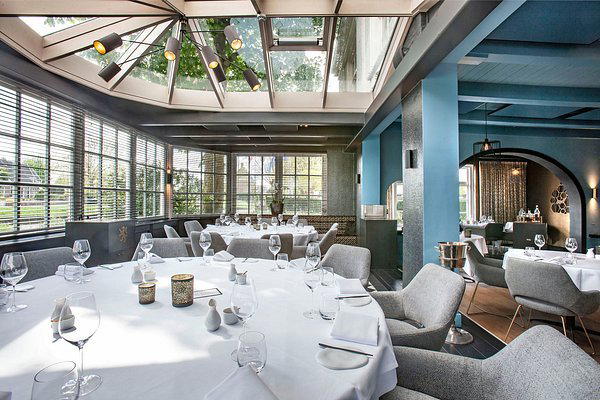
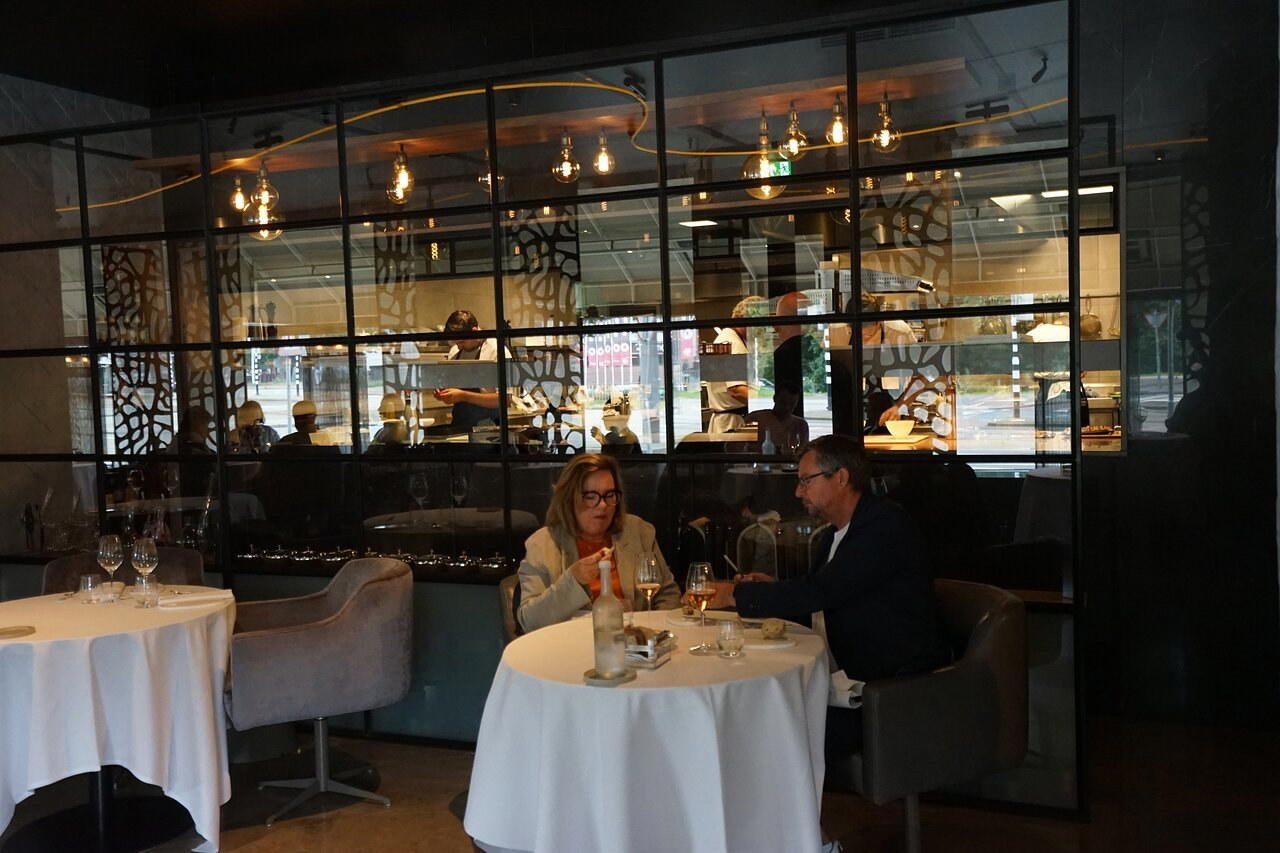
Restaurants in Linschoten
All restaurants in Linschoten →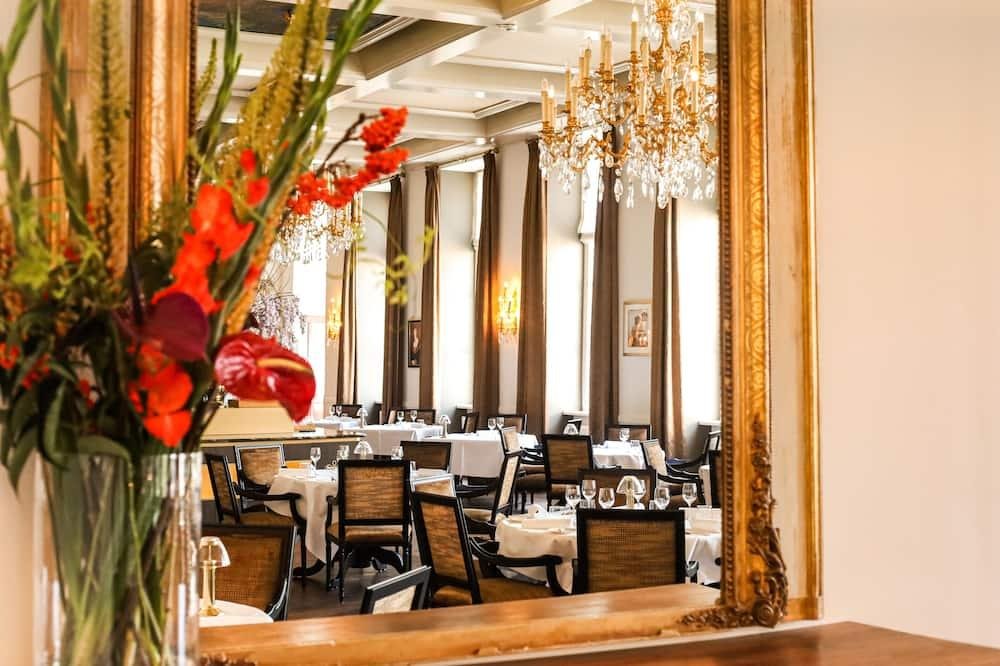
Bars in Linschoten
Browse all →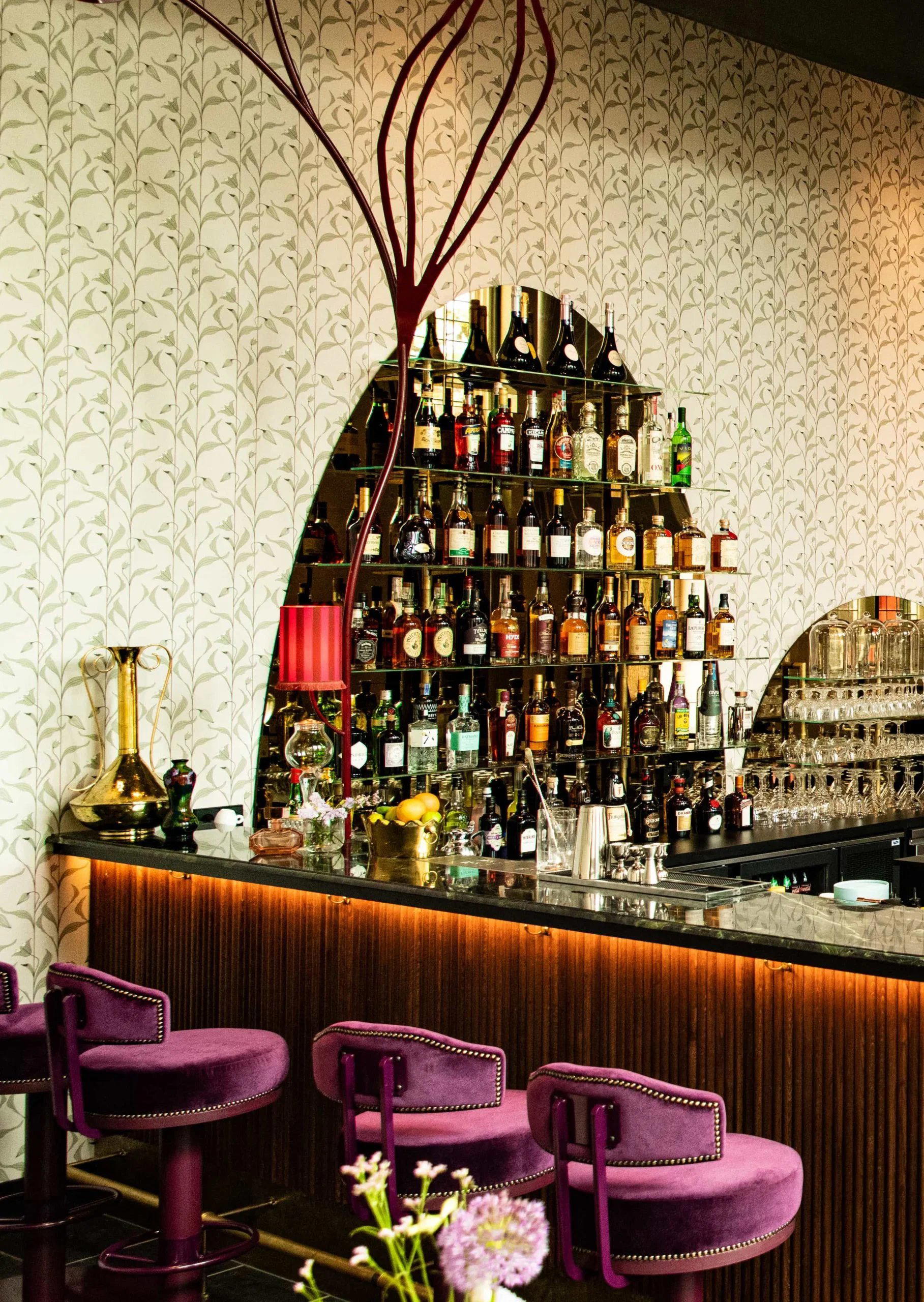
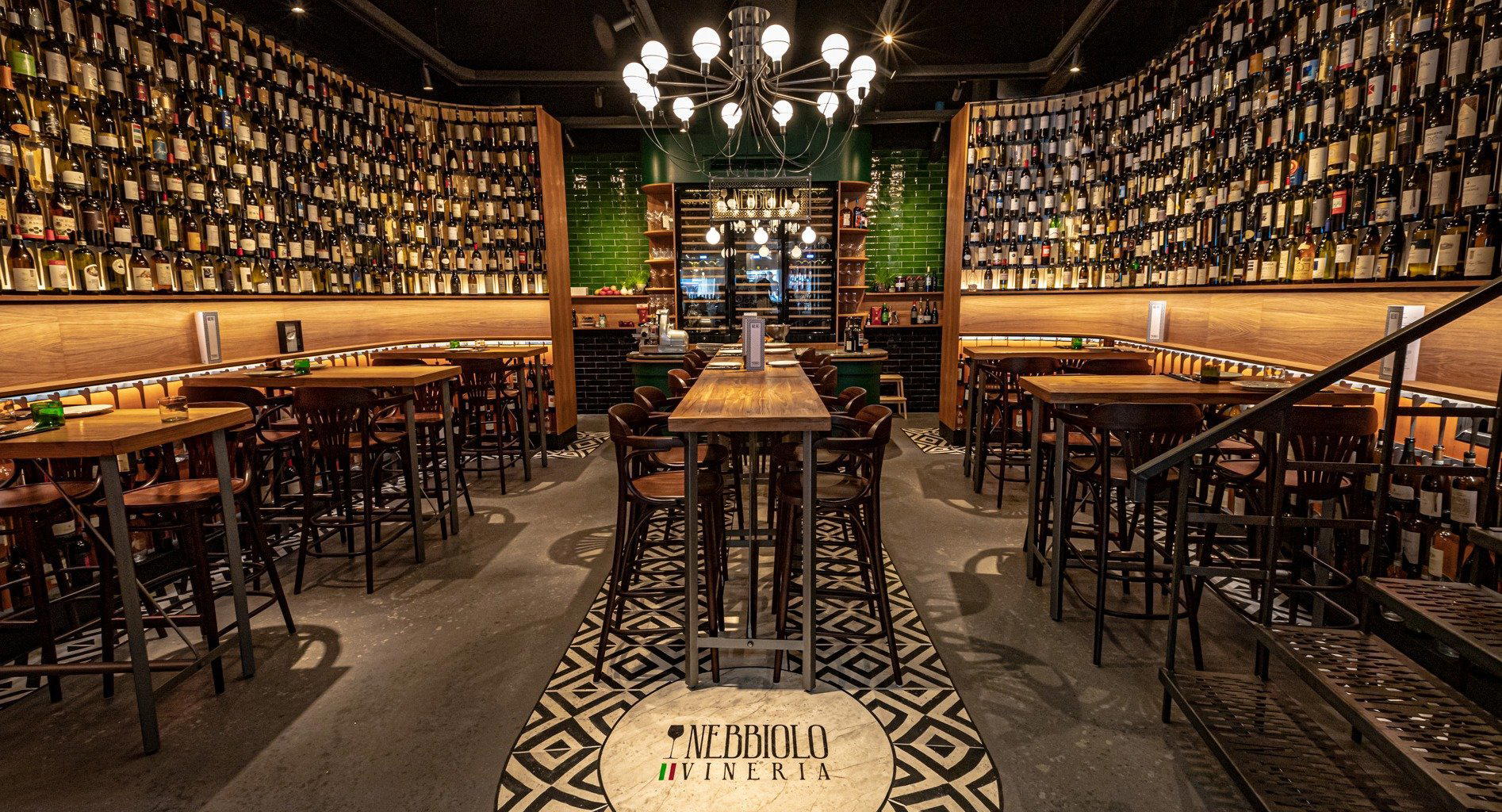
Hotels in Linschoten
Browse all →
Wineries in Linschoten
Browse all →
Restaurant De Burgemeester
The wine
- Wine program
- Curated wine list
- Extensive wine list
- Sommelier-led
Details
- Elegant
- Cozy
- Intimate
- Sophisticated
- Date Night
- Special Occasion
- Business Dinner
- Open Kitchen
- Extensive Wine List
- Sommelier Led
- Local Sourcing
- Tasting Menu
- Wine
- Vegetarian Friendly
- Vegan Options
Current opening hours
- Monday
- Closed
- Tuesday
- 6–11:30 PM
- Wednesday
- 12–5 PM, 6–11:30 PM
- Thursday
- 12–5 PM, 6–11:30 PM
- Friday
- 12–5 PM, 6–11:30 PM
- Saturday
- 12–5 PM, 6–11:30 PM
- Sunday
- Closed
Hours can change for holidays and private events. Last verified .
Warm, comfortable, and homely yet chic atmosphere with soft lighting, though some note background music and occasional noisy tables.