On Rue de Provence in Paris's 9th arrondissement, ONYX occupies a address that sits between the Grands Boulevards and the Opéra Garnier, two reference points for understanding how this part of the city has evolved as a dining destination. The 9th has attracted a younger cohort of ambitious restaurants in recent years, and ONYX is part of that shift, bringing a considered approach to a neighbourhood that rewards closer attention than tourists typically give it.
Pearl is the En Primeur Club membership app — saves, bookings, and concierge access live there. Same editors, same standards.
- Address
- 71 Rue de Provence, 75009 Paris, France
- Phone
- +33171252694
- Website
- bookings.zenchef.com
- Directions
- Get directions
 Saves & bookings on Pearl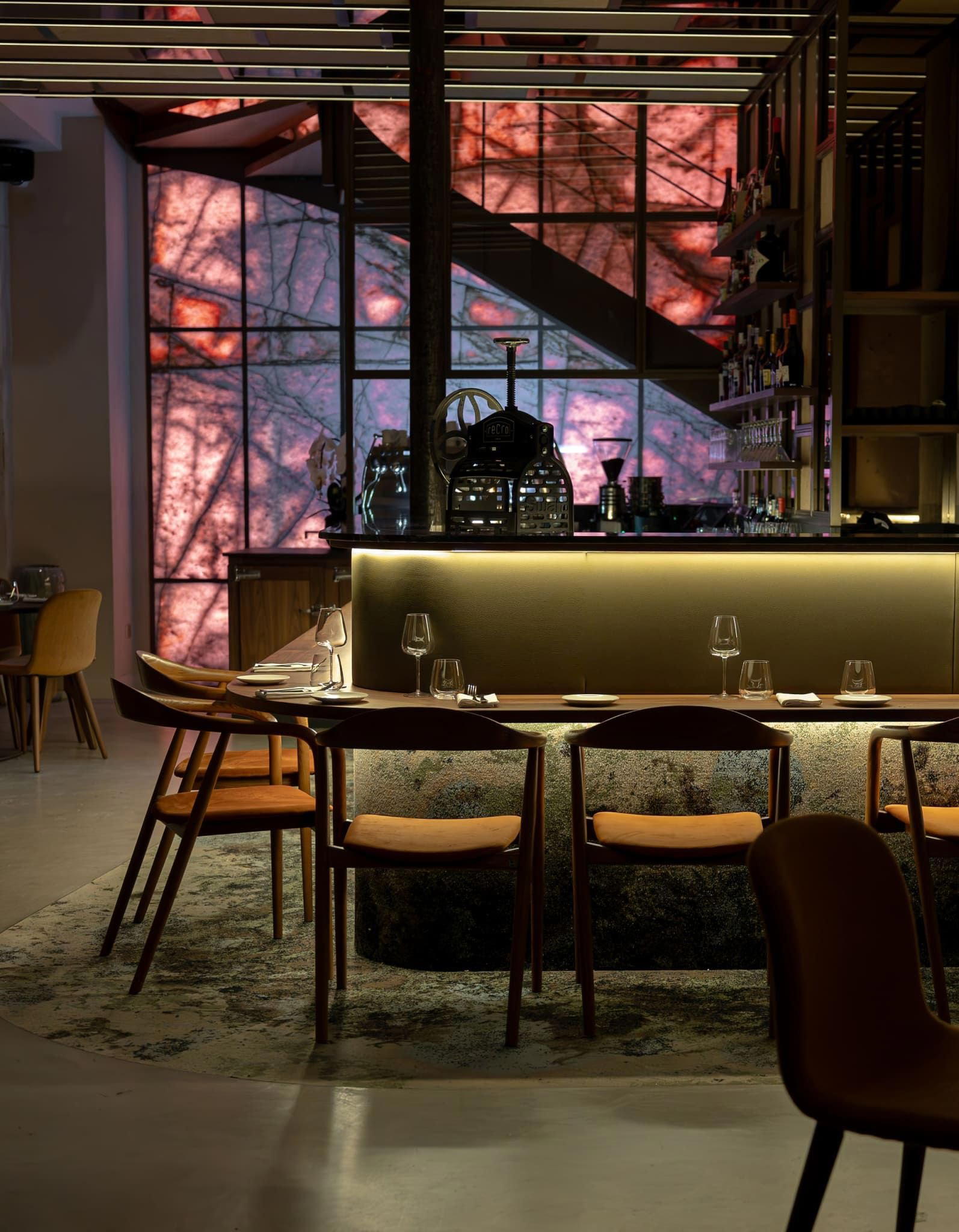
The 9th Arrondissement and the Case for Looking Past the Obvious
Paris dining has long organised itself around the 1st, 6th, and 8th arrondissements, where three-Michelin-star addresses like L'Ambroisie and Le Cinq at the Four Seasons George V anchor the city's most prestigious dining corridors. But the 9th has been building a different kind of reputation: less institutional, more exploratory, shaped by a wave of independently minded restaurants that arrived after the mid-2010s. Rue de Provence sits in that middle band of the arrondissement, close enough to the Opéra to draw the city's theatre-going crowd, far enough from the Boulevard Haussmann department stores to feel like a local address rather than a tourist corridor.
ONYX is at 71 Rue de Provence, which places it in a stretch of the 9th that functions as a genuine neighbourhood rather than a showpiece. The distinction matters because it shapes the dining register: this is not the Paris of ceremony and white-tablecloth formality, but of restaurants that take the food seriously without treating the room as a stage set for status performance.
Lunch and Dinner in the 9th: Different Temperatures, Different Purposes
The lunch-versus-dinner divide is one of the sharpest distinctions in Parisian dining culture, and in the 9th it plays out with particular clarity. Midday service across this arrondissement tends to draw professionals from the nearby offices around Saint-Lazare and the finance corridor around the Chaussée d'Antin, plus a contingent of visitors who have learned that Paris lunch can deliver serious cooking at compressed prices. The atmosphere is faster, the light is better, and the room typically carries more ambient noise as a result. Evening service in the same restaurants often shifts toward couples and small groups, with longer pacing and a higher proportion of the wine list in play.
For a restaurant on Rue de Provence, the practical consequence is that lunch and dinner effectively serve different audiences with different expectations. The neighbourhood's proximity to the Grands Boulevards means the evening crowd is more mixed than in, say, the 7th or the 16th: theatre-goers from the Opéra Comique, residents from the upper floors of Haussmann buildings, visitors staying in the mid-range hotels that cluster around Trinité. That demographic range tends to produce evening rooms that feel less monolithic in mood than those at the more established Parisian institutions. Compare this to the tighter comparable venues at addresses like Kei or Alléno Paris au Pavillon Ledoyen, where the evening clientele is more narrowly self-selecting by price and occasion.
The value arithmetic is also worth stating plainly. In Paris, lunch menus at ambitious restaurants routinely represent the sharpest entry point into a kitchen's output. Dinner at three-star level, whether at the Pavillon Ledoyen or at Arpège, commands prices that reflect the full theatre of evening service. A restaurant operating in the 9th at a different price tier can offer a more accessible position, particularly at lunch, for a reader calibrating across the city's dining options.
Where ONYX Sits in the Paris Restaurant Picture
The Paris restaurant scene at the upper-mid level, below three-star but above casual bistro, has expanded considerably in the past decade. Addresses like Kei demonstrated that Paris diners would accept non-French culinary references inside a formal French structure. The success of that model opened space for restaurants working in adjacent registers: modern French with international technique, or ingredient-led cooking that sidesteps classical brigade formality without abandoning precision.
9th's position in this picture is instructive. It lacks the institutional weight of the 1st or the 8th, which means restaurants there compete on cooking and room rather than address prestige. The better places in this arrondissement have earned their audiences through word of mouth and repeat business rather than through the gravitational pull of a famous postcode. That dynamic, common in cities like London's Bermondsey or New York's West Village, tends to produce restaurants that are more attentive to repeat visitors and more willing to take menu risks, because the clientele is opting in on merit rather than arriving on autopilot.
For context on what serious French cooking looks like at different price points and geographies, the the guide catalogue spans from Mirazur in Menton and Flocons de Sel in Megève at the destination end, through regional anchors like Troisgros in Ouches, Auberge de l'Ill in Illhaeusern, and Bras in Laguiole, to city-based institutions like Paul Bocuse in Collonges-au-Mont-d'Or, AM par Alexandre Mazzia in Marseille, Assiette Champenoise in Reims, and Au Crocodile in Strasbourg. Across that range, the pattern is consistent: the restaurants that sustain attention beyond their opening year are those where the cooking earns repeat visits independently of the setting or the occasion.
Beyond France, the the guide tracks comparable addresses at the ambitious mid-level in other cities, including Le Bernardin in New York and Atomix, and regionally via Auberge du Vieux Puits in Fontjoncouse, which operates with a similar logic of destination-level seriousness at a remove from the capital's prestige circuit.
Planning Your Visit
ONYX is at 71 Rue de Provence in the 9th arrondissement, accessible from the Chaussée d'Antin–La Fayette or Havre-Caumartin metro stations, both of which are within a few minutes' walk. The address is on a commercial street with foot traffic throughout the day, making it a practical choice for both midday and evening visits without the navigational friction of some of Paris's more residential dining destinations.
The lunch-or-dinner decision is worth making deliberately: if the kitchen offers a midday menu, it typically represents direct route into the cooking at a lower commitment point. Evening service suits longer occasions and fuller exploration of the wine list.
Address: 71 Rue de Provence, 75009 Paris, France.
Fast Comparison
Comparable venues nearby, for context on price, style, and recognition.
| Venue | Cuisine | Price | Notes |
|---|---|---|---|
| ONYXThis venue — the venue you are viewing | Refined French Bistronomy | $$$$ | Not listed |
| Le Calife | Classic French Fine Dining | $$$$ | Saint-Germain-des-Prés |
| La Pagode de Cos | Modern French with Global Influences | $$$$ | Madeleine |
| Le Grand Bistro | Modern French Fine Dining | $$$$ | 8th arrondissement |
| Orgueil | Modern French Bistronomy | $$$$ | 11th arrondissement |
| Palais Royal Restaurant Paris | Contemporary French with Mediterranean Influences | $$$$ | 1st Arrondissement |
Continue exploring
More in Paris
Restaurants in Paris
Browse all →
Bars in Paris
Browse all →
Hotels in Paris
Browse all →



At a Glance
- Elegant
- Sophisticated
- Trendy
- Modern
- Date Night
- Special Occasion
- Design Destination
Current opening hours
- Monday
- 12–2:30 PM, 7–10:30 PM
- Tuesday
- 12–2:30 PM, 7–10:30 PM
- Wednesday
- 12–2:30 PM, 7–10:30 PM
- Thursday
- 12–2:30 PM, 7–10:30 PM
- Friday
- 12–2:30 PM, 7–10:30 PM
- Saturday
- 12–2:30 PM, 7–10:30 PM
- Sunday
- 12–2:30 PM, 7–10:30 PM
Hours can change for holidays and private events. Last verified .
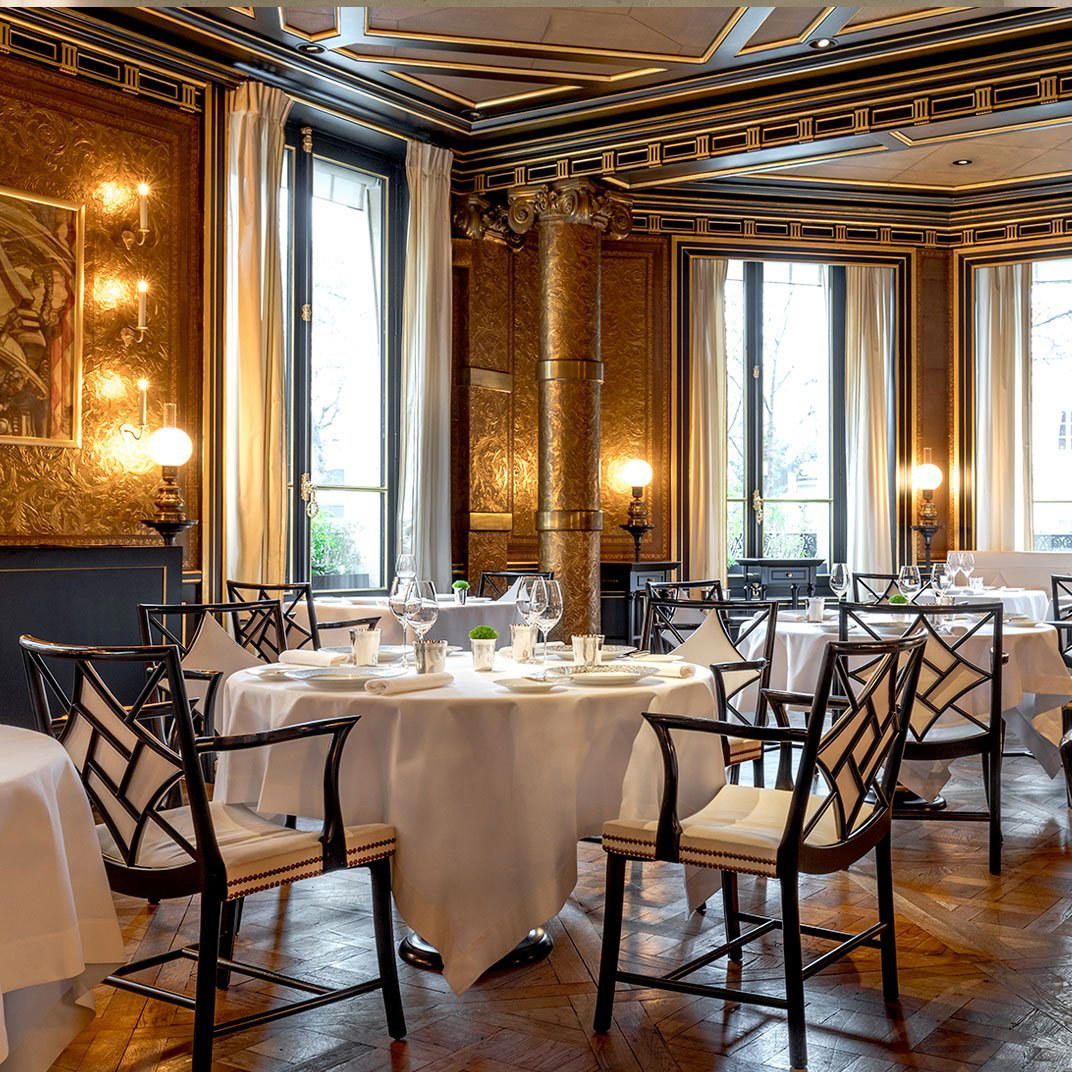
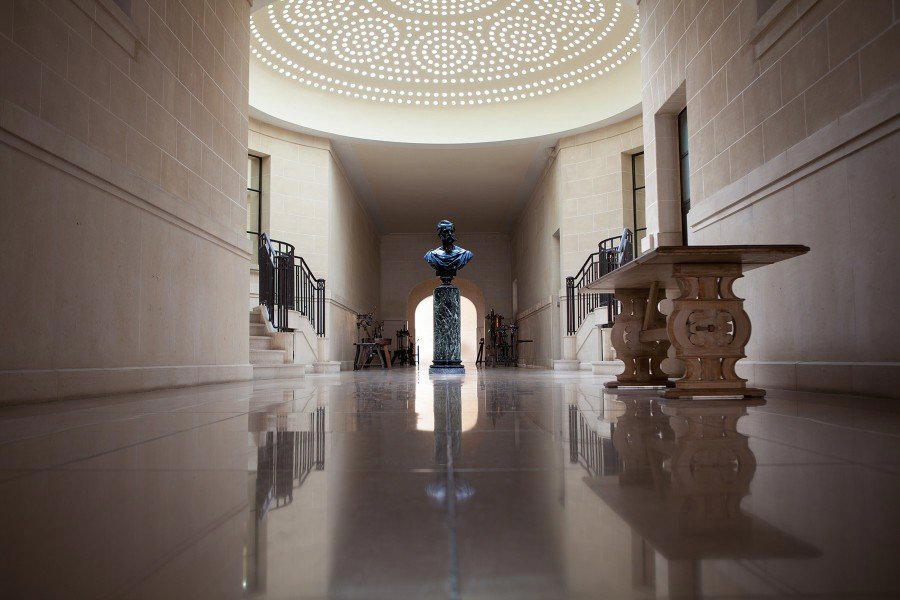
Chic, trendy atmosphere in a luxurious two-level setting with elegant design by Anégil architects, though some note polished noise levels.