Café de l'Homme occupies among the more considered dining positions in Paris: a terrace-facing address at the Palais de Chaillot with an unobstructed view across the Seine to the Eiffel Tower. The restaurant sits within the 16th arrondissement's established dining tier, drawing a crowd that expects both spectacle and substance from the kitchen. The room, the setting, and the service dynamic together make a case that few Paris addresses can replicate on visual terms alone.
Pearl is the En Primeur Club membership app — saves, bookings, and concierge access live there. Same editors, same standards.
- Address
- 17 Pl. du Trocadéro et du 11 Novembre, 75016 Paris, France
- Phone
- +33 1 44 05 30 15
- Website
- cafedelhomme.com
- Directions
- Get directions
 Saves & bookings on Pearl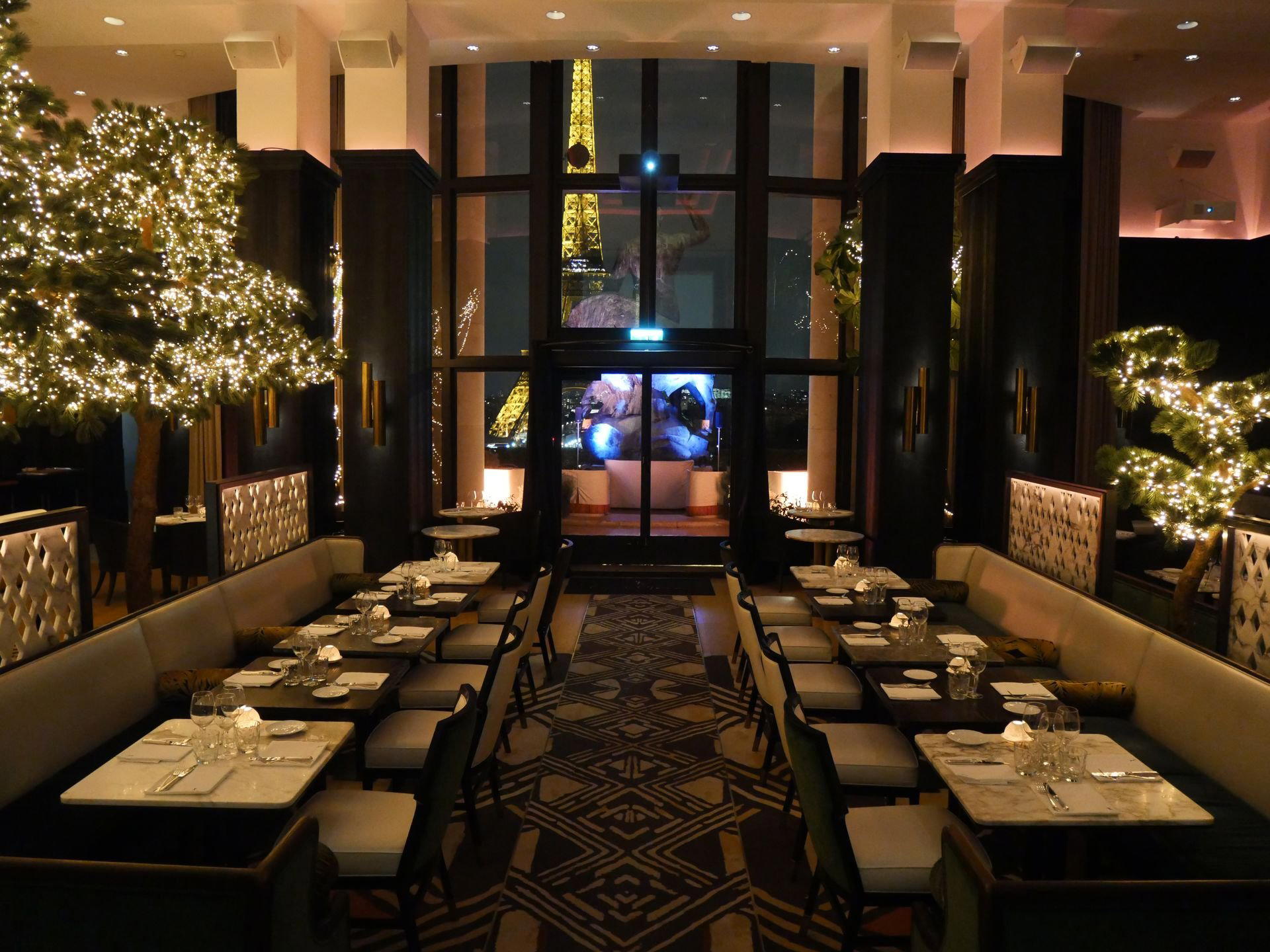
The View as Editorial Argument
Café de l’Homme is a Modern French Fine Dining restaurant in Paris’s 16th arrondissement, at 17 Place du Trocadéro et du 11 Novembre, where the architecture does half the work before a single plate arrives. Café de l'Homme, positioned within the Palais de Chaillot complex at 17 Place du Trocadéro, belongs to that category, but the more interesting question is whether the kitchen and the room's collaborative energy hold their own against a backdrop that would flatter almost anything placed in front of it. Across the Seine, the Eiffel Tower frames every table on the terrace. It is a setting that Paris has deployed for over a century, and the restaurants that endure here do so by refusing to let the view become an excuse.
The 16th arrondissement has long operated as a distinct dining zone within Paris: quieter than the Right Bank's central bustle, more residential in character than Saint-Germain, and anchored by a clientele that tends toward discretion over spectacle. Dining rooms along this stretch of the Trocadéro have historically attracted diplomatic tables, anniversary bookings, and visiting guests who want the city's symbolic geography on their plate alongside the food. Café de l'Homme fits that pattern and, from what the address and setting suggest, makes one deliberate version of it.
How the Room Works
The interior of the Palais de Chaillot carries significant architectural weight, the building dates to the 1937 World Exhibition, and its stone terraces were designed specifically to frame the view across to the Champ-de-Mars. Restaurants that occupy these spaces inherit both a benefit and a constraint: the setting demands a certain visual register from the service and the table program, and any mismatch between room grandeur and operational precision becomes apparent quickly.
At addresses operating in this tier of the Paris dining market, the team dynamic between floor, kitchen, and sommelier becomes the actual differentiator. The view is fixed; what varies is whether front-of-house reads the room correctly, whether pace, tone, and the sequence of service match the occasion that brought each table there. Anniversary dinners, business lunches with a view as a power move, and solo visitors working through a glass of Burgundy while the tower lights up at dusk all require different calibrations. Restaurants that manage this range well are the ones that attract repeat bookings rather than one-time tourist trade.
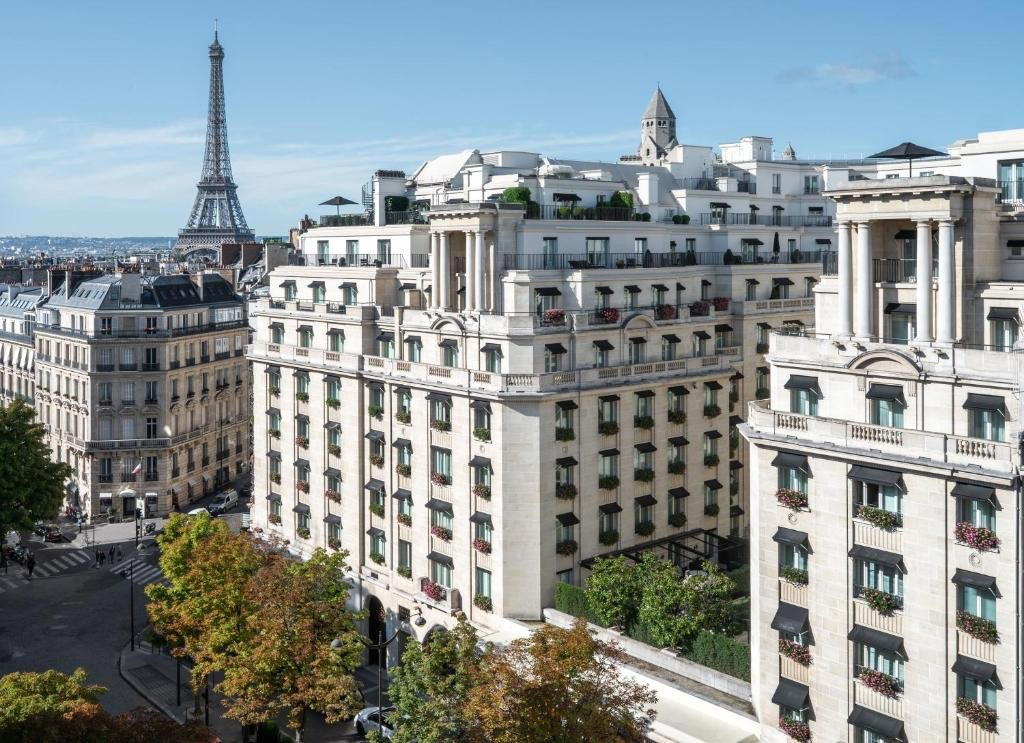
Paris has a number of addresses that operate this balancing act at the higher end of the market. Le Cinq at the Four Seasons Hôtel George V does it through institutional formality and consistent Michelin recognition. Alléno Paris au Pavillon Ledoyen does it through creative ambition anchored in a historic garden setting. L'Ambroisie on the Place des Vosges does it through near-total restraint, no view to speak of, maximum technique. Café de l'Homme sits in a different register: the view is the primary architectural fact, and the service program has to be good enough to deserve the setting rather than hide behind it.
The Wider French Fine Dining Context
Paris restaurants of this address-driven type occupy a specific niche within French fine dining more broadly. The grandes maisons of the French provinces, houses like Mirazur in Menton, Troisgros in Ouches, or Bras in Laguiole, built their reputations on cuisine as the primary argument, with setting as supporting evidence. In Paris, the equation sometimes runs in the other direction: a dining room's location within the city's symbolic geography can establish authority that the kitchen then has to earn. Auberge de l'Ill in Illhaeusern and Les Prés d'Eugénie in Eugénie-les-Bains represent the provincial model at its most refined, where the setting is pastoral rather than monumental and the food carries the full weight of the occasion.
At Café de l'Homme, the Trocadéro address places the restaurant in a narrower competitive set than its broader Paris peers. The relevant comparison is not with the city's Michelin-dense 8th arrondissement cluster, which includes Arpège and Kei, but with restaurants that have made a specific architectural or panoramic asset central to their proposition. Internationally, that is a recognisable model: Le Bernardin in New York built its authority through cuisine alone in a room that offers no view to speak of, while the experiential-dinner format exemplified by places like Lazy Bear in San Francisco treats the room and the atmosphere as co-equal to the food program. Café de l'Homme's approach leans toward the former model in ambition while operating within a context defined by the latter.
The Team Dynamic at View-Driven Addresses
What separates a view restaurant that earns its reputation from one that coasts on geography is almost always operational. The sommelier program at addresses like this one carries particular weight: wine selection has to serve tables at different stages of an evening, from terrace aperitifs as the light changes over the tower to longer dinners that move through several courses and price points. Floor teams at these addresses develop a specific skill set, reading which tables want to be left with the view and which need active hosting to make the occasion feel managed rather than accidental.
French fine dining has a long tradition of front-of-house as craft equal to the kitchen. Houses like Paul Bocuse's Auberge du Pont de Collonges, Georges Blanc in Vonnas, and Auberge du Vieux Puits in Fontjoncouse built multi-generational reputations in part because the floor operation matched the kitchen's discipline. At a city address like Café de l'Homme, that tradition translates into a different kind of pressure: the table turnover and occasion-diversity of a Paris dining room demands flexibility that a destination restaurant in Vonnas or Laguiole does not face to the same degree. Flocons de Sel in Megève or La Table du Castellet serve a self-selecting crowd already committed to a destination; Café de l'Homme serves whoever is standing on the Trocadéro esplanade and ready to be convinced.
Know Before You Go
- Address: 17 Place du Trocadéro et du 11 Novembre, 75016 Paris, France
- Arrondissement: 16th, residential, quieter than central Right Bank zones
- Setting: Within the Palais de Chaillot complex, facing the Eiffel Tower across the Seine
- Leading time to arrive: Early evening for the terrace light change; the tower illuminates at dusk and on the hour after dark
- Getting there: Trocadéro metro station (lines 6 and 9) is directly adjacent to the address
- Dress code: Smart casual
Questions Visitors Ask
- What is the must-try dish at Café de l'Homme?
- The menu changes with the season, but the restaurant’s Modern French Fine Dining focus makes classic French technique the right frame for choosing. At view-driven Paris restaurants in this price tier, the terrace tasting menu (where offered) typically represents the kitchen's most complete statement, worth asking about when booking. For verified dish-level detail, check recent coverage in named French food publications or the restaurant directly.
- How hard is it to get a table at Café de l'Homme?
- Reservations are essential, especially for terrace seating and weekend evenings.
- What do critics highlight about Café de l'Homme?
- Café de l’Homme holds,835 reviews. The address is consistently noted in travel and dining coverage for its panoramic position within the Palais de Chaillot, which places it in a small category of Paris restaurants where the architecture of the setting is itself part of the critical conversation. Culinary assessment varies by source and period, consult current French food press for one accurate recent picture.
- Is Café de l'Homme suitable for a business lunch with clients unfamiliar with Paris?
- The Trocadéro address functions as one of Paris's most legible dining propositions for visitors: the Eiffel Tower view provides immediate orientation and occasion logic that requires no prior knowledge of the city's dining geography. For business entertaining where the setting needs to do communicative work alongside the food, this address sits in a distinct tier within the 16th arrondissement, where the view anchors the occasion and the French brasserie-to-fine-dining format serves a broad range of client preferences.
Cuisine Lens
Comparable venues nearby, for context on price, style, and recognition.
| Venue | Cuisine | Price | Notes |
|---|---|---|---|
| Café de l’HommeThis venue — the venue you are viewing | Modern French Fine Dining | $$$$ | Not listed |
| Camélia | Modern French Bistro with Asian Accents | $$$$ | Place Vendôme |
| La Fontaine Gaillon | Traditional French Brasserie | $$$$ | Opera |
| Les Jardins du Presbourg | Modern French Bistro | $$$$ | 16e Arr. |
| Table | Modern French Fine Dining | $$$$ | Bastille |
| Ledoyen | Modern French Fine Dining | $$$$ | Champs-Élysées |
Continue exploring
More in Paris
Restaurants in Paris
Browse all →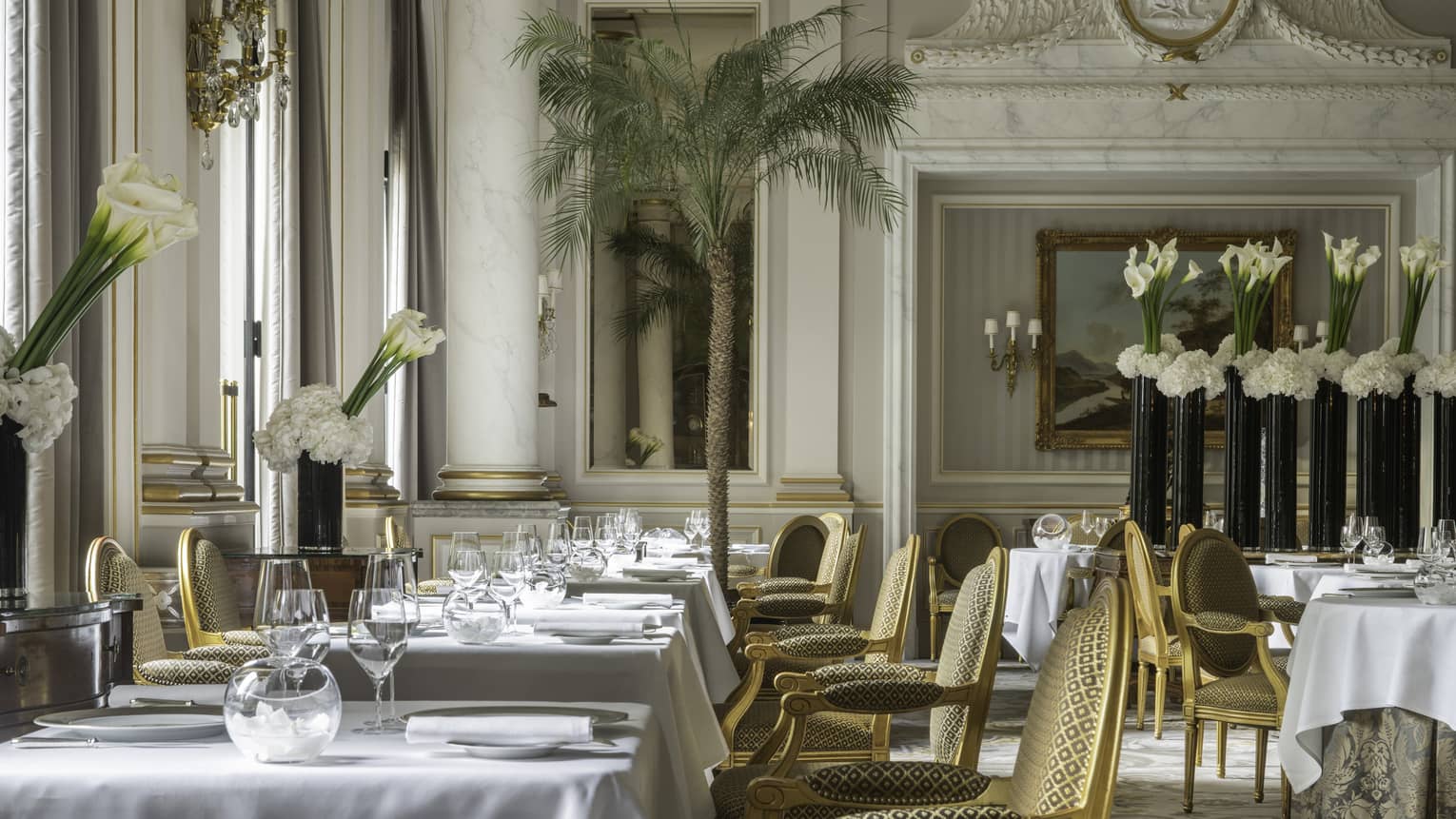
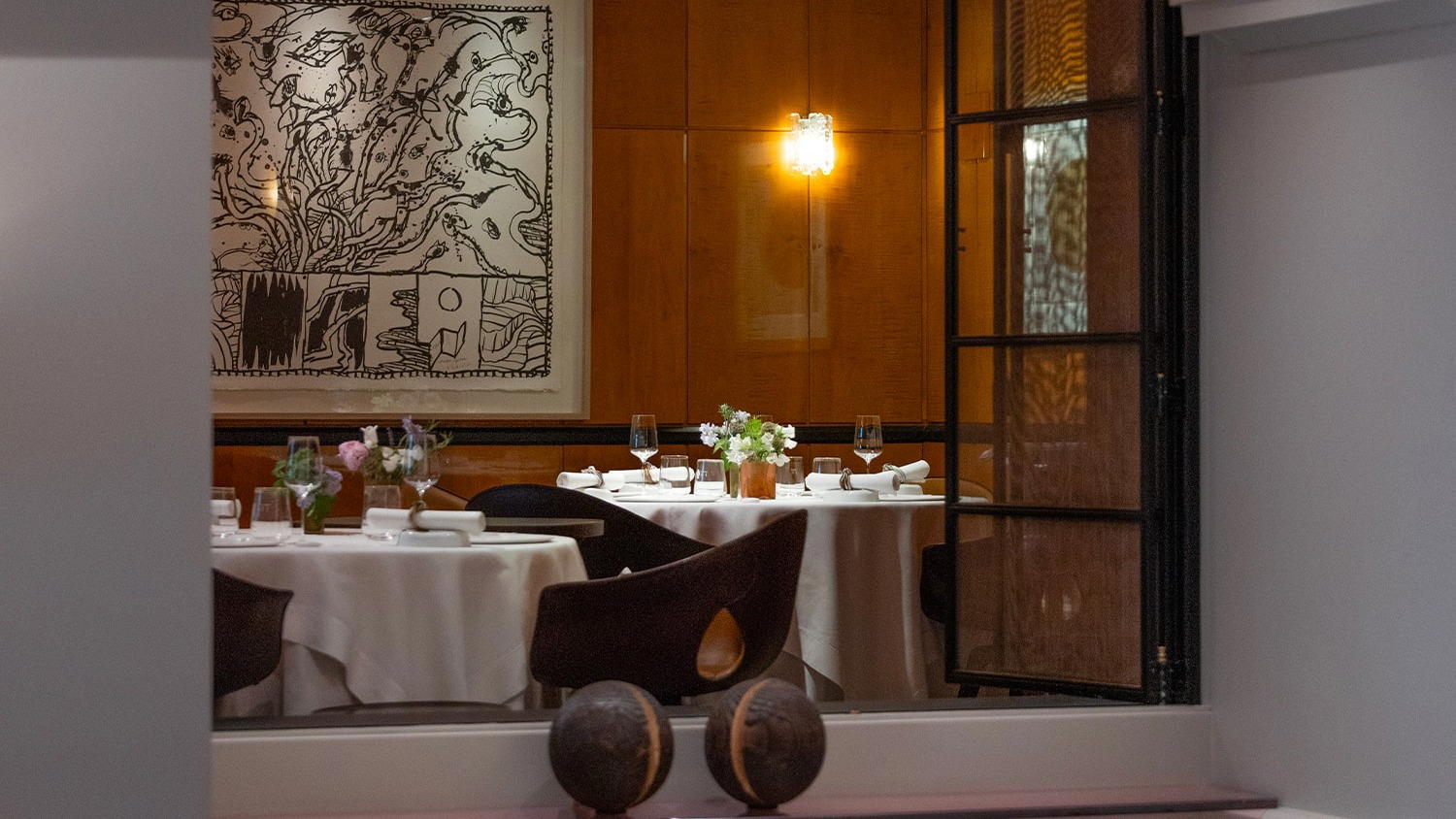
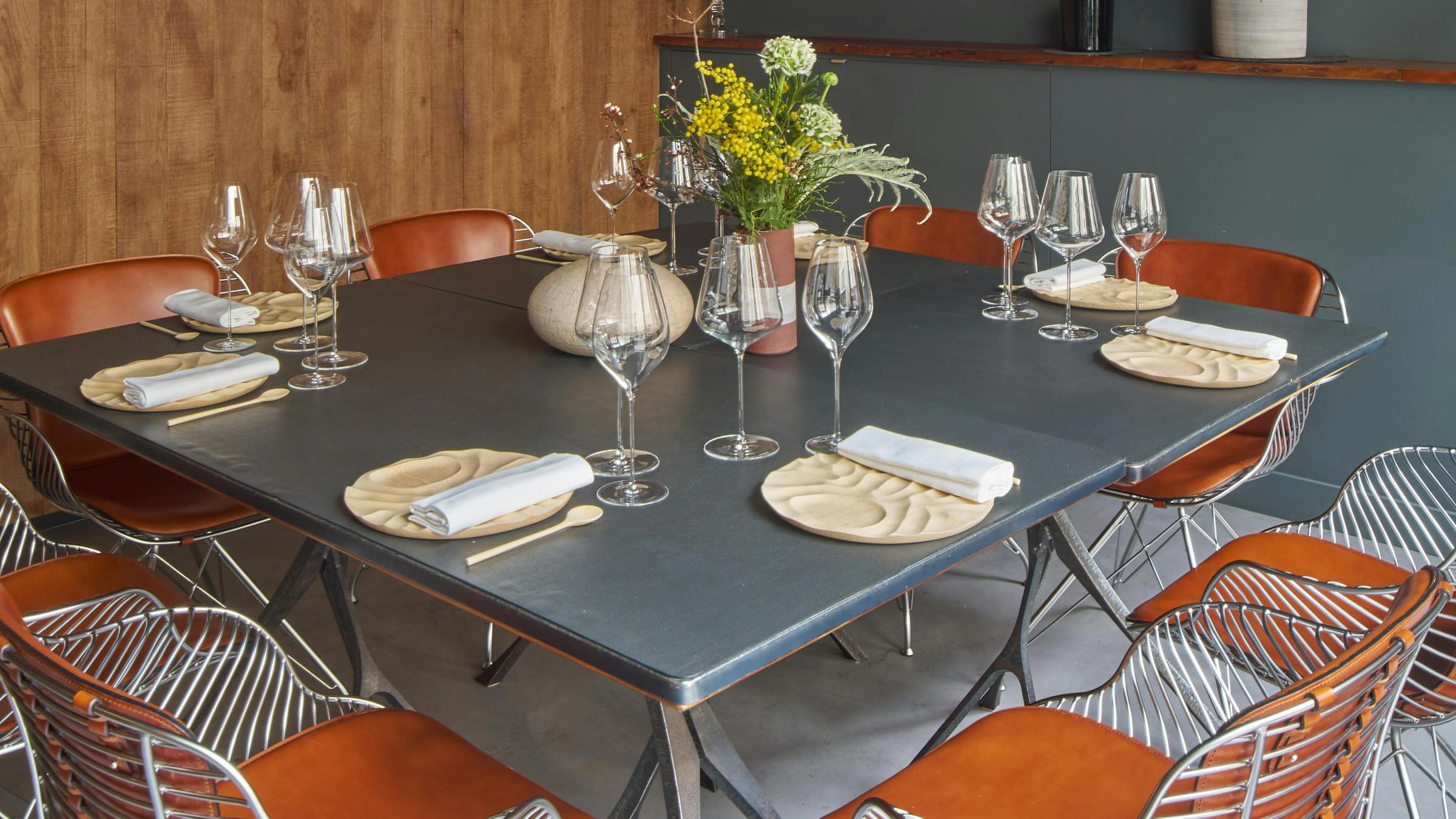

Bars in Paris
Browse all →
Hotels in Paris
Browse all →

At a Glance
- Elegant
- Scenic
- Sophisticated
- Well Known
- Date Night
- Special Occasion
- Rooftop
- Terrace
- Panoramic View
- Historic Building
- Extensive Wine List
- Local Sourcing
- Skyline
Current opening hours
- Monday
- 12–2:30 PM, 6:30 PM–2 AM
- Tuesday
- 12–2:30 PM, 6:30 PM–2 AM
- Wednesday
- 12–2:30 PM, 6:30 PM–2 AM
- Thursday
- 12–2:30 PM, 6:30 PM–2 AM
- Friday
- 12–2:30 PM, 6:30 PM–2 AM
- Saturday
- 12–4 PM, 6:30 PM–2 AM
- Sunday
- 12–4 PM, 6:30 PM–2 AM
Hours can change for holidays and private events. Last verified .
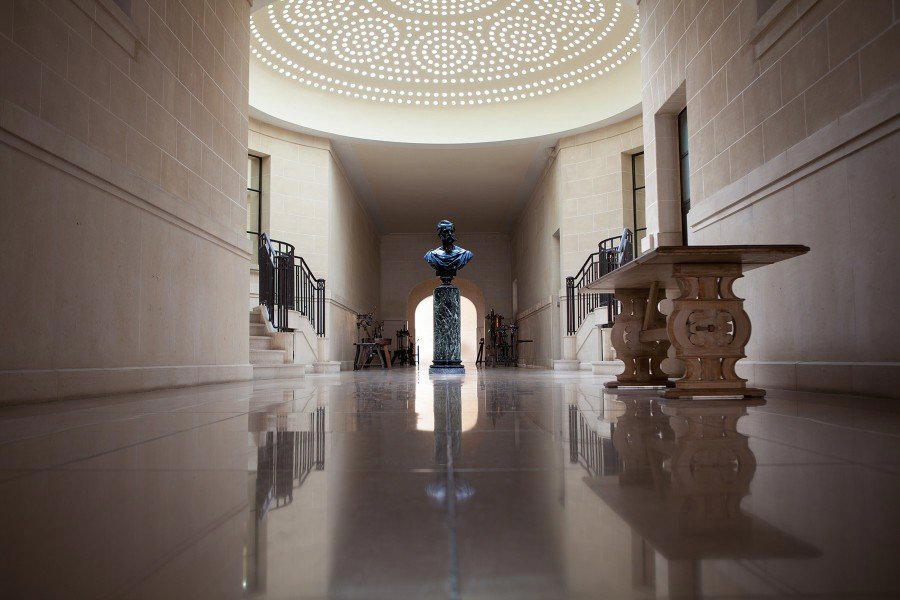
Ultra-refined Art Deco interior with elegant lighting and lush greenery, complemented by the magical ambiance of the Trocadéro.