Our verdict
Restaurant Coréen Oson Doson serves authentic Korean cuisine in Sillingy, with Tteokbokki and Dakgangjung alongside terrace seating and an open kitchen.

Pearl is the En Primeur Club membership app — saves, bookings, and concierge access live there. Same editors, same standards.
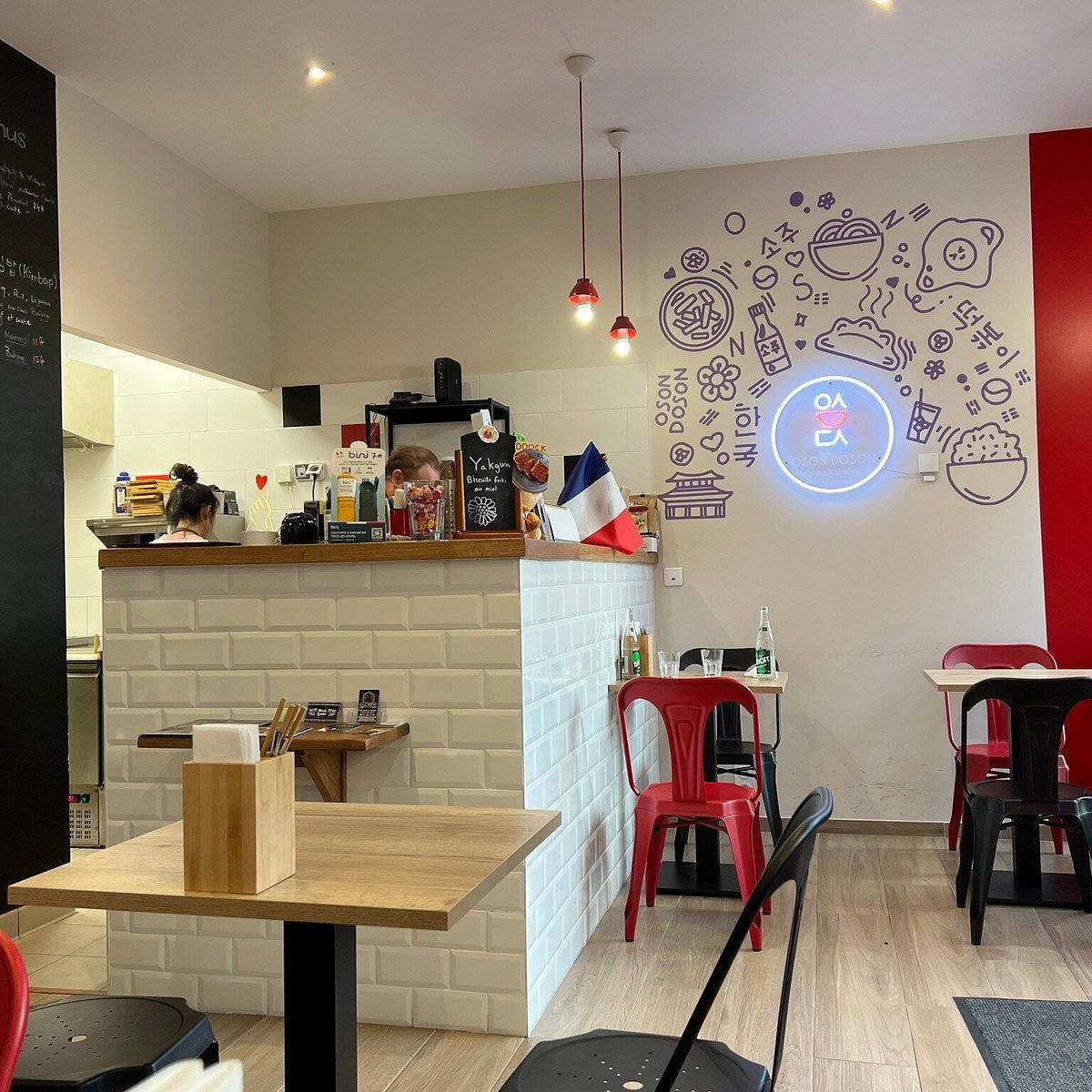
Korean Food in the French Alps: A Different Kind of Detour
The Route des Bauches runs through the kind of quiet Haute-Savoie countryside where French dining expectations run deep: fondue, tartiflette, cured charcuterie, and the occasional Savoyard brasserie. Against that backdrop, a Korean restaurant in Sillingy reads less like an obvious fit and more like a deliberate counter-signal. Restaurant Coréen Oson Doson sits at 251 Route des Bauches, pulling a cuisine tradition rooted in fermentation, slow preparation, and layered condiment culture into a region where Alpine comfort food has dominated for generations. The address alone is enough to generate curiosity.
Korean cuisine in provincial France operates in a different register than it does in Paris or Lyon. In the capital, the Korean dining scene has grown into something considerable, with addresses ranging from casual bibimbap counters to more considered tasting formats. In cities like Lyon, proximity to a Korean community has sustained a range of restaurants long enough for genuine local loyalty to develop. In a village like Sillingy, the calculus is simpler and more interesting: the kitchen either earns its place through the quality of what it does, or it does not survive the comparison to whatever locals could cook at home. The fact that Oson Doson holds a position here at all is the first thing worth noting.
What Korean Cooking Brings to This Corner of Haute-Savoie
Korean cuisine is among the most ingredient-forward traditions in East Asian cooking. Its backbone is not technique in the classical French sense but transformation: raw cabbage becomes kimchi through weeks of lacto-fermentation; soybean paste (doenjang) deepens over months in clay pots; gochugaru, the coarse red pepper flake that defines the palette of so many dishes, varies meaningfully in heat and flavour depending on its regional origin within Korea. These are not details that announce themselves to a casual diner, but they are what separates a kitchen operating with real sourcing discipline from one simply producing approximations.
For a restaurant of this type in rural France, sourcing Korean staples presents a genuine logistical challenge. Fermented pastes, dried anchovies, perilla leaves, sesame oil of meaningful provenance, and gochujang with actual depth of flavour do not arrive through standard regional wholesale channels. Kitchens that take these ingredients seriously either maintain supplier relationships in Paris or Lyon, import directly, or invest in producing fermented components themselves.
This matters beyond the food itself. Haute-Savoie has built a reputation for ingredient provenance in its own culinary tradition, with cheese AOC protections, specific valley charcuterie, and mountain dairy practices that treat origin as inseparable from quality. That regional sensibility, embedded in how locals think about food, is not a bad context in which to serve a cuisine that carries its own rigorous relationship between place and ingredient.
Where Oson Doson Sits in the Broader French Korean Dining Picture
To understand what a restaurant like Oson Doson represents, it helps to look at where Korean cuisine sits within French fine dining more broadly. At the high end, addresses like Atomix in New York City have demonstrated what Korean culinary intelligence applied to a premium tasting format can achieve, earning significant critical recognition in the process. In France, the conversation is different: the country's dining hierarchy remains heavily weighted toward classical and contemporary French cooking, as represented by destinations like Alléno Paris au Pavillon Ledoyen or, in the Alpine region specifically, Flocons de Sel in Megève. Korean restaurants in France have carved out their audience largely on the strength of community loyalty and flavour authenticity, not institutional recognition.
That positioning means a restaurant like Oson Doson competes on different terms than, say, Mirazur in Menton or Troisgros in Ouches. It is defined by how faithfully it executes a cuisine tradition that most of its likely diners encounter rarely and cannot easily benchmark. For the curious traveller or the Sillingy resident willing to step outside Alpine convention, that gap between unfamiliarity and quality is where the interest lies.
Other reference points in the French restaurant canon worth knowing if you are moving around the region: Georges Blanc in Vonnas represents the classical Bresse-country tradition at the other end of the dial, while Auberge de l'Ill in Illhaeusern anchors Alsatian classicism further east. For a fuller map of what the region offers, our full Sillingy restaurants guide covers the broader local picture. Additional national reference: Bras in Laguiole, Paul Bocuse in Collonges-au-Mont-d'Or, AM par Alexandre Mazzia in Marseille, Assiette Champenoise in Reims, Au Crocodile in Strasbourg, Auberge du Vieux Puits in Fontjoncouse, Christopher Coutanceau in La Rochelle, L'Oustau de Baumanière in Les Baux, and La Marine in Noirmoutier-en-l'île each represent a distinct strand of what French regional dining can achieve at its most considered. And for Korean cuisine at the top of its international form, Le Bernardin in New York City offers a useful reminder of how French and international traditions can occupy adjacent prestige tiers.
Planning a Visit
Sillingy is a small commune in Haute-Savoie, roughly equidistant between Annecy and the autoroute corridor that connects Geneva to Grenoble. A car is the practical means of arrival; public transport connections to this specific address on the Route des Bauches are limited. Given the absence of publicly available booking information, hours, or pricing for Oson Doson, confirming current details before a visit is important. No phone number or website is registered in available public records, which suggests either a cash-and-walk-in operation or contact through local channels. Arriving without a reservation at a restaurant of this type in a small commune carries some risk of finding it closed or full; a call ahead through local directory services is worth the effort.
Frequently Asked Questions
- Would Restaurant Coréen Oson Doson be comfortable with kids? Korean restaurants in France, particularly those operating at moderate scales outside major cities, tend to be relaxed environments without formal dress expectations or prix-fixe-only formats. Sillingy's dining scene is not pitched at high-formality, and a neighbourhood Korean restaurant at this address is unlikely to present barriers for families. That said, no specific child policy is documented for Oson Doson, so checking in advance is advisable.
- What should I expect atmosphere-wise at Restaurant Coréen Oson Doson? If the restaurant follows the pattern common to independent Korean restaurants in provincial French towns, expect a modest, functional room without the design investment you would find at a Paris address. That is not a criticism: some of the most accurate Korean cooking in France happens in rooms that prioritise the food over the setting.
- What do regulars order at Restaurant Coréen Oson Doson? Korean menus in this category typically anchor around rice and noodle staples, stewed dishes such as sundubu-jjigae or doenjang-jjigae, grilled meats, and banchan assortments. Without verifiable menu data, those expectations are a reasonable guide to the category rather than a confirmed description of what Oson Doson specifically serves.
- Is Restaurant Coréen Oson Doson the only Korean restaurant in the Annecy area? Korean restaurants are sparse in Haute-Savoie relative to the density you find in Grenoble or Lyon. Oson Doson's location in Sillingy places it within driving range of Annecy's broader dining scene, but dedicated Korean kitchens in this specific sub-region are rare enough that it occupies a relatively clear position in its category. For travellers moving between Geneva and Annecy who want Korean food rather than Alpine standards, this address fills a gap that few others in the area address directly.
Frequently asked questions
What should I expect atmosphere-wise at Restaurant Coréen Oson Doson?
Sillingy is a quiet Haute-Savoie commune, and a Korean restaurant on the Route des Bauches is a deliberate local fixture rather than a destination address aimed at tourists. Expect a relaxed, neighbourhood register — closer to a family-run Korean spot than a style-forward Seoul-inspired concept. The surrounding landscape of fondue country makes the cooking feel like a genuine counterpoint, not a gimmick.
Is Restaurant Coréen Oson Doson the only Korean restaurant between Annecy and Geneva?
Korean restaurants are sparse across Haute-Savoie outside of Annecy city, and a standalone address in Sillingy — roughly between Annecy and the Geneva-Grenoble autoroute corridor — places Oson Doson in a part of the region where this cuisine has almost no competition. Whether it is the sole option across that corridor can change without a current local audit, but the address on Route des Bauches, 74330 Sillingy, marks it as a notably isolated presence in an area defined by Alpine French cooking. Check the venue's official channels for the latest details.
What do regulars order at Restaurant Coréen Oson Doson?
Korean cuisine's backbone dishes — fermented sides, grilled meats, and rice-anchored mains — form the core of most restaurants in this tradition. At a neighbourhood spot in Haute-Savoie, regulars tend to gravitate toward the dishes that travel best into a colder climate: warming stews, bulgogi, and banchan spreads. Specific menu details for Oson Doson are not on public record, so confirming current offerings before you go is worth the call.
Comparable Venues
Comparable venues nearby, for context on price, style, and recognition.
| Venue | Cuisine | Price | Awards | Notes |
|---|---|---|---|---|
| Restaurant Coréen Oson DosonThis venue — the venue you are viewing | Authentic Korean Cuisine | $20–30 | Not listed | Not listed |
| Signorvino Paris | Italian trattoria & wine bar | $30–50 | Gambero Rosso 2 Bottiglie | Latin Quarter |
| Le Signal 2108 | Bistronomic French with Regional Alpine Specialties | $30–50 | Not listed | Signal Mountain |
| LULU | Bistronomie | $20–30 | Not listed | Centre-ville |
| Restaurant La Crèmerie du Glacier | Traditional Savoyard Alpine Bistro | $30–50 | Not listed | Argentière |
| NONNÀ | Modern French Bistro with Regional Specialties | $30–50 | Not listed | Les Rousses |
Continue exploring
More in Sillingy
Restaurants in Sillingy
All restaurants in Sillingy →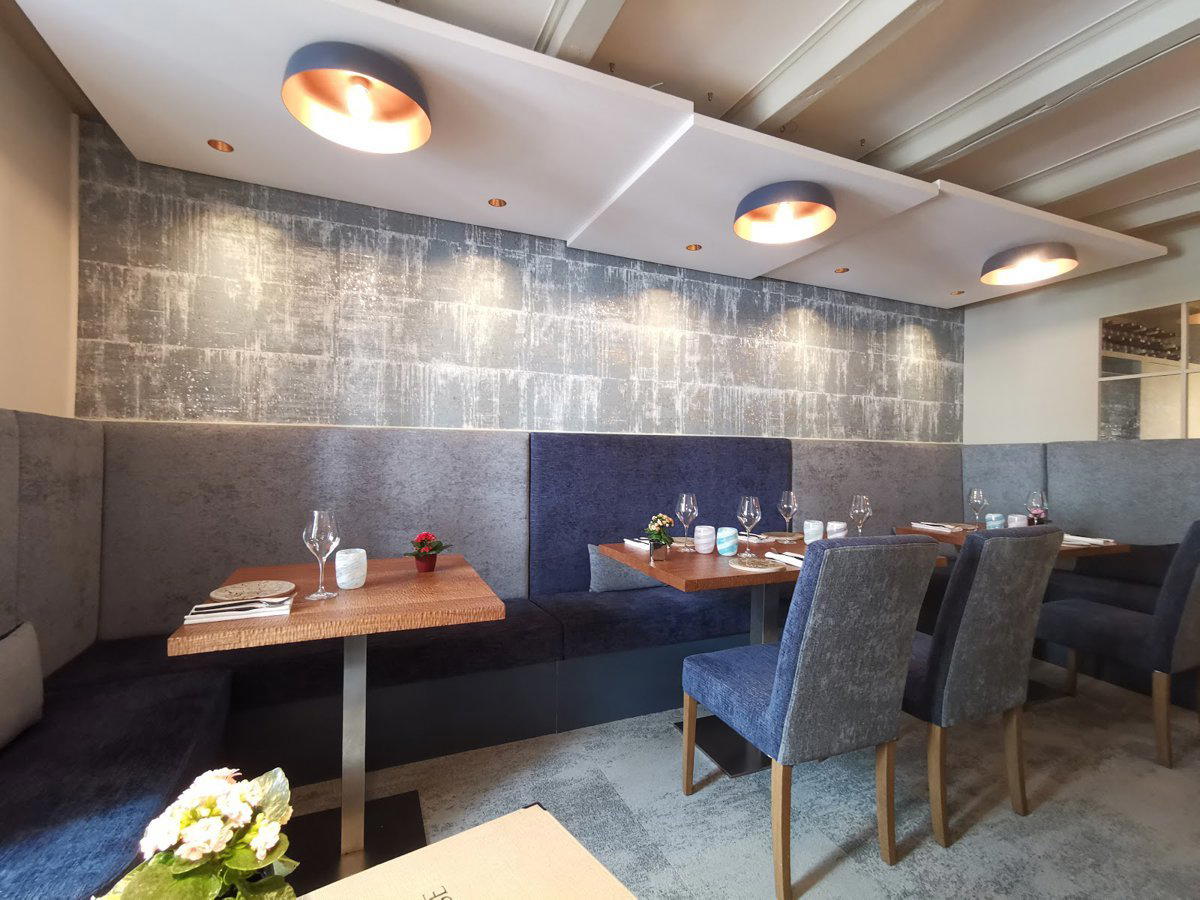
Bars in Sillingy
Browse all →

Details
- Cozy
- Warm
- Family
- Casual Hangout
- Group Dining
- Terrace
- Open Kitchen
- Local Sourcing
- A La Carte
- Family Style
- Vegetarian Friendly
Current opening hours
- Monday
- Closed
- Tuesday
- 12–2 PM
- Wednesday
- 12–2 PM
- Thursday
- 12–2 PM
- Friday
- 12–2 PM, 7–9:30 PM
- Saturday
- 12–2 PM, 7–9:30 PM
- Sunday
- Closed
Hours can change for holidays and private events. Last verified .
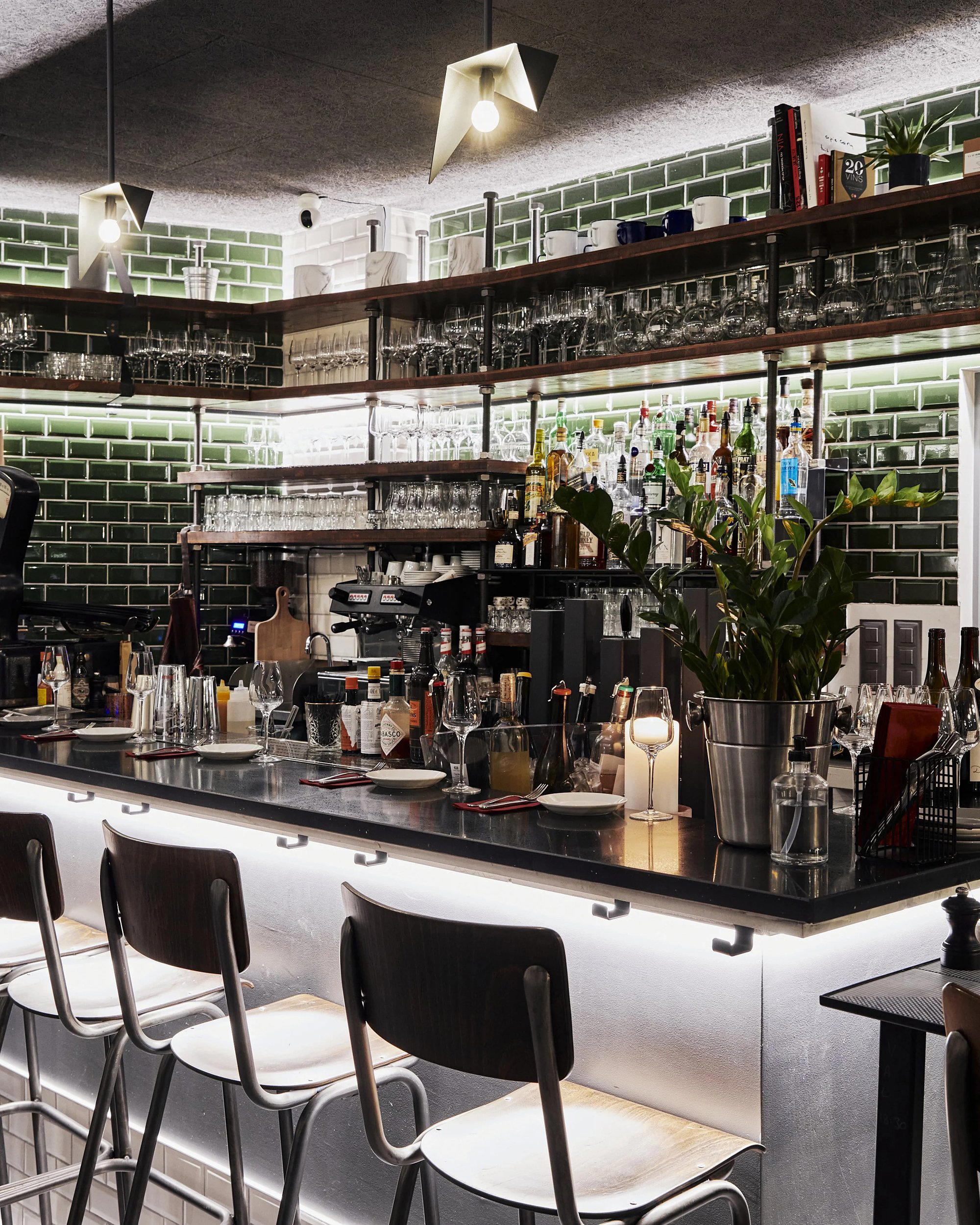
Warm and welcoming with a small terrace, charming decor, and an intimate setting that transports diners to South Korea despite its surprising industrial location.