Restaurant Bullerkotte sits on Westerholter Strasse in Marl, a Ruhr Valley city better known for its industrial heritage than its dining scene. For context on the wider regional picture, see our full Marl restaurants guide.
Pearl is the En Primeur Club membership app — saves, bookings, and concierge access live there. Same editors, same standards.
- Address
- Westerholter Str. 160, 45770 Marl, Germany
- Phone
- +4949236515161
- Website
- restaurant-bullerkotte.de
- Directions
- Get directions
 Saves & bookings on Pearl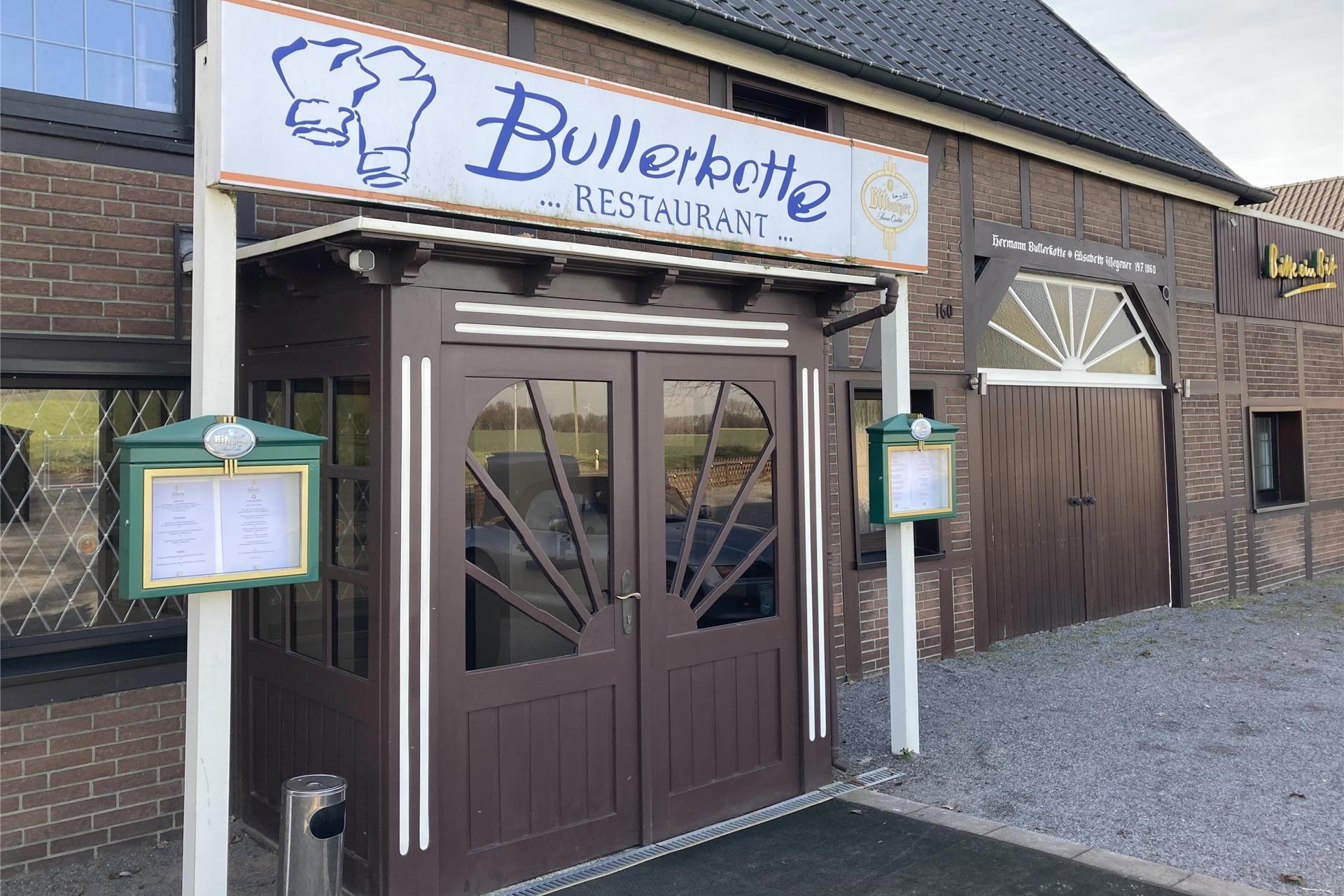
Cooking in the Ruhr: Why Marl Deserves Attention
Restaurant Bullerkotte is a traditional German fine dining restaurant in Marl, Germany, on Westerholter Str. 160. That corridor includes counters such as Aqua in Wolfsburg, Schwarzwaldstube in Baiersbronn, and Vendôme in Bergisch Gladbach, all operating at the €€€ tier. Marl, by contrast, is a city shaped by the chemical industry and postwar reconstruction, and its restaurant scene has historically reflected that working character rather than courting gastronomes.
That context matters because restaurants operating outside the recognised fine dining belt often pursue a different logic. They do not price against Michelin peers. They do not depend on destination diners arriving by high-speed rail from Frankfurt or Munich. They build their case, and their supply chains, around what the local and regional land actually offers. This is where the ingredient-sourcing question becomes the right editorial frame for a restaurant like Restaurant Bullerkotte.
Address and Approach
Restaurant Bullerkotte is located at Westerholter Str. 160 in Marl, a peripheral address relative to the city centre that suggests a destination-style property rather than a walk-in trade operation. The name itself, Bullerkotte, carries a regional resonance in the Westphalian dialect, evoking a particular kind of hearth, warmth, and domestic solidity. Whether that etymology is worn lightly or leaned into architecturally is a question the address alone cannot answer, but the naming choice signals an orientation toward local identity rather than cosmopolitan neutrality.
In the broader German dining context, this positioning has a parallel tradition. Establishments outside city centres, set in converted farmhouses or along semi-rural roads, have historically operated as anchors for regional produce, sourcing from nearby farms and estates before farm-to-table became a marketing phrase. The Westphalian region supports that model: the area's agricultural geography includes cattle grazing, market gardening, and proximity to the river systems of the Lippe and Emscher, each contributing to a larder that rewards kitchen teams willing to work with seasonal and local supply rather than importing from distant premium producers.
The Ingredient Question in Westphalian Cooking
Westphalian cuisine carries one of Germany's more specific regional identities. Pumpernickel, Westphalian ham, and freshwater fish from the Rhine tributaries are its anchors, but the tradition also includes game from the Teutoburg Forest to the east and a dairy culture that predates industrial consolidation. Restaurants working in this geography face a choice: treat those regional ingredients as a heritage backdrop, or treat them as a living sourcing brief that changes with the season and the farmer's yield.
The latter approach has gained traction across Germany over the past decade. Look at how ES:SENZ in Grassau works with Alpine producers, or how Schanz in Piesport positions Moselle valley ingredients at the centre of its menu architecture. The pattern holds in more urban settings too: CODA Dessert Dining in Berlin builds its entire format around rethinking ingredient categories from the ground up, while Restaurant Haerlin in Hamburg demonstrates that a city-centre address can still maintain rigorous sourcing discipline at the leading end. The difference at a Ruhr Valley address like Bullerkotte is that regional sourcing is not a differentiating premium move, it is the natural default when the alternative is hauling produce across Germany to serve a postcode with limited destination diner traffic.
Marl in the Wider NRW Dining Context
North Rhine-Westphalia is Germany's most populous state, but its serious restaurant coverage concentrates heavily in Düsseldorf and Cologne. The cities between, Essen, Bochum, Gelsenkirchen, Marl, receive far less critical attention despite a combined population in the millions. That imbalance has practical consequences: restaurants operating in this geography are frequently underreported and under-reviewed, which means their absence from major guides is not always informative. A restaurant can operate at a serious standard in Marl and remain invisible to the publications that send critics primarily to the recognised dining capitals.
For travellers already in the Ruhr, whether arriving via Dortmund or Essen, the nearest major rail hubs, Marl is accessible by regional rail and road, and the Westerholter Strasse address is reachable by car within a short drive from the A43 motorway corridor. This is not a destination that demands a separate trip, but it fits naturally into a wider NRW itinerary that might also include a drive south toward Bagatelle in Trier or west toward ammolite in Rust.
For those building a German itinerary around serious cooking across multiple cities, the contrast between Ruhr Valley addresses and the established fine dining belt is itself instructive. Tables at JAN in Munich, Victor's Fine Dining by Christian Bau in Perl, or Waldhotel Sonnora in Dreis require months of advance planning and carry price points that reflect their Michelin standing. Regional addresses like Bullerkotte operate in a different register, one where the friction of booking and the weight of expectation are lower, and where the cooking, when it is good, tends to be grounded in a specific place rather than performing against an international comparable set.
The same geographic logic applies when looking beyond Germany. Restaurants operating outside recognised fine dining centres, whether in New York's outer boroughs or in European cities that lack a Michelin infrastructure, often sustain a different kind of cooking conversation. Le Bernardin in New York City or Atomix in New York City anchor their respective cities' reputations precisely because the critical attention is concentrated there. The Ruhr Valley has no equivalent anchor, which makes every serious address harder to find and more worth locating.
Planning a Visit
Restaurant Bullerkotte's address at Westerholter Str. 160 in Marl places it in a part of the city best reached by car. Public transport connections exist via the regional S-Bahn network through Recklinghausen, but a car gives direct access to the address without transfers. The restaurant's regular hours are Wednesday through Sunday from 6 to 11 PM, and reservations are recommended.
For those mapping a broader NRW or Westphalian itinerary, it is also worth checking whether ATAMA by Martin Stopp in Sankt Ingbert, AUGUST in Augsburg, or AURA by Alexander Herrmann and Tobias Bätz in Wirsberg fit the routing, all three represent the tier of German cooking that operates with serious intent outside the two or three cities that dominate the national conversation.
How It Stacks Up
Comparable venues nearby, for context on price, style, and recognition.
| Venue | Cuisine | Price | Notes |
|---|---|---|---|
| Restaurant BullerkotteThis venue — the venue you are viewing | Traditional German Fine Dining | $$$ | Not listed |
| Lennhof | Modern Classical German with European Influences | $$$ | Dortmund City |
| Staudi’s Restaurant | Modern German Vegetarian Fine Dining | $$$ | Derendorf |
| Dagernova Culinarium | Modern German Regional | $$$ | Dernau |
| Liebevoll in der Auermühle | Seasonal German Regional Cuisine | $$$ | Angertal |
| Romantikhotel Walhalla | Modern German & International | $$$ | old town |
Continue exploring
More in Marl
Restaurants in Marl
Browse all →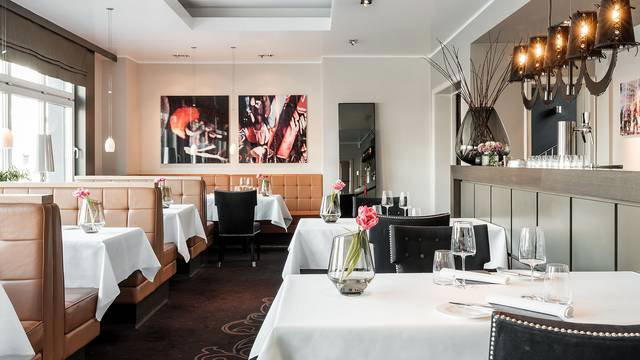
Bars in Marl
Browse all →
Hotels in Marl
Browse all →
Wineries in Marl
Browse all →
At a Glance
- Cozy
- Rustic
- Elegant
- Date Night
- Special Occasion
- Historic Building
Current opening hours
- Monday
- Closed
- Tuesday
- Closed
- Wednesday
- 6–11 PM
- Thursday
- 6–11 PM
- Friday
- 6–11 PM
- Saturday
- 6–11 PM
- Sunday
- 6–11 PM
Hours can change for holidays and private events. Last verified .
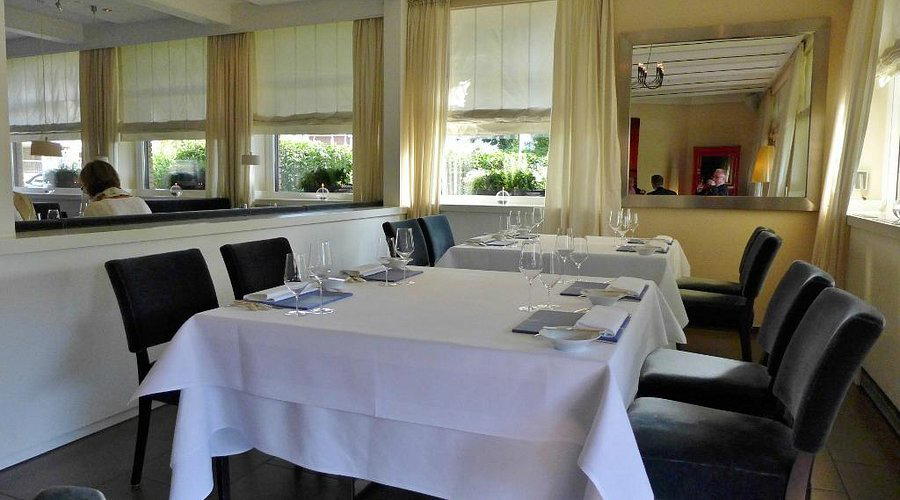
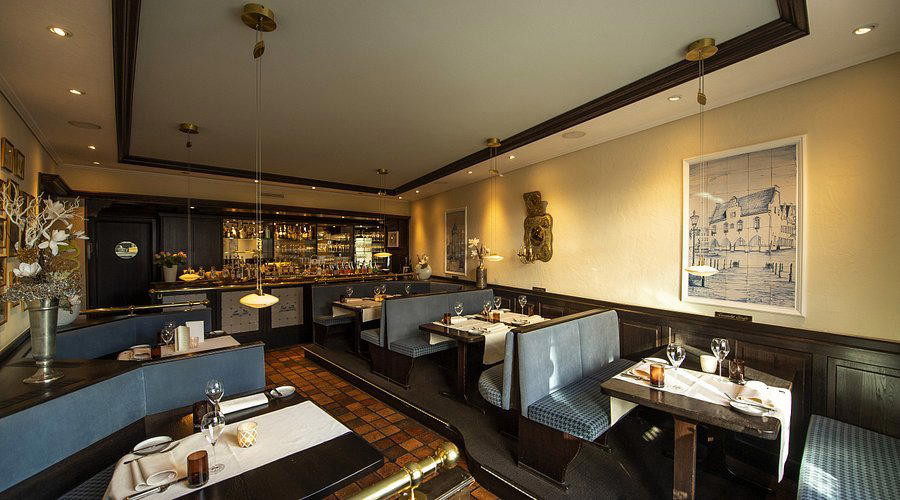
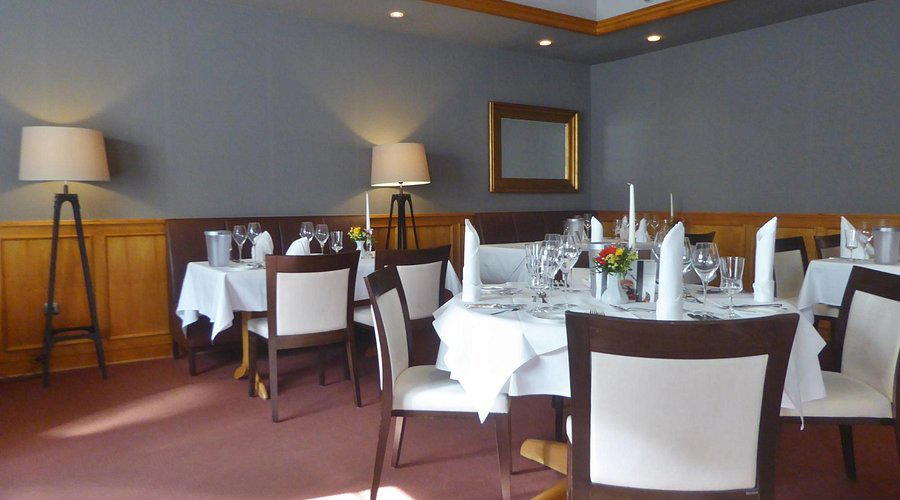
Cozy yet rustic-chic decor with tasteful 1990s elegance, cheerful when full, featuring a fireplace.