Restaurant 301

Wine Spectator Grand Award
Our verdict
Restaurant 301 at the Carter House Inn in Eureka, California brings serious wine credentials to the North Coast dining room, with a list spanning 3,665 selections and a 29,000-bottle inventory across California, Bordeaux, Burgundy, Italy, and beyond. American dinners under Chef Adrian Harper pair with a program directed by Troy Ritchie, making this one of the most wine-focused tables in the region.

Pearl is the En Primeur Club membership app, where members save venues, book tables and use the concierge.
A Wine Program That Reframes What the North Coast Can Be
California's North Coast culinary identity is defined mostly by what lies an hour or two to the south: the farm-driven precision of Single Thread Farm in Healdsburg, the produce-led tasting menus of The French Laundry in Napa, the hospitality theater of the Wine Country weekend. Humboldt County sits outside that circuit, a working range of timber, fishing, and dairy rather than vineyard tourism. That context matters when you walk into Restaurant 301, housed inside the Carter House Inn on Eureka's L Street. The physical setting signals care before you've read the menu: the kind of dining room where tablecloths, proper glassware, and a certain deliberate quiet tell you this is a serious operation in a city where that remains noteworthy.
Eureka's restaurant scene, covered in depth in our full Eureka restaurants guide, does not lack for good food. But a wine list of 3,665 selections backed by a 29,000-bottle inventory is a different category of commitment altogether. For context, that scale sits comfortably alongside the cellar depth you'd find at destination restaurants in major American cities, venues like Le Bernardin in New York City or Providence in Los Angeles, where the wine program is as much a draw as the kitchen. In Eureka, it arrives as something closer to an anomaly: a serious, institutional wine collection operating at the northern edge of Humboldt Bay.
The List: Scale, Sourcing, and What the Strengths Tell You
Wine programs of this size carry a point of view whether their directors intend one or not. The stated strengths at Restaurant 301 run across California, Bordeaux, Burgundy, Italy, Tuscany, Washington State, and Australia. That spread is not eclectic for its own sake. It maps onto the classical American fine-dining canon: the major French appellations that defined luxury wine culture through the latter half of the twentieth century, the Italian regions that followed, and the California and Pacific Northwest producers that now sit alongside them as peers rather than aspirants. It is, in other words, a collector's list rather than a natural-wine-bar list, organized around depth and cellar age rather than provenance storytelling.
Wine Director Troy Ritchie, who also serves as General Manager, oversees a program priced at the $$$ tier, meaning many bottles clear the $100 mark. Corkage for guests who bring their own bottle is set at $25, a reasonable rate at this level. The combination of a large inventory, classical regional strengths, and a corkage policy that doesn't penalize the knowledgeable drinker suggests a program designed to serve multiple types of wine guests: the visitor who wants to explore the cellar, the local who brings a special bottle, and the collector passing through on the way up or down the coast.
American Cooking in a Humboldt Context
The editorial angle here is ingredient sourcing, and Humboldt County gives Chef Adrian Harper a particular set of raw materials to work with. The county's agricultural character runs to dairy, lamb, and produce from small farms, with Pacific seafood from the bay and beyond forming a natural anchor for the American menu. Dungeness crab, oysters from Humboldt Bay, and locally landed fish carry the kind of provenance story that farm-to-table restaurants in San Francisco and Los Angeles construct at considerable expense, often with more effort than proximity. Here, the supply chain is simply a matter of geography.
Restaurants like Blue Hill at Stone Barns in Tarrytown have built entire reputations on articulating the relationship between kitchen and farm. That model tends to require either a destination property or a city with an audience attuned to provenance-led cooking. Restaurant 301 operates in neither of those contexts exactly, which makes the sourcing argument both more organic and less theatrically promoted. The menu is American in the broad, seasonal sense: a kitchen cooking what arrives well, informed by classical technique, without the need to construct a philosophical manifesto around it.
Dinner is the format. The cuisine pricing sits at the $$ tier, indicating a typical two-course meal landing in the $40 to $65 range before beverages. Given the wine program's $$$ pricing, the gap between food and wine spend may invert the usual restaurant calculus for serious collectors, who may well spend more on a single bottle than on the full meal.
Where It Sits in the California Fine Dining Map
Progressive American tasting menus occupy a different category, represented nationally by venues like Lazy Bear in San Francisco, Alinea in Chicago, and Addison in San Diego. Restaurant 301 does not sit in that tier: it is a dinner restaurant with a classically organized wine program, not a ticketed tasting-menu experience. The more instructive comparison is with wine-forward American restaurants that treat the cellar as the primary draw and let the kitchen perform at a high but accessible level alongside it. That model has broad appeal, particularly among guests who find $400 tasting-menu formats a barrier rather than a feature.
For travelers using Eureka as a base, the surrounding area offers additional context. The Eureka hotels guide covers accommodation options including the Carter House Inn itself. The bars guide, wineries guide, and experiences guide map the wider scene for those spending more than a night. Outside the region, comparisons drawn from the broader American fine dining circuit include Emeril's in New Orleans, The Inn at Little Washington, and Albi in Washington, D.C., all venues where wine programs and kitchen ambition operate in constructive tension with each other. The international comparator, for those who track wine-led fine dining across markets, is 8 1/2 Otto e Mezzo Bombana in Hong Kong, where a deep Italian-focused cellar sits alongside refined European cooking in a city that has no obvious reason to support such a program, but does.
Restaurant 301 sits at 301 L St in Eureka, California. Dinner is the operating format. The corkage fee for outside bottles is $25. Wine pricing runs at the $$$ level; food at the $$ tier.
Frequently asked questions
Is Restaurant 301 okay with children?
Restaurant 301 sits inside the Carter House Inn with formal table settings and a wine program running to 29,000 bottles, the atmosphere skews adult. The $$ food pricing (typically $40–$65 for two courses) and the deliberate pace of a hotel dining room make it a poor fit for young children. Older teenagers comfortable with a quiet, unhurried dinner would be fine.
How would you describe the vibe at Restaurant 301?
Quiet and considered. The dining room inside the Carter House Inn at 301 L St operates at the pace of a well-run boutique hotel: unhurried service, a serious wine list with 3,665 selections, and no ambient noise competing for attention. It draws guests looking for conversation over a long dinner rather than a lively scene.
Has Restaurant 301 won any awards?
Restaurant 301 has received recognition including: WINE: Wine Strengths: California, Bordeaux, Burgundy, Italy, Tuscany, Washington, Australia Pricing: $$$ i Wine pricing: Based on the list\'s general markup and high and low price points:$ has many bottles < $50;$$ has a range of pricing;$$….
What's the must-try dish at Restaurant 301?
The wine program, with documented strengths in California, Burgundy, and Tuscany, is itself a reason to visit: 3,665 selections at a $25 corkage fee rewards guests who bring something specific.
Where exactly is Restaurant 301?
Restaurant 301 is located at 301 L St, Eureka, CA 95501, Eureka.
Do they take walk-ins at Restaurant 301?
Booking ahead is advisable. At the $$ food tier with a serious 29,000-bottle wine program inside a boutique inn, the dining room is not large and weekend tables fill with hotel guests and reservation holders. A call ahead is the practical move, though the phone number is not listed publicly, the Carter House Inn front desk handles reservations.
At-a-Glance Comparison
| Venue | Cuisine | Price | Awards | Notes |
|---|---|---|---|---|
| Restaurant 301This venue (the venue you are viewing) | American Fine Dining | Not listed | Wine Spectator Grand Award | Not listed |
| Le Bernardin | French Seafood Fine Dining | $300–500 | 3 Michelin Stars · World's 50 Best #13 | French, Seafood |
| Atomix | Modern Korean Tasting Menu | $300–500 | 2 Michelin Stars · World's 50 Best #7 | Modern Korean, Korean |
| Lazy Bear | Modern American Tasting Menu | Not listed | 2 Michelin Stars · World's 50 Best #25 | Progressive American, Contemporary |
| Alinea | Avant-Garde Molecular Gastronomy | $300–500 | 2 Michelin Stars · World's 50 Best #37 | Progressive American, Creative |
| Masa | Seasonal Hokkaido Tempura Omakase | $150–200 | Tabelog 100 #34 | Sushi, Japanese |
Recognition history
Dated appearances from independent guides and award organizations, with the underlying list record or original source where available.
Wine Spectator Grand Award
Wine Spectator
Full recognition history (2 entries)
Wine Spectator Grand Award
Wine Spectator
Continue exploring
More in Eureka
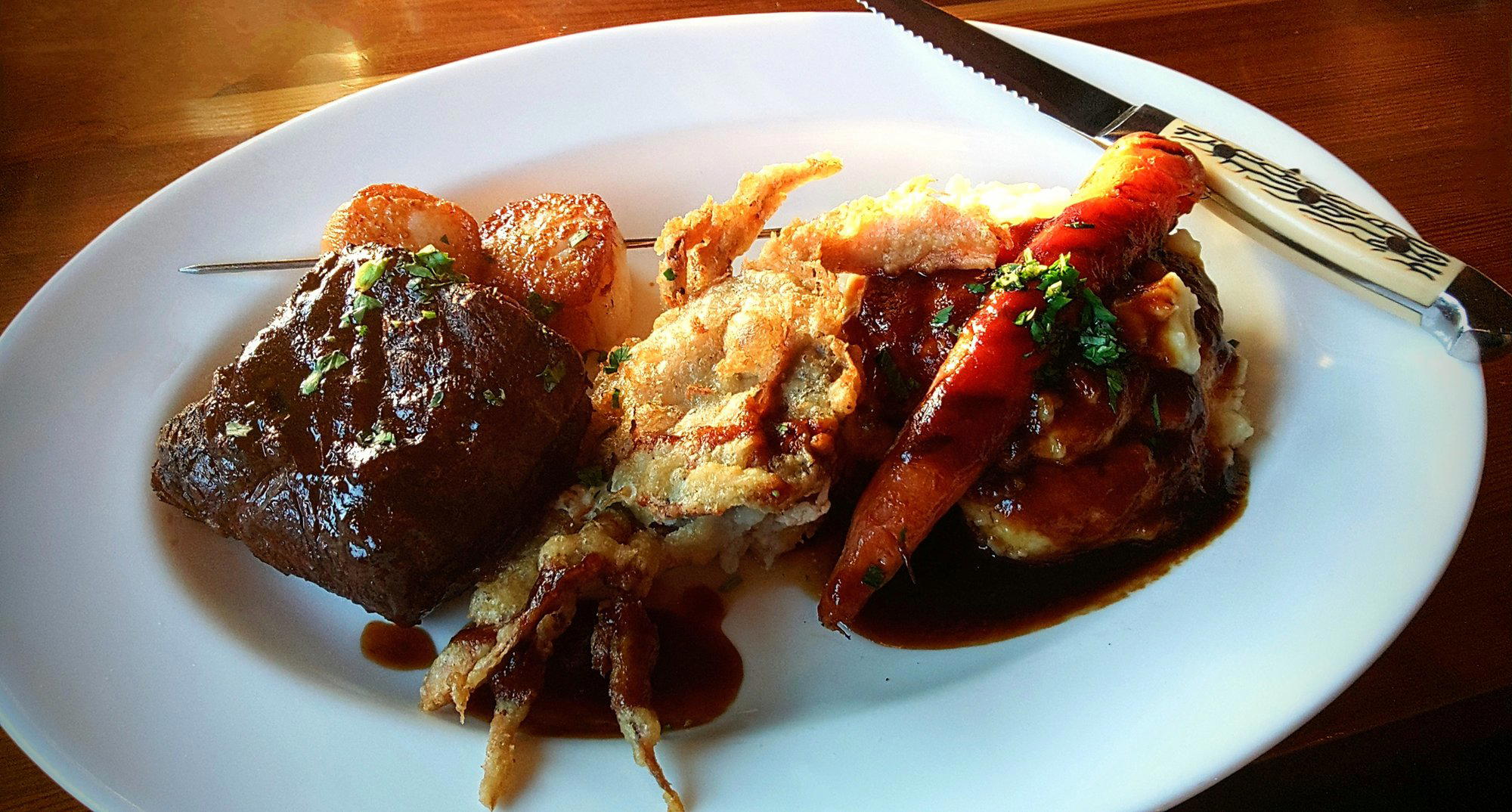
Restaurants in Eureka
All restaurants in Eureka →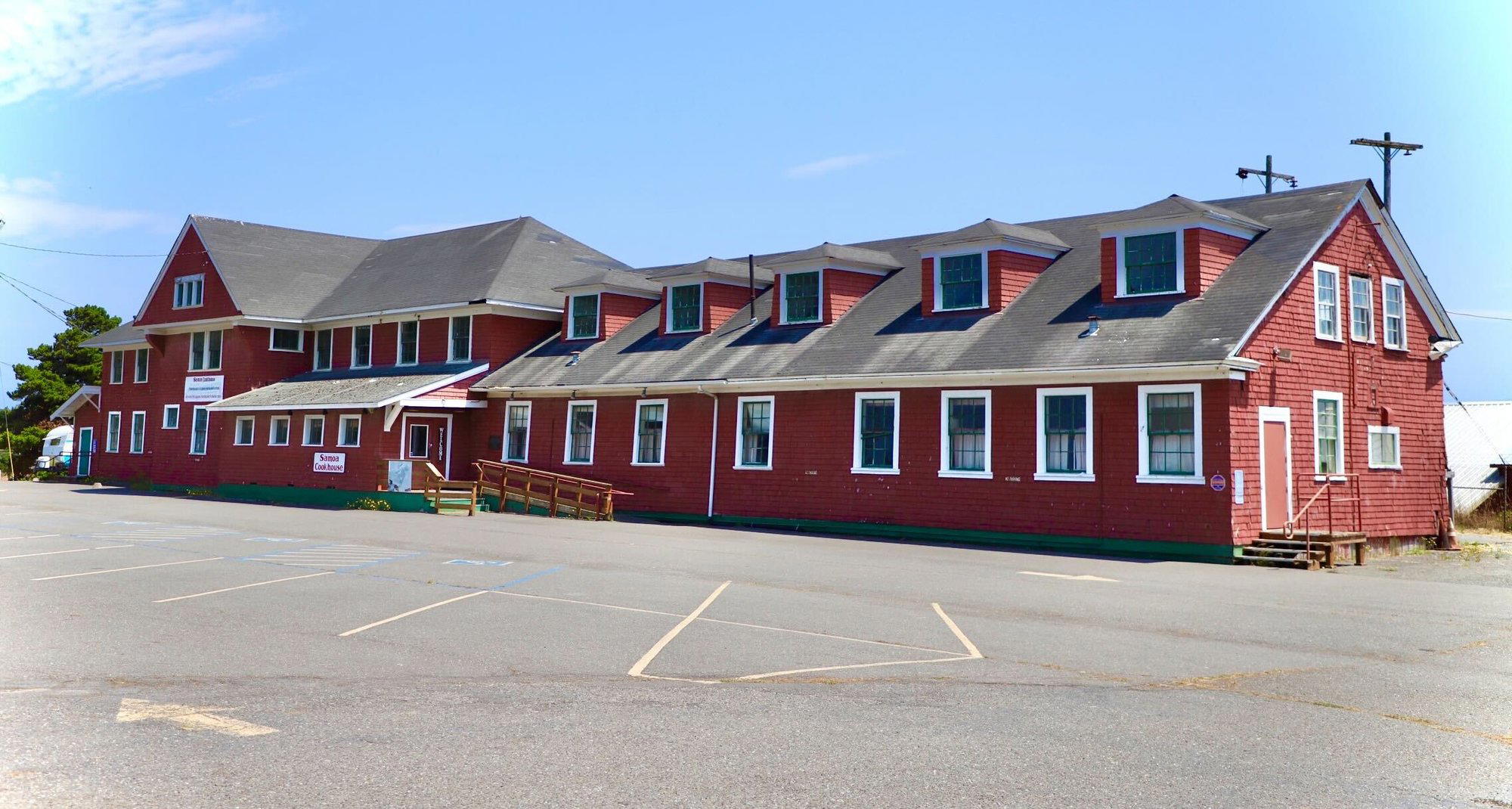
Bars in Eureka
Browse all →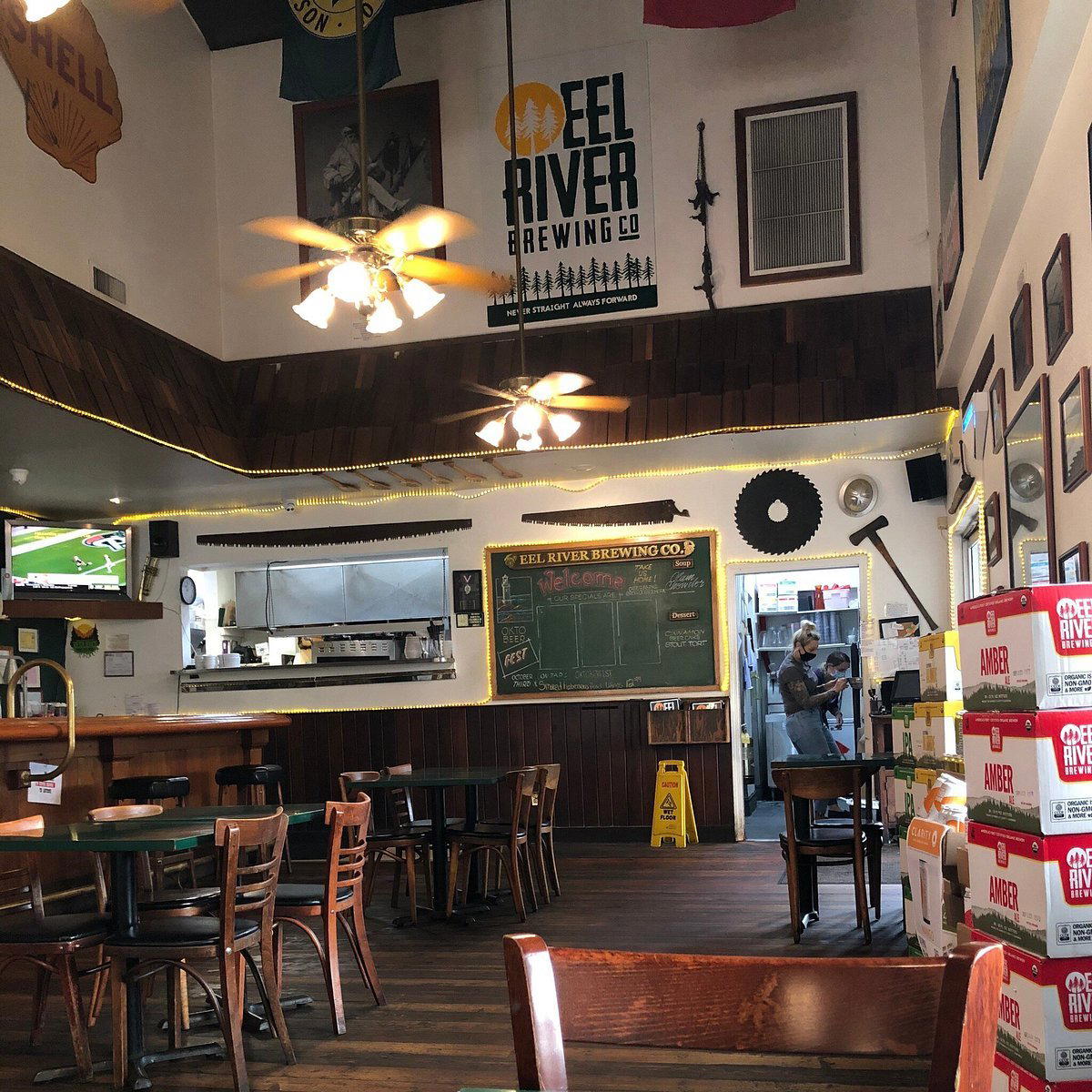
Restaurant 301
The wine
Restaurant 301 holds the Wine Spectator Grand Award, which Wine Spectator gives to lists of usually 1,000 or more selections.
- Wine program
- Deep wine list
- Wine Spectator
- Wine Spectator Grand Award
- Selections
- 3,665
- Bottles in cellar
- 29,000
- List strengths
- California, Bordeaux, Burgundy, Italy, Tuscany, Washington, Australia
- Wine director
- Troy Ritchie
- Extensive wine list
Details
- Elegant
- Cozy
- Sophisticated
- Date Night
- Special Occasion
- Hotel Restaurant
- Historic Building
- Extensive Wine List
- Tasting Menu
- Wine
Current opening hours
- Monday
- 5:30–8:30 PM
- Tuesday
- 5:30 AM–8:30 PM
- Wednesday
- 5:30–8:30 PM
- Thursday
- 5:30–8:30 PM
- Friday
- 5:30–8:30 PM
- Saturday
- 5:30–8:30 PM
- Sunday
- 5:30–8:30 PM
Hours can change for holidays and private events. Hours as of .
Relaxing vibe with fantastic ambiance in a lovely historic location.