Moonstone Grill
Our verdict
Positioned on the edge of the Northern California coast at Trinidad, Moonstone Grill sits within reach of some of the Pacific's most productive fishing grounds and Humboldt County's deeply rooted agricultural community. The setting shapes everything on the plate, making it a reference point for ingredient-led coastal dining in a region where sourcing proximity is a genuine competitive advantage, not a marketing claim.

Pearl is the En Primeur Club membership app, where members save venues, book tables and use the concierge.
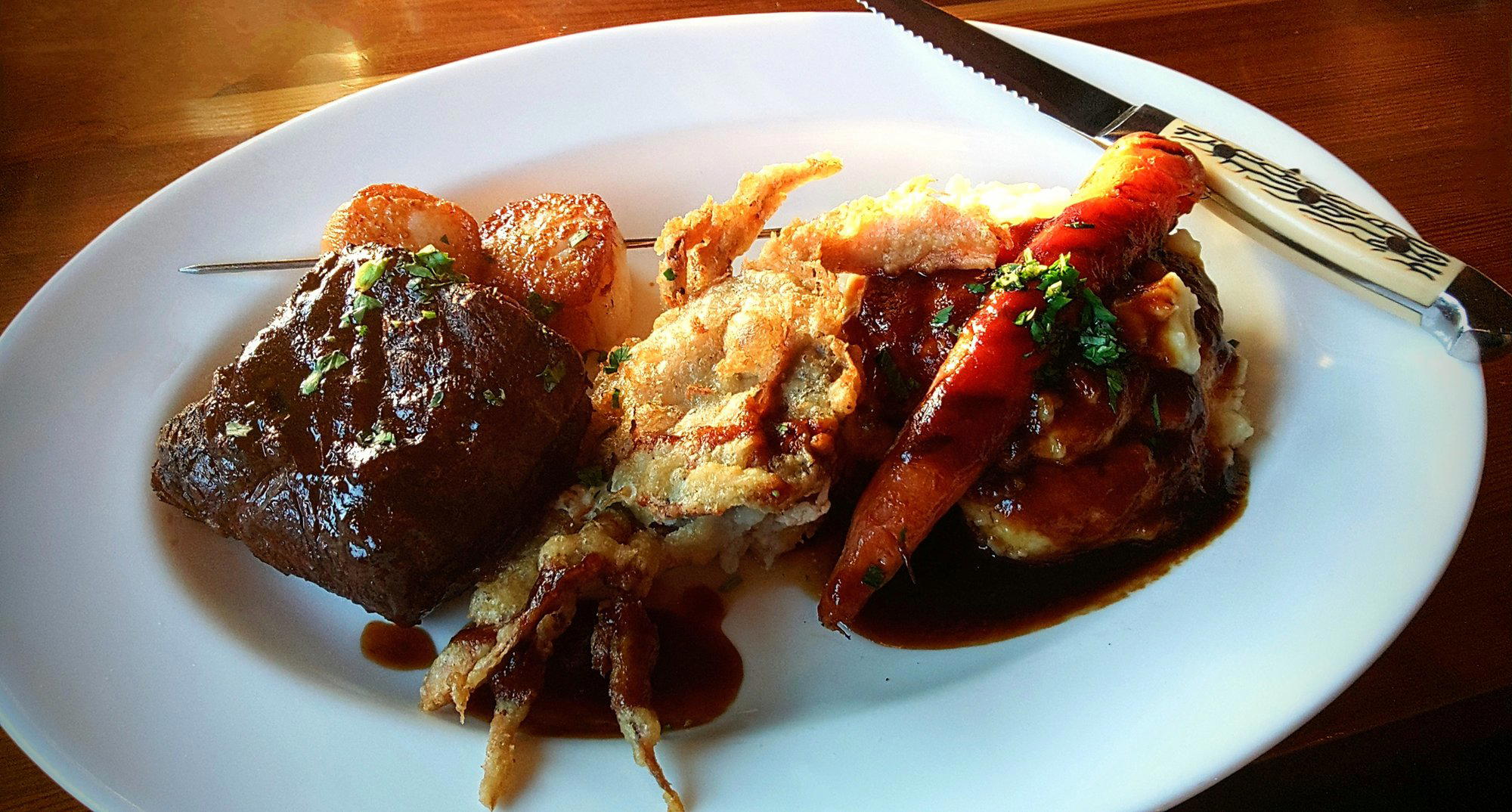
The menu
What to order
- Lobster roll
- Grilled angus ribeye
- Crab cakes
Where the Pacific Sets the Menu
Trinidad, California sits at a latitude where the Pacific is still cold enough to run Dungeness crab and wild salmon in volume, where the coastal fog keeps pastures green through the dry season, and where the distance to the nearest major city is long enough that a restaurant either commits to what grows and swims nearby or imports everything at considerable cost and compromise. Moonstone Grill, addressed at 100 Moonstone Beach Road, is built around the former logic. The dining room faces a stretch of Northern California coastline that has supplied commercial fishing operations for well over a century, and that geography is the starting point for understanding what the kitchen is working with.
Humboldt County operates outside the farm-to-table branding cycle that has become a fixture of urban California dining. Here, sourcing locally is a function of supply chains rather than a positioning statement. The county produces Dungeness crab from boats that dock minutes from where guests sit, oysters from Arcata Bay, and wild-caught fish from waters that remain among the least industrialised on the Pacific coast. Restaurants in this stretch of coastline that choose to work with those producers are not making a calculated marketing decision so much as a practical one: the supply is there, the quality is consistent, and the alternative is trucking ingredients from Sacramento or the Bay Area at a substantial freshness penalty.
The Sourcing Logic of Northern California's Coastline
To understand Moonstone Grill's position in the regional dining picture, it helps to compare the ingredient access available in this corridor against what coastal kitchens elsewhere are working with. At Providence in Los Angeles, sourcing at the calibre required for a two-Michelin-star seafood program involves a nationwide network of specialty purveyors. At Le Bernardin in New York City, the supply chain is global by necessity. In the Humboldt-Trinidad corridor, a kitchen with the right relationships can have line-caught rockfish and freshly harvested sea urchin from the same morning's tide. The compression of that supply chain from ocean to plate is a structural advantage that very few dining markets in the United States can replicate.
That same model operates at a handful of farm-integrated restaurants elsewhere in the country. Blue Hill at Stone Barns in Tarrytown built its identity around the farm directly above the dining room. Single Thread Farm in Healdsburg runs its own certified farm operation as the backbone of a kaiseki-influenced tasting menu. Smyth in Chicago maintains a farm in Virginia that supplies much of what lands on the tasting counter. In each case, the point is the same: when sourcing is genuine rather than aspirational, it constrains the menu in productive ways. Seasonality becomes non-negotiable. The kitchen develops fluency with a narrow set of ingredients rather than a broad vocabulary with shallow roots.
The Physical Setting and What It Signals
Approaching Moonstone Beach Road from the south, the Pacific appears in gaps between the coastal scrub before the road levels out. The area around Trinidad is characterised by sea stacks, pocket beaches, and a light quality that shifts dramatically between morning fog and afternoon clarity. It is the kind of coastal environment that tends to produce a particular mood in a dining room: unhurried, connected to the water outside, resistant to urban restaurant conventions like late seatings and theatrical service formats. Coastal Northern California's dining culture runs toward casualness in presentation without sacrificing seriousness in the kitchen, a register that sets it apart from the more formal end of ingredient-driven dining represented by operations like The French Laundry in Napa or Addison in San Diego.
Restaurants in this physical register tend to compete less on theatre and more on the credibility of what arrives on the plate. In that framework, access to the right ingredients at the right point of freshness becomes the primary form of differentiation. A Dungeness crab pulled from Humboldt Bay that morning and prepared simply speaks for itself in ways that require no elaborate service ritual to communicate.
Regional Peers and the Northern California Coastal Tier
The Northern California coast does not produce the density of Michelin-recognised restaurants found in the Bay Area or Los Angeles, and that relative scarcity shapes how restaurants in the Trinidad area are evaluated. The reference points for coastal ingredient-driven dining in the broader California context include Lazy Bear in San Francisco, which anchors its progressive American format in hyperlocal Northern California sourcing, and operations further down the coast like Providence in Los Angeles, which has held two Michelin stars for its seafood-centred tasting format. Moonstone Grill sits in a less formally structured tier of that conversation, in a region where critical infrastructure, distance from major population centres, and a deliberately local guest profile have kept the national recognition apparatus largely at a distance.
That positioning has parallels in other parts of the country where ingredient access outpaces critical attention. Frasca Food and Wine in Boulder built a nationally recognised program in a market that the fine dining establishment long overlooked. Bacchanalia in Atlanta operated at a level of sourcing seriousness before the South's dining scene received sustained national coverage. The pattern in each case is a kitchen that commits to ingredient quality before the critical apparatus catches up.
Planning a Visit
Trinidad sits roughly 25 miles north of Eureka on US-101 and about 300 miles north of San Francisco, making it a deliberate destination rather than an incidental stop. For visitors coming from the Bay Area, the drive runs between five and six hours depending on the route through the Redwoods. The area around Moonstone Beach draws visitors year-round, but the Dungeness crab season, which typically runs from November through June, represents the period when the local ingredient supply is at its most compelling. Given the venue's coastal setting and the region's draw during crab season and summer months, booking ahead is advisable, particularly for weekend sittings. Contact and booking details are best confirmed directly before travel, as hours in coastal Northern California restaurants can follow seasonal patterns not always reflected in online listings. For a broader view of the dining options in the area, our full Westhaven Moonstone restaurants guide covers the regional picture in more depth.
Frequently asked questions
Is Moonstone Grill good for families?
Trinidad's dining culture runs toward the informal, and a restaurant on Moonstone Beach Road operates in that same register, practical, coastal, and unpretentious. The setting and the surrounding area, which draws visitors of all ages to the beach and Trinidad Head, suggest a family-friendly environment rather than a destination built around adult tasting menus. That said, confirm current hours and format directly before planning a group visit, as operational details shift seasonally in small coastal towns.
Is Moonstone Grill formal or casual?
Moonstone Beach Road in Trinidad sits roughly 300 miles north of San Francisco, well outside the formal dining corridor of California's major cities. Expect the dress code and service tempo of a coastal Northern California restaurant, relaxed by default, driven by the catch and the setting rather than ceremony. A jacket is not required; an appetite for whatever the local fleet delivered is.
Does Moonstone Grill sit directly on Moonstone Beach in Trinidad?
The restaurant's address is 100 Moonstone Beach Rd, Trinidad, CA 95570, placing it on the road that runs alongside one of Northern California's more exposed Pacific beaches. That position is not incidental, it means access to both the Trinidad fishing fleet and the cold-water grounds that define ingredient availability across the Humboldt County coast. Few restaurants in California sit this close, geographically, to the source of their primary proteins.
What should I order at Moonstone Grill?
Trinidad sits at the edge of Humboldt County's cold-water grounds, which produce Dungeness crab and wild salmon in volume during their respective seasons. In a restaurant at this address, the most credible choices are whatever reflects the current local catch rather than dishes built around imported or year-round commodity proteins. Ask your server what came off the Trinidad fleet most recently, that question will tell you more than any fixed menu recommendation.
What part of town is Moonstone Grill in?
Moonstone Grill is located at 100 Moonstone Beach Rd, Trinidad, CA 95570, Westhaven Moonstone.
How far ahead should I plan for Moonstone Grill?
Plan at least a week ahead for weekday visits during shoulder season. Weekends in summer and the Dungeness crab season window draw considerably more traffic to the Trinidad area, and a restaurant on Moonstone Beach Road will fill accordingly. Calling ahead rather than relying on walk-in availability is the practical approach for any visit from Memorial Day through October.
Fast Comparison
Comparable venues nearby, for context on price, style, and recognition.
| Venue | Cuisine | Price | Notes |
|---|---|---|---|
| Moonstone GrillThis venue (the venue you are viewing) | California Seafood Grill | $30–50 | Not listed |
| Rainforest Cafe | American & Tropical Fusion | $20–30 | Downtown Disney |
| Dirty Water | American Gastropub | Not listed | Mid-Market |
| Whisknladle | Farm-to-Table American | Not listed | La Jolla Village |
| 21st Amendment Brewery & Restaurant | American Brewpub | Not listed | South Beach |
| Turntable at Lord Stanley | Rotating Chef Tasting Menus | Not listed | Russian Hill |
Continue exploring
More in Westhaven Moonstone
Restaurants in Westhaven Moonstone
All restaurants in Westhaven Moonstone →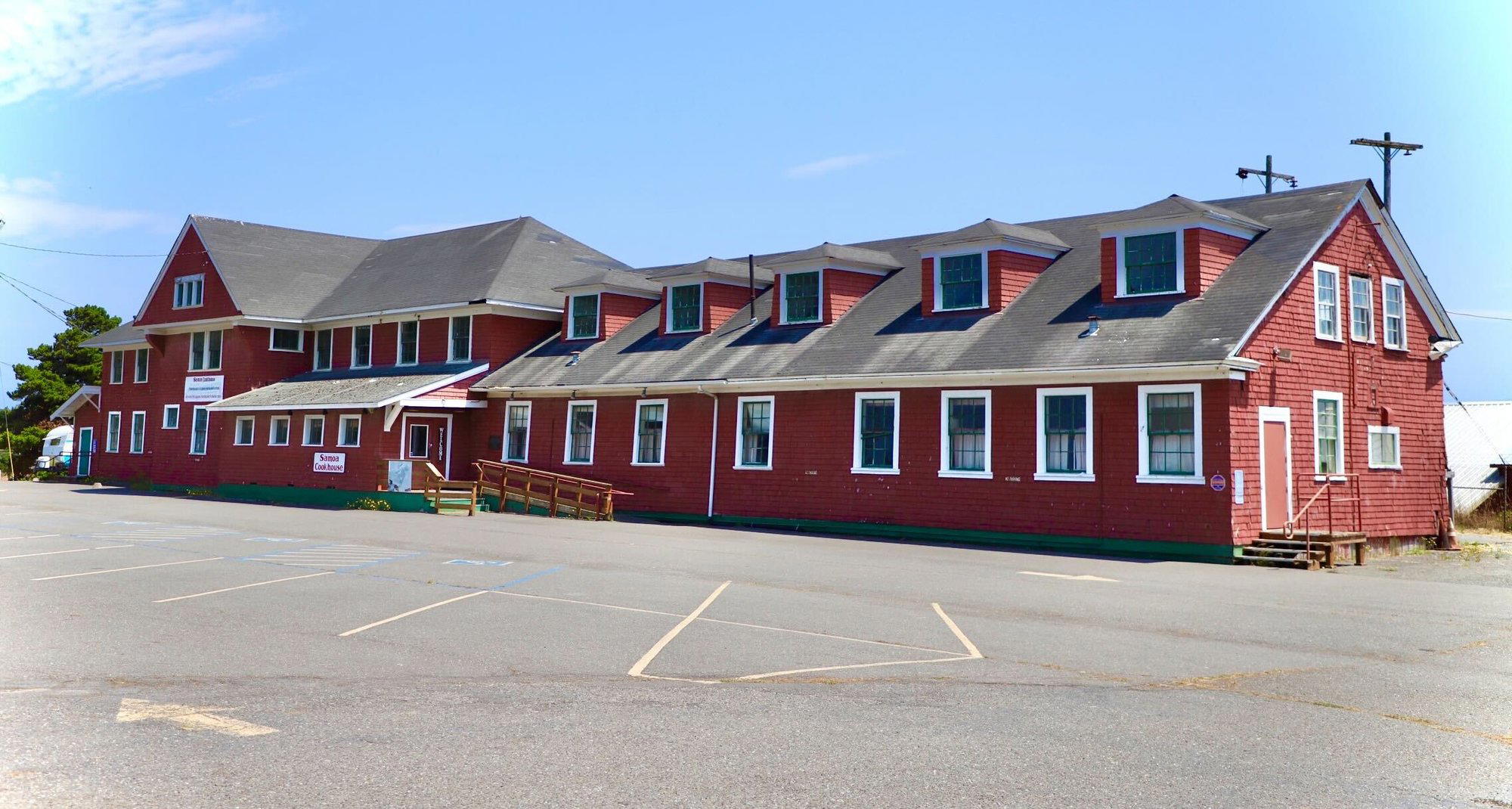
Bars in Westhaven Moonstone
Browse all →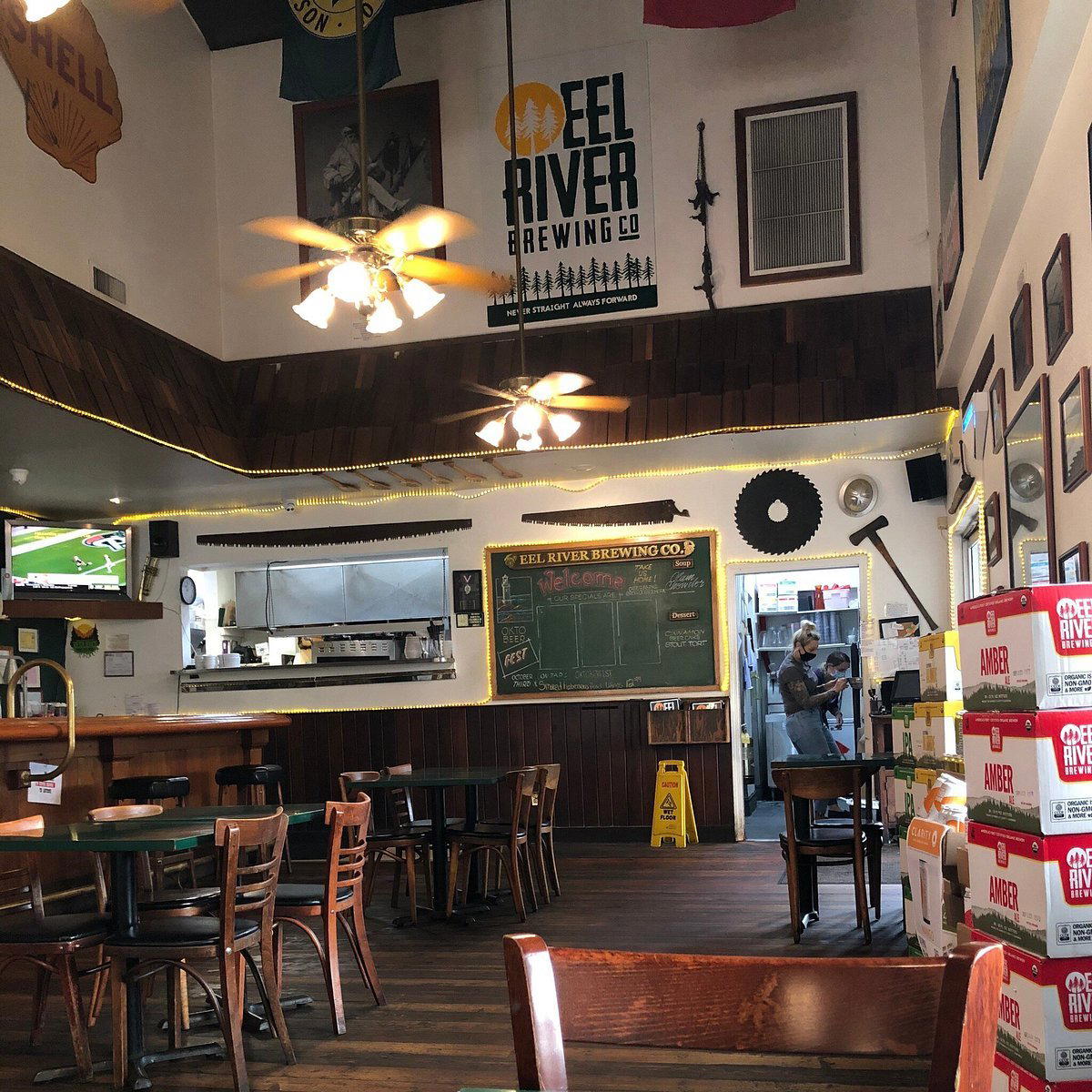
Details
- Scenic
- Relaxed
- Elegant
- Date Night
- Casual Hangout
- Special Occasion
- Waterfront
- Craft Cocktails
- Local Sourcing
- Waterfront
- A La Carte
- Vegetarian Friendly
- Vegan Options
- Gluten Free Options
Current opening hours
- Monday
- 4–8 PM
- Tuesday
- 4–8 PM
- Wednesday
- 11:30 AM–8 PM
- Thursday
- 11:30 AM–8 PM
- Friday
- 11:30 AM–8 PM
- Saturday
- 11:30 AM–8:30 PM
- Sunday
- 4–8 PM
Hours can change for holidays and private events. Hours as of .
Relaxed beachside atmosphere with natural lighting from ocean views, well-suited for casual yet memorable dining.