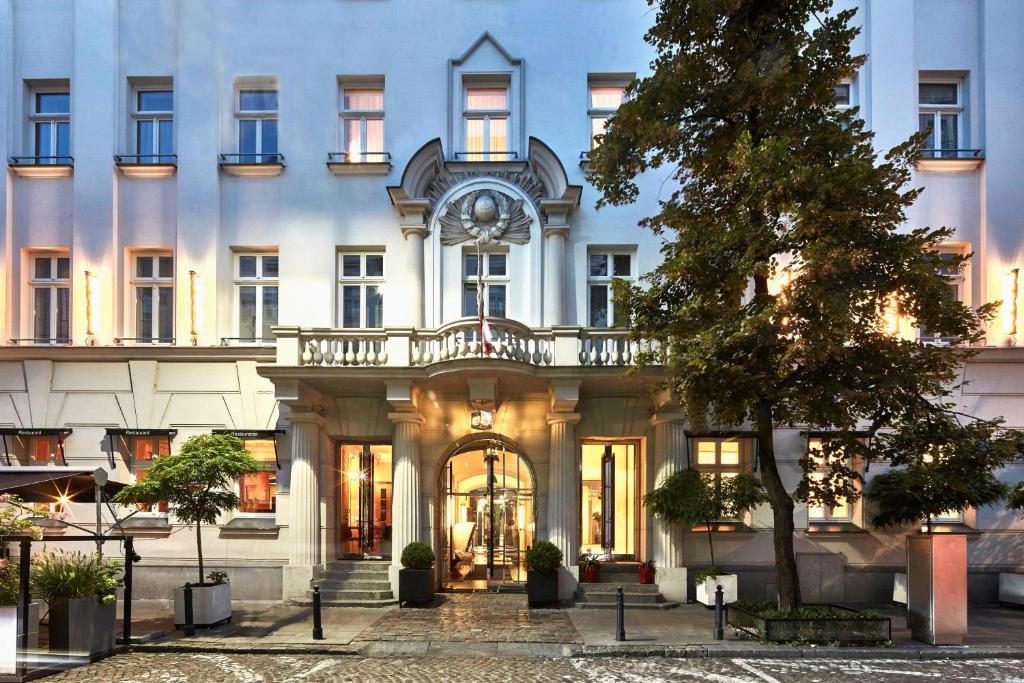
Situated on Aleja Szucha, one of Warsaw's most architecturally considered avenues, Rest. Baczewskich draws on the city's pre-war heritage dining tradition. The address places it within a neighbourhood defined by embassies, ministerial buildings, and the weight of institutional memory — context that shapes the register of any meal taken here. For visitors mapping Warsaw's serious restaurant scene, it belongs on the same itinerary as the city's other destination addresses.
Pearl is the En Primeur Club membership app — saves, bookings, and concierge access live there. Same editors, same standards.
- Address
- aleja Jana Chrystiana Szucha 17, 00-582 Warszawa, Poland
- Phone
- +48888522668
- Website
- baczewskich.rest
- Directions
- Get directions
 Saves & bookings on Pearl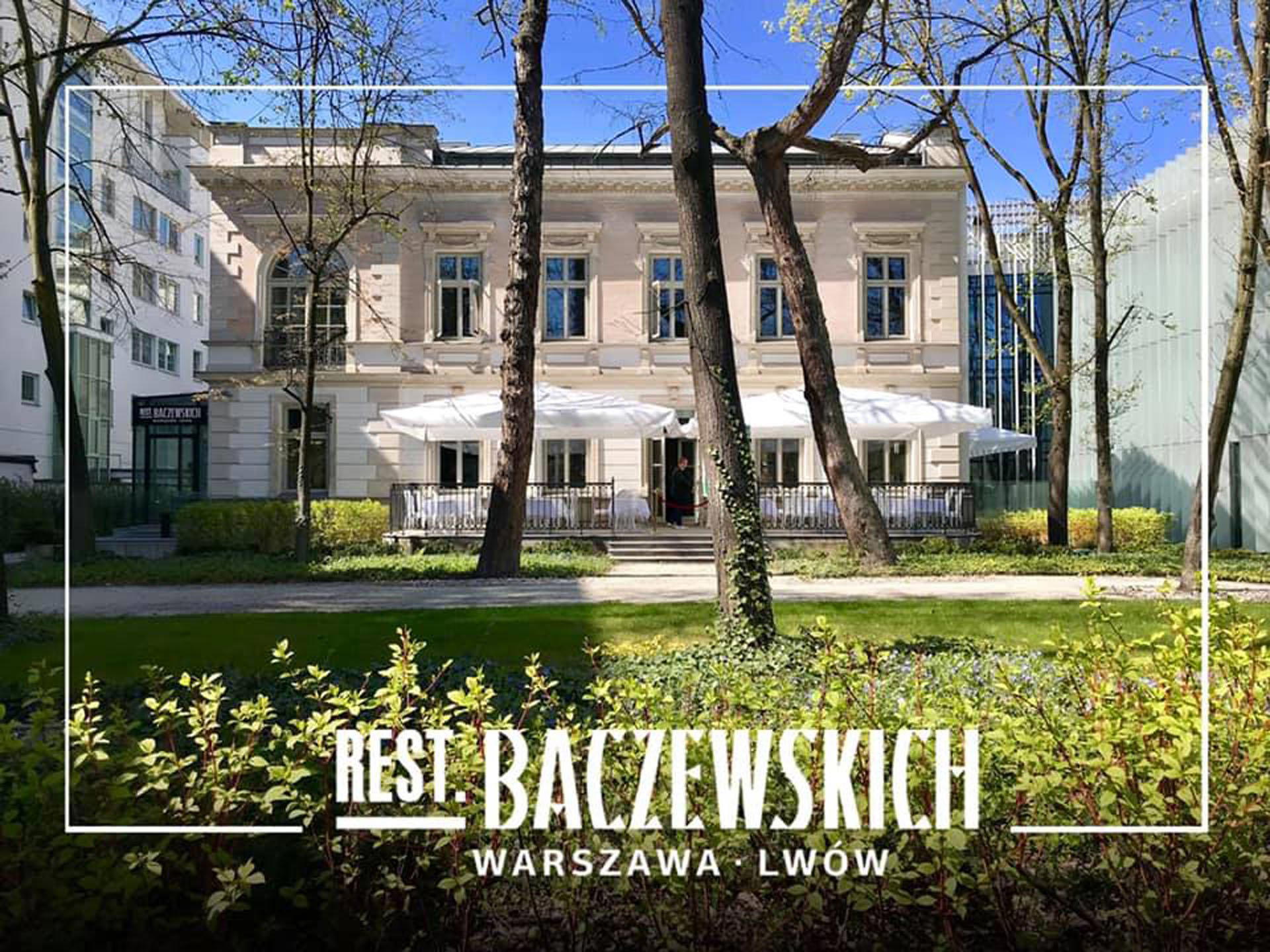
Aleja Szucha and the Architecture of a Warsaw Meal
There is a particular quality to eating on Aleja Jana Chrystiana Szucha that you do not find in Warsaw's more frenetic dining districts. The avenue runs through a part of the city defined by interwar monumentalism — wide pavements, embassy facades, the hush of institutional Poland. Restaurants that occupy this corridor tend to absorb some of that gravity. They are not places that shout for attention. Rest. Baczewskich, at number 17, sits within this frame, and the address alone communicates something about the register the kitchen is aiming for.
Warsaw's fine dining scene has split noticeably over the past decade into two broad currents. One current runs through the younger, more experimental addresses in Praga and the post-industrial northern districts, where chefs build menus around provocation and informality. The other current, older and more architectural in its sensibility, runs through addresses like Szucha, where the physical setting and the name above the door carry historical weight. Rest. Baczewskich belongs to the second current. The Baczewski name carries associations with the Lwów distilling dynasty — a pre-war Central European story of refinement and loss, and restaurants bearing that lineage position themselves consciously within a tradition of Polish hospitality that predates the communist interruption.
What the Neighbourhood Does to the Experience
The immediate surroundings of Aleja Szucha do specific work on a guest before they reach the table. The avenue is flanked by buildings that housed some of the darkest episodes of the German occupation, including the former Gestapo headquarters, now a museum. That weight is not decorative context, it is the actual historical texture of the street, and any serious restaurant operating here is, consciously or not, in conversation with it. Dining on Szucha is not the same as dining in Śródmieście's commercial centre or in the regenerated Powiśle strip. The neighbourhood invites a slower, more considered pace.
For visitors staying in the embassy quarter or arriving from the nearby Łazienki Park, Rest. Baczewskich offers a natural anchor point for an evening meal without requiring a journey to Warsaw's busier dining zones. The geometry of the evening, a walk through Łazienki, then north along Szucha to a table, has a logic to it that the city's more scattered restaurant geography does not always provide.
Warsaw's Heritage Dining Tradition and Where This Address Fits
Polish cuisine has undergone a serious critical reappraisal since roughly 2010, driven partly by the generation of chefs who trained abroad and returned, and partly by a broader European interest in fermentation, preservation, and locally sourced produce, all techniques embedded in Polish kitchen tradition long before they became internationally fashionable. Warsaw now holds a cluster of restaurants operating at a level that draws comparison with the serious tables in Kraków, where Bottiglieria 1881 has made the strongest case for Polish fine dining receiving international recognition, and in Gdańsk, where Arco by Paco Pérez imports a different kind of ambition.
Within Warsaw specifically, the heritage-positioned restaurants occupy a distinct niche from the modern Polish addresses. alewino, operating at a €€ price point with Modern Polish and Traditional Cuisine credentials, represents one approach to that tradition, wine-led, relatively accessible. Rozbrat 20, at the €€€ tier with a Modern European positioning, represents another. The addresses that lean most explicitly on pre-war Polish hospitality as a conceptual frame are fewer, and Rest. Baczewskich operates in that smaller bracket, where the name and the historical reference carry as much meaning as the menu itself.
For comparison with the more contemporary end of Warsaw's scene, hub.praga and NUTA both demonstrate the creative energy that has made the Polish capital a more interesting destination for serious diners than it was a generation ago. Baken sits in a different register again. The full range is mapped in our Warsaw restaurants guide.
Poland Beyond Warsaw: The Broader Context
Understanding Rest. Baczewskich benefits from some sense of where Warsaw sits within Poland's wider dining map. The country's restaurant culture has become genuinely varied at the serious end. Muga in Poznań and Kwestia Czasu in Białystok demonstrate that the ambition is not confined to the two or three largest cities. Giewont in Kościelisko takes an entirely different approach rooted in mountain regionalism. The point is that a restaurant carrying a heritage Polish name in Warsaw is now operating in a national context where the culinary reference points are more varied and more demanding than they were even ten years ago.
Sushi and Japanese formats have also found serious footholds in Polish cities, with Hashi Sushi in Gdańsk and Hattori Hanzo in Częstochowa among the addresses that indicate how international the country's dining vocabulary has become. Cudne Manowce in Olsztyn, Górnik in Kraków, and Włoska Restauracja Bellanuna in Rzeszów round out a picture of a national scene with genuine depth. Against that backdrop, a heritage-positioned Warsaw restaurant is not simply trading on nostalgia, it is making a deliberate argument for a particular strand of Polish identity at the table.
Planning Your Visit
Rest. Baczewskich is located at aleja Jana Chrystiana Szucha 17 in Warsaw's embassy district, within comfortable walking distance of Łazienki Park and the major southern Śródmieście hotels. The neighbourhood is better suited to an unhurried evening than a quick lunch, the pace of Szucha rewards that approach. Given the limited publicly available booking and hours information, contacting the restaurant directly before visiting is advisable, particularly for groups or for visits during Polish public holidays when the embassy quarter is quieter than usual. Visitors arriving from further afield can cross-reference Rest. Baczewskich against other serious Warsaw addresses, including the creative end of the city's spectrum at NUTA or the wine-led programming at alewino, to build an itinerary that covers more than one register of what contemporary Warsaw cooking actually looks like. For diners whose reference points extend to the international tier, the ambition at addresses like Le Bernardin in New York or Atomix provides useful calibration for where serious European regional cooking now sits on a global scale.
How Rest. Baczewskich Warsaw compares with similar nearby venues.
| Venue | Cuisine | Price |
|---|---|---|
| The Farm | Modern Cuisine | €€ |
At a Glance
- Elegant
- Classic
- Cozy
- Sophisticated
- Date Night
- Business Dinner
- Special Occasion
- Brunch
- Historic Building
- Craft Cocktails
- Local Sourcing
Current opening hours
- Monday
- 9 AM–10:30 PM
- Tuesday
- 9 AM–10:30 PM
- Wednesday
- 9 AM–10:30 PM
- Thursday
- 9 AM–11 PM
- Friday
- 9 AM–11 PM
- Saturday
- 9 AM–11 PM
- Sunday
- 9 AM–10:30 PM
Hours can change for holidays and private events. Last verified .
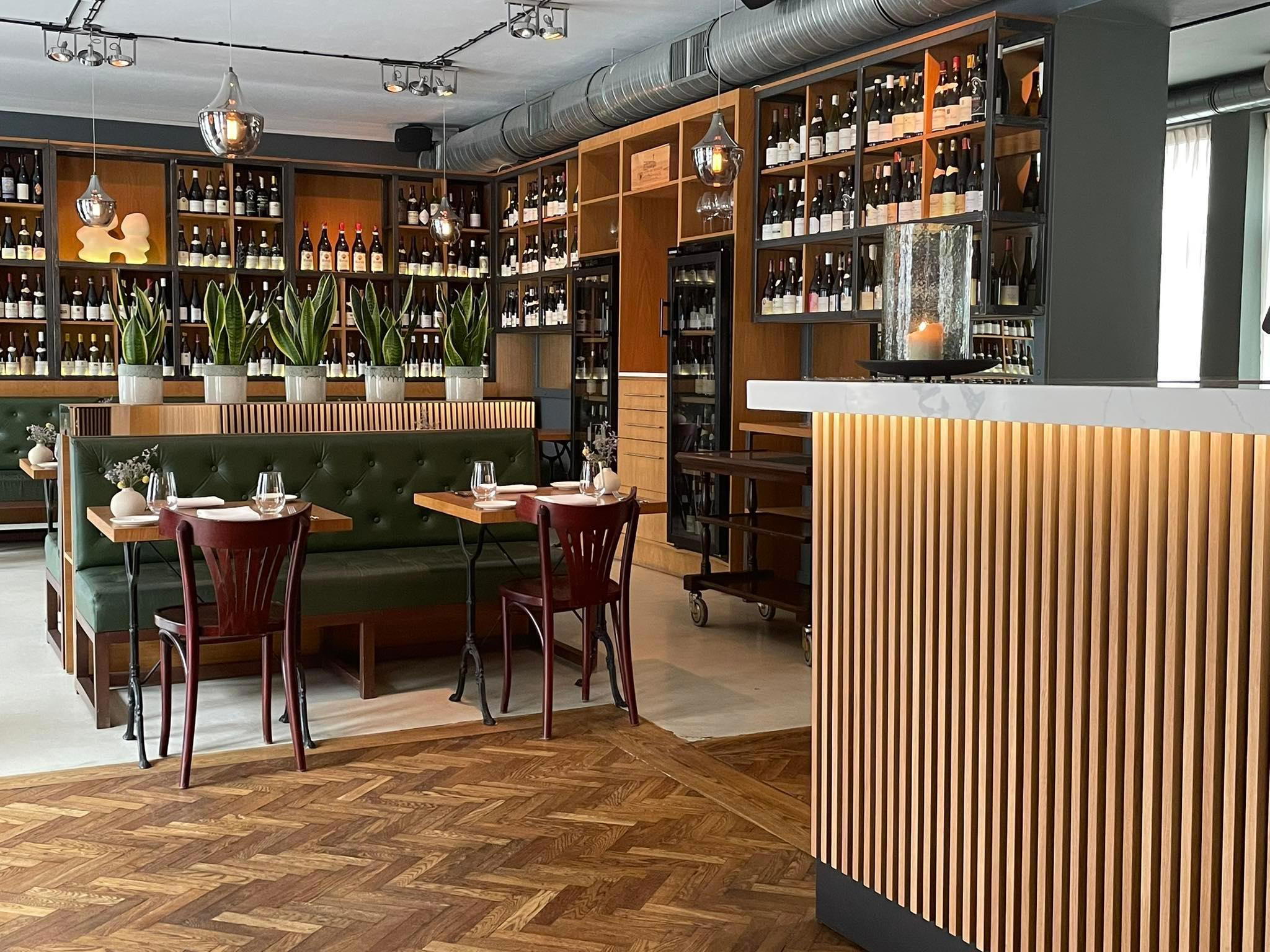
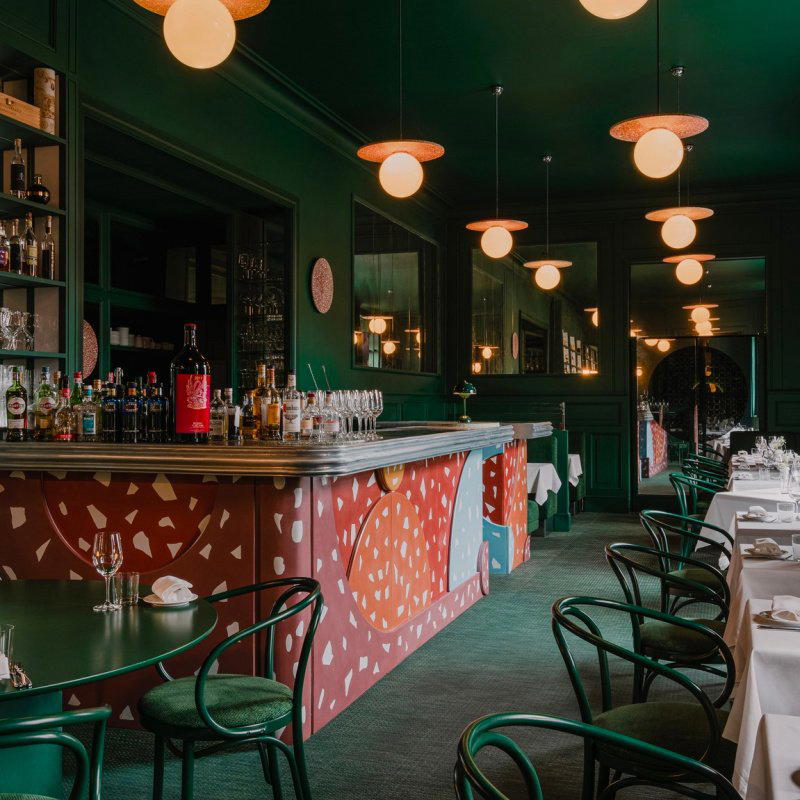
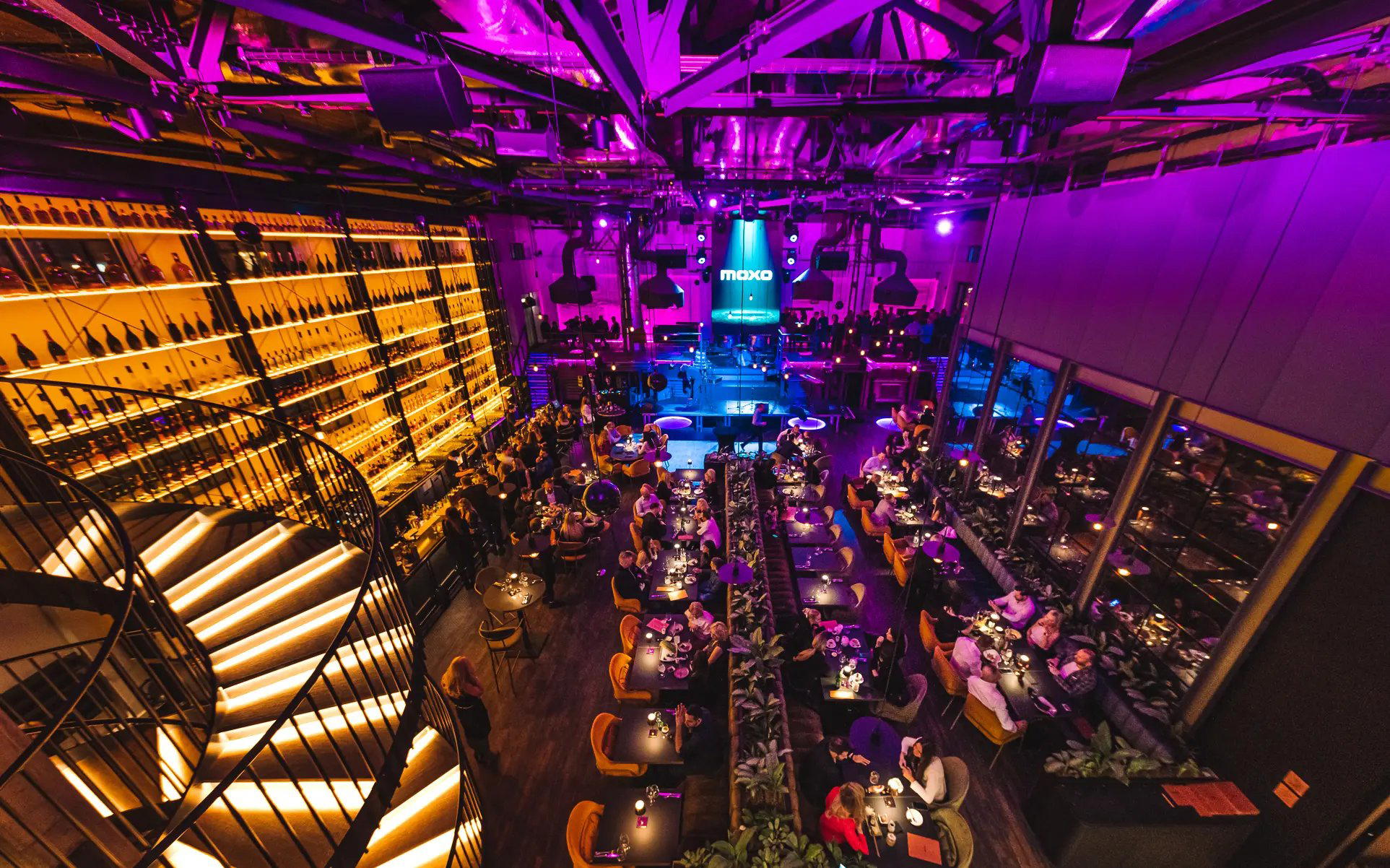
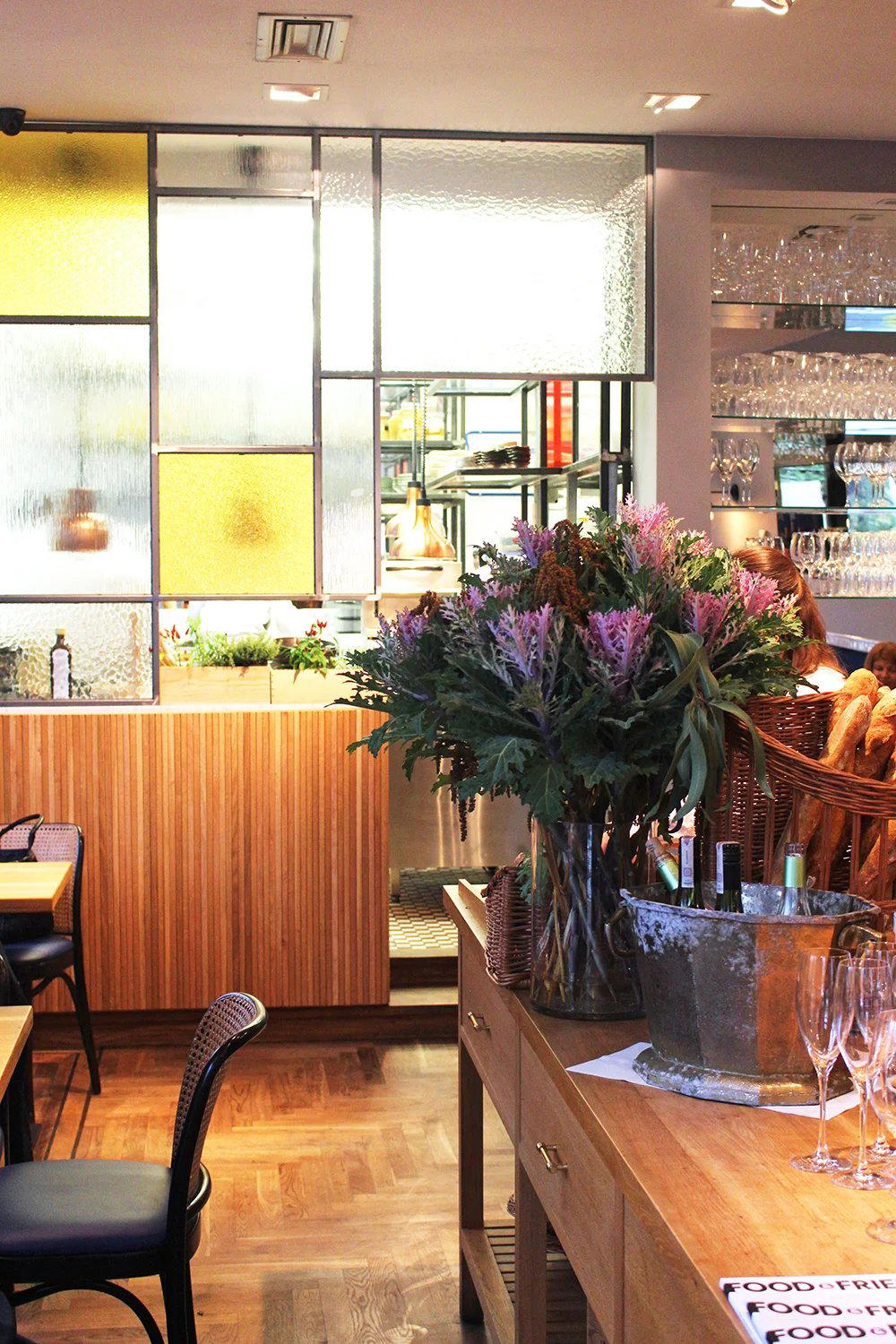
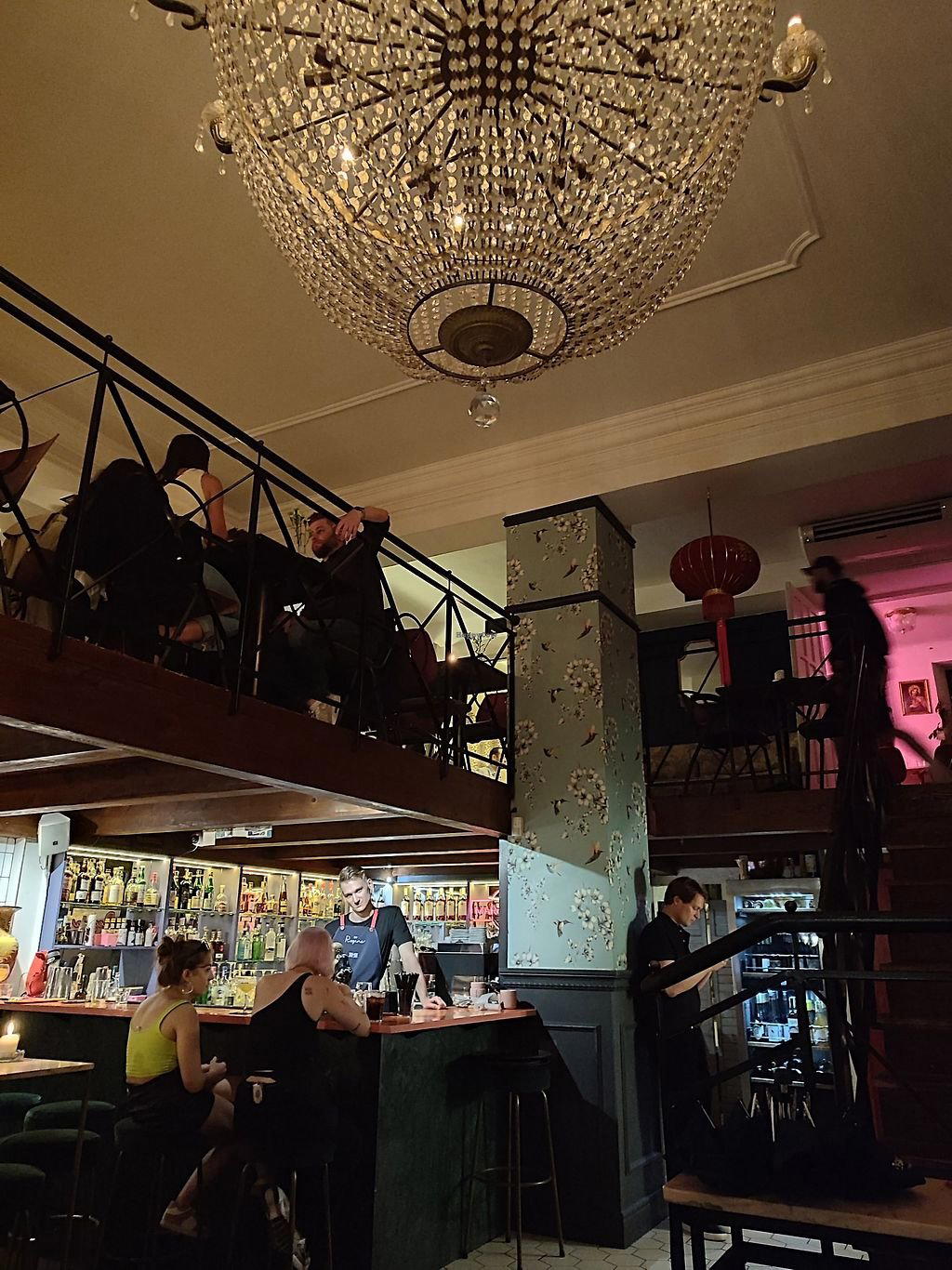
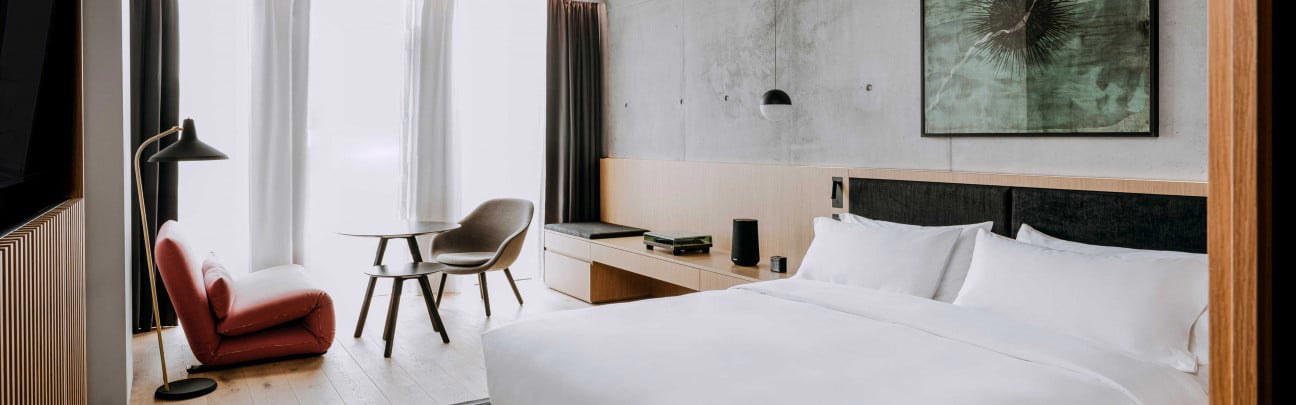
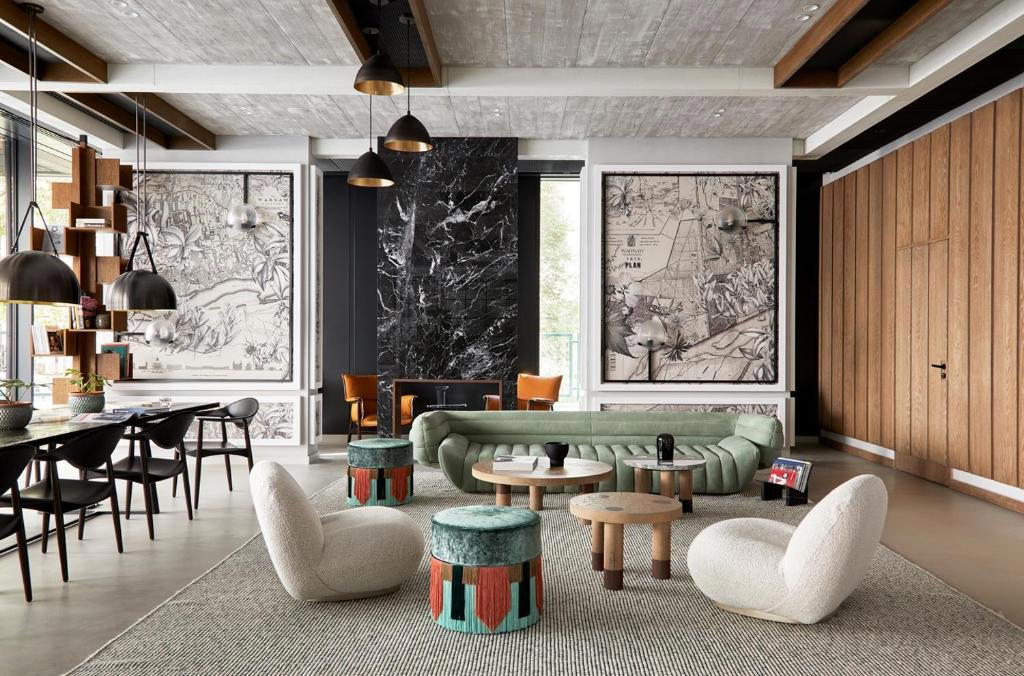
Elegant decor reminiscent of the 1920s and 1930s with cozy atmosphere, warm lighting, and emphasis on hospitality.
Know Before You Go
- Getting there
- aleja Jana Chrystiana Szucha 17, 00-582 Warszawa, Poland