Relais des lacs
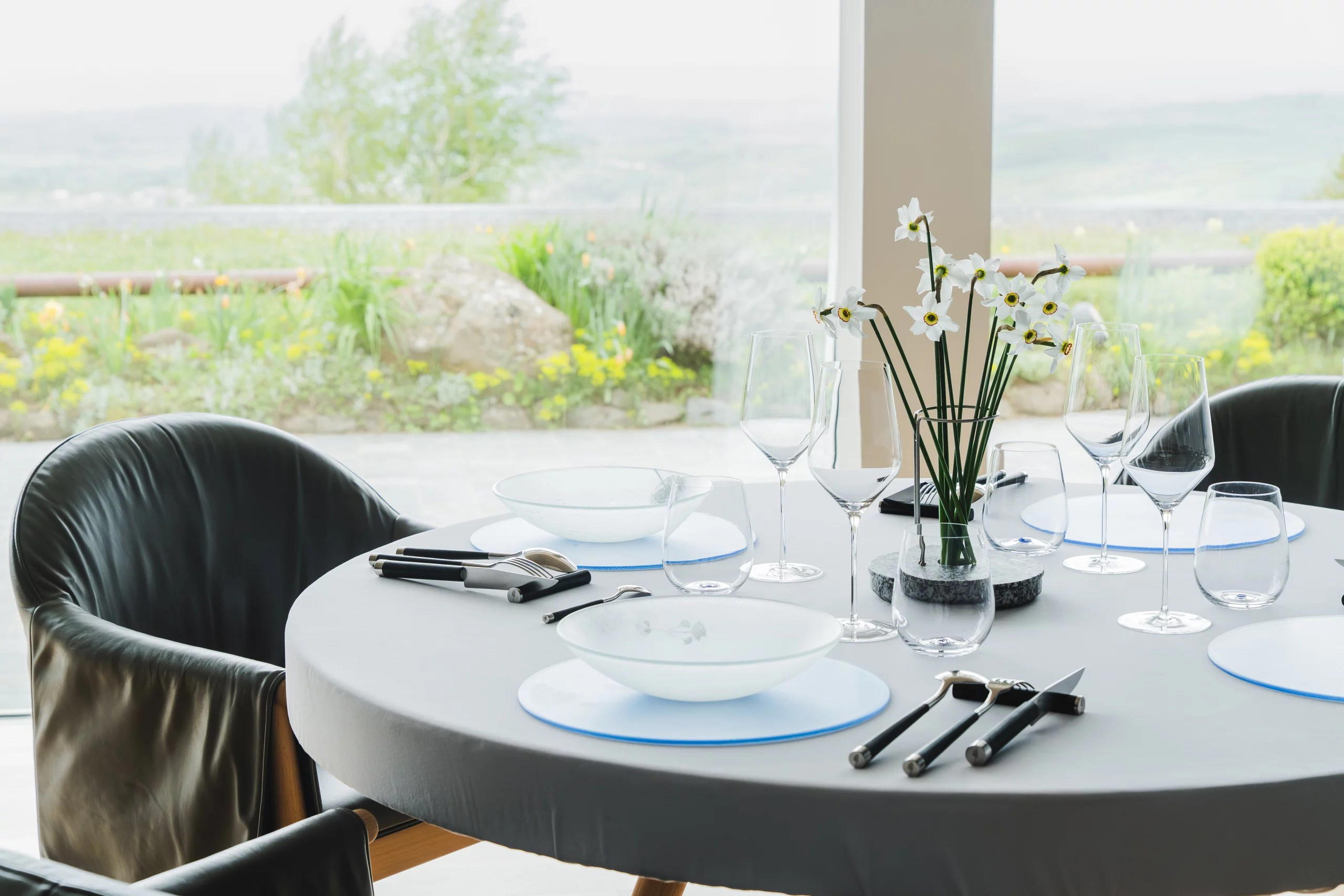
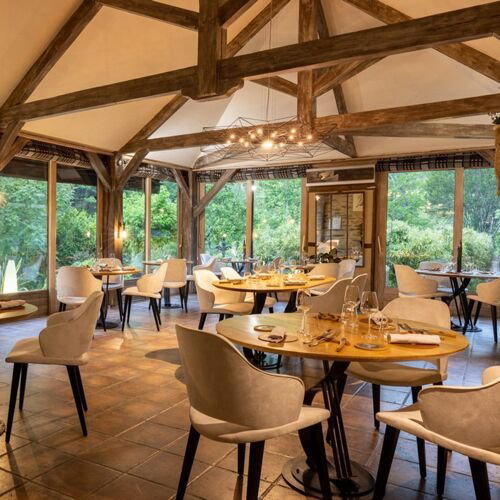
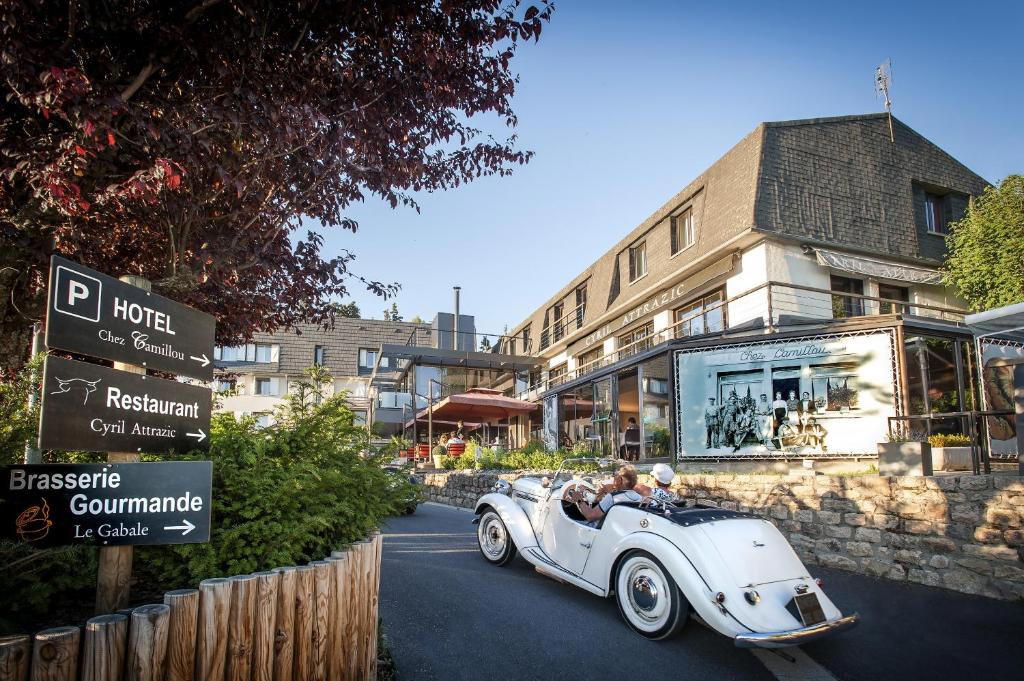
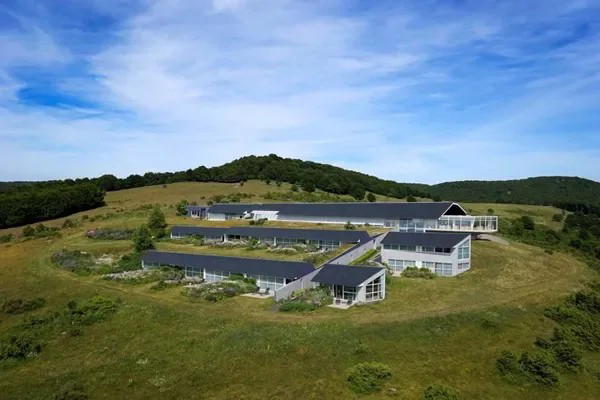
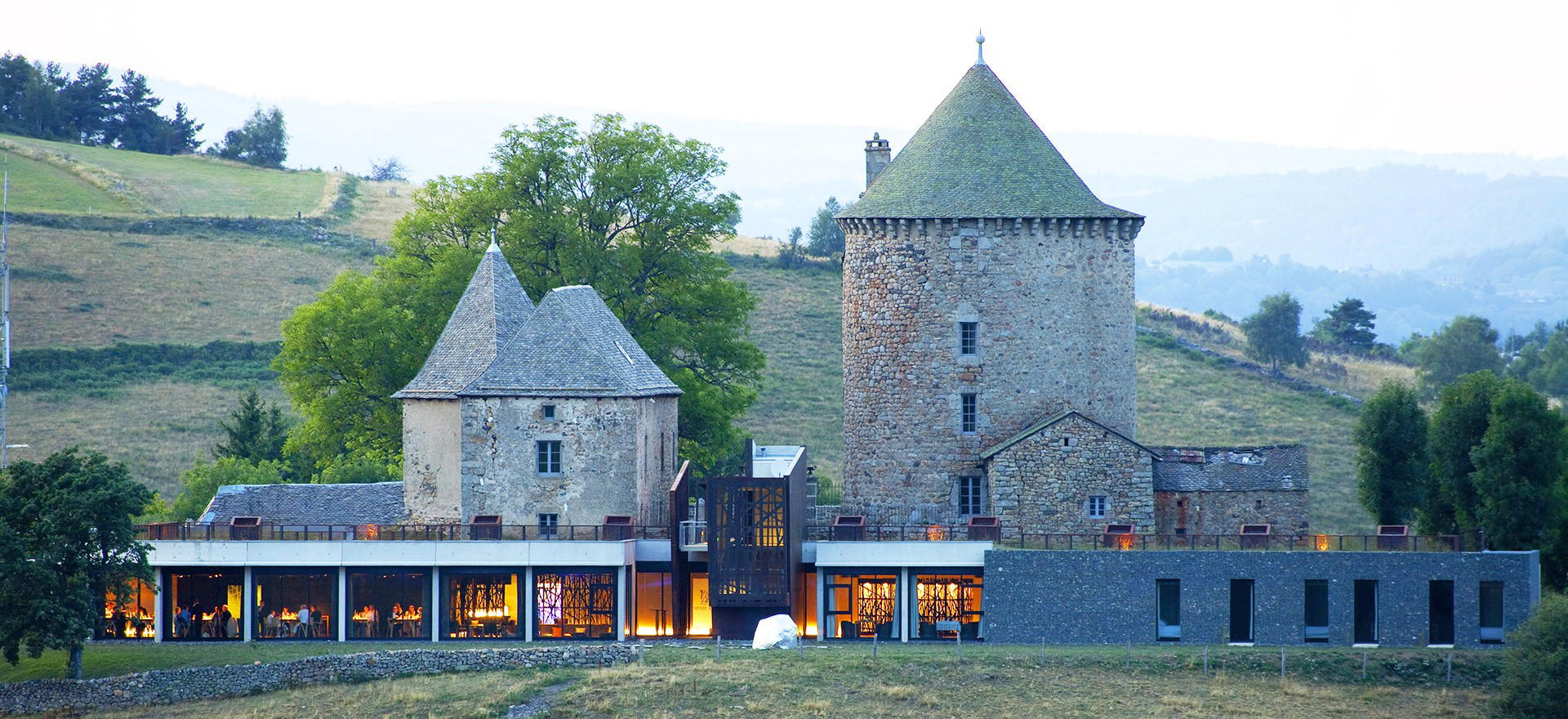
Relais des lacs serves traditional French Aubrac regional cooking in a historic building with terrace seating and mountain views.
Pearl is the En Primeur Club membership app — saves, bookings, and concierge access live there. Same editors, same standards.
- Address
- Bonnecombe, 48100 Les Salces, France
- Phone
- +33466326178
- Website
- relais-des-lacs.fr
- Directions
- Get directions
 Saves & bookings on Pearl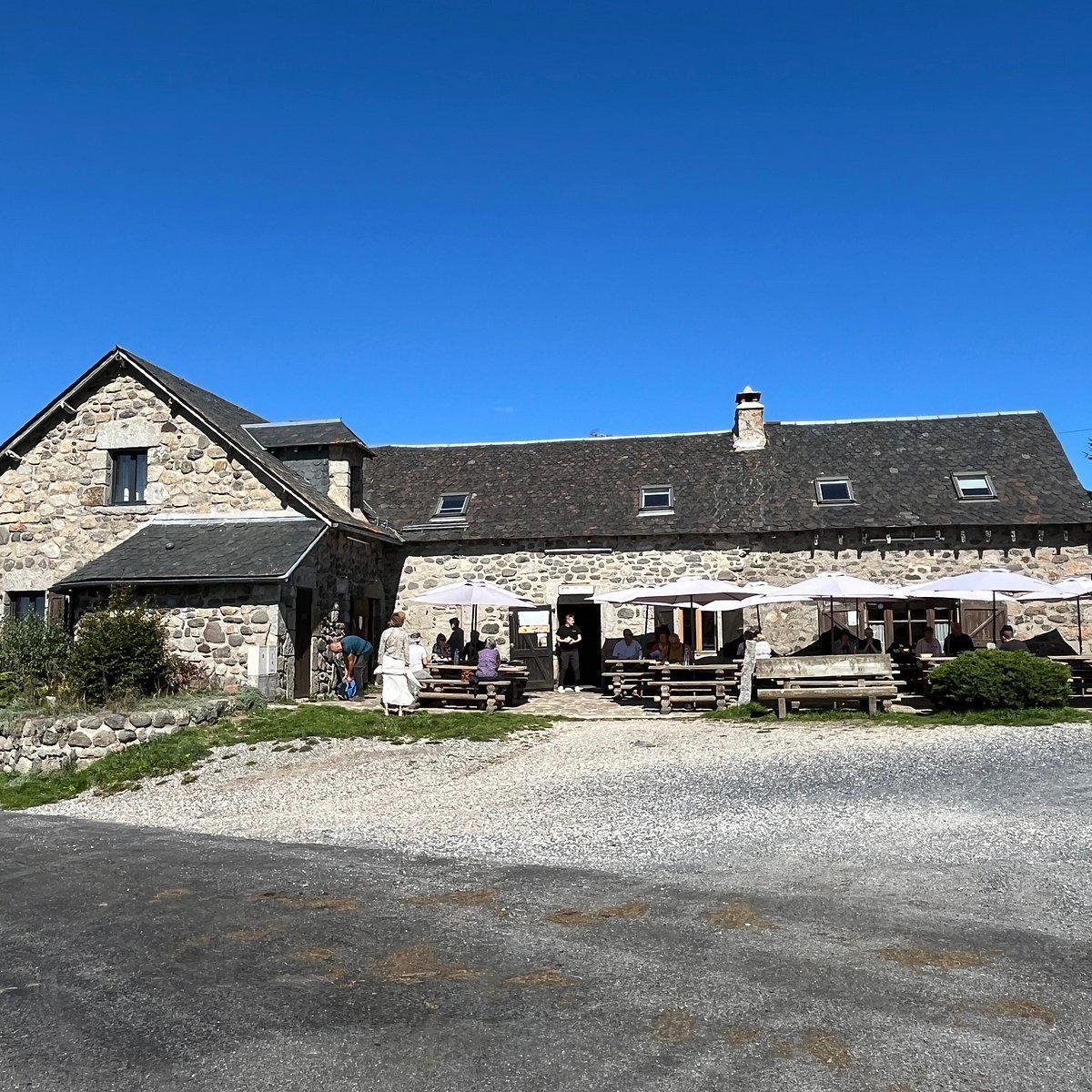
Lozère at the Table: Dining in Deep Rural France
The plateau country of the Lozère sits at an altitude most French departments never reach, and it filters visitors accordingly. The roads narrow as you climb, the mobile signal drops, and by the time Bonnecombe comes into view, a scattering of stone buildings in the commune of Les Salces, the city logic of tasting menus and restaurant weeks feels remote in every sense. This is the France where the cooking tradition runs through farmhouse kitchens rather than culinary institutes, and where sourcing isn't a marketing position but a practical necessity shaped by geography. Relais des lacs sits in that context, on the Bonnecombe address that places it squarely in one of France's least-populated and most agriculturally self-sufficient corners.
For readers used to calibrating French dining against the reference points of Alléno Paris au Pavillon Ledoyen in Paris or Mirazur in Menton, a property like Relais des lacs operates on an entirely different axis. The relevant comparison isn't culinary ambition measured in Michelin stars; it's the tradition of the French auberge, the inn that feeds you because you are there and there is nowhere else, and that feeds you well precisely because the surrounding land is generous and the supply chain is short.
Why the Lozère Sourcing Model Matters
France's most celebrated rural restaurants have long made a case that distance from urban supply chains is an advantage, not a limitation. Bras in Laguiole, roughly 80 kilometres southwest of Les Salces in the Aveyron, built its entire culinary identity around the volcanic plateau, the gargouillou of wild herbs and garden vegetables became a statement about what proximity to land produces when a kitchen takes that proximity seriously. That model, of the restaurant as an extension of its immediate territory, is the strongest intellectual tradition in rural French cooking, and it runs through establishments far less celebrated than Bras.
In the Lozère specifically, the raw material case is credible. The department is home to some of France's most traceable livestock farming: Aubrac cattle graze the high plains to the west, sheep for the Pélardon and Laguiole cheese lineages dot the causse country, and the rivers carry trout that don't travel far before they reach the table. A rural auberge in this region inherits a sourcing model that functions not because of chef ideology but because the local producers exist, the relationships are direct, and the alternatives require driving hours on roads that aren't built for refrigerated trucks. Compare this to the sourcing challenges facing urban kitchens like Le Bernardin in New York City, where supply chain management is itself a discipline, and the structural difference becomes clear.
The auberge format, and Relais des lacs, at Bonnecombe in the commune of Les Salces, fits squarely within it, anchoring its menu to whatever is seasonal and local as an operating reality. That constraint, when the terroir is as varied and productive as the Lozère's, tends to produce cooking that is specific in a way that no amount of ingredient importing can replicate. The mushroom gathered from the chestnut forest above the valley doesn't taste like the cultivated equivalent shipped from a distribution centre, and the kitchen that receives it the same morning it was picked works with something fundamentally different from what most urban restaurants handle.
The Auberge Format in Rural France
The rural French auberge occupies a category that the international fine dining circuit has never adequately mapped. It isn't a bistro, it isn't a gastro destination in the mould of Flocons de Sel in Megève or Auberge de l'Ill in Illhaeusern, and it isn't a hotel restaurant in any corporate sense. It is, at its most functional, a place that combines accommodation with a kitchen that takes both roles seriously, where the reason to stay and the reason to eat are inseparable. Properties like Georges Blanc in Vonnas and Troisgros - Le Bois sans Feuilles in Ouches represent the end of that spectrum where it crosses into national monument territory, but the format's character comes from the simpler, more anonymous versions scattered through departments like the Lozère.
What distinguishes the auberge from a restaurant with rooms isn't the facilities, it's the social logic. The dining room is for guests, but it's also open to the area, so the table next to yours might be a cycling group from Lyon or a family from the next village who come every Sunday. That mixture, which urban restaurants engineer at considerable cost and usually fail to replicate, happens organically in a rural auberge because the geography makes it inevitable. There is no competitor down the street; there is only the road, the plateau, and the lake that gives a property like Relais des lacs its name.
Reaching Les Salces and Planning Around It
Les Salces is not on a main rail line, and the nearest train connections run through Mende, the Lozère's prefecture, which itself sits at the end of a branch line from Clermont-Ferrand or Montpellier. Car travel is the practical choice for most visitors, and the drive from Mende takes under an hour on roads that reward unhurried progress through the Lot valley and its tributaries. From Millau to the south, the approach crosses the limestone causses before dropping into the more forested country of the upper Lozère. Visitors combining this area with other rural French dining destinations might plot a route that includes Auberge du Vieux Puits in Fontjoncouse to the south or L'Oustau de Baumanière in Les Baux further into Provence, both of which share the rural-French-inn logic that restaurant operates within.
For a broader sense of where rural French cooking sits relative to the country's urban dining circuit, the contrast with coastal kitchens like Christopher Coutanceau in La Rochelle or La Marine in Noirmoutier-en-l'île is instructive: both traditions are emphatically French, both are sourcing-led, but the plateau and the Atlantic operate with entirely different ingredient vocabularies. That specificity of place is what the Lozère offers, and what a property at Bonnecombe in Les Salces is positioned to express. Comparable rural destinations like AM par Alexandre Mazzia in Marseille, Assiette Champenoise in Reims, Au Crocodile in Strasbourg, Paul Bocuse in Collonges-au-Mont-d'Or, and Atomix in New York City each demonstrate, in their own register, how a strong sense of place and sourcing discipline can define a dining identity more durably than trend or format alone.
Quick Comparison
Comparable venues nearby, for context on price, style, and recognition.
| Venue | Cuisine | Price | Notes |
|---|---|---|---|
| Relais des lacsThis venue — the venue you are viewing | Traditional French Aubrac Regional | $$$ | Not listed |
| Le Petit Canard | Traditional French Duck Bistro | $$$ | 9th arrondissement |
| Restaurant Le Carré D'Art | Traditional French Provençal | $$$ | Nimes |
| L'Amarette | Traditional French Seafood | $$$ | Port-Camargue |
| Amphitryon Capucine | Gastronomic French Regional | $$$ | city center |
| Le Regimbal | Traditional French Aubrac Regional Cuisine | $$ | Peyre En Aubrac |
Continue exploring
More in Les Salces
Restaurants in Les Salces
Browse all →
At a Glance
- Rustic
- Scenic
- Cozy
- Family
- Casual Hangout
- Terrace
- Historic Building
- Local Sourcing
- Mountain
Current opening hours
- Monday
- Closed
- Tuesday
- Closed
- Wednesday
- 9 AM–3 PM
- Thursday
- 9 AM–3 PM
- Friday
- 9 AM–3 PM
- Saturday
- 9 AM–3 PM, 7:30 PM–12 AM
- Sunday
- 9 AM–4 PM
Hours can change for holidays and private events. Last verified .
Rustic and cozy country inn atmosphere with mountain views from terrace and calm, verdoyant surroundings.