Amphitryon Capucine
Our verdict
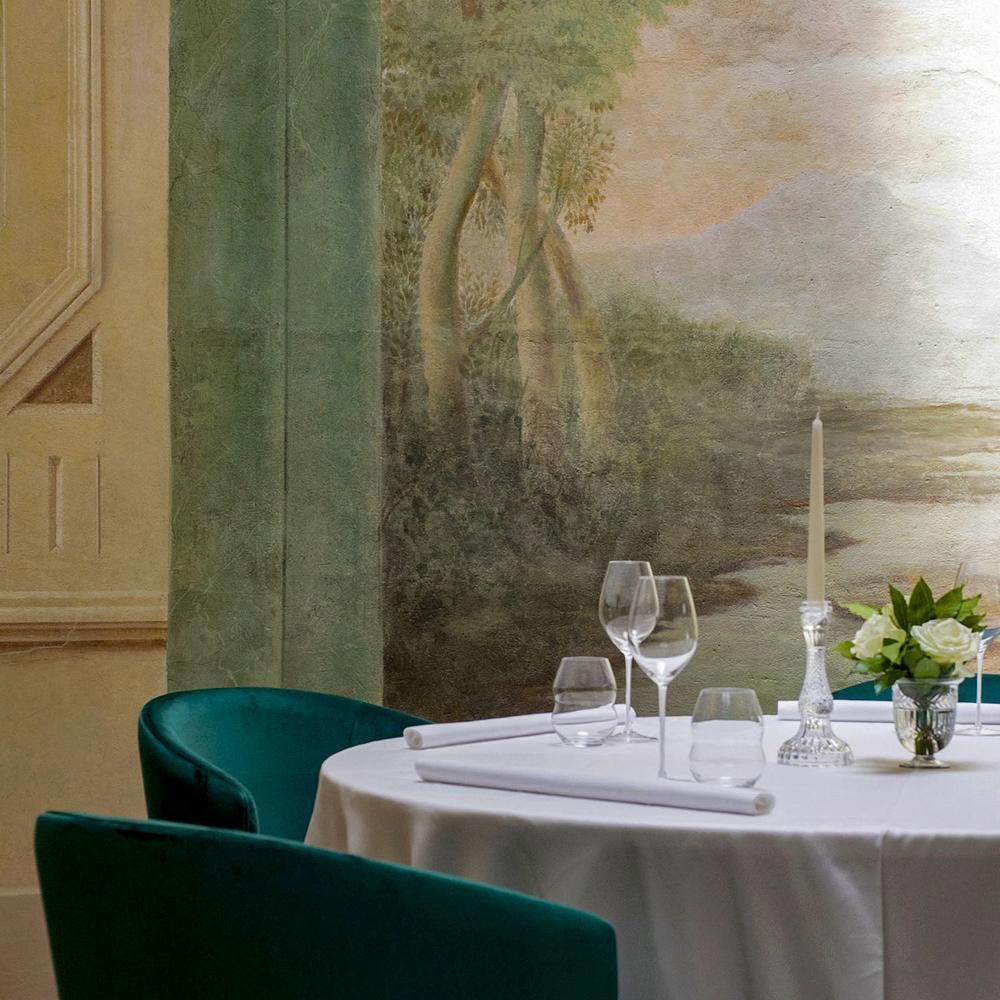
On Rue Fontgieve in central Clermont-Ferrand, Amphitryon Capucine represents the kind of address that sits at the serious end of the city's restaurant spectrum — where Auvergne's volcanic-plateau larder meets a kitchen operating with discipline and intent. For visitors who want to understand what French regional cooking looks like when it takes its own terroir seriously, this is a table worth planning around.

Pearl is the En Primeur Club membership app — saves, bookings, and concierge access live there. Same editors, same standards.
- Address
- 50 Rue Fontgieve, 63000 Clermont-Ferrand, France
- Phone
- +33473313839
- Hours
- Mon ClosedTue–Sat 12–2 PM, 7–9:30 PMSun Closed
- Website
- amphitryoncapucine.com
- Directions
- Get directions
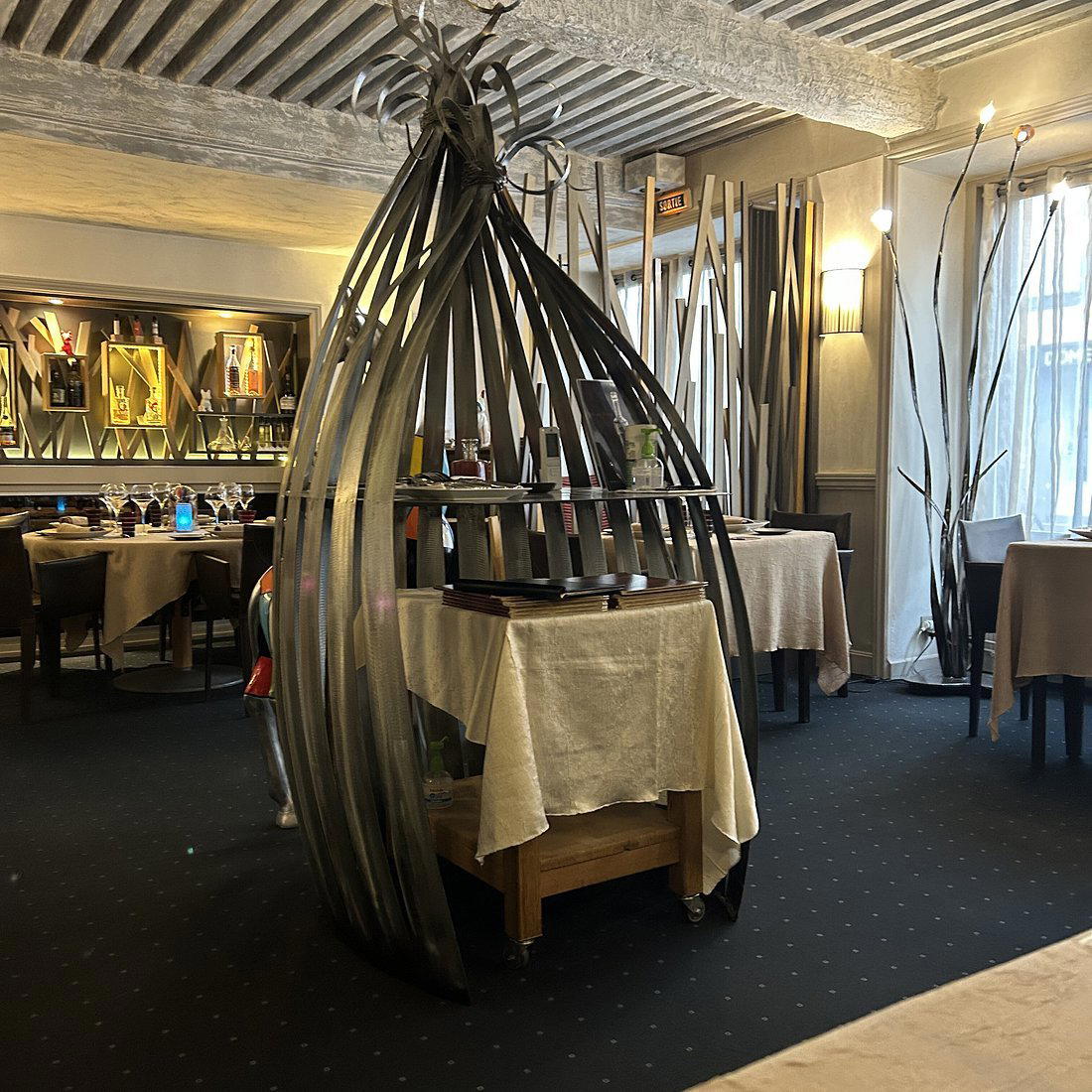
The menu
What to order
- House-smoked organic salmon
- Roasted veal sous-noix with morel mushrooms
Where Auvergne's Larder Meets the Table
Clermont-Ferrand occupies an unusual position in the French dining conversation. A mid-sized city built on the edge of the Massif Central's volcanic plateau, it is surrounded by one of the most distinctive agricultural territories in the country — lentilles vertes du Puy, Cantal and Salers cheese, Charolais cattle grazing at altitude, rivers running cold enough for serious trout. Yet the city itself rarely features in the shortlist discussions that dominate French fine-dining coverage, which tends to cluster around Paris, Lyon, and the Atlantic coast. That gap between raw material quality and critical visibility is precisely where a restaurant like Amphitryon Capucine finds its logic. Situated at 50 Rue Fontgieve in the centre of the city, it operates in a culinary register that takes the Auvergne's produce seriously rather than treating it as a regional novelty.
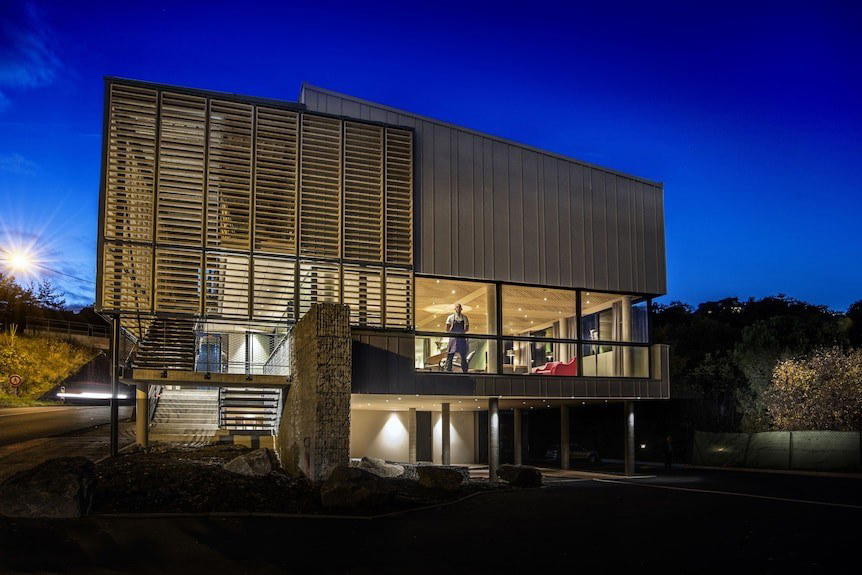
The address on Rue Fontgieve places the restaurant within reach of Clermont's historic core, in a part of the city where the black lava-stone architecture — the basalt quarried from the surrounding Chaîne des Puys, gives the streetscape a specific gravity that few French provincial cities can match. Arriving on foot from the Place de Jaude, the shift from commercial thoroughfare to quieter residential streets is noticeable in under five minutes. Dining in this context is not a destination-resort proposition; it is a city-centre meal with the full weight of an agricultural region behind it.
The Sourcing Logic of Massif Central Cooking
French haute cuisine has spent the better part of two decades in conversation with terroir, but the Massif Central's case is structurally different from, say, Provence or Alsace. The region's altitude and volcanic soil produce ingredients that are harder to substitute and easier to misuse. Salers beef, for instance, carries a depth that reflects both breed and grazing conditions at elevation, a kitchen that sources it correctly and handles it with restraint is making a different argument than one deploying it as a premium label. The same applies to the region's cheeses, to the volcanic-spring-fed river fish, and to the autumn fungi that emerge from forests that see relatively little foraging pressure compared with better-publicised regions.
This is the competitive context in which Clermont's more serious restaurants operate. Across the city's dining tier, addresses like Bouillon Clermont, En/Vie, and L'Alambic each make their own argument about what this region's produce is worth. Amphitryon Capucine sits in that conversation rather than apart from it, a restaurant whose relevance depends on the same underlying question: what does a serious kitchen do with exceptional raw materials that the wider world still undervalues? For a broader survey of the city's options, our full Clermont-Ferrand restaurants guide maps the range from casual to formal.
A Regional Table in National Context
The wider French fine-dining map provides useful calibration. At the far end of the regional-provenance argument sit addresses like Bras in Laguiole, which has spent decades making a philosophically grounded case for the Aubrac plateau's plant life and livestock, a case compelling enough to attract international attention without ever abandoning its geographic specificity. Closer to Clermont in spirit, Troisgros in Ouches demonstrates what a multigenerational French kitchen looks like when it integrates local sourcing into a technically sophisticated format. Further afield, Flocons de Sel in Megève shows how Alpine terroir can anchor a restaurant at the highest formal level. What unites these addresses is a sourcing commitment that precedes and outlasts any single menu cycle.
Amphitryon Capucine belongs to that tradition of regional seriousness without operating at the same scale or visibility. It is a city restaurant, not a destination in the rural-pilgrimage sense. That is a meaningful distinction: it means the kitchen is cooking for a local clientele with informed expectations rather than for travelling food tourists arriving with a checklist. Some of the most consistent cooking in provincial France happens in exactly this format, which is why addresses like Auberge de l'Ill in Illhaeusern and Les Prés d'Eugénie in Eugénie-les-Bains have maintained their standing across generations: they answer to a place, not to a trend cycle.
For comparison across different formats and scales, Alléno Paris au Pavillon Ledoyen and Paul Bocuse - L'Auberge du Pont de Collonges represent what happens when French regional identity scales to institutional status. At the international level, Mirazur in Menton, Le Bernardin in New York City, and Lazy Bear in San Francisco demonstrate that sourcing-led cooking is a global conversation, not a French monopoly. Georges Blanc in Vonnas and La Table du Castellet round out the picture of how regional French seriousness translates across different territories and formats. Among more casual options in Clermont, Dadino Pizze and Delipapa serve as useful reference points for the city's more accessible register.
Planning a Visit
The restaurant is located at 50 Rue Fontgieve, 63000 Clermont-Ferrand, in walking distance of the city's central transport links. Clermont is served by Clermont-Ferrand Auvergne Airport with connections to Paris and a small number of European cities, and by TGV from Paris Gare de Lyon in approximately three hours. For visitors approaching from the north, the A71 autoroute deposits you at the city's periphery within minutes of the centre. Given the limited volume of international coverage the restaurant receives, the booking window is likely to be more accessible than comparable addresses in Lyon or Paris, though weekend tables at restaurants operating at this level in French provincial cities do fill ahead, and a reservation made several weeks in advance is the practical baseline.
Frequently asked questions
What part of town is Amphitryon Capucine in?
Amphitryon Capucine is located at 50 Rue Fontgieve, 63000 Clermont-Ferrand, France, Clermont Ferrand.
Is Amphitryon Capucine a good choice for experiencing authentic Auvergne cuisine in Clermont-Ferrand?
For visitors specifically seeking a table rooted in the Massif Central's culinary identity rather than a generic French fine-dining menu, Amphitryon Capucine's location at 50 Rue Fontgieve in central Clermont-Ferrand positions it as a natural first reference. Auvergne's regional larder — volcanic soils, AOC-protected cheeses, Salers and Aubrac cattle — gives kitchens here a sourcing vocabulary that differs structurally from Paris or Lyon. The city itself is accessible by TGV, making it a realistic stop for those tracking French regional cooking beyond the well-worn Burgundy and Basque circuits.
What dish is Amphitryon Capucine famous for?
The kitchen's identity is grounded in Auvergne's larder: volcanic-plateau produce, aged cheeses from the Massif Central, and the region's cattle-farming heritage.
How hard is it to get a table at Amphitryon Capucine?
Reservation availability is not published online at this time. For a restaurant of this standing in Clermont-Ferrand's relatively compact fine-dining scene, booking in advance is the sensible approach, particularly for weekend evenings. Contacting the restaurant directly via the address at 50 Rue Fontgieve, 63000 Clermont-Ferrand, is the most reliable route.
What do critics highlight about Amphitryon Capucine?
Critical documentation for Amphitryon Capucine is not consolidated in a single public record, but the restaurant operates in a regional context that has drawn sustained attention: Clermont-Ferrand sits within the Auvergne-Rhône-Alpes zone that includes Michelin-recognised addresses referencing the Massif Central's produce. The kitchen's positioning within that conversation, drawing on local terroir rather than imported prestige ingredients, is the quality most consistently associated with serious regional French tables of this type.
Fast Comparison
Comparable venues nearby, for context on price, style, and recognition.
| Venue | Cuisine | Price | Awards | Notes |
|---|---|---|---|---|
| Amphitryon CapucineThis venue — the venue you are viewing | Gastronomic French Regional | $50–100 | Not listed | Not listed |
| la Table du Puy | French Gourmet Bistro | $30–50 | Not listed | Centre Historique (Historic Center) |
| Delipapa | French Comfort Food | $20–30 | Not listed | Brézet |
| Bouillon Clermont | Traditional French Bouillon | $10–20 | Not listed | Clermont-Ferrand center |
| Le Sonney | Modern French Gastronomic | $50–100 | Michelin Plate | Place de Jaude |
| L'Alambic | Traditional Auvergne Bistro | $50–100 | Not listed | Clermont-Ferrand |
Continue exploring
More in Clermont-Ferrand
Restaurants in Clermont-Ferrand
Browse all →
Bars in Clermont-Ferrand
Browse all →
Details
- Elegant
- Intimate
- Sophisticated
- Date Night
- Special Occasion
- Private Dining
- Local Sourcing
- A La Carte
- Vegetarian Friendly
Current opening hours
- Monday
- Closed
- Tuesday
- 12–2 PM, 7–9:30 PM
- Wednesday
- 12–2 PM, 7–9:30 PM
- Thursday
- 12–2 PM, 7–9:30 PM
- Friday
- 12–2 PM, 7–9:30 PM
- Saturday
- 12–2 PM, 7–9:30 PM
- Sunday
- Closed
Hours can change for holidays and private events. Last verified .
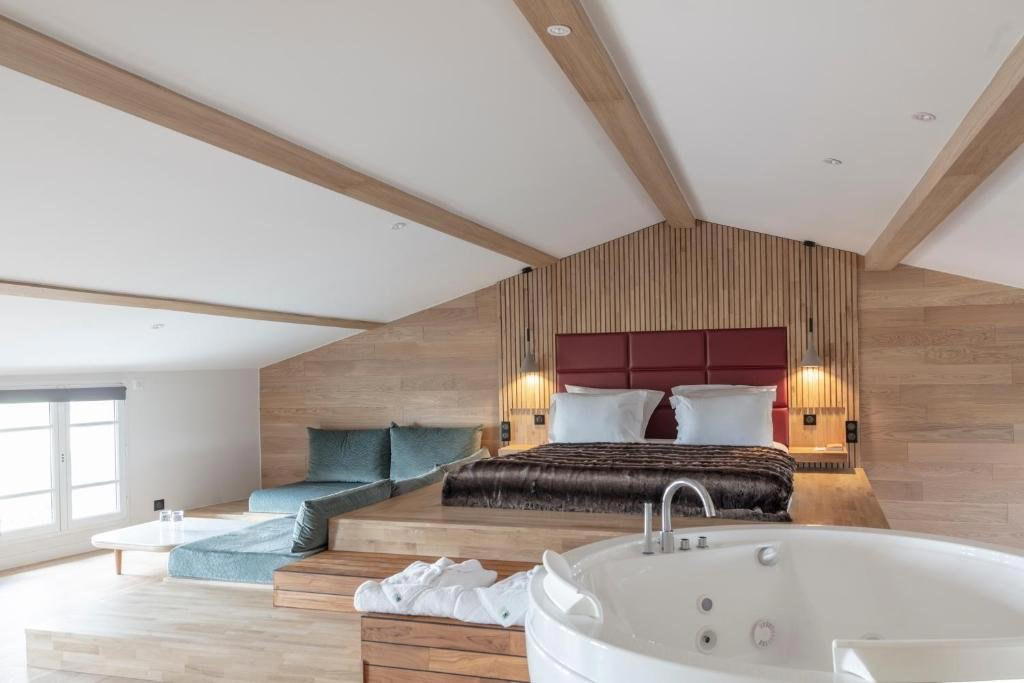
Calm, hushed atmosphere with refined, warm intimacy.