L'Amarette

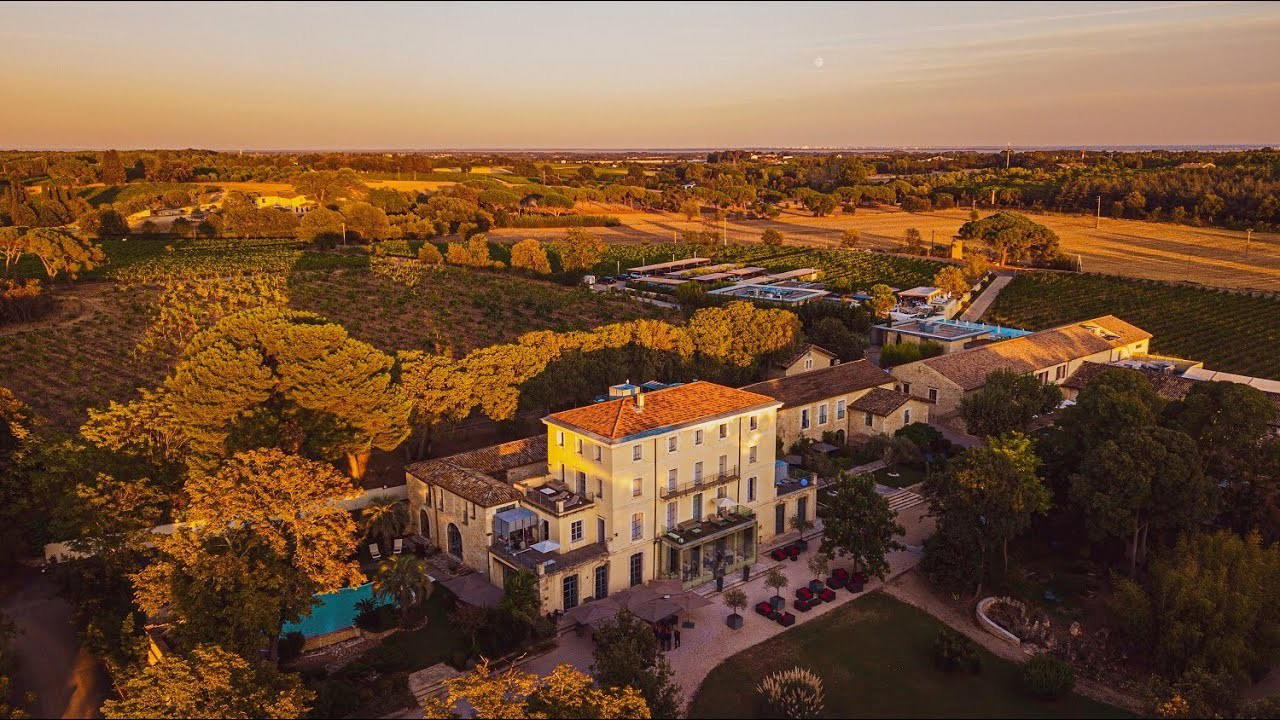
L'Amarette sits on Avenue Jean Lasserre in Le Grau-du-Roi, the working fishing port at the mouth of the Petit Rhône on France's Languedoc coast. The town's position between the Camargue wetlands and the Mediterranean defines what ends up on local tables, and L'Amarette draws from that geography in a coastal setting where the catch often moves from boat to kitchen the same morning.
Pearl is the En Primeur Club membership app — saves, bookings, and concierge access live there. Same editors, same standards.
- Address
- 8 Av. Jean Lasserre, 30240 Le Grau-du-Roi, France
- Phone
- +33466514763
- Website
- lamarette.fr
- Directions
- Get directions
 Saves & bookings on Pearl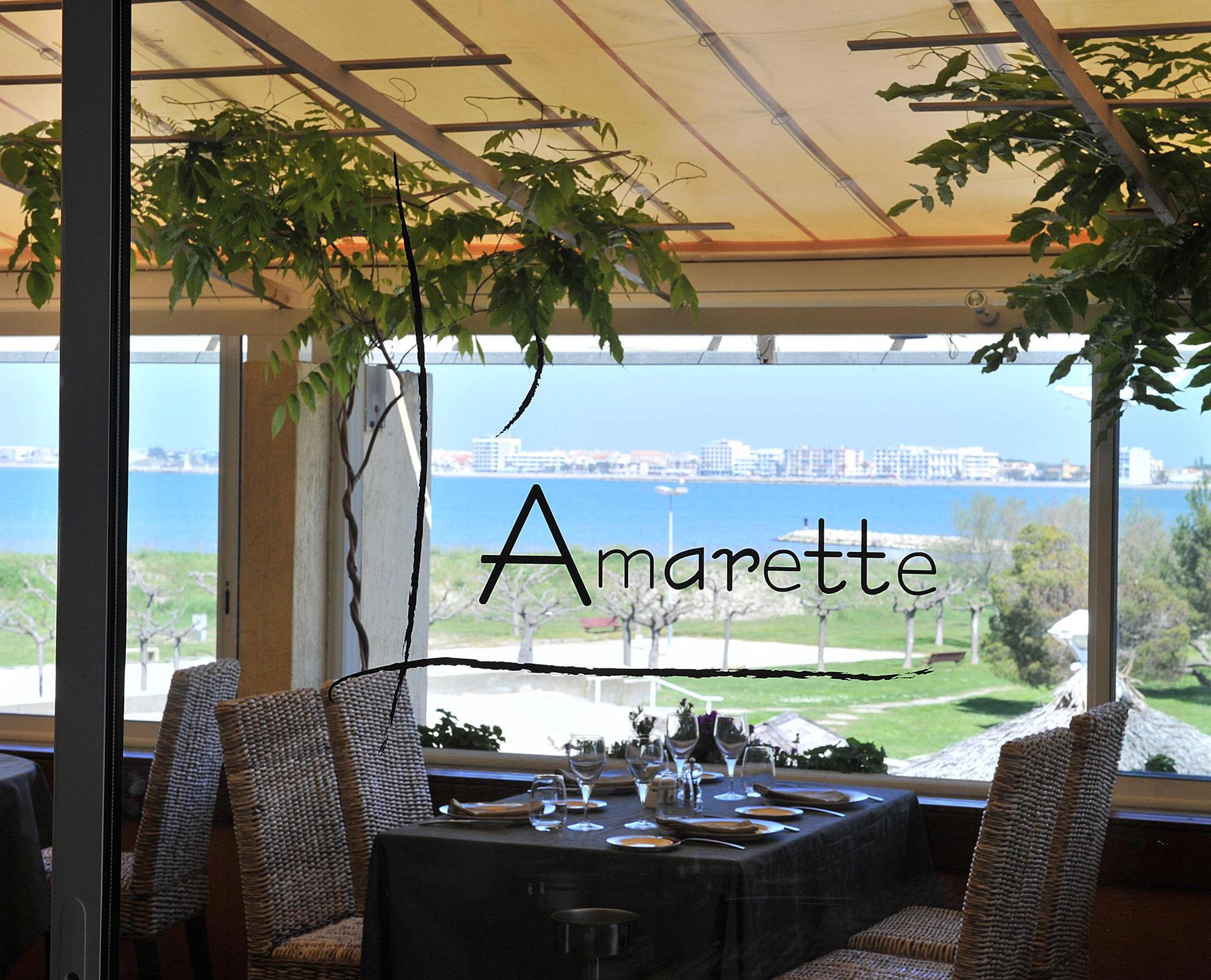
Where the Camargue Meets the Mediterranean Table
Le Grau-du-Roi occupies a specific and underappreciated position in the French coastal dining conversation. It is a genuine working port, not a resort town retrofitted with fishing imagery, and that distinction shapes everything about what restaurants here can plausibly put on a plate. The town sits at the mouth of a canal linking the Mediterranean to the inland lagoons of the Camargue, which means the ingredient geography is unusually layered: open-sea fish from the Gulf of Lion, lagoon-raised shellfish and eels from the brackish étangs, and the wild herbs and grasses of one of Europe's last large river deltas pressing in from the west. For a restaurant like L'Amarette, on Avenue Jean Lasserre, that geography is the menu's foundation rather than its decoration.
The broader Languedoc-Roussillon coast has historically sat outside the circuits that send food tourists north to Christopher Coutanceau in La Rochelle or east toward AM par Alexandre Mazzia in Marseille. That relative obscurity has a practical upside: the local fishing industry has not been reshaped by premium-restaurant demand in the way that, say, Brittany's coastline has. The morning catch at Le Grau-du-Roi still largely serves the town itself, which keeps the supply chain short and the product honest. This is the supply logic that underpins the leading coastal cooking in southern France, and it is the context in which L'Amarette operates.
The Ingredient Logic of a Port Town
Southern French coastal cooking at its most direct is not about technique display. It is about compression: the fewer steps between sea and plate, the more the cooking has to answer for what the ingredient actually is. The Gulf of Lion yields sea bass, daurade, rouget, and various bream species, along with the smaller rockfish that form the base of bouillabaisse-adjacent preparations. The étangs between the coast and the Camargue interior produce tellines, the small bivalves that are a regional signature, along with mussels and the occasional flat oyster. These are not ingredients that travel well, which is precisely the point of eating them in a town like Le Grau-du-Roi rather than in Paris or Lyon.
That ingredient logic separates port-town restaurants across the Languedoc from the prestige coastal kitchens further along the French shore. A house like La Marine in Noirmoutier-en-l'île operates within a framework of accumulated critical attention and Michelin recognition that shapes its sourcing and presentation register entirely. Le Grau-du-Roi's restaurants, by contrast, operate without that overlay, which means the sourcing rationale tends to be practical rather than performative. The fish arrives because it was landed nearby, not because a supplier relationship was curated for a tasting menu narrative.
For visitors accustomed to the heavily mediated coastal dining of the Riviera, where provenance is often announced loudly and priced accordingly, this can require a recalibration. L'Amarette is a traditional French seafood restaurant in Le Grau-du-Roi, with a price point around $50 per person. The southern Languedoc coast asks you to read the quality in the ingredient itself rather than in the presentation apparatus around it. That recalibration is, for many travellers, the point.
Approaching L'Amarette
Avenue Jean Lasserre runs through Le Grau-du-Roi's port quarter, close enough to the water that the ambient sounds of the working harbour carry. The town's character here is functional rather than scenic in the polished sense: fishing boats moored practically, the infrastructure of a port that still earns its living, shops and restaurants oriented toward local trade as much as seasonal visitors. This is not the manicured waterfront of Cap d'Antibes or the theatrical port scenography of Cassis. It is closer in feeling to the working-port dining contexts you find in the Basque country or in the less-visited parts of the Brittany coast, where the restaurant earns authority from proximity to the source rather than from design investment.
That atmosphere positions the restaurant within a recognisable European tradition of harbour-adjacent restaurants whose value proposition rests on access rather than spectacle. Those settings tend to reward visitors who arrive with context about what the local waters produce and when, rather than those expecting the full technical apparatus of contemporary French fine dining. The Languedoc coast in high summer means tellines and grilled fish. In cooler months, the catch composition shifts and the cooking often follows.
Le Grau-du-Roi in the Wider French Restaurant Conversation
To understand where a restaurant like L'Amarette sits, it helps to hold the full range of French dining in mind. At one end of the spectrum, you have houses like Alléno Paris au Pavillon Ledoyen, where the extraction and concentration of regional ingredients is itself the intellectual project, or Mirazur in Menton, where garden-to-plate sourcing operates inside a heavily theorised creative framework. Further along the axis, you find the deep-rooted classicism of Auberge de l'Ill in Illhaeusern or the landscape-driven cooking of Bras in Laguiole, where terroir is inseparable from the restaurant's identity.
Port-town restaurants like L'Amarette occupy a different register altogether. They are not in competition with Troisgros or Flocons de Sel in Megève, nor are they trying to be. Their comparable set is the category of restaurants that derive authority from a specific geographic accident, namely that the boat docks nearby and the kitchen is close enough to take delivery the same morning. For travellers who have already worked through the prestige end of the French dining canon, these are often the meals that linger longest, precisely because the ingredient has nowhere to hide and the cooking's job is simply not to get in its way. You can see the same principle at work in the fishing-port kitchens that inform the approach of celebrated coastal tables like Paul Bocuse's foundational river-sourced menus or the Atlantic-focused cooking at Auberge du Vieux Puits in Fontjoncouse, the latter drawing from the Corbières terrain that shares a broad regional identity with Le Grau-du-Roi's Languedoc context. See our full Le Grau Du Roi restaurants guide for how the restaurant sits among the town's broader dining options.
Planning Your Visit
Le Grau-du-Roi is accessible by road from Nîmes, roughly 30 kilometres to the north, and from Montpellier to the west via the coastal route through La Grande-Motte. The town sees its heaviest visitor traffic in July and August, when the port quarter fills and tables at the better-regarded restaurants become harder to secure without advance contact. Shoulder season, particularly late spring and early autumn, offers more space and a catch profile that many visitors find more interesting than the height-of-summer selection. The restaurant is located at 8 Avenue Jean Lasserre; specific hours, pricing, and booking arrangements should be confirmed directly.
At-a-Glance Comparison
Comparable venues nearby, for context on price, style, and recognition.
| Venue | Cuisine | Price | Awards | Notes |
|---|---|---|---|---|
| L'AmaretteThis venue — the venue you are viewing | Traditional French Seafood | $$$ | Not listed | Not listed |
| Le Spinaker | Gastronomic Seafood with Local Flavors | $$$ | Michelin Plate | Port Camargue |
| Bienheureux | Modern French seasonal tasting menu | $$$ | Not listed | Wasquehal |
| Comptoir De Vie | Modern French Tasting Counter-Bar | $$$ | Not listed | 2nd Arrondissement |
| Angus & Bacchus | French Steakhouse | $$$ | Not listed | Comédie |
| Gaudina | Provençal Bistro | $$$ | Not listed | Arles City Center |
Recognition history
Dated appearances from independent guides and award organizations, with the underlying list record or original source where available.
Michelin Plate
Michelin
Continue exploring
More in Le Grau-du-Roi
Restaurants in Le Grau-du-Roi
Browse all →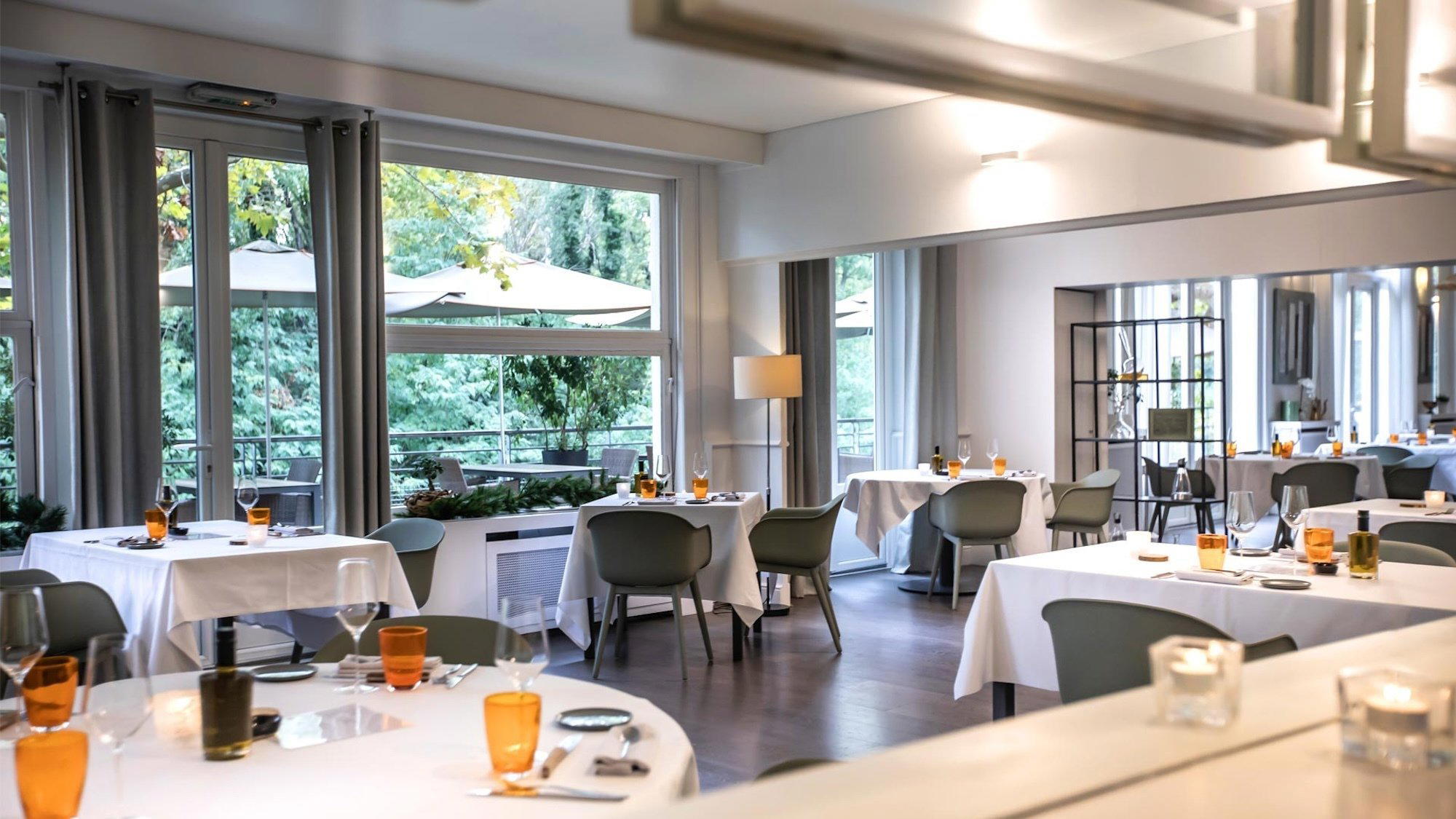
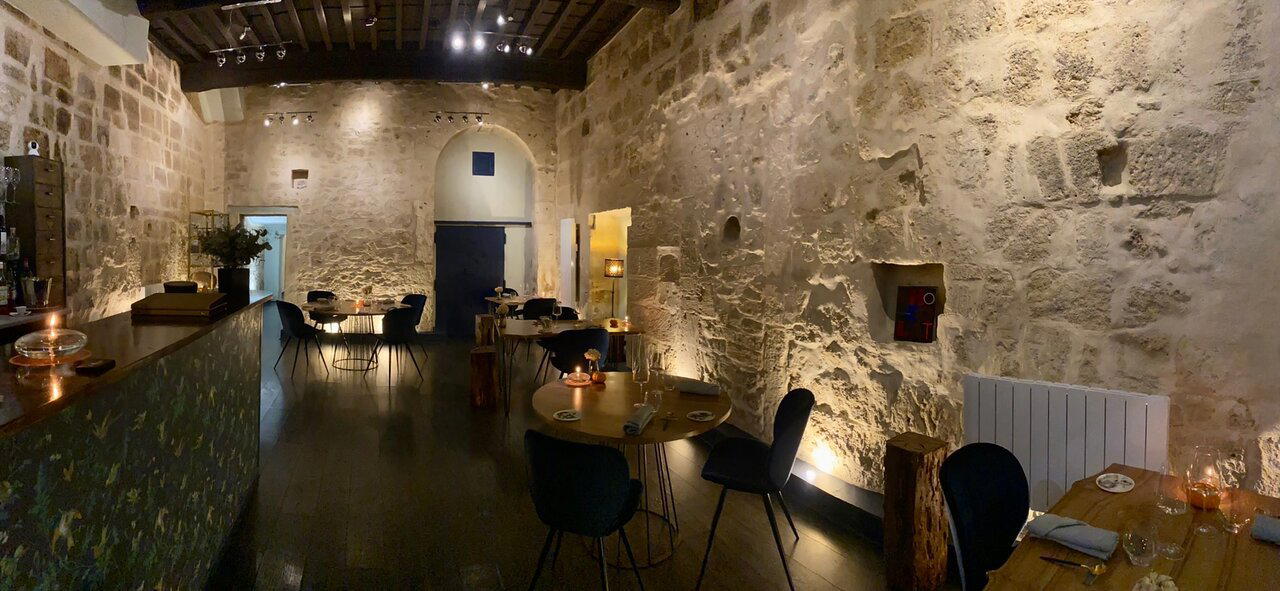
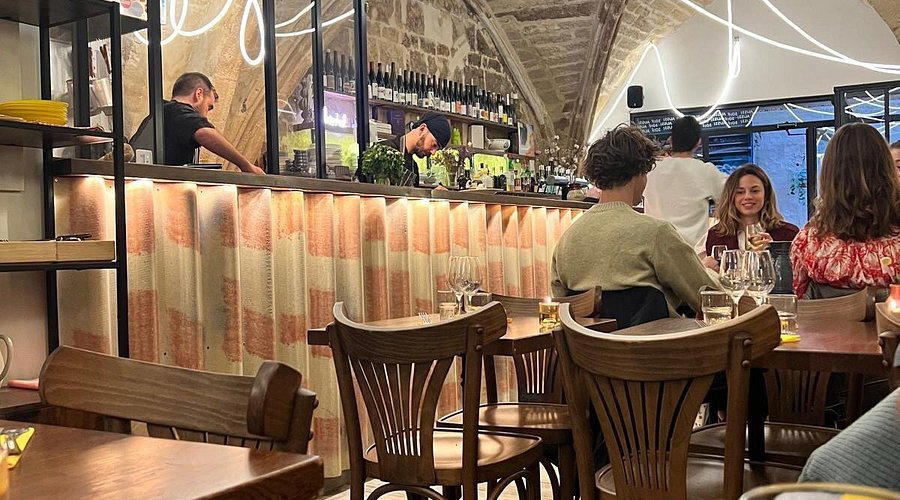
Bars in Le Grau-du-Roi
Browse all →
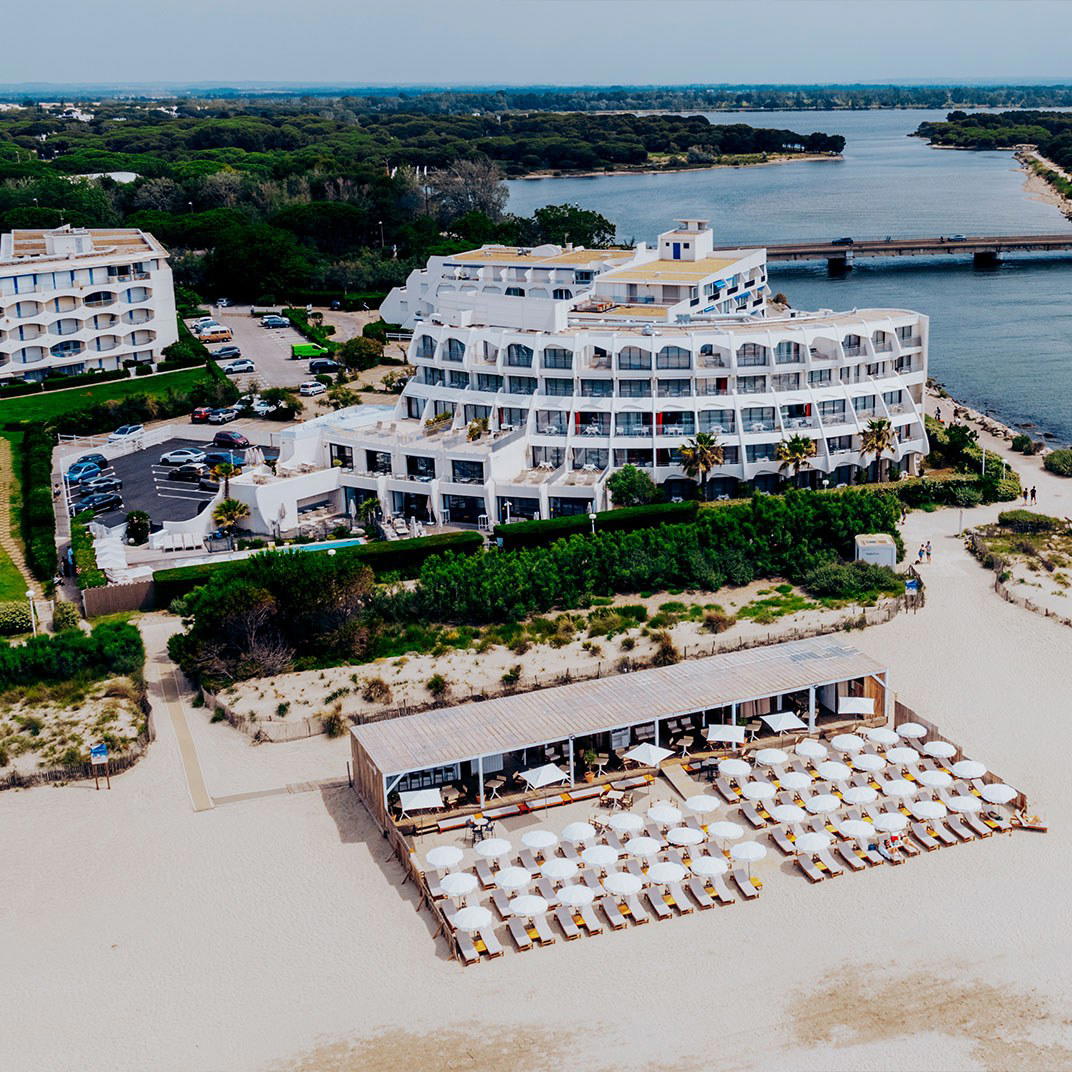
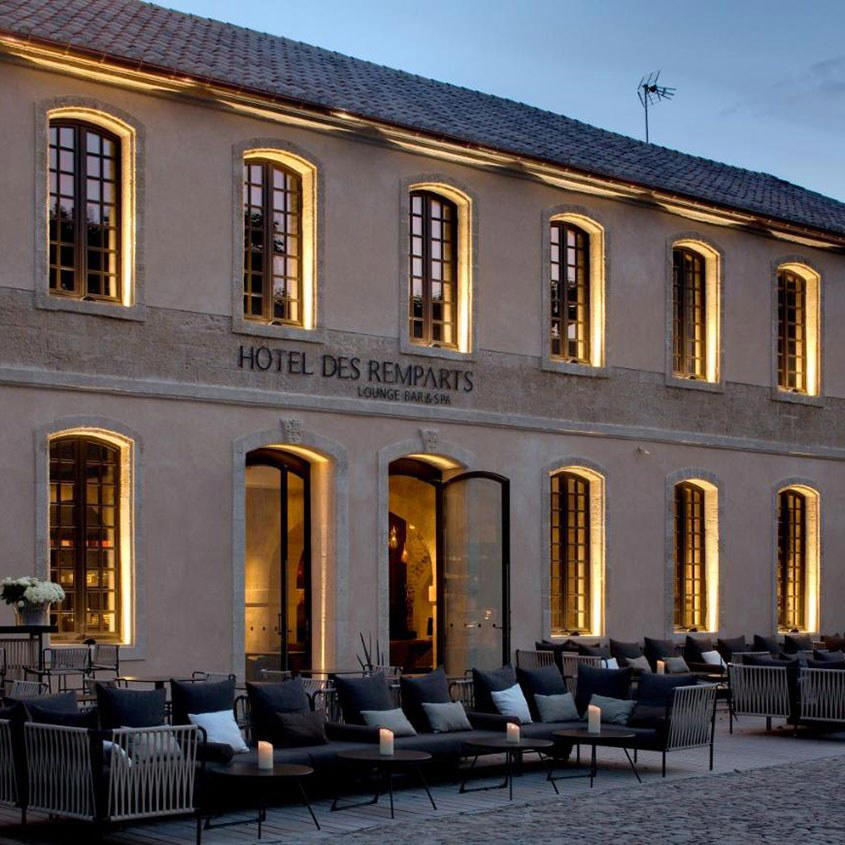
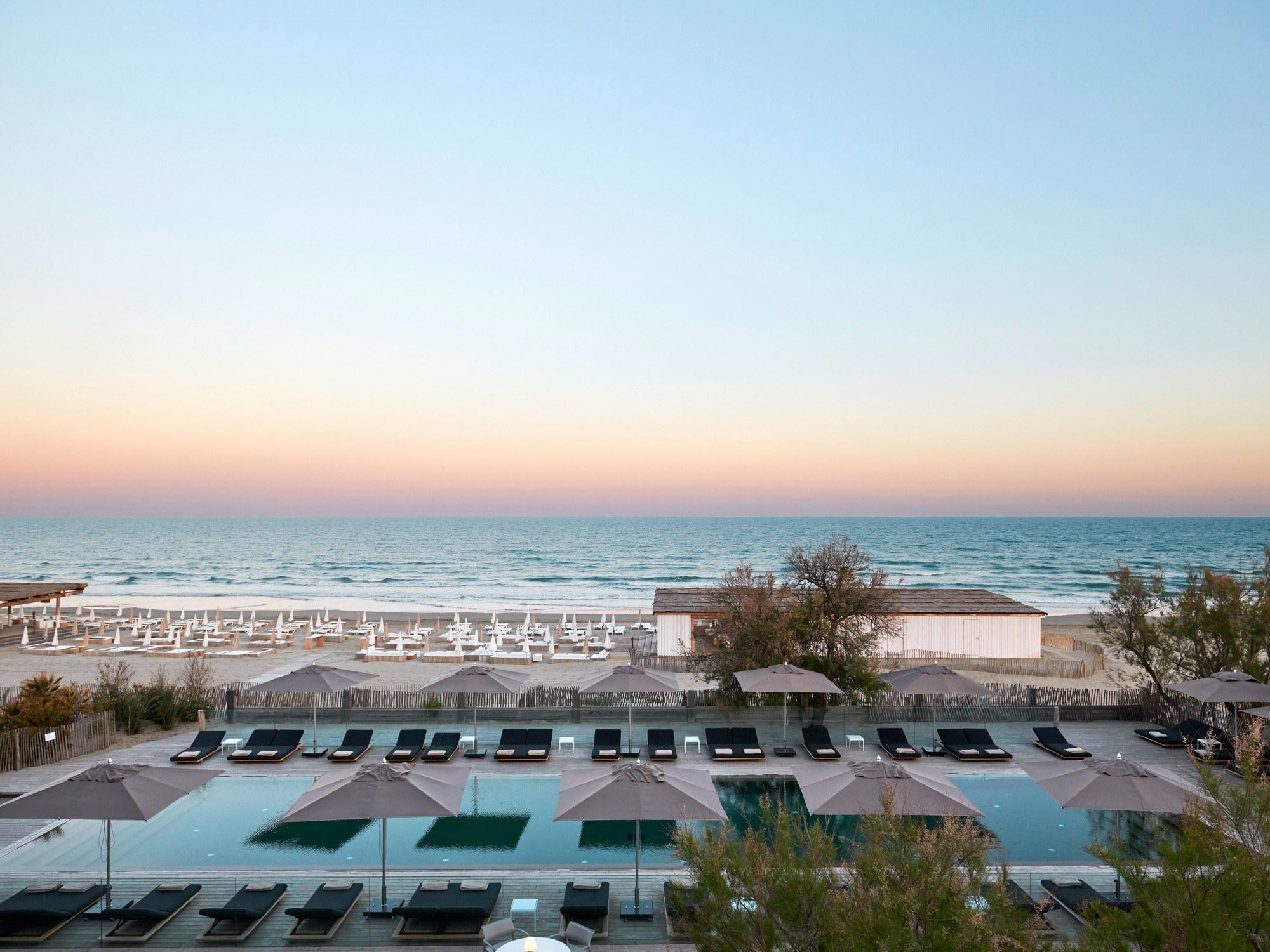
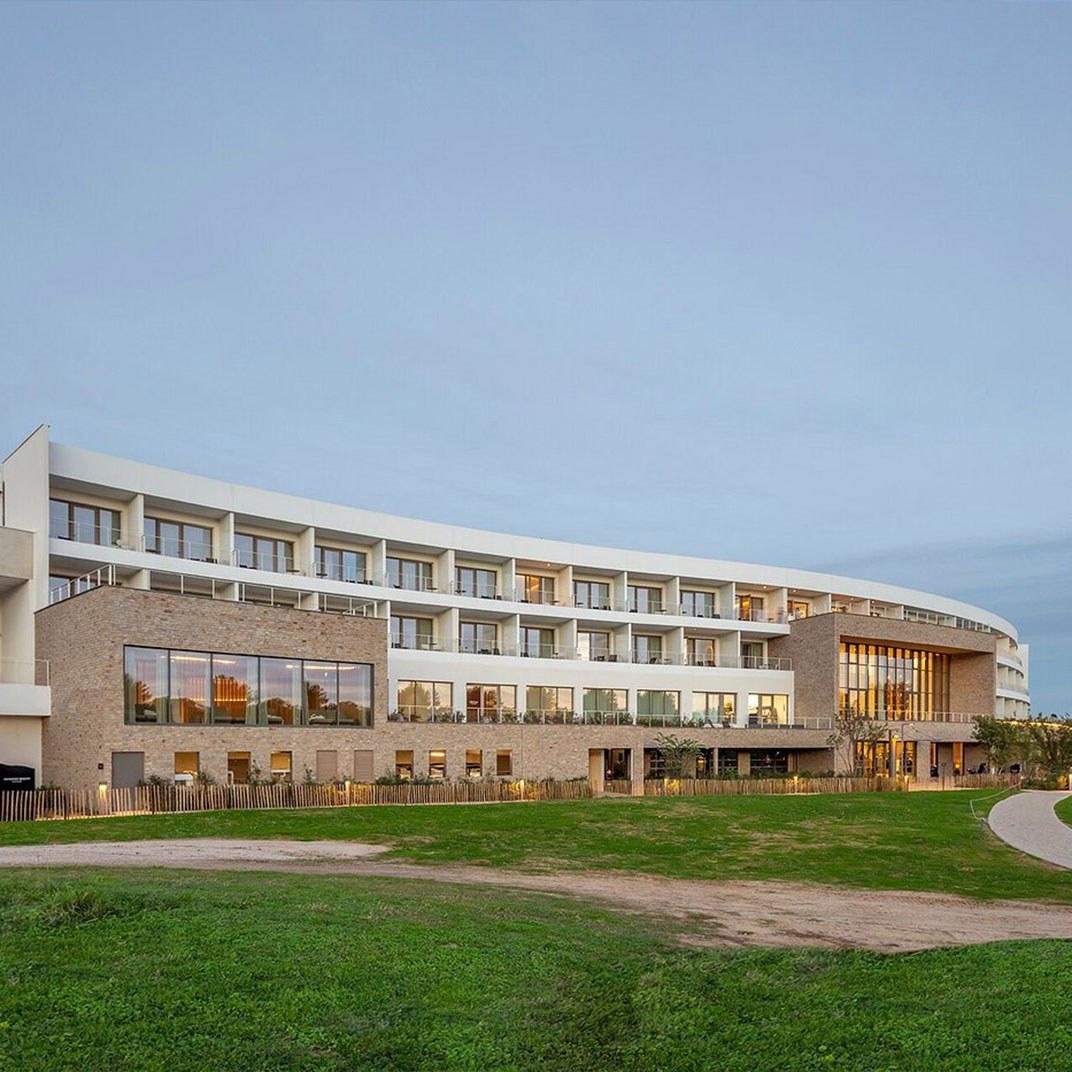
At a Glance
- Elegant
- Classic
- Scenic
- Special Occasion
- Date Night
- Waterfront
- Terrace
- Local Sourcing
- Waterfront
Current opening hours
- Monday
- 12–1:30 PM, 7:30–11 PM
- Tuesday
- Closed
- Wednesday
- Closed
- Thursday
- 12–1:30 PM, 7:30–11 PM
- Friday
- 12–1:30 PM, 7:30–11 PM
- Saturday
- 12–1:30 PM, 7:30–11 PM
- Sunday
- 12–1:30 PM, 7:30–11 PM
Hours can change for holidays and private events. Last verified .
Refined and elegant atmosphere in a fully glazed upstairs location with panoramic Mediterranean bay views and a welcoming service.