Baronne Bistro
Baronne Bistro occupies a Warehouse District address at 616 Baronne St, placing it within one of New Orleans' most active dining corridors. Confirm current hours and booking directly before visiting.
Pearl is the En Primeur Club membership app — saves, bookings, and concierge access live there. Same editors, same standards.
- Address
- 616 Baronne St, New Orleans, LA 70113
- Phone
- +15042242371
- Website
- opentable.com
- Directions
- Get directions
 Saves & bookings on Pearl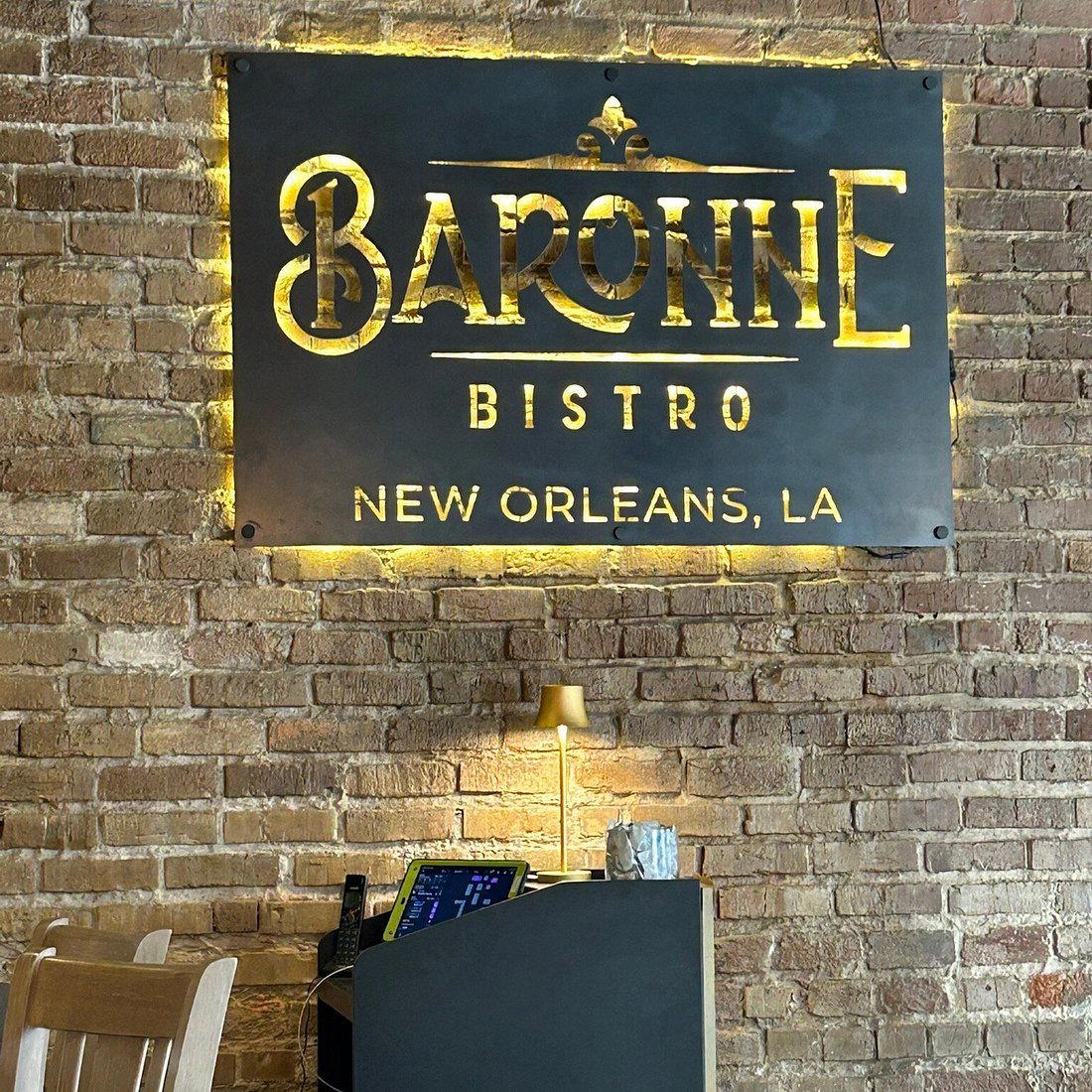
A Street That Tells You Where You Are
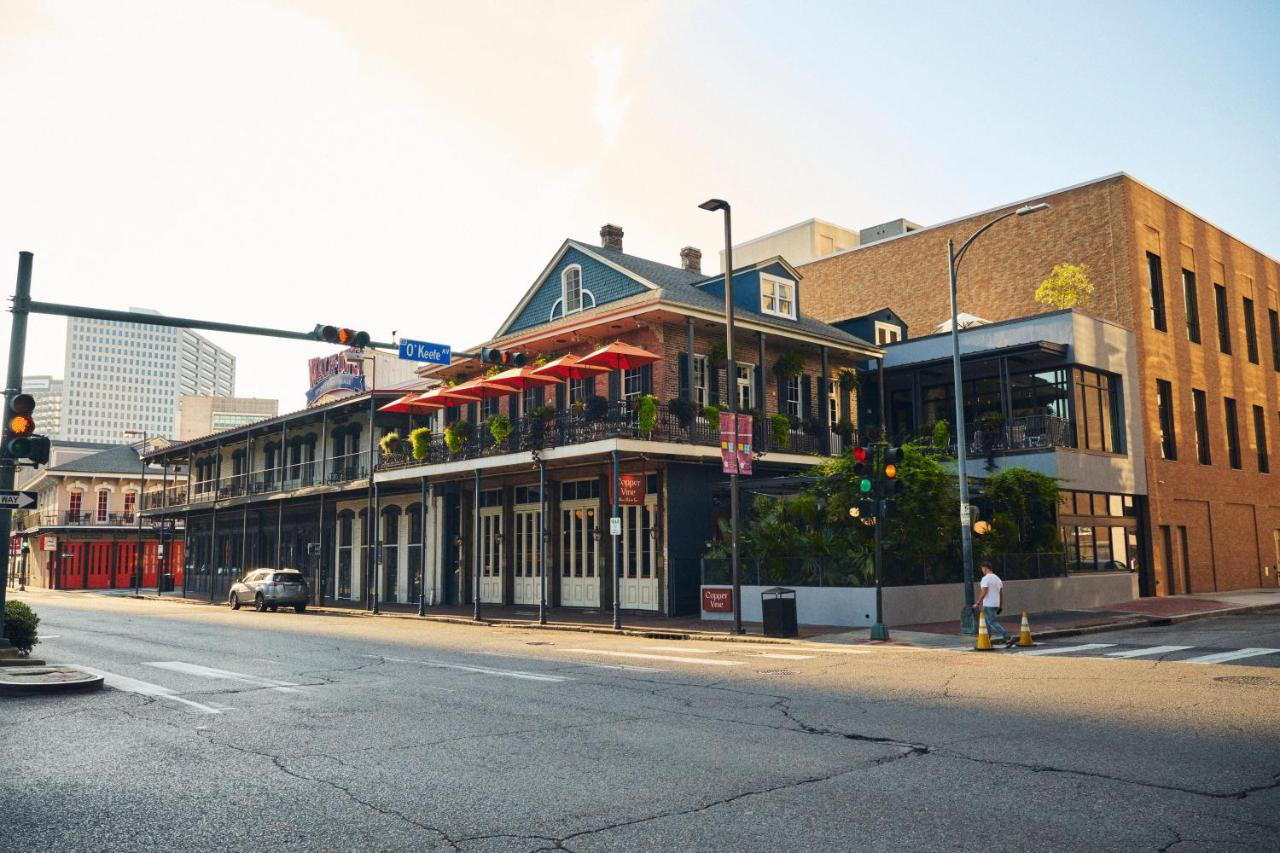
Baronne Street runs through the Warehouse District like a seam between two versions of New Orleans: the converted loft galleries and contemporary restaurant openings that have defined the neighborhood since the 1990s on one side, and the older commercial fabric of the Central Business District on the other. Arriving at 616 Baronne St, you are already inside a dining corridor that has attracted serious operators for decades. This is not the French Quarter, where tourist density shapes menus and pricing alike. The Warehouse District rewards restaurants that assume their guests know what they want.
That neighborhood character matters when reading any bistro format in this part of the city. The term bistro, in New Orleans, carries specific weight. It tends to describe a room that operates at a register below the city's grand dining houses, venues like Emeril's or Saint-Germain, but above casual neighborhood spots. It implies a menu structured around a handful of categories, a bar program that supports rather than dominates, and a pace that allows conversation. The name and location alone signal the format.
What the Menu Format Reveals
In New Orleans, menu architecture is often the sharpest way to read a kitchen's identity. The city's culinary tradition runs deep on French technique, and the bistro format is, at its core, a French inheritance: starters, mains, desserts, a wine list weighted toward France and California, and a daily special that tests what the kitchen can do with what arrived that morning. Restaurants that execute this format with discipline, like Bayona in the French Quarter, demonstrate that restraint in scope often produces more coherent cooking than sprawling menus.
The bistro structure also tells you something about protein prioritization. Classic bistro menus in the French-American tradition lead with offal, steak preparations, and braised cuts alongside a shorter seafood section. In New Orleans, that calculus shifts. Gulf seafood has a legitimate claim on any local menu, and kitchens that ignore it in favor of purely continental conventions tend to read as disconnected from place. The stronger operators in this price tier, including Zasu and Re Santi e Leoni, have found ways to honor both French structure and Louisiana ingredient sourcing without the menu feeling like a negotiation between two cuisines.
What the bistro label does establish is that the kitchen is likely working within a defined format rather than a tasting-menu or prix-fixe framework. That has implications for how you approach a visit: à la carte ordering rewards decisive choices, and at this price tier in this neighborhood, a two-course approach with a well-chosen glass tends to land better than over-ordering.
New Orleans Bistro Dining in Competitive Context
The Warehouse District has become one of the more contested dining zones in the city. The stretch that runs from Magazine Street toward the Convention Center now includes a concentration of chef-driven rooms that, collectively, represent a meaningful shift in how the city understands neighborhood dining. This is no longer a district defined primarily by its galleries and museum adjacency. It is a dining destination in its own right, with a comparable set that includes both ambitious contemporary rooms and more relaxed formats serving a mixed local and visitor crowd.
Within that context, the bistro occupies a specific slot. It serves the diner who wants cooking with intention but does not want the ceremony of a long tasting menu. Across American cities, this format has proved durable even as fine dining has fragmented at the leading end into hyper-specialized experiences. Venues like Lazy Bear in San Francisco and Smyth in Chicago have pushed the tasting-menu format to its logical extreme, while Le Bernardin in New York City and The French Laundry in Napa operate at price points that make them occasion-specific rather than habitual. The bistro format persists because it fills the gap: good cooking, reliable execution, human-scale pricing, and a room that does not require an occasion to justify the visit.
New Orleans has its own version of this dynamic. The city's grand Creole houses, Commander's Palace among them, carry significant cultural and historical weight but operate at a formality that does not suit every evening. The bistro tier, represented by venues that include Baronne Bistro alongside others in the Warehouse District and beyond, handles the midweek local traffic, the out-of-town guests who want to eat well without pageantry, and the early-week quieter evenings when larger rooms feel cavernous. That functional role is not a diminishment. It is, in many cities, where consistent cooking actually lives.
For comparison against a broader national comparable set, the mid-tier bistro in a major American food city competes on consistency, ingredient sourcing, and the intelligence of its menu edits rather than on spectacle. Venues like Frasca Food & Wine in Boulder and Providence in Los Angeles demonstrate what focused cooking within a defined format can achieve over time. The question for any bistro-format room in New Orleans is whether the kitchen's relationship to local ingredients is specific enough to reward repeat visits, or whether the menu reads as a generic French-American template that could sit in any American city.
Know Before You Go
- Address: 616 Baronne St, New Orleans, LA 70113
- Neighborhood: Warehouse District / Central Business District border
- Hours: Mon: Closed; Tue: 11 AM-2 PM, 5-9 PM; Wed: 11 AM-2 PM, 5-9 PM; Thu: 11 AM-2 PM, 5-9 PM; Fri: 11 AM-10 PM; Sat: 11 AM-10 PM; Sun: 11 AM-9 PM
- Price range: About $25 per person
- Nearest context: Within walking distance of the Warehouse District's main gallery and dining corridor
Price and Positioning
Comparable venues nearby, for context on price, style, and recognition.
| Venue | Cuisine | Price | Notes |
|---|---|---|---|
| Baronne BistroThis venue — the venue you are viewing | Arts District, Cajun & Creole Comfort | $$ | Not listed |
| Ruby Slipper CBD | Not listed | $$ | Central Business District, New Orleans Brunch |
| The Bower | Not listed | $$ | Central City, Modern American Small Plates |
| Cafe Malou | Not listed | $$ | West Riverside, New Orleans-Inspired Cafe |
| DISTRICT Donuts Sliders Brew | Not listed | $$ | Lower Garden District, American Donuts, Sliders & Coffee |
| The Joint | Bywater, Louisiana BBQ | $$ | Not listed |
Continue exploring
More in New Orleans
Restaurants in New Orleans
Browse all →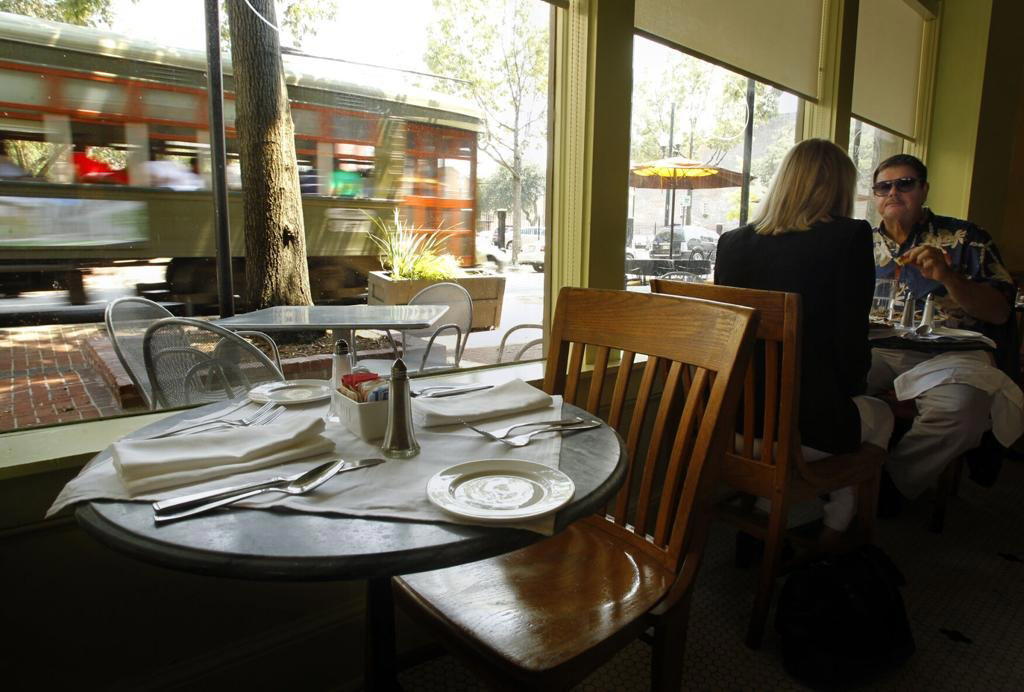
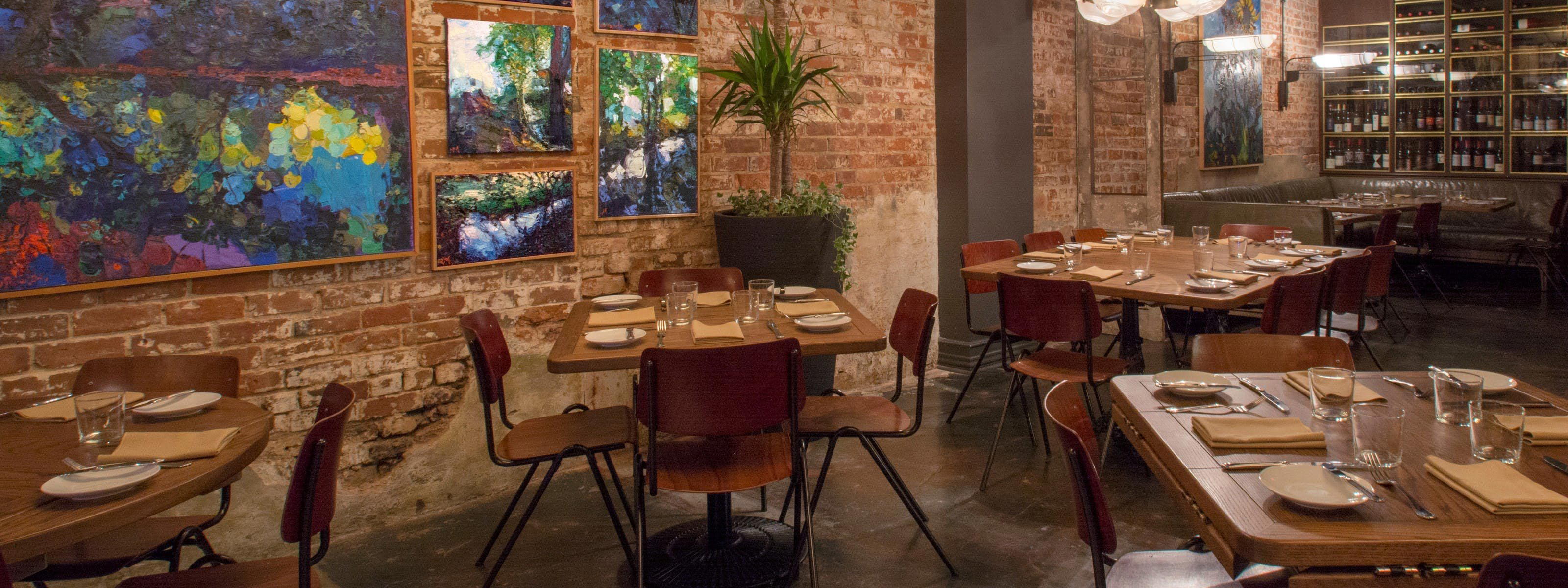
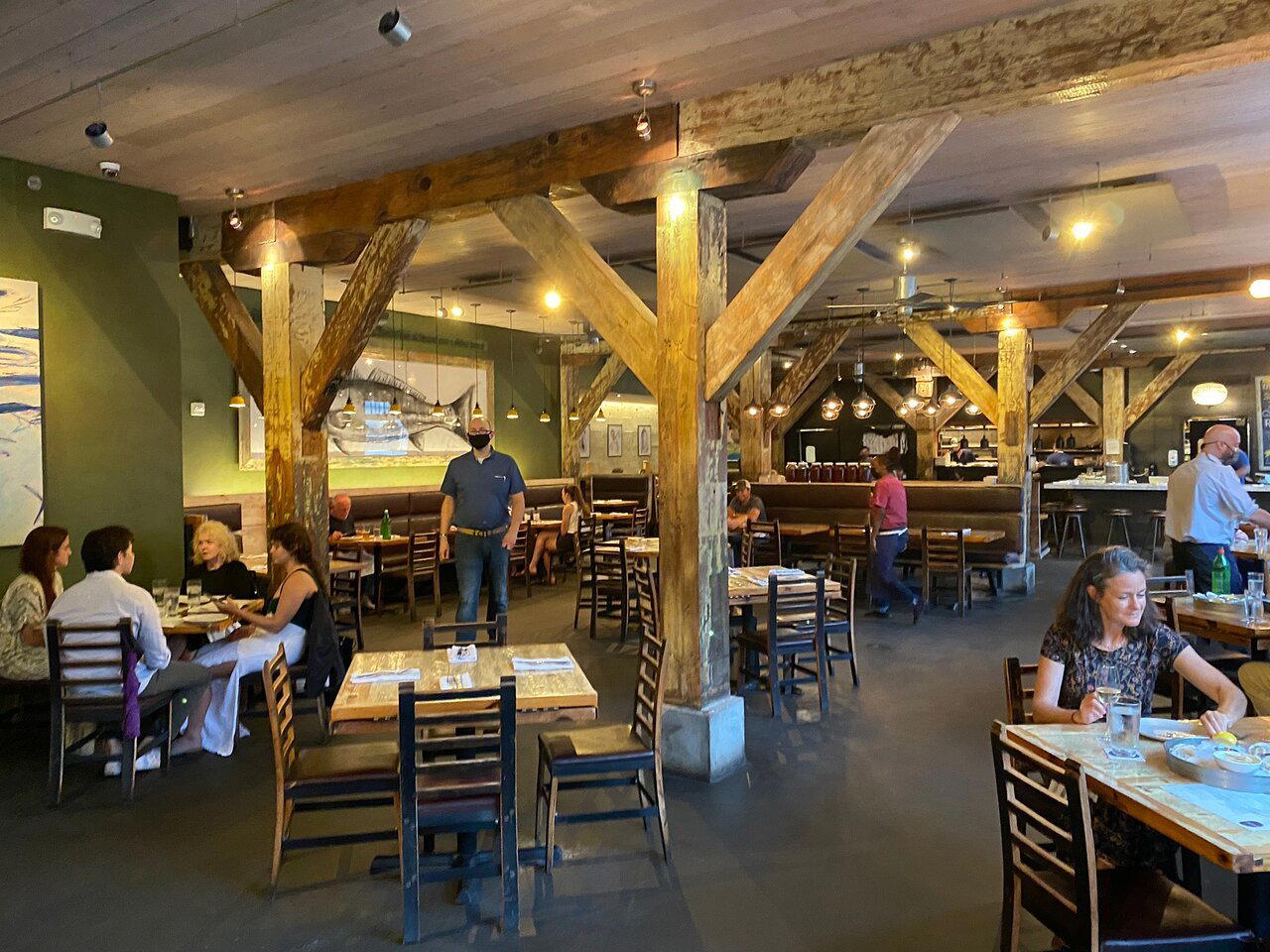
Bars in New Orleans
Browse all →
At a Glance
- Cozy
- Classic
- Lively
- Casual Hangout
- Group Dining
- After Work
- Standalone
- Craft Cocktails
- Beer Program
- Local Sourcing
Current opening hours
- Monday
- Closed
- Tuesday
- 11 AM–2 PM, 5–9 PM
- Wednesday
- 11 AM–2 PM, 5–9 PM
- Thursday
- 11 AM–2 PM, 5–9 PM
- Friday
- 11 AM–10 PM
- Saturday
- 11 AM–10 PM
- Sunday
- 11 AM–9 PM
Hours can change for holidays and private events. Last verified .