Real Greek
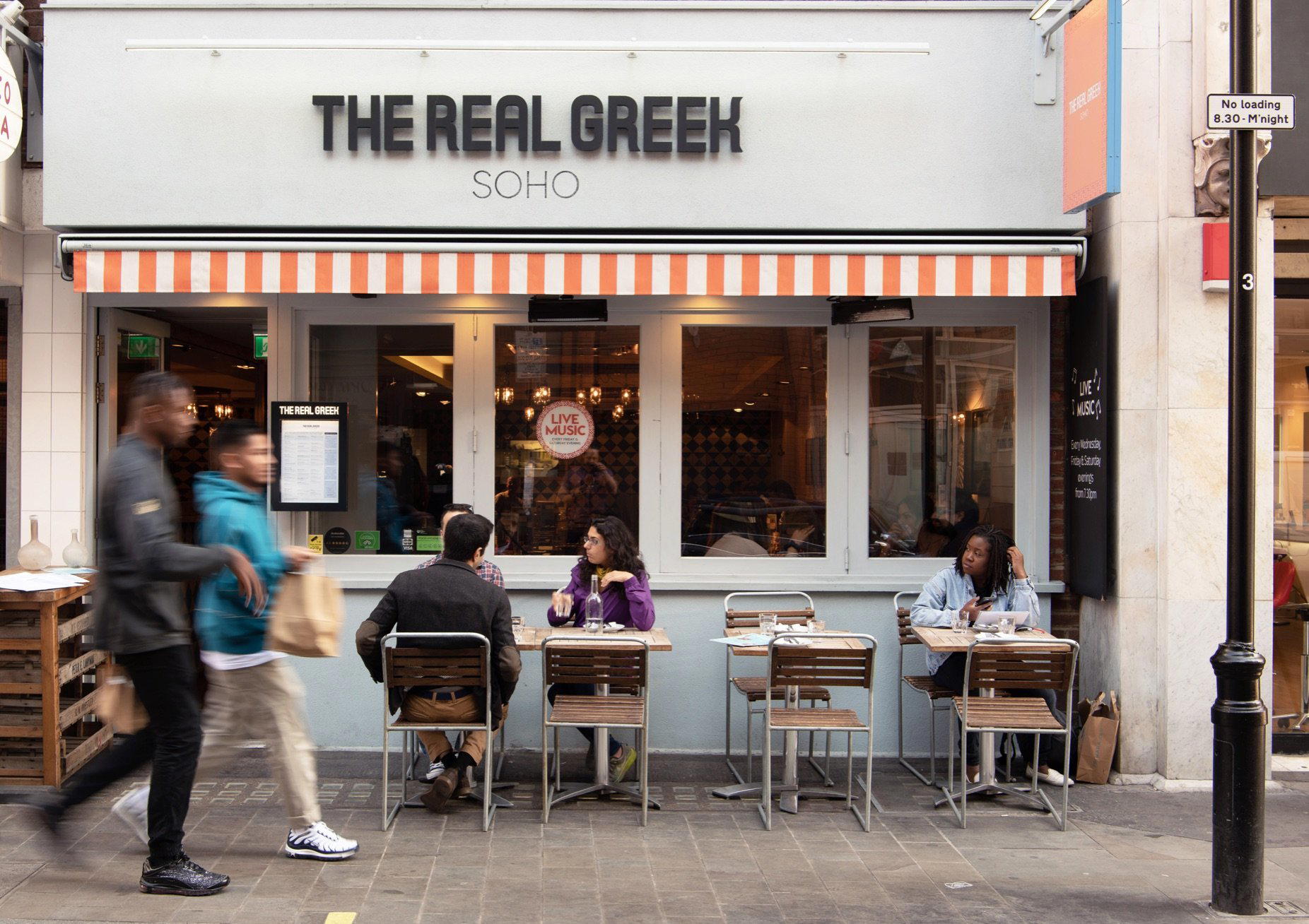
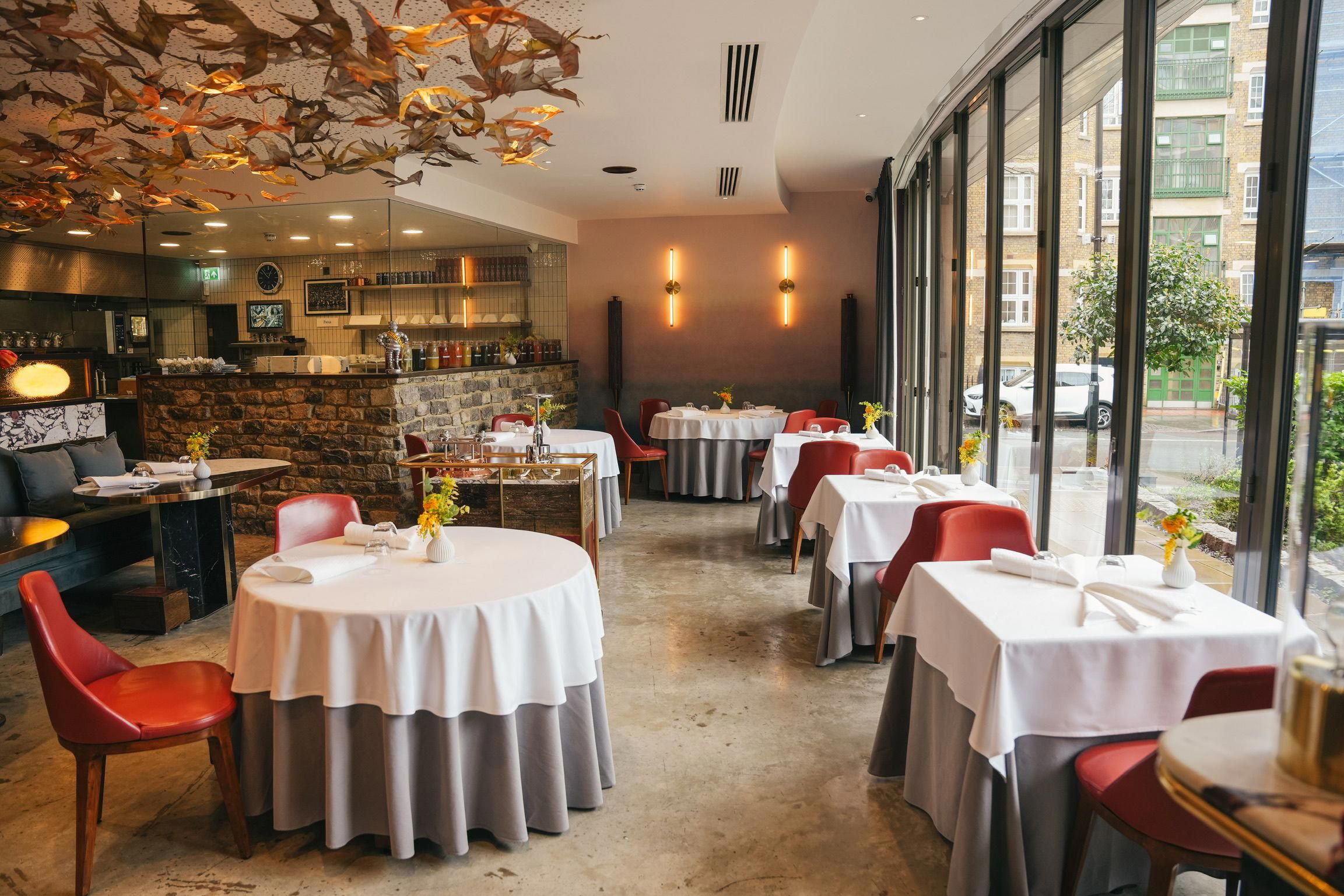
Real Greek occupies a site on Hoxton Market, bringing the flavours and wine traditions of Greece to one of east London's most characterful squares. The menu draws on mezze-style sharing formats that have defined Greek hospitality for centuries, positioned as an accessible entry point into a cuisine that London's broader restaurant scene has historically underserved. Check the website for current hours and booking availability.
Pearl is the En Primeur Club membership app — saves, bookings, and concierge access live there. Same editors, same standards.
- Address
- 15 Hoxton Market , London , England, N1 6HG, United Kingdom
- Phone
- 020 7739 8212 Restaurant website
- Website
- therealgreek.co.uk

Greek Mezze in East London: Where Hoxton Meets the Aegean
Real Greek is a Greek restaurant at 15 Hoxton Market in London, serving authentic Greek meze at a casual, mid-range price point. Real Greek, on Hoxton Market in N1, sits inside that gap, occupying a neighbourhood that has become one of inner east London's more interesting dining corridors without ever fully committing to fine-dining density. The surrounding square, with its independent traders and mid-week foot traffic, creates a context that suits a casual-to-mid-range Greek offer better than a Mayfair side street would.
The Mezze Tradition and How It Translates
In Greece, mezze is not a compromise format, it is the architecture of the meal. Small plates of grilled halloumi, taramasalata, spanakopita, and slow-cooked lamb arrive in sequence or simultaneously, and the table functions as a shared project rather than a series of individual orders. That tradition has translated unevenly into British restaurant culture, where mezze is sometimes reduced to a bread-and-dip prelude rather than the meal itself. Restaurants that take the format seriously tend to offer broader plate counts, encourage multiple rounds of ordering, and build their drink lists to complement sustained, varied eating rather than a single main course.
The wine dimension matters here. Greek wine, a category that has undergone genuine critical reassessment over the past fifteen years, pairs with mezze in ways that require some thought. Assyrtiko from Santorini, with its high acidity and saline minerality, handles seafood and lighter vegetable dishes well. Xinomavro from Naoussa, often compared to Nebbiolo for its tannin structure and aromatic complexity, works against richer lamb and slow-cooked preparations. A wine list that engages with indigenous Greek varieties rather than defaulting to international grapes signals a level of seriousness about the cuisine's context. Its wine list pairs well with the menu.
Hoxton Market as a Dining Location
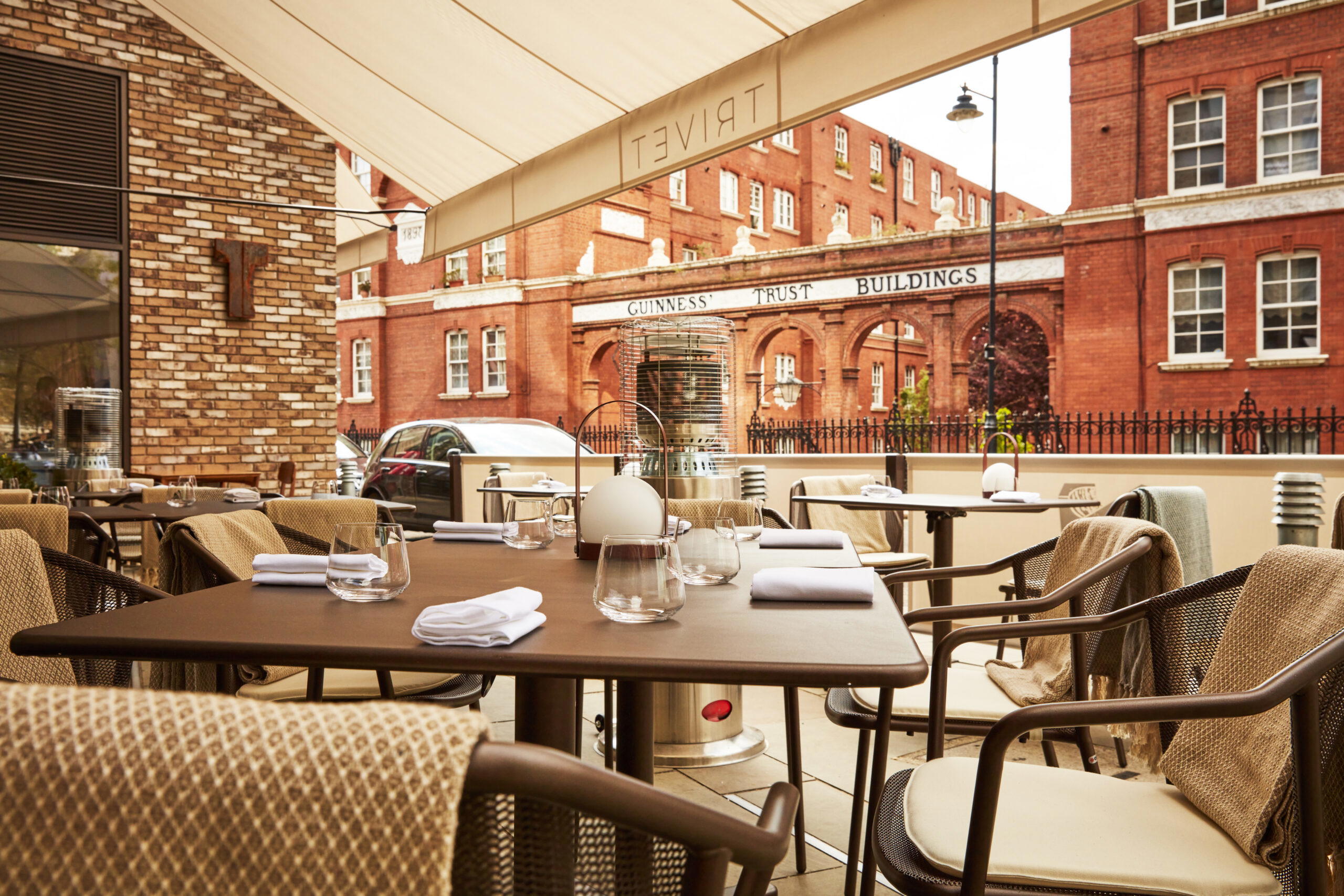
Hoxton Market is one of those London addresses that resists easy categorisation. It is not Shoreditch's concentrated bar density, nor is it Dalston's more experimental edge. The square draws a working local population alongside the creative-industry crowd that has occupied the surrounding streets since the early 2000s. For a Greek restaurant, the location offers something that more tourist-facing areas do not: a repeat-customer base that will sustain a longer, more exploratory menu over multiple visits rather than a single occasion meal. That dynamic tends to support wine programs and seasonal menu changes in ways that high-turnover central London sites do not always allow.
Getting to Hoxton Market from central London is direct. Old Street station on the Northern line sits roughly ten minutes on foot, and the 55 and 243 bus routes both serve the area. For visitors staying in the West End or the City, the journey is under thirty minutes.
Greek Wine and the Case for Indigenous Varieties
The broader context for Greek wine in London is worth establishing. A decade ago, Assyrtiko appeared on relatively few restaurant lists outside specialist Greek venues. By the mid-2020s, it had become a recognisable category reference on lists at restaurants with no Greek connection at all, appearing alongside Albariño, Grüner Veltliner, and other high-acid whites that sommeliers favour for their food versatility. Xinomavro has followed a slower trajectory but now appears on lists at serious wine-focused restaurants. Moschofilero, Agiorgitiko, and Malagousia remain less visible, but the category is expanding.
For a Greek restaurant, this matters because it raises the question of whether the list reflects the cuisine's actual regional diversity or simply stocks the two or three varieties that have achieved mainstream recognition. The most engaged Greek lists in London tend to represent multiple appellations, Santorini, Nemea, Naoussa, Crete, Macedonia, and include producers operating at different scales, from large cooperative wineries to small-parcel estates. That kind of curation takes more effort and produces a list that functions as an argument for the cuisine rather than an accompaniment to it. London's higher-end dining addresses, including CORE by Clare Smyth, The Ledbury, and Sketch, The Lecture Room and Library, approach their lists as editorial statements. The question for a neighbourhood Greek restaurant is whether the same discipline applies at a different price point.
Vegetarian Eating in the Greek Format
Greek mezze is structurally well-suited to vegetarian eating in a way that, say, a French bistro or a traditional British pub dining room is not. Many of the category's foundational dishes, tiropita, spanakopita, grilled vegetables with olive oil and herbs, legume-based dips, cheese preparations, are vegetarian by default rather than by adaptation. This is a meaningful distinction for a city where vegetarian menus at mid-range restaurants can still feel like afterthoughts assembled from modified main-course components. A kitchen working confidently within the mezze format should be able to construct a full vegetarian spread without defaulting to a separate, reduced menu.
How Real Greek Sits in the London Greek Dining Category
London supports a small but reasonably defined tier of Greek restaurants, from fast-casual souvlaki operations in Fitzrovia and Marylebone to more developed sit-down formats. Real Greek sits in a different competitive position from independent single-site restaurants. Multi-site operations at this level face a familiar trade-off: the consistency and supply infrastructure that comes with scale versus the menu spontaneity and producer-direct sourcing that distinguishes the leading single-site operators. How that trade-off resolves at the Hoxton Market site is a question of execution rather than format, and one that is worth assessing in person.
For visitors to London whose primary dining interest lies elsewhere in the city's offer, the Michelin three-star tier represented by Restaurant Gordon Ramsay and Dinner by Heston Blumenthal, or the destination restaurants outside London such as The Fat Duck in Bray, L'Enclume in Cartmel, or Moor Hall in Aughton, Real Greek represents a different register entirely. It is a neighbourhood restaurant operating in a cuisine category that London has room to develop further, and its Hoxton location gives it a context that suits the format.
Planning Your Visit
Booking and Cost Snapshot
Comparable venues nearby, for context on price, style, and recognition.
| Venue | Cuisine | Price | Awards | Notes |
|---|---|---|---|---|
| Real GreekThis venue — the venue you are viewing | Hoxton, Authentic Greek Meze | $$ | , | |
| OPSO | Marylebone, Modern Greek Tapas | $$$ | , | |
| Yauatcha City | Broadgate, Dim Sum | , | , | |
| The Happenstance | $$ | , | Blackfriars, Modern International Gastropub | |
| Smokehouse | $$ | , | Canonbury, British Gastropub with Smoked Meats | |
| Hanoi Bistro & Kitchen | Hackney Central, Vietnamese Bistro | $$ | , |
Continue exploring
More in London
Restaurants in London
Browse all →Bars in London
Browse all →Hotels in London
Browse all →Wineries in London
Browse all →At a Glance
- Lively
- Cozy
- Casual Hangout
- Group Dining
- Open Kitchen
- Street Scene
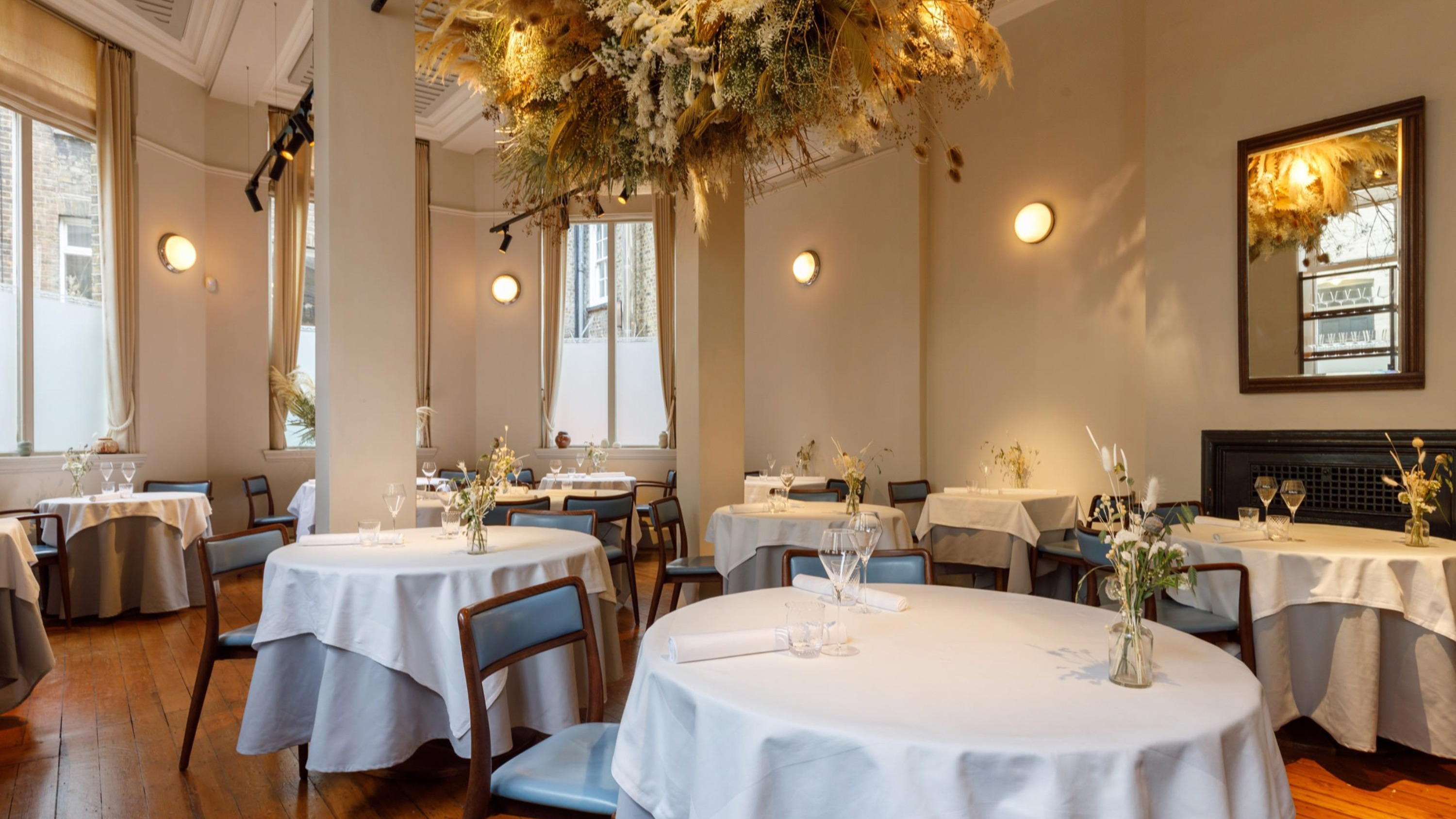
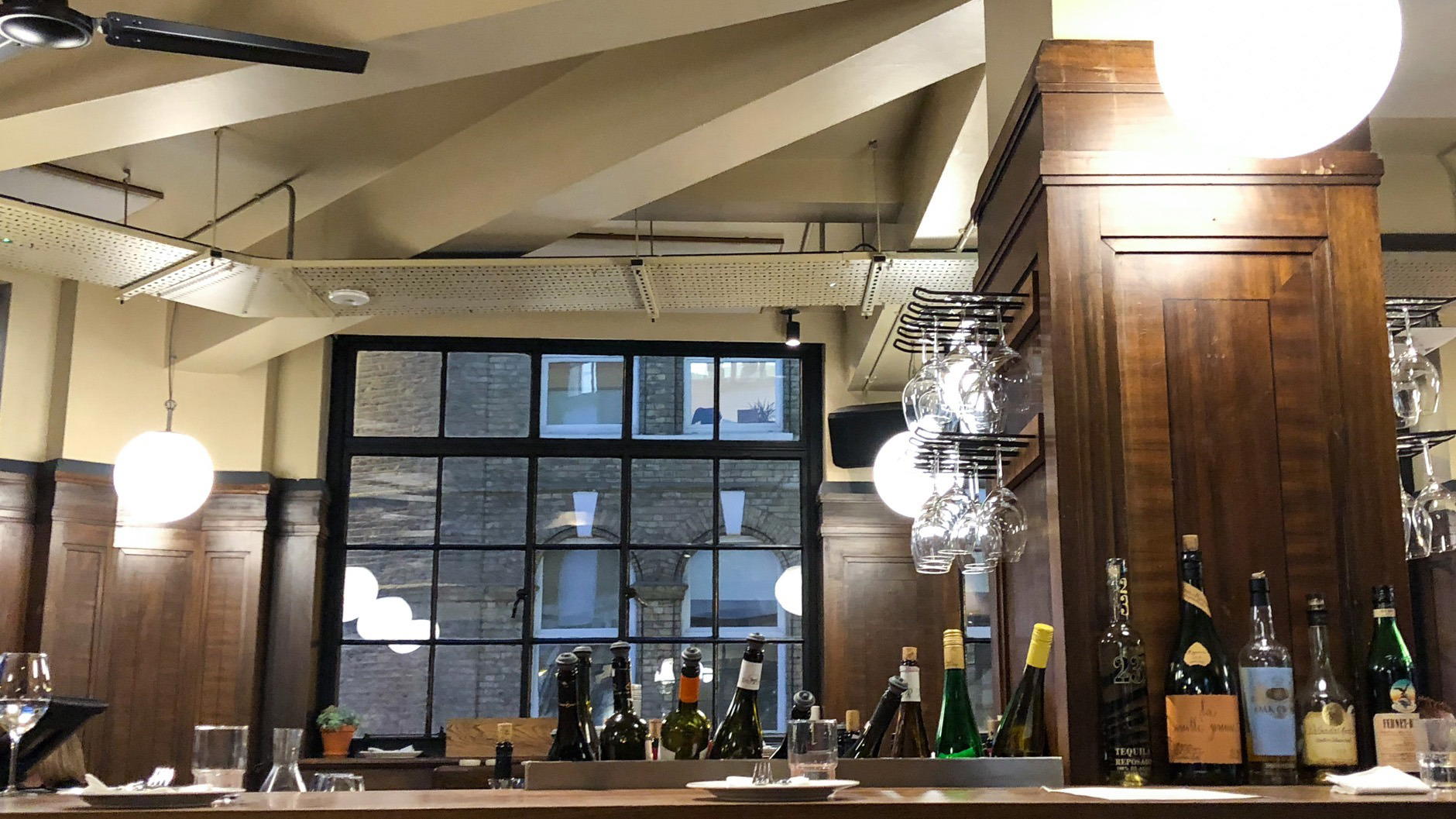
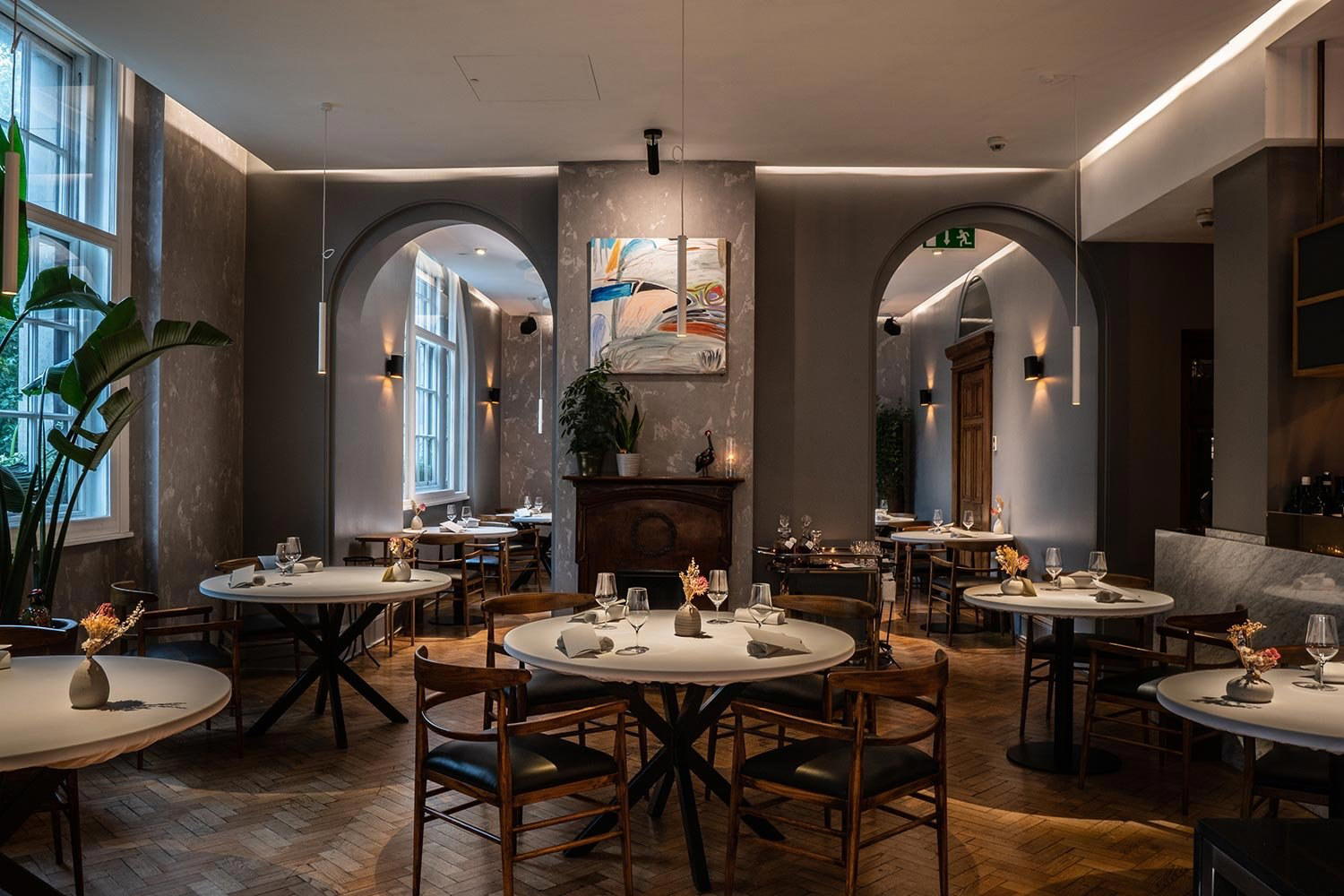
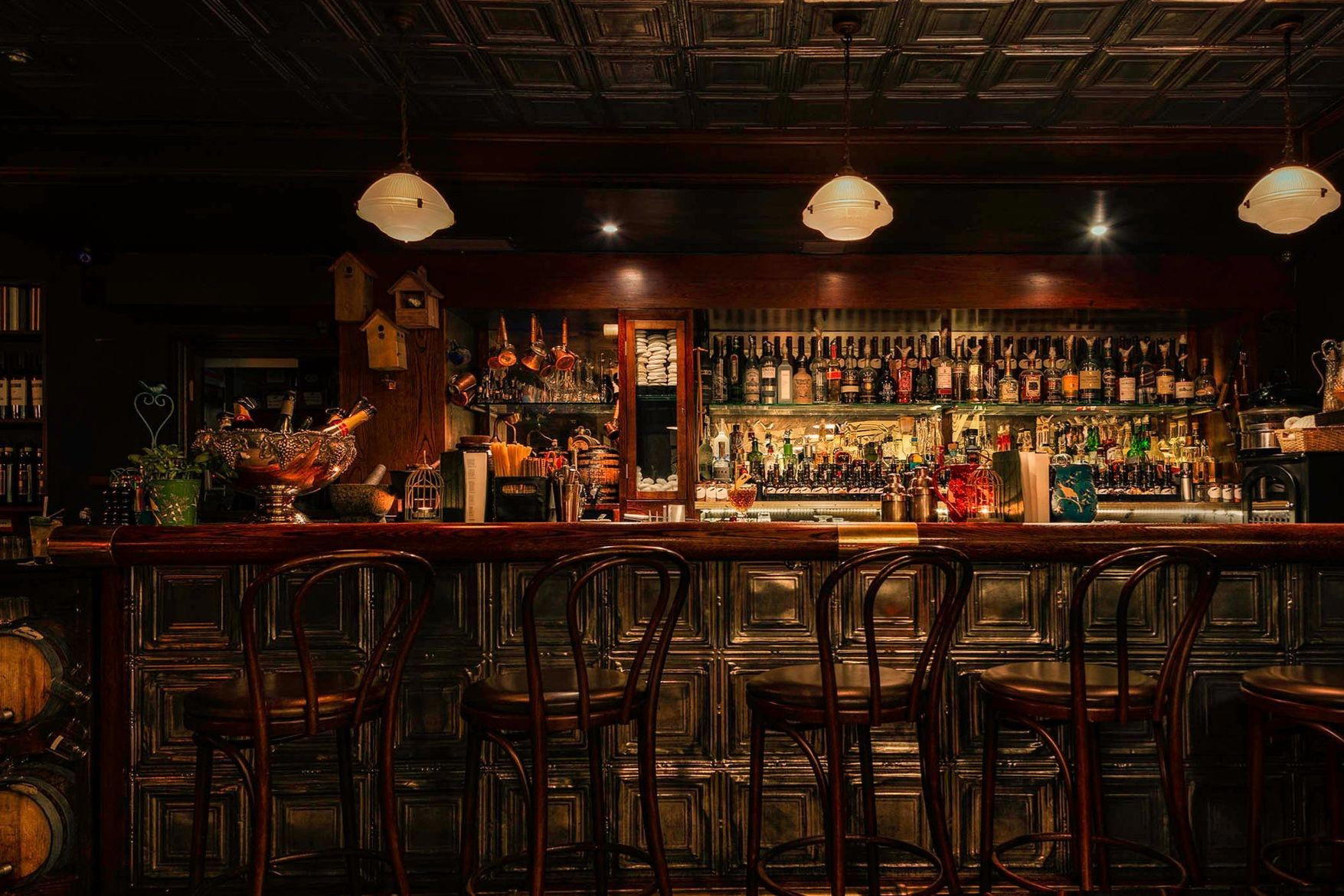
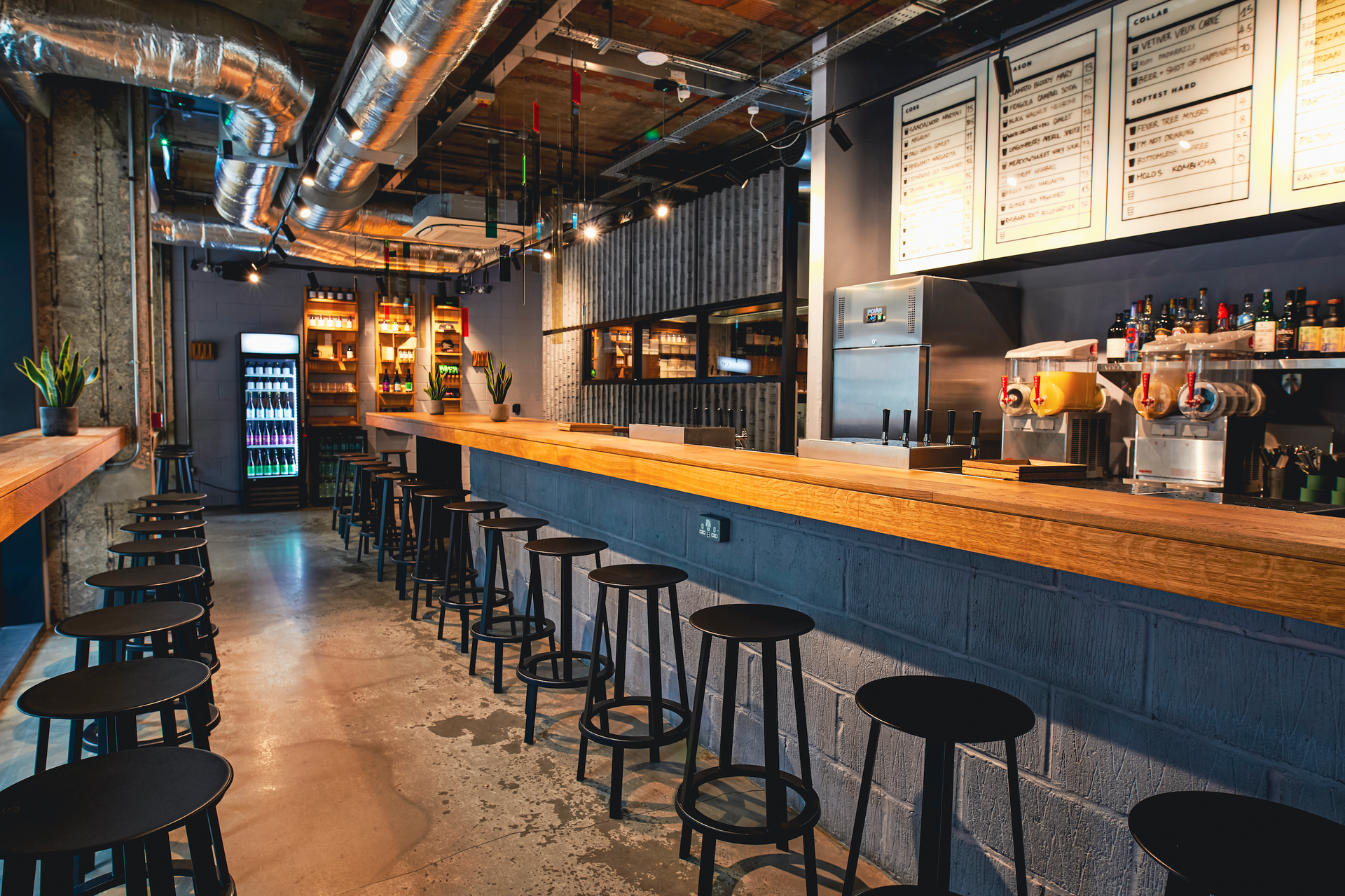
Cozy and lively atmosphere with Greek music, though sometimes feeling canteen-like or noisy depending on the crowd.