Smokehouse
Smokehouse on Canonbury Road occupies a specific niche in London's North London dining scene, where smoke, fire, and slow-cooked technique take the lead over white-tablecloth formality. The kitchen works a programme built around open-fire cooking and carefully sourced ingredients, and the room draws a local crowd that returns on rotation rather than occasion. It sits at a different register from the city's trophy-destination dining tier.
Pearl is the En Primeur Club membership app — saves, bookings, and concierge access live there. Same editors, same standards.
- Address
- 63-69 Canonbury Rd, London N1 2DG, United Kingdom
- Phone
- +44 20 7354 1144
- Website
- bistrosable.co.uk
- Directions
- Get directions
 Saves & bookings on Pearl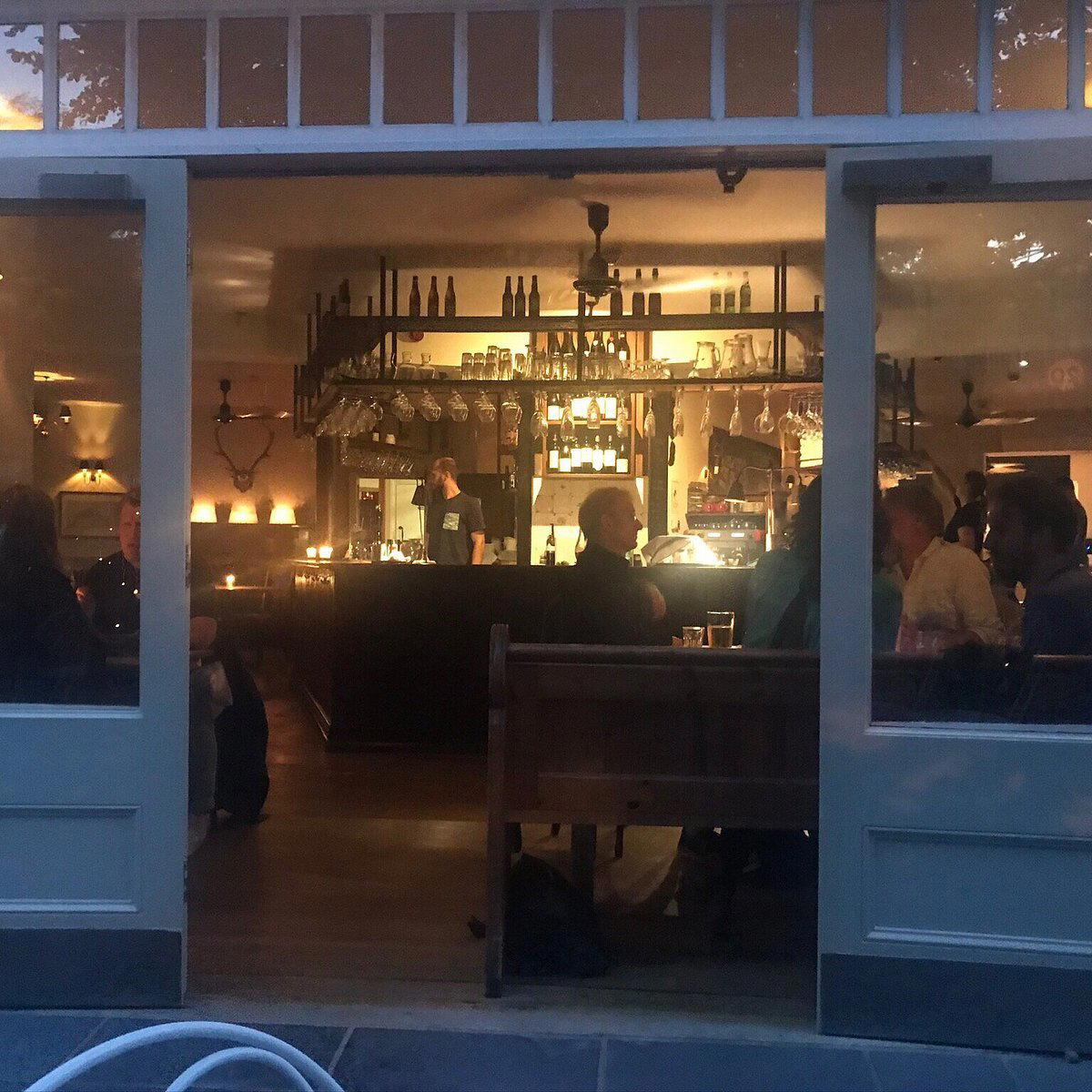
Where North London Eats When It Isn't Trying to Impress Anyone
If you're only making one call in London's wider Islington dining corridor this visit, make it Smokehouse on Canonbury Road, a British gastropub with smoked meats in London. Not because it competes with the white-tablecloth ambition of CORE by Clare Smyth or the long-standing formal prestige of Restaurant Gordon Ramsay, but because it operates in an entirely different register, one where the cooking technique itself is the argument, the room is genuinely local, and the gap between what you spend and what you experience closes more reliably than at many places charging far more.
London's premium dining tier has consolidated around a recognisable set of codes: elaborate tasting menus, front-of-house theatre calibrated for destination diners, and kitchen lineages that trace back through named Michelin households. Places like Sketch's Lecture Room and Library, The Ledbury, and Dinner by Heston Blumenthal represent that consolidated tier, impressive on their own terms, but built for a specific kind of occasion. Smokehouse sits well outside that cluster. The address is residential Canonbury, not Mayfair or Notting Hill. The format is pub-restaurant rather than destination dining room. And the organising principle of the kitchen is smoke and fire: open-flame technique applied to well-sourced British ingredients, with the kind of confidence that doesn't require ceremony to make the point.
The Open-Fire Tradition and Where Smokehouse Fits Within It
Smoke-led cooking in Britain has an interesting recent history. For most of the late twentieth century, barbecue and open-fire technique occupied the margins of serious British restaurant conversation, tolerated in gastropubs, respected in street-food formats, but rarely treated as a complete kitchen philosophy in a sit-down setting. That changed through the 2010s, as a generation of cooks took wood, charcoal, and long-smoke technique seriously enough to build entire menus around it. The genre now has genuine range: from the pastoral, produce-first approach at places like L'Enclume in Cartmel and Moor Hall in Aughton, where fire is one tool in a larger seasonal language, to the more focused wood-smoke programmes in London's pub-restaurant sector, where the grill or smoker is the room's central piece of equipment rather than a supporting element.
Smokehouse belongs to that second category. The kitchen here organises itself around live-fire and slow-cook methods as a primary identity rather than a technique in rotation. That distinction matters: it shapes what the sourcing looks like, what the menu can and cannot promise on a given week, and what the room communicates to the people in it. Comparable energy in a country-house setting is what you find at Gidleigh Park in Chagford or Hand and Flowers in Marlow, though both of those operate at a different price ceiling and with a different surrounding context. Smokehouse compresses the technique-first argument into a North London pub format, which is its own editorial position.
The Room's Internal Logic: Kitchen, Floor, and Glass Working Together
The editorial angle worth examining at Smokehouse isn't a single chef's story, it's how the floor and kitchen operate as a joined system in a format where that integration is harder to sustain than it looks. Pub-restaurants running serious kitchens face a structural challenge: the room has to absorb casual drop-ins and dedicated diners at the same time, the front-of-house needs enough knowledge to guide both, and the drinks programme has to function across both registers without feeling like a compromise in either direction.
The beer selection at Smokehouse is a considered one, calibrated to the food rather than assembled generically. In the current London pub-restaurant scene, the cask ale and craft beer programmes at the better operations have become as editorially interesting as their wine lists, and the conversation between smoke-heavy food and malt-forward beer is a genuine one, not a marketing pairing. That said, the wine list at a place like this carries its own logic: the food's fat content and smoke register push the pours toward higher-acid reds and structured whites rather than delicate profiles, and any sommelier or front-of-house lead worth their position here knows that the glass has to hold its own against charcoal.
This kind of service intelligence, knowing the room, knowing when to guide and when to leave people alone, knowing how beer and wine each perform differently against the kitchen's output, is what separates the better examples of the format from the ones that simply have a nice grill. Internationally, the discipline required at this intersection is visible at places like Le Bernardin in New York, where front-of-house and kitchen work as a single argument, or at the more technically focused Atomix, where the team's integration is part of the designed experience. At Smokehouse the scale is smaller, the format is looser, but the principle applies: the room works when every part of it is pointed in the same direction.
Canonbury Road and the Wider Islington Eating Context
Canonbury Road sits north of Upper Street's denser restaurant concentration, in a residential stretch where the dining rooms tend to draw from the immediate neighbourhood rather than from across the city. This matters for understanding what Smokehouse is doing and for whom. The regulars here are not occasion diners. They are local returnees who come back because the kitchen is consistent and the room doesn't require them to perform. That's a different success metric from the destination-dining tier, and it's a harder one to sustain: occasional diners can be impressed once; regulars need to be satisfied every time.
For a broader sweep of where Smokehouse sits relative to the city's full range of options, the EP Club London restaurants guide maps the city's dining across price tier, neighbourhood, and format. For country-house comparison points beyond the city, Le Manoir aux Quat' Saisons in Great Milton and The Fat Duck in Bray represent the British countryside fine-dining tier for those extending a London trip outward.
Smokehouse is at 63-69 Canonbury Road, London N1 2DG. The format is pub-restaurant, and reservations are recommended.
Cuisine and Credentials
Comparable venues nearby, for context on price, style, and recognition.
| Venue | Cuisine | Price | Notes |
|---|---|---|---|
| SmokehouseThis venue — the venue you are viewing | British Gastropub with Smoked Meats | $$ | Not listed |
| Holloway Model Bakery | Sourdough Bakery | $$ | Lower Holloway |
| Good as Gold | Seasonal British with European Influences | $$ | Brockley |
| The Fox and Pheasant | British Gastropub | $$ | West Brompton |
| Anglesea Arms | Modern British Gastropub | $$ | Hammersmith Broadway |
| Butchers Hook | British Gastropub | $$ | Hammersmith Broadway |
Continue exploring
More in London
Restaurants in London
Browse all →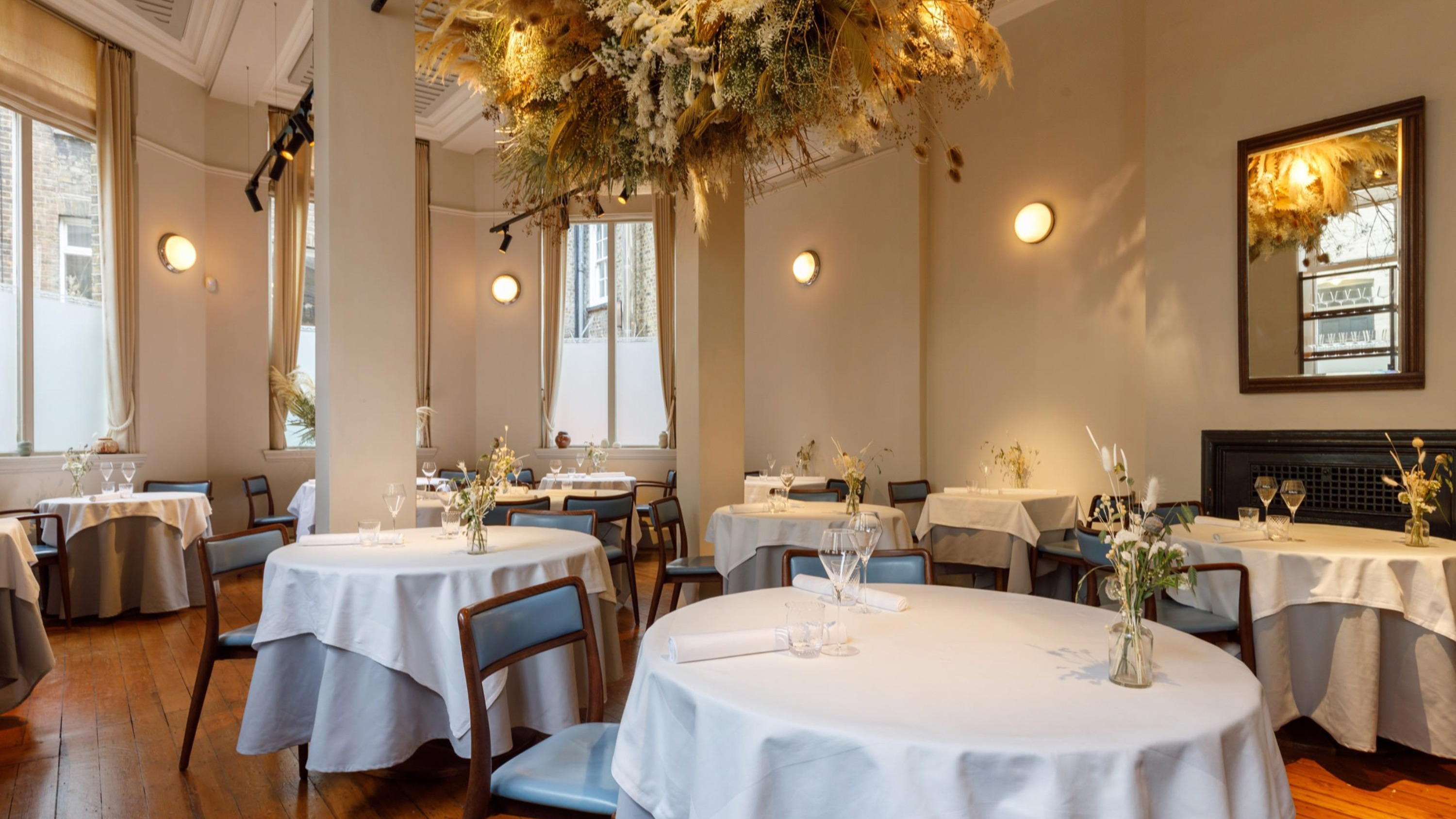
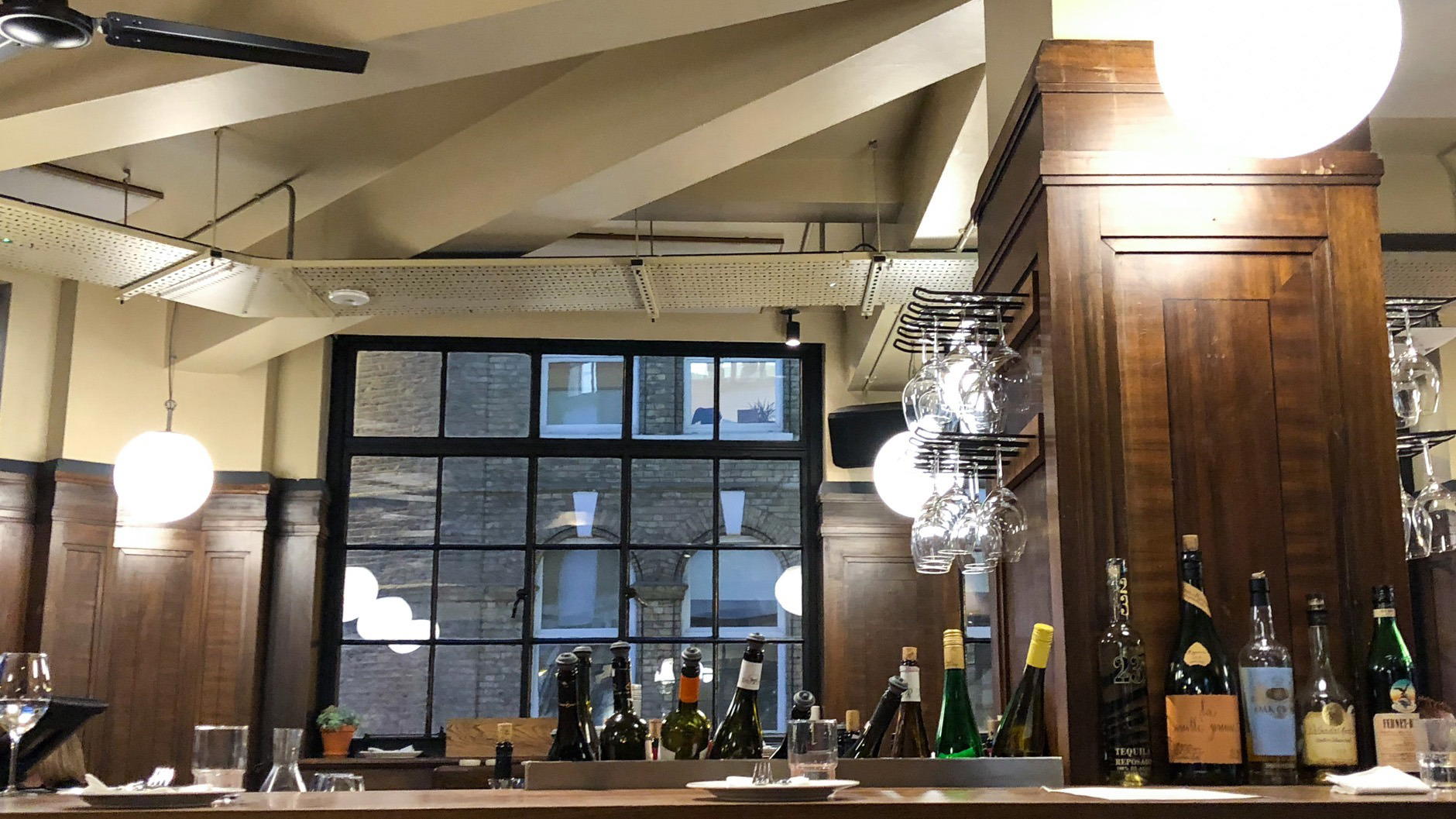
Bars in London
Browse all →
Hotels in London
Browse all →


At a Glance
- Cozy
- Trendy
- Rustic
- Group Dining
- Casual Hangout
- Open Kitchen
- Extensive Wine List
Current opening hours
- Monday
- Closed
- Tuesday
- 12–3 PM, 6–11 PM
- Wednesday
- 12–3 PM, 6–11 PM
- Thursday
- 12–3 PM, 6–11 PM
- Friday
- 12–3 PM, 6–11 PM
- Saturday
- 12–11 PM
- Sunday
- 12–10 PM
Hours can change for holidays and private events. Last verified .
Trendy and cozy with low lighting, wood-smoked aroma, fireplaces, and a convivial gastropub atmosphere.