OPSO
OPSO occupies a quietly confident address on Paddington Street in Marylebone, positioning modern Greek cooking within one of London's most food-literate residential neighbourhoods. The kitchen draws on Aegean tradition without retreating into taverna cliché, making it a reference point for how Greek cuisine reads at a metropolitan register. It sits comfortably in Marylebone's mid-to-upper dining tier, where neighbourhood credibility matters as much as destination pull.
Pearl is the En Primeur Club membership app — saves, bookings, and concierge access live there. Same editors, same standards.
- Address
- 10 Paddington St, London W1U 5QL, United Kingdom
- Phone
- +44 20 7487 5088
- Website
- opso.co.uk
- Directions
- Get directions
 Saves & bookings on Pearl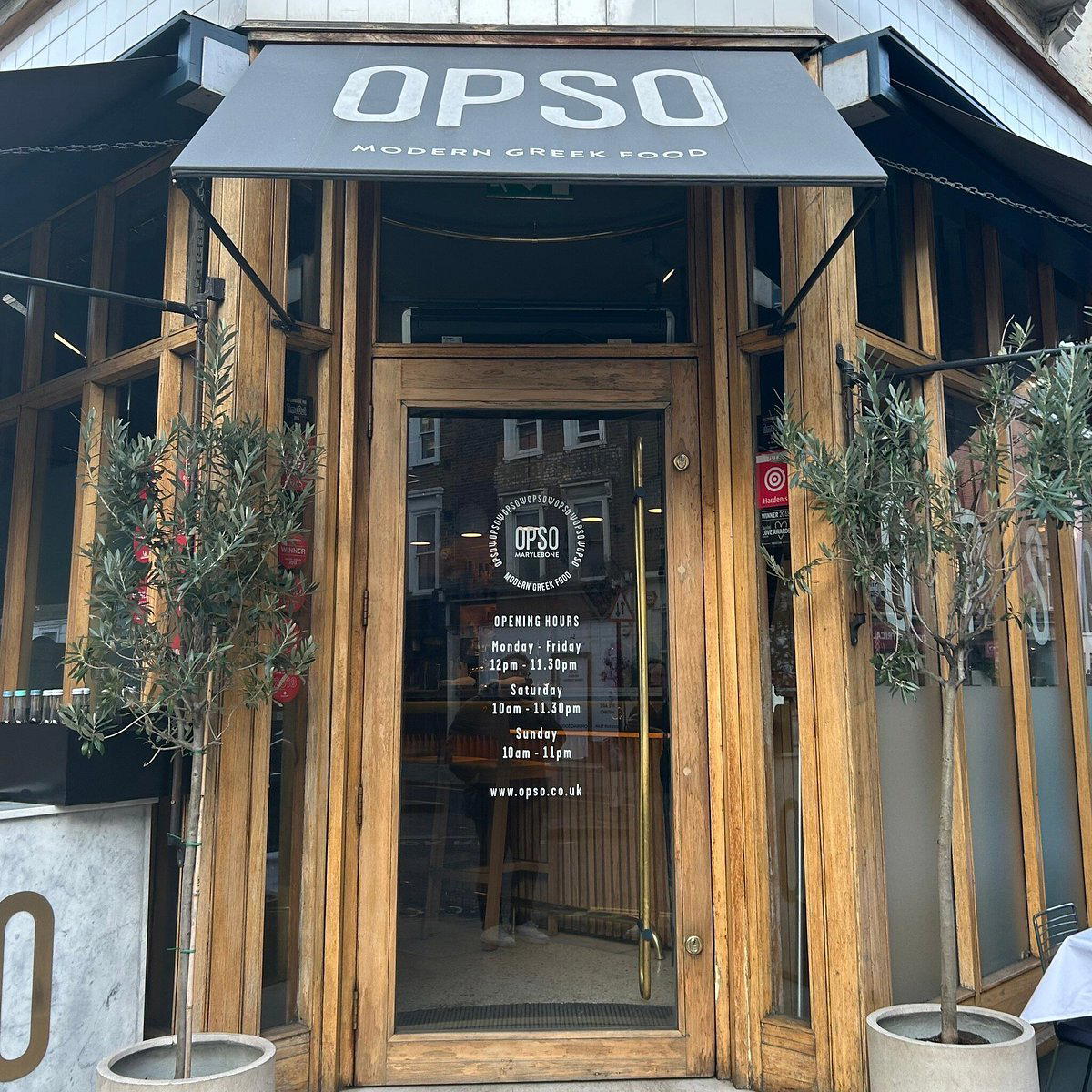
Marylebone's Greek Coordinates
Paddington Street sits in the quieter spine of Marylebone, a stretch that runs parallel to the better-known high street but carries less foot traffic and more considered restaurant choices. The neighbourhood has spent the past decade becoming one of London's more reliable dining corridors, attracting kitchens that depend on return custom from a locally rooted, internationally travelled clientele rather than tourists moving between landmarks. OPSO fits that pattern. Its address on Paddington Street places it within walking distance of Marylebone High Street's established food culture while remaining slightly removed from it, a position that tends to favour restaurants serious about repeat visits over first-night curiosity.
Greek cooking in London has long occupied an awkward position in the city's dining conversation. For years it was associated with the Cypriot-run tavernas of Camden and North London, places with genuine community roots but limited critical attention. The shift toward modern Greek restaurants in central locations, with menus that reference the Aegean's ingredient logic rather than its tourist shortcuts, has been gradual but steady. OPSO was part of that repositioning, bringing a format more aligned with what Athens and Thessaloniki diners now expect from a contemporary Greek kitchen: clean technique, produce-led dishes, and a wine list that takes Greek appellations seriously.
What the Address Tells You About the Room
Arriving on Paddington Street, the setting signals something about the dining register inside. Marylebone's residential character pushes restaurants toward a particular tone: the room needs to work for a Tuesday dinner between neighbours as well as a Saturday booking made three weeks in advance. That dual function shapes how a restaurant presents itself, less theatrical than Soho, less performative than Mayfair, but no less considered. OPSO operates in that register. The space is compact and deliberately unfussy, which is consistent with how modern Greek hospitality reads at its most credible: warm without being sentimental, attentive without hovering.
For comparison, the £££ tier in London's central dining scene is occupied by places like CORE by Clare Smyth, Restaurant Gordon Ramsay, Sketch, The Lecture Room and Library, The Ledbury, and Dinner by Heston Blumenthal, kitchens where the investment is substantial and the format formal. OPSO operates in a different register, one where the price point is more accessible and the format less ceremonial, but where the kitchen's reference points are no less serious. That positioning is well-suited to Marylebone, where diners are accustomed to quality without necessarily wanting occasion dining every time they sit down.
Modern Greek in a London Context
Understanding what OPSO represents requires some context about how Greek cuisine has evolved as a metropolitan dining category. In cities like London and New York, particularly credible modern Greek restaurants have moved away from the meze-as-default structure and toward menus that treat individual dishes with the same specificity you'd find in a contemporary Spanish or Italian kitchen. Ingredients like aged feta, wild herbs from specific Greek regions, and small-production Greek olive oils function as the kind of sourcing signals that educated London diners recognise and respond to. The wine list, in the better examples of this format, introduces Greek grape varieties, Assyrtiko from Santorini, Xinomavro from Naoussa, to diners who may have limited prior exposure but are receptive to the pitch when it's made with confidence.
That context matters for how to read OPSO against London's broader dining grid. It is not competing with the grand European fine dining addresses of Mayfair; it is competing with the growing cohort of neighbourhood-anchored restaurants across Marylebone, Fitzrovia, and Clerkenwell that have made London's mid-tier dining scene genuinely interesting over the past decade. Within that cohort, a kitchen that executes modern Greek cooking with discipline occupies a relatively uncrowded position.
Placing OPSO in the Wider UK Dining Picture
Greek cooking at this level of metropolitan seriousness remains concentrated in London. Beyond the capital, the UK's celebrated restaurant addresses lean heavily toward French-influenced fine dining or Modern British formats. Properties like Waterside Inn in Bray, L'Enclume in Cartmel, Moor Hall in Aughton, Gidleigh Park in Chagford, and Hand and Flowers in Marlow operate in traditions with deep UK roots. The same applies to hide and fox in Saltwood, Midsummer House in Cambridge, Opheem in Birmingham, Ynyshir Hall in Machynlleth, and Restaurant Andrew Fairlie in Auchterarder. The Aegean tradition simply doesn't have equivalent institutional presence outside London. For diners specifically interested in how Greek cooking performs at a contemporary metropolitan level, the comparison set is effectively London-only, and within that set, Marylebone addresses like OPSO carry real neighbourhood credibility.
Internationally, the conversation about how Mediterranean cuisines translate into serious metropolitan restaurant formats is active. Kitchens like Le Bernardin in New York City demonstrate how a single culinary tradition, executed with discipline and precision, can achieve sustained critical standing across decades. On the other side of the format spectrum, community-driven tasting experiences at places like Lazy Bear in San Francisco show how conviction about a cooking identity can drive a restaurant's reputation independent of its cuisine's mainstream recognition. OPSO's version of that conviction is its commitment to Greek cooking as a serious metropolitan category rather than an ethnic comfort-food fallback.
For a broader map of where OPSO sits within London's full dining picture, the EP Club London restaurants guide covers the range from neighbourhood-anchored mid-tier to Michelin-level fine dining.
Know Before You Go
- Address: 10 Paddington St, London W1U 5QL
- Neighbourhood: Marylebone, central London
- Nearest Transport: Baker Street and Bond Street stations are both within comfortable walking distance
- Format: Modern Greek, suited to both casual weekday dinners and more considered weekend bookings
- Booking: Recommended, particularly for weekend sittings; the Paddington Street location draws consistent local demand
- moussaka
- lamb shank
- grouper tartare
- smoked eel
- baked feta cheesecake
- tzatziki
A Quick Peer Check
Comparable venues nearby, for context on price, style, and recognition.
| Venue | Cuisine | Price | Notes |
|---|---|---|---|
| OPSOThis venue — the venue you are viewing | Modern Greek Tapas | $$$ | Not listed |
| Ousia Muswell Hill | Greek-Cypriot Meze | $$ | Muswell Hill |
| Real Greek | Authentic Greek Meze | $$ | Hoxton |
| The Life Goddess Kingly Court | Modern Greek Taverna | $$$ | Soho |
| Mexa | Modern Mexican Taqueria | $$$ | St Giles |
| Yoshino | Traditional Japanese Restaurant & Sushi | $$$ | St James's |
Continue exploring
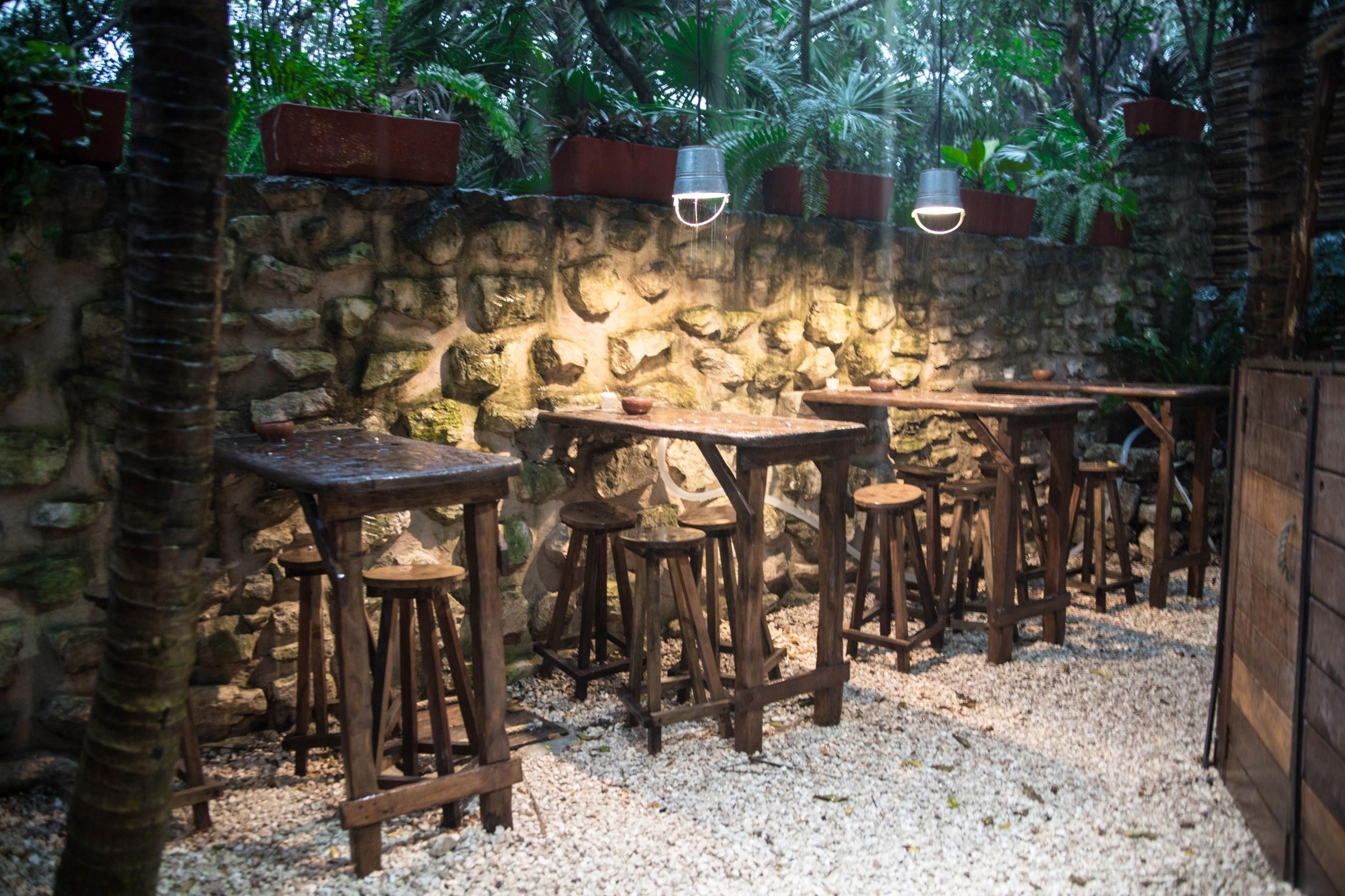
More in London
Restaurants in London
Browse all →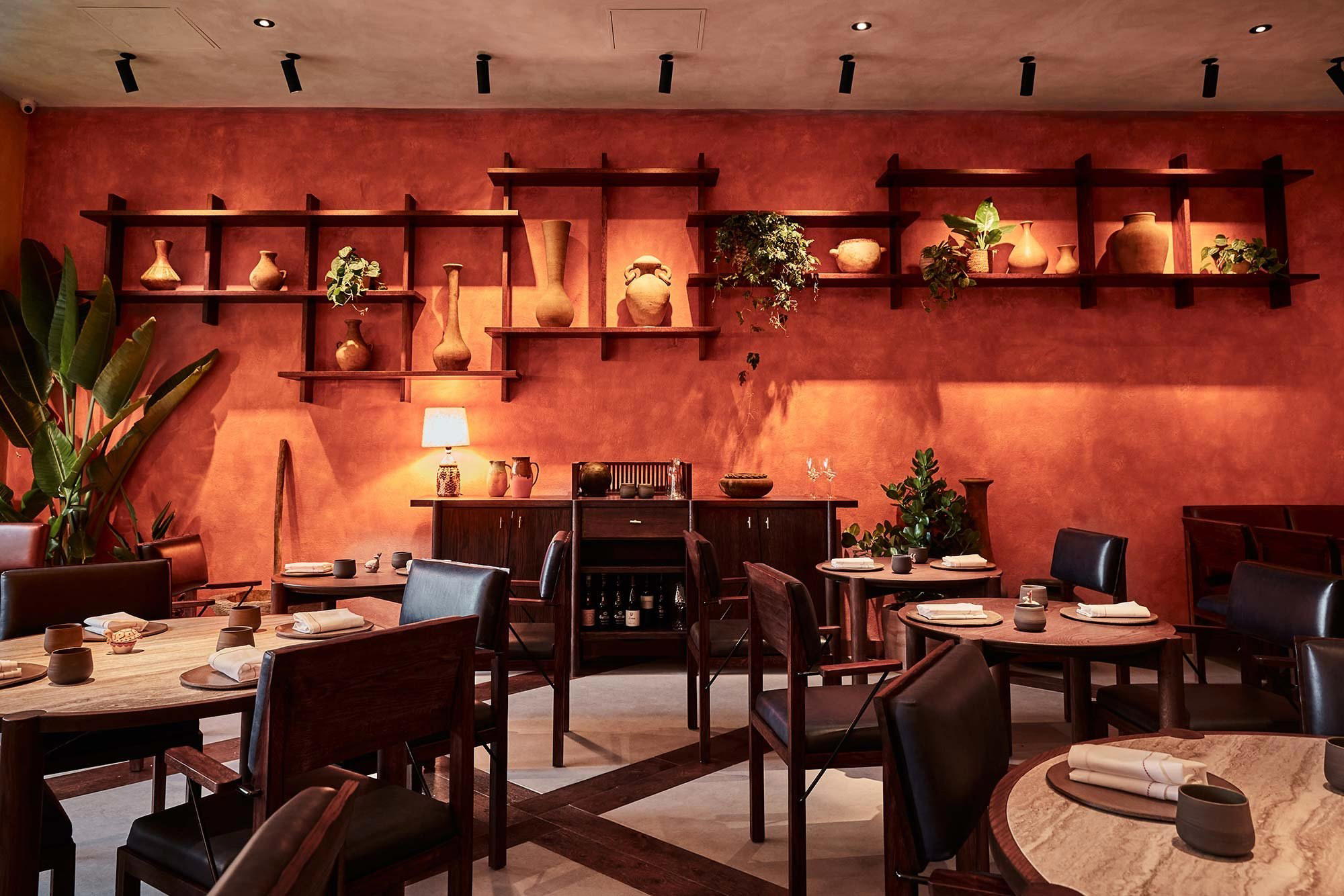
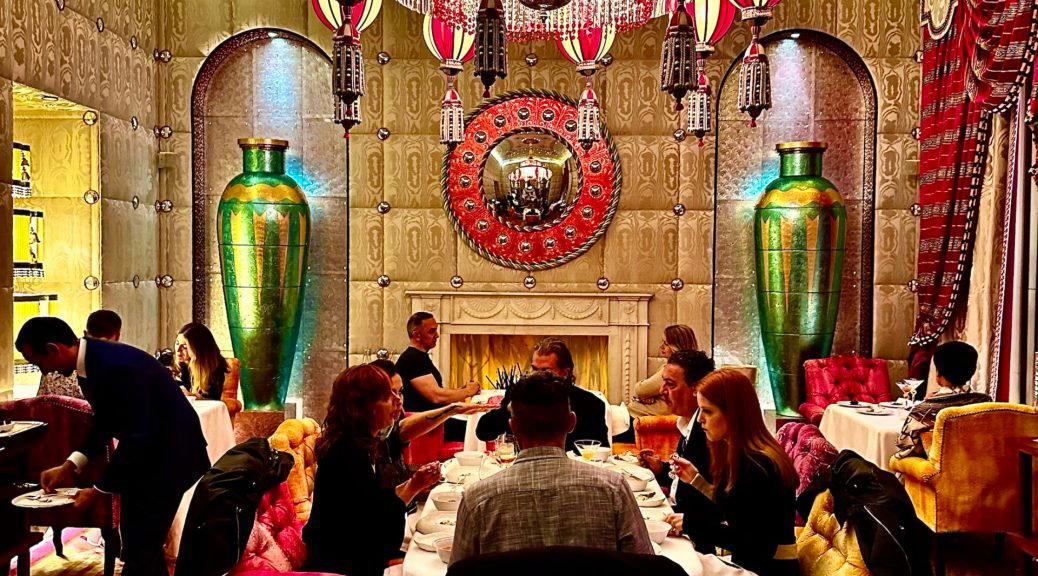
Bars in London
Browse all →
Hotels in London
Browse all →



At a Glance
- Lively
- Modern
- Elegant
- Sophisticated
- Group Dining
- Casual Hangout
- Date Night
- After Work
- Brunch
- Terrace
- Open Kitchen
- Standalone
- Design Destination
- Craft Cocktails
- Extensive Wine List
- Local Sourcing
Current opening hours
- Monday
- 12–3:30 PM, 4:45–11:30 PM
- Tuesday
- 12–3:30 PM, 4:45–11:30 PM
- Wednesday
- 12–3:30 PM, 4:45–11:30 PM
- Thursday
- 12–3:30 PM, 4:45–11:30 PM
- Friday
- 12–3:30 PM, 4:45–11:30 PM
- Saturday
- 10 AM–3:30 PM, 4:45–11:30 PM
- Sunday
- 10 AM–3:30 PM, 4:45–11 PM
Hours can change for holidays and private events. Last verified .
Chic urban dining with moody lighting, paper tablecloths, and whitewashed taverna-inspired aesthetics combined with sophisticated interiors; a busy, energetic atmosphere with laid-back lively vibes.