Ravi's Famous Apom Manis

Michelin Bib Gourmand
Our verdict
Operating from Jalan Burma since 1920 and recognised by Michelin Bib Gourmand in both 2024 and 2025, Ravi's Famous Apom Manis is one of George Town's longest-running street food institutions. The stall's charcoal-fired claypot apom, thin, crispy at the edges, soft and coconutty at the centre, sells out most mornings well before 10am. Arrive before 9am to avoid leaving empty-handed.

Pearl is the En Primeur Club membership app, where members save venues, book tables and use the concierge.
The menu
What to order
- Claypot Apom Manis
A Century of Charcoal-Fired Apom on Jalan Burma
George Town's street food identity is built on longevity and repetition: the same hawker, the same fire, the same batter, refined across decades until nothing is wasted and nothing needs changing. That pattern describes a particular tier of Penang stalls, those operating continuously since before independence, still drawing queues on the same street corner, still recognised by external bodies for the same dish they were making a generation ago. Ravi's Famous Apom Manis at 317 Jalan Burma sits firmly in that tier. Trading since 1920, it has accumulated over a century of institutional knowledge in a single format: the apom manis, a coconut milk crêpe cooked in a cast claypot over live charcoal.
The technique matters here as much as the recipe. Claypot cookware distributes heat differently from steel or cast iron, creating a gentler, more even base temperature that allows the apom's centre to puff and remain soft while the edges crisp and char slightly. The charcoal heat source compounds this: it produces a drier, more consistent radiant heat than gas, without the moisture flare-ups that can flatten a crêpe's rise. These are not incidental choices. They are the reason Ravi's apom reads as fluffier and more coconutty than versions produced on modern equipment at higher-volume stalls. Michelin's inspectors, who awarded Bib Gourmand status in both 2024 and 2025, are recognising exactly this kind of technical discipline applied consistently across decades.
Where Apom Fits in the George Town Breakfast Hierarchy
Penang's morning hawker circuit runs on a loose but well-understood ranking system. Certain dishes anchor certain hours: char kway teow and hokkien mee tend toward lunch, while the earliest risers gravitate toward lighter formats, congee, koay teow th'ng, apom. At that pre-9am hour, the competition is between stalls that have mastered a narrow, specific format and repeat it without variation. Ah Boy Koay Teow Th'ng occupies the noodle-soup corner of that morning window; Ravi's occupies the sweet crêpe corner. Neither is interchangeable with the other, and both operate on the same principle: scarcity enforced by supply, not by reservation system.
That scarcity is real. The stall tends to sell out by 9:30am, which means the effective eating window is roughly two hours, earlier if the morning draw is strong. This is a structural feature of charcoal-based street cooking rather than a marketing posture: production capacity is tied directly to the heat source and the cook's pace, not to a commercial kitchen's throughput. Stalls in this format cannot simply double output by adding burners. The queue, in other words, is a byproduct of the method.
Across Southeast Asia, this model of Michelin-recognised street food operating within hard physical constraints is more common than casual visitors expect. In Singapore, stalls like Hill Street Tai Hwa Pork Noodle and 545 Whampoa Prawn Noodles operate on similar logic, single-dish focus, fixed production rhythm, recognition built on consistency rather than innovation. 91 Fried Kway Teow Mee and A Noodle Story extend the same pattern. In Phuket, A Pong Mae Sunee applies identical logic to kanom buang, Thai crispy crêpes, with the same early-morning sell-out dynamic. Ravi's is the Penang node in a regional network of hawker institutions that Michelin has increasingly chosen to document.
The Jalan Burma Address in Context
Jalan Burma is not the tourist-facing spine of George Town's food scene, that designation belongs to Chulia Street, Armenian Street, and the clan jetty surrounds. Jalan Burma runs northwest through a more residential band of the city, connecting the heritage core to the Air Itam valley. Stalls and coffee shops along this corridor serve a predominantly local clientele on a daily-commute rhythm rather than a weekend-visitor rhythm. Ravi's has operated at this address since 1920, which means the stall predates the tourist infrastructure around it by several decades and operates entirely independently of it.
That positioning distinguishes the Jalan Burma corridor from the more heavily visited hawker concentrations. For visitors working through George Town's food circuit, this stretch, which also brings you within range of Air Itam Duck Rice and Air Itam Sister Curry Mee further along the valley, rewards early starts. The stalls here open and close on their own internal schedules, not in response to visitor patterns.
George Town's broader food scene spans price points from single-dollar hawker plates to the $$$ tier represented by Au Jardin. Ravi's sits at the base of that range in cost and at the leading in institutional depth. The Michelin Bib Gourmand designation, awarded to restaurants and stalls offering quality cooking at moderate prices, applies to both ends: the dish costs a fraction of a sit-down meal, and the recognition is the same body that awards stars to Dewakan in Kuala Lumpur and tracks the regional dining scene at large.
Planning Your Visit
Ravi's Famous Apom Manis operates on a walk-up basis at 317 Jalan Burma, George Town, there is no booking system, no website, and no phone line listed. The practical planning logic is simple: arrive before 9am if you want a reliable chance at the apom, and treat 9:30am as a hard outer limit beyond which the stall is likely to have sold through its supply. Morning is the only window; this is not an all-day operation.
The price point is a single dollar sign by any reasonable calibration, apom manis at Penang hawker stalls falls well below RM10 per order, and the format is takeaway-friendly. For visitors building a morning food run across the city, pairing Ravi's with a stop at Ali Nasi Lemak Daun Pisang or working down toward 888 Hokkien Mee on Lebuh Presgrave is a sensible itinerary, one that covers George Town's hawker range across a single morning without doubling back. Full context on where Ravi's fits within the broader city eating map is available in our full George Town restaurants guide. If you are also planning accommodation or evening programming, our George Town hotels guide, bars guide, and experiences guide map the city's other tiers. For those exploring the wider Malaysia and Penang Strait region, Bee See Heong in Seberang Perai and The Planters at The Danna in Langkawi represent the range of what the broader area offers, from hawker institutions to resort dining.
Frequently asked questions
at Ravi's Famous Apom Manis?
The apom manis is the only item the stall is known for, and it is the basis of both the 2024 and 2025 Michelin Bib Gourmand awards. The crêpes are cooked in a claypot over charcoal, producing a puffy, coconut-forward centre with crisped edges, a texture profile that depends on the equipment and method, not just the batter. Order early; the stall tends to sell out by 9:30am, and there is no second service.
What is the ideal way to book Ravi's Famous Apom Manis?
There is no reservation system. Ravi's operates as a walk-up street stall at 317 Jalan Burma, George Town, no phone listing, no website, no online booking. The effective strategy is to arrive before 9am on the morning you plan to visit. The stall has held Michelin Bib Gourmand recognition for two consecutive years (2024 and 2025), which has increased awareness among visitors, so earlier is more reliable than later. At a price point well within the single-dollar-sign range, this is one of the most cost-efficient Michelin-recognised eating experiences in Malaysia.
Price and Recognition
| Venue | Cuisine | Price | Awards | Notes |
|---|---|---|---|---|
| Ravi's Famous Apom ManisThis venue (the venue you are viewing) | Traditional Claypot Apom Manis | $1–10 | Michelin Bib Gourmand | Not listed |
| Au Jardin | Modern European with Local Accents | $200–300 | 1 Michelin Star · World's 50 Best #39 | European Contemporary |
| Auntie Gaik Lean's Old School Eatery | Peranakan (Nyonya) | $10–20 | 1 Michelin Star | Peranakan |
| Ah Boy Koay Teow Th'ng | Teochew Koay Teow Th'ng | $1–10 | Michelin Bib Gourmand | Street Food |
| Aria | Modern American | Not listed | Not listed | Not listed |
| Communal Table by Gēn | Modern Malaysian Fusion | $30–50 | Michelin Bib Gourmand · Star Wine List | Malaysian |
Recognition history
Dated appearances from independent guides and award organizations, with the underlying list record or original source where available.
Michelin Bib Gourmand
Michelin
Full recognition history (3 entries)
Michelin Bib Gourmand
Michelin
Michelin Bib Gourmand
Michelin
Continue exploring
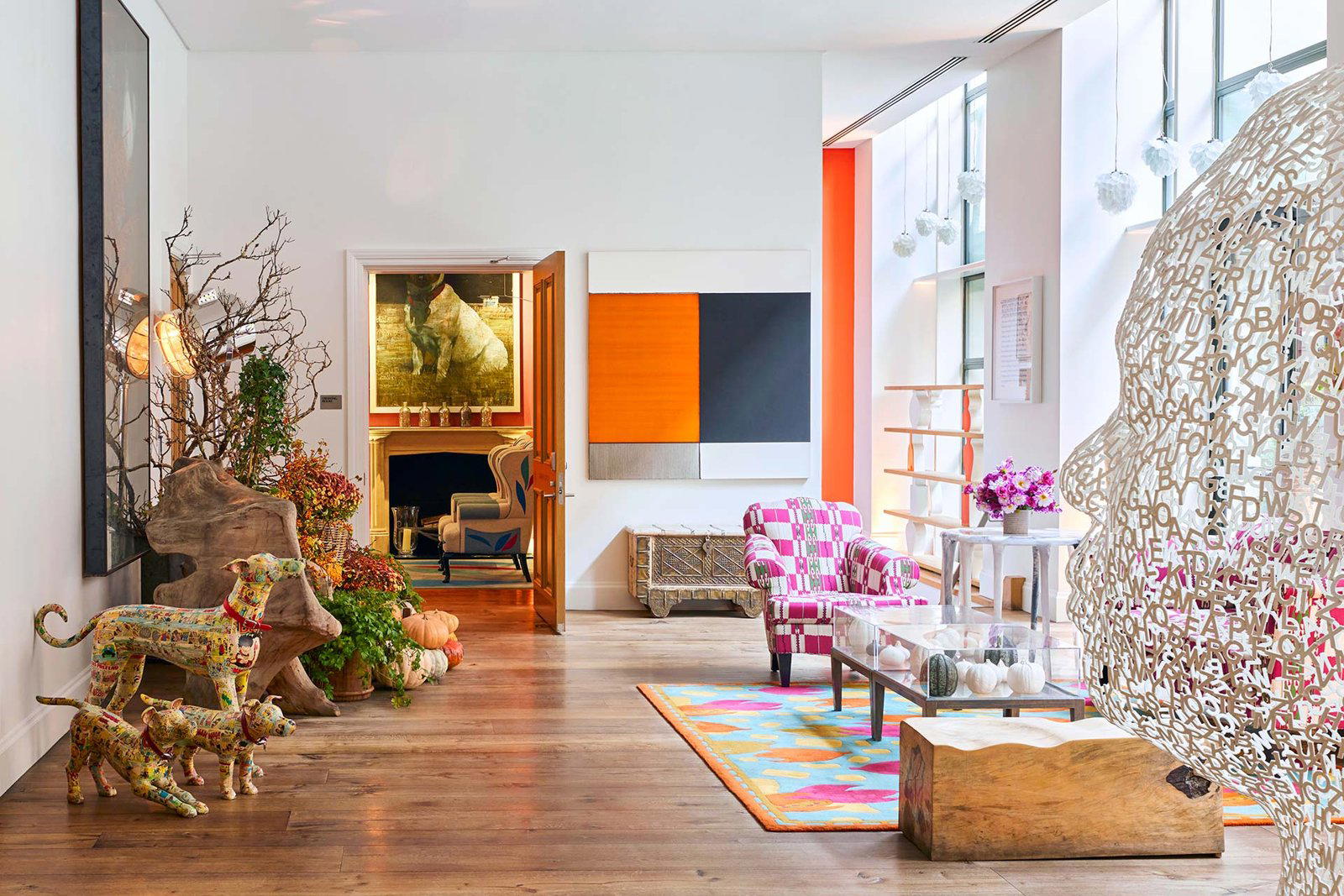
More in George Town
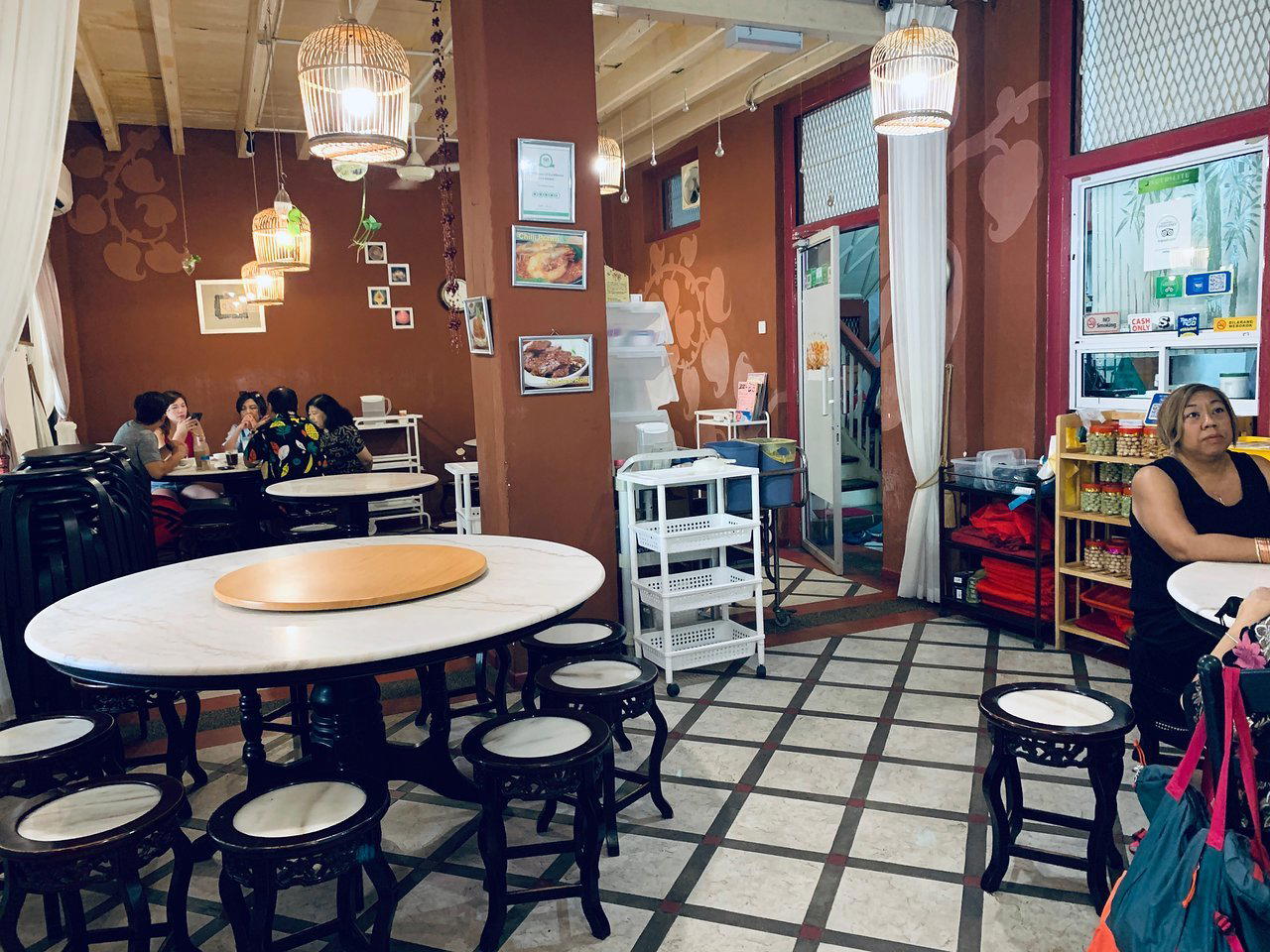
Restaurants in George Town
All restaurants in George Town →
Bars in George Town
All bars in George Town →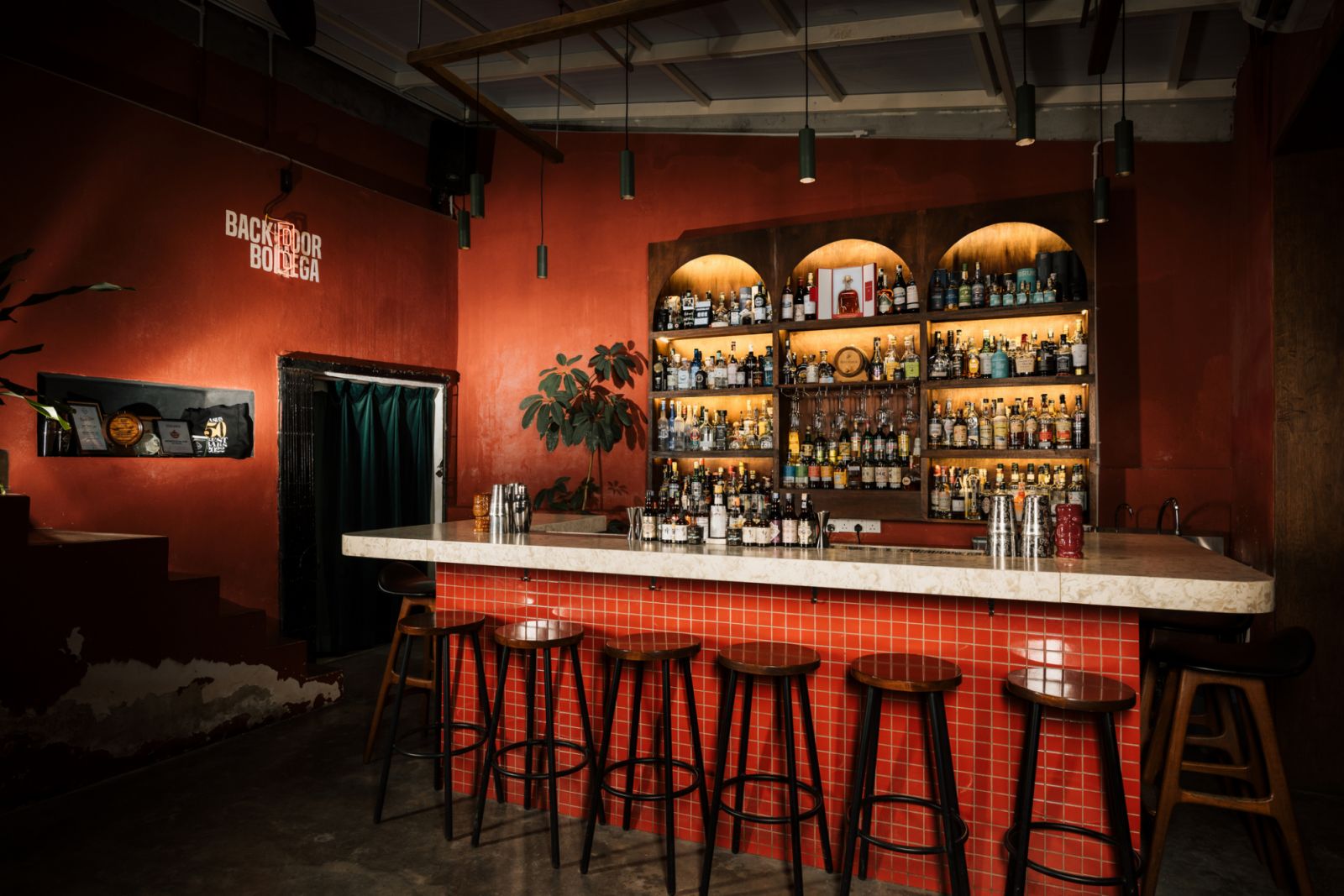
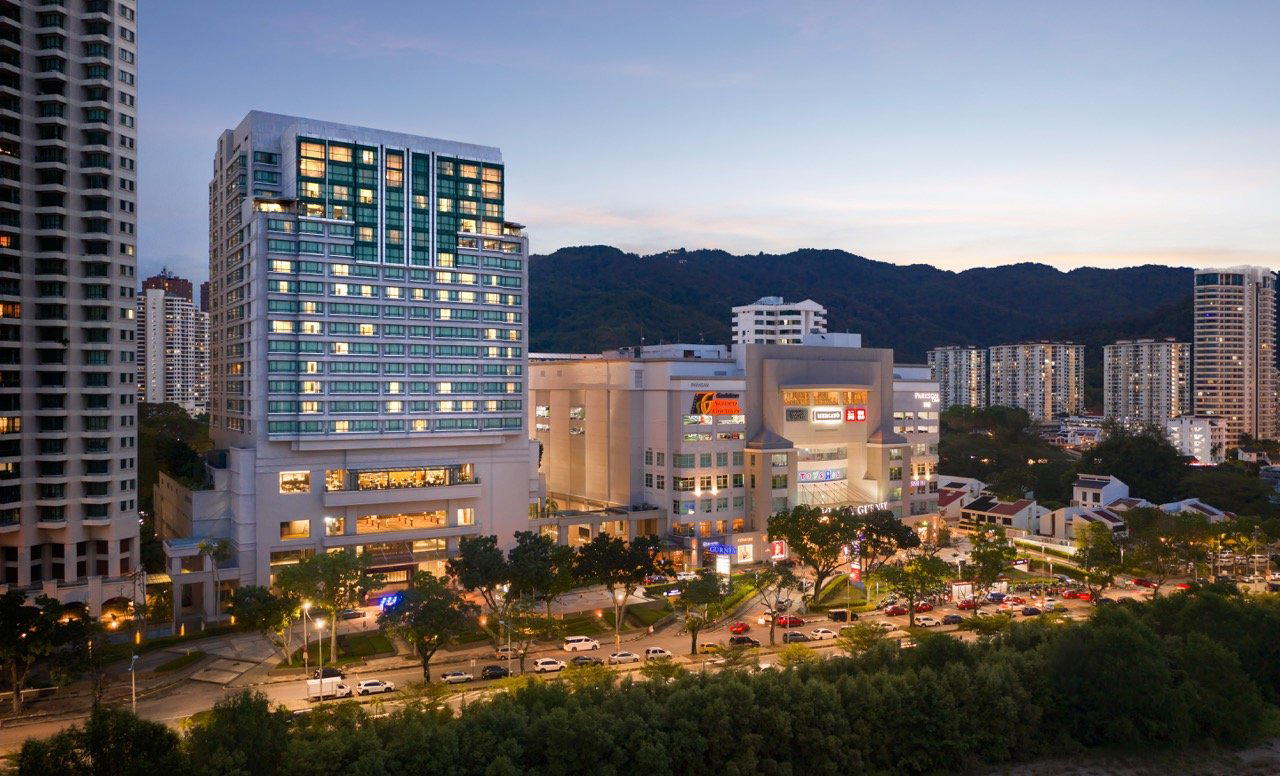
Details
- Rustic
- Casual Hangout
- Historic Building
- A La Carte
Current opening hours
- Monday
- 6–10 AM
- Tuesday
- 6–10 AM
- Wednesday
- 6–10 AM
- Thursday
- Closed
- Friday
- 6–10 AM
- Saturday
- 6–10 AM
- Sunday
- 6–10 AM
Hours can change for holidays and private events. Hours as of .
No-frills hawker stall inside a coffee shop with a simple, traditional atmosphere.